WASHINGTON (AP) — Nearly a quarter of animals living in rivers, lakes and other freshwater sources are threatened with extinction, according to new research published Wednesday.
“Huge rivers like the Amazon can appear mighty, but at the same time freshwater environments are very fragile,” said study co-author Patricia Charvet, a biologist at Brazil's Federal University of Ceará.
Click to Gallery
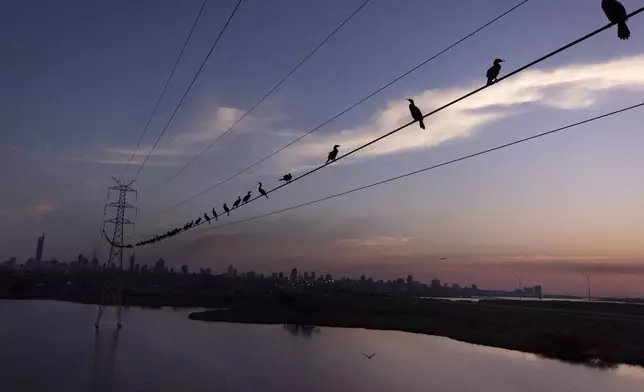
FILE - Neotropic cormorants roost on a high voltage cable at sunset near the Paraguay River, in Asuncion, Paraguay, Saturday, Aug. 14, 2021. (AP Photo/Jorge Saenz, File)
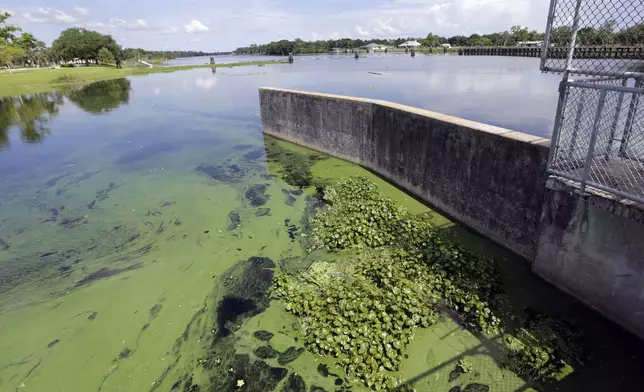
FILE - An algae bloom appears on the Caloosahatchee River at the W.P. Franklin Lock and Dam in Alva, Fla., on Thursday, July 12, 2018. (AP Photo/Lynne Sladky, File)
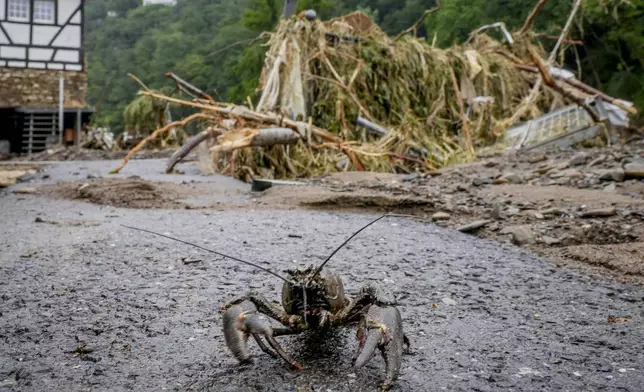
FILE - A crayfish walks on pavement after floodwaters from the Ahr River receded in Schuld, Germany, Friday, July 16, 2021. (AP Photo/Michael Probst, File)
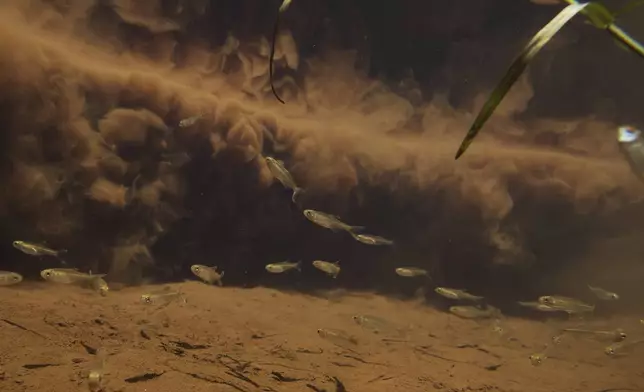
FILE - Fish swim past mud that was released by the collapse of a mining company's dam, in a tributary that leads to Paraopeba River near a community of the Pataxo Ha-ha-hae indigenous people, in Brumadinho, Brazil, Tuesday, Jan. 29, 2019. (AP Photo/Leo Correa, File)
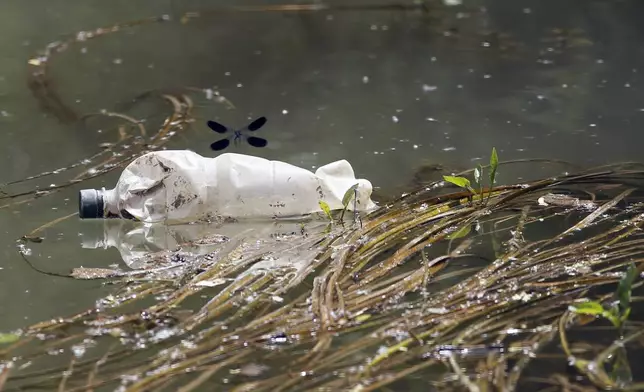
FILE - A dragonfly flies over a plastic bottle near the bank of Sava River in Obrenovac, some 25 kilometers (15 miles) west of the Serbian capital Belgrade, on Tuesday, May 28, 2013. (AP Photo/Darko Vojinovic, File)
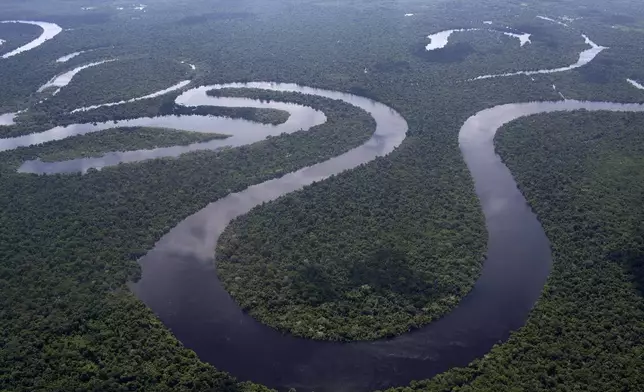
FILE - The Nanay River winding through Peru's Amazon jungle near Iquitos is seen on April 18, 2015. (AP Photo/Rodrigo Abd, File)
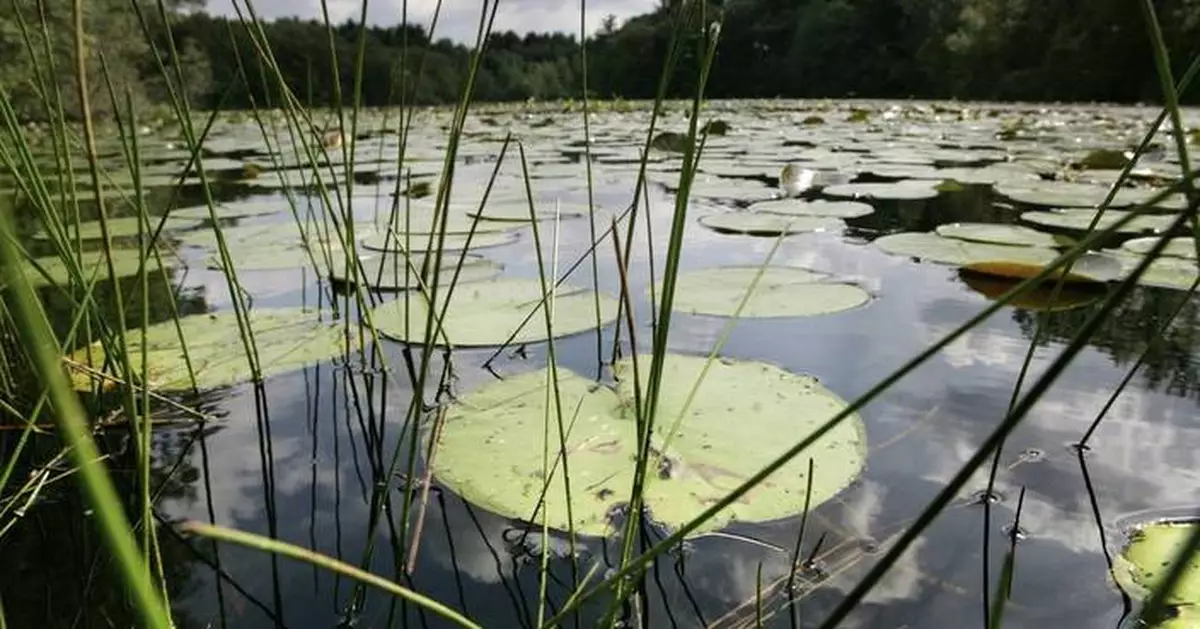
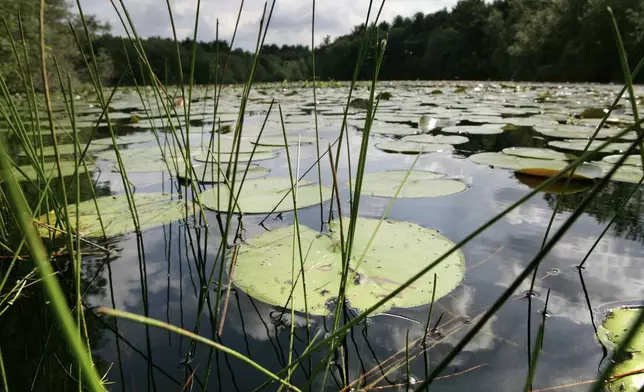
FILE - Lily pads rest on the surface of St. Moritz Pond, at the Blue Hills Reservation, in Quincy, Mass., Tuesday, Aug. 17, 2004. (AP Photo/Steven Senne, File)
Freshwater habitats – including rivers, lakes, ponds, streams, bogs and wetlands – cover less than 1% of the planet’s surface, but support 10% of its animal species, said Catherine Sayer, a zoologist at the International Union for Conservation of Nature in England.
The researchers examined around 23,500 species of dragonflies, fish, crabs and other animals that depend exclusively on freshwater ecosystems. They found that 24% were at risk of extinction – classified as vulnerable, endangered or critically endangered – due to compounding threats from pollution, dams, water extraction, agriculture, invasive species, climate change and other disruptions.
“Most species don’t have just one threat putting them at risk of extinction, but many threats acting together,” said Sayer, a study-co-author.
The tally, published in the journal Nature, is the first that time researchers have analyzed the global risk to freshwater species. Previous studies have focused on land animals including including mammals, birds and reptiles.
Duke University ecologist Stuart Pimm, who was not involved in the study, called it “a long-awaited and hugely important paper."
“Almost every big river in North America and Europe is massively modified" through damming, putting freshwater species at risk, he said.
In South America, the vast Amazon River ecosystem also faces threats from deforestation, wildfires and illegal gold mining, said Charvet.
Illegal fires to clear forest result in waves of ash polluting the river, and unlicensed gold miners dump mercury into the water, she said.
Rivers and wetlands “concentrate everything that happens around them," she said. "If something goes really wrong, like an acid or oil spill, you can threaten an entire species. There’s nowhere else for these animals to go.”
The Associated Press Health and Science Department receives support from the Howard Hughes Medical Institute’s Science and Educational Media Group. The AP is solely responsible for all content.
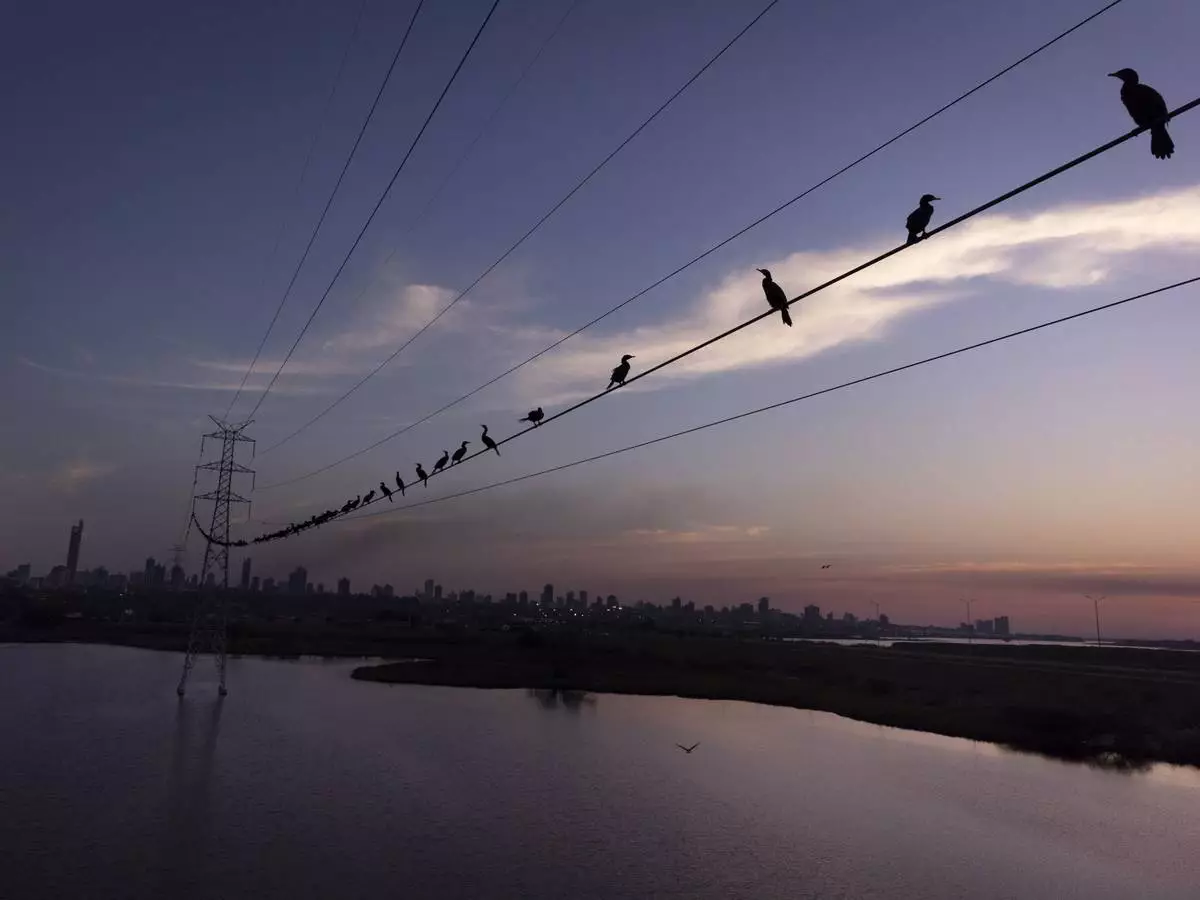
FILE - Neotropic cormorants roost on a high voltage cable at sunset near the Paraguay River, in Asuncion, Paraguay, Saturday, Aug. 14, 2021. (AP Photo/Jorge Saenz, File)
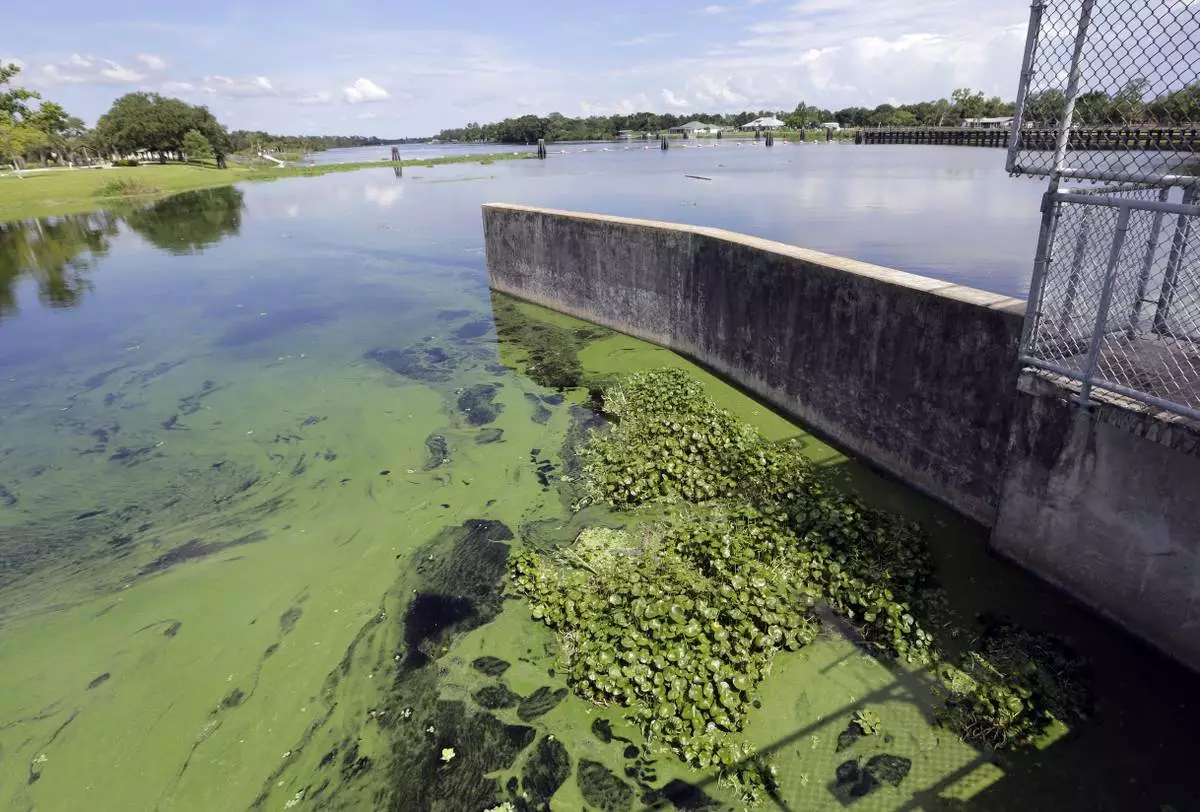
FILE - An algae bloom appears on the Caloosahatchee River at the W.P. Franklin Lock and Dam in Alva, Fla., on Thursday, July 12, 2018. (AP Photo/Lynne Sladky, File)
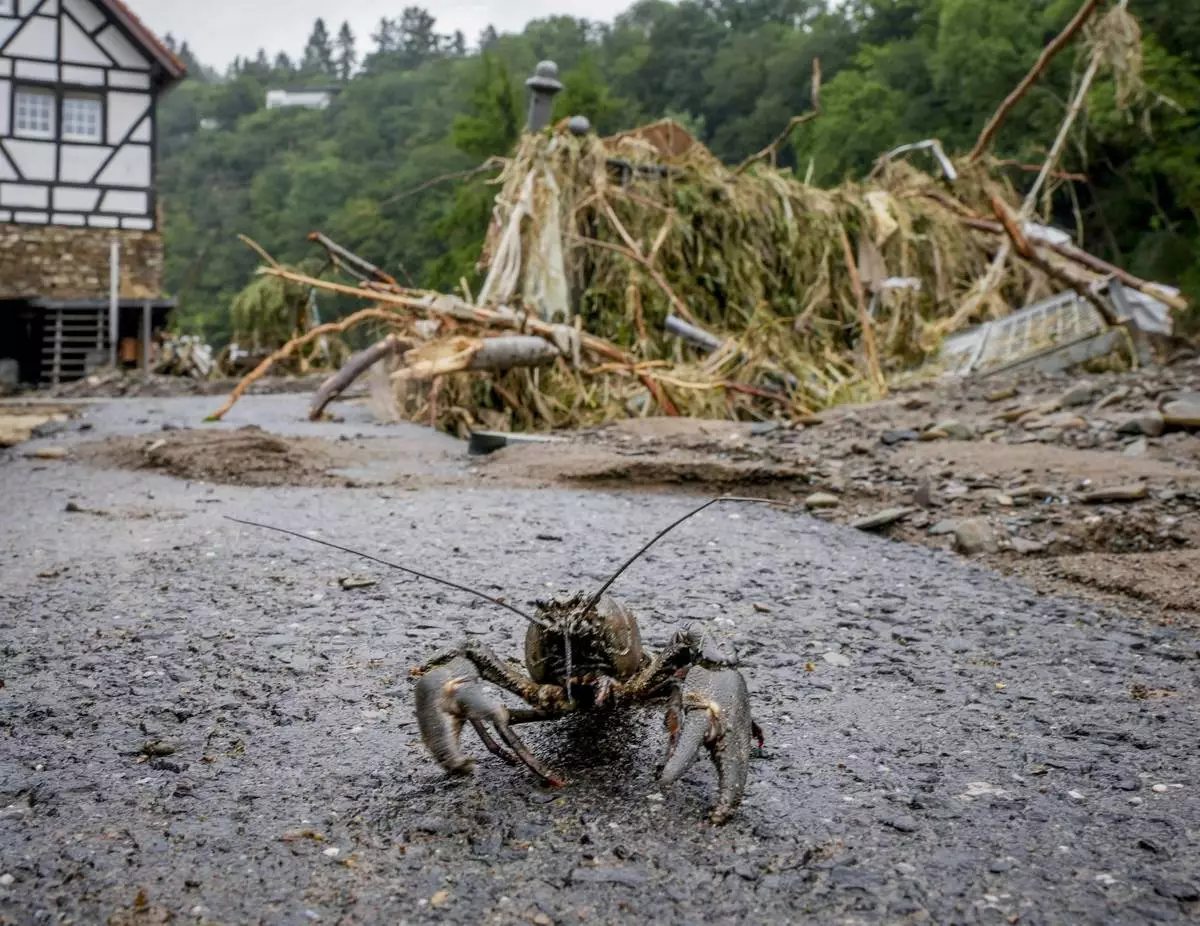
FILE - A crayfish walks on pavement after floodwaters from the Ahr River receded in Schuld, Germany, Friday, July 16, 2021. (AP Photo/Michael Probst, File)
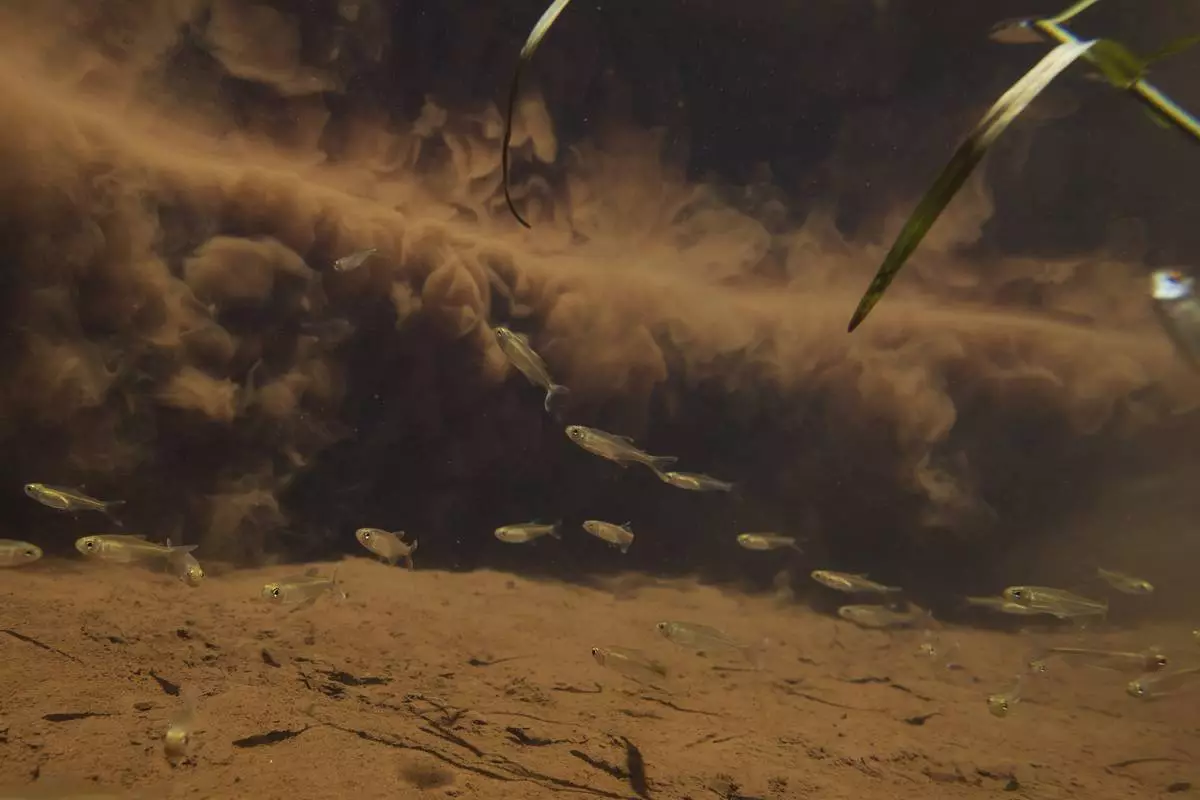
FILE - Fish swim past mud that was released by the collapse of a mining company's dam, in a tributary that leads to Paraopeba River near a community of the Pataxo Ha-ha-hae indigenous people, in Brumadinho, Brazil, Tuesday, Jan. 29, 2019. (AP Photo/Leo Correa, File)
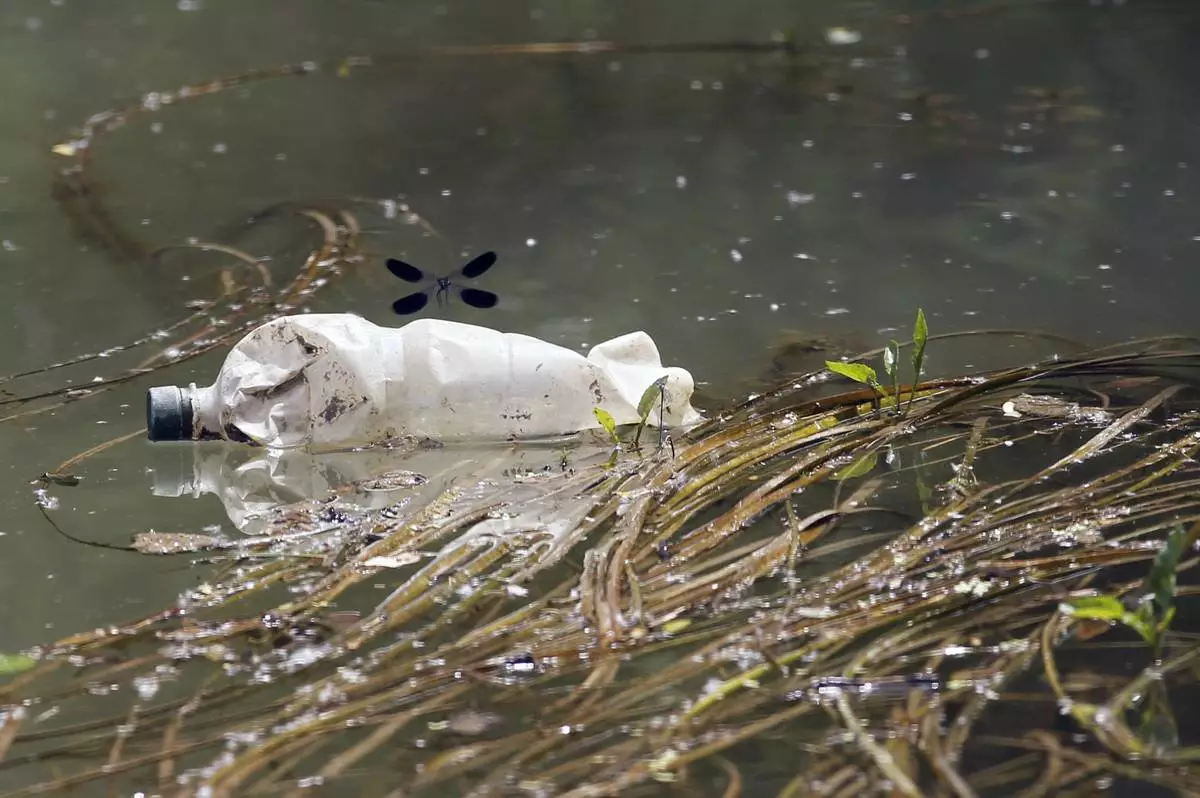
FILE - A dragonfly flies over a plastic bottle near the bank of Sava River in Obrenovac, some 25 kilometers (15 miles) west of the Serbian capital Belgrade, on Tuesday, May 28, 2013. (AP Photo/Darko Vojinovic, File)
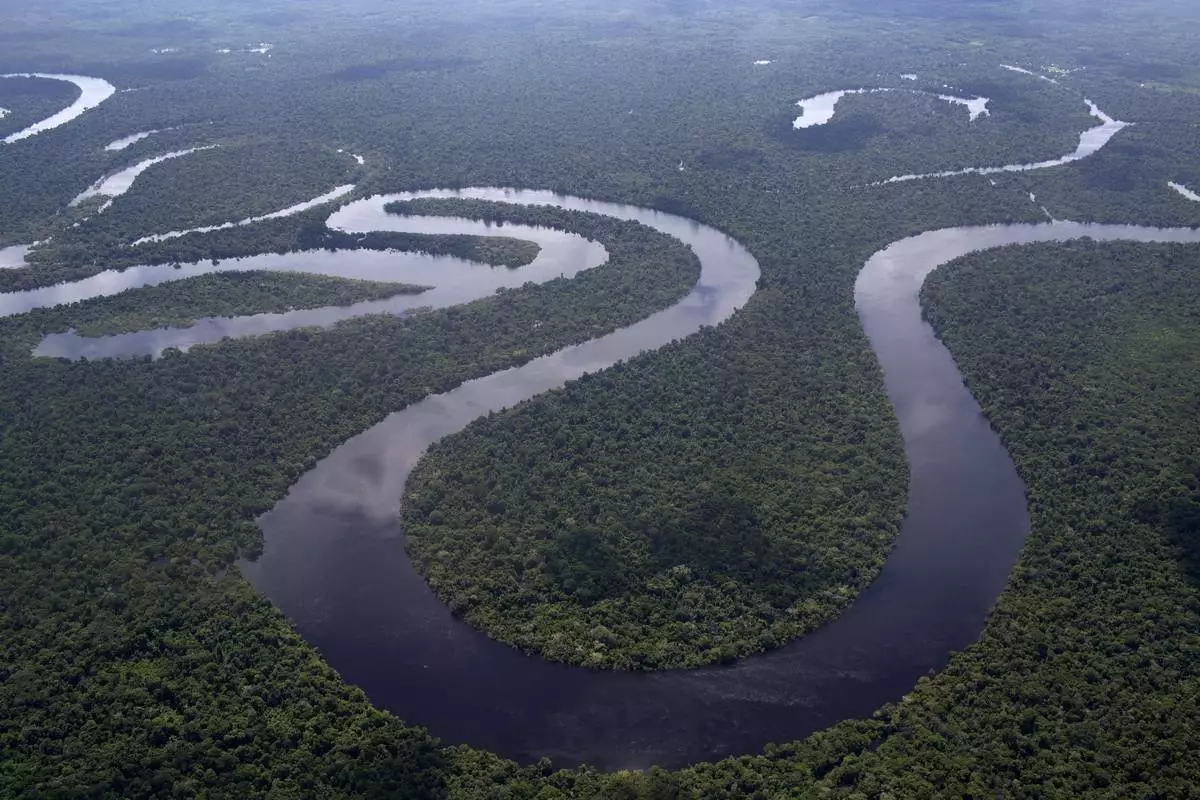
FILE - The Nanay River winding through Peru's Amazon jungle near Iquitos is seen on April 18, 2015. (AP Photo/Rodrigo Abd, File)
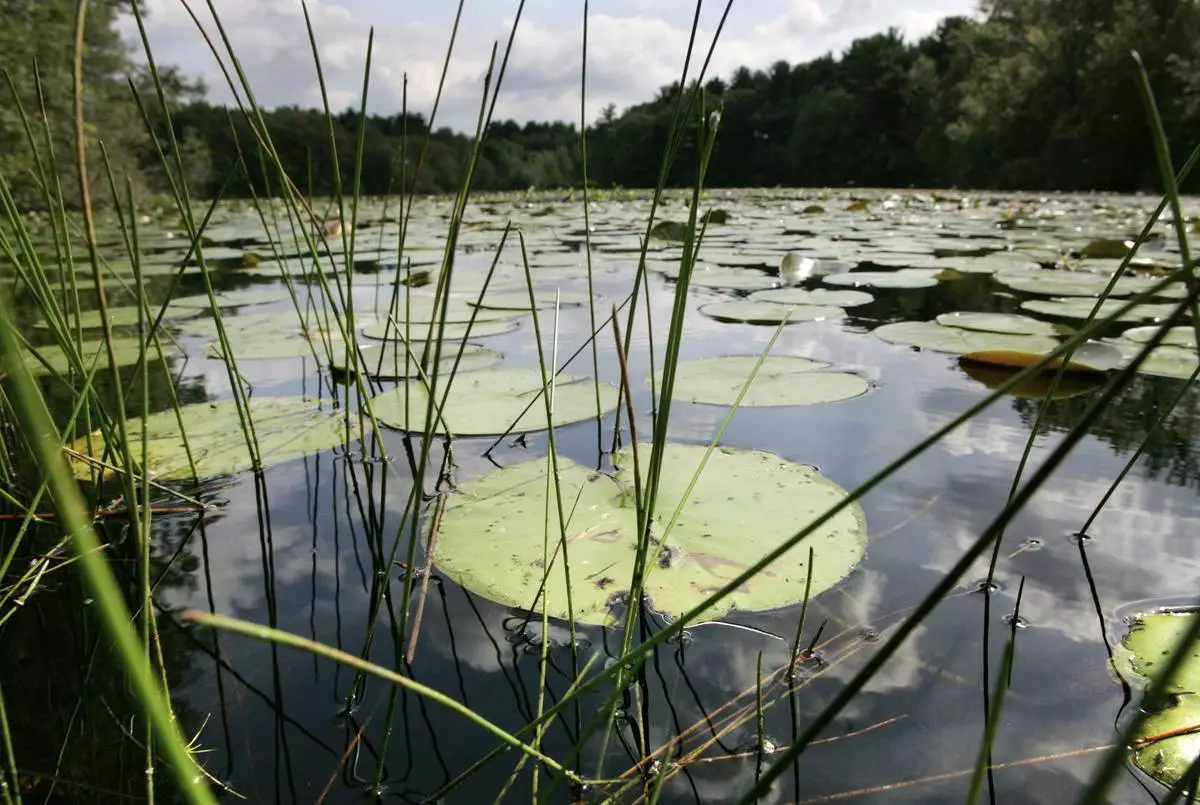
FILE - Lily pads rest on the surface of St. Moritz Pond, at the Blue Hills Reservation, in Quincy, Mass., Tuesday, Aug. 17, 2004. (AP Photo/Steven Senne, File)
ISLAMABAD (AP) — The United States and Iran are close to signing an agreement aimed at ending their war, three regional officials told The Associated Press on Friday. A senior U.S. official said the tentative deal includes terms for removing and destroying nuclear material from Iran.
Iranian Foreign Minister Abbas Araghchi posted Friday on X that an agreement “has never been closer.” He gave no details, saying a final deal was still pending. U.S. President Donald Trump shared Araghchi's post on his own social media.
The apparent breakthrough in negotiations comes after Iran exchanged fire with the U.S. and Israel over three days this week, threatening to return the Middle East to full-scale war.
Trump has said multiple times in recent weeks that the countries were on the cusp of a deal. The war launched by the U.S. and Israel on Feb. 28 has rattled the Middle East and virtually shut down oil and natural gas shipments from the Persian Gulf. A fragile ceasefire has been in place since April 7.
The regional officials said the emerging deal is expected to pave the way for reopening the Strait of Hormuz, the phased lifting of sanctions on Iran, and the release of frozen Iranian assets. These officials, who spoke on condition of anonymity because of the sensitivity of the negotiations, declined to discuss further details.
A senior U.S. official said key terms in the emerging agreement include the removal and destruction of Iran’s nuclear material and the dismantling of Tehran's nuclear program. The terms also include Iran agreeing not to fund terrorist groups, the official said.
The U.S. official spoke on condition of anonymity because they were not authorized to provide details about the sensitive talks.
Underscoring the fragility of the talks, Trump on Friday lashed out at Iranian officials on social media and said: “They better get their act together, and FAST!”
Iran's nuclear program has been a key point of division. The U.S. and Israel fear it could lead to an atomic weapon — a main reason their leaders cited for going to war. Tehran has insisted its nuclear efforts are for peaceful purposes.
Also critical is Iran’s effective closure of the Strait of Hormuz, a vital shipping lane for oil and natural gas. Disruption of transit through the strait has crimped global energy supplies, driven up fuel prices and made food and other basics more expensive well beyond the region.
The U.S. has responded since mid-April with a naval blockade of Iranian ports to choke off Iran’s own oil exports.
The regional officials said they expect a signing ceremony for the agreement in the coming days after officials in Washington and Tehran approve it.
“This deal has the potential to remake the region and lead to lasting peace,” U.S. Vice President JD Vance said Friday in a social media post, without releasing details.
Trump on Thursday claimed significant progress in the negotiations, just hours after he threatened to escalate attacks and seize Iran’s oil industry. Esmail Baghaei, a spokesperson for Iran’s Foreign Ministry, said on state television that mediators were active and the text of a deal was “mostly finalized.”
There was no immediate comment Friday from Pakistan’s Foreign Ministry, which has been leading efforts to mediate a deal between the U.S. and Iran. Foreign Ministry spokesperson Tahir Andrabi had said Thursday that Pakistan remained involved in negotiations.
Israeli Prime Minister Benjamin Netanyahu has said Israel is not a party to the deal being negotiated. He said in a statement Friday that he and Trump were in “full agreement” that Iran must not have nuclear weapons.
Israeli Defense Minister Israel Katz said in a separate statement that Israel also expects Trump to uphold key Israeli interests, including weakening Iran's missile program and proxy network.
Katz warned that Israel could still act independently toward Iran and that the country would not pull out of the zones it is occupying in Lebanon, Syria and Gaza, nor would it withdraw from the northern refugee camps of the Israeli-occupied West Bank.
Iran has insisted that any deal to end the war must also end fighting in Lebanon between its ally militia Hezbollah and Israel. Netanyahu appears intent on pursuing his goal of destroying the militant group, complicating negotiations between Iran and the U.S.
The deal was largely being brokered by Pakistan, led by its army chief Field Marshal Asim Munir, the regional officials said, with backing from Saudi Arabia, Turkey, Egypt, and Qatar.
Binkley reported from Washington and Bynum reported from Savannah, Georgia. Associated Press journalists Julia Frankel in Jerusalem and Michelle L. Price in Washington contributed.
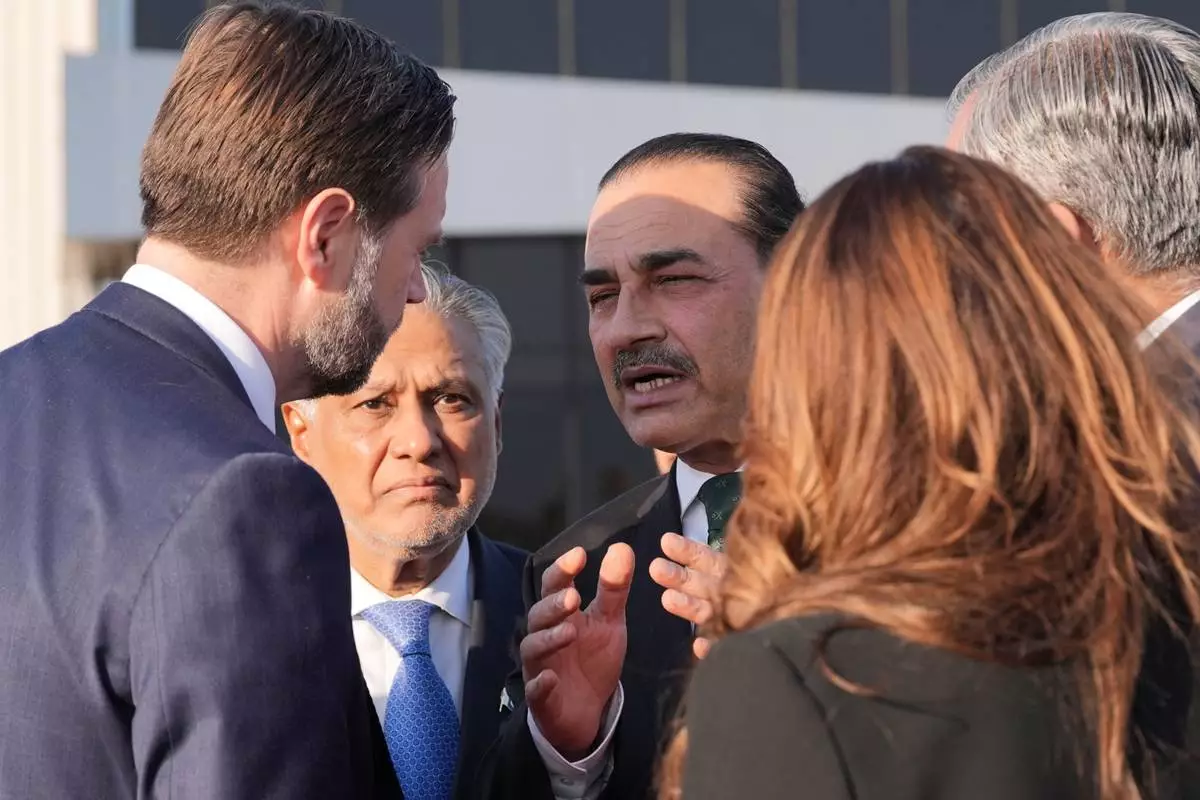
FILE - Vice President JD Vance, left, talks to Pakistan's Chief of Defence Forces and Chief of Army Staff Field Marshall Asim Munir, right, and Pakistani Deputy Prime Minister and Foreign Minister Mohammad Ishaq Dar, center, before boarding Air Force Two after attending talks on Iran in Islamabad, Pakistan, April 12, 2026. (AP Photo/Jacquelyn Martin, Pool, File)
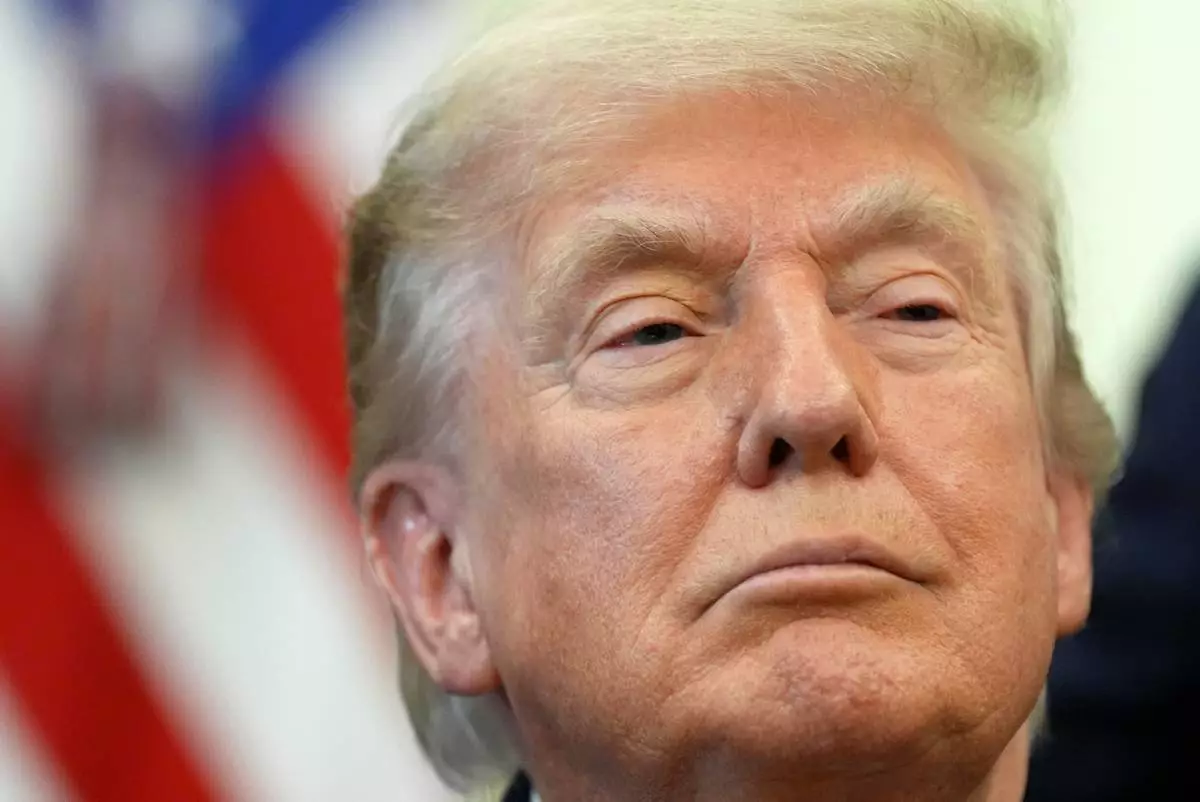
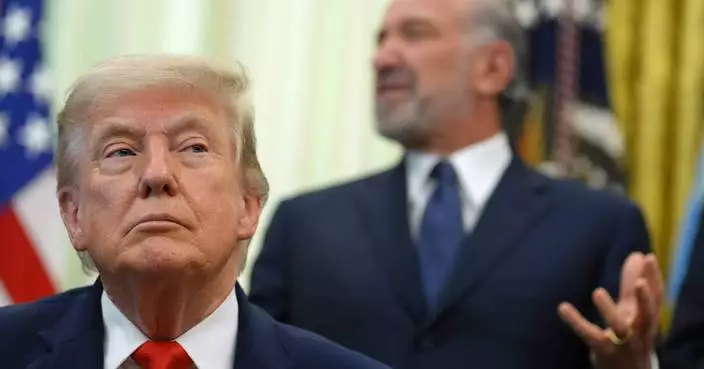
President Donald Trump is pictured during an event where he signs a proclamation about the fishing industry, in the Oval Office of the White House, Thursday, June 11, 2026, in Washington. (AP Photo/Jacquelyn Martin)

Residents swim and play in the waters of the Strait of Hormuz while cargo ships and commercial vessels lie anchored in the distance off Bandar Abbas, Iran, Wednesday, June 10, 2026.(Razieh Poudat/ISNA via AP)