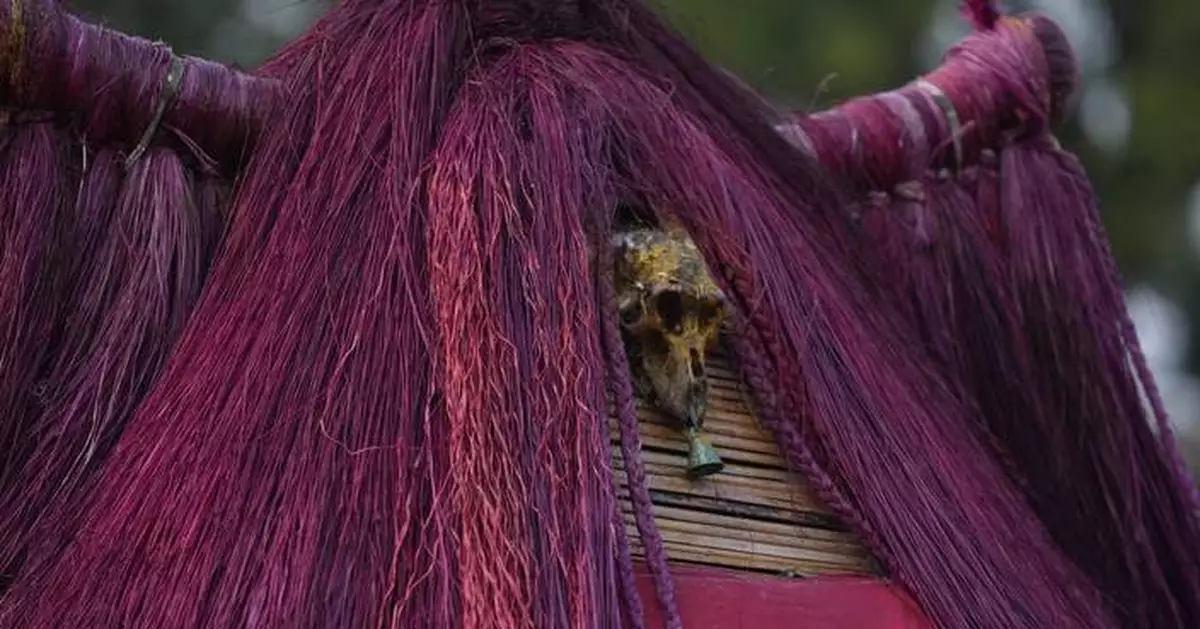
OUIDAH, Benin (AP) — As children dance with great speed and energy in colorful robes, guided by the drumbeats and chants from dance troupes, the gods and spirits that are evident all around the arena are beckoned upon by the old and young for peace and prosperity. And on the sidelines, camera clicks from foreigners and locals follow the festivities.
Welcome to the ancient town of Ouidah, in southern Benin, a mecca of gods and spirits where the celebration of the annual Voodoo festival brings a mix of tourism and religion in a clash of cultures and the ability for ancient traditional beliefs to adapt to modern life.
Click to Gallery
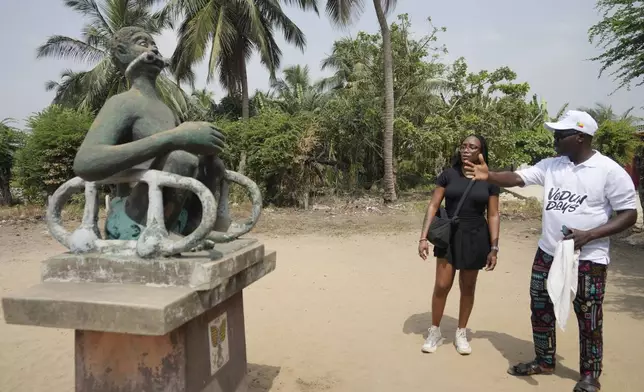
A tour guide, right, explained to Jaimie Lyne, a tourist from the Caribbean, about a slave statue in Ouidah, Benin, Friday, Jan. 10, 2025. (AP Photo/Sunday Alamba)
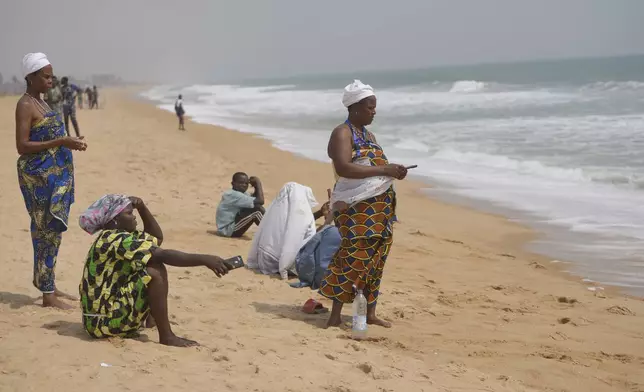
Voodoo worshippers are seen at the beach in Ouidah, Benin, Saturday, Jan. 11, 2025. (AP Photo/Sunday Alamba)
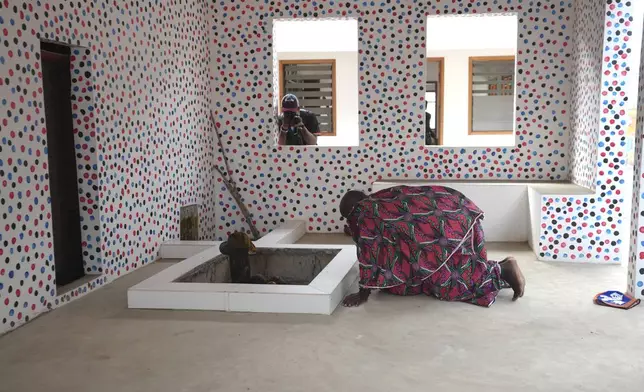
A voodoo priest prays inside a shrine during the annual Voodoo Festival in Ouidah, Benin, Friday, Jan. 10, 2025. (AP Photo/Sunday Alamba)
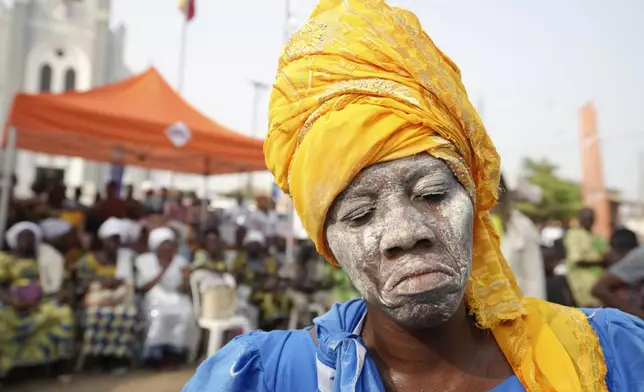
A voodoo worshipper dances ahead of the annual Voodoo Festival in Ouidah, Benin, Thursday, Jan. 9, 2025. (AP Photo/Sunday Alamba)
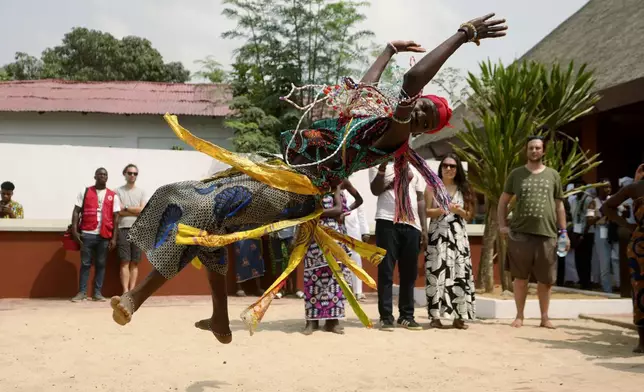
A Voodoo worshipper dances during the annual Voodoo Festival in Ouidah, Benin, Friday, Jan. 10, 2025. (AP Photo/Sunday Alamba)
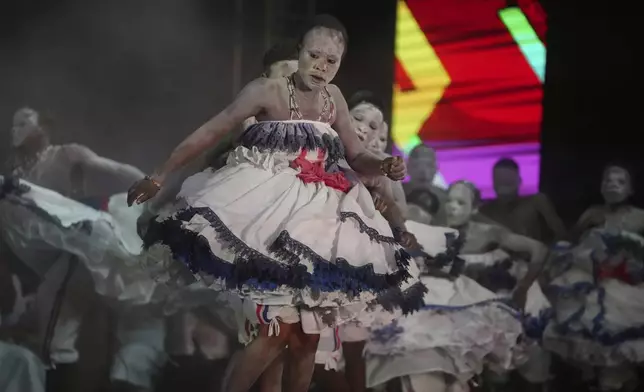
Voodoo worshippers dance during the annual Voodoo Festival in Ouidah, Benin, Friday, Jan. 10, 2025. (AP Photo/Sunday Alamba)
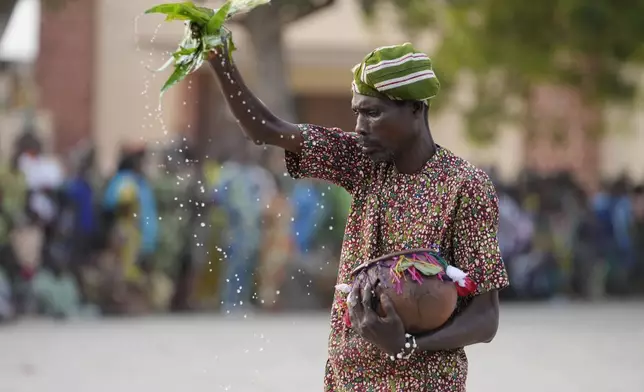
A man sprinkles water as Zangbeto masquerades the traditional Voodoo guardians of the night performing ahead of the annual Voodoo Festival in Ouidah, Benin, Thursday, Jan. 9, 2025. (AP Photo/Sunday Alamba)
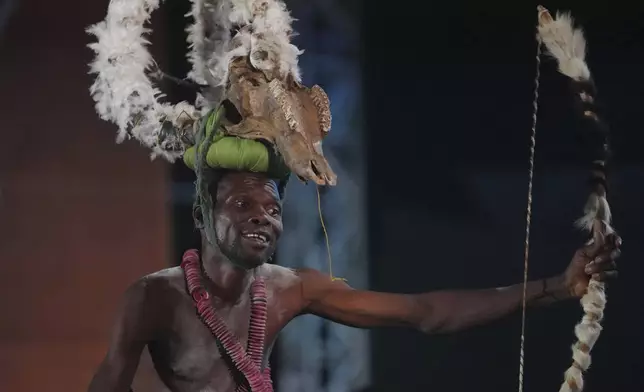
A voodoo worshipper performs during the annual Voodoo Festival in Ouidah, Benin, Friday, Jan. 10, 2025. (AP Photo/Sunday Alamba)
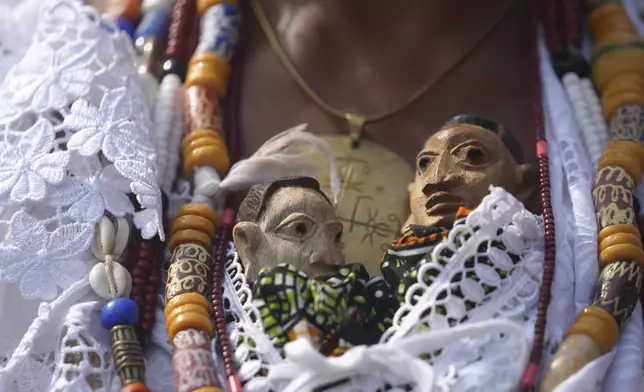
Voodoo dolls are seen wrapped into a woman's dress, during the annual Voodoo Festival in Ouidah, Benin, Friday, Jan. 10, 2025. (AP Photo/Sunday Alamba)
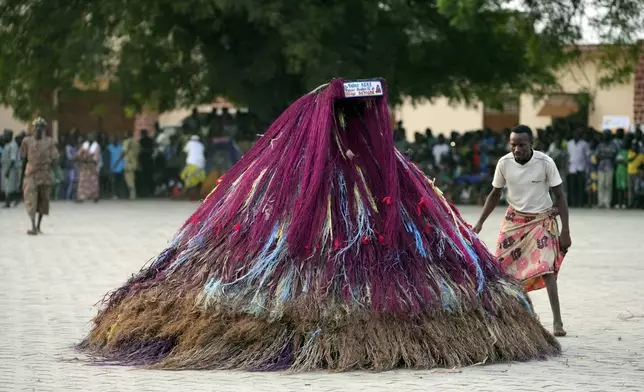
Zangbeto masquerade the traditional Voodoo guardians of the night performing ahead of the annual Voodoo Festival in Ouidah, Benin, Thursday, Jan. 9, 2025. (AP Photo/Sunday Alamba)
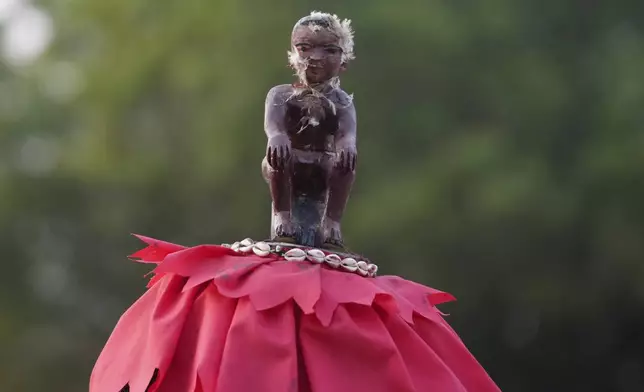
Zangbeto masquerades the traditional Voodoo guardians of the night performing ahead of the annual Voodoo Festival in Ouidah, Benin, Thursday, Jan. 9, 2025. (AP Photo/Sunday Alamba)
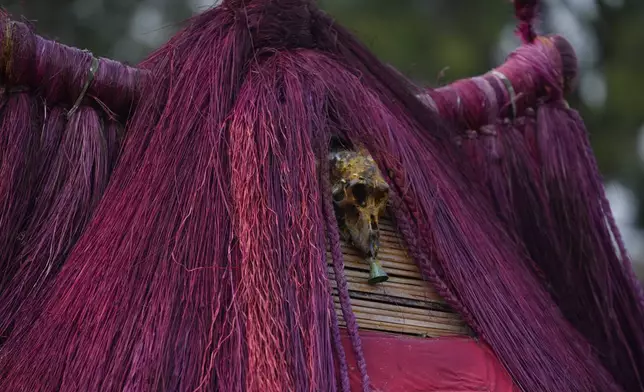
Zangbeto masquerades the traditional Voodoo guardians of the night performing ahead of the annual Voodoo Festival in Ouidah, Benin, Thursday, Jan. 9, 2025. (AP Photo/Sunday Alamba)
The small West African nation held the annual festival last weekend, with Voodoo day marking the “return to the source for all Africans and Afro-descendants,” said Christian Houetchenou, the mayor of Ouidah.
“It is to come back and live their culture, art and spirituality for those who practice Voodoo,” said Houetchenou.
The festival gained popularity over the years from within and outside Africa, organizers say, and attracts thousands of locals and foreigners who flock to the Atlantic coast town to experience one of the world’s oldest religions.
Officials are now hoping to explore its full tourism potential and showcase Benin's rich culture and tradition.
“This is a way to show people the pomp, the beauty, and the value of Voodoo and more importantly the value and spirit of the Beninese people…(and) of all African people,” said Suzanne Celeste Delaunay Belleville, the Voodoo priestess, draped in beads and a white robe.
Featuring traditional ceremonies, dance events, and rituals in the form of incantations, adulations and offerings, Voodoo — which has its own pope whose reign dates back to the 1400s — borrows heavily from the mythology and cultural displays of Yoruba people of Nigeria’s southwest and reflects other sides of traditional religion across Africa, including from the neighboring Togo and Ghana.
Located in different parts of Ouidah are alters and shrines where everything — from trees to wooden carvings and earthen walls — bears portraits of gods and spirits invoked day and night by devotees and their servants.
Many foreigners attend the annual festival to document memories and experience the thrill of it while others, like Jaimie Lyne, from the French Caribbean island of Guadeloupe, are drawn to it by their curiosity to find out if all they’ve heard is true.
Lyne said her mother’s visit to Benin in 2023 sparked her interest in Voodoo and Benin's cultural heritage. Before her trip, most of what she heard about Voodoo was that it is “demonized”, and “archaic.”
But she saw a different reality on the ground.
“One thing that I’m going to take home with me to the Caribbean is that Vodun is something to be learned and understood,” said Lyne, a data analyst. “It’s the culture of communion with the land and the elements and it is really more about how everything has an explanation in terms of all of the symptoms, all of the realities of the world and the rain and the sun.”
It is for such reasons — to enable the people to showcase their culture and tell their stories — that the festival has stood the test of time, said Belleville.
“It’s important for us to be able to carry our message ourselves,” she said. "No one can better talk about us than ourselves.”
Asadu reported from Abuja, Nigeria.
The Associated Press receives financial support for global health and development coverage in Africa from the Gates Foundation. The AP is solely responsible for all content. Find AP’s standards for working with philanthropies, a list of supporters and funded coverage areas at AP.org.
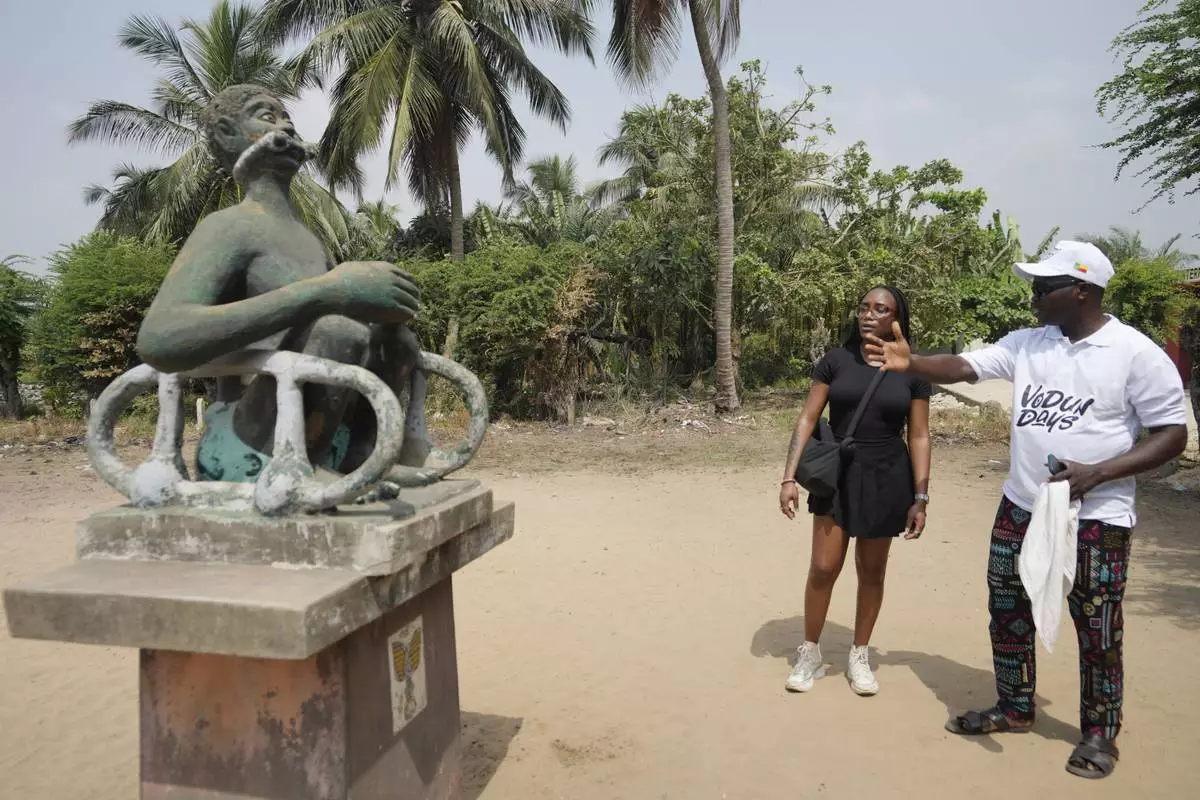
A tour guide, right, explained to Jaimie Lyne, a tourist from the Caribbean, about a slave statue in Ouidah, Benin, Friday, Jan. 10, 2025. (AP Photo/Sunday Alamba)
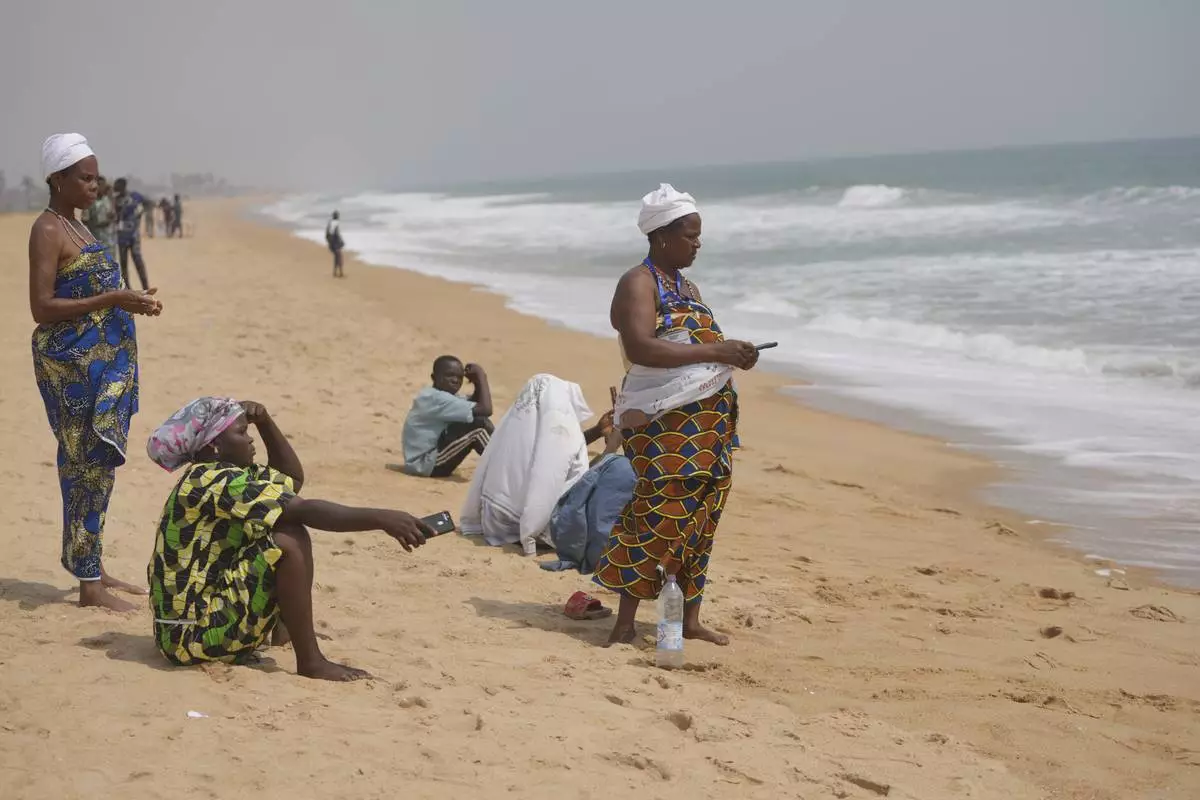
Voodoo worshippers are seen at the beach in Ouidah, Benin, Saturday, Jan. 11, 2025. (AP Photo/Sunday Alamba)

A voodoo priest prays inside a shrine during the annual Voodoo Festival in Ouidah, Benin, Friday, Jan. 10, 2025. (AP Photo/Sunday Alamba)
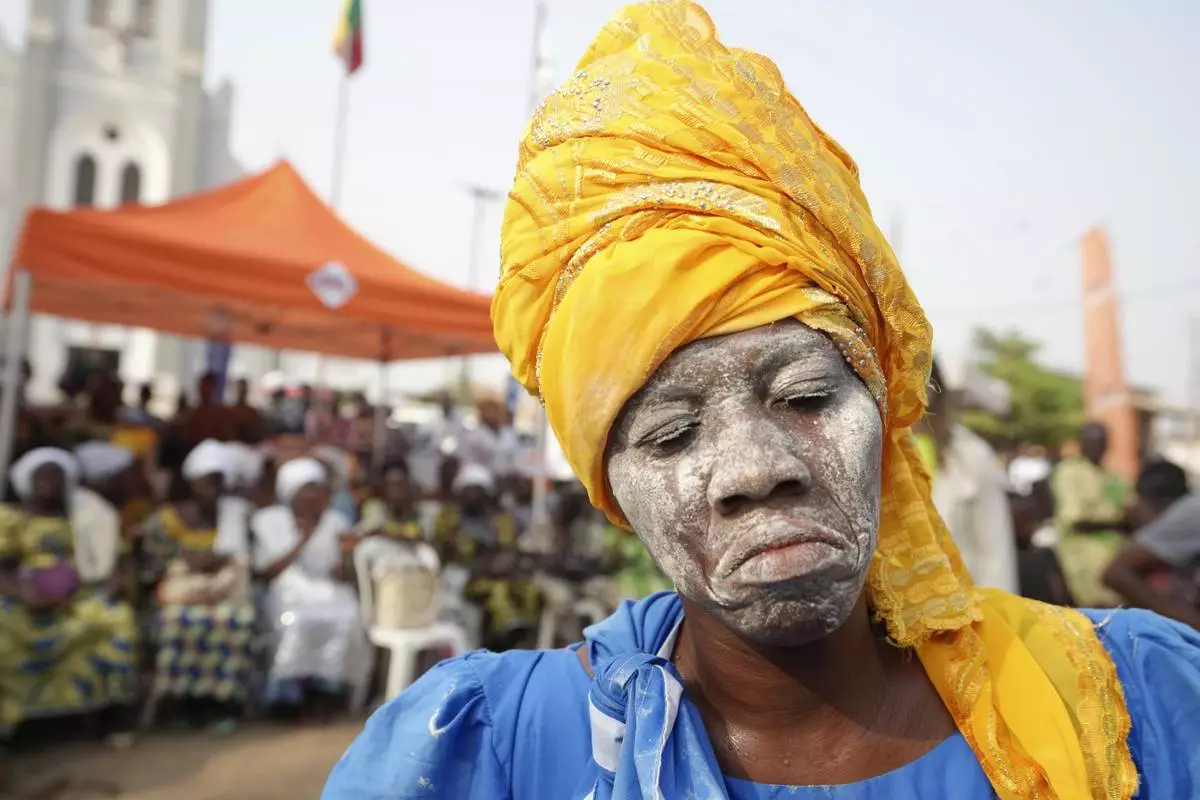
A voodoo worshipper dances ahead of the annual Voodoo Festival in Ouidah, Benin, Thursday, Jan. 9, 2025. (AP Photo/Sunday Alamba)
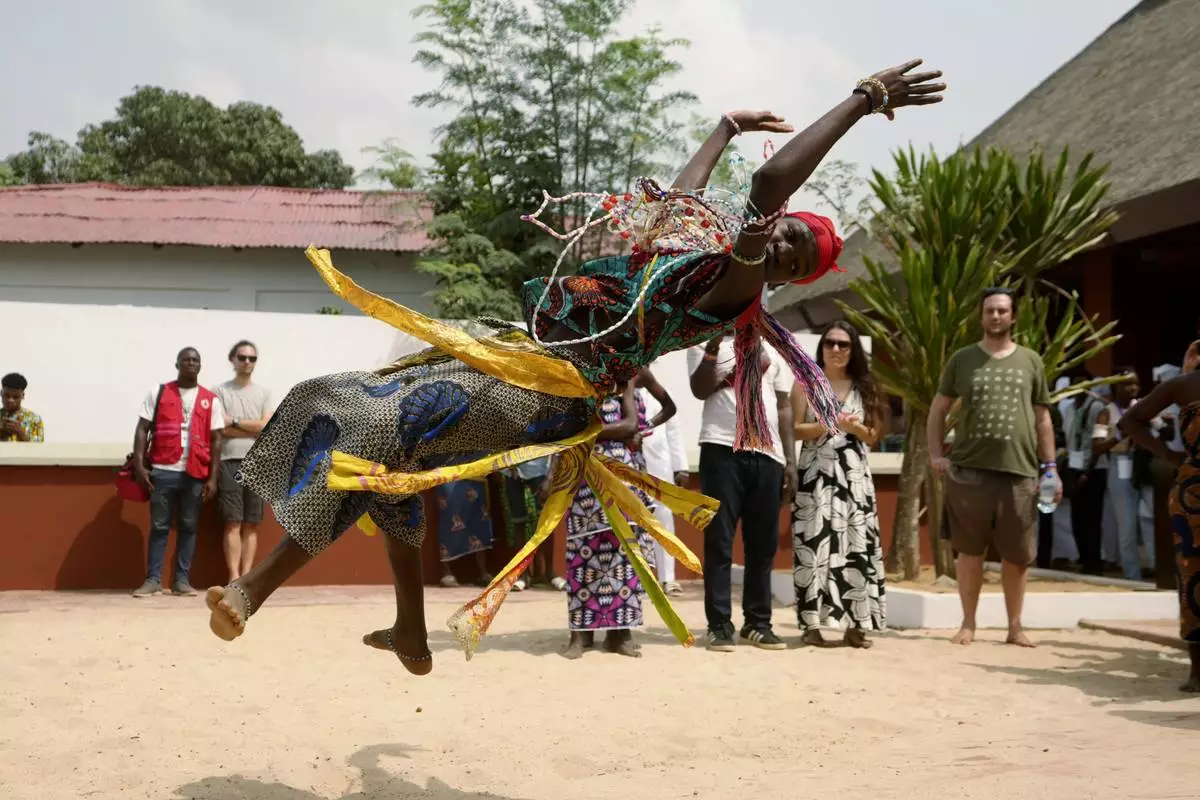
A Voodoo worshipper dances during the annual Voodoo Festival in Ouidah, Benin, Friday, Jan. 10, 2025. (AP Photo/Sunday Alamba)
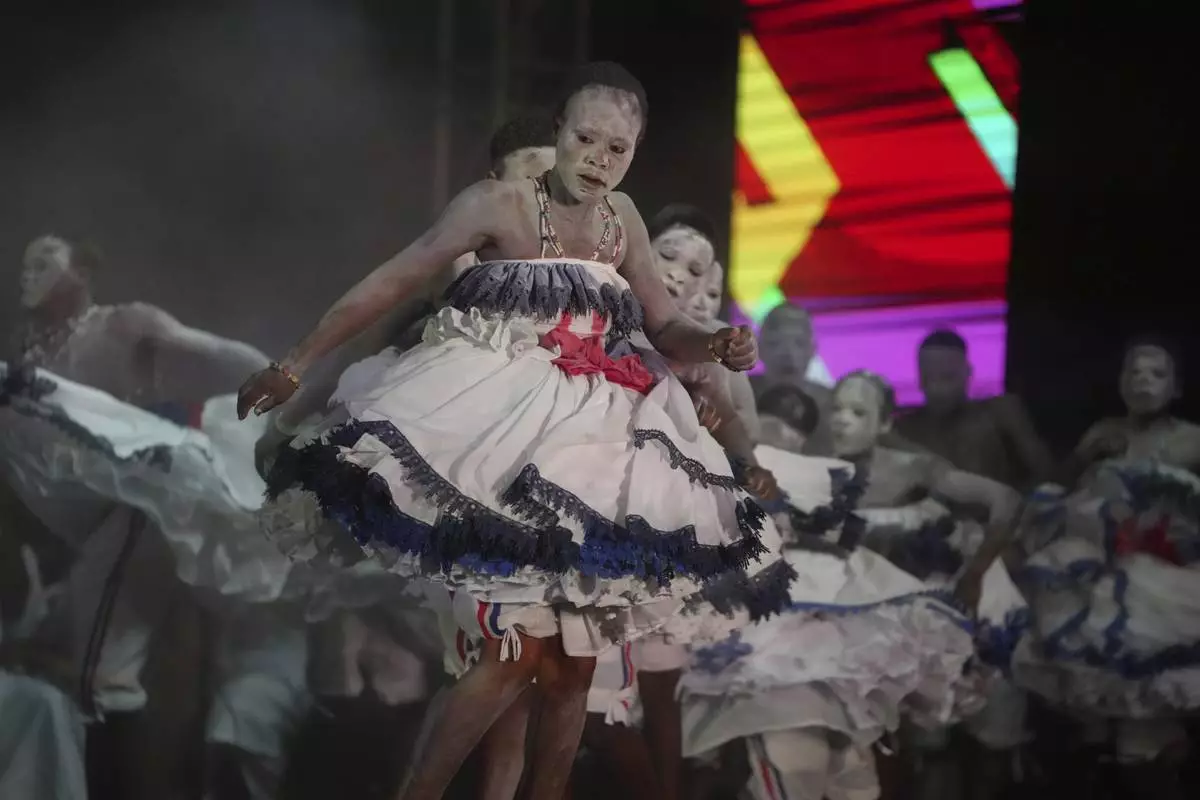
Voodoo worshippers dance during the annual Voodoo Festival in Ouidah, Benin, Friday, Jan. 10, 2025. (AP Photo/Sunday Alamba)
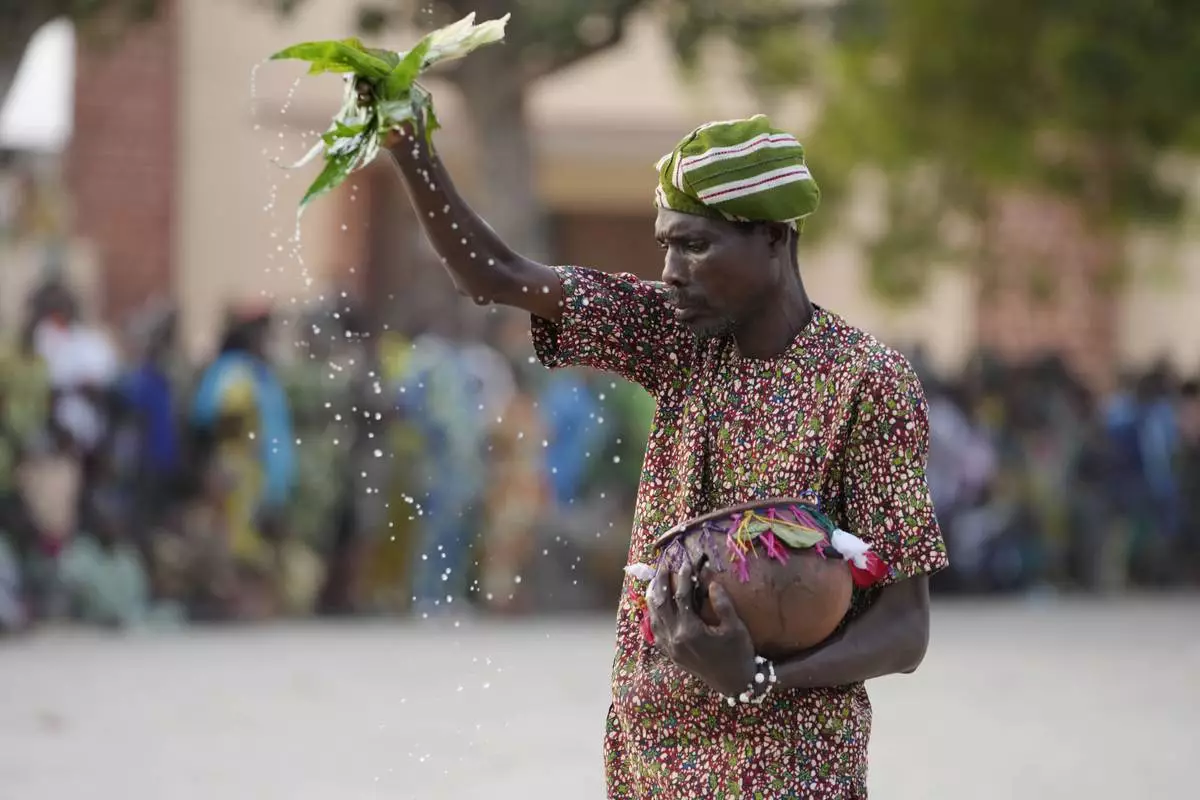
A man sprinkles water as Zangbeto masquerades the traditional Voodoo guardians of the night performing ahead of the annual Voodoo Festival in Ouidah, Benin, Thursday, Jan. 9, 2025. (AP Photo/Sunday Alamba)
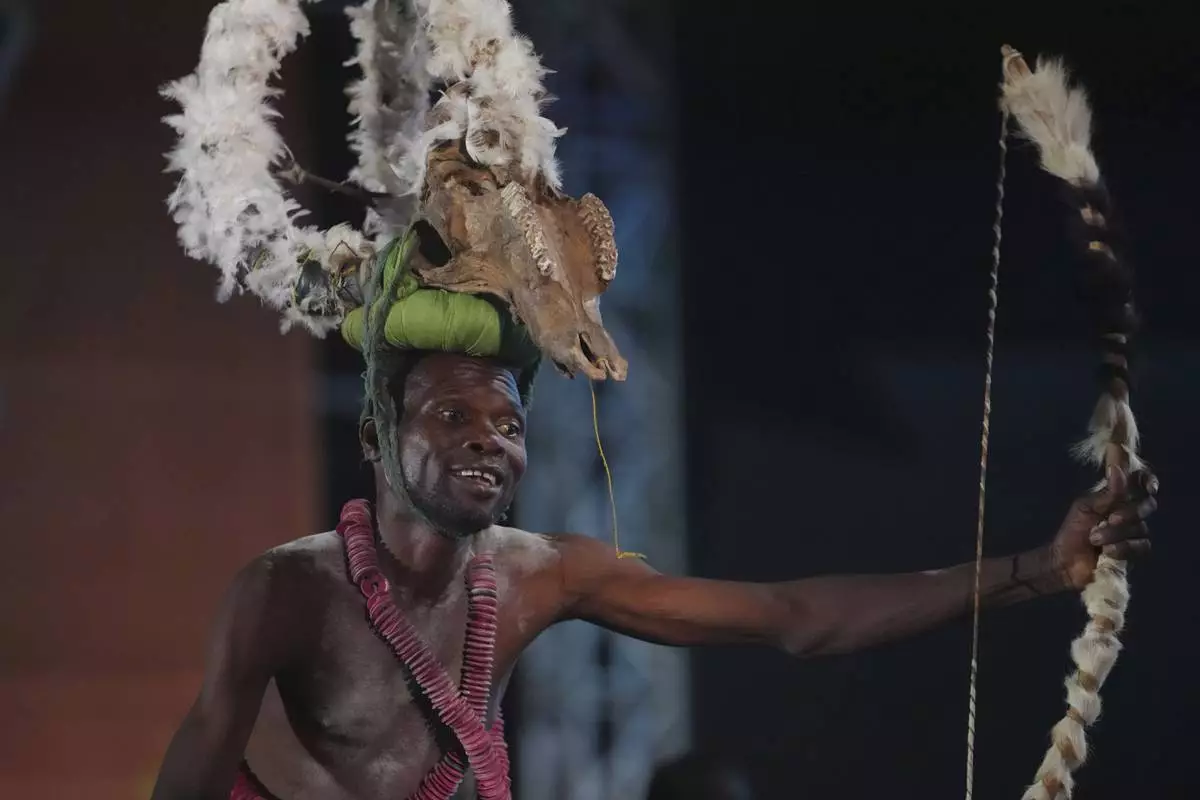
A voodoo worshipper performs during the annual Voodoo Festival in Ouidah, Benin, Friday, Jan. 10, 2025. (AP Photo/Sunday Alamba)
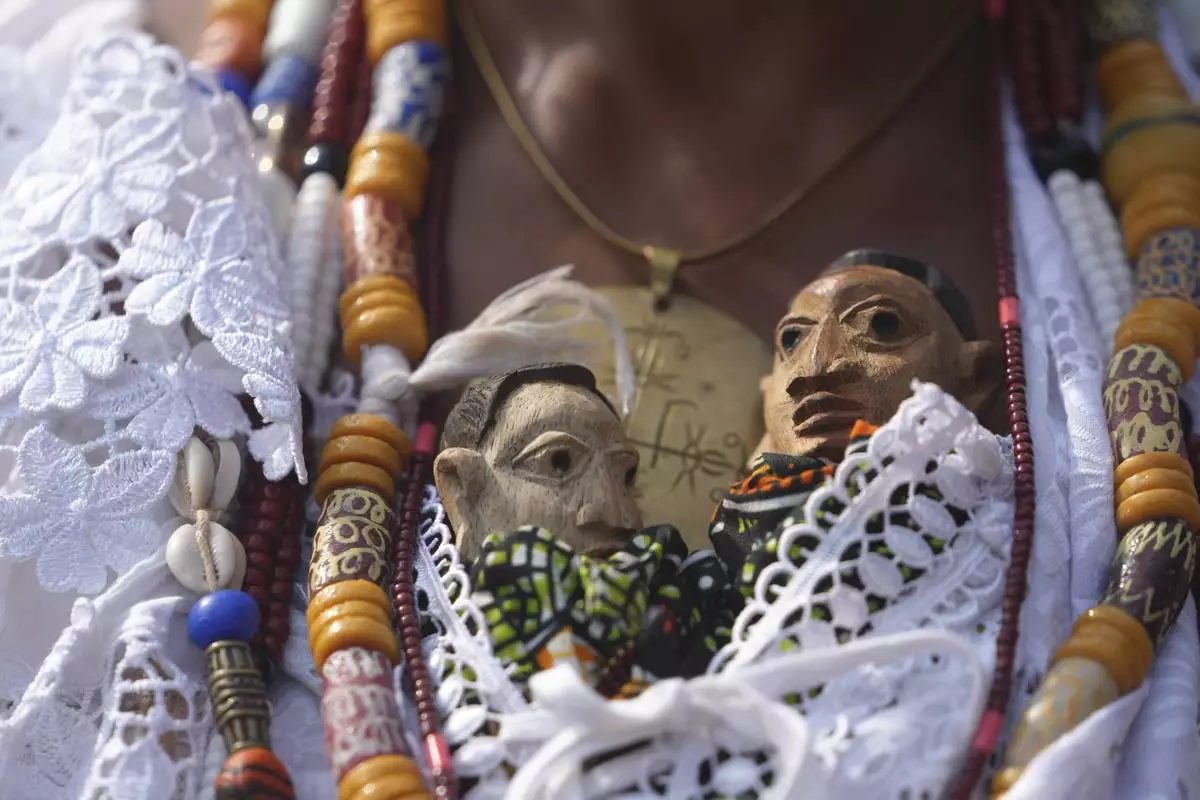
Voodoo dolls are seen wrapped into a woman's dress, during the annual Voodoo Festival in Ouidah, Benin, Friday, Jan. 10, 2025. (AP Photo/Sunday Alamba)
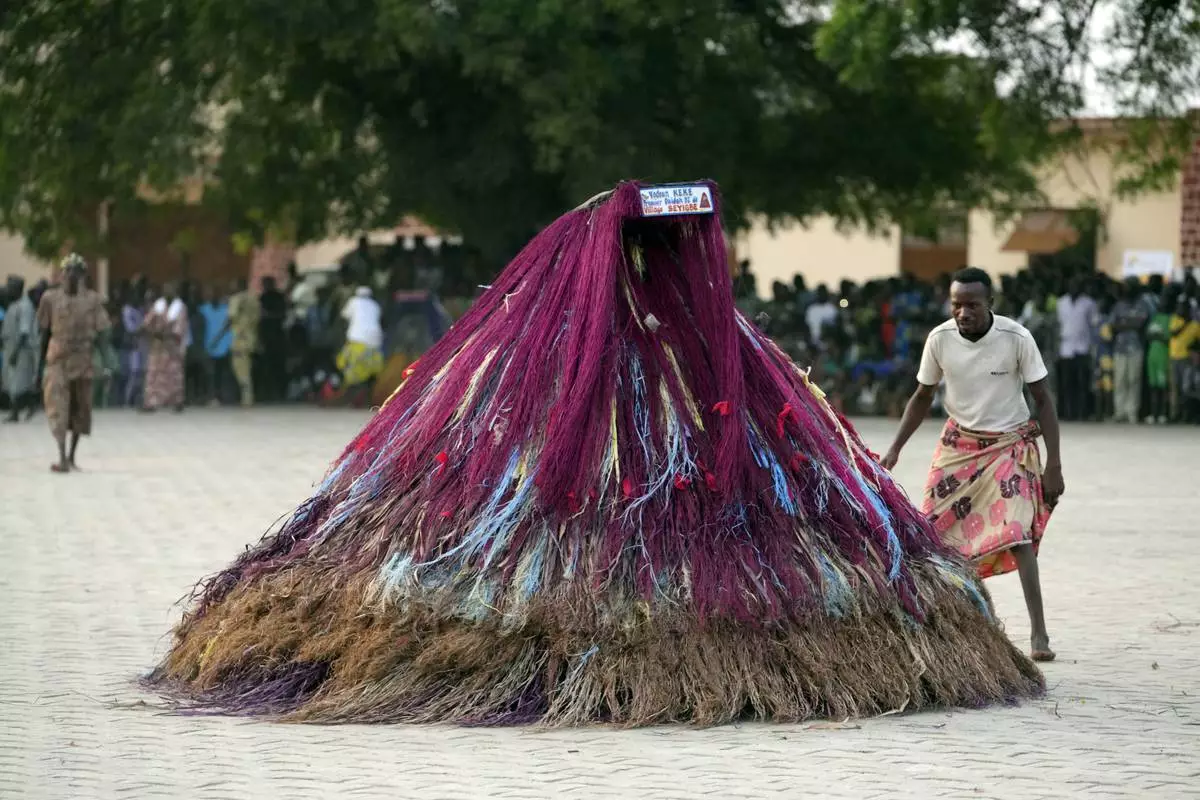
Zangbeto masquerade the traditional Voodoo guardians of the night performing ahead of the annual Voodoo Festival in Ouidah, Benin, Thursday, Jan. 9, 2025. (AP Photo/Sunday Alamba)
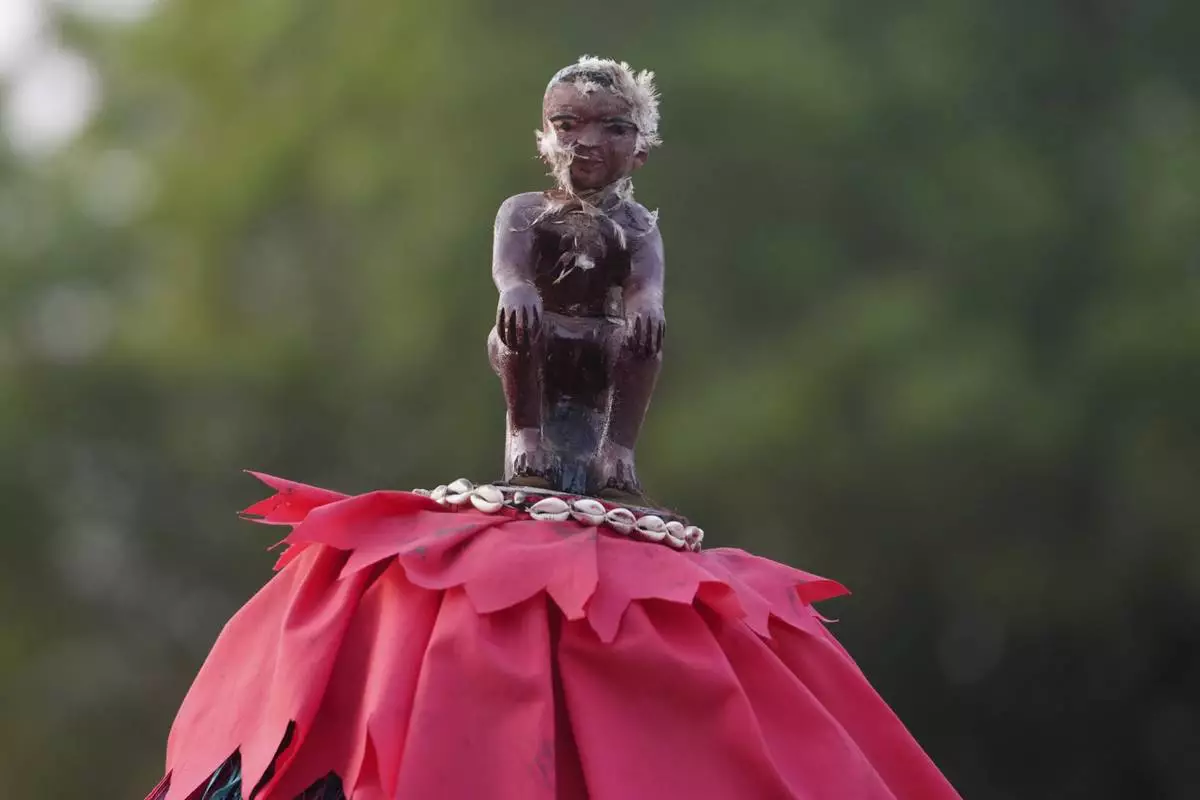
Zangbeto masquerades the traditional Voodoo guardians of the night performing ahead of the annual Voodoo Festival in Ouidah, Benin, Thursday, Jan. 9, 2025. (AP Photo/Sunday Alamba)
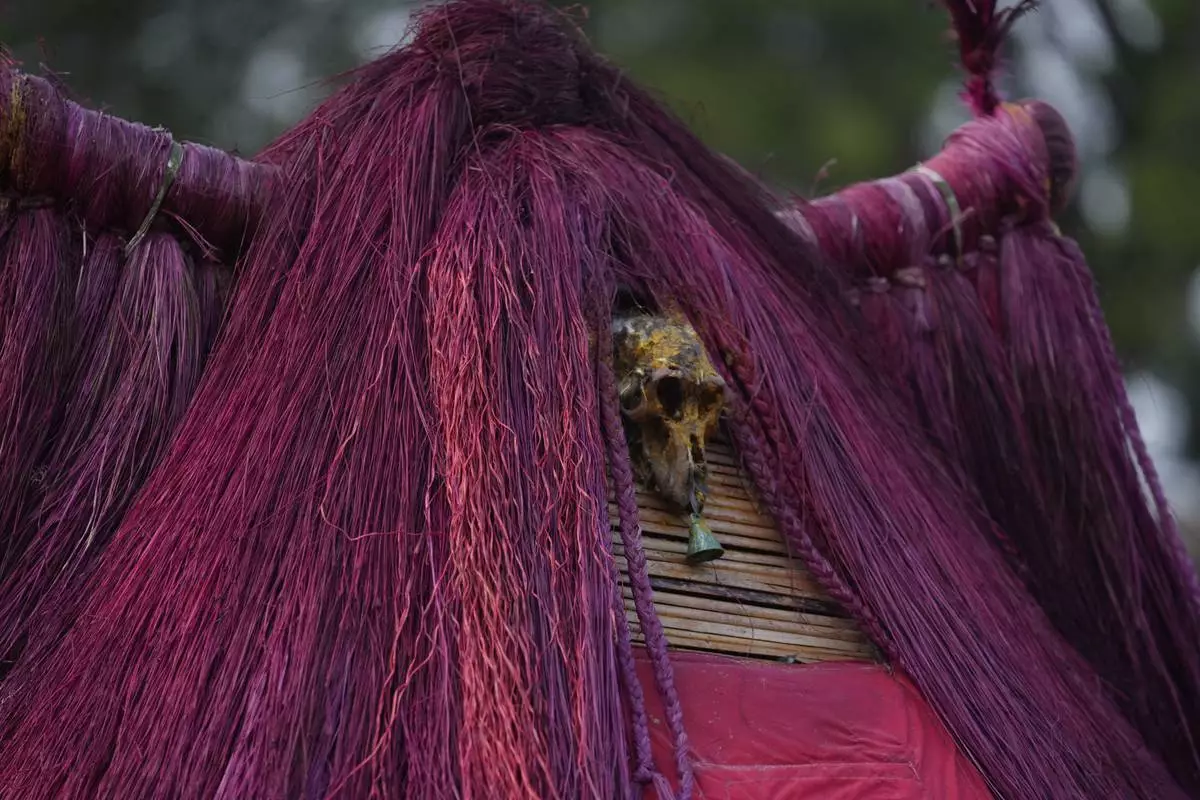
Zangbeto masquerades the traditional Voodoo guardians of the night performing ahead of the annual Voodoo Festival in Ouidah, Benin, Thursday, Jan. 9, 2025. (AP Photo/Sunday Alamba)