The Federal Trade Commission sued PepsiCo on Friday, alleging that it has engaged in illegal price discrimination by giving unfair price advantages to one large retailer at the expense of other vendors and consumers.
The benefiting customer wasn't named in an FTC statement about the lawsuit. But a source familiar with the case, who asked not to be named because they were not authorized to discuss it, said the retailer was Walmart.
PepsiCo said the lawsuit “is wrong on the facts and the law” and misunderstands the way consumer product companies help retailers provide lower prices.
“PepsiCo strongly disputes the FTC’s allegations and the partisan manner in which the suit was filed. We will vigorously present our case in court,” the company said in a statement.
The FTC said PepsiCo's practices included making promotional payments to Walmart but not to large grocery chains or independent convenience stores. The FTC said that lets Walmart lower its prices, but forces Americans to pay inflated prices for PepsiCo products unless they shop at Walmart.
“When firms like Pepsi give massive retailers a leg up, it tilts the playing field against small firms and ultimately inflates prices for American consumers,” FTC Chair Lina Khan said in the statement. “The FTC’s action will help ensure all grocers and other businesses — no matter the size — can get a fair shake and compete on the merits of their skill, efficiency, and talent.”
Walmart said Friday it had “nothing to add at this time.” PepsiCo said its practices “are in line with industry norms.”
“We do not favor certain customers by offering discounts or promotional support to some customers and not others,” the company said.
The FTC sued PepsiCo under the rarely enforced 1936 Robinson-Patman Act. The FTC said the act prohibits companies from using promotional incentive payments to favor large customers over smaller ones.
It was the second time in a little more than a month that the FTC has cited the Robinson-Patman Act in a lawsuit. In December, the commission sued Southern Glazer's Wine and Spirits, a large U.S. distributor, saying it illegally discriminated against small and independent businesses by giving discounts and rebates to larger stores.
In the waning days of the Biden administration, the FTC has been busy issuing consumer refunds, taking enforcement actions against companies the agency accuses of deceptive practices and finalizing rules it says are needed to make the marketplace more fair.
The FTC voted 3-2 to authorize staff to file a lawsuit for a permanent injunction against PepsiCo in the U.S. District Court for the Southern District of New York. Commissioner Andrew Ferguson, who is President-elect Donald Trump's choice to replace Khan, was one of the two dissenting votes.
The other commissioner voting against the lawsuit, Melissa Holyoak, wrote in her dissent that the case against PepsiCo was “the worst case I have seen in my time at the commission.” Holyoak said the majority of commissioners rushed the case out the door before they had enough evidence to support the allegations.
“Pepsi’s promotions to the retailer are not disguised discriminatory discounts but rather ordinary price concessions,” Holyoak wrote.
PepsiCo, based in Purchase, New York, is one of the world's largest food companies. It makes Pepsi, Mountain Dew and Gatorade as well as snack foods like Lay's potato chips, Doritos and Fritos. It also makes Quaker Oats, brekfast cereals and granola bars.
PepsiCo's prices have been the subject of some scrutiny since the pandemic. In 2022, for example, the company acknowledged shrinking its Gatorade bottles from 32 ounces to 28 ounces, but it didn't respond when asked why it charged more for the 28-ounce bottles.
In October, Democratic Sen. Elizabeth Warren of Massachusetts and U.S. Rep. Madeleine Dean of Pennsylvania sent letters to PepsiCo, Coca-Cola and General Mills accusing them of price gouging through shrinking package sizes.
PepsiCo has said its price increases were necessary because of the rising cost of ingredients, shipping, packaging and labor. But over the summer, the company said consumers were pulling back on snack and drink purchases or shifting to cheaper store brands.
PepsiCo responded by trying to make Lay's more affordable through a mix of product promotions, more chips per bag and value packs. Similar promotions were planned for Doritos and Tostitos, the company said.
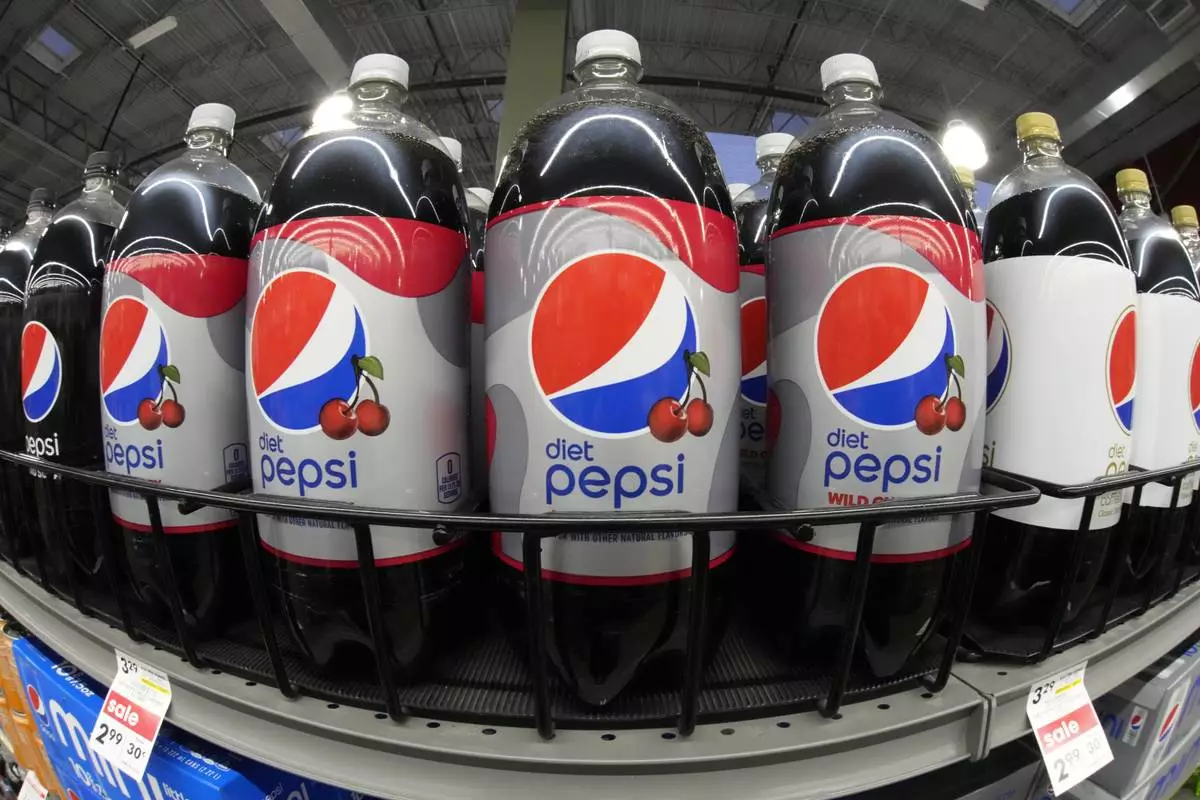
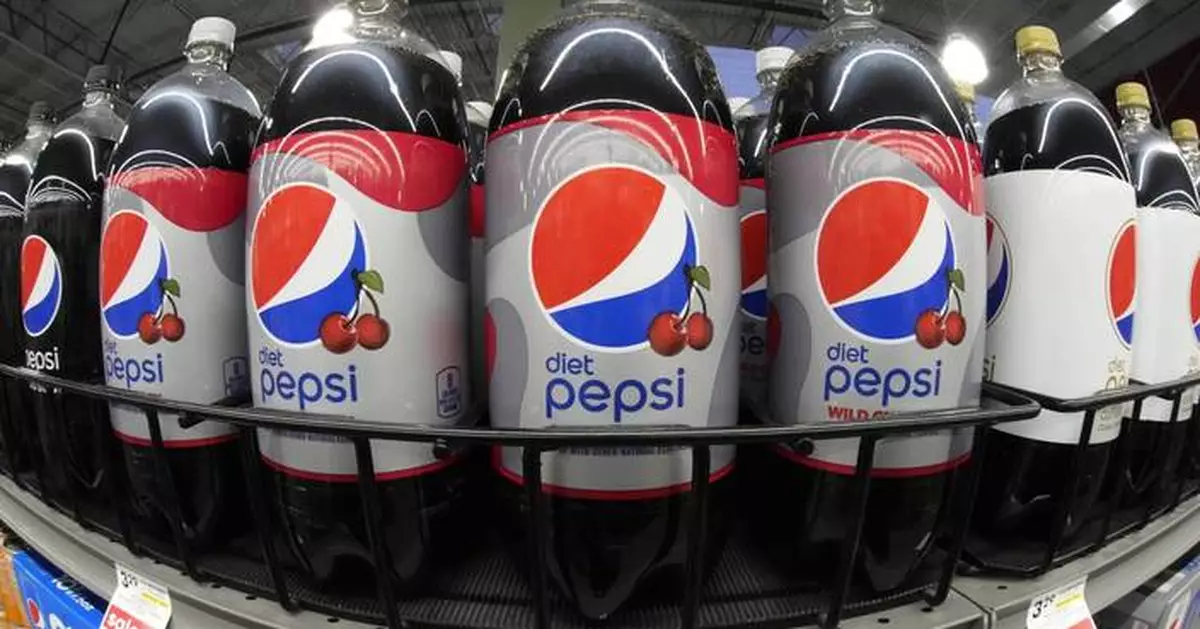
FILE - Bottles of Diet Pepsi Wild Cherry are displayed at a market in Pittsburgh, Jan. 26, 2023. (AP Photo/Gene J. Puskar, File)
MINNEAPOLIS (AP) — Federal agents carrying out immigration arrests in Minnesota's Twin Cities region already shaken by the fatal shooting of a woman rammed the door of one home Sunday and pushed their way inside, part of what the Department of Homeland Security has called its largest enforcement operation ever.
In a dramatic scene similar to those playing out across Minneapolis, agents captured a man in the home just minutes after pepper spraying protesters outside who had confronted the heavily armed federal agents. Along the residential street, protesters honked car horns, banged on drums and blew whistles in attempts to disrupt the operation.
Video of the clash taken by The Associated Press showed some agents pushing back protesters while a distraught woman later emerged from the house with a document that federal agents presented to arrest the man. Signed by an immigration officer, the document — unlike a warrant signed by a judge — does not authorize forced entry into a private residence. A warrant signed by an immigration officer only authorizes arrest in a public area.
Immigrant advocacy groups have conducted extensive “know-your-rights” campaigns urging people not to open their doors unless agents have a court order signed by a judge.
But within minutes of ramming the door in a neighborhood filled with single-family homes, the handcuffed man was led away.
More than 2,000 immigration arrests have been made in Minnesota since the enforcement operation began at the beginning of December, said Homeland Security spokesperson Tricia McLaughlin.
Homeland Security Secretary Kristi Noem told Fox News on Sunday that the administration would send additional federal agents to Minnesota to protect immigration officers and continue enforcement.
The Twin Cities — the latest target in President Donald Trump’s immigration enforcement campaign — is bracing for what is next after 37-year-old Renee Good was shot and killed by an immigration officer on Wednesday.
“We’re seeing a lot of immigration enforcement across Minneapolis and across the state, federal agents just swarming around our neighborhoods,” said Jason Chavez, a Minneapolis city councilmember. “They’ve definitely been out here.”
Chavez, the son of Mexican immigrants who represents an area with a growing immigrant population, said he is closely monitoring information from chat groups about where residents are seeing agents operating.
People holding whistles positioned themselves in freezing temperatures on street corners Sunday in the neighborhood where Good was killed, watching for any signs of federal agents.
More than 20,000 people have taken part in a variety of trainings to become “observers” of enforcement activities in Minnesota since the 2024 election, said Luis Argueta, a spokesperson for Unidos MN, a local human rights organization .
“It’s a role that people choose to take on voluntarily, because they choose to look out for their neighbors,” Argueta said.
The protests have been largely peaceful, but residents remained anxious. On Monday, Minneapolis public schools will start offering remote learning for the next month in response to concerns that children might feel unsafe venturing out while tensions remain high.
Many schools closed last week after Good’s shooting and the upheaval that followed.
While the enforcement activity continues, two of the state’s leading Democrats said that the investigation into Good's shooting death should not be overseen solely by the federal government.
Minneapolis Mayor Jacob Frey and U.S. Sen. Tina Smith said in separate interviews Sunday that state authorities should be included in the investigation because the federal government has already made clear what it believes happened.
“How can we trust the federal government to do an objective, unbiased investigation, without prejudice, when at the beginning of that investigation they have already announced exactly what they saw — what they think happened," Smith said on ABC’s "This Week."
The Trump administration has defended the officer who shot Good in her car, saying he was protecting himself and fellow agents and that Good had “weaponized” her vehicle.
Todd Lyons, acting director of U.S. Immigration and Customs Enforcement, defended the officer on Fox News Channel’s “The Sunday Briefing.”
"That law enforcement officer had milliseconds, if not short time to make a decision to save his life and his other fellow agents,” he said.
Lyons also said the administration’s enforcement operations in Minnesota wouldn't be needed “if local jurisdictions worked with us to turn over these criminally illegal aliens once they are already considered a public safety threat by the locals.”
The killing of Good by an ICE officer and the shooting of two people by federal agents in Portland, Oregon, led to dozens of protests in cities across the country over the weekend, including New York, Los Angeles, Washington D.C. and Oakland, California.
Contributing were Associated Press journalists Giovanna Dell’Orto in Minneapolis; Thomas Strong in Washington; Bill Barrow in Atlanta; Christopher Weber in Los Angeles; and John Seewer in Toledo, Ohio.
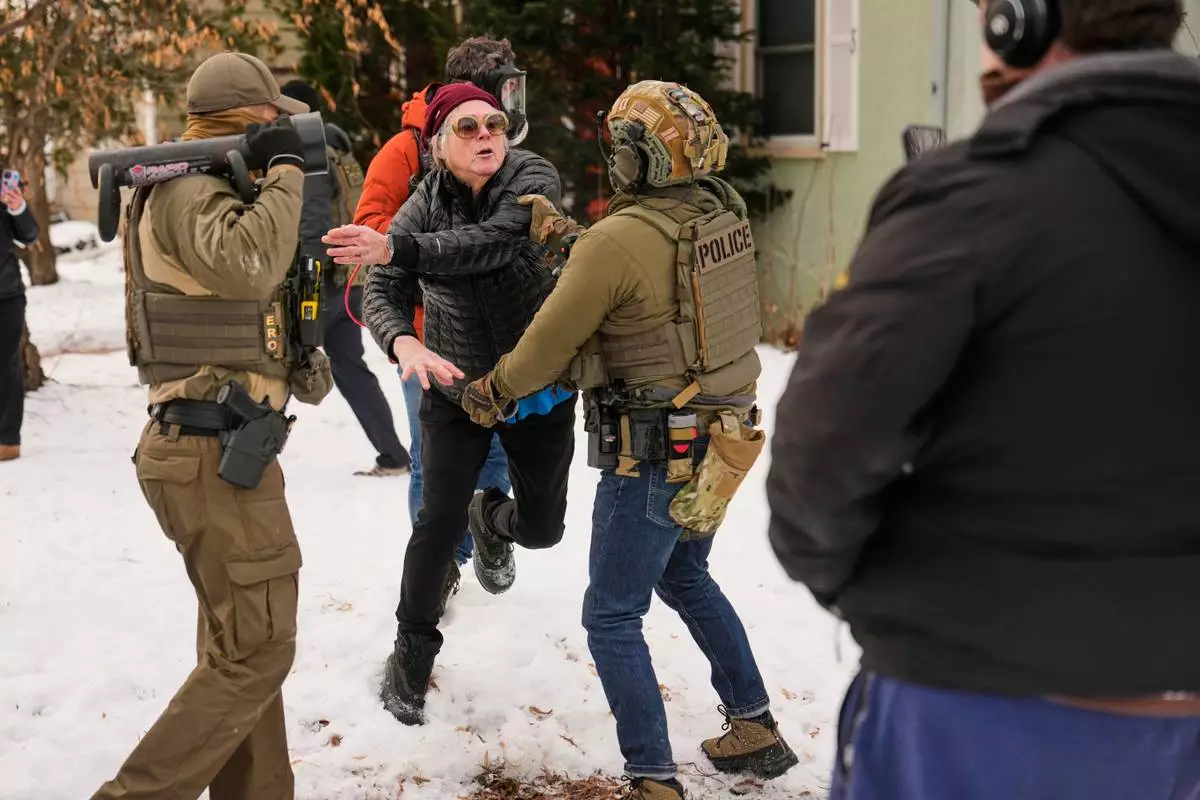
A woman gets into an altercation with a federal immigration officer as officers make an arrest Sunday, Jan. 11, 2026, in Minneapolis. (AP Photo/John Locher)
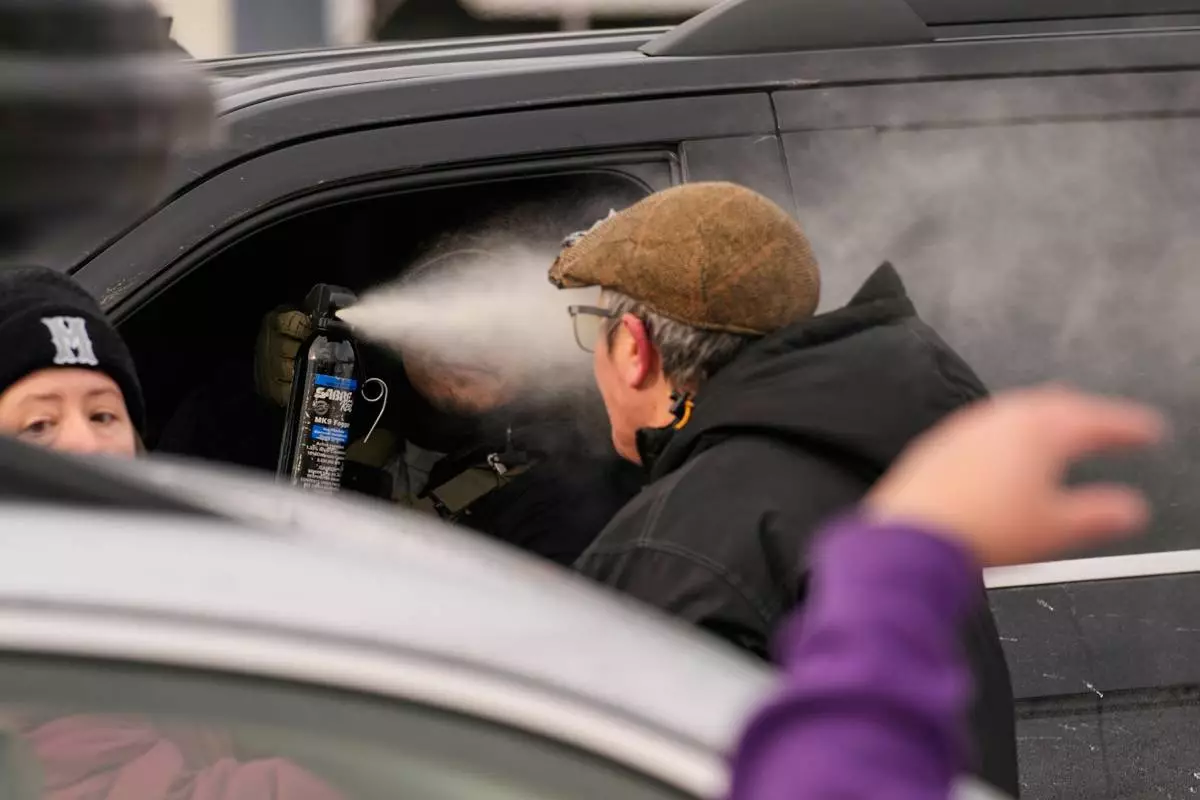
A federal immigration officer deploys pepper spray as officers make an arrest Sunday, Jan. 11, 2026, in Minneapolis. (AP Photo/John Locher)
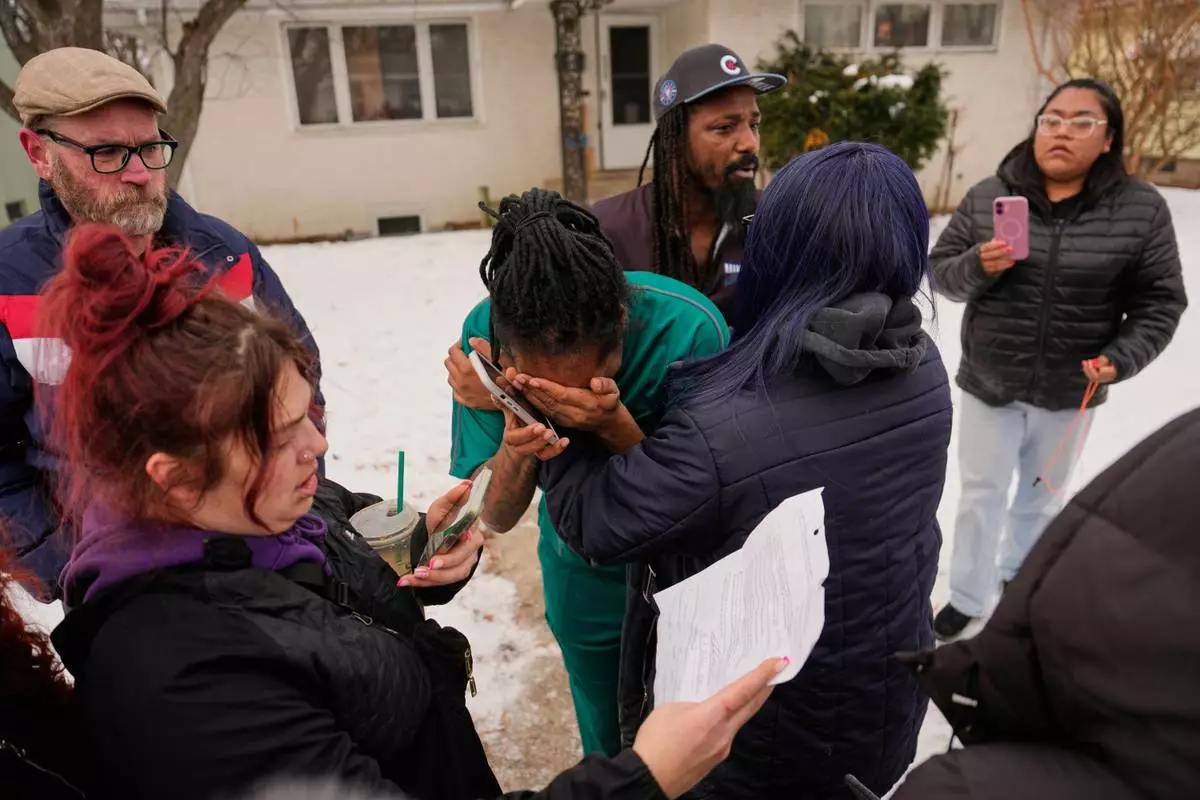
A family member, center, reacts after federal immigration officers make an arrest Sunday, Jan. 11, 2026, in Minneapolis. (AP Photo/John Locher)
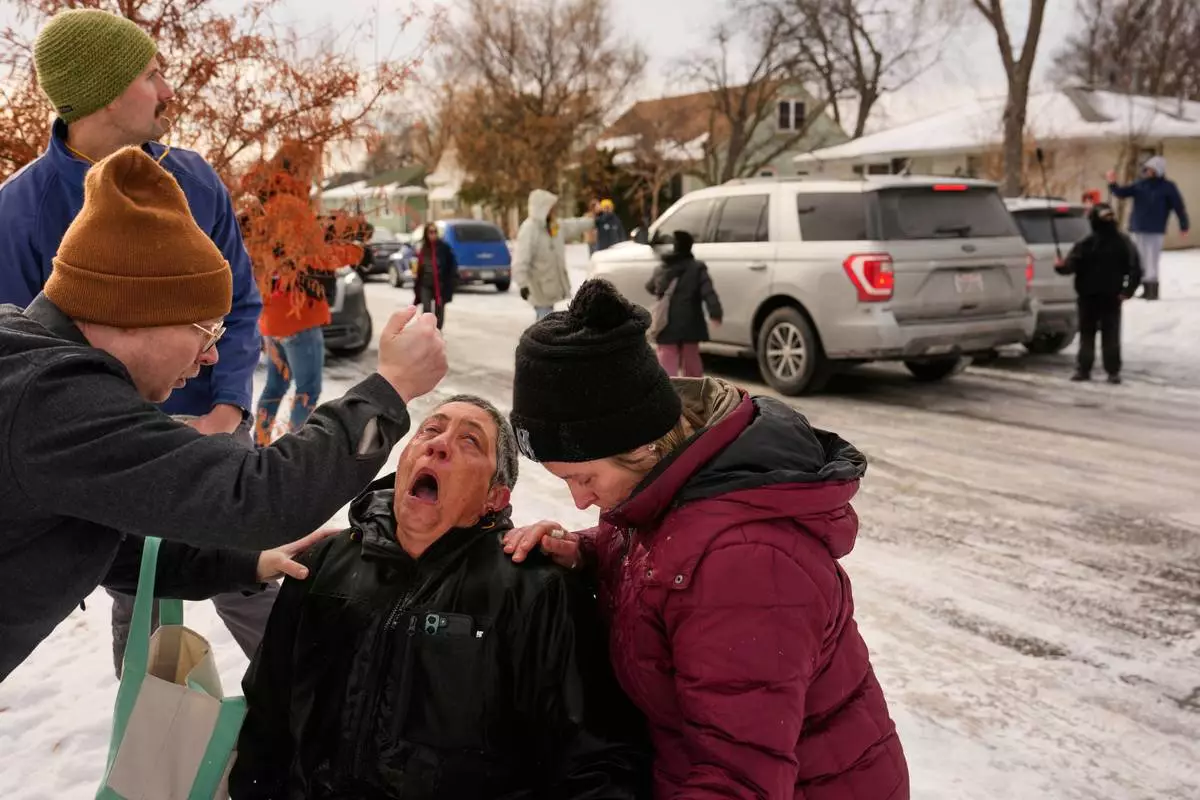
Bystanders are treated after being pepper sprayed as federal immigration officers make an arrest Sunday, Jan. 11, 2026, in Minneapolis. (AP Photo/John Locher)
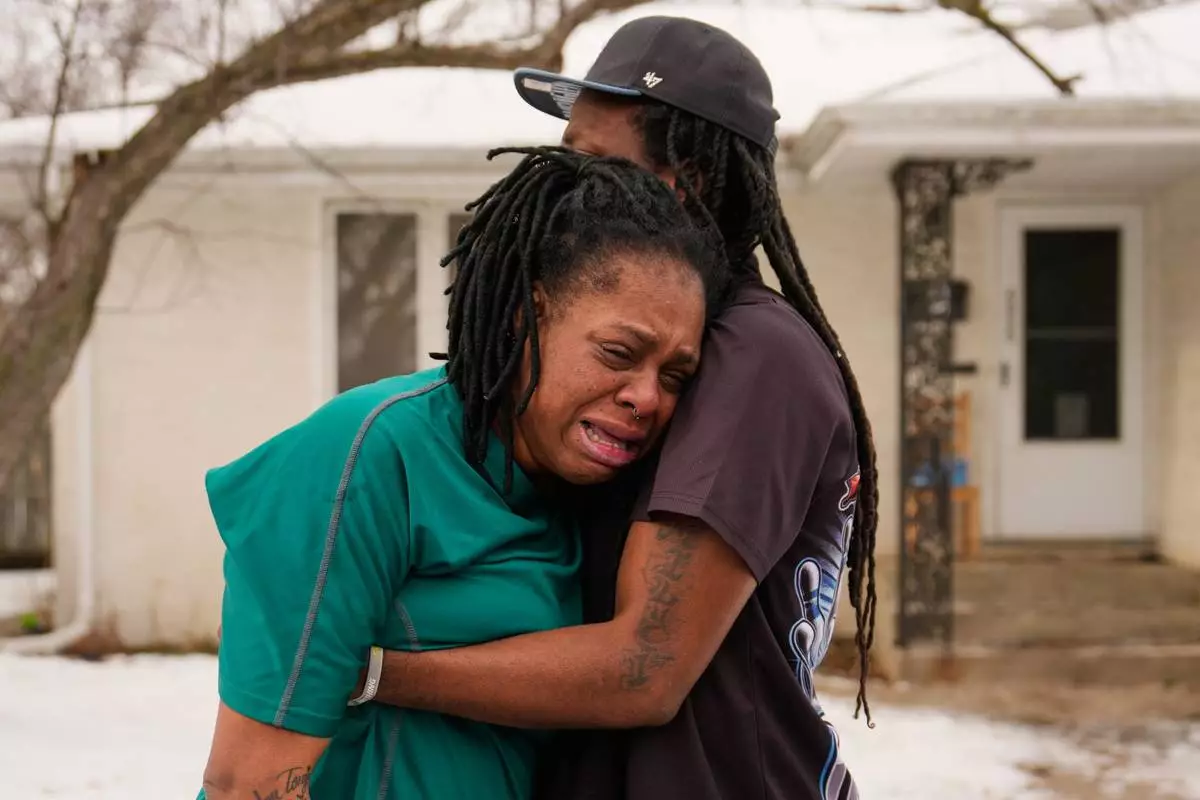
A family member reacts after federal immigration officers make an arrest Sunday, Jan. 11, 2026, in Minneapolis. (AP Photo/John Locher)
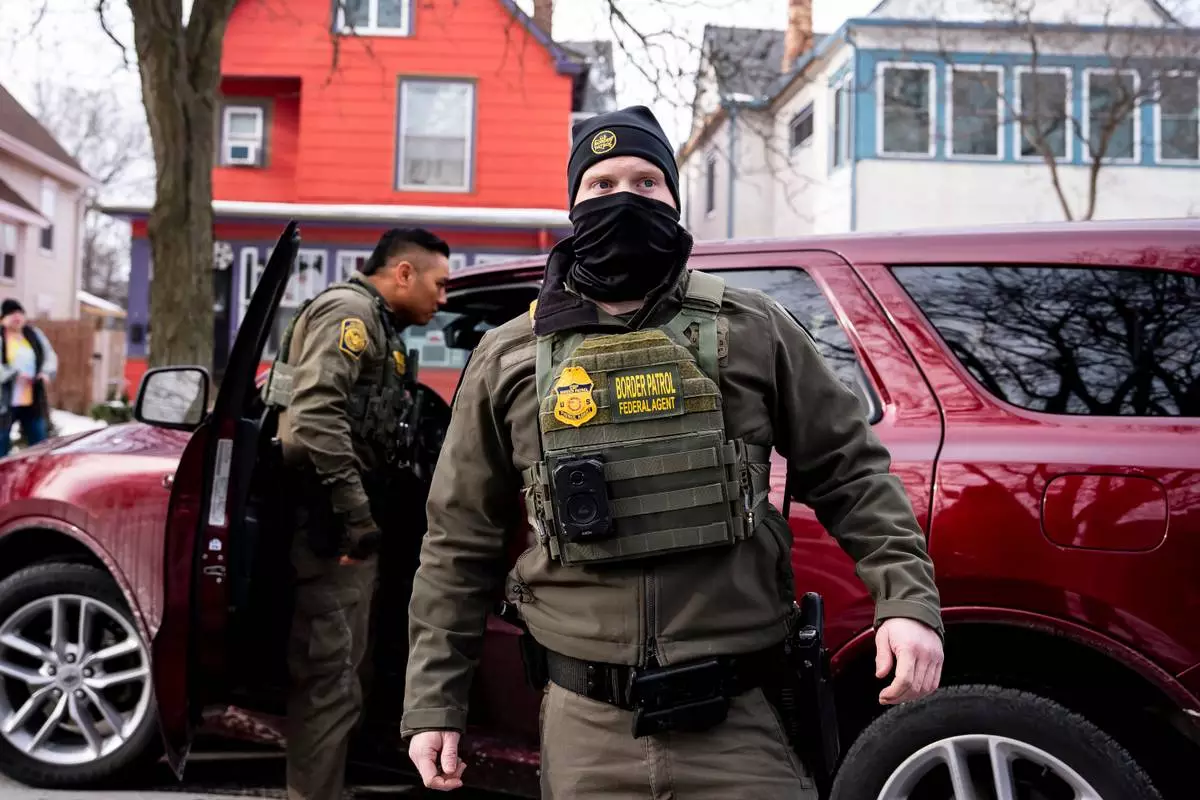
Federal agents look on after detaining a person during a patrol in Minneapolis, Minn., Sunday, Jan. 11, 2026. (Christopher Katsarov/The Canadian Press via AP)
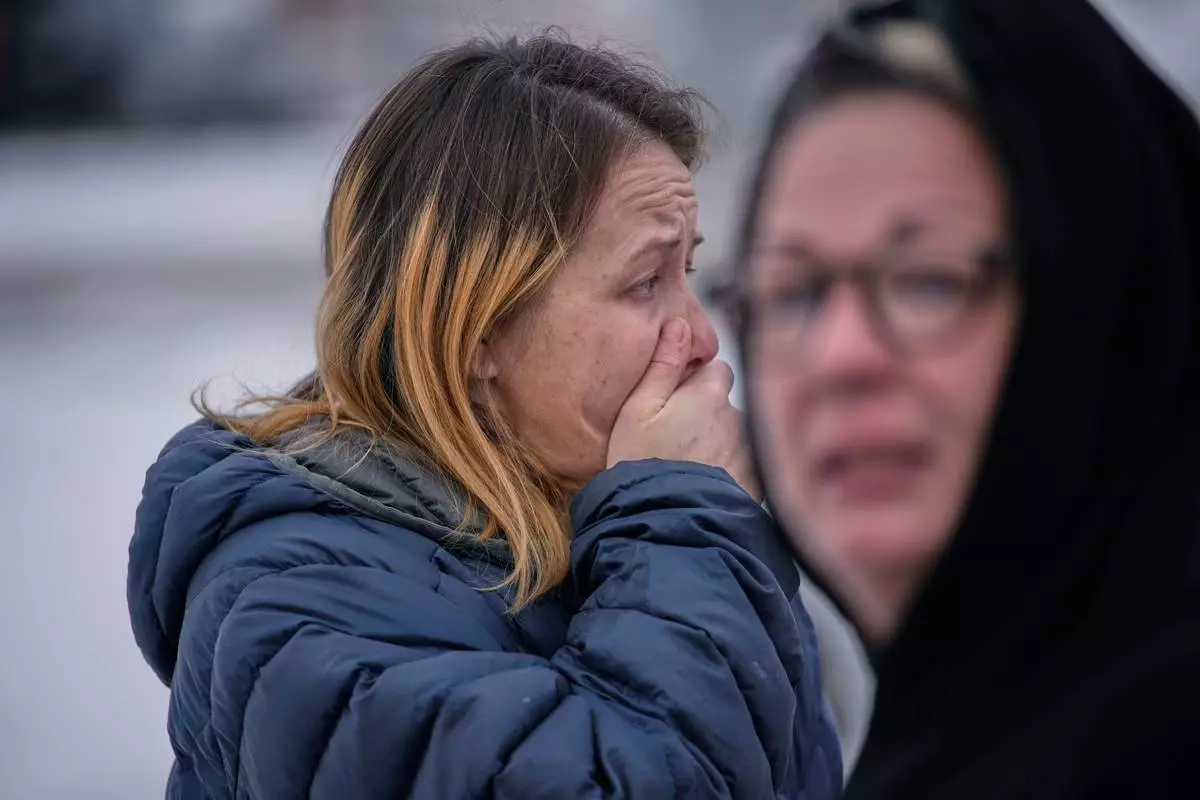
Bystanders react after a man was detained by Immigration and Customs Enforcement (ICE) agents during a traffic stop, Sunday, Jan. 11, 2026, in Robbinsdale, Minn. (AP Photo/John Locher)
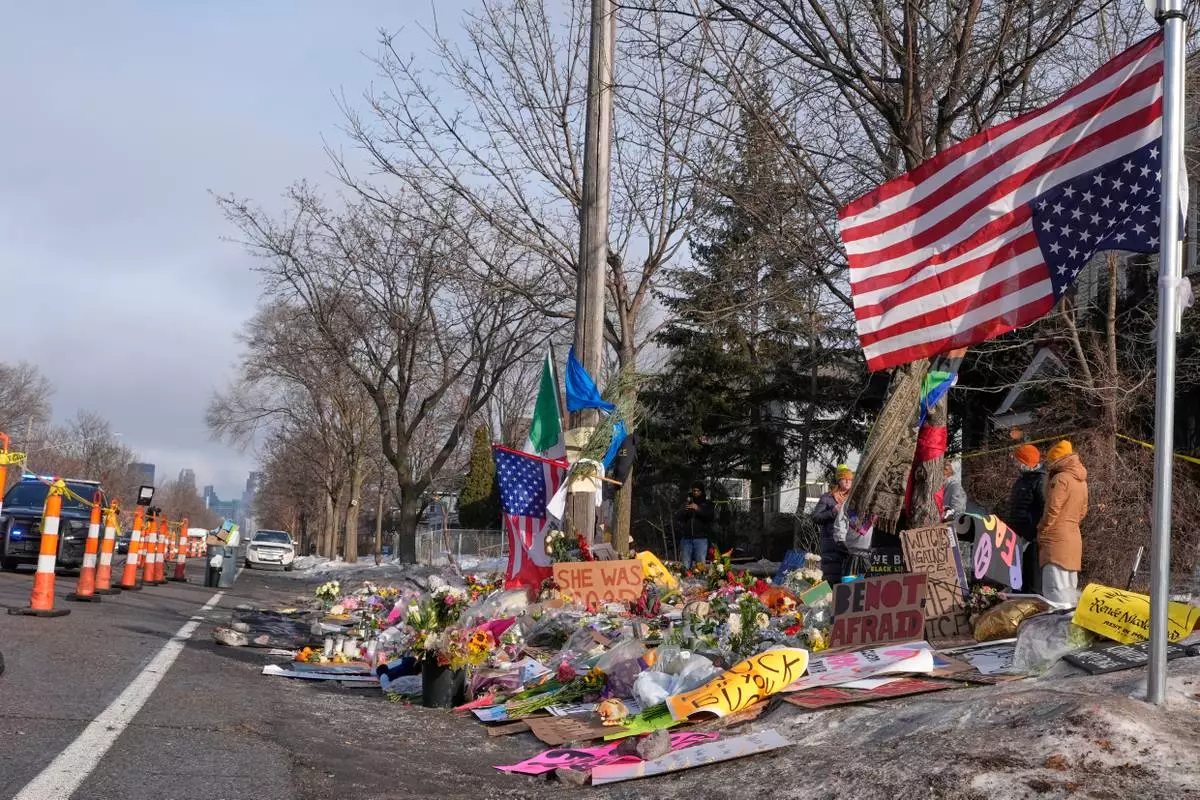
People stand near a memorial at the site where Renee Good was fatally shot by an ICE agent, Sunday, Jan. 11, 2026, in Minneapolis. (AP Photo/Jen Golbeck)
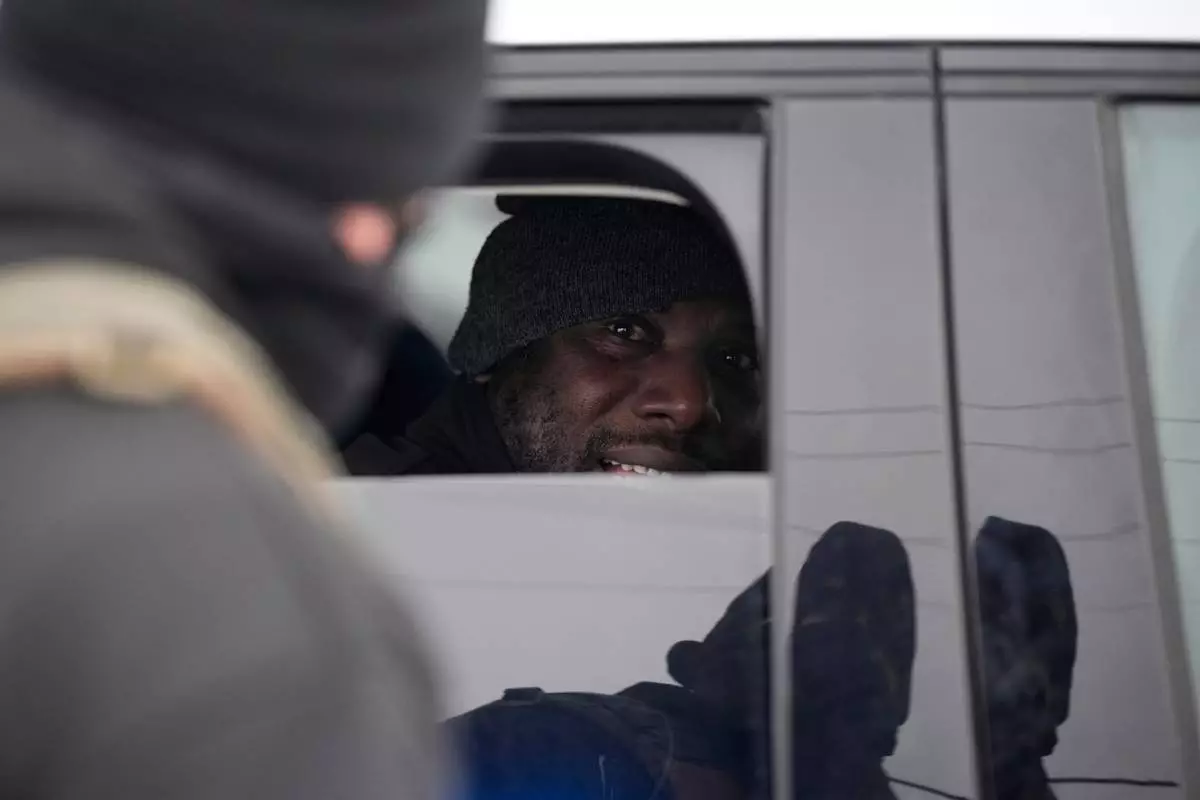
A man looks out of a car window after being detained by Immigration and Customs Enforcement (ICE) agents during a traffic stop, Sunday, Jan. 11, 2026, in Robbinsdale, Minn. (AP Photo/John Locher)
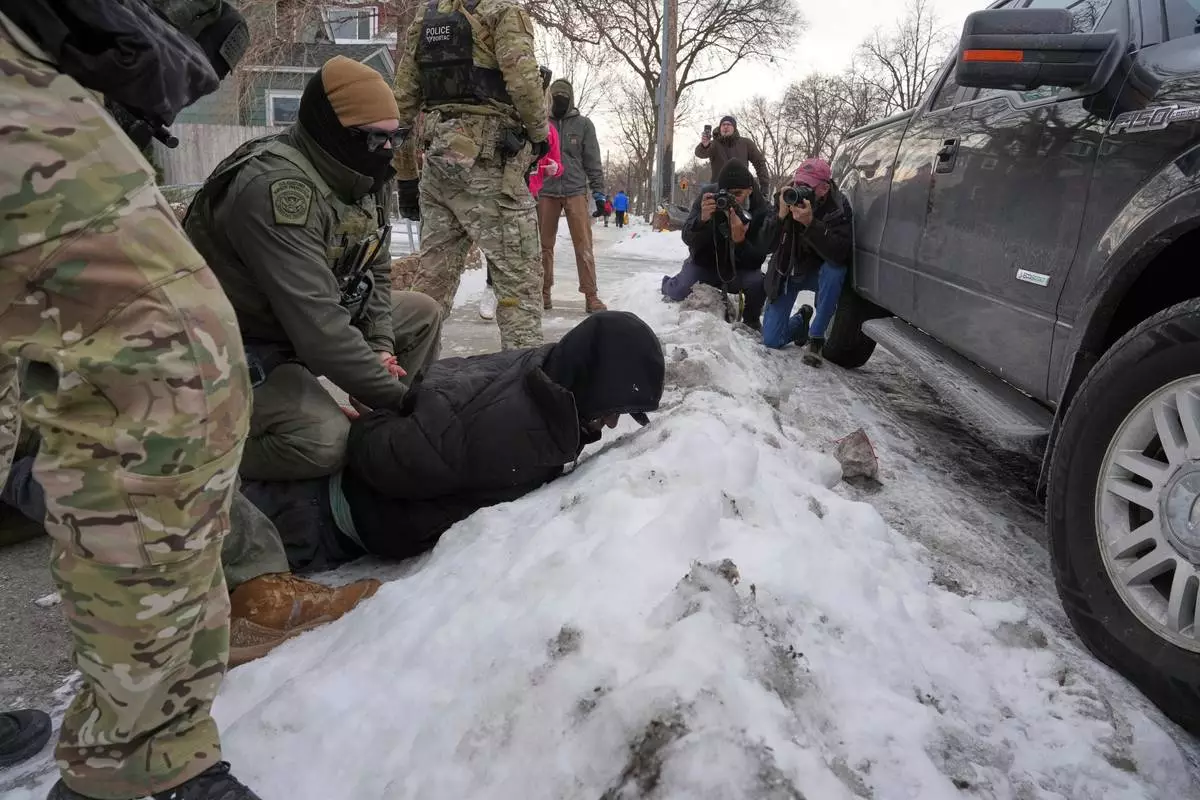
Border Patrol agents detain a man, Sunday, Jan. 11, 2026, in Minneapolis. (AP Photo/Adam Gray)
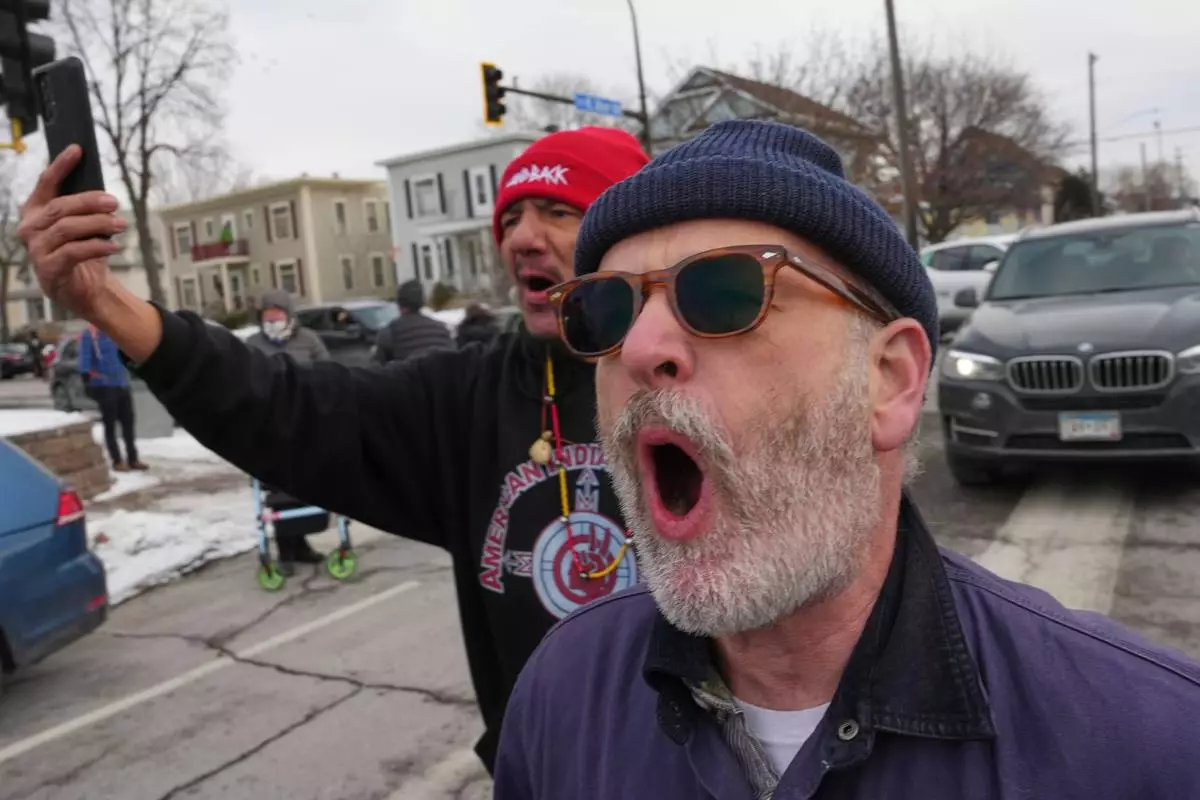
People shout toward Border Patrol agents making an arrest, Sunday, Jan. 11, 2026, in Minneapolis. (AP Photo/Adam Gray)
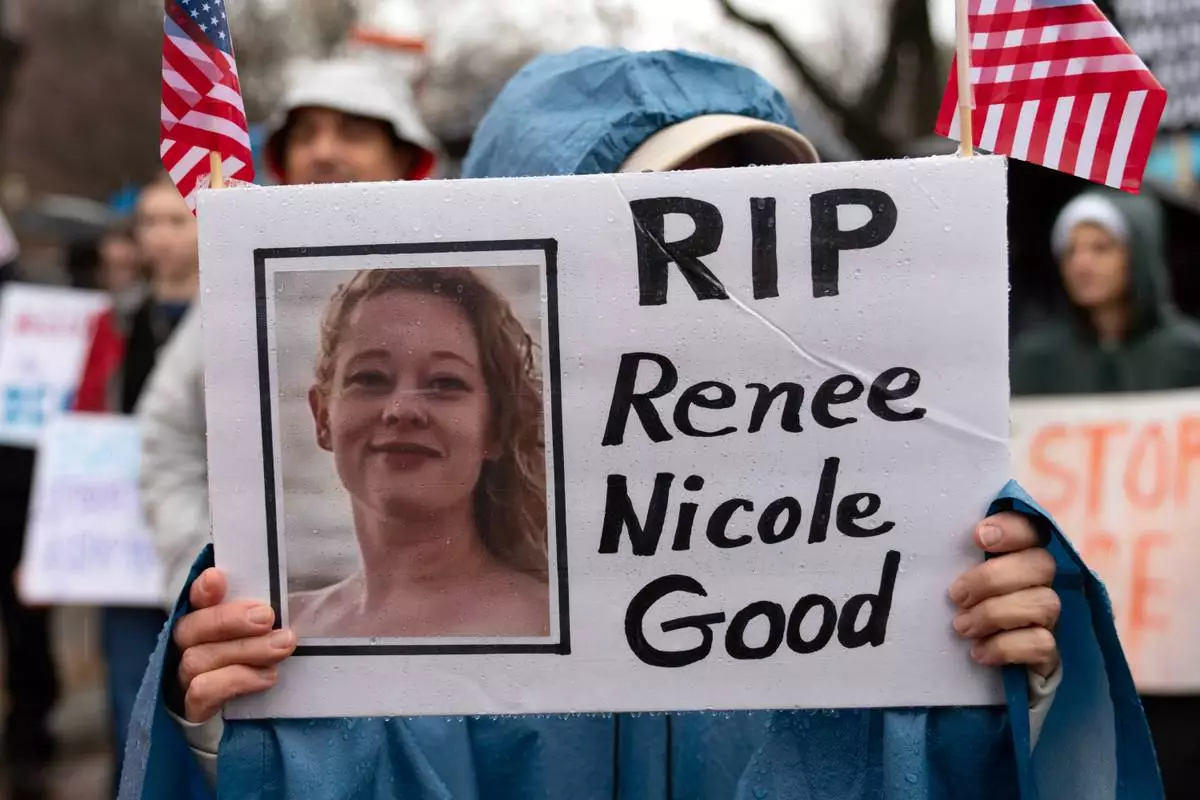
Demonstrators protest outside the White House in Washington, Saturday, Jan. 10, 2026, against the Immigration and Customs Enforcement agent who fatally shot Renee Good in Minneapolis. (AP Photo/Jose Luis Magana)
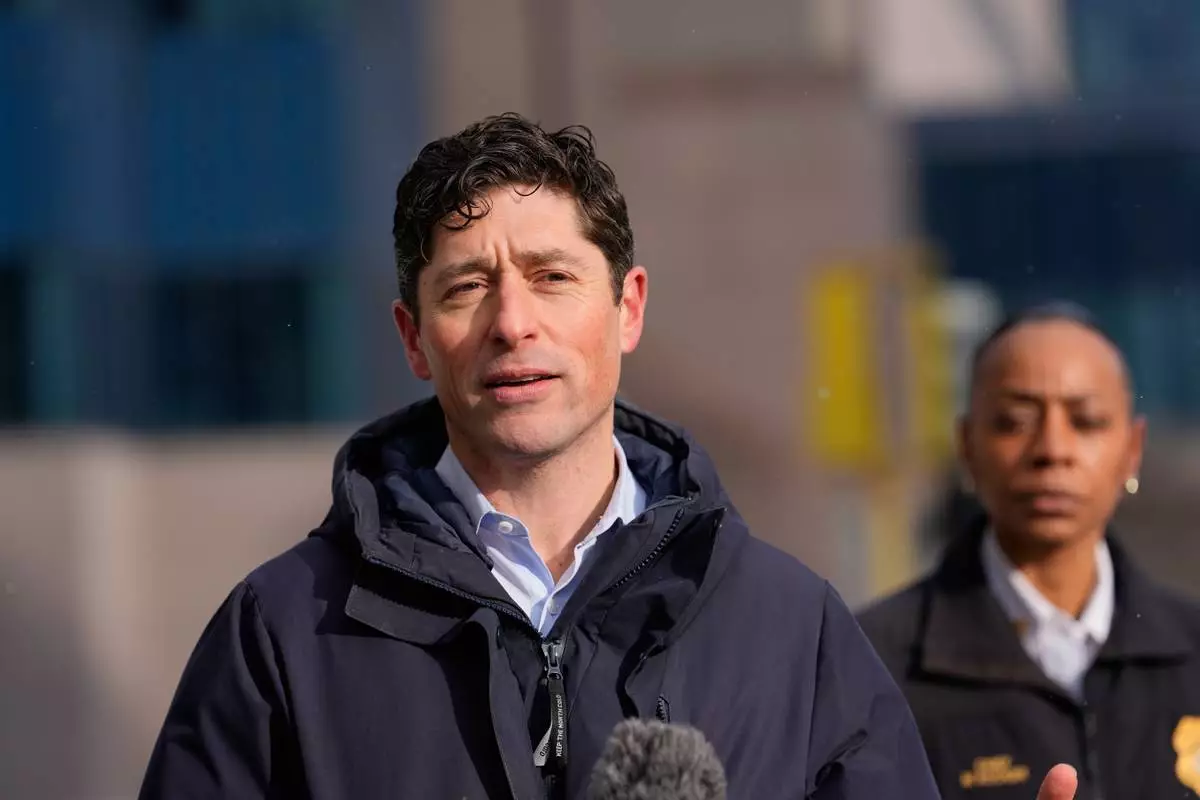
Minneapolis Mayor Jacob Frey holds a news conference on Saturday, Jan. 10, 2026, in Minneapolis. (AP Photo/Jen Golbeck)
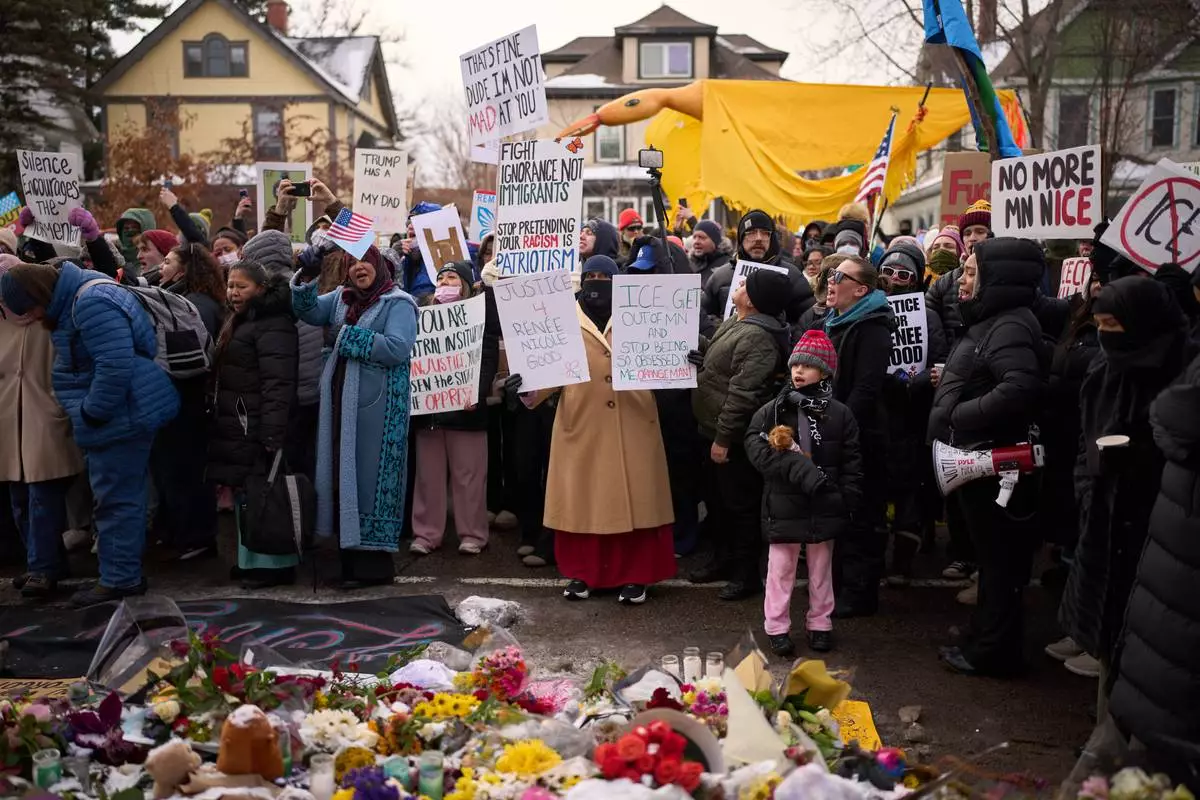
Protesters react as they visit a makeshift memorial during a rally for Renee Good, who was fatally shot by an ICE officer earlier in the week, Saturday, Jan. 10, 2026, in Minneapolis. (AP Photo/John Locher)