Skip to Content Facebook Feature Image

CSD and PolyU Collaborate to Upcycle Food Waste for Sustainable Correctional Development

HK

CSD and PolyU Collaborate to Upcycle Food Waste for Sustainable Correctional Development
HK

HK

CSD and PolyU Collaborate to Upcycle Food Waste for Sustainable Correctional Development

2025-02-07 17:30 Last Updated At:17:38

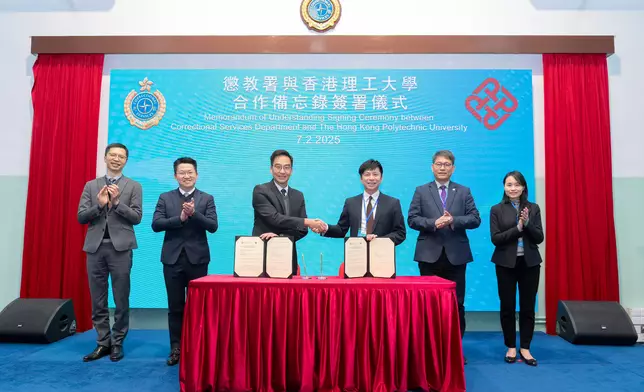
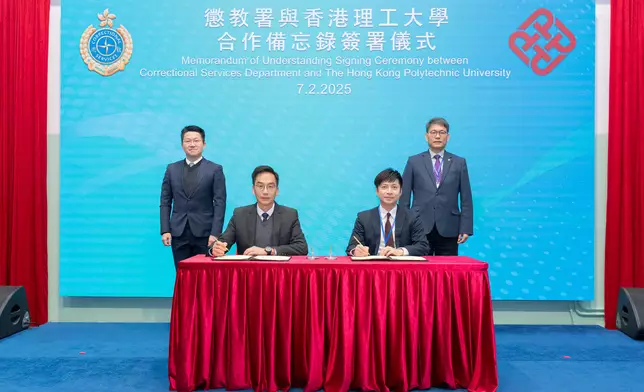
CSD and PolyU sign MOU to promote upcycling of food waste and development of eco-friendly products

​The Correctional Services Department (CSD) and the Hong Kong Polytechnic University (PolyU) signed a Memorandum of Understanding (MOU) today (February 7) to jointly promote the upcycling of food waste and the development of environmentally friendly products, injecting new impetus into the sustainable development of the correctional industry.

More Images
CSD and PolyU sign MOU to promote upcycling of food waste and development of eco-friendly products Source: HKSAR Government Press Releases
CSD and PolyU sign MOU to promote upcycling of food waste and development of eco-friendly products Source: HKSAR Government Press Releases
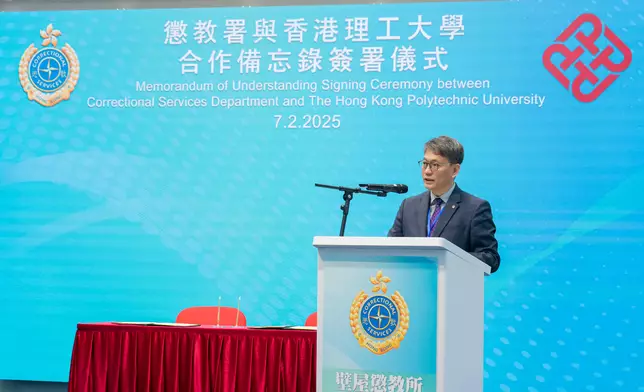
CSD and PolyU sign MOU to promote upcycling of food waste and development of eco-friendly products Source: HKSAR Government Press Releases
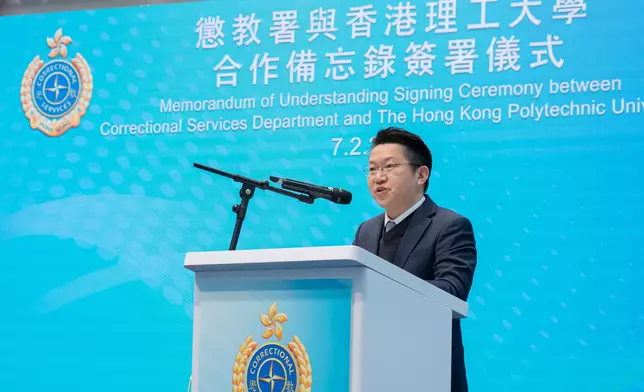
CSD and PolyU sign MOU to promote upcycling of food waste and development of eco-friendly products Source: HKSAR Government Press Releases

CSD and PolyU sign MOU to promote upcycling of food waste and development of eco-friendly products Source: HKSAR Government Press Releases

CSD and PolyU sign MOU to promote upcycling of food waste and development of eco-friendly products Source: HKSAR Government Press Releases

CSD and PolyU sign MOU to promote upcycling of food waste and development of eco-friendly products Source: HKSAR Government Press Releases

CSD and PolyU sign MOU to promote upcycling of food waste and development of eco-friendly products Source: HKSAR Government Press Releases

The MOU sets out a framework for collaboration between the CSD and PolyU to jointly promote innovative development initiatives over the next five years, including the application of PolyU's scientific research results on food waste upcycling to industrial production in correctional institutions; and the provision of vocational training to persons in custody (PICs) in the design and production of environmentally friendly products by PolyU to enhance their employability. The collaboration not only promotes environmental protection but also assists in the rehabilitation of PICs.

Witnessed by the Deputy Commissioner of Correctional Services (Rehabilitation and Management), Mr Ng Chiu-kok, and the Vice President (Research and Innovation) of PolyU, Professor Christopher Chao, the MOU was signed by the Assistant Commissioner of Correctional Services (Rehabilitation), Mr Tong Soen, and the Director of the Research Institute for Future Food, Professor Wong Ka-hing.

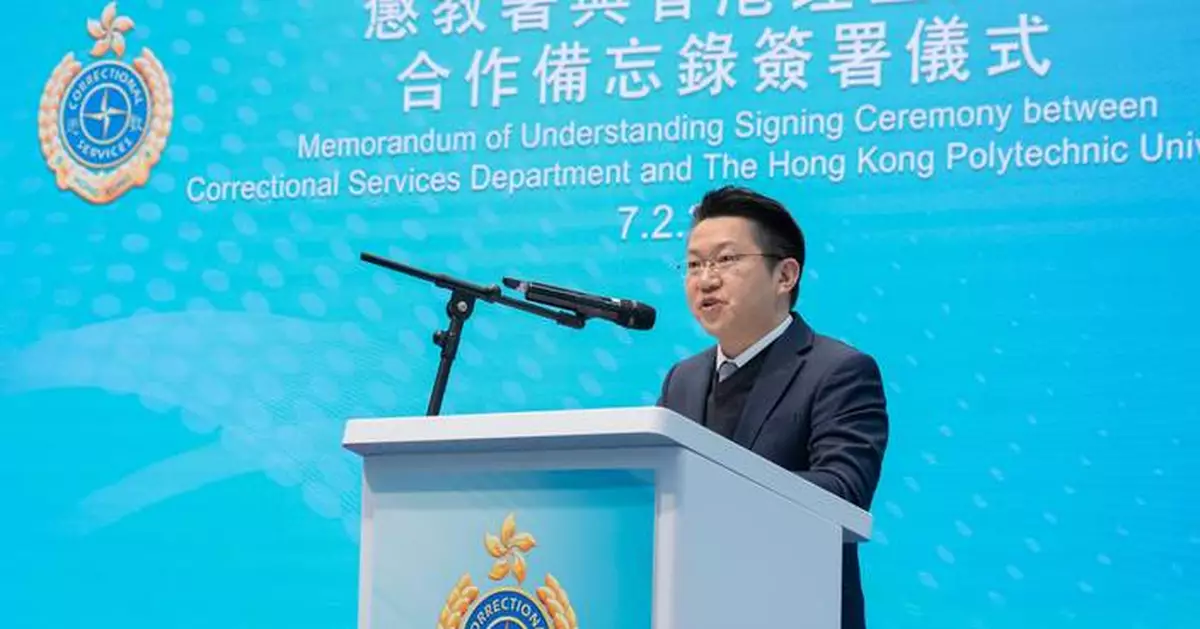
Addressing the ceremony, Mr Ng said that the CSD has been committed to introducing green measures in correctional work to build an integrated and sustainable correctional system. The signing of the MOU marks an important milestone in the sustainable development of correctional work. The first phase of the collaboration involves the application of PolyU's patented technology for making 3D printing material with spent coffee grounds to the industrial production work performed by PICs. PolyU will also provide vocational training in product design for PICs to develop more environmentally friendly spent coffee grounds products.

Professor Chao said at the ceremony that PolyU has been tackling social challenges and promoting sustainable development through innovative research and translating research outcomes over the years. The "food waste-derived 3D printing material" patented technology covered in the collaboration project was developed by PolyU's Research Institute for Future Food, which opens up a new way to tackle the problems of municipal food waste and greenhouse gas emissions in Hong Kong. Both parties will work together to create a mutual aid ecosystem, where new economic, ecological, and cultural value can be generated, contributing to the realisation of a cohesive society and sustainable development.

The environmentally friendly spent coffee grounds products will be available for sale on the CSD Sports Association's online charity gift sales platform, Made In Prison, to promote messages of supporting rehabilitation and environmental protection to the public. All proceeds from the sale, after deducting necessary costs, will be donated to various local registered charities, providing PICs with opportunities to contribute to the community.
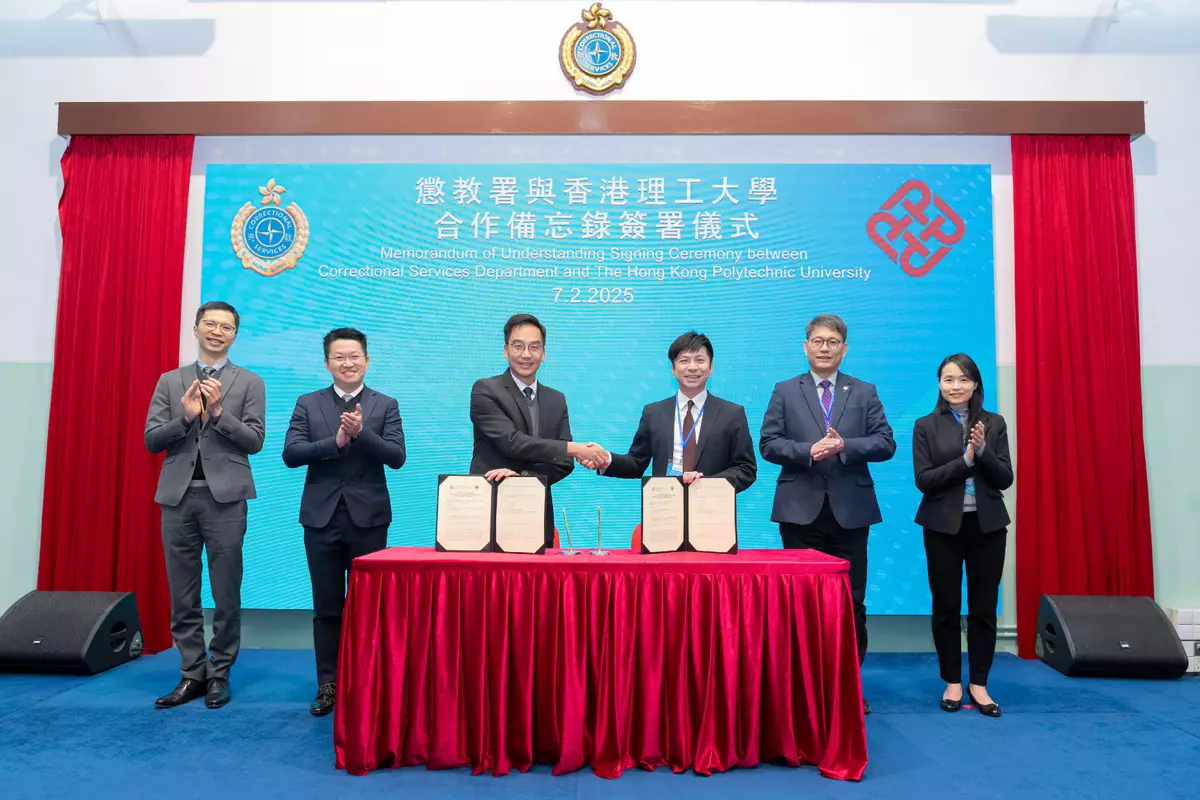
CSD and PolyU sign MOU to promote upcycling of food waste and development of eco-friendly products Source: HKSAR Government Press Releases
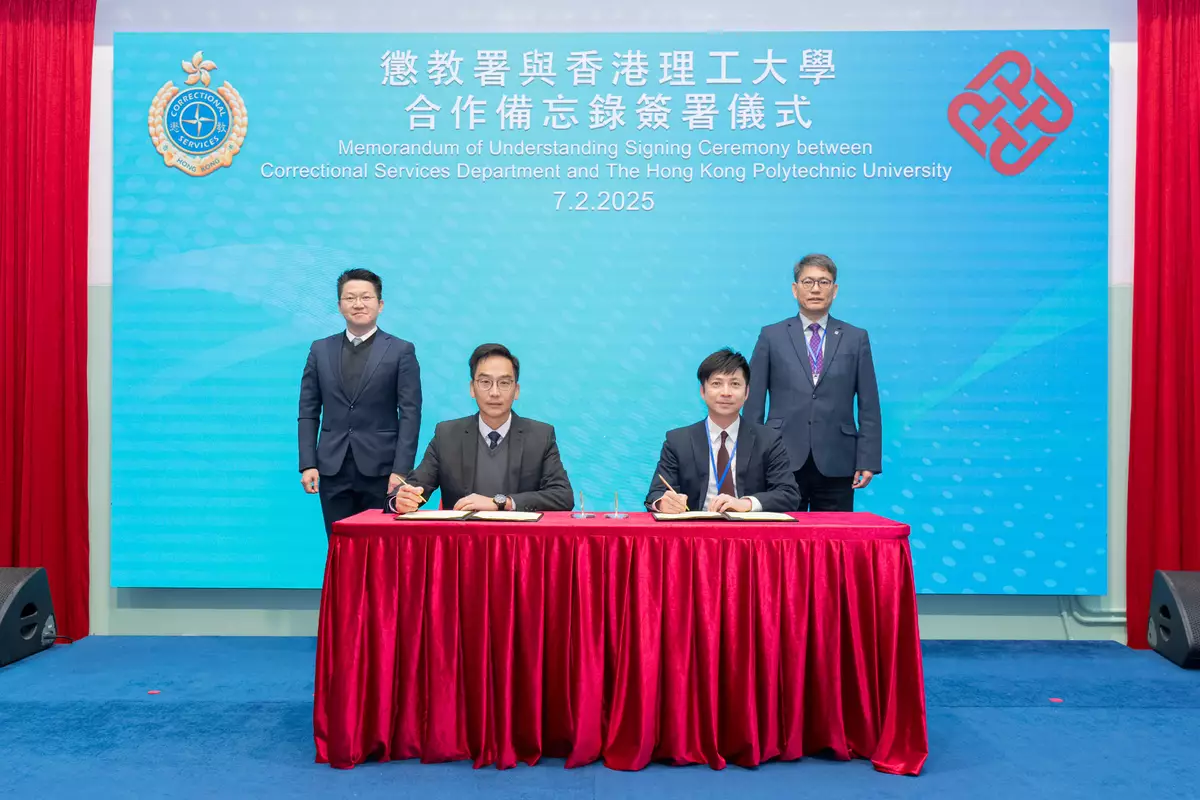
CSD and PolyU sign MOU to promote upcycling of food waste and development of eco-friendly products Source: HKSAR Government Press Releases
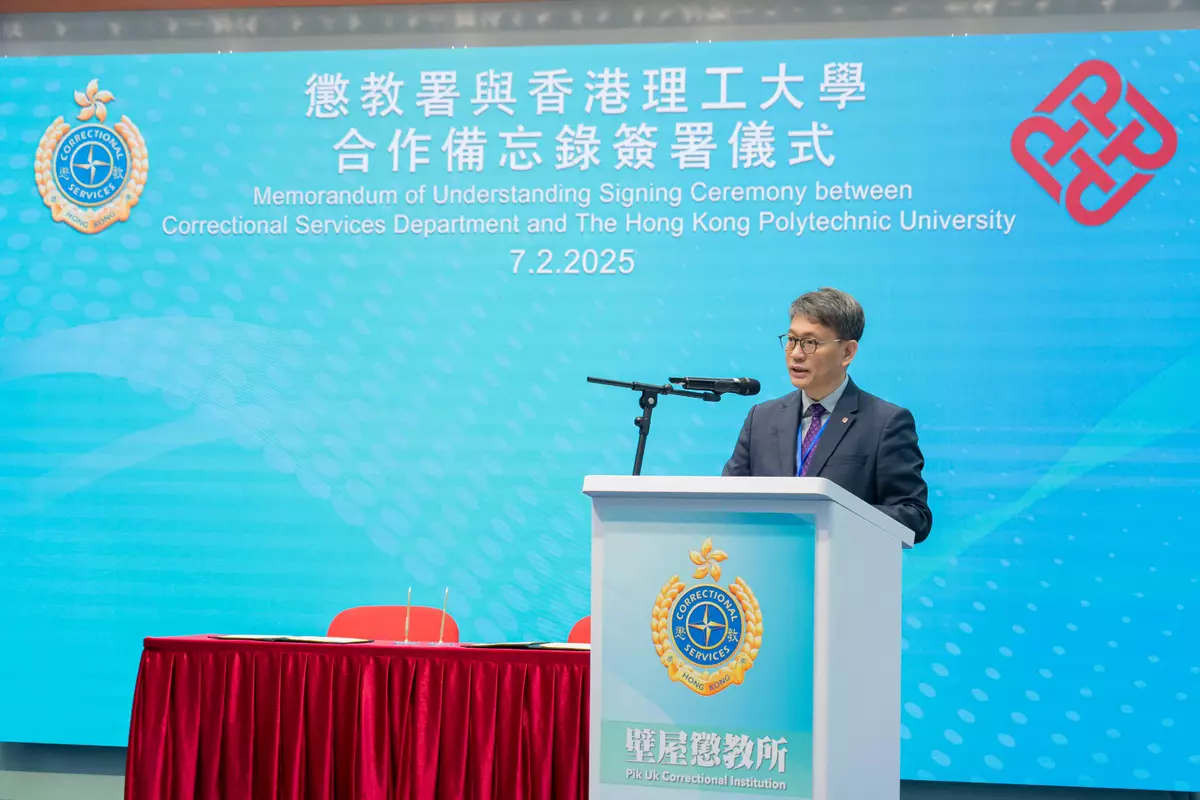
CSD and PolyU sign MOU to promote upcycling of food waste and development of eco-friendly products Source: HKSAR Government Press Releases
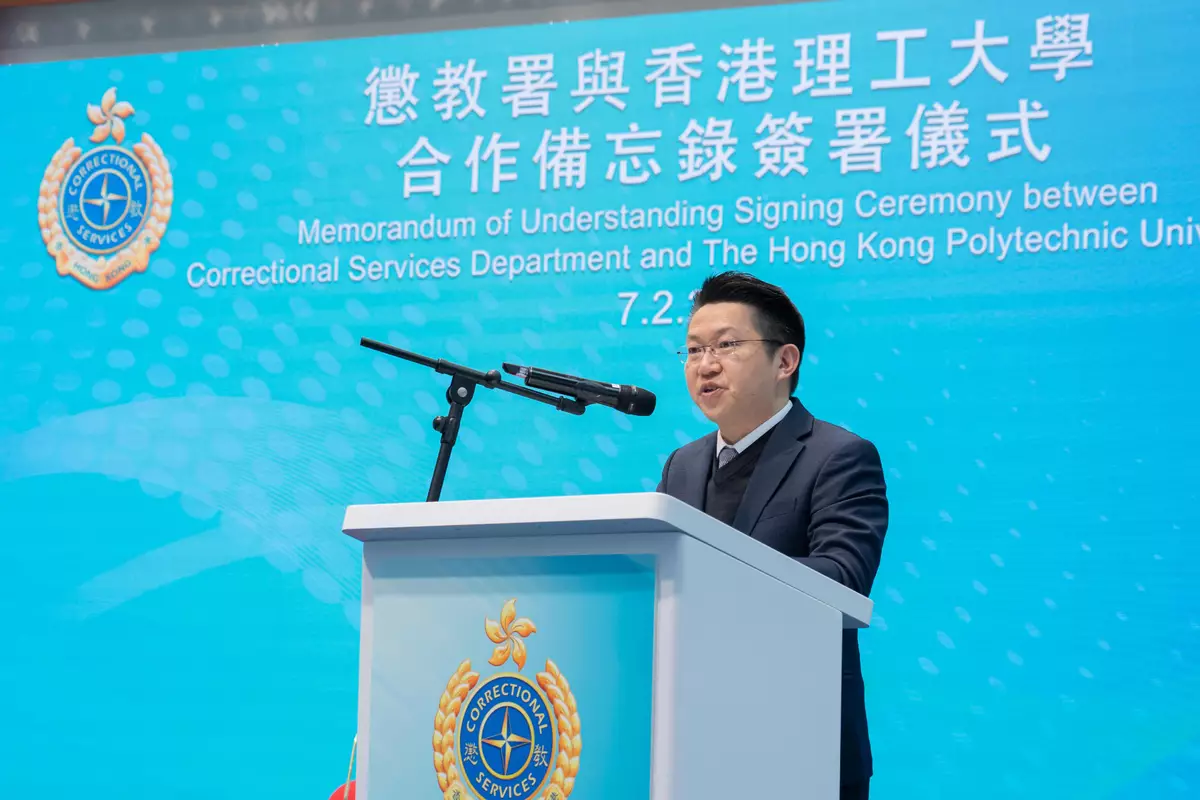
CSD and PolyU sign MOU to promote upcycling of food waste and development of eco-friendly products Source: HKSAR Government Press Releases

CSD and PolyU sign MOU to promote upcycling of food waste and development of eco-friendly products Source: HKSAR Government Press Releases
CSD and PolyU sign MOU to promote upcycling of food waste and development of eco-friendly products Source: HKSAR Government Press Releases

CSD and PolyU sign MOU to promote upcycling of food waste and development of eco-friendly products Source: HKSAR Government Press Releases

CSD and PolyU sign MOU to promote upcycling of food waste and development of eco-friendly products Source: HKSAR Government Press Releases
Enforcement actions against illegal hillside burial cases

The Home Affairs Department, the Food and Environmental Hygiene Department (FEHD) and the Lands Department (LandsD) conducted a joint enforcement operation from November 10 to 11 at the two Permitted Burial Grounds (PBGs) of Tai Tong Shan Road in Yuen Long and Tap Mun in Tai Po against illegal hillside burials. A total of 10 illegal graves/urn houses/urns have been removed, and the human remains therein have been reburied at the Sandy Ridge Cemetery.

The FEHD and the LandsD posted notices on a total of 10 unauthorised graves/urn houses/urns located within the above-mentioned two PBGs on September 22 and 23 this year, requiring the related persons of the graves/urn houses/urns concerned to cease occupation of the government land and to contact relevant government departments before October 26 and 27 this year respectively, or else the human remains therein would be reburied at the Sandy Ridge Cemetery. As all the 10 graves/urn houses/urns remained unclaimed upon expiry of the deadlines, the Government commenced this joint enforcement and clearance operation.

The Government has been implementing a pilot scheme on the management of PBGs in individual PBGs since 2016. Taking into account the actual circumstances of each PBG, the Government has been implementing appropriate improvement measures, including erecting boundary pillars for the PBGs, conducting record surveys of existing graves/urn houses/urns, imposing restrictions on the size of burial sites and demarcating available spaces in PBGs for new applications of burial sites in order to ensure that the places of burials are within PBGs. The pilot scheme has now been extended to 15 PBGs, covering all nine administrative districts in the New Territories.

Having examined the data obtained from the pilot scheme, the Government has commenced enforcement actions against illegal burials in the PBGs in phases from July 2021 onwards. Besides conducting enforcement actions in the above-mentioned PBGs, the Government will also continue to take follow-up actions in other PBGs, including posting notices on other unauthorised graves/urn houses/urns before the coming Ching Ming Festival, with a view to removing unclaimed graves/urn houses/urns as soon as possible after the expiration of the notice period.

A Government spokesman reiterated that, according to the Land (Miscellaneous Provisions) Ordinance (Cap. 28), it is an offence when any person occupying government land, otherwise than under permission from the Authority, does not cease the occupation as required by a notice prescribed by the Ordinance. Any property or structure on the occupied government land may be demolished and removed by the Government, and the occupier may be prosecuted. Furthermore, according to the Public Health and Municipal Services Ordinance (Cap. 132), it is an offence to bury human remains without the permission in writing of the Authority. Offenders are liable to prosecution, and the human remains inside the graves concerned will be removed.

Source: AI-found images

Source: AI-found images

Recommended Articles