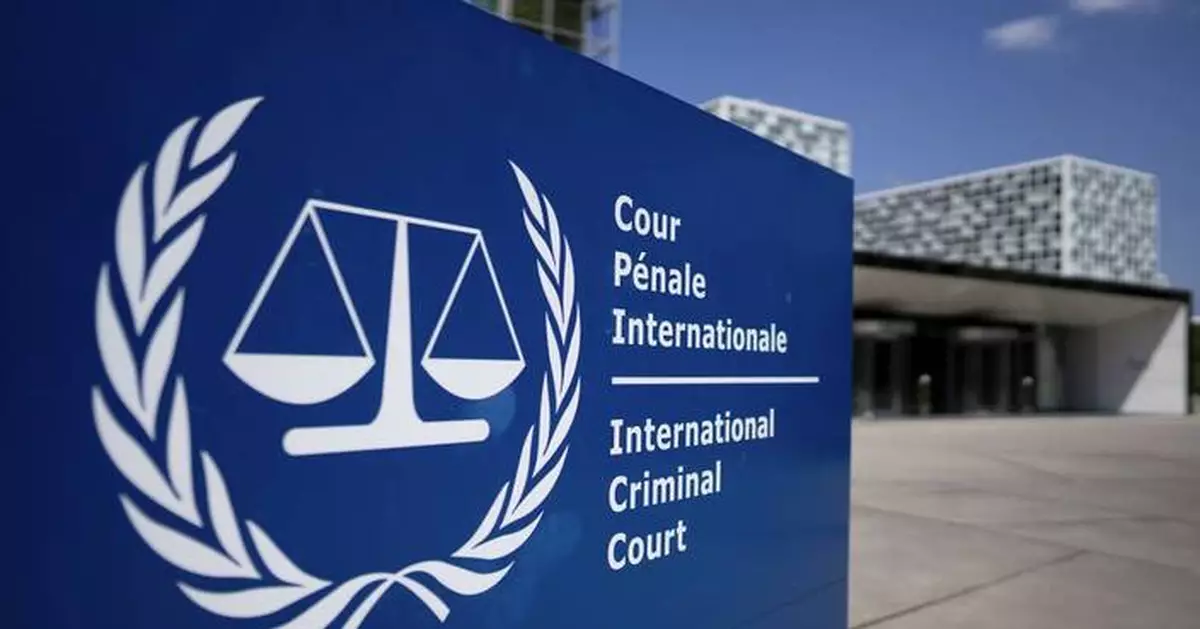
Skip to Content Facebook Feature Image

ICC condemns sanctions by Trump administration and pledges to continue its work

News

ICC condemns sanctions by Trump administration and pledges to continue its work
News

News

ICC condemns sanctions by Trump administration and pledges to continue its work

2025-02-08 01:54 Last Updated At:02:01

THE HAGUE, Netherlands (AP) — The International Criminal Court on Friday called on member states to stand up against sanctions imposed by U.S. President Donald Trump, describing the move as an attempt to harm an indispensable global court to administer justice and protect the lives of millions of innocent people.

The embattled court quickly received support in Europe from traditional allies of the U.S.

“Sanctioning the ICC threatens the court’s independence and undermines the international criminal justice system as a whole,” said European Council President António Costa, who heads the summits of the European Union's 27 leaders. It was the toughest direct criticism by a senior EU official to a decision by Trump since his return to office last month.

The White House issued the executive order against the ICC on Thursday in response to what it called “illegitimate and baseless actions targeting America and our close ally Israel.”

Trump’s order was a response to the arrest warrant that the ICC issued last year for Israeli Prime Minister Benjamin Netanyahu over alleged war crimes in Gaza. The U.S. and Israel aren’t members of the court and don’t recognize it’s authority.

Tens of thousands of Palestinians, including children, have been killed during the Israeli military’s response to Hamas' attack on southern Israel that killed around 1,200 people in October 2023. The casualty figure of Palestinians killed is provided by Gaza’s Health Ministry, which doesn't distinguish between fighters and civilians.

The Hague-based ICC said that it “condemns” the move by the Trump administration. ICC President Judge Tomoko Akane called the U.S. move “only the latest in a series of unprecedented and escalatory attacks aiming to undermine the Court.’”

“As atrocities continue to plague the globe affecting the lives of millions of innocent children, women and men, the Court has become indispensable,” she said.

She called for all “to stand united in the Court’s defense: our 125 States Parties, civil society and all nations of the world.”

France immediately stepped up and said that it “will mobilize to ensure that the court can continue fulfilling its mission in an impartial and independent way,” according to its foreign ministry spokesman Christophe Lemoine.

Germany said it will await the impact of the U.S. sanctions, while indicating where its sympathy lies.

“Standing up for international law and for the International Criminal Court is in our own maximum security interest,” German Foreign Minister Annalena Baerbock said. The court “is one of the greatest achievements of international criminal law and is supported by more than 120 states,” she added.

“If the ICC could no longer continue its work now, that would be one of the biggest joys for (Russian President Vladimir) Putin,” Baerbock said. “In the past three years, Putin had to see that his crimes against humanity, such as the abduction of Ukrainian children, do not remain without consequences.”

She noted that Putin had been unable to travel to a BRICS summit of developing economies in South Africa and said that “no one stands above international law.”

European Commission President Ursula von der Leyen said the ICC "must be able to freely pursue the fight against global impunity. Europe will always stand for justice and the respect of international law."

The Netherlands, which hosts the court, has also condemned Trump’s order. “The Netherlands regrets the executive order imposing sanctions on the ICC. The court’s work is essential in the fight against impunity,” Foreign Affairs Minister Caspar Veldkamp said in a statement.

People in the Dutch government say the Netherlands has been trying to assist the court in shielding itself from the fallout.

Trump's executive order said that the U.S. would impose “tangible and significant consequences” on those responsible for the ICC’s “transgressions.” Actions may include blocking property and assets and not allowing ICC officials, employees and relatives to enter the United States.

The U.S. Treasury and State Department will determine which people and organizations will be sanctioned.

The ICC caught the wrath of the United States in November when a pretrial panel of judges issued arrest warrants for Netanyahu, his former defense minister and Hamas’ military chief, accusing them of war crimes and crimes against humanity in connection with the war in Gaza.

The warrants said that there was reason to believe that Netanyahu and Israel's former Defense Minister Yoav Gallant used “starvation as a method of warfare” by restricting humanitarian aid and have intentionally targeted civilians in Israel’s campaign against Hamas in Gaza — charges Israeli officials deny.

Human rights groups have criticized the U.S. sanctions.

"Sanctions are for human rights violators, not those working to hold rights abusers to account," Liz Evenson, international justice director at Human Rights Watch, said in a statement.

"Trump’s executive order borrows a page out of Russia’s playbook, which has sought to obstruct the court’s work through arrest warrants against its judges and prosecutor,” she added.

Court officials had been preparing for sanctions for months. In January, the court gave staff a three-month advance on their salaries, two court insiders told The Associated Press on condition of anonymity because they weren't authorized to speak to media.

Should the U.S. sanction the court itself, it could cripple operations, leaving the institution unable to pay staff, fund investigations, or access information stored on servers in the United States.

At least two senior staff members at the court have resigned since Trump was elected in an effort to avoid sanctions.

In an increasingly polarized Western world, Hungary stood side by side with Trump.

“The ICC has recently turned itself into a biased political tool and has discredited the entire international court system,” Foreign Minister Péter Szijjártó said. “Its decisions have also only contributed to exacerbating insecurity in already difficult parts of the world.”

Israel's Foreign Minister Gideon Sa'ar said that “the ICC’s actions are immoral and have no legal basis.”

It is the second time that Trump has gone after the court. During his previous term in office, he imposed sanctions on former prosecutor Fatou Bensouda and one of her deputies over her investigation into crimes committed in Afghanistan. U.S. President Joe Biden lifted the sanctions when he took office in 2021.
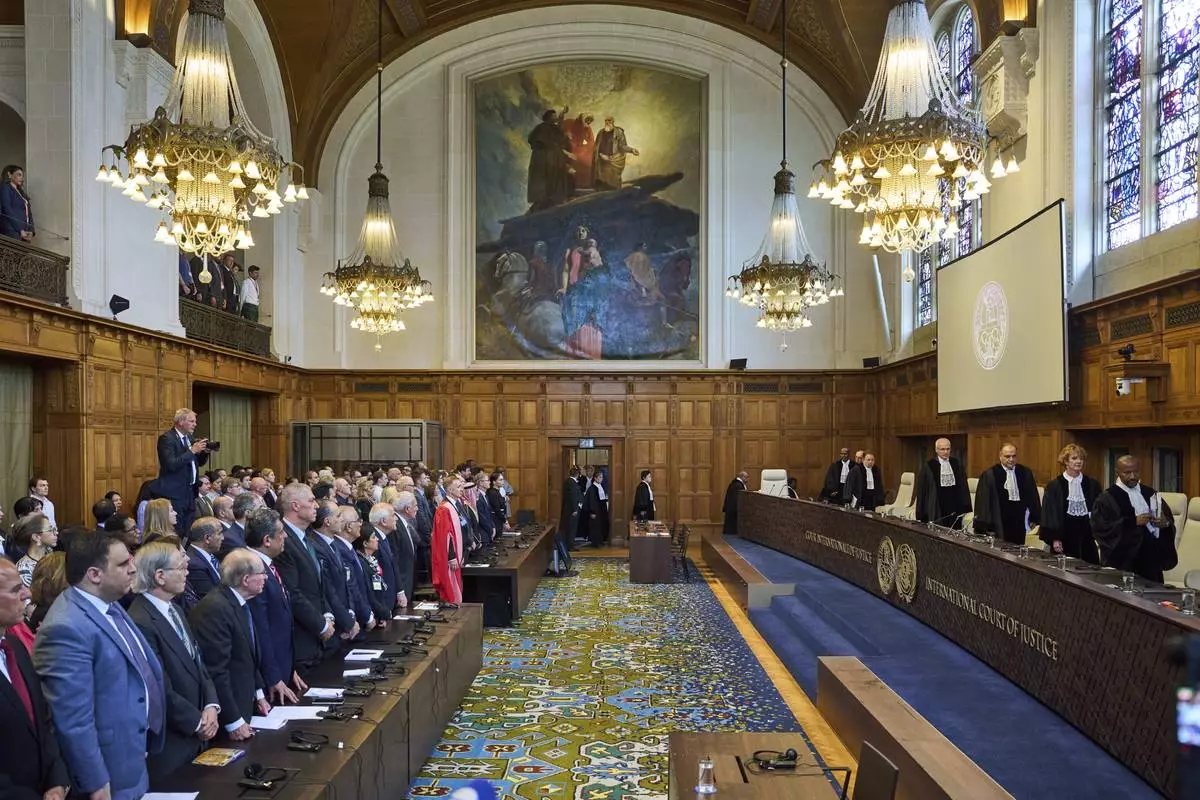
FILE -The Judges enter the International Court of Justice, or World Court, in The Hague, Netherlands, July 19, 2024. (AP Photo/Phil Nijhuis, File)
FILE -The Judges enter the International Court of Justice, or World Court, in The Hague, Netherlands, July 19, 2024. (AP Photo/Phil Nijhuis, File)

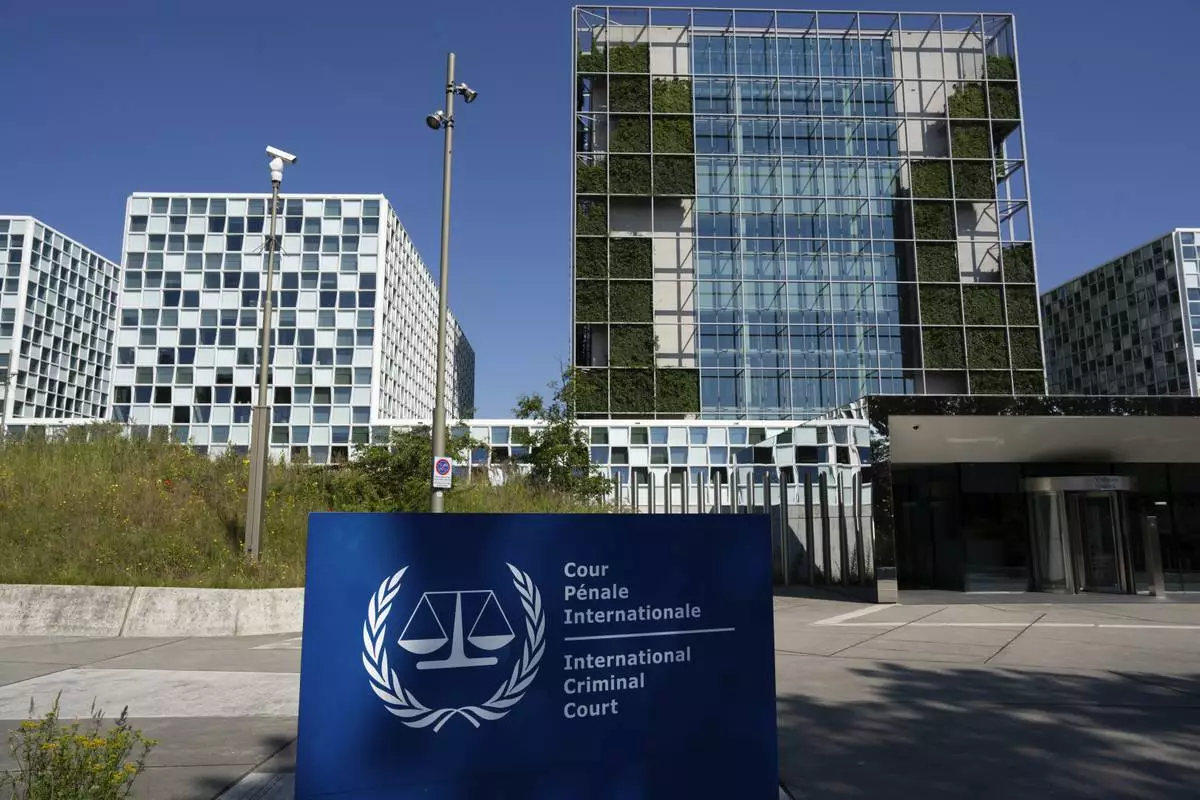
FILE - Exterior of the International Criminal Court in The Hague, Netherlands, June 26, 2024. (AP Photo/Peter Dejong, File)
FILE - Exterior of the International Criminal Court in The Hague, Netherlands, June 26, 2024. (AP Photo/Peter Dejong, File)
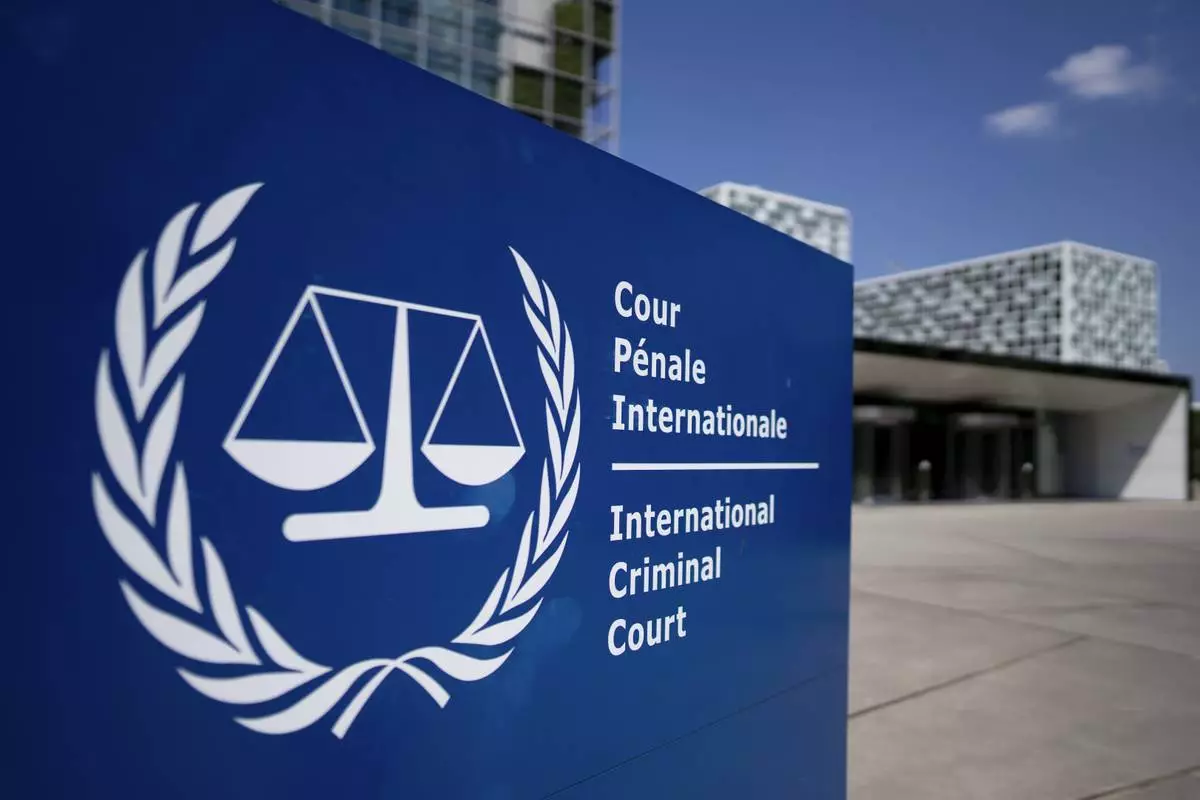
FILE -A view of the International Criminal Court in The Hague, Netherlands, June 26, 2024. (AP Photo/Peter Dejong, File)
FILE -A view of the International Criminal Court in The Hague, Netherlands, June 26, 2024. (AP Photo/Peter Dejong, File)
WASHINGTON (AP) — The Trump administration on Thursday loosened federal rules that require grocery stores and air-conditioning companies to reduce greenhouse gases used in cooling equipment, a step President Donald Trump said would help lower grocery costs.

Trump, at a White House ceremony, said the action by the Environmental Protection Agency would “substantially lower costs for consumers” by delaying costly restrictions that limit the type of refrigerants U.S. businesses and families can use.

The move to relax the Biden-era rules on harmful pollutants known as HFCs emitted by refrigerators and other appliances was the latest attempt by the Trump administration to try to address rising voter concerns over the cost of living ahead of pivotal elections in November.

It is not clear how much or how quickly the loosening of the refrigerant rule might impact grocery prices. Industry groups said the move could even raise prices because manufacturers have already redesigned products, retooled factories and trained workers to build and service next-generation refrigerant equipment.

Inflation in the United States increased to 3.8% annually in April, amid price spikes caused by the Iran war and President Donald Trump’s sweeping tariffs. Inflation is now outpacing wage gains as the war has kept oil and gasoline prices high.

The Biden-era regulation was “unnecessary and costly and actually makes the machinery worse,” Trump said at a ceremony joined by top executives from Kroger, Piggly Wiggly and other grocery chains. The EPA action will protect hundreds of thousands of jobs and save Americans more than $2 billion a year, he said.

The Air-Conditioning, Heating and Refrigeration Institute, which represents more than 330 HVAC manufacturers and commercial refrigeration companies, said the change in approach would “inject uncertainty across the market” and could even raise prices.

“This rule works against basic supply and demand,” said Stephen Yurek, the group’s president and CEO. “By extending the compliance deadline” for phasing out hydrofluorocarbons, or HFCs, the administration “is maintaining and even increasing demand in the market for existing refrigerants while supply continues to fall.”

Manufacturers have already retooled product lines and certified models based on the existing timeline, Yurek said. Nearly 90% of residential and light commercial air conditioning systems use substitute refrigerants, rather than HFCs, he said.

The administration's action on refrigerants represents a reversal after Trump signed a law in his first term that aimed to reduce harmful, planet-warming pollutants emitted by refrigerators and air conditioners. That bipartisan measure brought environmentalists and major business groups into rare alignment on the contentious issue of climate change and won praise across the political spectrum.

The 2020 law reflected a broad bipartisan consensus on the need to quickly phase out domestic use of HFCs, greenhouse gases that are thousands of times more potent than carbon dioxide and are considered a major driver of global warming.

The EPA action highlights the second Trump administration’s drive to roll back regulations perceived as climate friendly. The plan is among a series of sweeping environmental changes that EPA Administrator Lee Zeldin has said will put a “dagger through the heart of climate change religion.”

Environmentalists criticized the administration’s actions, saying the new rule would exacerbate climate pollution while disrupting a yearslong industry transition to new coolants as an alternative to HFCs.

The 2020 law signed by Trump, known as the American Innovation and Manufacturing Act, phased out HFCs as part of an international agreement on ozone pollution. The law accelerated an industry shift to alternative refrigerants that use less harmful chemicals and are widely available.

The U.S. Chamber of Commerce and the American Chemistry Council, the top lobbying group for the chemical industry, were among numerous business groups that supported the law and an international deal on pollutants, known as the Kigali Amendment, as victories for jobs and the environment. U.S. companies such as Chemours and Honeywell developed and produce the alternative refrigerants sold in the United States and around the world.

The 2023 rule now being relaxed imposed steep restrictions on HFCs starting in 2026. Zeldin said the rule from the Democratic Biden administration did not give companies enough time to comply and that the rapid switch to other refrigerants caused shortages and price increases last year. Some in the industry dispute this.

The Food Industry Association, which represents grocery stores and suppliers, applauded the Trump EPA proposal last year, saying the earlier rule “imposed significant and unrealistic compliance timelines.”

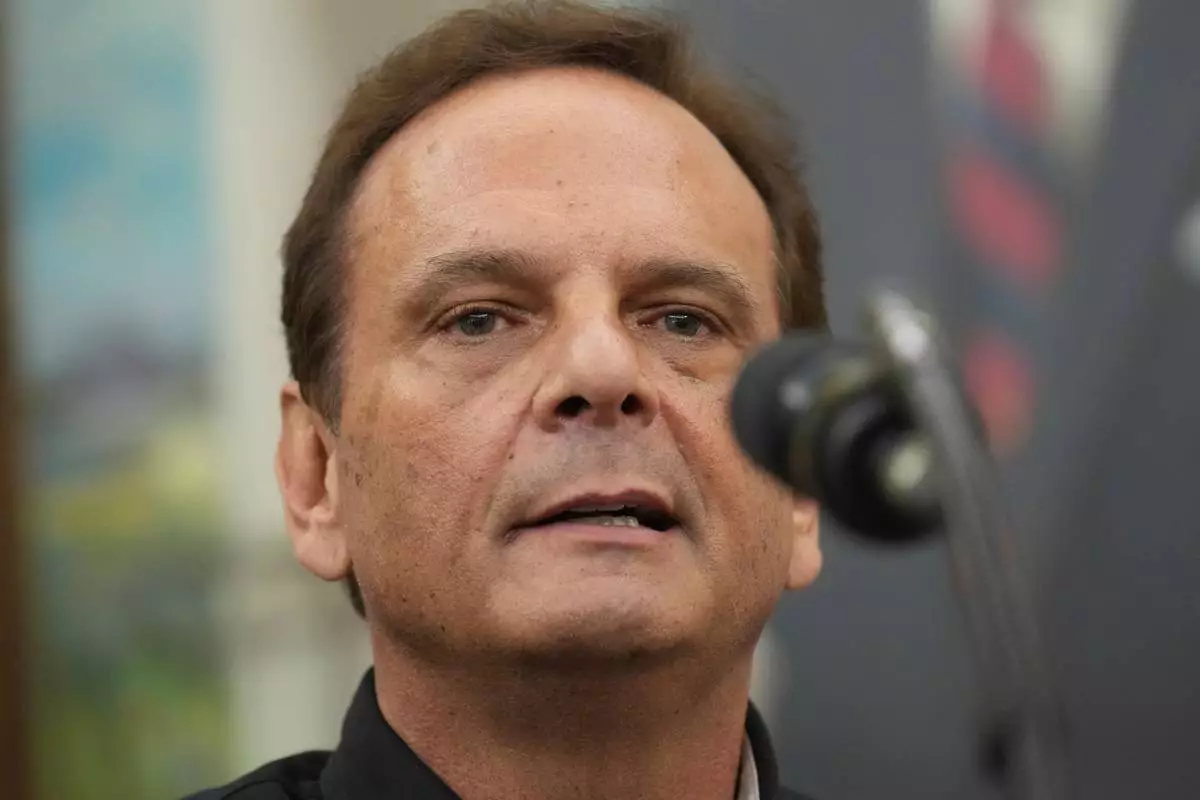
Kevin McDaniel, Piggly Wiggly franchise owner, speaks during an event with President Donald Trump about loosening a federal refrigerant rule, in the Oval Office at the White House, Thursday, May 21, 2026, in Washington. (AP Photo/Jacquelyn Martin)

Kevin McDaniel, Piggly Wiggly franchise owner, speaks during an event with President Donald Trump about loosening a federal refrigerant rule, in the Oval Office at the White House, Thursday, May 21, 2026, in Washington. (AP Photo/Jacquelyn Martin)

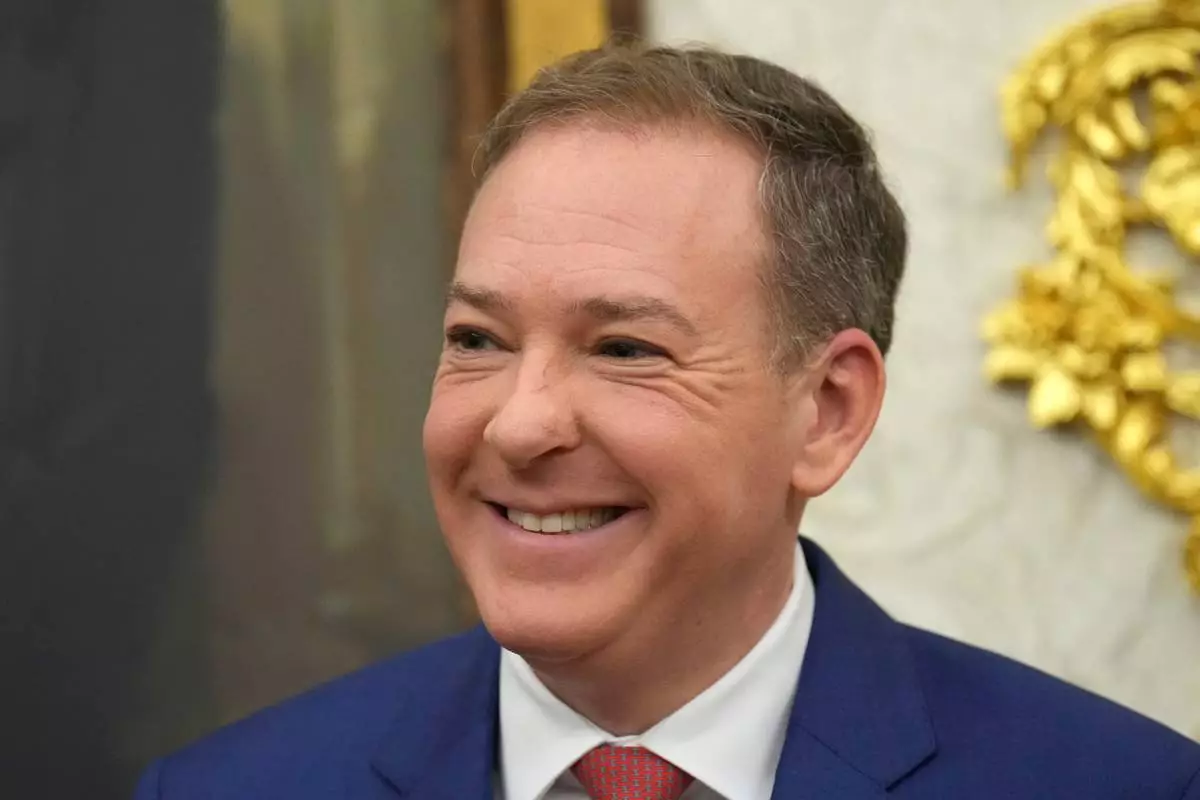
Kroger CEO Greg Foran speaks speaks during an event with President Donald Trump about loosening a federal refrigerant rule, in the Oval Office at the White House, Thursday, May 21, 2026, in Washington. (AP Photo/Jacquelyn Martin)

Kroger CEO Greg Foran speaks speaks during an event with President Donald Trump about loosening a federal refrigerant rule, in the Oval Office at the White House, Thursday, May 21, 2026, in Washington. (AP Photo/Jacquelyn Martin)

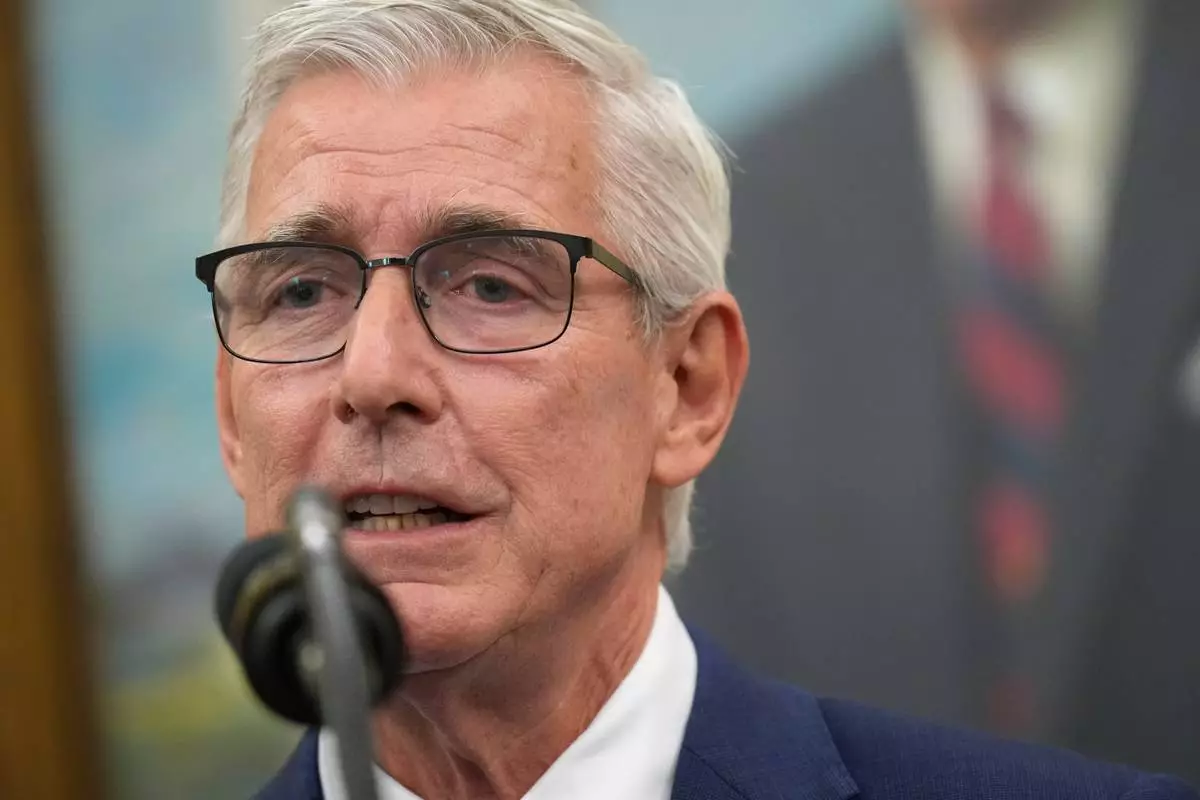
Lee Zeldin, Environmental Protection Agency administrator, listens as President Donald Trump speaks during an event about loosening a federal refrigerant rule, in the Oval Office at the White House, Thursday, May 21, 2026, in Washington. (AP Photo/Jacquelyn Martin)

Lee Zeldin, Environmental Protection Agency administrator, listens as President Donald Trump speaks during an event about loosening a federal refrigerant rule, in the Oval Office at the White House, Thursday, May 21, 2026, in Washington. (AP Photo/Jacquelyn Martin)

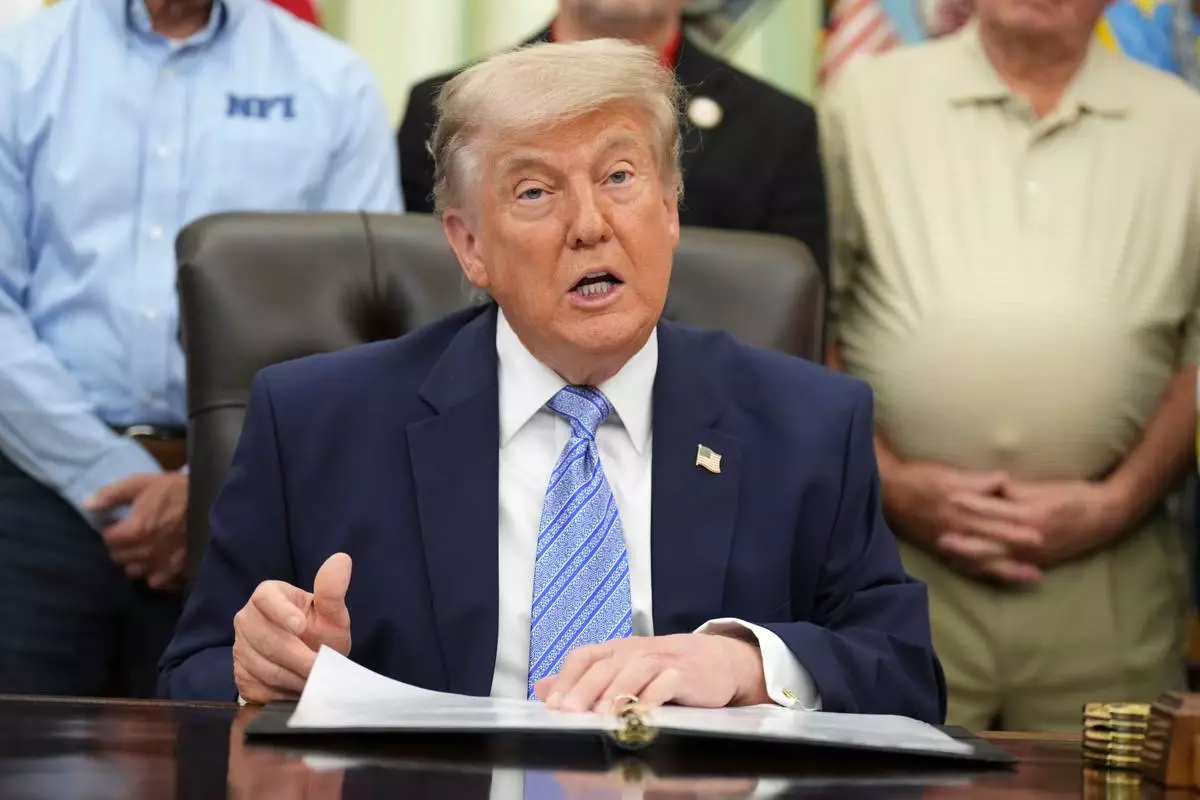
President Donald Trump speaks during an event about loosening a federal refrigerant rule, in the Oval Office at the White House, Thursday, May 21, 2026, in Washington. (AP Photo/Jacquelyn Martin)

President Donald Trump speaks during an event about loosening a federal refrigerant rule, in the Oval Office at the White House, Thursday, May 21, 2026, in Washington. (AP Photo/Jacquelyn Martin)

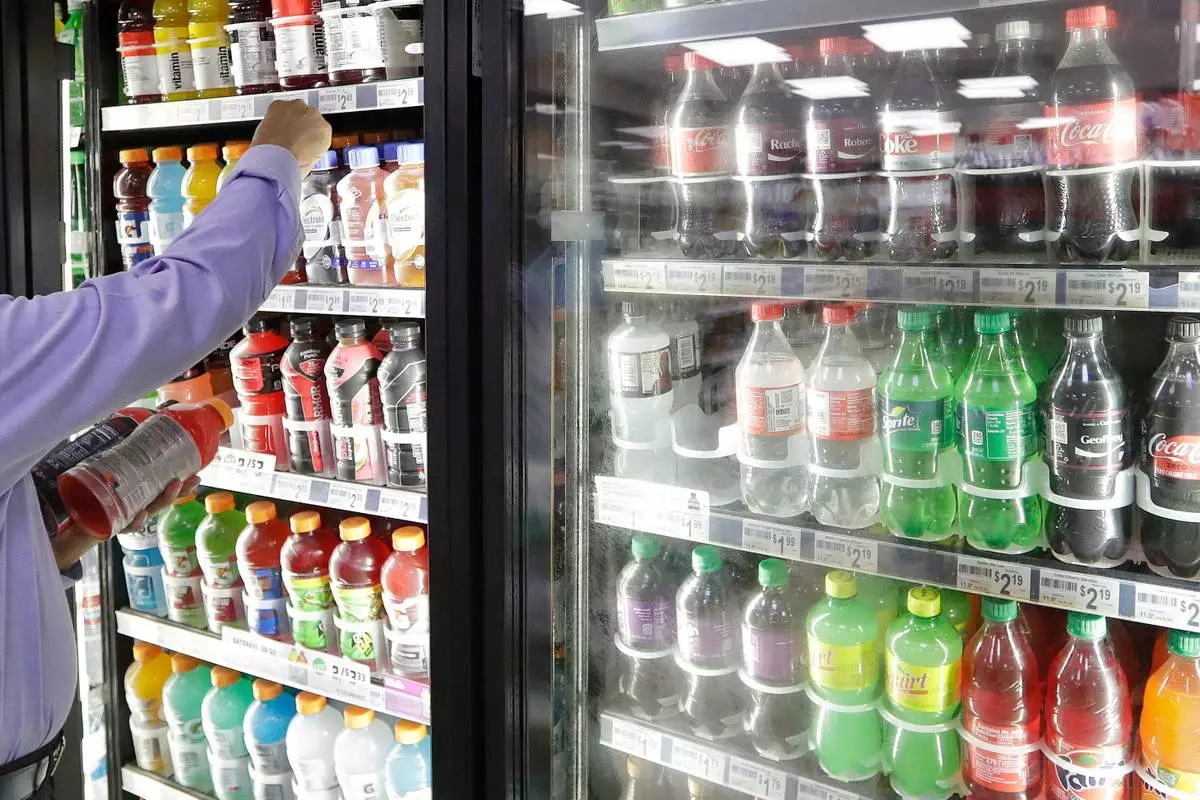
FILE - A shop owner reaches into a drink display refrigerator at his convenience store in Kent, Wash., Oct. 1, 2018. (AP Photo/Elaine Thompson, File)

FILE - A shop owner reaches into a drink display refrigerator at his convenience store in Kent, Wash., Oct. 1, 2018. (AP Photo/Elaine Thompson, File)

Recommended Articles