The British Department for Business and Trade announced on Sunday that it is seeking public feedback on a steel strategy aimed at maintaining the global competitiveness of the British steel sector while addressing challenges posed by U.S. tariffs on steel imports.
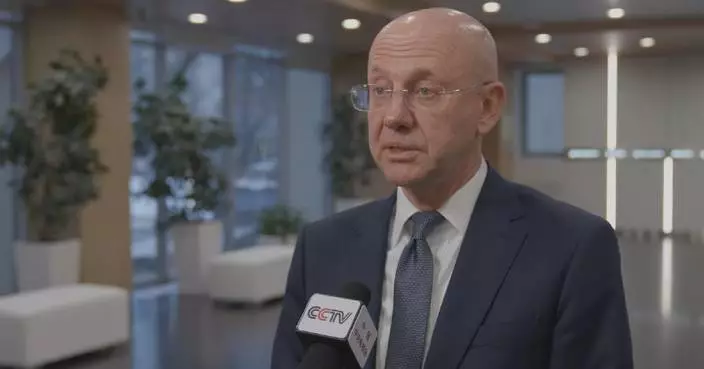
Speaking to the BBC on Sunday, British business secretary Jonathan Reynolds said tariffs could increase costs for U.S. taxpayers.
Britain and the U.S. have a "mutual interest" in negotiating an exemption for Britain from U.S. President Donald Trump's planned tariffs on steel, he said, noting that Britain can offer the U.S. "very specialized" steel and aluminum exports, such as submarine casings made in Sheffield.
According to the strategy, the British government will inject 2.5 billion pounds (3.15 billion U.S. dollars) into the domestic steel industry and encourage infrastructure projects to prioritize British-made steel. The planned expansion of Heathrow Airport, for instance, is expected to use 400,000 tonnes of steel.
Trump has announced a 25 percent tariff on all steel imports starting in March, raising concerns within the British government over rising trade costs, as the U.S. accounts for approximately 10 percent of British steel exports.
The industrial association, UK Steel, said the tariffs would be a "devastating blow" that would damage the sector's 400 million pounds annual contribution to the transatlantic trade.
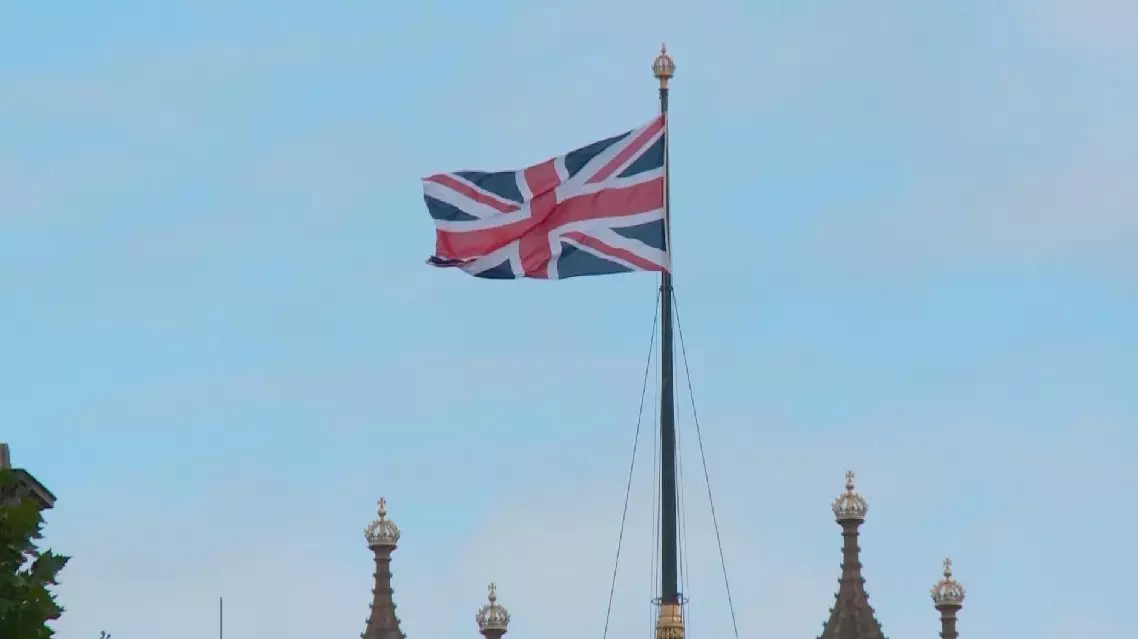
UK unveils steel strategy to counter US tariffs
UK unveils steel strategy to counter US tariffs
UK unveils steel strategy to counter US tariffs
The 2026 Mobile World Congress (MWC) opened on Monday in Barcelona, Spain, under the theme "The IQ Era", with a focus on intelligent infrastructure, AI connectivity and integration, enterprise-level AI applications, AI ecosystem collaboration, inclusive technology and innovation-driven transformation.
Marking the 20th anniversary of the event's presence in Barcelona, this year's MWC has drawn around 2,900 exhibitors, sponsors and partners.
More than 1,200 speakers are taking part in discussions, with country and regional pavilions and technology-themed exhibition areas representing over 100 countries and regions.
Participants include global mobile network operators, device manufacturers and technology firms.
Amid the bustling exhibition halls, attendees highlighted the pervasive impact of artificial intelligence on both personal routines and professional workflows.
"The topic I think that really impressed is the AI influence because I use it every day," said a visitor.
"AI is, I mean, more and more getting into daily life for everybody. AI is reshaping the way people work. It increases productivity," said another visitor.
Network capabilities centering around AI applications also dominated discussions, where many companies unveiled their visions for 6G technology.
"This new spectrum band will adopt ultra-massive antenna arrays and energy-efficient, lightweight engineering solutions to meet operators' needs, bridging the current 5G era and the coming 6G," said Zhao Dong, vice president of Huawei's wireless networking product line and the company's chief marketing officer.
A China Pavilion has been set up at the congress for the first time, featuring major Chinese companies including China Mobile, China Unicom, Huawei, ZTE, Honor and Xiaomi, showcasing their latest advancements in mobile communications and AI technologies.
Industry insiders believe that the collective appearance of Chinese enterprises is injecting new impetus for competition and cooperation into the global communication industry.
I'm seeing that Chinese company has made a lot of progress and they are competing very well in every technology field, especially in AI. And we've seen a lot of AI platforms, AI generative devices," said Mohamed Ben Amor, secretary-general of the Arab ICT Organization.
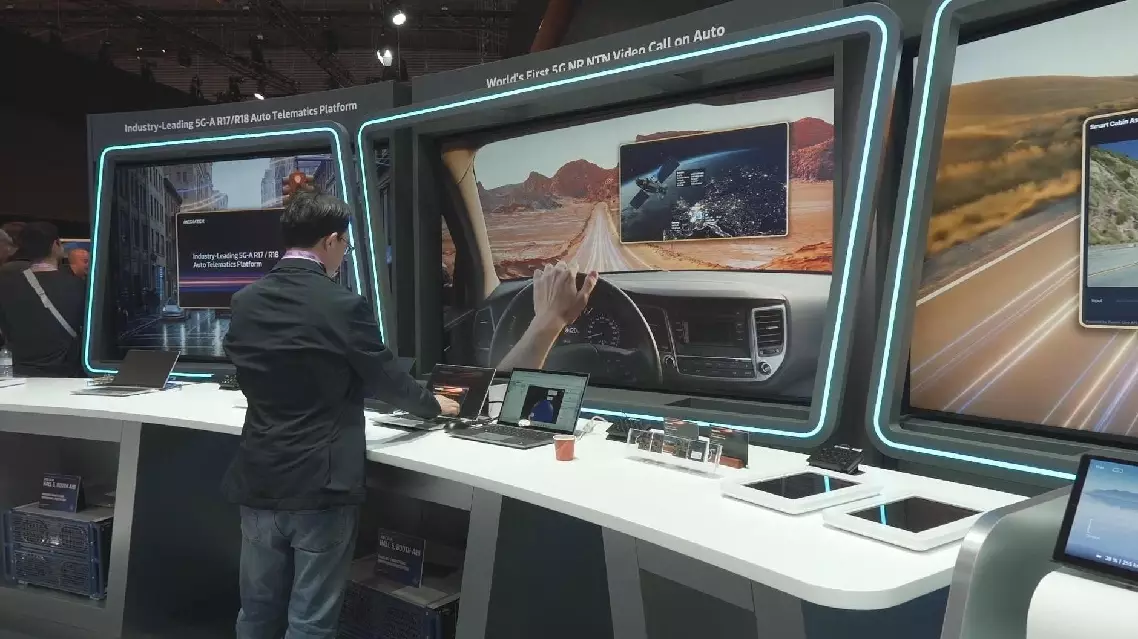
MWC 2026 opens in Barcelona, spotlighting 'The IQ Era'