When a sheriff’s deputy died at a police academy in Evansville, Indiana, two years ago, law enforcement leaders said he had collapsed during routine training.
The Associated Press set out to learn whether such deaths were routine and why were they happening. Drawing on public records and news reports, AP's investigation found that at least 29 recruits have died nationwide over the past decade while participating in basic training to become law enforcement officers.
The findings surprised some experts because no group or government agency comprehensively tracks recruit deaths. Here are some takeaways from AP’s investigation.
The investigation found that most of those who died had collapsed after intense physical exertion during training exercises and tests.
Those included lengthy obstacle courses, grueling sets of calisthenics and timed runs that recruits must pass or face potential expulsion. Sometimes, these activities were completed on extremely hot days or without access to water.
Many of the deaths happened on the first day of physical training, which is famously intense at some academies. Others happened much later during the monthslong programs.
A handful of the deaths involved boxing or simulated training fights that inflicted trauma, as was the case of Deputy Asson Hacker in Evansville.
Heat stroke, dehydration, excessive physical exertion and related conditions were often cited by medical examiners as causing or contributing to the deaths.
Black men made up nearly 60% of recruits who died, even though Black officers comprise about 12 percent of local police forces nationwide.
Some experts say a genetic condition helps explain this disparity. Sickle cell trait is most prevalent among Black Americans. It involves an abnormal gene in red blood cells.
Sickle cell trait usually does not affect their daily lives or their lifespan. But in rare cases, carriers are more likely to experience complications such as heat stroke and muscle breakdown when doing intense physical and athletic training, especially during conditions such as high temperatures.
Medical examiners cited the condition as contributing to the deaths of several recruits, such as 33-year-old Edgar Ordonez, who died of exertional heat stroke while training last summer for the New York City Police Department.
Unlike the military and the NCAA, many police departments do not screen recruits for the condition before hiring them. And many adults do not know whether they carry the trait.
The Centers for Disease Control recommends remaining hydrated, building in rest breaks and taking other steps to cool body temperatures for carriers who are in training.
The deaths appear to be on the rise in recent years, as police departments have turned to an older and more diverse pool of applicants to fill openings.
The majority of the deaths happened since 2020, when the pandemic and protests against police brutality exacerbated the number of vacancies. Many of those who died were in their 30s and 40s.
Alarmed by a string of such deaths, one researcher warned in a medical journal in 2023 that they were preventable with the right precautions and that police chiefs should take action.
But they have continued to mount since then. At least 5 recruits died in 2024, from Tennessee to Massachusetts.
Because many deceased recruits were not yet sworn officers, their names are ineligible to be added to the National Law Enforcement Officers Memorial in Washington.
Sometimes their names do not qualify for similar state memorials, and their families cannot access state death benefits for officers killed in the line of duty.
Similarly, national organizations track closely the circumstances of deaths of sworn officers. But no group is dedicated to police recruits, and that means any trends in their deaths can go unnoticed.
Workplace safety regulators have the jurisdiction to investigate police academy deaths in some states, but lack it in many others.
The extent of any death investigations is often left to the discretion of the individual police departments who run the academies and the prosecutors and medical examiners who work closely with them.
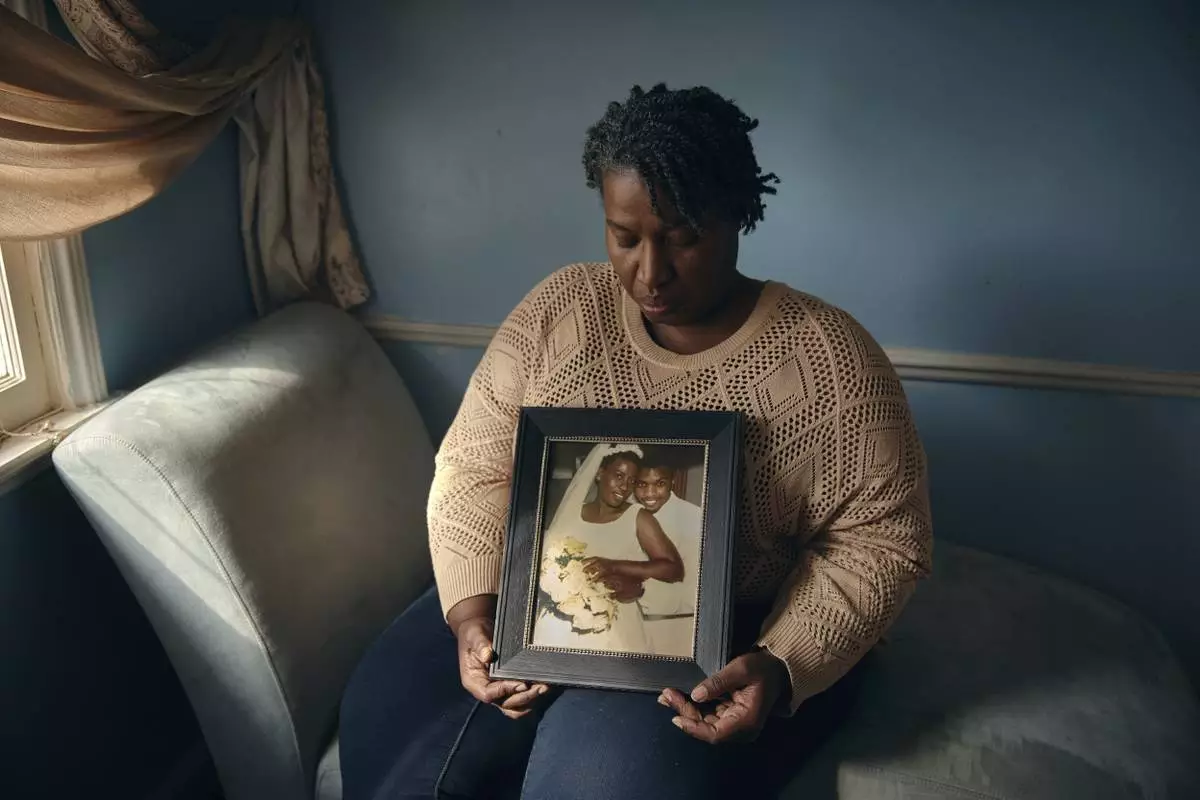
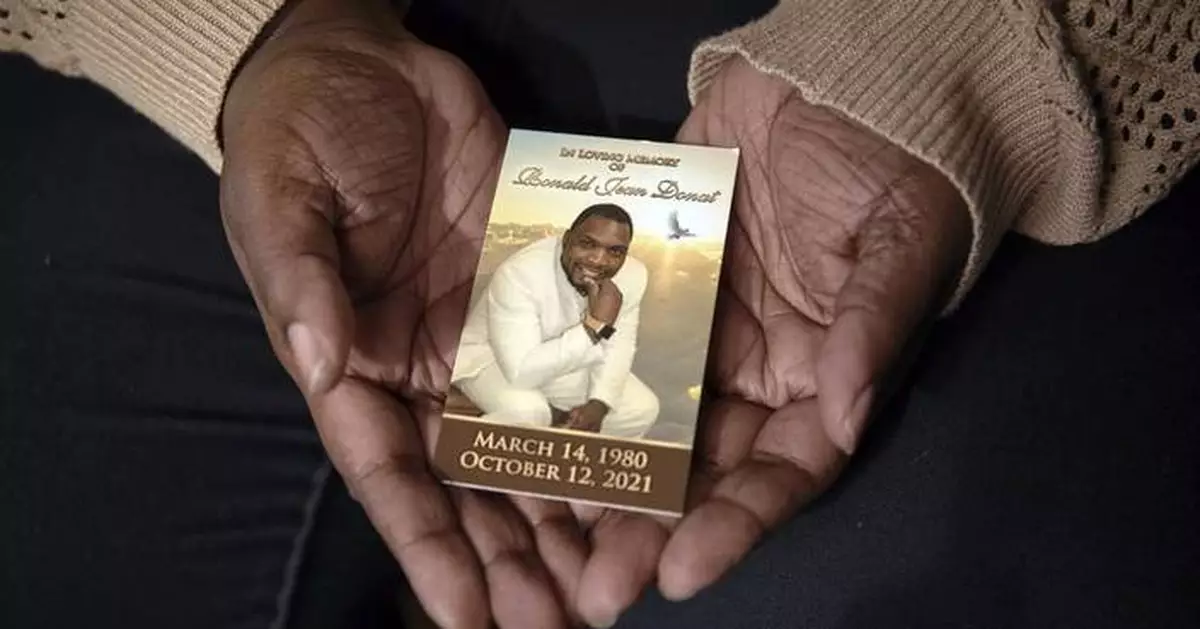
Sharline Volcy holds a photo from her wedding to Ronald Donat, on Monday, Feb. 3, 2025, in Orange, N.J. (AP Photo/Andres Kudacki)
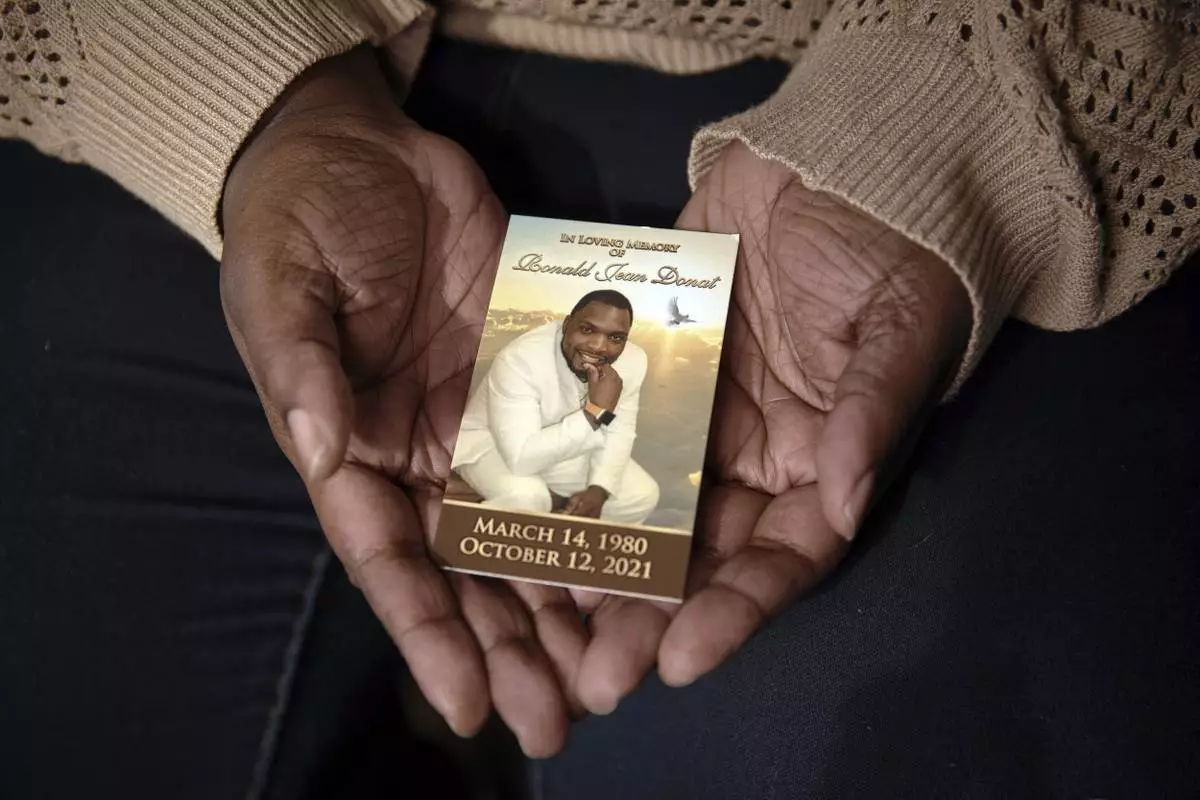
Widow Sharline Volcy holds a picture of her deceased husband, Roland Donat, Monday, Feb. 3, 2025, in Orange, N.J. (AP Photo/Andres Kudacki)
DUBAI, United Arab Emirates (AP) — Nationwide protests challenging Iran's theocracy saw protesters flood the streets in the country's capital and its second-largest city into Sunday, crossing the two-week mark as violence surrounding the demonstrations has killed at least 116 people, activists said.
With the internet down in Iran and phone lines cut off, gauging the demonstrations from abroad has grown more difficult. But the death toll in the protests has grown, while 2,600 others have been detained, according to the U.S.-based Human Rights Activists News Agency.
Those abroad fear the information blackout will embolden hard-liners within Iran's security services to launch a bloody crackdown, despite warnings from U.S. President Donald Trump he's willing to strike the Islamic Republic to protect peaceful demonstrators.
Trump offered support for the protesters, saying on social media that “Iran is looking at FREEDOM, perhaps like never before. The USA stands ready to help!!!” The New York Times and Wall Street Journal, citing anonymous U.S. officials, said on Saturday night that Trump had been given military options for a strike on Iran, but hadn’t made a final decision.
The State Department separately warned: “Do not play games with President Trump. When he says he’ll do something, he means it.”
Online videos sent out of Iran, likely using Starlink satellite transmitters, purportedly showed demonstrators gathering in northern Tehran's Punak neighborhood. There, it appeared authorities shut off streets, with protesters waving their lit mobile phones. Others banged metal while fireworks went off.
Other footage purportedly showed demonstrators peacefully marching down a street and others honking their car horns on the street.
In Mashhad, Iran's second-largest city, some 725 kilometers (450 miles) northeast of Tehran, footage purported to show protesters confronting security forces. Flaming debris and dumpsters could be seen in the street, blocking the road. Mashhad is home to the Imam Reza shrine, the holiest in Shiite Islam, making the protests there carry heavy significance for the country's theocracy.
Protests also appeared to happen in Kerman, 800 kilometers (500 miles) southeast of Tehran.
Iranian state television on Sunday morning took a page from demonstrators, having their correspondents appear on streets in several cities to show calm areas with a date stamp shown on screen. Tehran and Mashhad were not included. They also showed pro-government demonstrations in Qom and Qazvin.
Supreme Leader Ayatollah Ali Khamenei has signaled a coming clampdown, despite U.S. warnings. Tehran escalated its threats Saturday, with Iran’s attorney general, Mohammad Movahedi Azad, warning that anyone taking part in protests will be considered an “enemy of God,” a death-penalty charge. The statement carried by Iranian state television said even those who “helped rioters” would face the charge.
Iran’s theocracy cut off the nation from the internet and international telephone calls on Thursday, though it allowed some state-owned and semiofficial media to publish. Qatar’s state-funded Al Jazeera news network reported live from Iran, but they appeared to be the only major foreign outlet able to work.
Iran’s exiled Crown Prince Reza Pahlavi, who called for protests Thursday and Friday, asked in his latest message for demonstrators to take to the streets Saturday and Sunday. He urged protesters to carry Iran’s old lion-and-sun flag and other national symbols used during the time of the shah to “claim public spaces as your own.”
Pahlavi’s support of and from Israel has drawn criticism in the past — particularly after the 12-day war. Demonstrators have shouted in support of the shah in some protests, but it isn’t clear whether that’s support for Pahlavi himself or a desire to return to a time before the 1979 Islamic Revolution.
The demonstrations began Dec. 28 over the collapse of the Iranian rial currency, which trades at over 1.4 million to $1, as the country’s economy is squeezed by international sanctions in part levied over its nuclear program. The protests intensified and grew into calls directly challenging Iran’s theocracy.
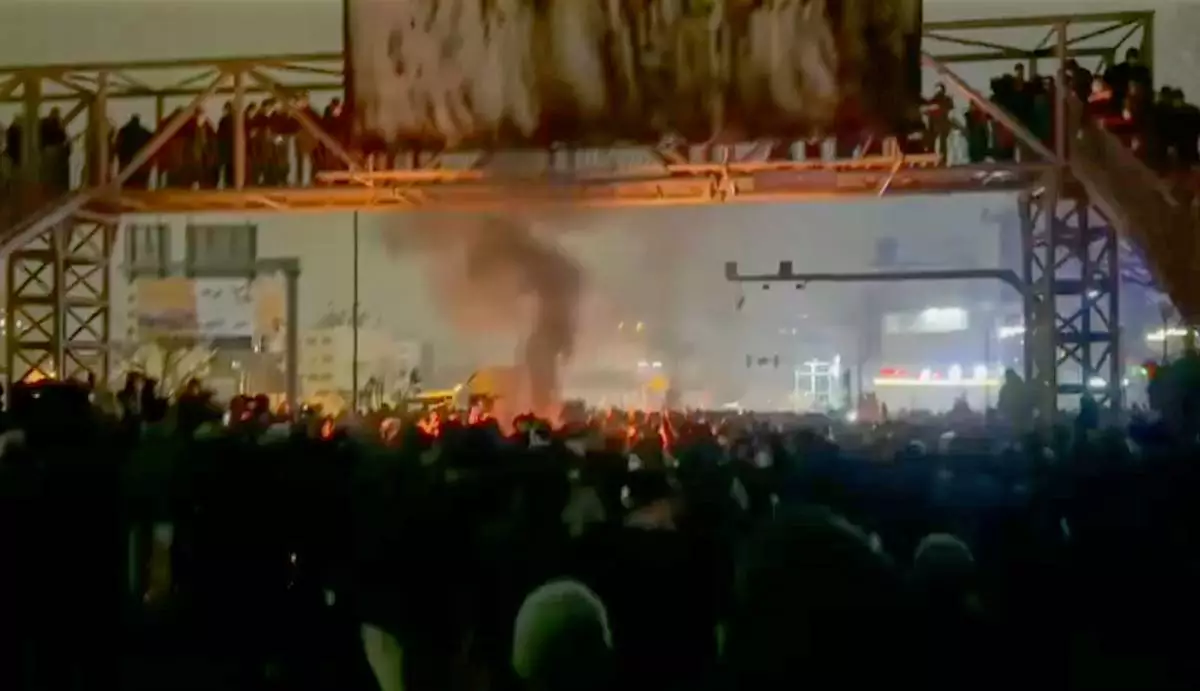
In this frame grab from footage circulating on social media from Iran shows protesters taking to the streets despite an intensifying crackdown as the Islamic Republic remains cut off from the rest of the world in Tehran, Iran, Friday, Jan. 9, 2026.(UGC via AP)
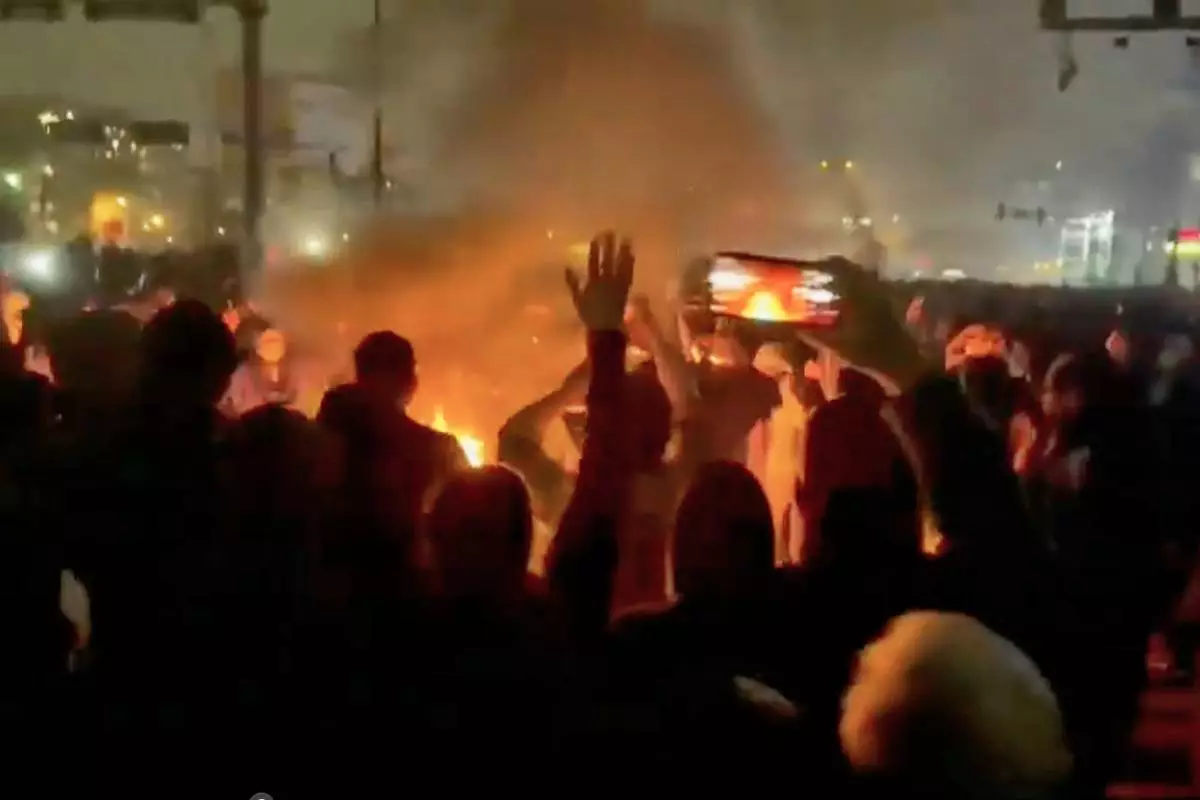
In this frame grab from footage circulating on social media shows protesters dancing and cheering around a bonfire as they take to the streets despite an intensifying crackdown as the Islamic Republic remains cut off from the rest of the world, in Tehran, Iran, Friday, Jan. 9, 2026.(UGC via AP)
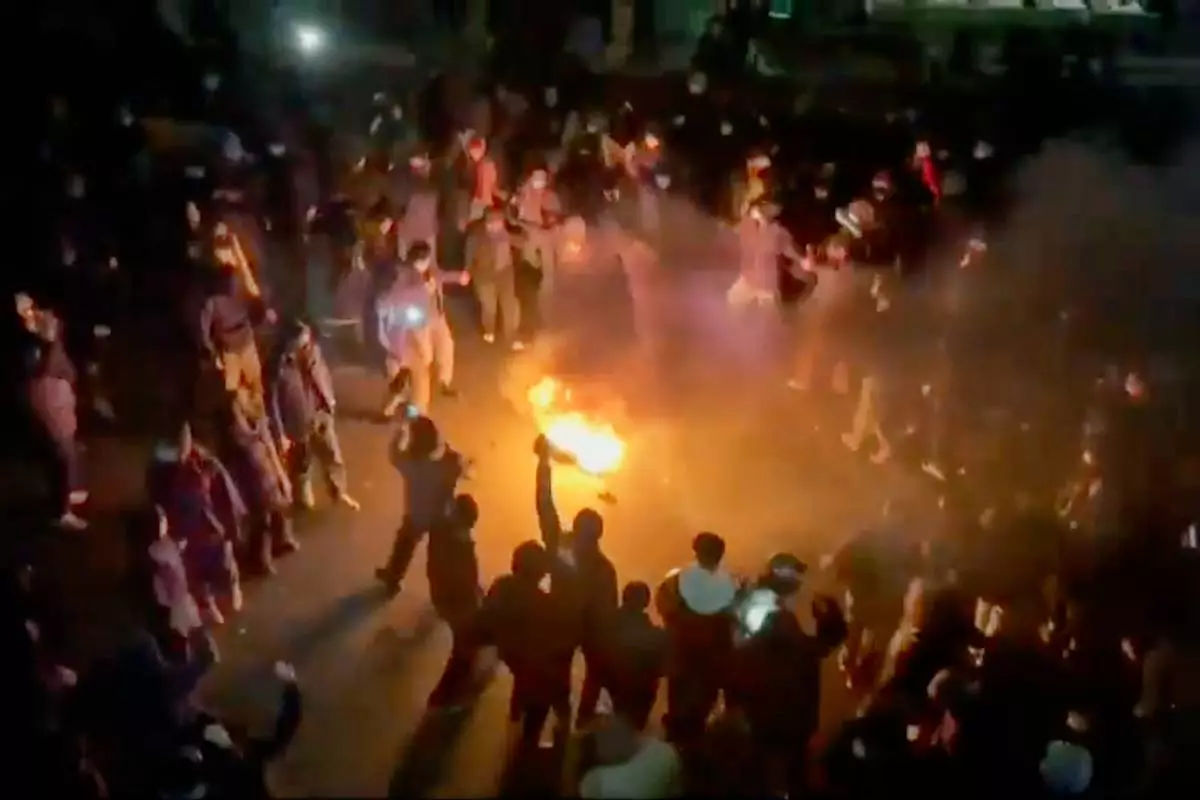
In this frame grab from footage circulating on social media shows protesters dancing and cheering around a bonfire as they take to the streets despite an intensifying crackdown as the Islamic Republic remains cut off from the rest of the world, in Tehran, Iran, Friday, Jan. 9, 2026.(UGC via AP)

In this frame grab from footage circulating on social media from Iran showed protesters once again taking to the streets of Tehran despite an intensifying crackdown as the Islamic Republic remains cut off from the rest of the world in Tehran, Iran, Saturday Jan. 10, 2026. (UGC via AP)