NIOKOLO-KOBA NATIONAL PARK, Senegal (AP) — The morning sun slants through the canopy of Senegal’s Niokolo-Koba National Park as Sgt. Abdou Diouf and his brigade of rangers march in single file, guns at the ready. They scan the brush for signs of poachers, but today, it seems, the only hunters are the lions themselves, their fresh tracks pressed into the sand.
As the sun climbs, a guttural call reverberates across the forest. The rangers pause. “Lions,” Diouf says.
Click to Gallery
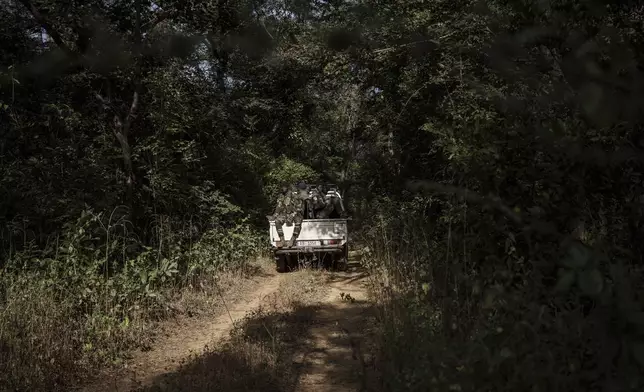
Members of the Lion Intervention Brigade conduct a patrol at Niokolo Koba National Park, Senegal on Tuesday, Jan. 14, 2025. (AP Photo/Annika Hammerschlag)
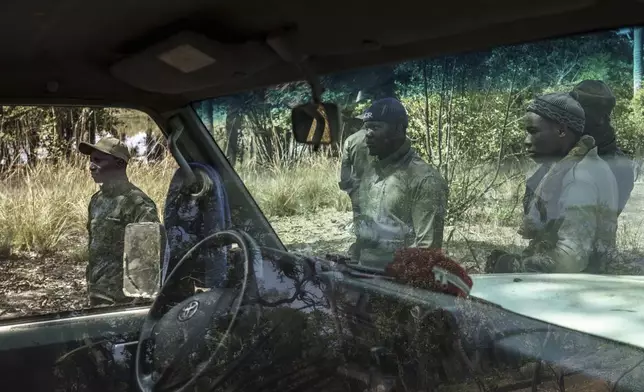
Members of the Lion Intervention Brigade conduct a patrol at Niokolo Koba National Park, Senegal on Tuesday, Jan. 14, 2025. (AP Photo/Annika Hammerschlag)
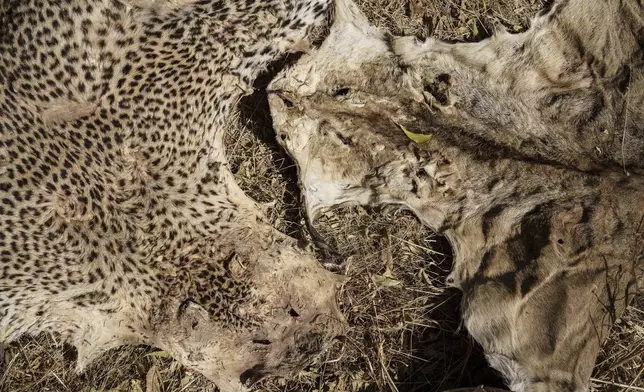
Confiscated leopard and lion skins are displayed at Senegal's Direction of National Parks headquarters in Tambacounda, Senegal on Monday, Jan. 13, 2025. (AP Photo/Annika Hammerschlag)
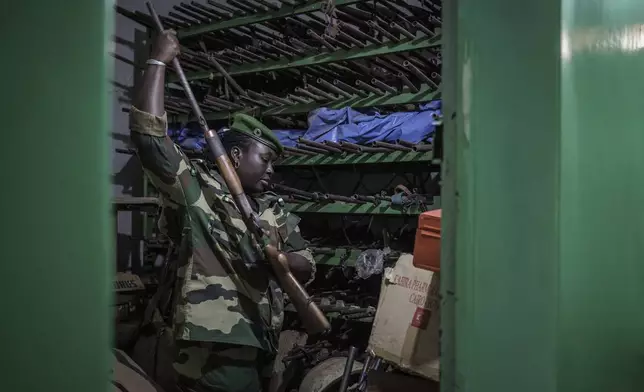
Ndeye Seck, a sublieutenant with Senegal's Direction of National Parks, sifts through confiscated guns at the DPN headquarters in Tambacounda, Senegal on Monday, Jan. 13, 2025. (AP Photo/Annika Hammerschlag)
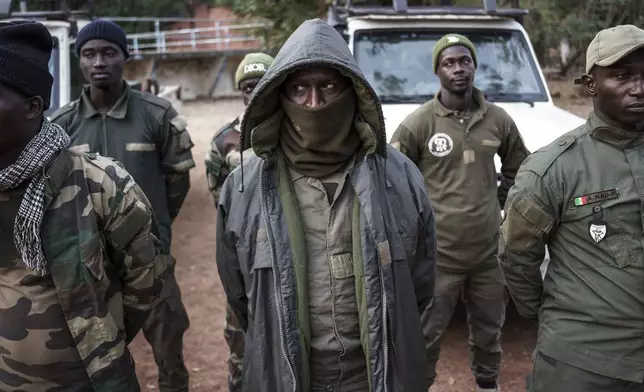
Members of the Lion Intervention Brigade stand at attention at Niokolo Koba National Park, Senegal on Tuesday, Jan. 14, 2025. (AP Photo/Annika Hammerschlag)
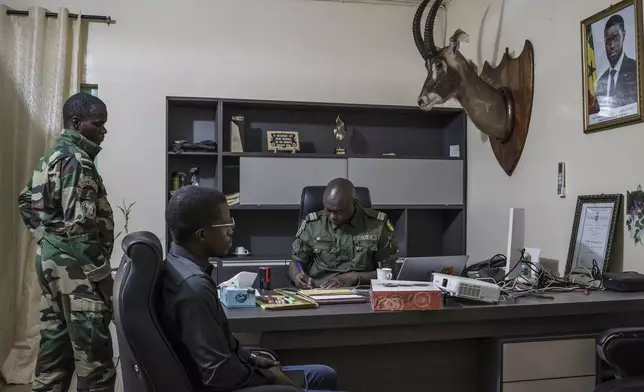
Paul Diedhiou, right, a colonel with Senegal's Direction of National Parks, works in his office at the DPN headquarters in Tambacounda, Senegal on Monday, Jan. 13, 2025. (AP Photo/Annika Hammerschlag)
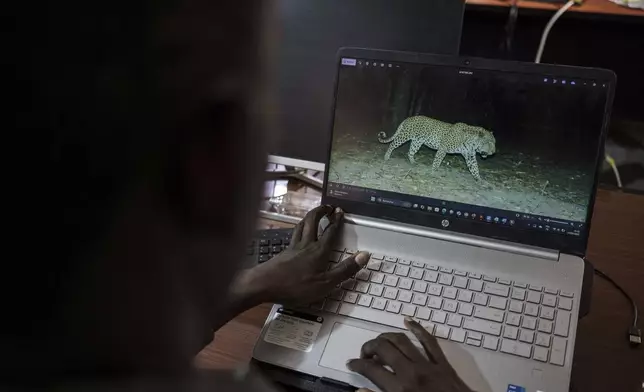
Mouhamadou Ndiaye, coordinator for wild cat conservation group Panthera reviews camera trap photos of a leopard taken at Niokolo Koba National Park in Tambacounda, Senegal on Monday, Jan. 13, 2025. (AP Photo/Annika Hammerschlag)

Members of the Lion Intervention Brigade conduct a patrol at Niokolo Koba National Park, Senegal on Tuesday, Jan. 14, 2025. (AP Photo/Annika Hammerschlag)
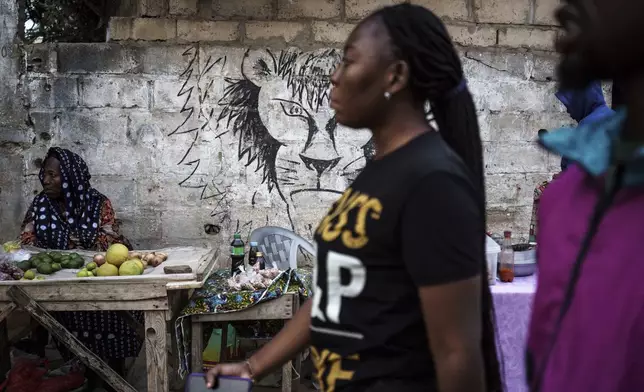
A lion is drawn on the wall of a market in Dakar, Senegal, on Friday, Jan. 17, 2025. (AP Photo/Annika Hammerschlag)
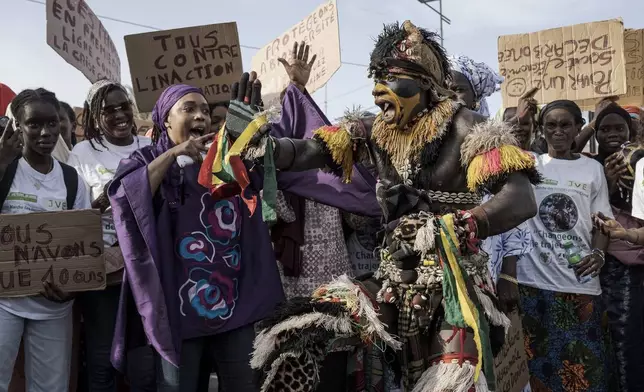
About 50 Senegalese women, joined by a performer dressed as a "faux lion", march through Dakar's Medina neighborhood in Senegal, during the fourth Women's March for Climate on Nov. 2, 2024. (AP Photo/Annika Hammerschlag)
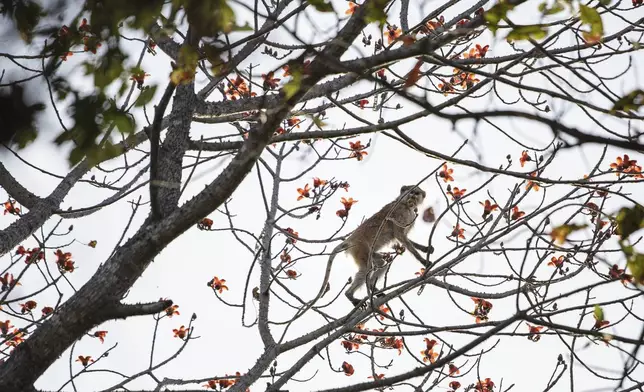
A monkey climbs a tree at Niokolo Koba National Park, Senegal on Tuesday, Jan. 15, 2025. (AP Photo/Annika Hammerschlag)
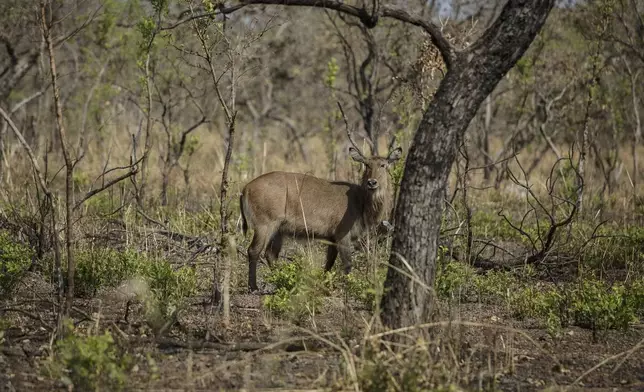
A waterbuck grazes at Niokolo Koba National Park, Senegal on Tuesday, Jan. 14, 2025. (AP Photo/Annika Hammerschlag)
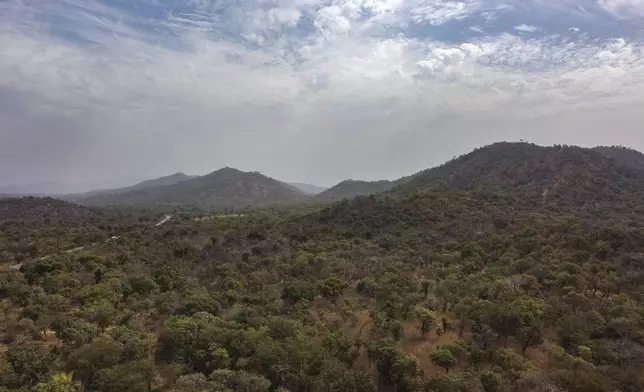
Trees cover Senegal's Niokolo Koba National Park on Thursday, Jan. 16, 2025. (AP Photo/Annika Hammerschlag)
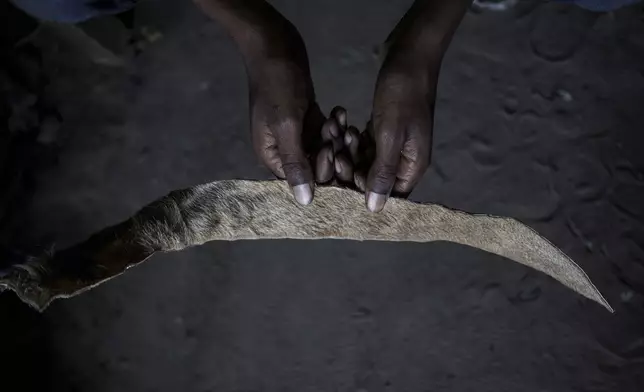
An animal skin vendor displays a strip of lion skin at his market in Tambacounda, Senegal on Thursday, Jan. 16, 2025. The skins are used to make gris-gris, which are believed to offer wearers protection and power. (AP Photo/Annika Hammerschlag)
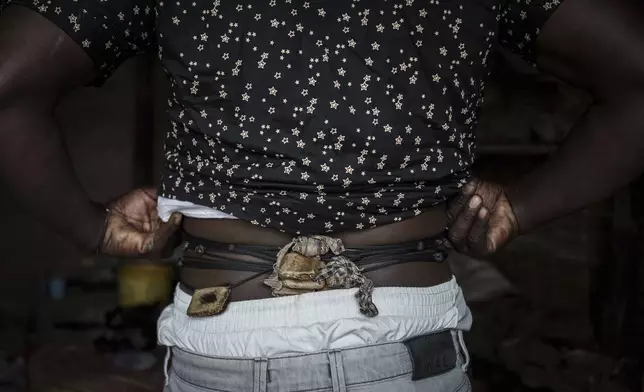
Ibrahim, a fervent believer of Senegalese mysticism, shows off his gris-gris in Tambacounda, Senegal on Thursday, Jan. 16, 2025. His gris-gris are made from animal skins, including lion, which is believed to offer protection and power. (AP Photo/Annika Hammerschlag)
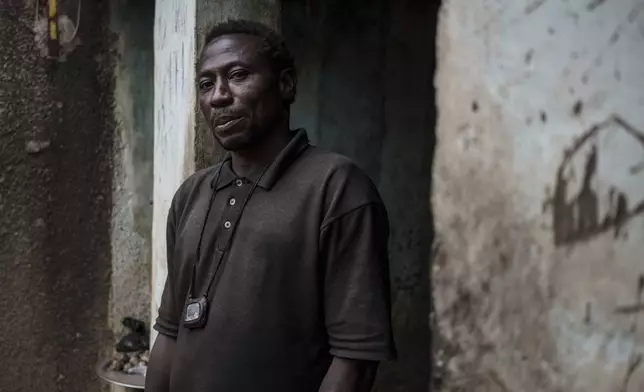
Cheikh Camara, a marabout or influential religious leader, who often prescribes his followers lion skin gris-gris, poses for a portrait in Tambacounda, Senegal on Thursday, Jan. 16, 2025. (AP Photo/Annika Hammerschlag)
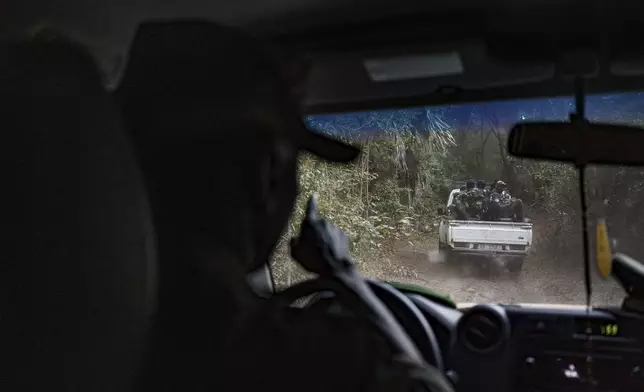
Members of the Lion Intervention Brigade conduct a patrol at Niokolo Koba National Park, Senegal on Tuesday, Jan. 14, 2025. (AP Photo/Annika Hammerschlag)
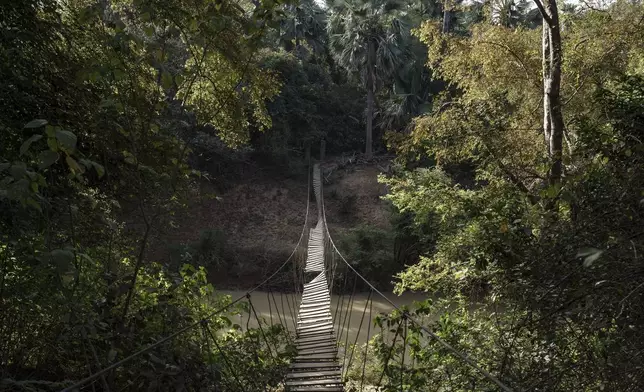
A dilapidated bridge hangs at Niokolo Koba National Park, Senegal on Tuesday, Jan. 14, 2025. (AP Photo/Annika Hammerschlag)
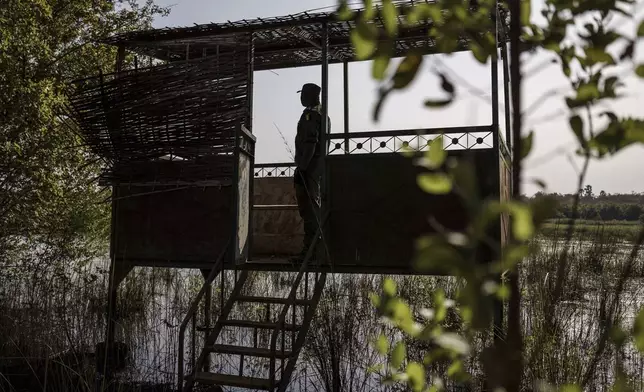
Paul Diedhiou, a colonel with Senegal's Direction of National Parks, looks for lions at Niokolo Koba National Park, Senegal on Tuesday, Jan. 14, 2025. (AP Photo/Annika Hammerschlag)
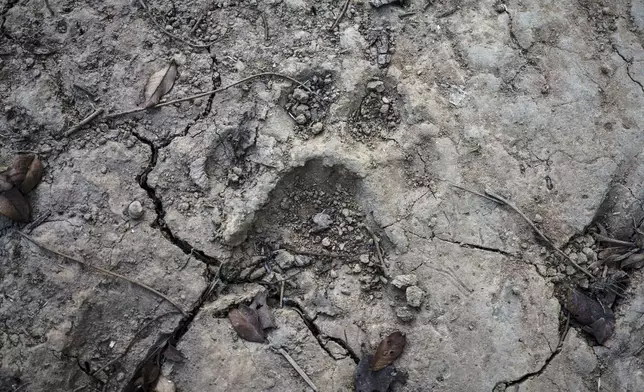
A lion track is spotted at Niokolo Koba National Park, Senegal on Tuesday, Jan. 14, 2025. (AP Photo/Annika Hammerschlag)
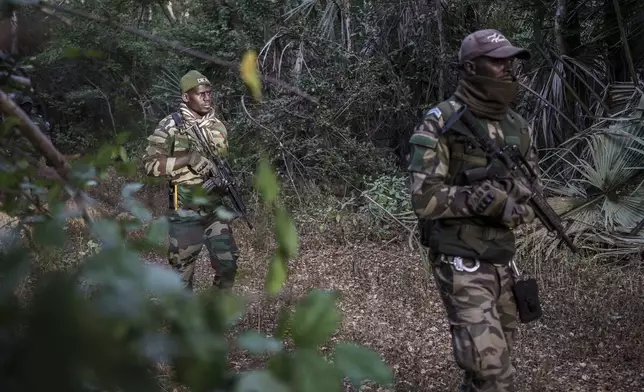
Members of the Lion Intervention Brigade conduct a patrol at Niokolo Koba National Park, Senegal on Tuesday, Jan. 14, 2025. (AP Photo/Annika Hammerschlag)

Ousmane Sambou, a sergeant with Senegal's Direction of National Parks, holds up a confiscated leopard skin at the DPN headquarters in Tambacounda, Senegal on Monday, Jan. 13, 2025. (AP Photo/Annika Hammerschlag)
Spanning more than 3,500 square miles – double the size of Rhode Island – Niokolo-Koba is the last sanctuary in Senegal for lions, which are critically endangered in West Africa. But even here, they find little respite. Driven by deeply rooted beliefs in the mystical powers of animal skin talismans known as “gris-gris,” the illegal trade of lion and leopard parts is growing, according to a new report by wild cat conservation group Panthera.
Panthera’s investigation found lion and leopard parts sold in 80% of markets surveyed, with 63% of artisans reporting increased sales in recent years. For Niokolo-Koba’s lions, the impact has been devastating. Despite enhanced protections that doubled the population to around 35 since 2017, helping delist the park as a UNESCO World Heritage Site in danger, an unsustainable average of two cats are still lost to poachers each year.
The only other place lions are found in West Africa is in the W-Arly-Pendjari Complex, a border region of Benin, Burkina Faso and Niger, and Panthera estimates there are fewer than 250 adults left in the region.
The gris-gris, prescribed by influential religious leaders called marabouts, are crafted from bits of skin with written prayers or Quranic verses sewn inside. They are widely used across Senegal; police don them for protection, wrestlers for strength, politicians for clout. Average citizens wear them to ward off curses that other people may have put on them for a variety of reasons — matters of romance, perhaps, or jealousy at economic success.
Gris-gris are rooted in traditional African faiths that believe vital powers in animals and nature may be unlocked — to harm, to heal, or to protect, said Dr. Cheikh Babou, a history professor and expert in West African Islam at the University of Pennsylvania.
With Islam's arrival in West Africa in the eighth century, gris-gris became hybrid objects, melding Quranic verses with the perceived powers of animal parts. “People started to drink the Quran, to wear the Quran – in the same way that they did with animals,” Babou said.
At a market stall in Tambacounda, Ibrahim, a customer who asked that his last name be withheld because the trade of lion parts is illegal, wears several amulets around his waist. Made from hyena, honey badger, goat, fox, jackal, monkey, and lion, each serves a specific purpose. He began wearing them years ago after falling ill; someone had cast a spell on him, he said, so he went to a marabout who prescribed the gris-gris.
“Here in Africa people are very mean,” he said. “If they see you succeed a little, they will go to the marabout. They don’t want to see you in good health.”
Traditional African societies are very egalitarian, Babou said – those with wealth are expected to share it. “Those who don’t share break the ethic of communalism. And when you do that, you become a witch.” A gris-gris can offer protection from those looking to retaliate.
Among these protective talismans, lion parts hold particular allure. As the national emblem, the image of the lion adorns everything from the country’s coat of arms to billboard advertisements, and it serves as namesake for the beloved national soccer team, the Lions of Teranga.
“You cannot prevent a Senegalese person from believing that a lion skin has some kind of power,” said Daouda Ngom, Senegal’s minister of Environment and Ecological Transition.
This demand has given rise to a complex smuggling network that spans the continent. Likely sourced from East and Southern Africa, the skins travel by public bus and truck along clandestine routes through the Sahel region, evading checkpoints and border security on their journey into Senegal, according to Panthera’s report.
“These are well-established networks,” said Paul Diedhiou, the director of Niokolo-Koba National Park. “Dismantling them requires time, strategy and a lot of professionalism.”
Between 2019 and 2024, authorities in Senegal confiscated some 40 lion and leopard skins, according to the Eco Activists for Governance and Law Enforcement (EAGLE) Network, a wildlife law enforcement organization operating across Africa. During that same period, 40 people were arrested for trafficking skins and other parts such as teeth, claws, and skulls.
“These seizures represent only a fraction of the actual trade,” said Cécile Bloch, coordinator of EAGLE Senegal. “Today, traffickers cut lion skins into thousands of pieces to cross borders more easily and avoid detection in local markets.”
Since partnering with Niokolo-Koba in 2016, Panthera has helped strengthen security measures. The conservation group tripled the park’s anti-poaching force from 20 to 60 agents, equipping them with vehicles and gear, while investing more than $7 million in infrastructure – including a ranger base with an airstrip, hundreds of camera traps, and new roads and bridges.
Yet the crisis’ roots run deeper than poaching. At its heart are the marabouts whose gris-gris prescriptions drive the trade. Those involved often see no contradiction between their prescription or purchase of lion parts and their desire to protect the species, the Panthera report found. As one marabout, Cheikh Camara, put it in an interview with The Associated Press: “I prescribe the gris-gris to help people get better. It’s the poaching that’s making the lions go extinct.”
At the park’s headquarters, the scale of the challenge is clear. A storeroom overflows with confiscated skins — leopards, lions, antelopes, even a crocodile. A rusting phalanx of seized firearms hangs on the wall.
“Sometimes the poachers fire at you,” said Diouf, the sergeant. “It’s very risky.”
Such dangers are compounded by Senegal’s toothless hunting and wildlife laws, which date to 1986. Recent arrests include a Burkinabe man found with leopard and lion parts who was sentenced to just one month in prison, while a Malian trafficker received the same penalty for smuggling leopard skins.
One vendor told AP he can get a little over $3 for a small bit of lion skin that makes a single gris-gris. A belt can go for the equivalent of nearly $80, he said. The Panthera report said an entire lion skin can fetch the equivalent of $1,900 or more.
“The sentences are too short,” said Ndeye Seck, the head of litigation and armament for the parks department. “We would like to see the hunting and protection of wildlife codes updated.”
Ngom, the environment minister who assumed his role early last year, said pushing through tougher laws will be a priority for his team.
But the battle to protect Senegal’s lions is as much about culture as enforcement, and lasting change will require rethinking the role of gris-gris in modern Senegalese society, Babou said.
“Culture is very powerful,” he said. “Until you can convince people that there are more effective tools to achieve your goals, then they will continue to believe in it.”
The Associated Press’ climate and environmental coverage receives financial support from multiple private foundations. AP is solely responsible for all content. Find AP’s standards for working with philanthropies, a list of supporters and funded coverage areas at AP.org.
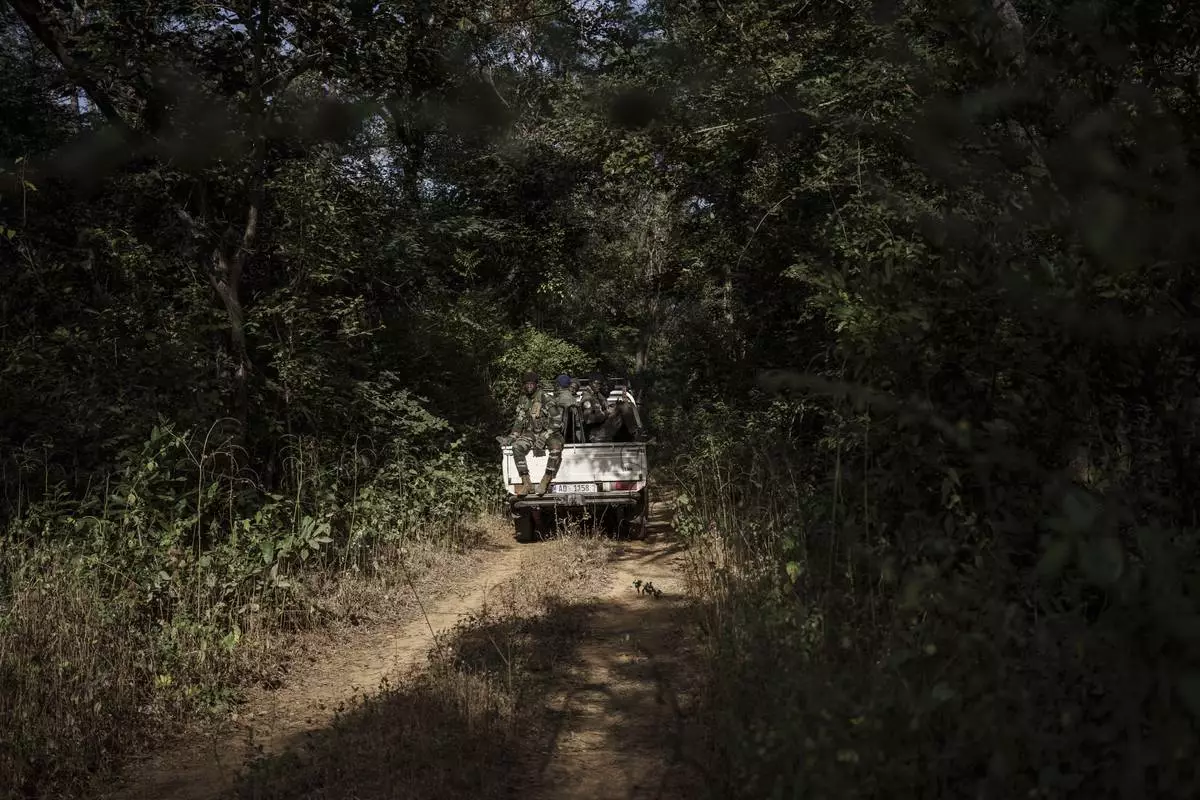
Members of the Lion Intervention Brigade conduct a patrol at Niokolo Koba National Park, Senegal on Tuesday, Jan. 14, 2025. (AP Photo/Annika Hammerschlag)

Members of the Lion Intervention Brigade conduct a patrol at Niokolo Koba National Park, Senegal on Tuesday, Jan. 14, 2025. (AP Photo/Annika Hammerschlag)
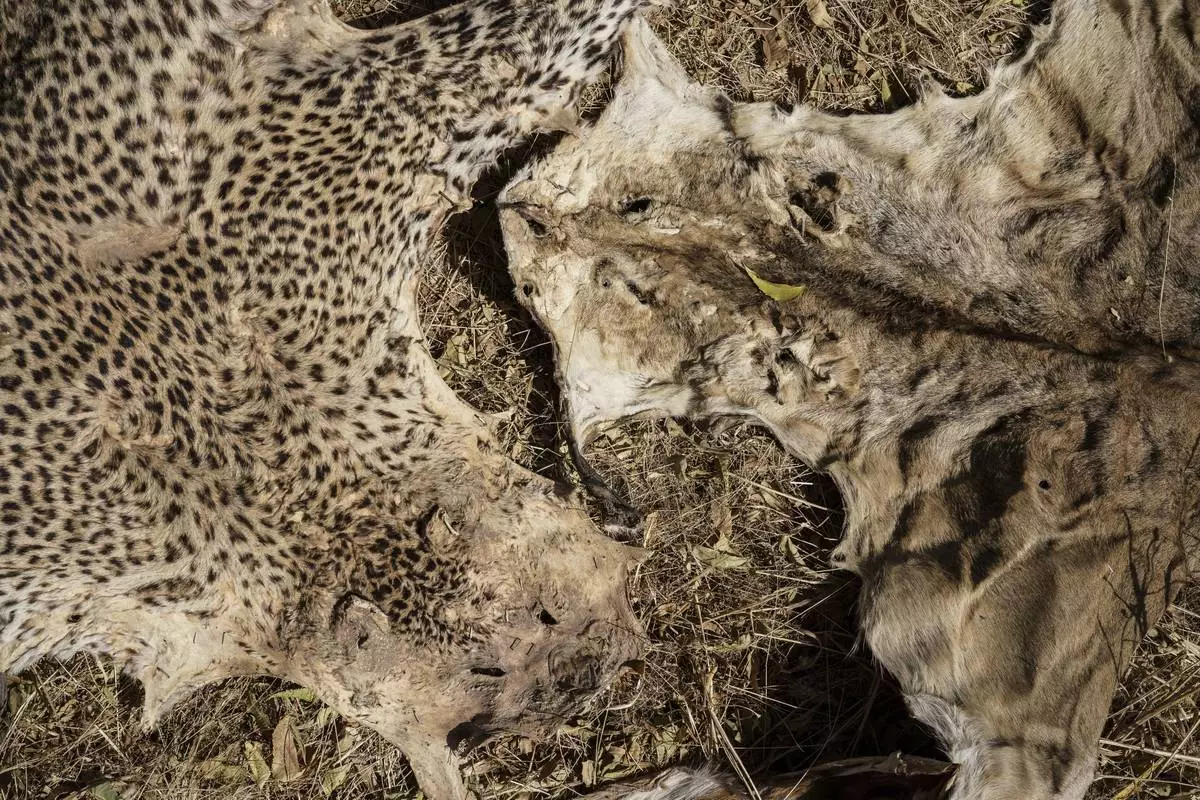
Confiscated leopard and lion skins are displayed at Senegal's Direction of National Parks headquarters in Tambacounda, Senegal on Monday, Jan. 13, 2025. (AP Photo/Annika Hammerschlag)
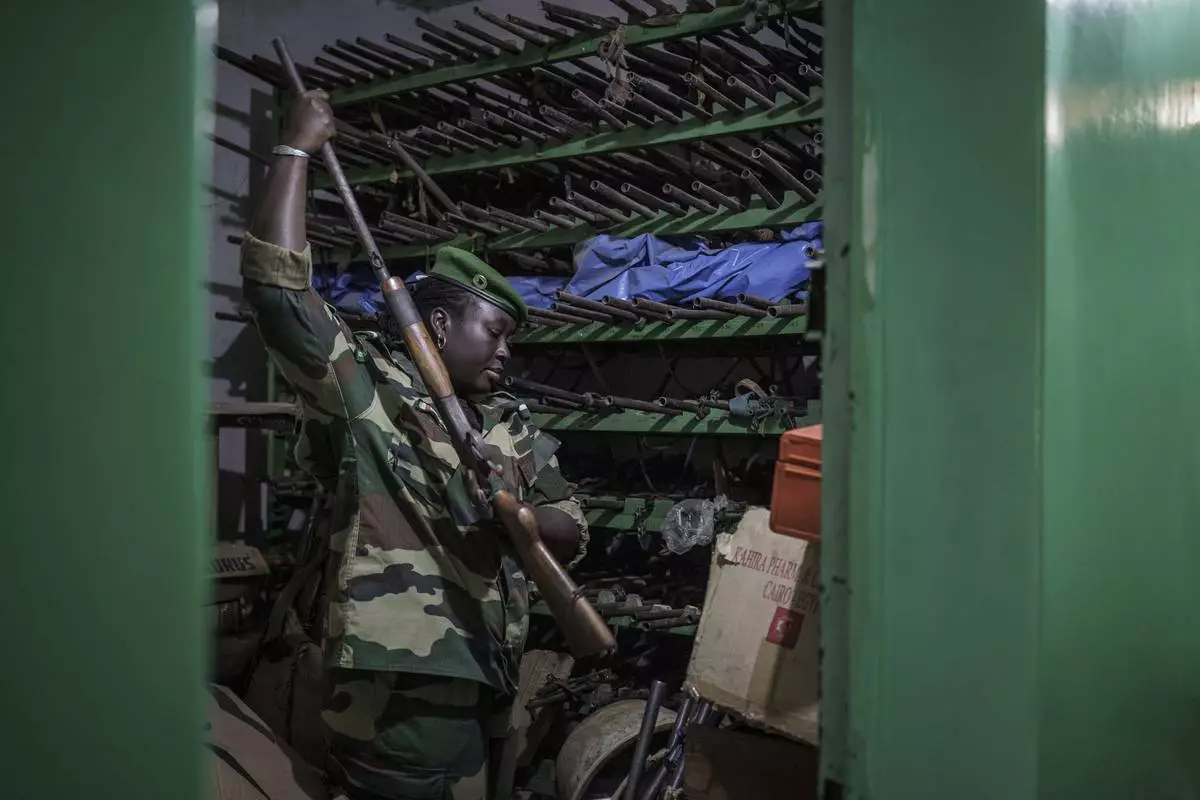
Ndeye Seck, a sublieutenant with Senegal's Direction of National Parks, sifts through confiscated guns at the DPN headquarters in Tambacounda, Senegal on Monday, Jan. 13, 2025. (AP Photo/Annika Hammerschlag)
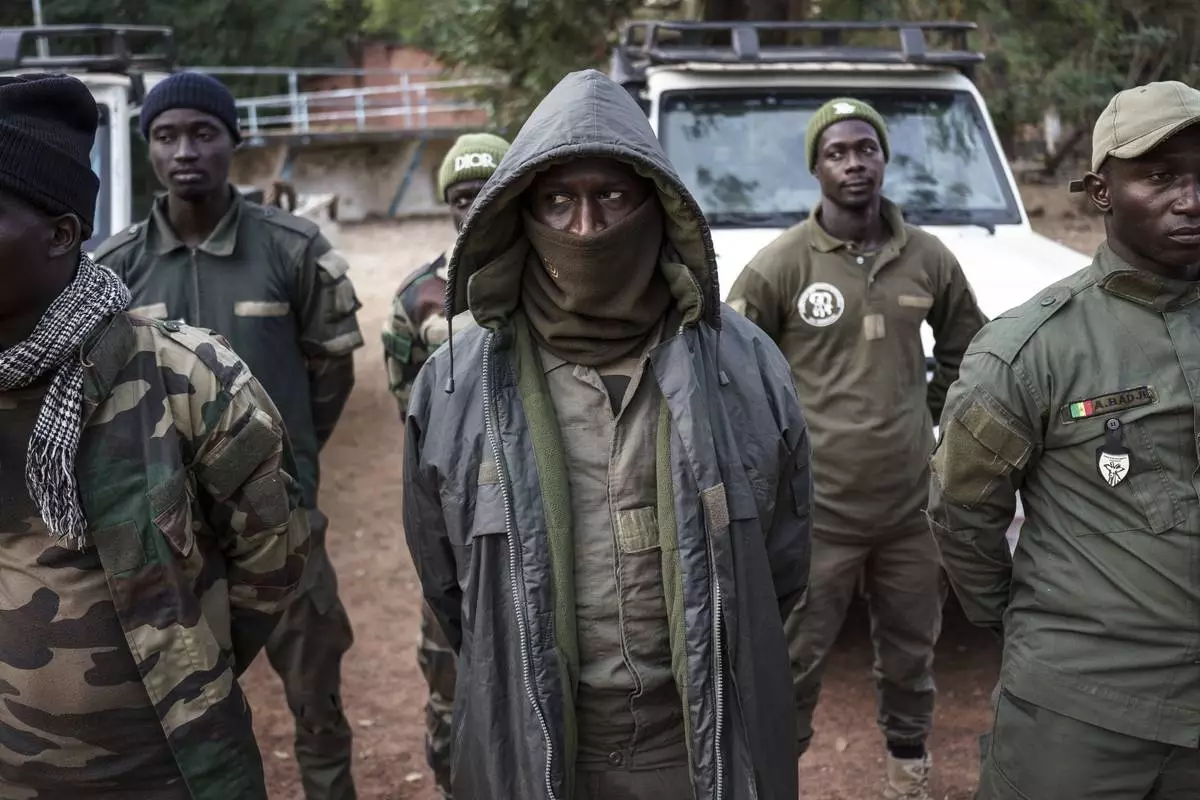
Members of the Lion Intervention Brigade stand at attention at Niokolo Koba National Park, Senegal on Tuesday, Jan. 14, 2025. (AP Photo/Annika Hammerschlag)
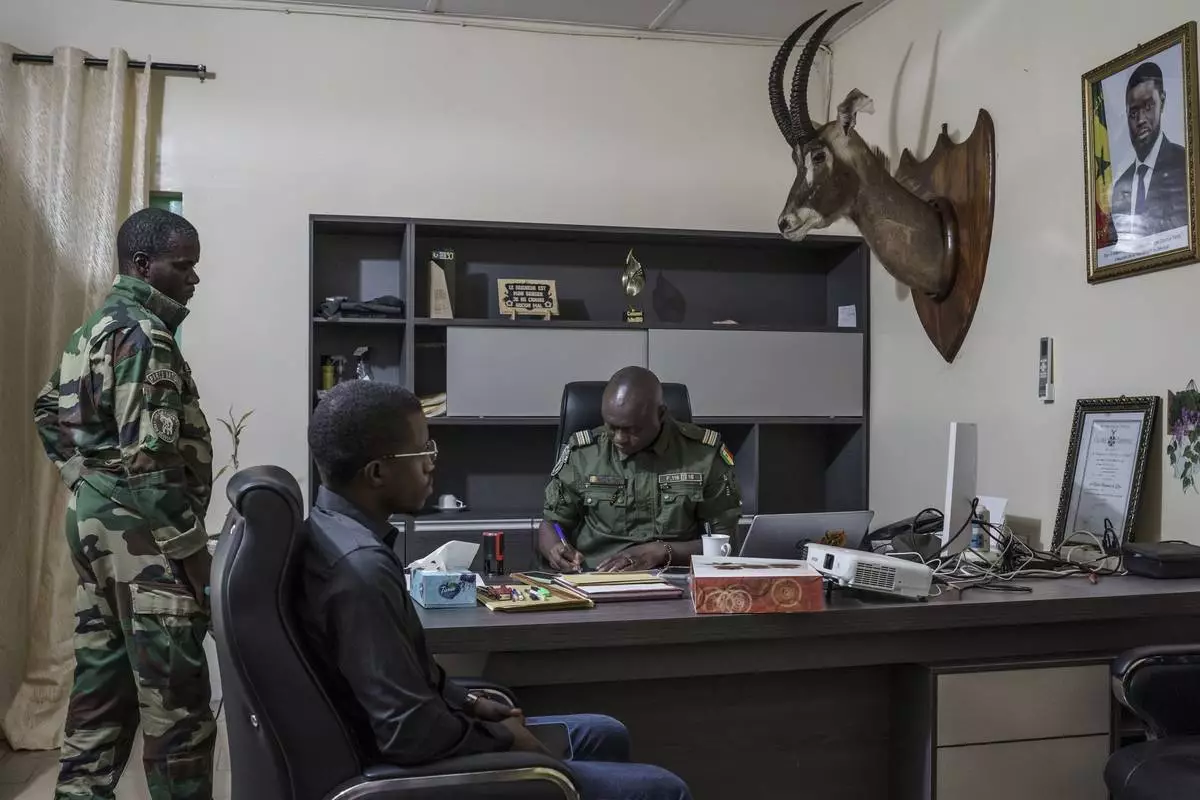
Paul Diedhiou, right, a colonel with Senegal's Direction of National Parks, works in his office at the DPN headquarters in Tambacounda, Senegal on Monday, Jan. 13, 2025. (AP Photo/Annika Hammerschlag)
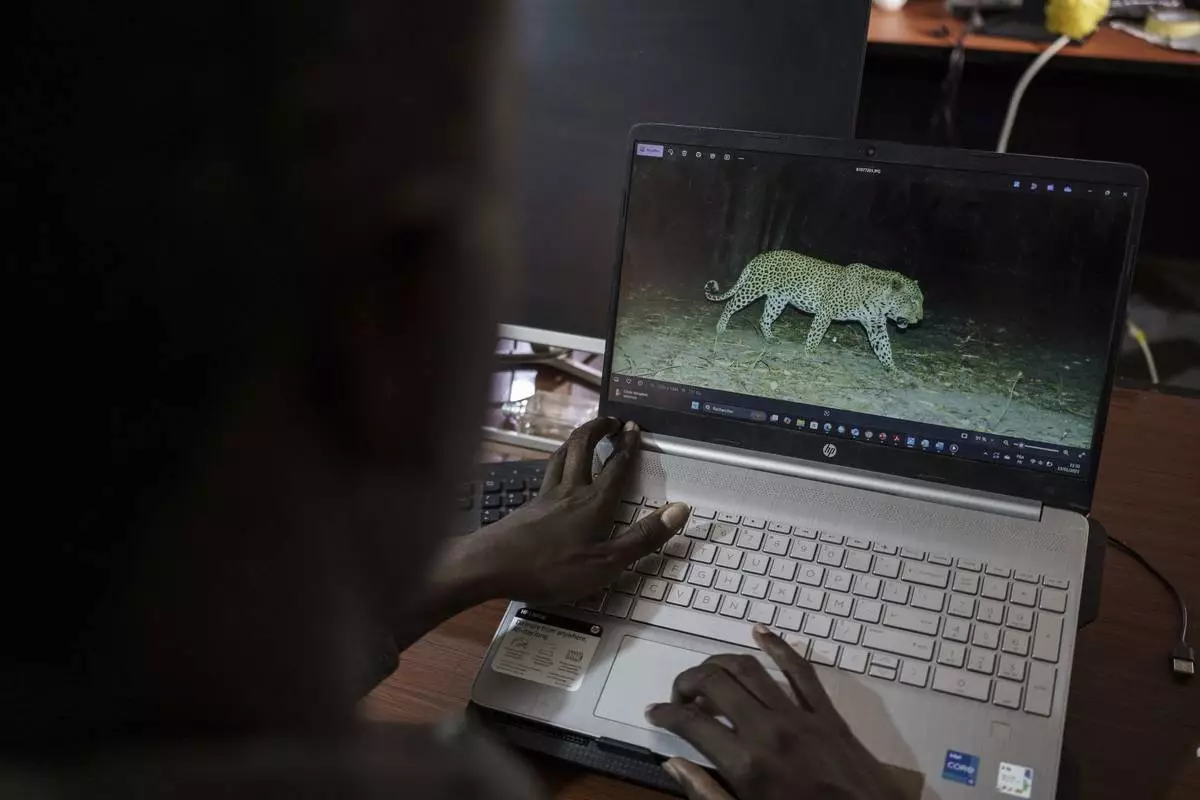
Mouhamadou Ndiaye, coordinator for wild cat conservation group Panthera reviews camera trap photos of a leopard taken at Niokolo Koba National Park in Tambacounda, Senegal on Monday, Jan. 13, 2025. (AP Photo/Annika Hammerschlag)
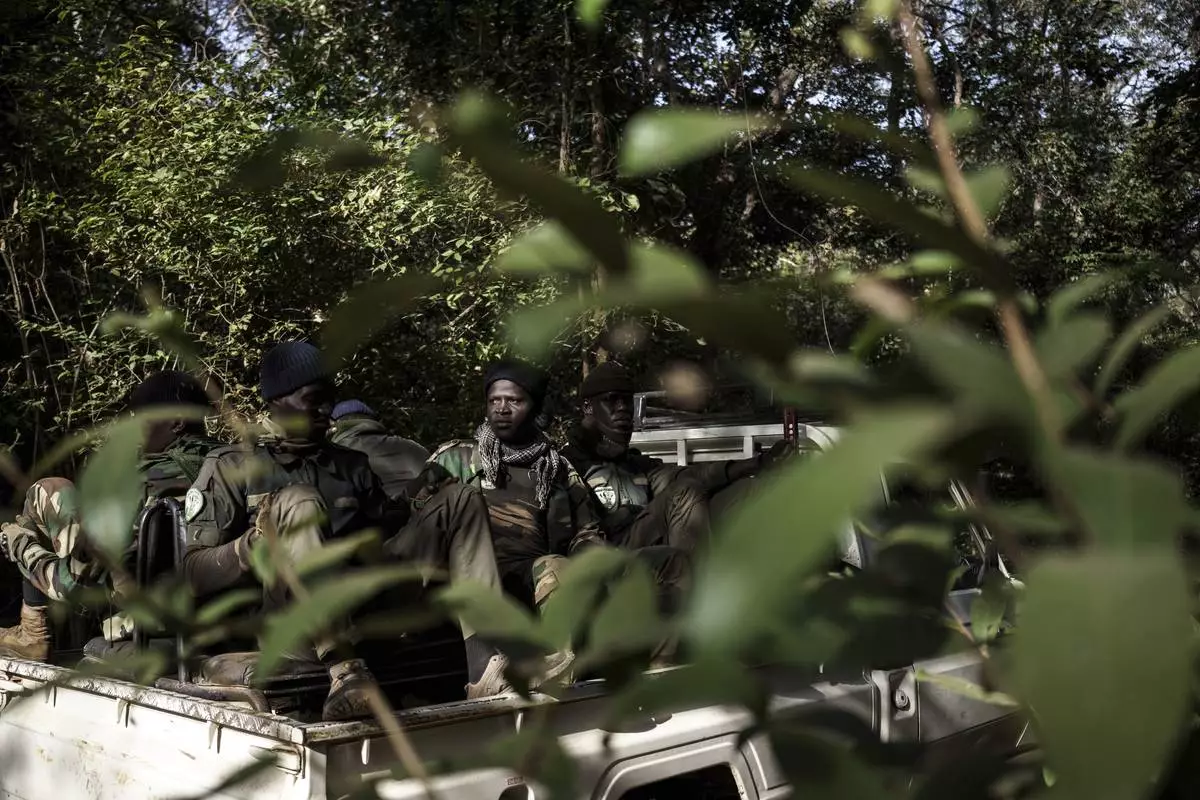
Members of the Lion Intervention Brigade conduct a patrol at Niokolo Koba National Park, Senegal on Tuesday, Jan. 14, 2025. (AP Photo/Annika Hammerschlag)
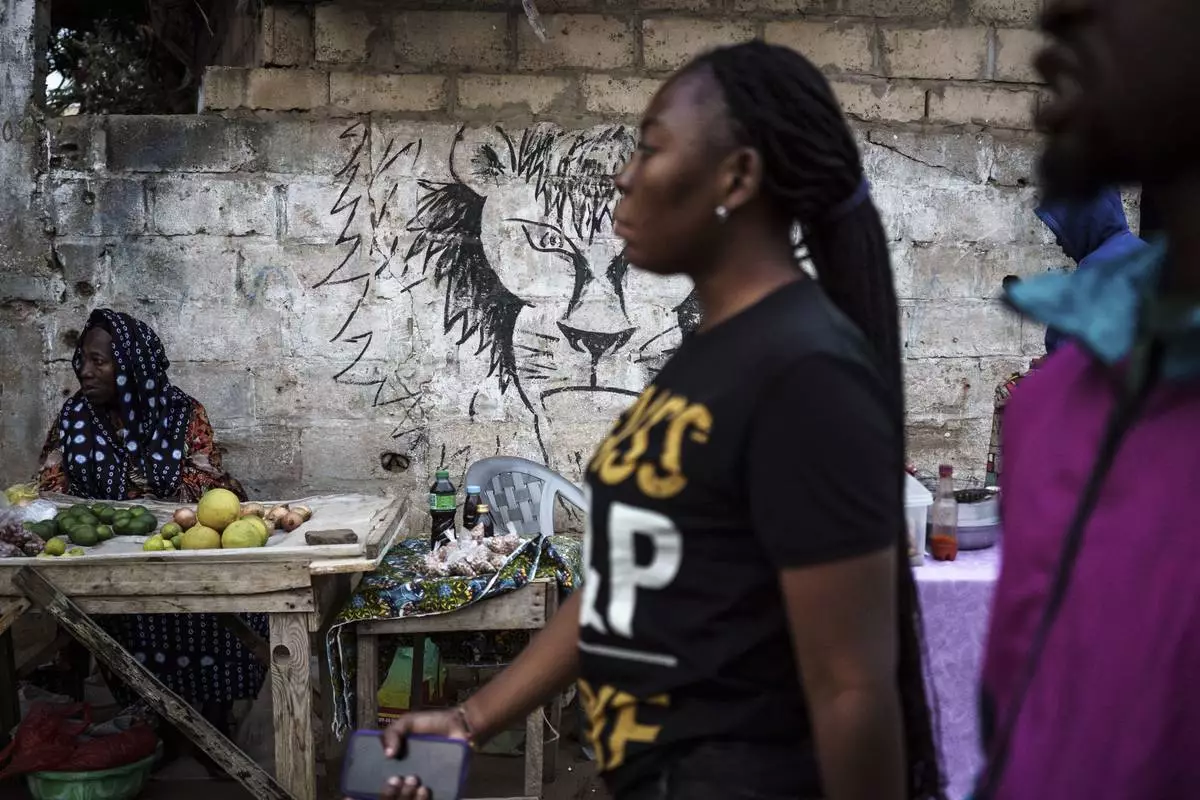
A lion is drawn on the wall of a market in Dakar, Senegal, on Friday, Jan. 17, 2025. (AP Photo/Annika Hammerschlag)
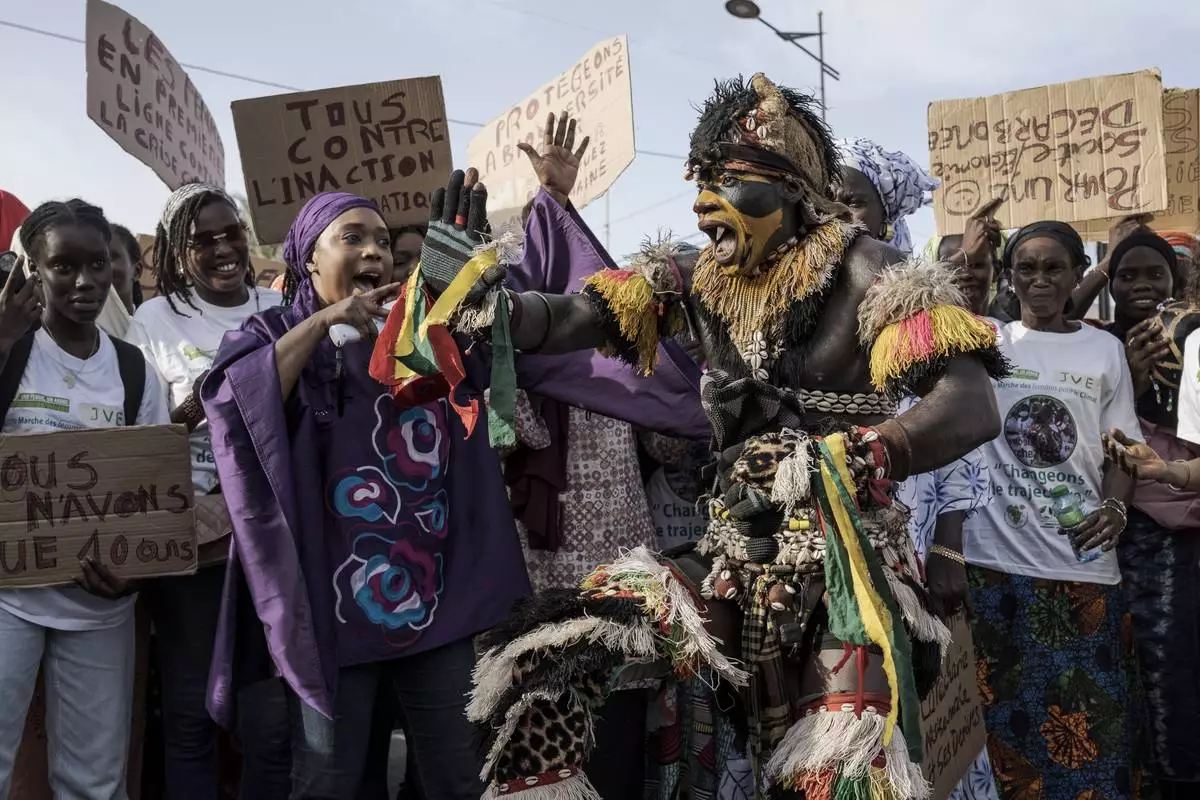
About 50 Senegalese women, joined by a performer dressed as a "faux lion", march through Dakar's Medina neighborhood in Senegal, during the fourth Women's March for Climate on Nov. 2, 2024. (AP Photo/Annika Hammerschlag)
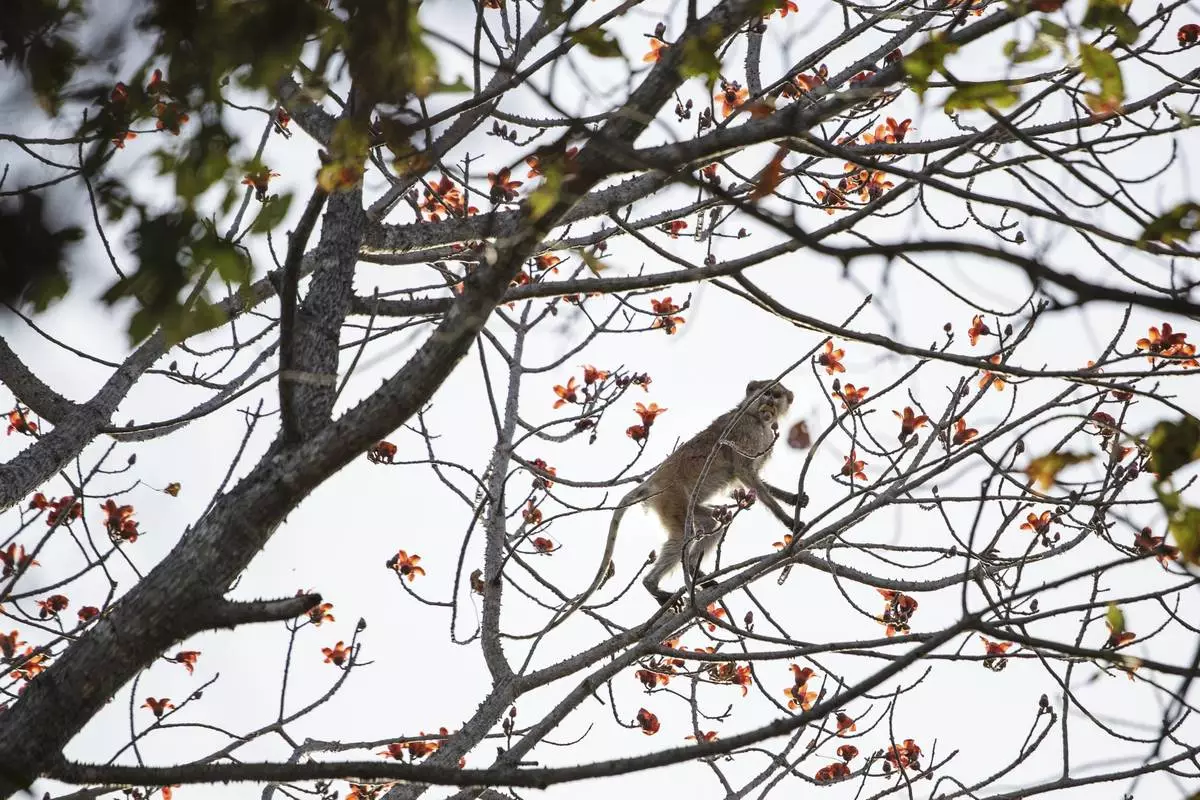
A monkey climbs a tree at Niokolo Koba National Park, Senegal on Tuesday, Jan. 15, 2025. (AP Photo/Annika Hammerschlag)
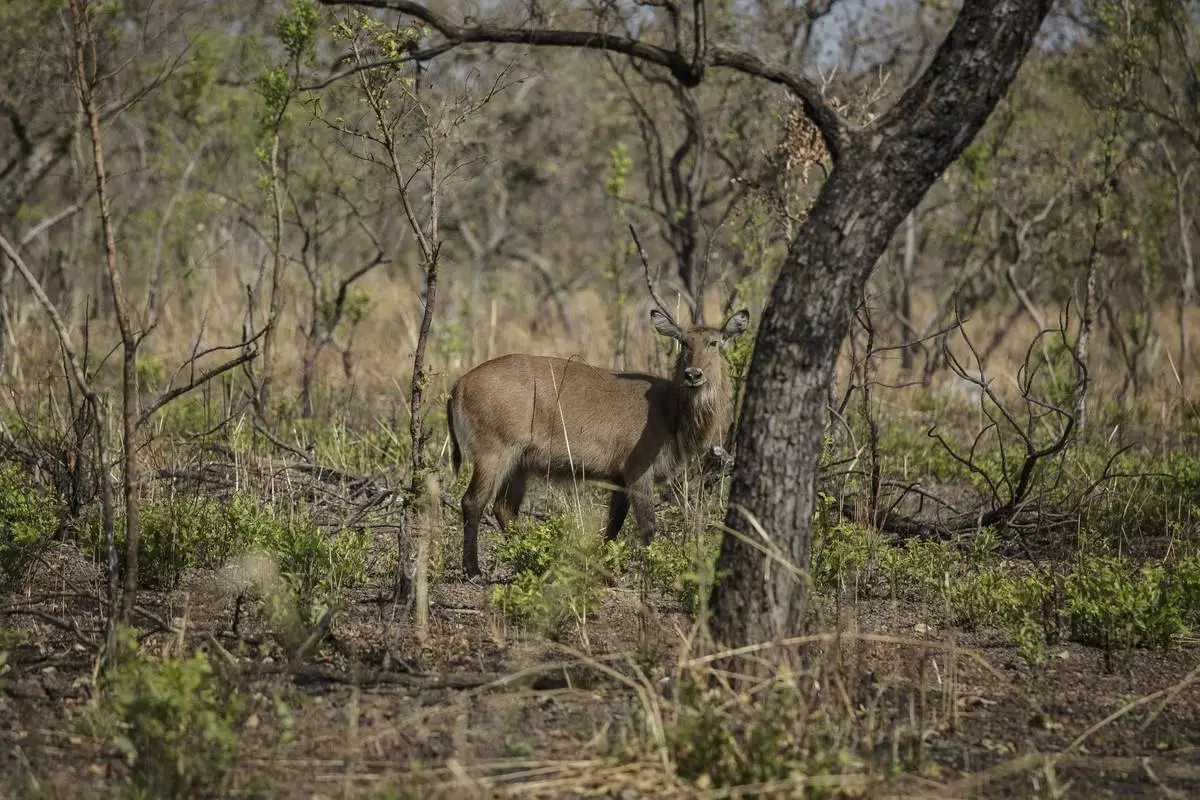
A waterbuck grazes at Niokolo Koba National Park, Senegal on Tuesday, Jan. 14, 2025. (AP Photo/Annika Hammerschlag)
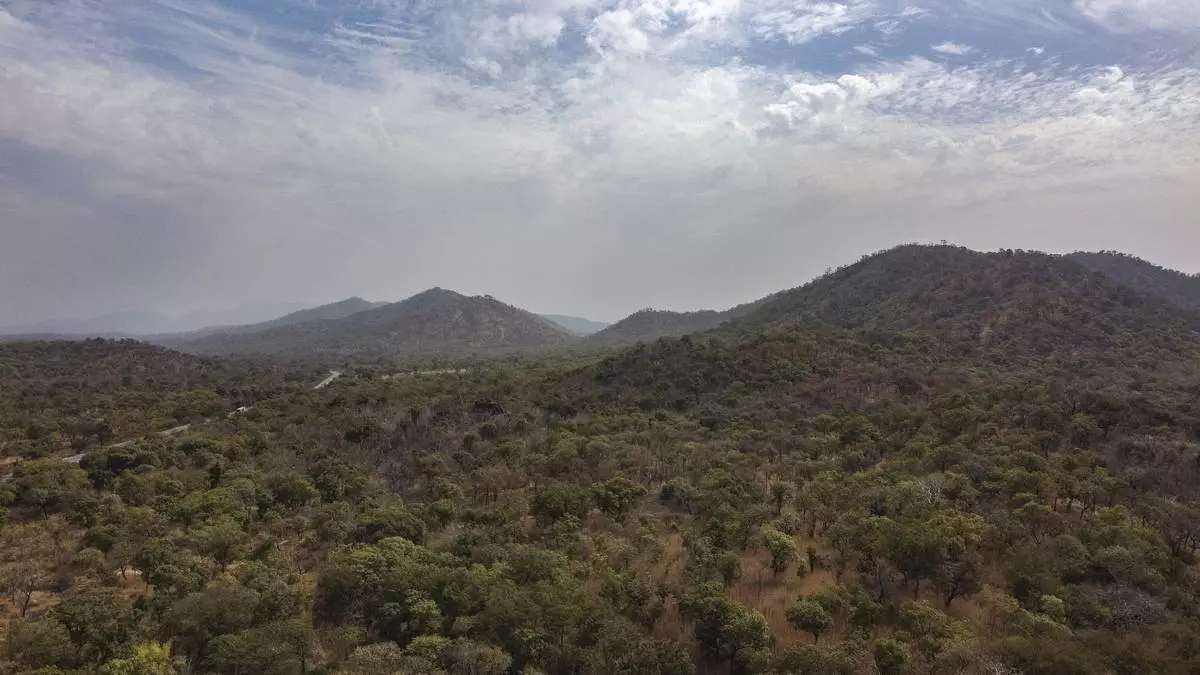
Trees cover Senegal's Niokolo Koba National Park on Thursday, Jan. 16, 2025. (AP Photo/Annika Hammerschlag)
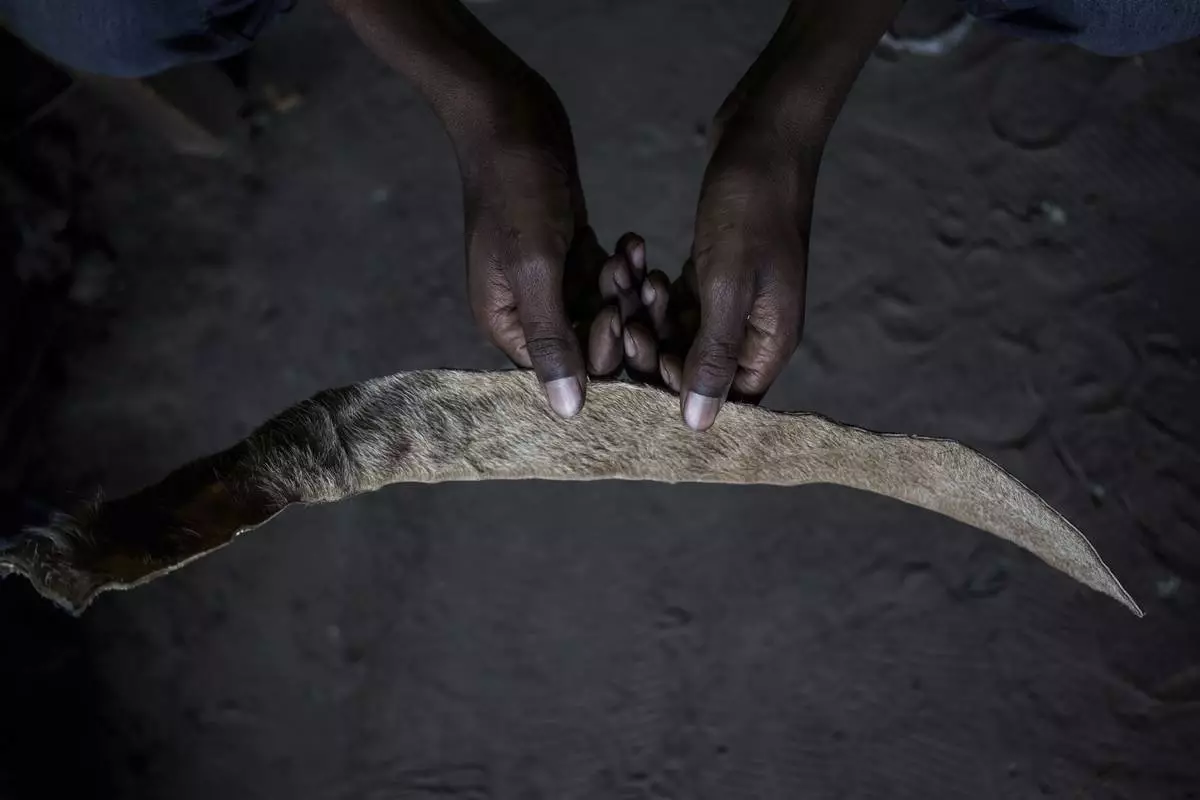
An animal skin vendor displays a strip of lion skin at his market in Tambacounda, Senegal on Thursday, Jan. 16, 2025. The skins are used to make gris-gris, which are believed to offer wearers protection and power. (AP Photo/Annika Hammerschlag)
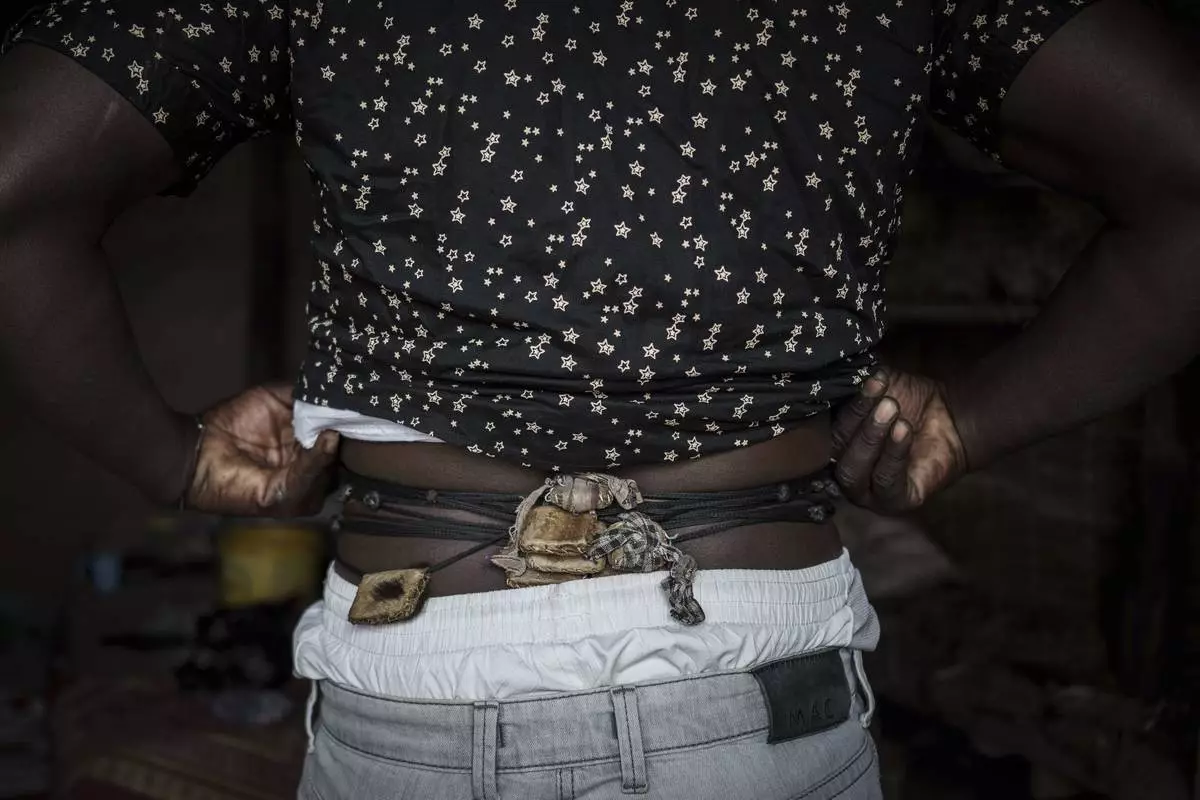
Ibrahim, a fervent believer of Senegalese mysticism, shows off his gris-gris in Tambacounda, Senegal on Thursday, Jan. 16, 2025. His gris-gris are made from animal skins, including lion, which is believed to offer protection and power. (AP Photo/Annika Hammerschlag)
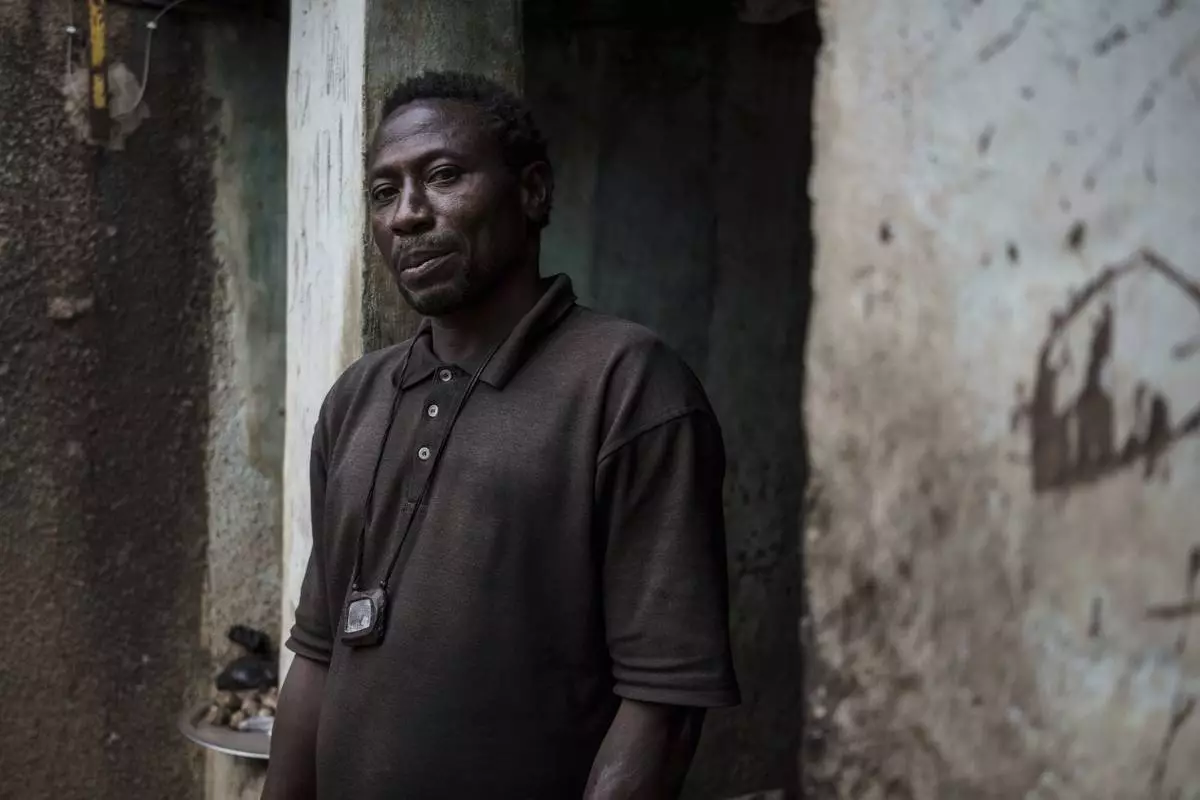
Cheikh Camara, a marabout or influential religious leader, who often prescribes his followers lion skin gris-gris, poses for a portrait in Tambacounda, Senegal on Thursday, Jan. 16, 2025. (AP Photo/Annika Hammerschlag)
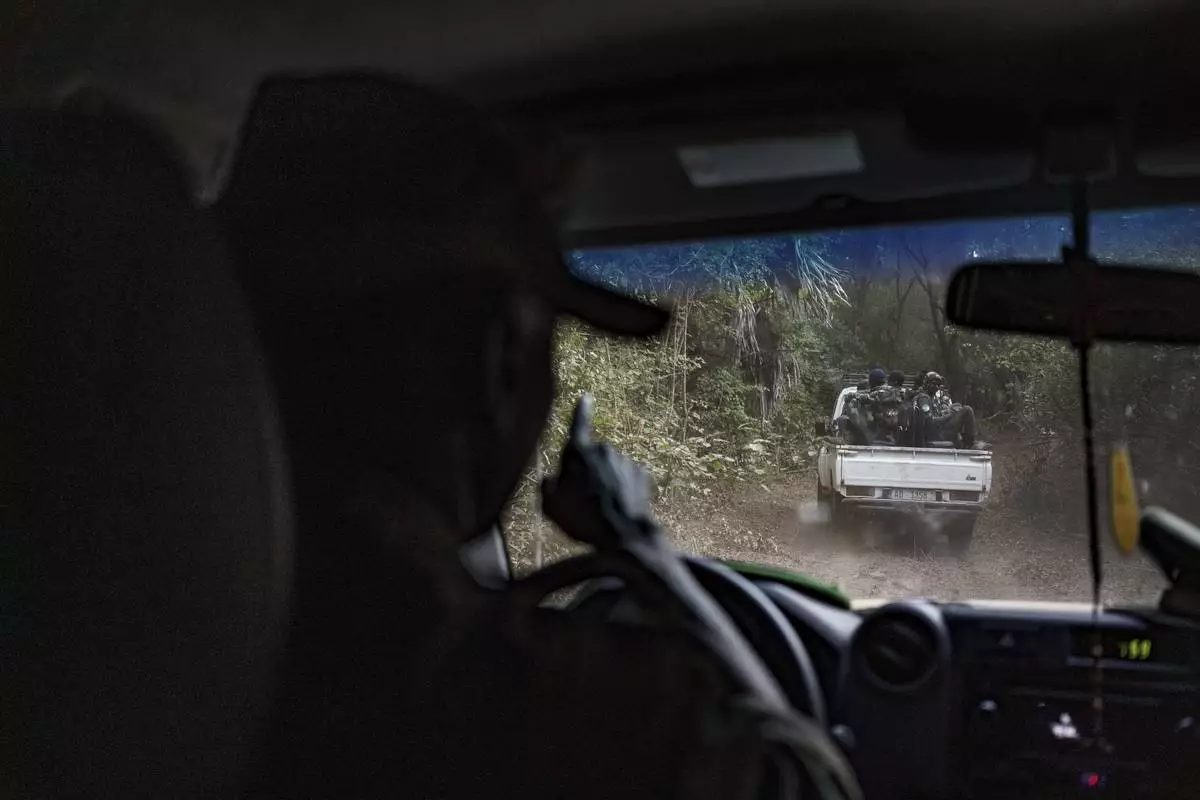
Members of the Lion Intervention Brigade conduct a patrol at Niokolo Koba National Park, Senegal on Tuesday, Jan. 14, 2025. (AP Photo/Annika Hammerschlag)

A dilapidated bridge hangs at Niokolo Koba National Park, Senegal on Tuesday, Jan. 14, 2025. (AP Photo/Annika Hammerschlag)
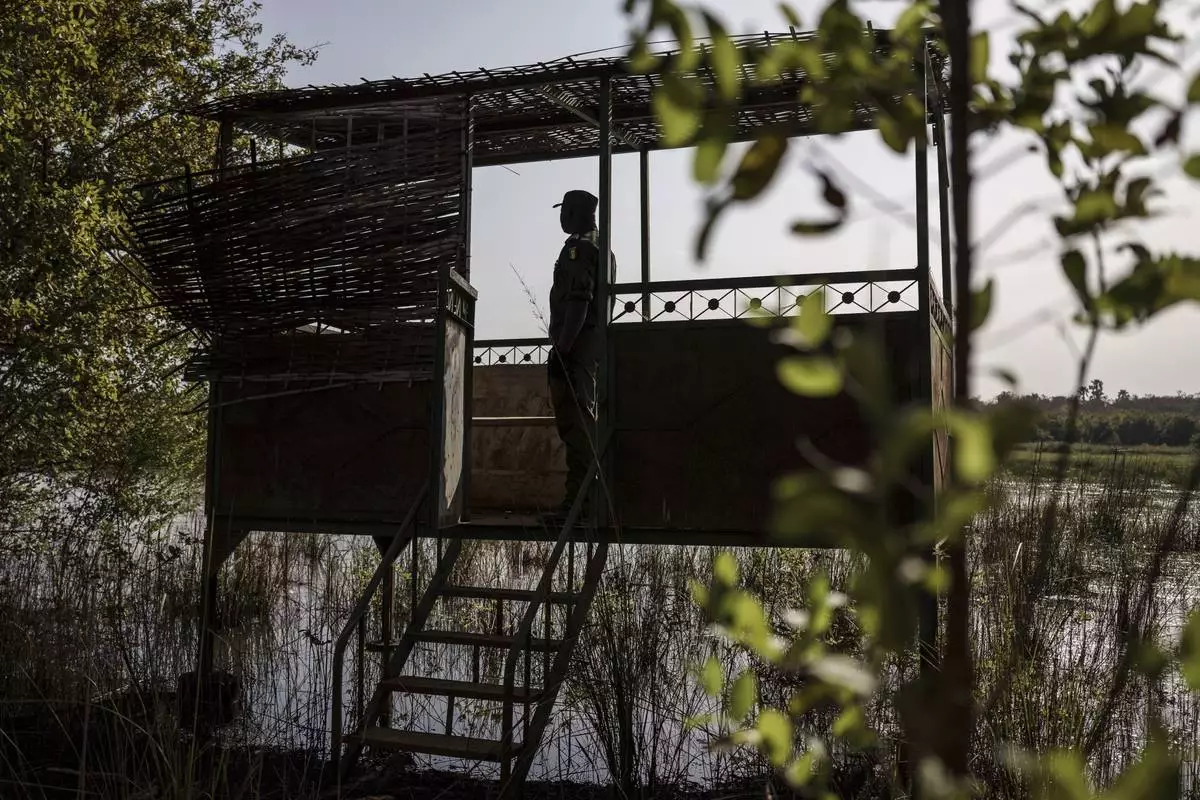
Paul Diedhiou, a colonel with Senegal's Direction of National Parks, looks for lions at Niokolo Koba National Park, Senegal on Tuesday, Jan. 14, 2025. (AP Photo/Annika Hammerschlag)
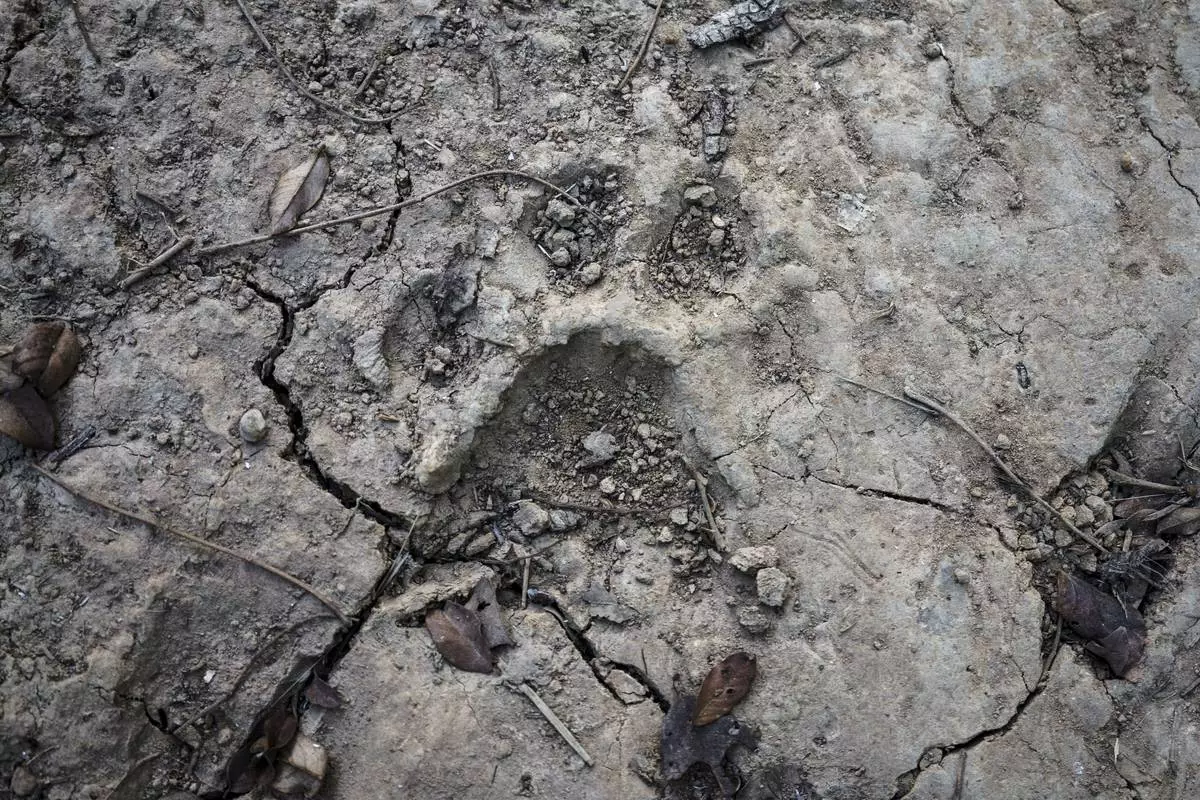
A lion track is spotted at Niokolo Koba National Park, Senegal on Tuesday, Jan. 14, 2025. (AP Photo/Annika Hammerschlag)
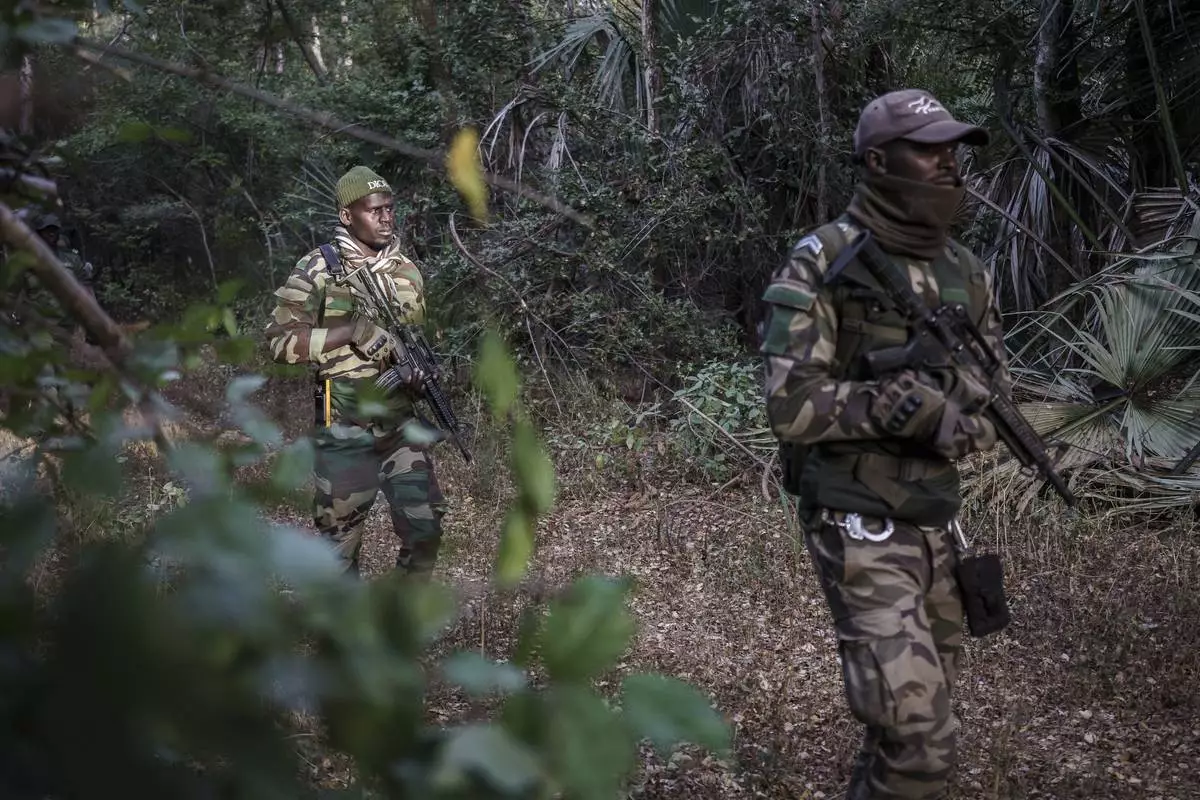
Members of the Lion Intervention Brigade conduct a patrol at Niokolo Koba National Park, Senegal on Tuesday, Jan. 14, 2025. (AP Photo/Annika Hammerschlag)
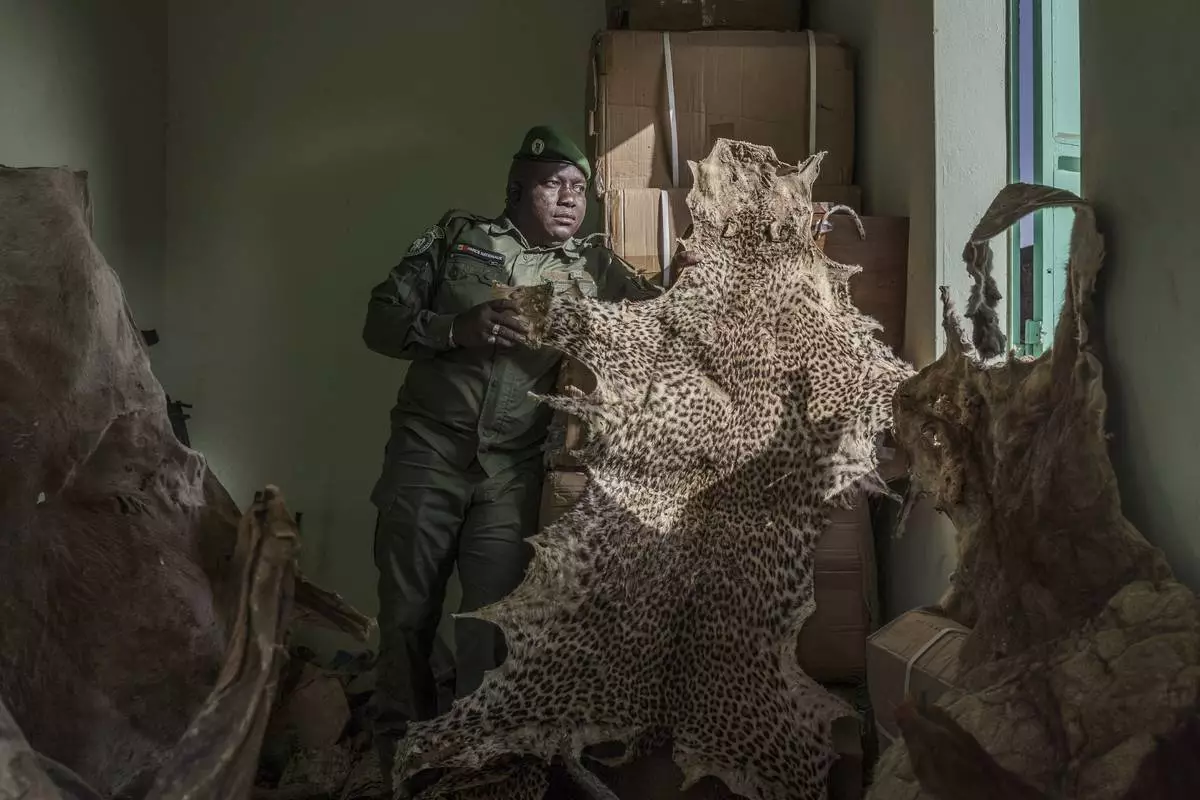
Ousmane Sambou, a sergeant with Senegal's Direction of National Parks, holds up a confiscated leopard skin at the DPN headquarters in Tambacounda, Senegal on Monday, Jan. 13, 2025. (AP Photo/Annika Hammerschlag)