Local governments in once deeply impoverished areas in southwest China's Xizang, Sichuan and Yunnan and northwest China's Qinghai and Gansu have implemented multiple targeted measures to prevent villagers from falling into poverty again and to boost local industries.
Azinai Bazha Village in Jiya Township, Hotan Prefecture, located on the southern edge of the Taklimakan Desert in northwest China's Xinjiang Uygur Autonomous Region, was once in such an underdeveloped area. However, after receiving paired-up assistance and developing the Atlas silk manufacturing industry, the villagers are able to shake off poverty.
"We have developed a production and marketing model of 'enterprise plus cooperative plus farmers', and enhanced our market competitiveness by improving both online and offline sales channels," said Zhou Yafei, deputy township head of Jiya Township.
Nowadays, a complete industrial chain has been formed in this village, from reeling, dyeing and weaving to clothing and physical store sales, and the products are sold all over the country. Last year, the per capita net income of villagers reached more than 19,000 yuan (about 2,620 U.S. dollars). Tucked away in a valley of arid mountains in a harsh environment, Bulenggou Village in Dongxiang Autonomous County of the Linxia Hui Autonomous Prefecture in northwest China's Gansu Province once suffered from water shortage and had no paved road to the outside world.
In 2014, the village was removed from the list of poverty-stricken communities. Today, Bulenggou villagers, filled with gratitude and determination, have seen their circumstances completely transformed thanks to the rural revitalization strategy.
In recent years, the village has continuously built new breeding farms to grow its economy, stabilize local employment and increase incomes.
In addition to the construction of these breeding farms, advanced technologies have been extensively applied in the village, replacing the traditional farming mode in the village. Through the application of artificial insemination technology, breeding farms can achieve simultaneous fertilization and lambing of ewes with targeted management.
"This year, we will further improve the mechanism of boosting agriculture with industries, develop modern farming and breeding, build a production and processing base for organic agricultural and livestock products, and build a beautiful village that is livable and suitable for business, so as to make villagers happier," said Zhang Wenlin, deputy director general of Linxia Hui Autonomous Prefecture Agriculture and Rural Affairs Bureau. Gagu Village in Yuexi County, Liangshan Yi Autonomous Prefecture, southwest China's Sichuan Province, was once one of China's poorest areas. With inconvenient transportation and no local industry, the village struggled economically. However, during the poverty alleviation campaign, local authorities made significant efforts to address infrastructure gaps, transforming the village into a thriving community.
Simultaneously, the village developed tourism tailored to local conditions, constructing tourist trails and viewing platforms on the mountains. Yi embroidery, a craft known to every household, was turned into a thriving industry, enabling everyone to escape poverty and increase their incomes. By unifying production and sales, the village was able to scale the industry successfully.
Last year, the per capita net income of Gagu villagers exceeded 23,000 yuan.
"Now I can earn 3,000 yuan (about 414 U.S. dollars) by selling Yi embroidery every month. I didn't expect such a good life. I'll continue to work hard to improve my craft and live an even better life," said a local villager.
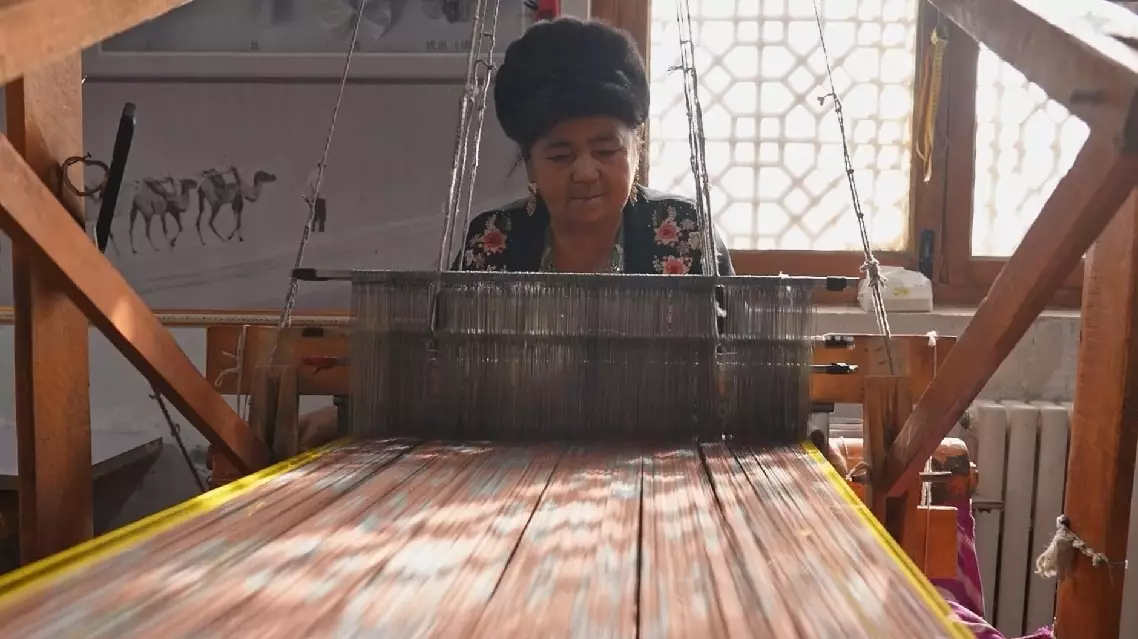
Measures taken in western China's rural areas to prevent poverty relapse, boost local industries
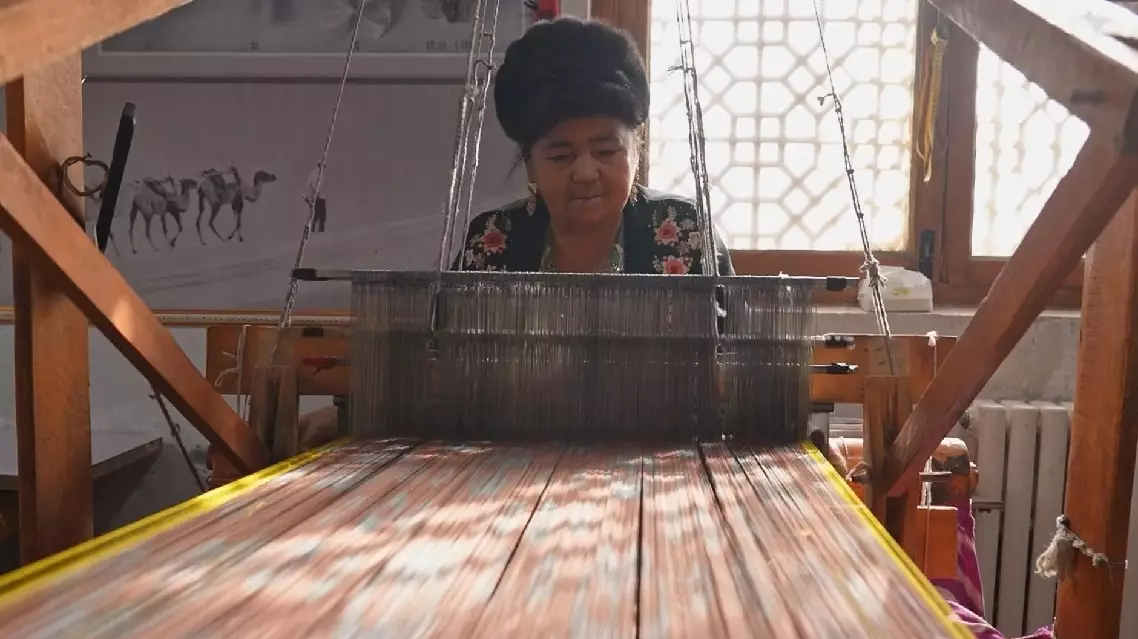
Measures taken in northwest China's rural areas to prevent poverty relapse, boost local industries