South Koreans are cutting back on dining out and searching for affordable meal solutions such as ready-to-eat meals and discounted snacks, driving a surge in demand for budget-friendly groceries amid rising inflation.
The country's consumer price index (CPI) rose 2.2 percent in January, according to official data released by Statistics Korea. As a result, South Korean consumers faced higher costs for both processed foods and dining out in January. Processed food prices accelerated to a 2.7 percent year-on-year increase, up from 2 percent in December, while eating-out expenses rose 2.9 percent.
To attract price-conscious consumers, retailers are expanding their offerings of affordable products, including ready-to-cook meal sets priced around 2.76 U.S. dollars, which have become a hit at major supermarkets.
"My colleague told me that there are convenient foods sold at the supermarket. [This is my first time] coming here to check it out. There are indeed many varieties, and they are value for money. I'll definitely buy it regularly in the future," said a local resident.
Meanhwhile, convenience stores are expanding their offerings of budget-friendly foods, including snacks and kimbap (Seaweed Rice Rolls). CU, South Korea's leading convenience store chain, reports that sales of products priced below 1,000 won (about 70 cents in U.S. dollars) are increasing at a remarkable 20 percent annually.
"Consumers have become more sensitive to prices. We've adjusted product prices in 10 won units (about 0.007 U.S. dollars). This time, we prioritized launching fresh foods and processed products. Now we are stocking the shelves with fresh foods and processed products, and are planning to further expand the range of ultra-low-priced items to attract more consumers," said Son Woo-yoon, manager of a CU convenience store.
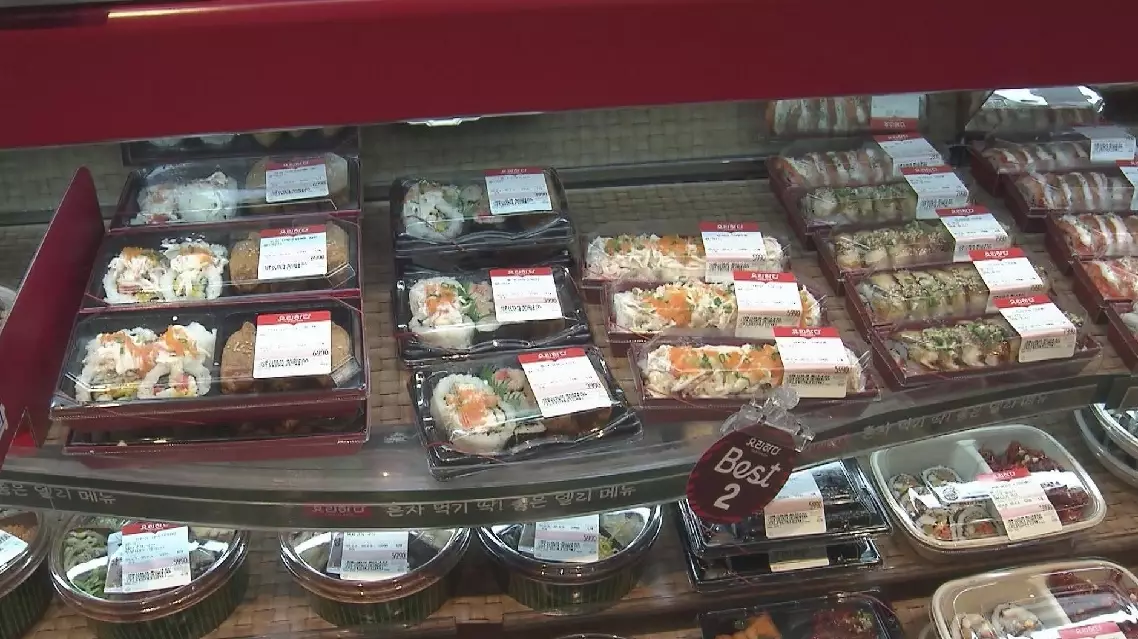
South Korean consumers embrace budget-friendly groceries amid rising inflation
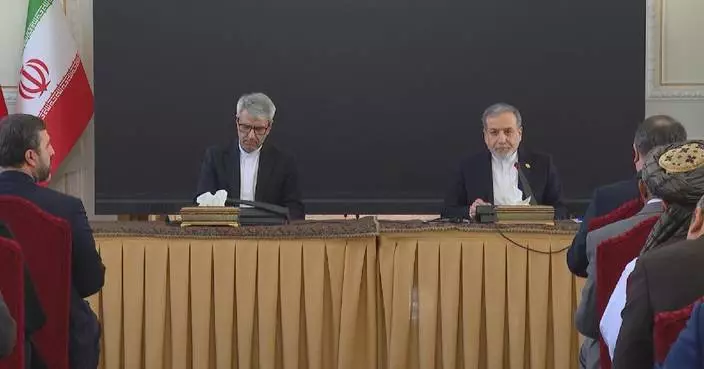
Iranian Foreign Minister Seyed Abbas Araghchi said on Monday that Iran has obtained extensive documents and evidence linking the recent unrest across the country to the U.S. and Israel, noting that Mossad agents attempted to direct such "terrorist acts."
Araghchi said at a press conference in Tehran that since Dec 28, 2025, Iran had seen peaceful demonstrations organized by industry associations and economic professional. In the following days, more participants joined, and the situation gradually escalated from peaceful rallies into violent clashes.
Beginning on Jan 8, terrorists and armed groups carrying weapons entered protest sites and opened fire on police and civilians, with the aim of steering demonstrations toward violence, bloodshed and chaos, he said.
"Israeli media reports are rife with claims that Israel has designed and conducted operations in Iran. Mr. [Mike] Pompeo, who was Trump's CIA director, said on his X that 'Happy New Year to every Iranian in the streets. Also to every Mossad agent walking beside them.' This clearly shows that Mossad agents attempted to direct such terrorist acts," the minister said. Addressing military threats from the U.S. and Israel, Araghchi said Iran does not seek war but is fully prepared to face up to war. He added that Iran is ready for serious and pragmatic negotiations with the U.S., but the talks must be based on fairness, equality and mutual respect, rather than unilateral pressure or directives from Washington.
On the same day, Iranian Foreign Ministry spokesman Esmaeil Baghaei condemned the U.S. and Israel at a regular press briefing in Tehran. He said the two countries have made "extensive interventionist remarks" regarding Iran's situation, saying such statements are intended to foment chaos, violence and instability.
The spokesman said Iran is closely monitoring the development of the situation and remains fully prepared, warning that Iran's armed forces will respond to any act of aggression by its enemies.
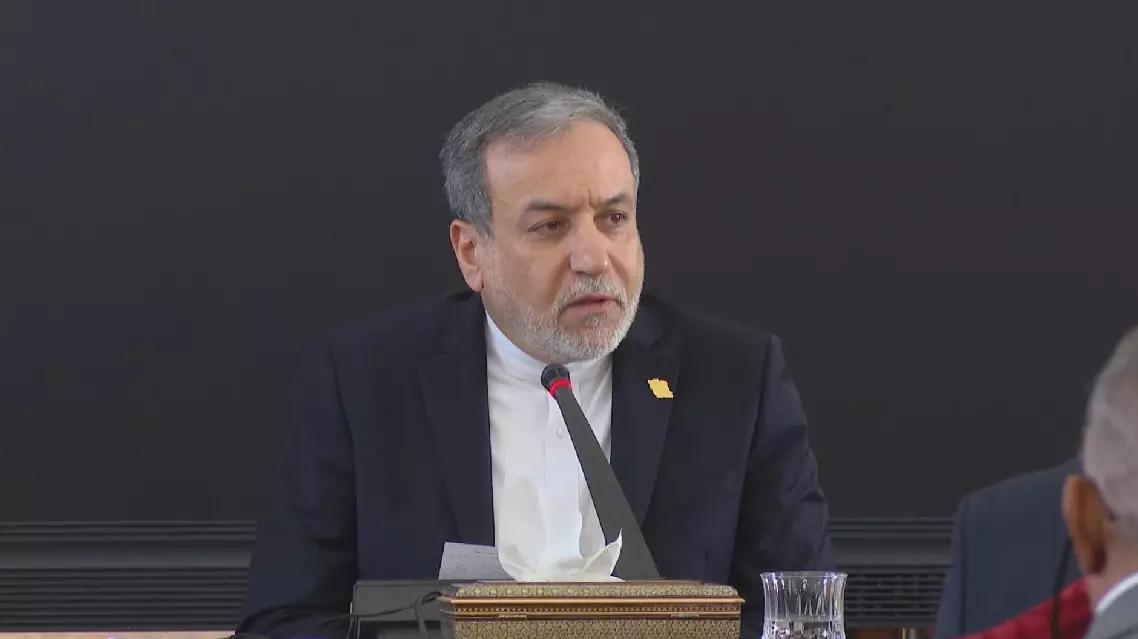
Mossad agents attempt to direct terrorist acts: Iranian FM