A senior United Nations (UN) official called for efforts to close the global digital divide in the realm of artificial intelligence (AI) and highlighted the need for international governance frameworks for the burgeoning technology.
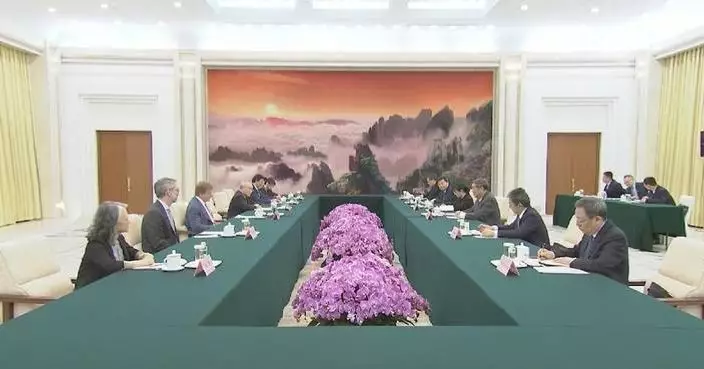
Tshilidzi Marwala, under-secretary-general of the UN, sat down with China Global Television Network (CGTN) on February 24, the first day of his official visit to Beijing as the rector of United Nations University, to discuss a wide range of topics including AI.
The UN official highlighted the need to wipe out illiteracy in emerging technology fields, noting that in this era, literacy is no longer just the ability to read and write, but also includes the ability to handle complex technologies such as AI.
He put forward several key objectives, including improving the Global South's access to databases and resources and expanding the utilization of technologies for more widespread benefits.
"We need to deal with the issue of data, because you cannot bridge the digital divide unless you ensure that data is available. Normally these AI systems require large databases that have to be running in countries, and unless we deal with that issue and ensure that all these data centers are not just located in the Global North, but are also located in the Global South. And I also think another issue that is important when it comes to the issue of the digital divide," he said.
"It's really the issue of how do you use these tools to improve the lives of people. And now this is the teaching of the utilization of these technologies to improve economies, to improve education and to improve all aspects of our lives," said Marwala.
Speaking on the increasingly prominent issues of fairness and safety in the field of AI, the UN official said that international cooperation must be carried out to form sound policies and ensure access to the necessary infrastructure.
"Some of the governance must be done by industry, some of the technical standards can only be done by technical experts who are the experts themselves, some of these standards must be done at the country level. We have been impressed by the governance models of the Chinese government. But some of them must happen at the international level. You can't deal with the crucial issue of cross border data flow unless we cooperate as a globe. I think this is very, very important. So the role of ensuring that we use international cooperation to make sure that we bring fairness is quite crucial," said Marwala.
The UN under-secretary-general emphasized that the core values of AI must be based on the UN Charter to shape an AI that is responsible and sustainable.
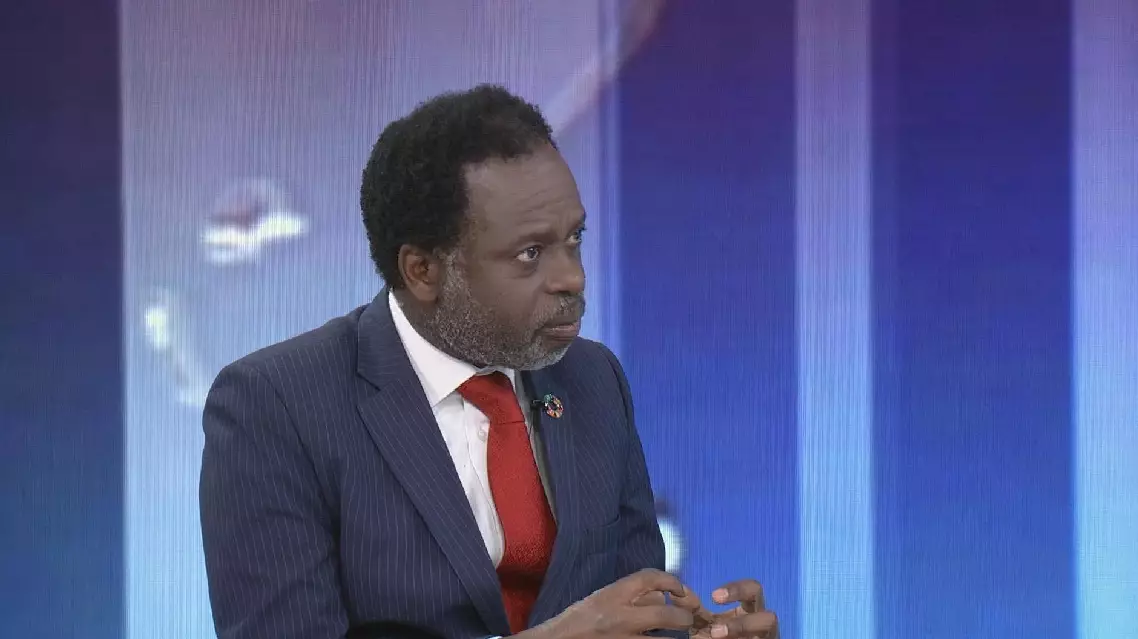
UN official calls for globally inclusive AI data availability
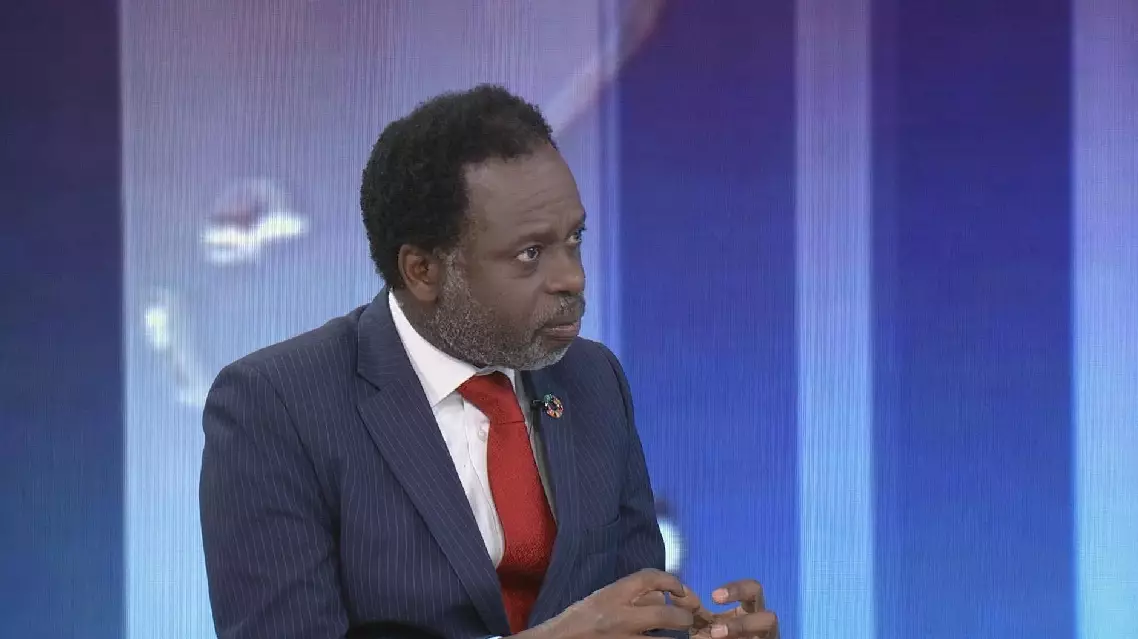
UN official calls for globally inclusive AI data availability