BARCELONA, Spain--(BUSINESS WIRE)--Mar 3, 2025--
The next generation of telecom retail technology is being unveiled this week at Mobile World Congress 2025 in Barcelona, Spain.
This press release features multimedia. View the full release here: https://www.businesswire.com/news/home/20250303709907/en/
iQmetrix, the only provider of Interconnected Commerce solutions for telecom retail, is exhibiting March 3-5 in the Canadian Pavilion at the world’s biggest mobile event—and is using the event to announce the game-changing evolution of its flagship SaaS technology platform.
After years of working behind the scenes on replatforming its RQ technology suite, iQmetrix is launching its Generation 8 platform—built to eliminate technology bottlenecks, drive efficiencies, and unlock new revenue opportunities for its clients. This evolution to a modern, lightweight platform delivers unmatched flexibility, cross-compatibility, and seamless integration between systems.
Speed, Agility, and Innovation at Scale: iQ Platform
With this next-generation technology, iQmetrix has the power to move faster than ever before. The new iQ Platform will radically accelerate the rollout timelines of new features and tools, streamline the onboarding of new clients, enable much deeper integrations, and deliver unprecedented customization options—giving retailers the tools they need to stay ahead in a rapidly evolving telecom industry. With a headless architecture and truly modular approach, the new platform empowers retailers to modernize their operations without disrupting their tech ecosystem.
One of the biggest foundational advantages of the new platform is its ability to quickly and easily integrate solutions from:
Lauren Wilmsen, Vice President of Product, Retail at iQmetrix, said, “The new platform enables us to get out of our own way, and out of the way of vendors, partners, and clients who want to integrate with our systems.”
Users of the new platform will benefit from two newly structured user interface suites. These are being rolled out in two phases over the coming months:
1. Beyond Point-of-Sale: iQ Storefront
Traditional POS systems merely process transactions. iQ Storefront is the next evolution of front-of-house retail software, designed specifically for telecom. It is device-agnostic, highly customizable and extensible, and built to support the entire retail journey—going far beyond the capabilities of a standard POS.
iQ Storefront will include all the functionality that exists in the RQ point-of-sale solutions today, such as transactions, cash management, bill payments, tax management, activations, and business-to-business transactions. However, iQ Storefront will not act as a simple point-of-sale that starts when a customer makes a purchase in a store. It will enable a true end-to-end journey that encompasses all facets of a customer’s retail experience, and every aspect of the retailer’s journey, from marketing to channel management to integrated payments to reconciliation, and much more.
The lightweight app will allow clients to easily customize unique user journeys and rules that are different for sales reps, store managers, or any other front-of-house role—plus the UIs will be accessible and intuitive, as today’s new generation of retail staff expects. The new platform will also allow for future multi-language and multi-currency options to be enabled within iQ Storefront. The app is device-agnostic, so users can interact with it either on iOS or Android.
iQ Storefront will also include the new iQ Payments solution—a seamless, end-to-end payments solution designed to evolve with your business. iQ Payments gives users a streamlined, single-vendor experience where payment processing, support, hardware, and reporting are all consolidated—simplifying payments management and reducing operational friction. It also enables a mobile-first payment hardware option, supporting businesses’ mobile retail strategies.
2. Revolutionizing the Back Office: iQ Hub
iQmetrix’s trusted back-office solution, the RQ Retail Management System suite, is evolving into iQ Hub—an agile, customizable, lightweight, web-based software designed specifically for telecom retail. Retaining RQ’s essential strengths of telecom-specific inventory management, vendor rebate management, order management, performance management, and more, iQ Hub will add in greater flexibility, deeper customization, and seamless cross-compatibility with third-party POS systems.
As with iQ Storefront, iQ Hub will enable different user journeys for different employee roles and security levels—meaning an inventory manager will see different modules in their UI than a data analyst, for example. This will make the user experience intuitive and adaptable for everyone, no matter who they are, rather than everyone having to fit in with fixed software parameters.
iQ Hub will also greatly improve operational efficiencies by enabling a vast amount more automation—SKU management and price management being just two examples. This will greatly reduce and sometimes eliminate the need for system management, freeing up users’ time and energy to focus on activities that drive their business forward, instead of managing the system.
Both iQ Hub and iQ Storefront will draw from the latest AI-driven innovations that iQmetrix is developing—such as AI-powered customer lifecycle management and customer personalization, and AI-driven product inventory and demand management. The new platform also allows for easy integration of all solutions as they arise, constantly improving the system in an organic way.
A Learning System Created Through Community
One of the greatest advantages of this next-generation platform is that, as products and features are developed and as partners and clients plug their tools and systems into the platform, it becomes a living, evolving system. This concept is truly at the heart of Interconnected Commerce—an ecosystem of technology that is greater than the sum of its parts, because the interconnections between all the stakeholders and systems mean its benefits become exponentially better for all users.
As this technology is launched, existing iQmetrix clients can rest assured that they will not see any disruption in their current RQ technology solutions that support their daily operations. RQ will continue to be in full operation before and during any migration to the new platform.
Christopher Krywulak, Chief Executive Officer at iQmetrix, said, “We are thrilled to be reimagining how we create great experiences for our clients and their customers with our Generation 8 technology platform. This next-generation platform has always been part of our long-term strategy, and we are taking a thoughtful approach to ensure a smooth transition while maintaining the reliability of our existing system.”
Key iQmetrix clients will be the first to see demos and get the chance to beta-test the technology in the coming months, and the new platform and user interfaces will be showcased to the wider industry at SummitX 2025 in California this October. Those who want to learn more before that time are encouraged to reach out to their Account Manager, if they are an existing client, or contact us to find out more at www.iqmetrix.com/demo.
MWC Barcelona attendees are warmly invited to visit iQmetrix in the Canadian pavilion, March 3-5, 2025. To find out more about iQmetrix Interconnected Commerce solutions, visitiQmetrix Interconnected Commerce.
About iQmetrix
iQmetrix is the only provider of Interconnected Commerce software solutions for telecom retail. Interconnected Commerce is a complete set of software and technologies that are modular, flexible, and have telecom-specific capabilities, enabling telecom retailers to provide an uplifting experience for their customers. We empower telecom retailers to transact, activate, and fulfill products, as well as operate their business, and unify the online and in-store experiences. We interconnect the entire industry, bridging carriers, retailers, manufacturers, and a huge ecosystem of vendors and external system integrations.
For 26 years, we’ve been passionate about helping the leading brands in telecom to grow by providing best-in-class software, services, and expertise that enables them to adapt and thrive. Our solutions powered $17BN in sales last year, handling nearly 53 million invoices and more than 28 million activations, and are used by more than 370,000 telecom retail professionals across almost 1,000 clients. iQmetrix is a privately held software-as-a-service (SaaS) company with employees in Canada, the U.S., India, and Europe. For more information, please visit www.iqmetrix.com.
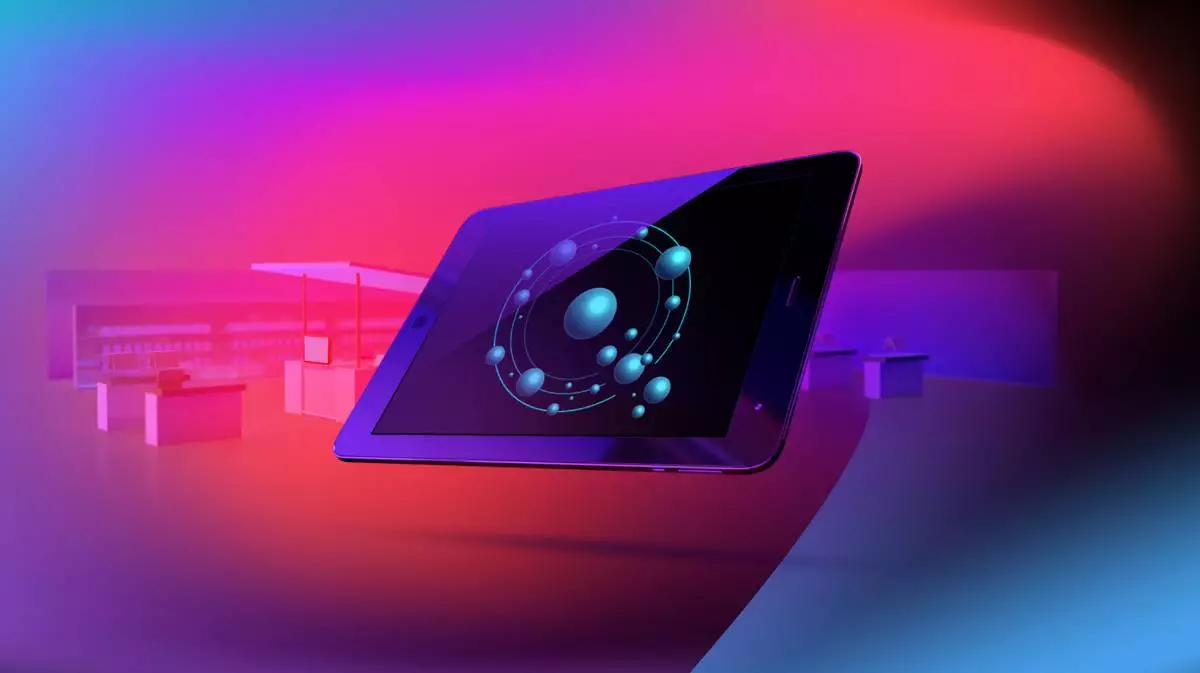
The next generation of telecom retail technology is being highlighted by iQmetrix this week at Mobile World Congress 2025 in Barcelona, Spain. Image: iQmetrix