Skip to Content Facebook Feature Image

China's booming animation industry inspires Russian filmmakers

China

China

China

China's booming animation industry inspires Russian filmmakers

2025-03-03 18:27 Last Updated At:03-04 01:07

Russian animators are drawing inspiration from the booming success of Chinese animated films, which have captivated both domestic and global audiences with their unique blend of cultural storytelling and cutting-edge production techniques.

In recent years, China's animation film industry has been producing a series of masterpieces, attracting a great number of domestic and international fans. The industry impressed the world again with the remarkable box office performance of the phenomenal work "Ne Zha 2", which has recently become the highest-grossing animated film of all time, globally.

Moscow's SMF Animation Studio has been closely tracking the groundbreaking accomplishments of its Chinese counterparts, seeking to learn from their innovative approaches and successes.

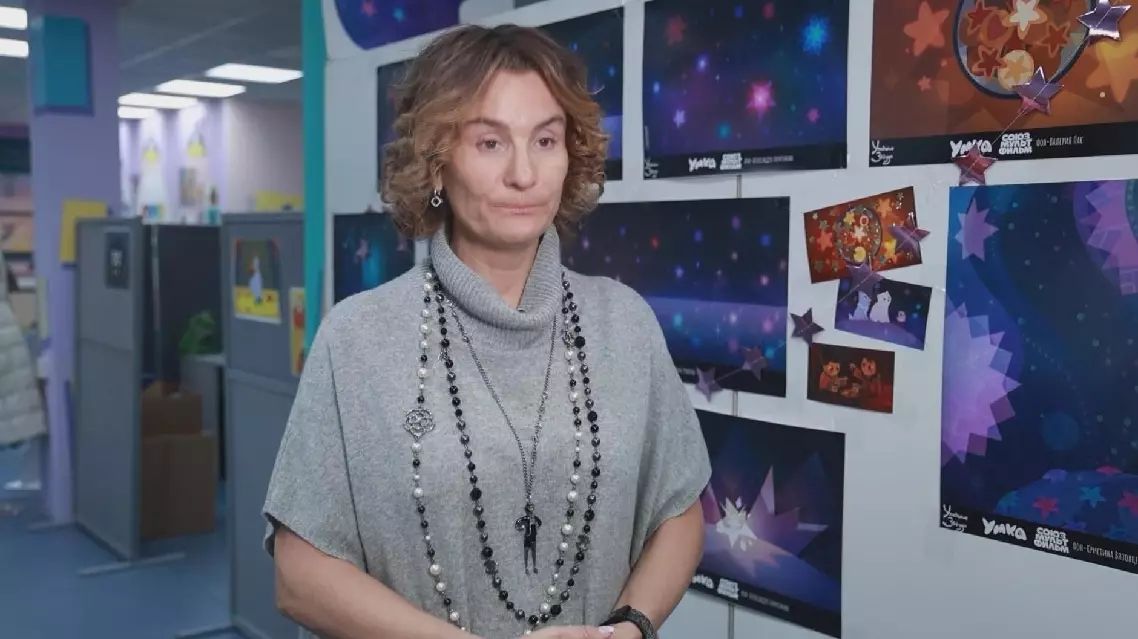
"China's animation industry posts significant growth annually, with about 10,000 minutes of animation being produced each month. For any developed market, this is a record number," said Yuliana Slashcheva, Chairman of the Board of Directors of the Russian film studio.

According to Slashcheva, the phenomenal success of "Ne Zha 2", a film rooted in ancient Chinese mythology, demonstrates the vast market potential of content that draws upon traditional cultural heritage, which resonates with audiences worldwide.

"The animation movie has strong ethnic characteristics. It tells the story in an ethnic way and it also has strong ethnic style. You can tell it from both the appearances of the characters and the storytelling," she said.

The impressive box office performance of "Ne Zha 2", boosted in part by its stunning visual effects, has led Slashcheva to conclude that technological advancements will play a crucial role in the future of animation production.

"In terms of self-developed technology, Chinese animation industry goes further than us in the field of artificial intelligence," she said.

"It (Ne Zha 2) has enchanting storytelling, rich aesthetics, values that fit with most of the audience and high-quality visual effects. High-quality animation always needs high integration of art and technology, and this is what our Chinese colleagues showed to us," Slashcheva added.

With Chinese animation poised to make a significant impact on the global market, Slashcheva expressed optimism about its international prospects. The SMF Animation Studio has formed a partnership with Chinese filmmakers and a TV channel under the China Media Group (CMG) will broadcast its animated series "Umka", marking a key collaboration between the two nations.

"Animation has cultural influence. China's sport culture is as developed as that of Russia, and we attach great importance to this point. Of course, 'Umka' tells the story about remote northern minorities. They live in harsh natural conditions, overcome difficulties, and also hold kind nature," she said.
China's booming animation industry inspires Russian filmmakers
China's booming animation industry inspires Russian filmmakers

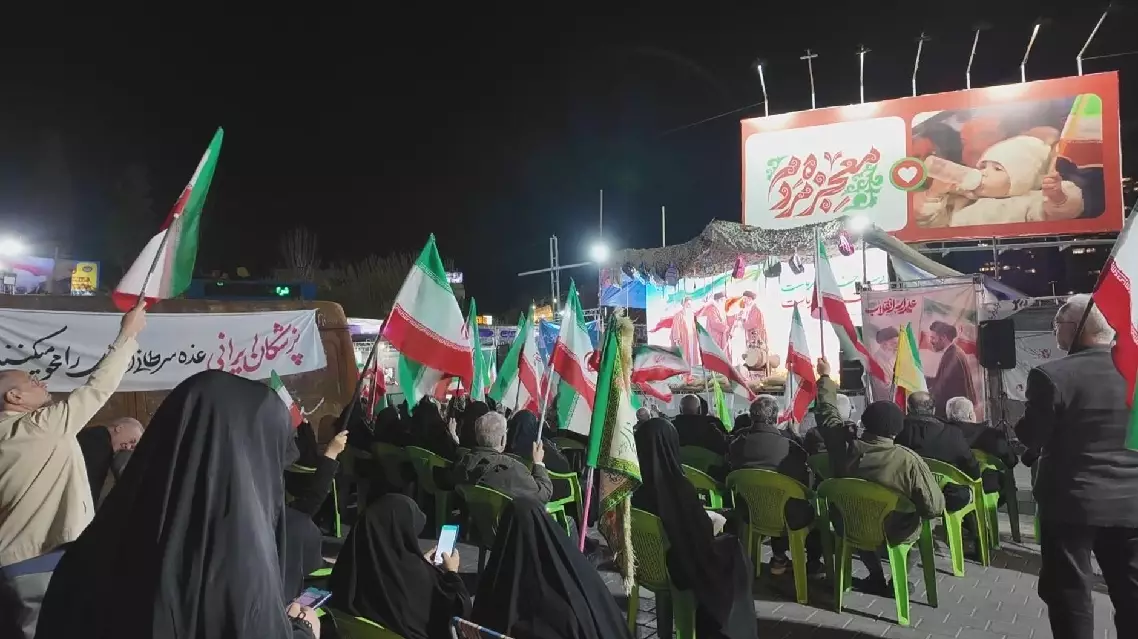
The Iranian government is focusing on public concerns and maintaining stable supplies of essential goods amid recent protests, Iranian President Masoud Pezeshkian said in a televised interview on Sunday.

In the city of Karaj, northwest of the capital Tehran, daily life has largely continued as normal. A video filmed by a local resident on Sunday shows food stores open and grocery shelves fully stocked.

"This is the block near my home, and there are some food stores here. Daily life continues here. Last night we did not see many protests in Karaj. Right now the city is very safe. This is a grocery store close to my home. All the food is available; nothing is in shortage. Here are noodles and different types of beans. Here are dairy products, cheese, and yogurt. I also checked other grocery stores and didn't see any shortages. Everything is available," said local resident Ali Reza.

Iranian officials have described recent disturbances as acts orchestrated by the "enemy," including some carried out by well-trained and armed "terrorists." The incidents have caused casualties among security personnel and civilians, as well as property damage.

The Secretary of Iran's Supreme National Security Council Ali Larijani has directed authorities to severely punish the "terrorists."

Meanwhile, Iran's police chief Ahmad-Reza Radan said on Sunday that the police had raised alert levels and arrested several leaders of the troublemakers during the operations on Saturday.

President Pezeshkian noted in the interview that the normal demands of the Iranian people are reasonable and justified, but they must realize that triggering riots and carrying out terrorist acts are the enemy's attempts to undermine the country. He urged the public to remain vigilant.

Also on Sunday, Iranian Parliament Speaker Mohammad Baqer Qalibaf warned that Tehran would regard U.S. and Israeli bases and facilities in the Middle East as "legitimate targets" if Washington takes military action against Iran. His remarks followed media reports saying U.S. President Donald Trump is "seriously considering authorizing a strike" against Iran.

Iranian state media reported that at least 109 members of Iran's security forces have been killed in clashes since the protests began 14 days ago. Meanwhile, human rights groups based outside the country said the number of protesters killed has exceeded 200, though the figure could not be independently verified.

The protests initially erupted over a sharp depreciation of the rial and sweeping subsidy reforms. Iranian authorities have blamed the unrest on foreign-linked agents and sanctions imposed by the United States.

Iranian president says government focusing on ensuring supplies amid protests

Iranian president says government focusing on ensuring supplies amid protests

Recommended Articles