The United States continues to grapple with a severe drug abuse crisis which is hindered by lax regulations on pharmaceutical advertising, the widespread operation of so-called "pill mills," and the strong influence the pharmaceutical industry has over U.S. politics, according to a video commentary by the China Global Television Network (CGTN) titled "First Voice."
The latest episode, which aired on Wednesday, explored the extent of the drug abuse problem in the U.S. and sought to assess why the issue remains so deeply entrenched.
"The United States is one of the only two countries that legally allow direct-to-consumer pharmaceutical advertising, meaning drug companies can put their ads between SpongeBob episodes or news programs. According to the American Addiction Center's research in 2022, one illicit drug you've seen is shown on TV in about every 112 minutes. One fifth of prime-time TV programs mention illicit drug use and 3 percent depict illicit drug use. Drugs are present in nearly half of all music videos. The average teenager is exposed to nearly 85 drug references a day in popular music," said Huang Jiyuan, a CGTN opinion editor.
An August 2024 study by Project Know -- a resource run by American Addiction Centers (AAC) -- analyzed over 70,000 TV scripts and found that comedies accounted for 41 percent of all drug-related mentions, surpassing both drama and crime genres. The study highlighted how drug and alcohol storylines are often used for humor, which may downplay the serious effects of substance abuse.
"Such lighthearted depictions can leave viewers with a skewed vision of the roles these substances play in reality," Huang said.
At the same time, the U.S. is contending with the widespread presence of so-called 'pill mills' -- clinics or pharmacies that dispense narcotics without a legitimate medical need. These clinics often advertise heavily, promising pain relief but frequently supply opioids to individuals without genuine medical conditions.
The commentary notes how the opioid crisis has intensified in places like the small town of Williamson in West Virginia, where a pharmacy dispensed a staggering 20.8 million opioid pills over a decade in a town of just 2,900 people.
"The pharmaceutical industry is one of the most difficult industries in the United States to be regulated. In the year 2023 to 2024 alone, the industry had given nearly 1.5 billion dollars to political candidates in both parties. In 2020, it funded more than 2,400 state lawmakers. It's reported that 84 percent and 82 percent of lawmakers in Louisiana and California, respectively, cashed checks from pharma-companies. Two-thirds of members of Congress did it, too. I won't go as far as saying that the pharmaceutical industry controls the U.S. politics, but it's safe to say that the Senators and representatives owe them a lot of favors," Huang said.
The commentary highlighted the ongoing cycle which persists, noting that as demand for drugs grows, the industry expands and becomes wealthier, enabling it to circumvent regulations and flood the market with more advertisements and products.
"The American government isn't doing anything useful and can't do anything substantial to stop it. While blaming others might be the only thing they can do -- it doesn't work," said Huang.
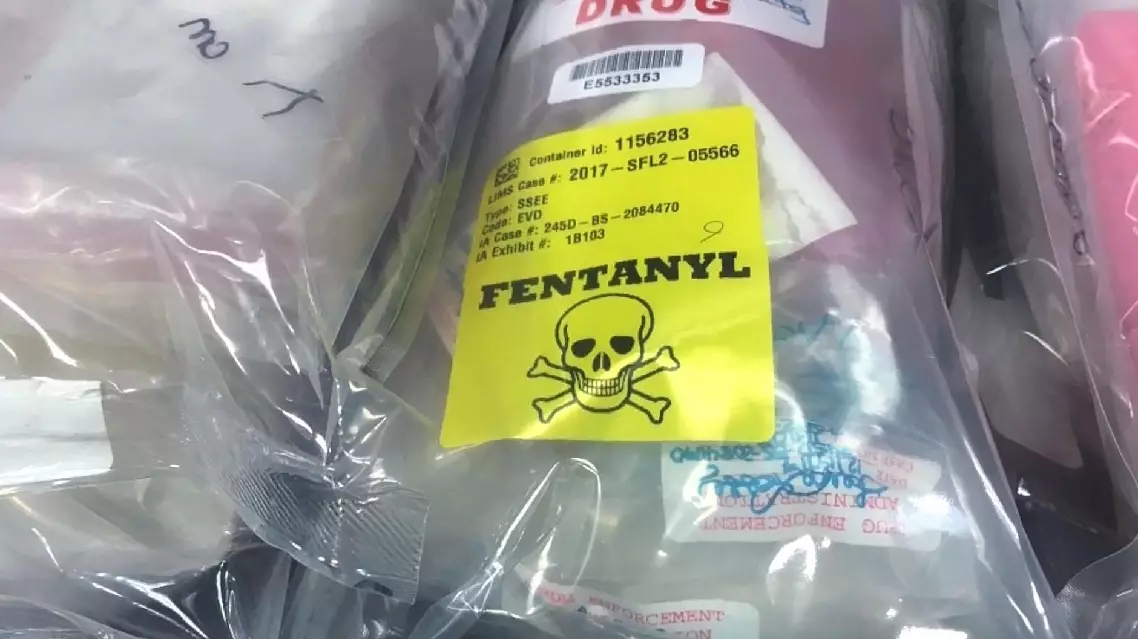
CGTN commentary looks into cycle of problems behind U.S. drug abuse crisis