A massive wildfire in Ofunato City of northeast Japan's Iwate Prefecture has been burning for over a week and continues to spread, causing intensification of anxiety among residents.
The wildfire, which began on Feb 26, has affected wide areas, burning about 2,900 hectares, or nine percent of the city's total area, and impacting about 13 percent of the city's population.
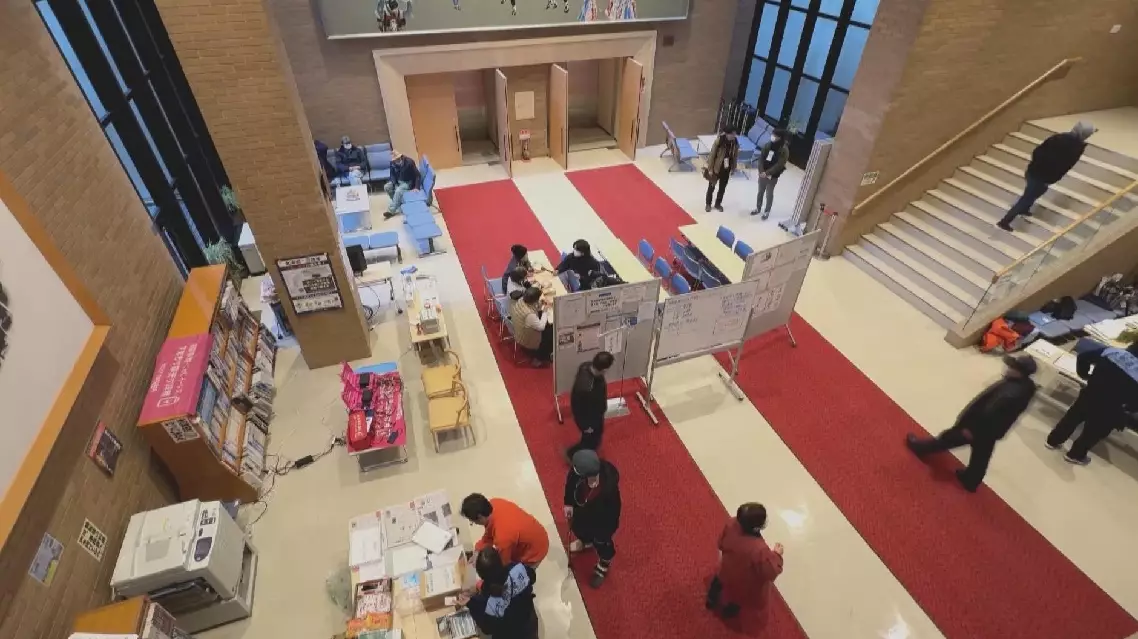
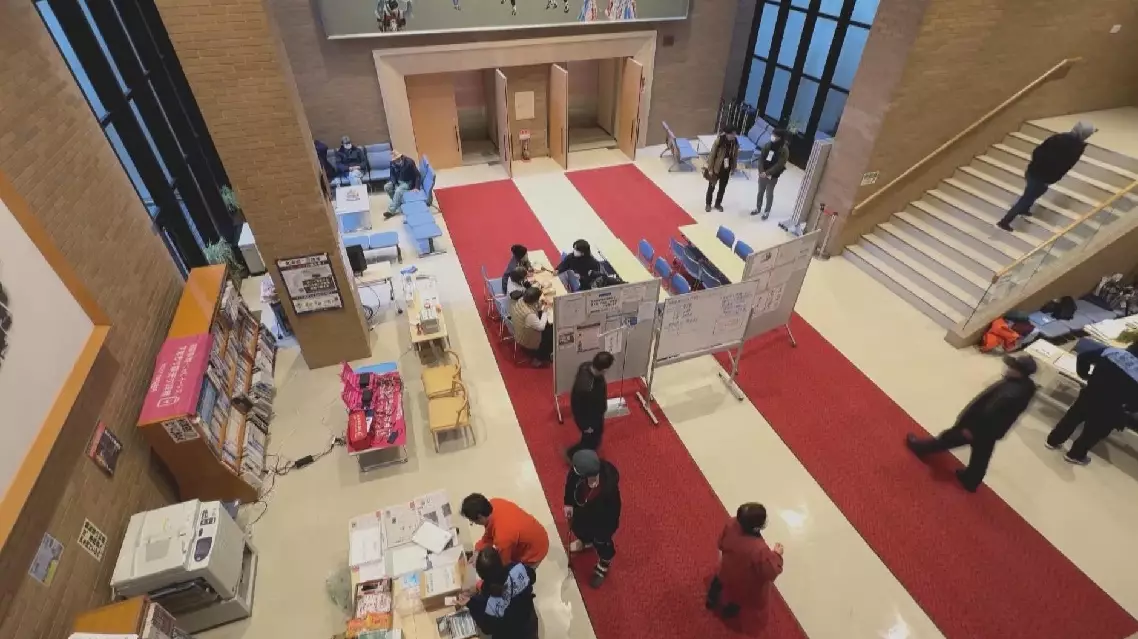
At an evacuation shelter in Sanriku Town, Ofunato City, less than 10 kilometers from the wildfire's origin, about 250 residents are seeking refuge. The shelter, originally a three-story community center, has opened all its rooms, including the auditorium and meeting rooms, to accommodate the evacuees.
The majority of those seeking refuge are middle-aged and elderly people, and the living conditions in the shelter have caused significant discomfort for them.
"I can hardly sleep at night. I wake up several times throughout the night," said an elderly man.
The evacuees say they are most concerned about when the fire will be brought under control, whether their homes have been affected, and when they will be able to return home.
For the first time since the fire began, steady rainfall was recorded on Wednesday, with 17 mm measured by 17:00 local time. The city reported that no further spread of the fire was confirmed, attributing this to the rain.
Although there was rainfall, the weather remains unpredictable, and the evacuees' anxiety continues to grow.
"I heard that the area where my house is located hasn’t been affected by the fire, but I can’t go home. I’m currently sheltering at my company dorm. I know some people who are staying here and I would like to check on their situation, also, to see if there are any updates. I hope the rain will help control the fire. I don’t know when I can go home. I feel really uneasy," said a local resident.
"When people first arrived at the shelter, everyone thought they would return home in a day or two. But as the fire kept spreading, they realized that their time here might be longer than expected. The main sources of information are YouTube or other social media, and news reports on TV, especially aerial footage captured by news helicopters. Through these images, they can judge which areas have been burned and which are still unaffected. Currently, these are the primary sources of information. Aside from that, it’s hard to get more updates. The lack of timely information really makes people feel uneasy," said Murakami Yoshiharu, director of the community center.
Ongoing wildfire intensifies public anxiety in northeast Japan's Ofunato City
Ongoing wildfire intensifies public anxiety in northeast Japan's Ofunato City