Skip to Content Facebook Feature Image

China's historic port city Tianjin to hold next SCO summit

China

China

China

China's historic port city Tianjin to hold next SCO summit

2025-03-07 20:18 Last Updated At:21:27

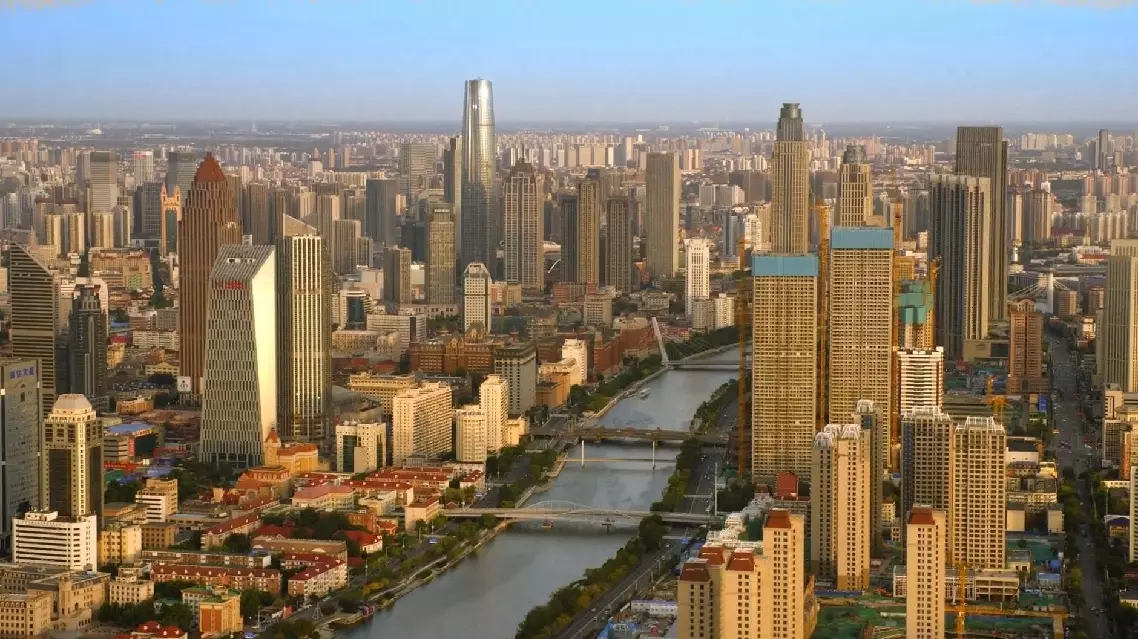
The historic port city in northern China -- Tianjin, which is just announced to be the host city for the next Shanghai Cooperation Organization (SCO) Summit scheduled for this autumn -- is well-positioned to showcase its unique blend of history, economic power and forward-looking vision.

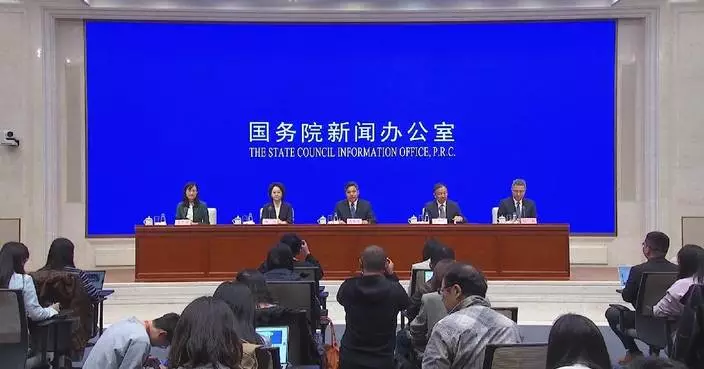
Chinese Foreign Minister Wang Yi announced on Friday that China will host a SCO summit this autumn in Tianjin, gathering leaders in the city to reflect on the SCO's accomplishments, plan the future, and build consensus for cooperation. As the country holding the rotating presidency of SCO, China is putting together more than 100 events in political, security, economic, and people-to-people fields this year under the theme of "Upholding the Shanghai Spirit: SCO on the Move."

With a documented history dating back to 1404, Tianjin was initially established as a strategic military post. The city has grown into a vital economic center and a gateway for international cooperation in the last few hundred years.

Today, Tianjin is a key node in China's Belt and Road Initiative (BRI), linking many major economic corridors in the world. The Tianjin Port, the largest man-made deep-water port in China and one of the Top Ten ports globally, connects to over 800 other ports in more than 200 countries and regions. It handles a significant volume of global trade, with one out of every 40 containers worldwide originating from its facilities. Notably, Chilean cherries arrive at the port in the morning and clear customs in just two hours, making it possible for them to reach consumers by afternoon.

Furthermore, the city is known as the world's largest parallel import hub for automobiles, accounting for 80 percent of China's total annual parallel imports, with over 120,000 vehicles entering the country through it each year.

Tianjin is also advancing its status as an international consumption center, in line with China's globalization strategy. Its Free Trade Zone (FTZ), the first of its kind in northern China, facilitates smooth global trade and investment. Over the years, Tianjin has established sister-city relationships with 103 other cities and regions across 54 countries on five continents, creating a robust network for economic and cultural exchange.

Further extending its global reach, Tianjin has built 24 Luban Workshops in 23 other countries across Asia, Africa and Europe. These workshops, named after the ancient Chinese master craftsman Lu Ban, serve as platforms for vocational education and technical training, promoting skills transfer and strengthening international ties through education and innovation.

Beyond trade, Tianjin is a beacon of innovation and technological advancement. It is the birthplace of "Tianhe-1," China's first petascale supercomputer, and serves as a key manufacturing hub for China's iconic Long March rockets, which are central to China's space exploration efforts.

The city regularly hosts high-profile events such as the World Intelligence Congress and the Summer Davos Forum, cementing its reputation as a leader in smart technologies and innovation.

The SCO is the first international organization with China as a founding member state and named after a Chinese city.
China's historic port city Tianjin to hold next SCO summit
China's historic port city Tianjin to hold next SCO summit

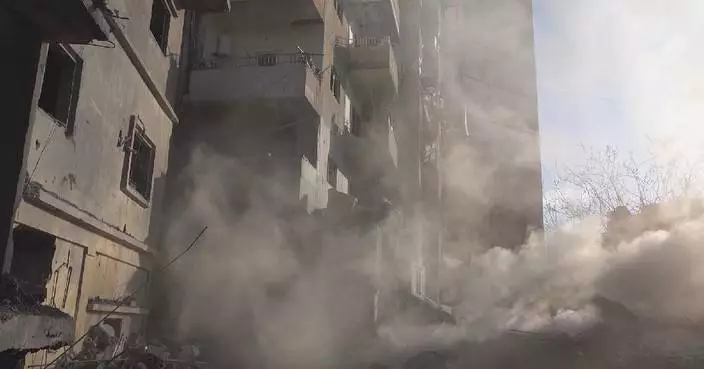
Iraq is facing mounting economic strain as the Middle East conflict blocks its oil exports through the Strait of Hormuz, a chokepoint for one-fifth of the world's oil, triggering a collapse in crude production and plunging the economy into crisis.

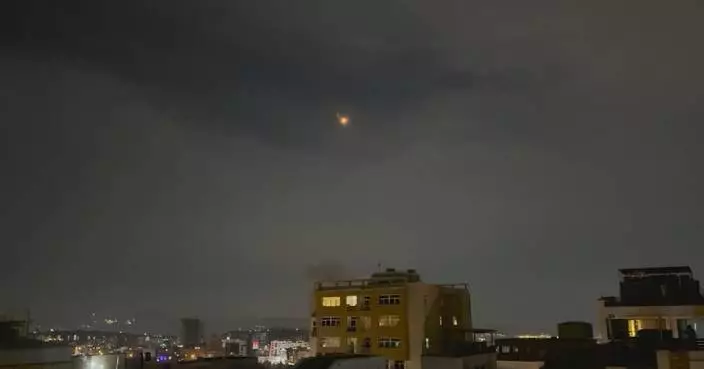
The bottleneck follows joint U.S.-Israeli strikes on Iran on Feb. 28 and Iran's retaliatory attacks across the Middle East.

The shock is reverberating from oil fields to households, with crude production plunging nearly 80 percent, from a pre-war level of 4.3 million barrels per day to just 800,000. Since the attacks, wholesale oil and gas prices have surged as missile and drone strikes disrupted energy production and transport across the Middle East, adding to the strain on households worldwide.

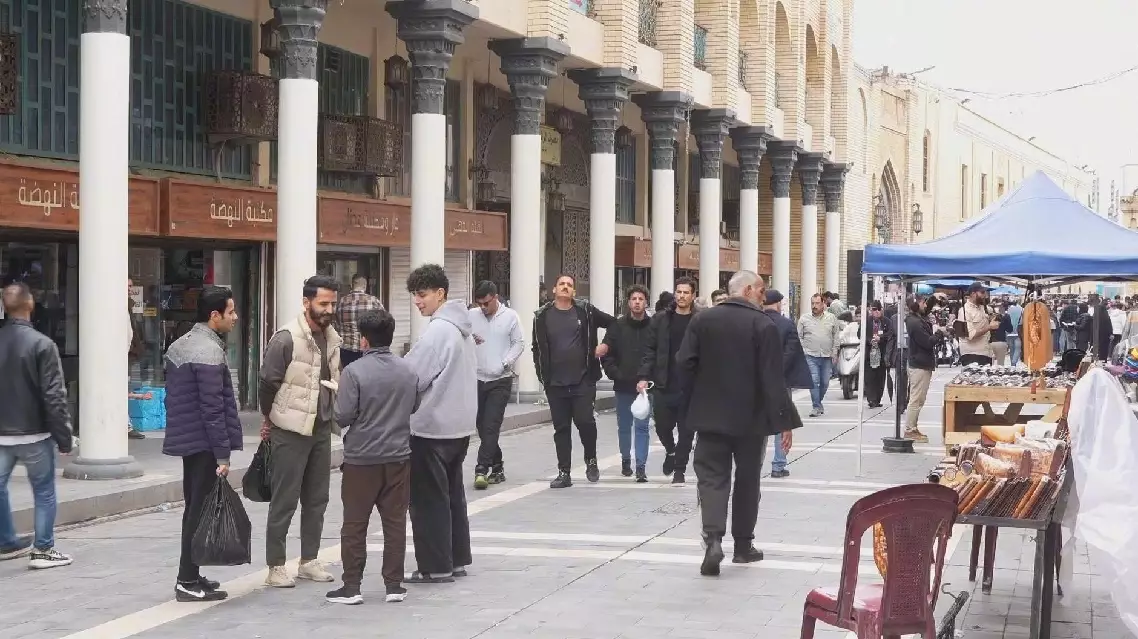
The collapse in oil revenues, which provide the vast majority of Iraq's state income, is already hitting ordinary Iraqis, with households across the country feeling the pinch of growing financial strain.

"I'm a retired Iraqi army officer, and my pension is 750,000 dinars. It’s not enough to support a family. By around the twentieth of each month, we have to borrow money. It doesn't cover food, medicine, or clothing, nor even basic social obligations like attending condolence gatherings," said Mohammad Abdulla, a retired Iraqi Army officer.

Abdulla's plight is far from unique. Millions of Iraqis depend on public sector salaries and state benefits, and there are growing warnings that any disruption to these payments could have severe social and political consequences for the country.

"In my view, Iraq is facing a very serious test. Any delay in salaries could lead to unrest and cause the government to leave. That's why efforts are being made to reduce corruption," said Ahmad Al-Saraji, a government employee.

Faced with mounting public concern and economic pressure, Iraq's Oil Ministry has sought to reassure the public, acknowledging the toll of the regional conflict while stressing that it is taking concrete steps to keep critical services running and ensure state salaries are paid on time.

"Daily gasoline production is currently around 29 million liters, with strategic reserves of about 200 million liters. This means the situation is under control. Natural gas continues to reach residential areas," said Abdul-Sahib Bazoun Al-Hasnawi, spokesperson for the Iraqi Ministry of Oil.

The ministry says the government has done some studies and found multiple alternatives and channels for exporting Iraqi oil. For example, the pipeline from Kirkuk through Mosul and Fishkhabur to the Turkish port of Ceyhan is expected to be repaired and become operational soon.

Still, with exports constrained and revenues under pressure, analysts warn that unless alternative routes are secured quickly, Iraq risks not only economic collapse but also political upheaval that could reverberate across the wider region.

Middle East conflict chokes Iraq's oil exports, deepens economic crisis

Middle East conflict chokes Iraq's oil exports, deepens economic crisis

Recommended Articles