Skip to Content Facebook Feature Image

Fed Chair Powell says interest rates on hold with economic uncertainty widespread

News

Fed Chair Powell says interest rates on hold with economic uncertainty widespread
News

News

Fed Chair Powell says interest rates on hold with economic uncertainty widespread

2025-03-08 03:02 Last Updated At:03:11

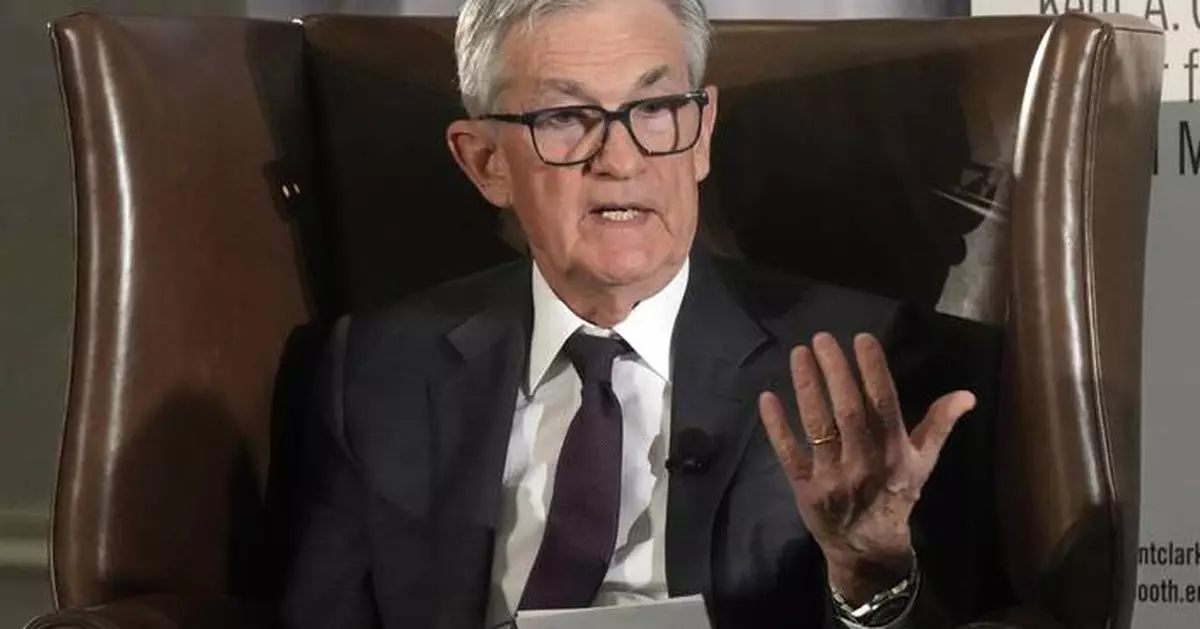
NEW YORK (AP) — The Federal Reserve is likely to keep its key interest rate unchanged in the coming months as it waits for widespread “uncertainty” stemming from President Donald Trump's policies to resolve, Chair Jerome Powell said Friday at a conference in New York.

Powell said the Trump administration is making policy changes in several areas, including trade, taxes, government spending, immigration and regulation, and added that the “net effect” of those changes are what will matter for the economy and the Fed's interest rate policies.

More Images
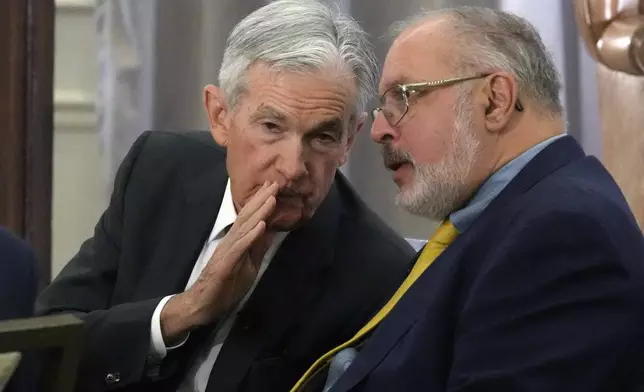
Federal Reserve Chair Jerome Powell, left, talks with Anil Kashyap, Professor of Economics and Finance at the University of Chicago's Booth School of Business,, before his address to the annual U.S. Monetary Policy Forum, in New York, Friday, March 7, 2025. (AP Photo/Richard Drew)
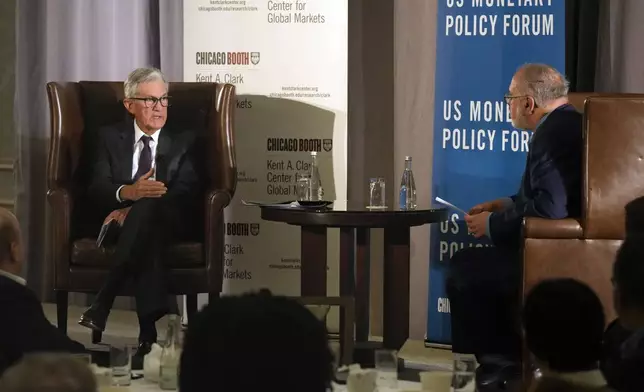
Federal Reserve Chair Jerome Powell, left, talks with Anil Kashyap, Professor of Economics and Finance at the University of Chicago's Booth School of Business,, before his address to the annual U.S. Monetary Policy Forum, in New York, Friday, March 7, 2025. (AP Photo/Richard Drew)

Federal Reserve Chair Jerome Powell, left, and Anil Kashyap, Professor of Economics and Finance at the University of Chicago's Booth School of Business, talk after Powell's address to the annual U.S. Monetary Policy Forum, in New York, Friday, March 7, 2025. (AP Photo/Richard Drew),
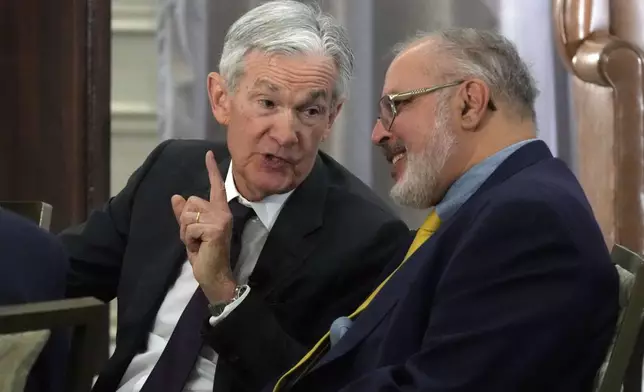
Federal Reserve Chair Jerome Powell, left, and Anil Kashyap, Professor of Economics and Finance at the University of Chicago's Booth School of Business, talk after Powell's address to the annual U.S. Monetary Policy Forum, in New York, Friday, March 7, 2025. (AP Photo/Richard Drew),
Federal Reserve Chair Jerome Powell, left, talks with Anil Kashyap, Professor of Economics and Finance at the University of Chicago's Booth School of Business,, before his address to the annual U.S. Monetary Policy Forum, in New York, Friday, March 7, 2025. (AP Photo/Richard Drew),
Federal Reserve Chair Jerome Powell, left, talks with Anil Kashyap, Professor of Economics and Finance at the University of Chicago's Booth School of Business,, before his address to the annual U.S. Monetary Policy Forum, in New York, Friday, March 7, 2025. (AP Photo/Richard Drew),
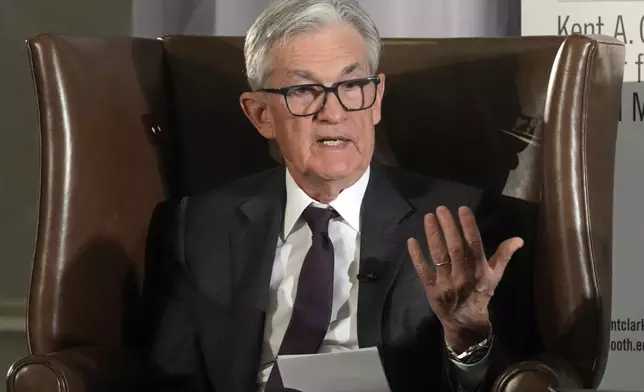
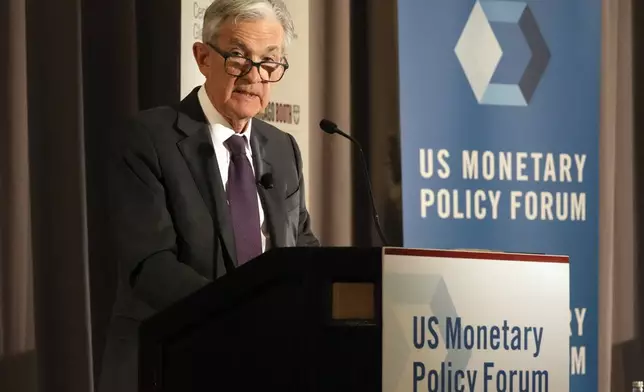
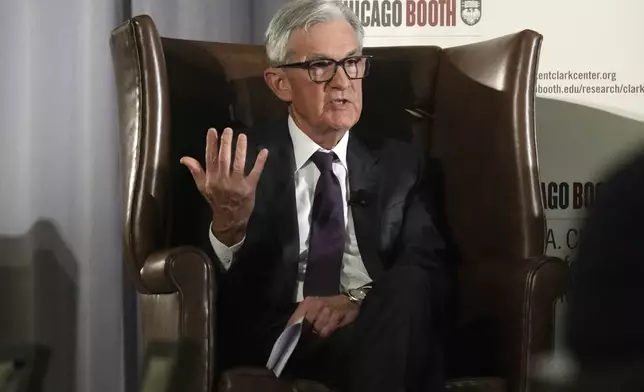
Federal Reserve Chair Jerome Powell addresses the annual U.S. Monetary Policy Forum, in New York, Friday, March 7, 2025. (AP Photo/Richard Drew),

Federal Reserve Chair Jerome Powell addresses the annual U.S. Monetary Policy Forum, in New York, Friday, March 7, 2025. (AP Photo/Richard Drew),

Federal Reserve Chair Jerome Powell speaks during the annual U.S. Monetary Policy Forum, in New York, Friday, March 7, 2025. (AP Photo/Richard Drew),

Federal Reserve Chair Jerome Powell speaks during the annual U.S. Monetary Policy Forum, in New York, Friday, March 7, 2025. (AP Photo/Richard Drew),

Federal Reserve Chair Jerome Powell speaks during the annual U.S. Monetary Policy Forum, in New York, Friday, March 7, 2025. (AP Photo/Richard Drew),

Federal Reserve Chair Jerome Powell speaks during the annual U.S. Monetary Policy Forum, in New York, Friday, March 7, 2025. (AP Photo/Richard Drew),

“While there have been recent developments in some of these areas, especially trade policy, uncertainty around the changes and their likely effects remains high,” Powell said. “As we parse the incoming information, we are focused on separating the signal from the noise as the outlook evolves. We do not need to be in a hurry, and are well positioned to wait for greater clarity.”

Most economists say that Trump's plans to slap tariffs on a wide array of imports, including 25% duties on goods from Canada and Mexico that he partially delayed Thursday, will push up prices and slow growth. But many also expect that tax cuts and deregulation could boost the economy.

Powell’s comments pushed some traders to pare back their forecasts for how many interest rate cuts the Fed may deliver this year. They had been banking on at least three following a stream of weaker-than-expected reports on the U.S. economy. But Powell reiterated the Fed is likely on hold for a while. That sent Treasury yields higher in the bond market.

Rate reductions could help bring down borrowing costs for mortgages, auto loans, credit cards, and business loans.

Powell, in a question and answer session, acknowledged that typically tariffs would cause a “one-time” price increase, rather than persistent inflation, and the Fed could ignore such a temporary effect. Treasury Secretary Scott Bessent on Thursday made a similar argument: “We could get a one-time price adjustment,” Bessent said, before adding, “I'm not worried about inflation.”

Yet Powell also said there were other considerations the Fed has to take into account when deciding whether to keep its rate unchanged, or even raise rates. For example, Powell suggested tariffs might have more than just a one-time impact "if it turns into a series” of tariff hikes, or “if the increases are larger, that would matter.”

“What really does matter is what is happening with long-term inflation expectations,” Powell added. Powell noted that shorter-term expectations have risen, partly out of concern about tariffs, though longer-term expectations have been stable.

Expectations that prices will rise can worsen inflation if they cause consumers and businesses to change their behavior in anticipation. Some companies might charge more when they expect their own costs to increase.

When Trump imposed tariffs in his last administration, Powell noted, the Fed ended up reducing its key rate, “because growth weakened so much.”

Powell said the economy remains mostly healthy despite “elevated uncertainty.” He characterized Friday's jobs report, which showed employers added 151,000 jobs and the unemployment rate ticked up to 4.1%, as in line with the “solid” gains of the past six months.

He also noted that there were signs consumer spending has slowed compared with the healthy gains in the second half of last year, and said surveys of consumers and businesses “point to heightened uncertainty about the economic outlook.” Further complicating matters, he acknowledged that measures of consumer sentiment “have not been a good predictor” of consumer spending in recent years.

The Fed's own beige book, a collection of anecdotes from hundreds of businesses, mentioned uncertainty 47 times in its latest edition released Wednesday, up from just 17 times in January. The Fed publishes the beige book eight times a year.

Powell spoke at a conference organized by the University of Chicago’s Booth School of Business.

President Donald Trump's on-again, off-again tariff policy and rapid-fire layoffs of government workers has created a spike in uncertainty among businesses and caused a sharp drop in consumer confidence. Many economists have marked down their estimates for the economy's growth to as low as 1% at an annual rate in the first three months of this year, down from 2.3% in last year's final quarter.

Yet as Fed governor Christopher Waller noted Thursday, there are “good news” cuts and “bad news” cuts. “Bad news” cuts occur if the Fed reduces rates out of concern that the economy is slowing, while “good news” reductions are those that reflect a sense by the Fed that inflation is returning to its target of 2%.

Waller added that he still believes it will be possible for the Fed to engineer “good news” rate cuts later this year, though he dismissed the potential for a cut at the Fed's next meeting this month.

After cutting its key rate three times last year to about 4.3%, Powell indicated in January that the Fed would pause any further cuts amid signs that inflation has remained stuck above its target. The central bank's preferred inflation gauge shows that prices rose 2.5% in January compared with a year ago. Excluding the volatile food and energy categories, core prices rose 2.6%, the smallest increase since June.
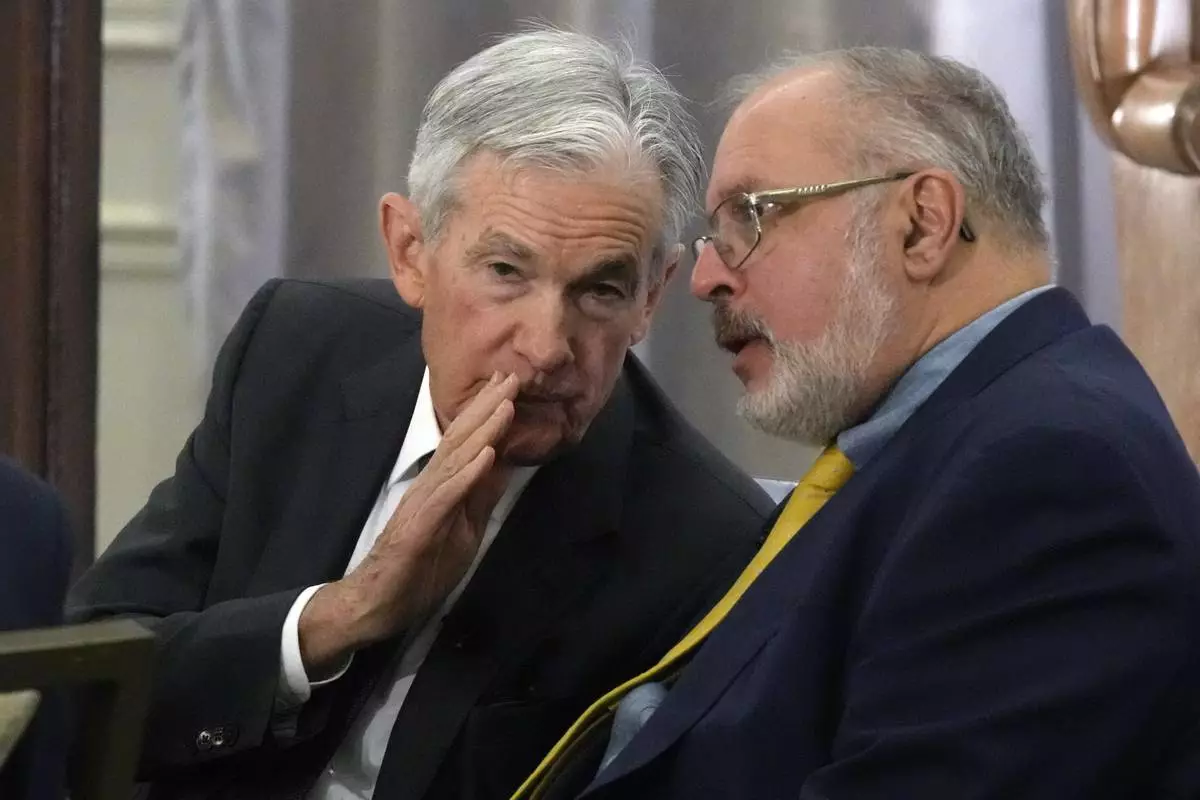
Federal Reserve Chair Jerome Powell, left, talks with Anil Kashyap, Professor of Economics and Finance at the University of Chicago's Booth School of Business,, before his address to the annual U.S. Monetary Policy Forum, in New York, Friday, March 7, 2025. (AP Photo/Richard Drew)
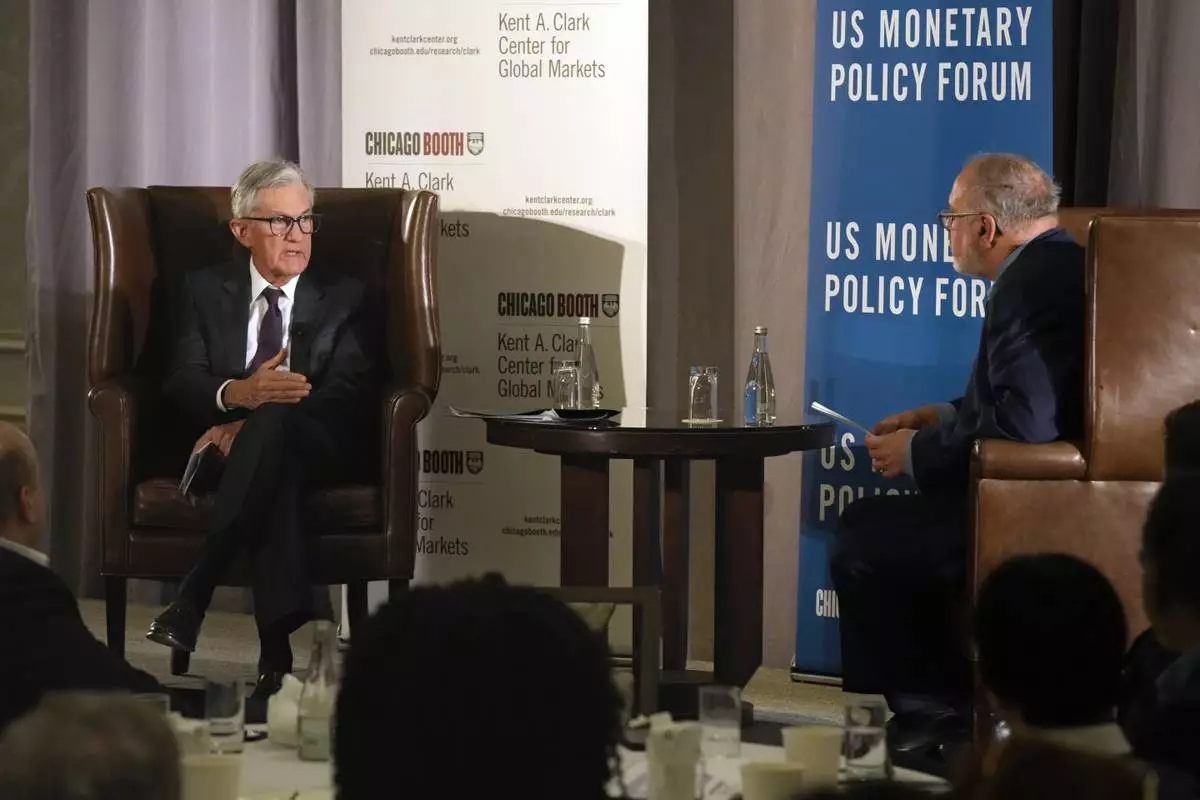
Federal Reserve Chair Jerome Powell, left, talks with Anil Kashyap, Professor of Economics and Finance at the University of Chicago's Booth School of Business,, before his address to the annual U.S. Monetary Policy Forum, in New York, Friday, March 7, 2025. (AP Photo/Richard Drew)

Federal Reserve Chair Jerome Powell, left, and Anil Kashyap, Professor of Economics and Finance at the University of Chicago's Booth School of Business, talk after Powell's address to the annual U.S. Monetary Policy Forum, in New York, Friday, March 7, 2025. (AP Photo/Richard Drew),
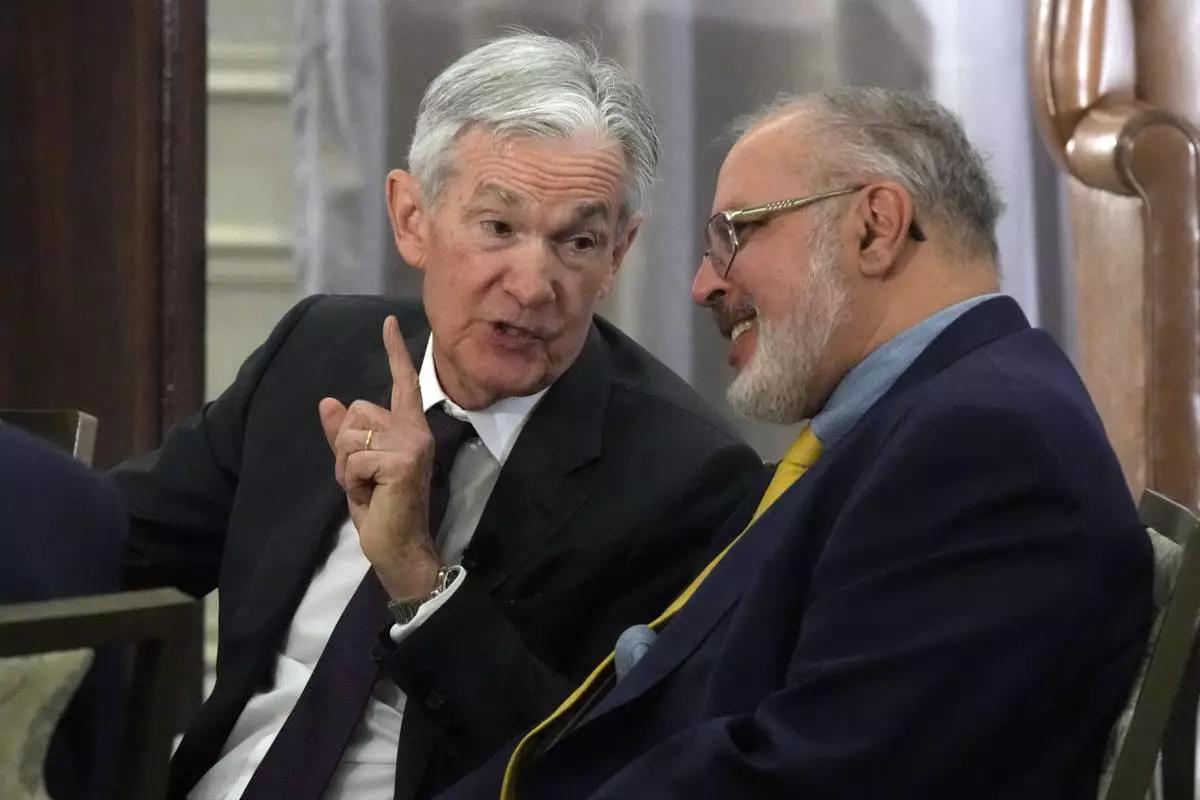
Federal Reserve Chair Jerome Powell, left, and Anil Kashyap, Professor of Economics and Finance at the University of Chicago's Booth School of Business, talk after Powell's address to the annual U.S. Monetary Policy Forum, in New York, Friday, March 7, 2025. (AP Photo/Richard Drew),
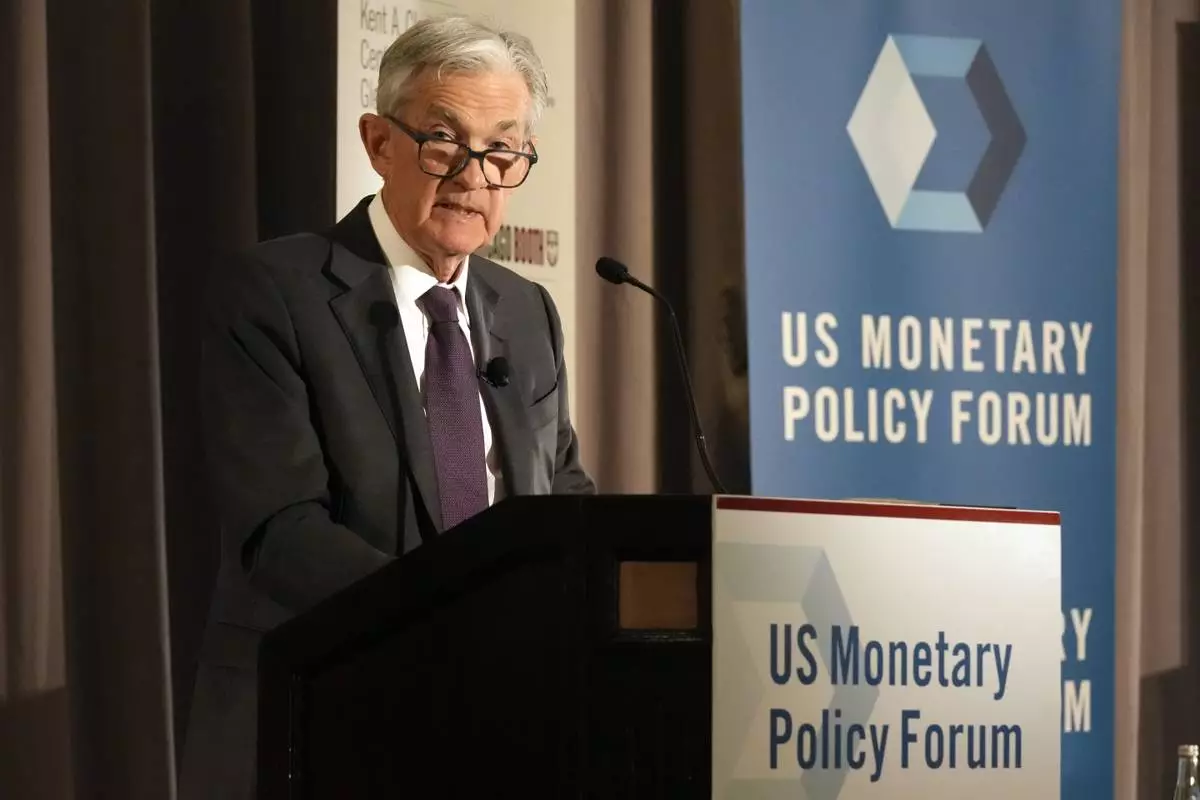
Federal Reserve Chair Jerome Powell, left, talks with Anil Kashyap, Professor of Economics and Finance at the University of Chicago's Booth School of Business,, before his address to the annual U.S. Monetary Policy Forum, in New York, Friday, March 7, 2025. (AP Photo/Richard Drew),
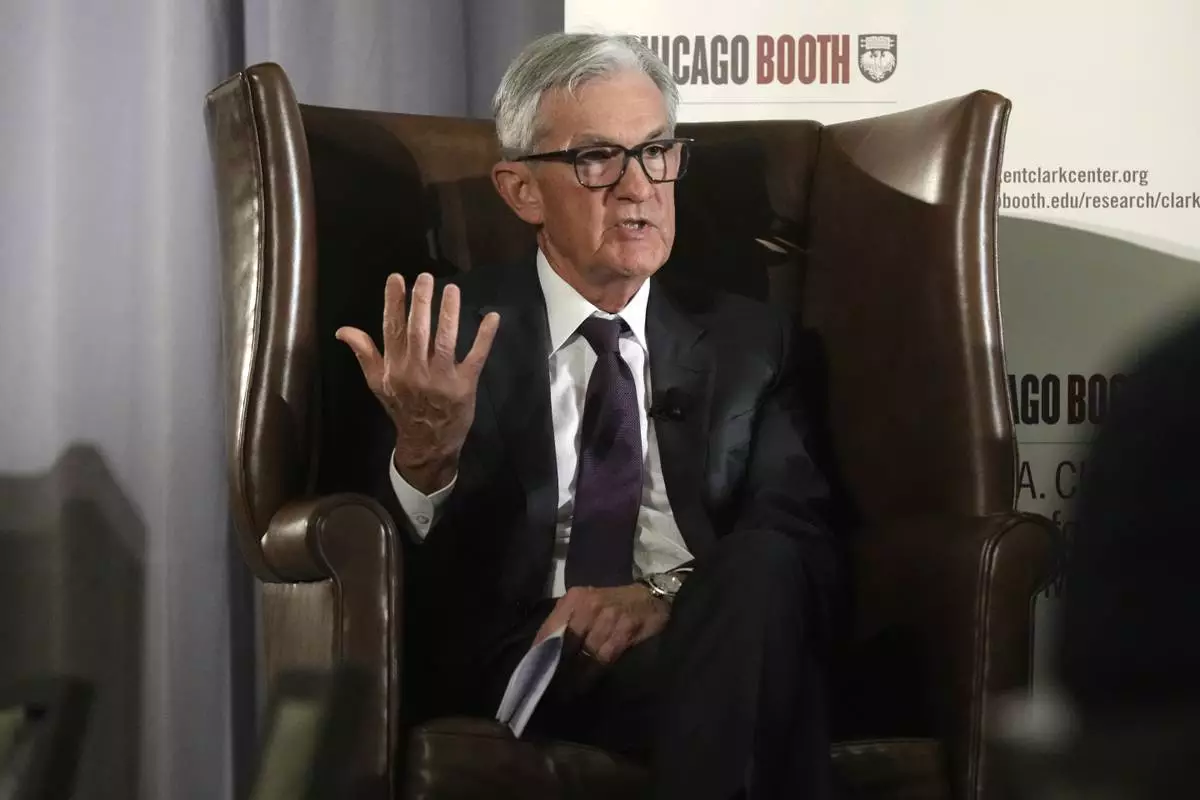
Federal Reserve Chair Jerome Powell, left, talks with Anil Kashyap, Professor of Economics and Finance at the University of Chicago's Booth School of Business,, before his address to the annual U.S. Monetary Policy Forum, in New York, Friday, March 7, 2025. (AP Photo/Richard Drew),
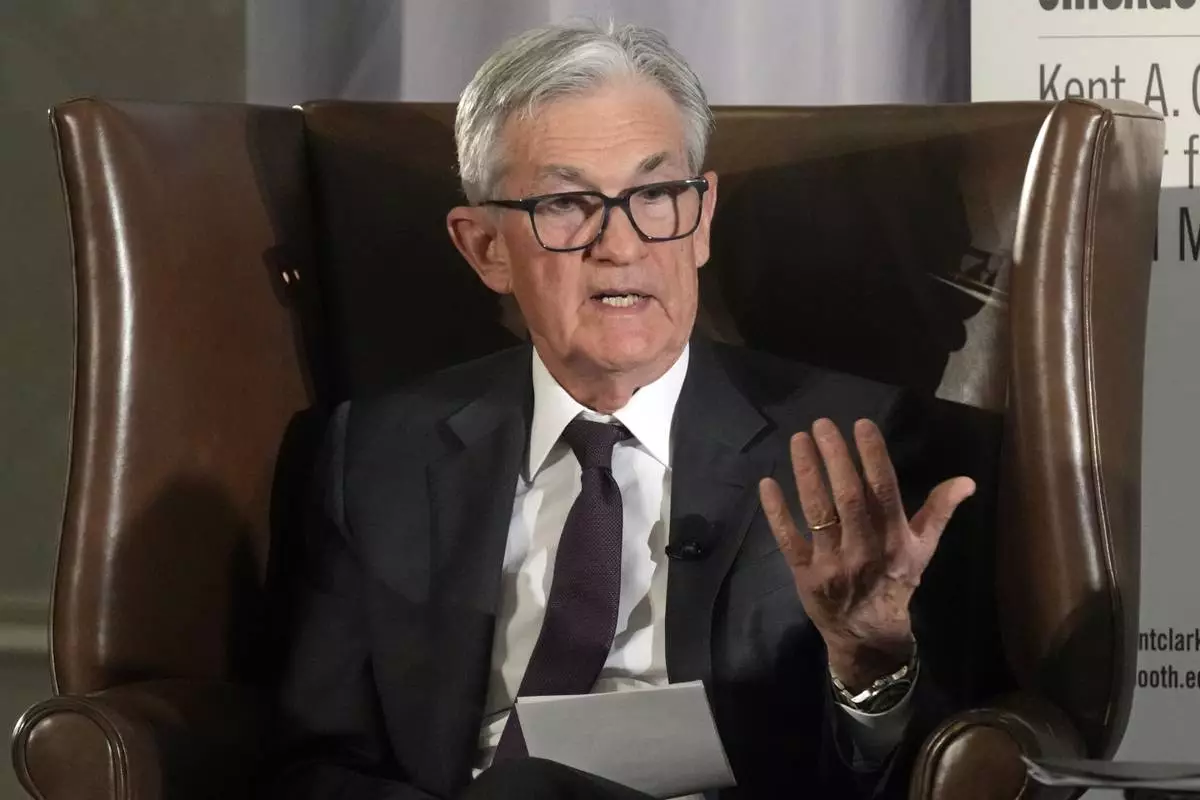
Federal Reserve Chair Jerome Powell addresses the annual U.S. Monetary Policy Forum, in New York, Friday, March 7, 2025. (AP Photo/Richard Drew),

Federal Reserve Chair Jerome Powell addresses the annual U.S. Monetary Policy Forum, in New York, Friday, March 7, 2025. (AP Photo/Richard Drew),
Federal Reserve Chair Jerome Powell speaks during the annual U.S. Monetary Policy Forum, in New York, Friday, March 7, 2025. (AP Photo/Richard Drew),

Federal Reserve Chair Jerome Powell speaks during the annual U.S. Monetary Policy Forum, in New York, Friday, March 7, 2025. (AP Photo/Richard Drew),

Federal Reserve Chair Jerome Powell speaks during the annual U.S. Monetary Policy Forum, in New York, Friday, March 7, 2025. (AP Photo/Richard Drew),

Federal Reserve Chair Jerome Powell speaks during the annual U.S. Monetary Policy Forum, in New York, Friday, March 7, 2025. (AP Photo/Richard Drew),
RHO, Italy (AP) — No ice is colder and harder than speedskating ice. The precision it takes has meant that Olympic speedskaters have never competed for gold on a temporary indoor rink – until the 2026 Milan Cortina Winter Games.

In the pursuit of maximum glide and minimum friction, Olympic officials brought on ice master Mark Messer, a veteran of six previous Olympic speedskating tracks and the ice technician in charge of the Olympic Oval in Calgary, Canada — one of the fastest tracks in the world with over 300 records.

Messer has been putting that experience to work one thin layer of ice at a time since the end of October at the new Speed Skating Stadium, built inside adjacent trade fair halls in the city of Rho just north of Milan.

“It’s one of the biggest challenges I’ve had in icemaking,’’ Messer said during an interview less than two weeks into the process.

If Goldilocks were a speedskater, hockey ice would be medium hard, for fast puck movement and sharp turns. Figure skating ice would be softer, allowing push off for jumps and so the ice doesn’t shatter on landing. Curling ice is the softest and warmest of all, for controlled sliding.

For speedskating ice to be just right, it must be hard, cold and clean. And very, very smooth.

“The blades are so sharp, that if there is some dirt, the blade will lose the edge,’’ Messer said, and the skater will lose speed.

Speedskater Enrico Fabris, who won two Olympic golds in Turin in 2006, has traded in his skates to be deputy sports manager at the speedskating venue in Rho. For him, perfect ice means the conditions are the same for all skaters — and then if it's fast ice, so much the better.

"It's more of a pleasure to skate on this ice,'' he said.

Messer’s first Olympics were in Calgary in 1988 — the first time speedskating was held indoors. “That gave us some advantages because we didn’t have to worry about the weather, wind blowing or rain,’’ he said. Now he is upping the challenge by becoming the first ice master to build a temporary rink for the Olympics.

Before Messer arrived in Italy, workers spent weeks setting up insulation to level the floor and then a network of pipes and rubber tubes that carry glycol — an antifreeze — that is brought down to minus 7 or minus 8 degrees Celsius (17.6 to 19.4 degrees Fahrenheit) to make the ice.

Water is run through a purification system — but it can’t be too pure, or the ice that forms will be too brittle. Just the right amount of impurities “holds the ice together,’’ Messer said.

The first layers of water are applied slowly, with a spray nozzle; after the ice reaches a few centimeters it is painted white — a full day’s work — and the stripes are added to make lanes.

“The first one takes about 45 minutes. And then as soon as it freezes, we go back and do it again, and again and again. So we do it hundreds of times,’’ Messer said.

As the ice gets thicker, and is more stable, workers apply subsequent layers of water with hoses. Messer attaches his hose to hockey sticks for easier spreading.

What must absolutely be avoided is dirt, dust or frost — all of which can cause friction for the skaters, slowing them down. The goal is that when the skaters push “they can go as far as possible with the least amount of effort,’’ Messer said.

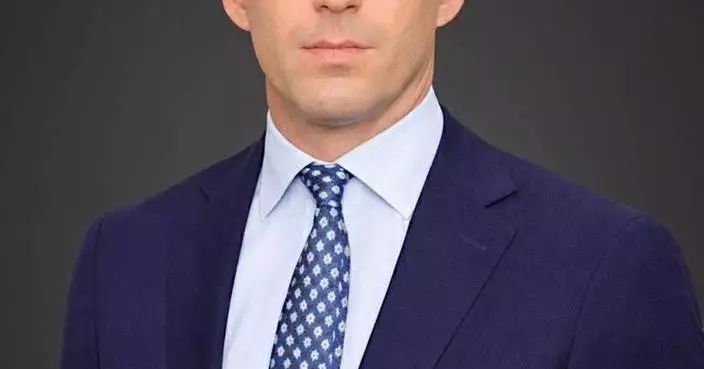
The Zamboni ice resurfacing machine plays a key role in keeping the track clean, cutting off a layer and spraying water to make a new surface.

One challenge is gauging how quickly the water from the resurfacing machine freezes in the temporary rink.

Another is getting the ice to the right thickness so that the Zamboni, weighing in at six tons, doesn’t shift the insulation, rubber tubing or ice itself.

“When you drive that out, if there’s anything moving it will move. We don’t want that,’’ Messer said.

The rink got its first big test on Nov. 29-30 during a Junior World Cup event. In a permanent rink, test events are usually held a year before the Olympics, leaving more time for adjustments. “We have a very small window to learn,’’ Messer acknowledged.

Dutch speedskater Kayo Vos, who won the men’s neo-senior 1,000 meters, said the ice was a little soft — but Messer didn’t seem too concerned.

“We went very modest to start, now we can start to change the temperatures and try to make it faster and still maintain it as a safe ice,’’ he said.

Fine-tuning the air temperature and humidity and ice temperature must be done methodically — taking into account that there will be 6,000 spectators in the venue for each event. The next real test will be on Jan. 31, when the Olympians take to the ice for their first training session.

“Eighty percent of the work is done but the hardest part is the last 20 percent, where we have to try to find the values and the way of running the equipment so all the skaters get the same conditions and all the skaters get the best conditions,’’ Messer said.

AP Winter Olympics: https://apnews.com/hub/milan-cortina-2026-winter-olympics

Serpentines are set on the ice of the stadium where speed skating discipline of the Milan Cortina 2026 Winter Olympics will take place, in Rho, outskirt of Milan, Tuesday, Nov. 11, 2025. (AP Photo/Luca Bruno)

Serpentines are set on the ice of the stadium where speed skating discipline of the Milan Cortina 2026 Winter Olympics will take place, in Rho, outskirt of Milan, Tuesday, Nov. 11, 2025. (AP Photo/Luca Bruno)

Ice Master Mark Messer poses in the stadium where speed skating discipline of the Milan Cortina 2026 Winter Olympics will take place, in Rho, outskirt of Milan, Tuesday, Nov. 11, 2025. (AP Photo/Luca Bruno)

Ice Master Mark Messer poses in the stadium where speed skating discipline of the Milan Cortina 2026 Winter Olympics will take place, in Rho, outskirt of Milan, Tuesday, Nov. 11, 2025. (AP Photo/Luca Bruno)

Workers clean the ice surface during a peed skating Junior World Cup and Olympic test event, in Rho, near Milan, Italy, Saturday, Nov. 29, 2025. (AP Photo/Luca Bruno)

Workers clean the ice surface during a peed skating Junior World Cup and Olympic test event, in Rho, near Milan, Italy, Saturday, Nov. 29, 2025. (AP Photo/Luca Bruno)

Ice Master Mark Messer poses in the stadium where speed skating discipline of the Milan Cortina 2026 Winter Olympics will take place, in Rho, outskirt of Milan, Tuesday, Nov. 11, 2025. (AP Photo/Luca Bruno)

Ice Master Mark Messer poses in the stadium where speed skating discipline of the Milan Cortina 2026 Winter Olympics will take place, in Rho, outskirt of Milan, Tuesday, Nov. 11, 2025. (AP Photo/Luca Bruno)

Ice Master Mark Messer poses in the stadium where speed skating discipline of the Milan Cortina 2026 Winter Olympics will take place, in Rho, outskirt of Milan, Tuesday, Nov. 11, 2025. (AP Photo/Luca Bruno)

Ice Master Mark Messer poses in the stadium where speed skating discipline of the Milan Cortina 2026 Winter Olympics will take place, in Rho, outskirt of Milan, Tuesday, Nov. 11, 2025. (AP Photo/Luca Bruno)

Recommended Articles