CHP reminds public to be vigilant in preventing norovirus when travelling outside Hong Kong
Following a number of cases of norovirus infection due to consumption of contaminated food in Japan since last month, the Controller of the Centre for Health Protection (CHP) of the Department of Health, Dr Edwin Tsui, today (March 8) reminded the public to be more vigilant and pay attention to personal, environmental and food hygiene to minimise the risk of food poisoning when travelling.
"According to the Japanese authorities, more than 150 people have been infected with norovirus since last month after patronising Kiichi, a Japanese restaurant in Osaka Prefecture, or eating Japanese confectionery (including strawberry daifuku) produced by the Kiyotsuki Co. Ltd in Yonago City, Tottori Prefecture. Information from the Japanese health authorities also showed that the activity of infectious gastroenteritis in Japan has increased recently. As Japan is one of the most popular tourist destinations in the vicinity of Hong Kong, I would like to appeal to those who are planning to visit or are currently visiting Japan to remain vigilant and maintain personal, environmental and food hygiene at all times to minimise the risk of being infected," Dr Tsui said.
"In general, norovirus is more active in winter. Norovirus is highly contagious and individuals may become infected after being exposed to even a small amount of norovirus. The virus can be transmitted through various means, such as eating contaminated food, contacting with the vomit or excreta of infected persons, and contacting with contaminated objects. It may lead to a large-scale outbreak. Since alcohol is not effective in killing norovirus, alcohol-based handrubs are not a substitute for handwashing with soap and water," he added.
Symptoms of norovirus include nausea, vomiting, diarrhea, abdominal pain, mild fever and malaise. Most patients usually recover on their own and symptoms usually improve within one to three days.
To prevent foodborne diseases, members of the public are advised to observe good personal, food and environmental hygiene. When eating out, the following points should be observed:
Avoid eating raw seafood;
Be careful in choosing cold cuts, including sashimi, sushi and oysters in buffets;
Use pasteurised eggs, egg products or egg powders when preparing dishes using slightly cooked or uncooked eggs;
Patronise reliable and licensed restaurants;
Store and reheat pre-cooked or leftover food properly before consumption;
When having hot pots or barbecuing, make sure the food is thoroughly cooked before eating;
Handle raw and cooked food with care and separate them thoroughly during the cooking process;
Use two sets of chopsticks and utensils to handle raw and cooked food separately;
Do not patronise unlicensed food stalls;
Drink boiled water;
Do not attempt to sterilise food by using salt, vinegar, wine or wasabi as they are not effective in sterilising food; and
Wash hands before eating and after using the toilet.
Members of the public may visit the CHP's webpages for more information and preventive advice onnorovirus infection.
RTHK signs Memorandum of Understanding with TDM
Radio Television Hong Kong (RTHK) today (May 13) signed a Memorandum of Understanding (MOU) in Macao with Teledifusão de Macau, S.A. (TDM), committing to strengthen collaboration in areas including programme exchange and talent development. The Director of Broadcasting, Ms Angelina Kwan, also attended the Asia-Pacific Broadcasting Union (ABU) Administrative Council Meeting and exchanged views with broadcasters in the region.
The Vice President of the ABU and the Director General of the International Cooperation Department of National Radio and Television Administration, Ms Zhou Jihong, witnessed the signing of MOU betweenMs Kwan and the Director of the Executive Committee of TDM, Ms Lo Song Man. Under the programme exchange initiative, RTHK's productions such as the large-scale documentary "Lin Zexu: Beyond the Humen Opium Destruction", which recounts the deeds of a national hero, and "Hong Kong Stories: Master In The House 2", showcasing Hong Kong's craftsmanship, will be broadcast in Macao. Meanwhile, TDM's programme on historical figures of Macao will be aired in Hong Kong.
Ms Kwan stated that RTHK hopes the memorandum will further deepen co-operation with TDM, deepen mutual understanding between audiences in Hong Kong and Macao, and strengthen public appreciation of history of the nation. She pointed out that RTHK has actively expanded its collaboration network, establishing partnerships over the past year with broadcasters in Malaysia, Vietnam, Guangdong, and Guangxi etc. Leveraging Hong Kong's advantage of connecting the Mainland and the world, RTHK programmes have reached audiences across different regions. She reaffirmed RTHK's commitment to telling the good stories of the country and promoting Chinese culture.
During her visit, Ms Kwan also attended the 121st ABU Administrative Council Meeting, where she exchanged views with broadcasting professionals from various countries and regions. RTHK has been an active participant in the ABU, serving as a member of the Administrative Council for over 20 years. RTHK will host the ABU Robocon 2026 this August in Hong Kong, bringing together over 300 elite engineering students in teams from 15 Asia-Pacific countries and regions. As the largest university-level robotics competition in the Asia-Pacific region, the ABU Robocon serves as a premier platform for technical excellence and ingenuity. By hosting this international event in Hong Kong, RTHK aims to foster greater exchange and collaboration among young people in engineering, technology and innovation across the region.
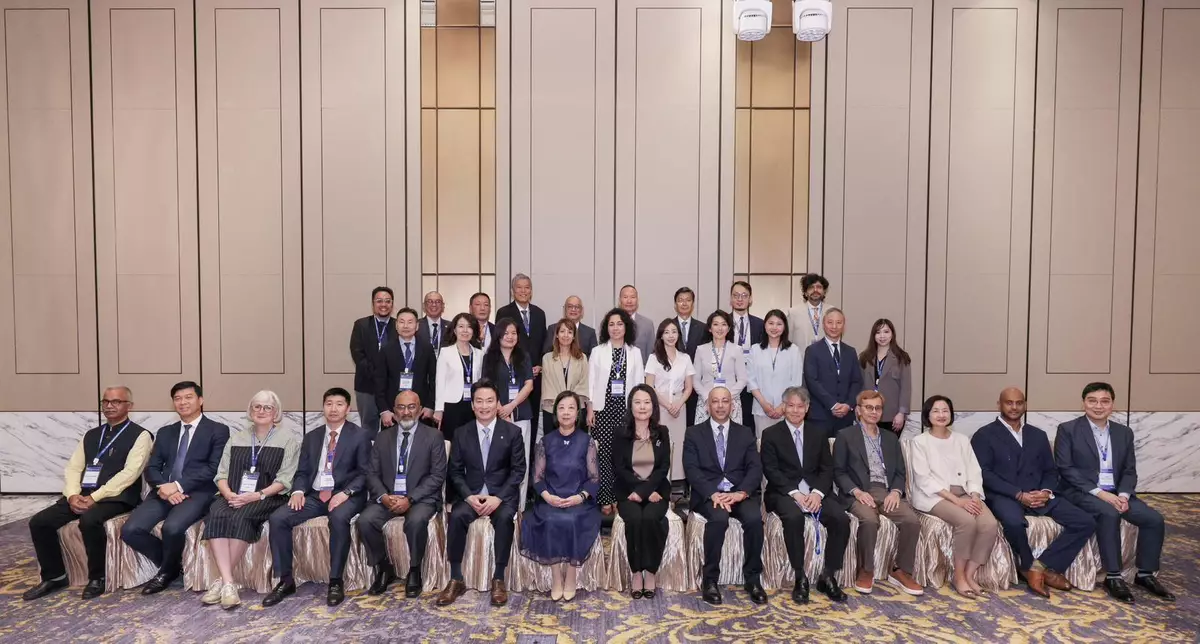
RTHK signs Memorandum of Understanding with TDM Source: HKSAR Government Press Releases

RTHK signs Memorandum of Understanding with TDM Source: HKSAR Government Press Releases

RTHK signs Memorandum of Understanding with TDM Source: HKSAR Government Press Releases
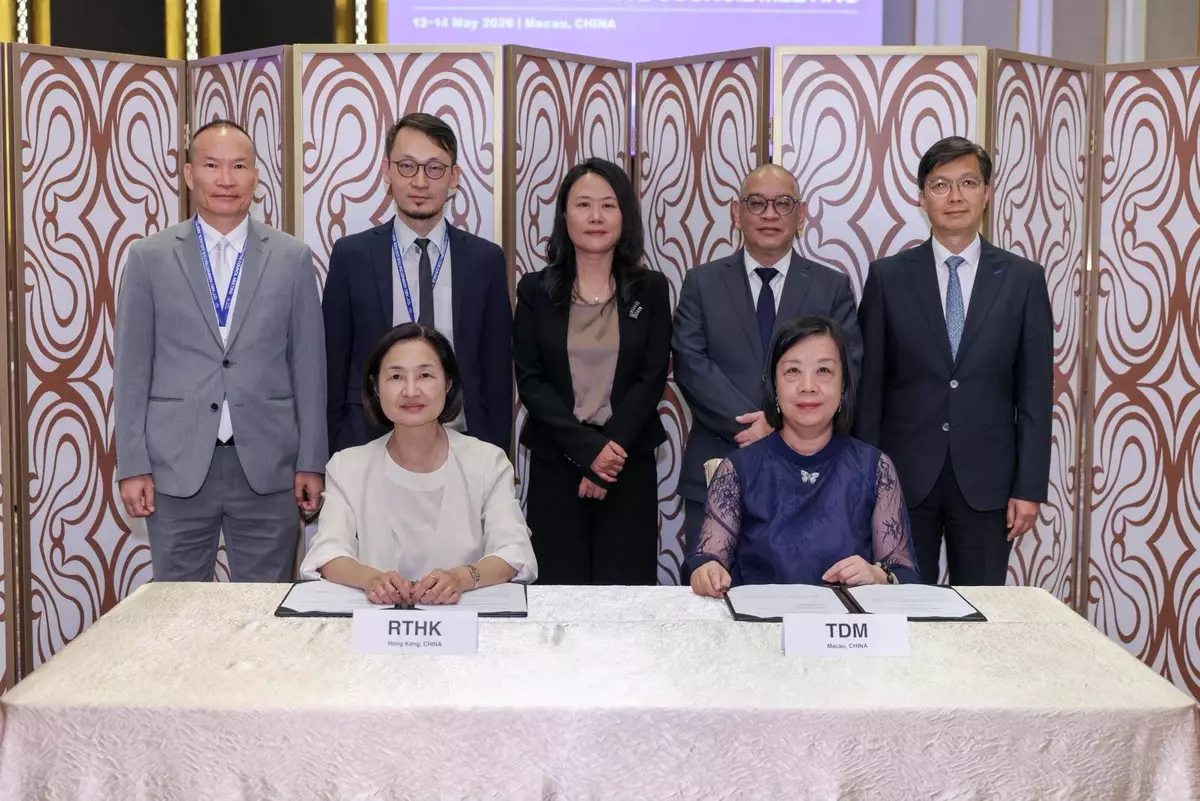
RTHK signs Memorandum of Understanding with TDM Source: HKSAR Government Press Releases