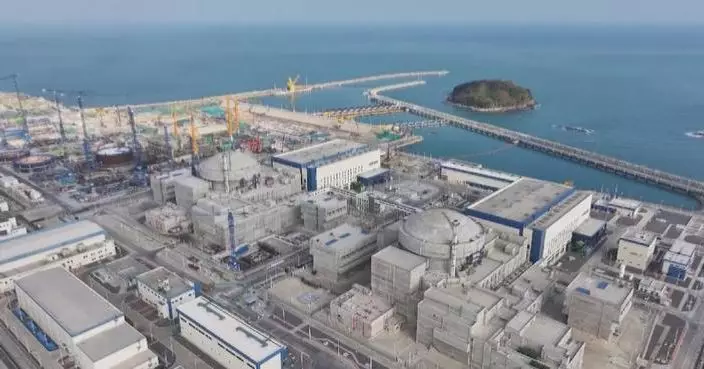
Tuesday marked the 14th anniversary of the nuclear accident at the Fukushima Daiichi Nuclear Power Plant in Japan, critically damaged in a devastating 2011 earthquake and tsunami, with residents in some of the areas most affected saying they are concerned about the pace of the clean-up and decommissioning of the plant.
People in Okuma Town in Fukushima, near the plant, told China Central Television recently that they lived in fear of ongoing threats from contaminated waste water and other nuclear residue that is still inside the plant.
"We want to come back but we can't. Physically we can come back now, but everyone is no longer here and there is nothing we can do. There is no job available and there are still many problems left," said one resident of the town.
"Although there are many new facilities nearby, many areas closer to the mountain are still off-limits. There are still various problems to be solved, and how to solve them needs careful consideration," said another resident.
Removing about 880 tons of nuclear fuel residue in the Fukushima Daiichi Nuclear Power Plant, is considered the biggest challenge for the plant's owner, Tokyo Electric Power Company (TEPCO), which says it is targeting full decommissioning of the plant by 2051.
A small amount of nuclear residue was removed in November last year for testing, with results of the analysis expected early this summer.
Some experts say that it may take up to 100 years to remove the nuclear residue safely, and the plant may not be decommissioned on schedule.
The government's plan to reuse 14 million cubic meters of nuclear contaminated soil has also been strongly opposed by people in the affected areas.
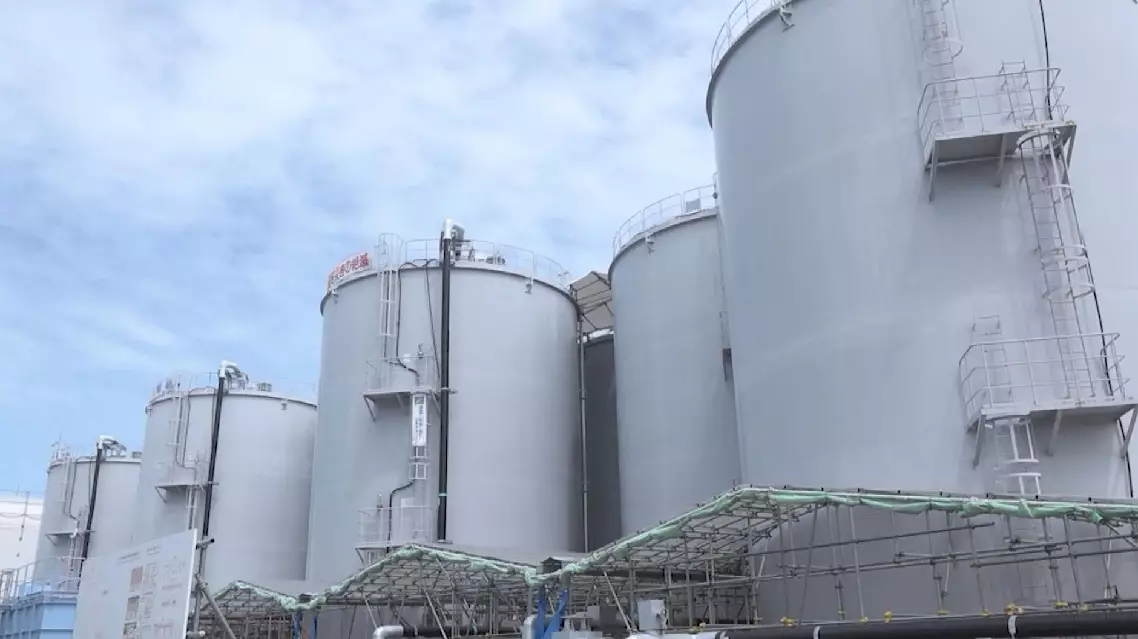
Residents complain about pace of clean-up 14 years after Fukushima disaster