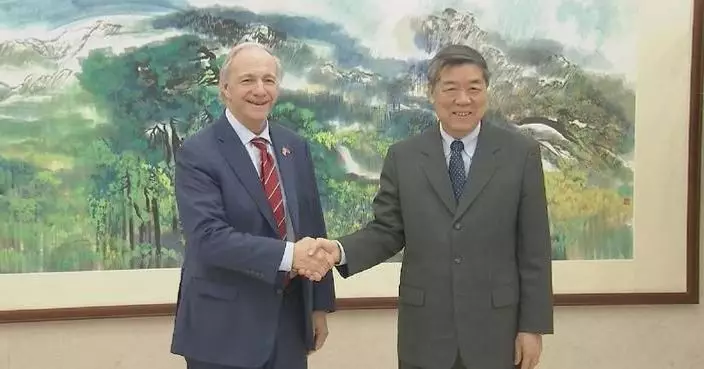
Chinese Foreign Minister Wang Yi held talks with Lao Minister of Foreign Affairs Thongsavanh Phomvihane in Beijing on Thursday, with both pledging to push forward the building of a China-Laos community with a shared future.
Wang, also a member of the Political Bureau of the Communist Party of China Central Committee, said that over the past 64 years since the establishment of diplomatic relations, the two parties and the two nations have stood together through challenges and supported each other. The comprehensive strategic partnership between the two countries has become ever more robust and resilient.
China firmly supports Laos in strengthening the leadership of its party and expresses willingness to enhance strategic mutual trust, strengthen solidarity and cooperation, and promote the building of a China-Laos community with a shared future, Wang said.
China's "two sessions" have just concluded successfully, setting a GDP growth target of around 5 percent for 2025. As comrades and brothers, China welcomes Laos to seize the new opportunities of China's development and join hands to march toward modernization, Wang noted.
Wang stressed that China is ready to work with Laos to adhere to the strategic guidance by the senior leadership of the two parties and nations, strengthen exchanges between the two parties and countries at all levels, deepen and expand practical cooperation, strengthen bilateral and multilateral law enforcement cooperation, and jointly safeguard regional peace, stability, development and revitalization.
Thongsavanh congratulated China on the successful convening of the "two sessions" and their significant outcomes, and praised China's leapfrog development amid a complex external environment.
He said that Laos firmly adheres to the one-China policy and stands ready to work with China to make greater progress in building a Laos-China community with a shared future.
Following the talks, both sides signed a memorandum of understanding to enhance cooperation under the Global Security Initiative.
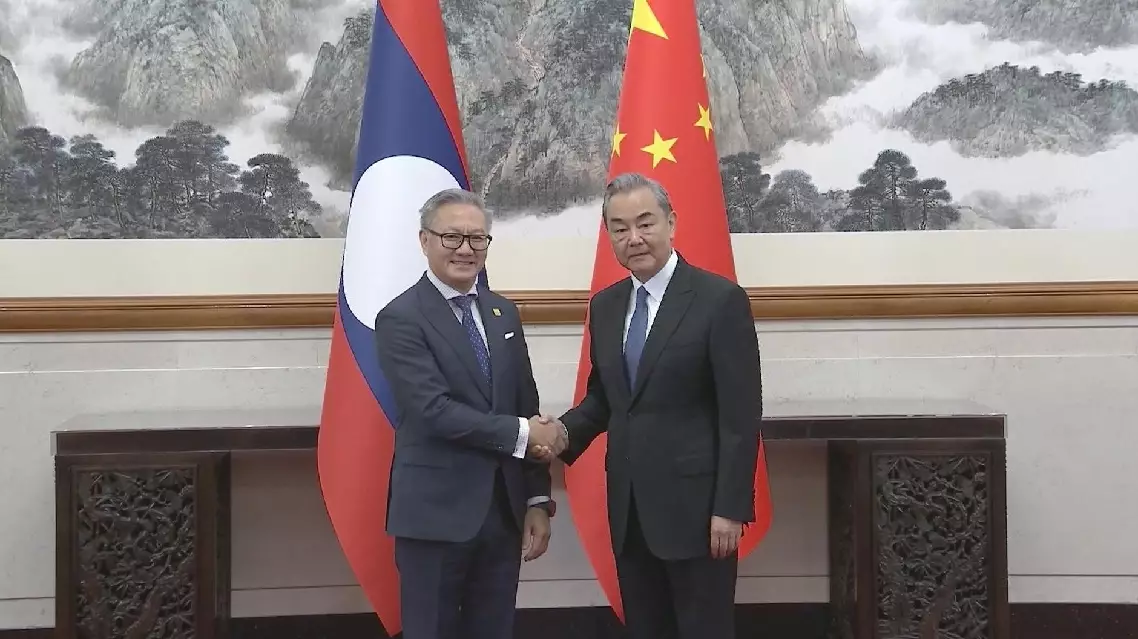
China, Laos pledge stronger ties for shared future
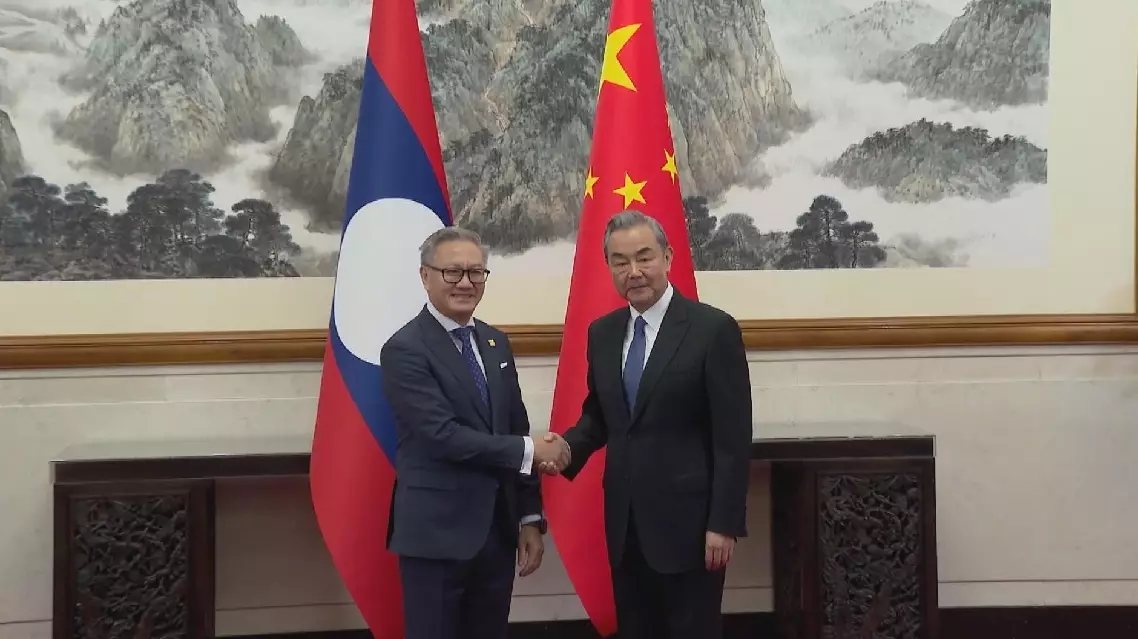
China, Laos pledge stronger ties for shared future
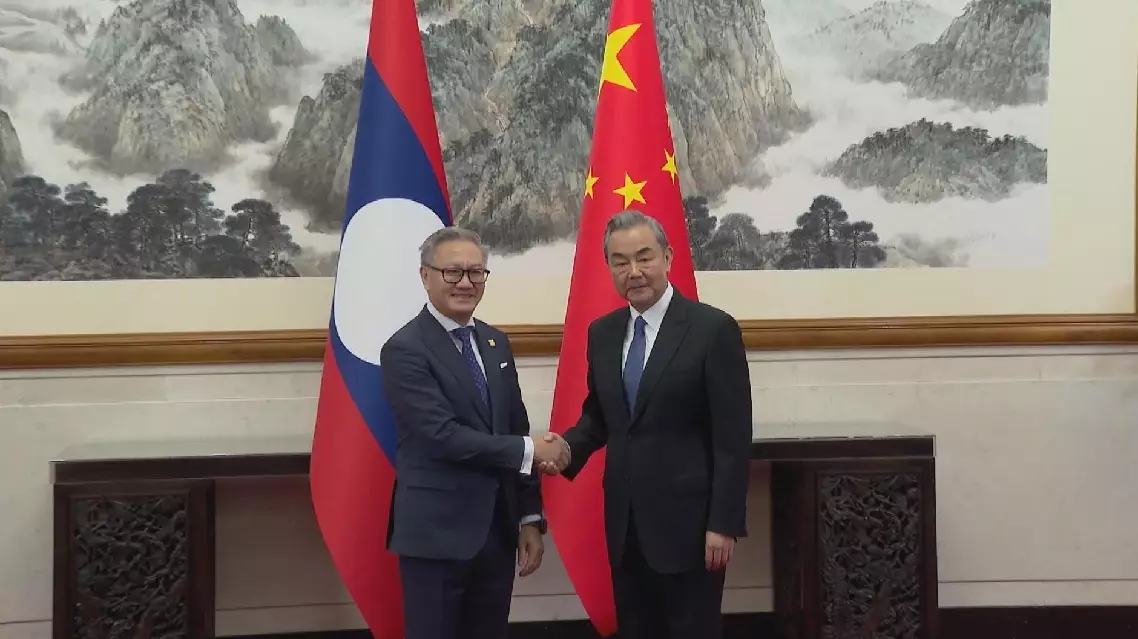
China, Laos pledge stronger ties for shared future
Mourners rallied across Iran on Thursday to pay tribute to the late Supreme Leader Ali Khamenei, who was killed in U.S.-Israeli airstrikes on February 28.
The events took place on the last day of a 40-day mourning period for Khamenei.
Holding portraits of their deceased leader and waving the national flags of the Islamic republic, Iranians took part in the rallies which lasted around 10 hours across the country, including the capital Tehran.
The rallies also came ahead of the planned high-level talks between Iran and the United States in the Pakistani capital Islamabad on Saturday.
Mohammad Eslami, head of the Atomic Energy Organization of Iran, said Iran will not negotiate its uranium enrichment program with anyone.
"Iran's nuclear industry is an indigenous industry, achieved through the efforts of Iranian researchers, and cannot be destroyed -- this is a widely acknowledged fact. Today, the Iranian people have demonstrated our strength to the world, and the Iranian armed forces have also demonstrated its power. Uranium enrichment is not a topic open for negotiations; it is a necessary component of the national development plan. We will not negotiate with anyone on this matter," Eslami told China Media Group (CMG) when taking part in the rally in Tehran.
Some Iranians expressed pessimism about the prospects for the Iran-U.S. negotiations, recalling how the U.S. unilaterally withdrew from the landmark Iran nuclear deal in 2018 and how the U.S. and Israel have twice launched sudden attacks on Iran during negotiations over the past year.
"The enemy is cunning and treacherous; Iran must stay cautious and vigilant. Our government must not be deceived by the enemy. [The government] must stand firm in negotiations to avoid being misled. We have already gone through multiple negotiations, and all we have got is betrayal. I do not think the negotiations will be productive. I'm pessimistic about the prospects," said Reza, a resident.
"Given what's happening in Lebanon, all the things that have happened before, and the results of previous rounds of negotiations, frankly, I'm not optimistic. But I believe [the negotiations] are part of the process to end the war.," said Sajjad, another resident.
Ahead of this week's ceasefire, Israel and the United States had been conducting joint attacks on Tehran and several other Iranian cities since Feb 28, killing Supreme Leader Khamenei, along with senior military commanders and civilians. Iran responded by launching waves of missile and drone strikes targeting Israel and U.S. bases and assets in the Middle East.
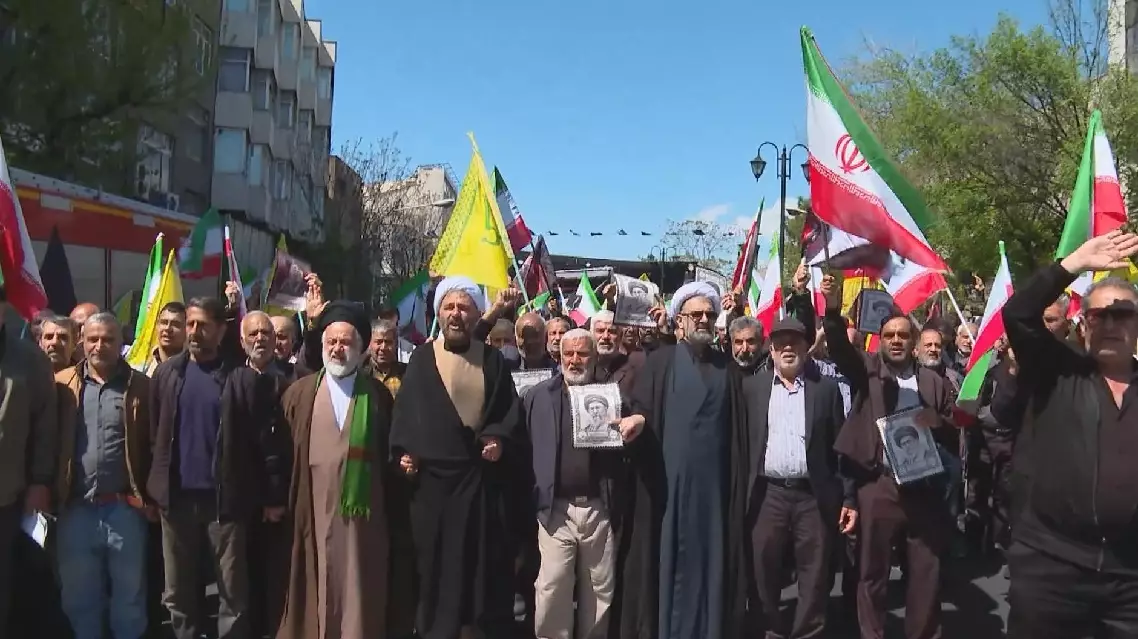
Iranians hold rally in memory of slain supreme leader