COULEE DAM, Wash. (AP) — Trump administration workforce cuts at federal agencies overseeing U.S. dams are threatening their ability to provide reliable electricity, supply farmers with water and protect communities from floods, employees and industry experts warn.
The Bureau of Reclamation provides water and hydropower to the public in 17 western states. Nearly 400 agency workers have been cut through the Trump reduction plan, an administration official said.
Click to Gallery
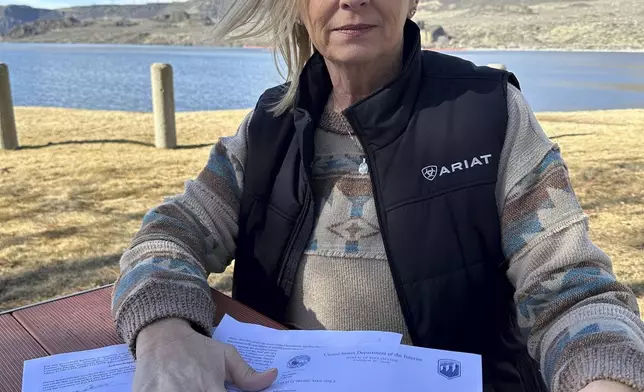
Former Grand Coulee Dam worker, Stephanie Duclos, sits at a picnic table in front of Banks Lake in Electric City, Wash., holding a letter from the Department of Interior, Bureau of Reclamation on Friday, Feb. 28, 2025, saying she has been terminated from her job. (AP Photo/Martha Bellisle)
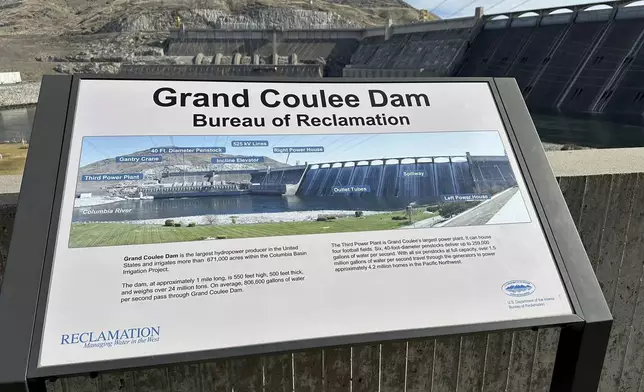
A sign outside the visitor’s center at the Grand Coulee Dam, the largest hydropower generator in North America, identifies the facility’s power plants and spillway on Friday, Feb. 28, 2025, in Coulee Dam, Wash. (AP Photo/Martha Bellisle)
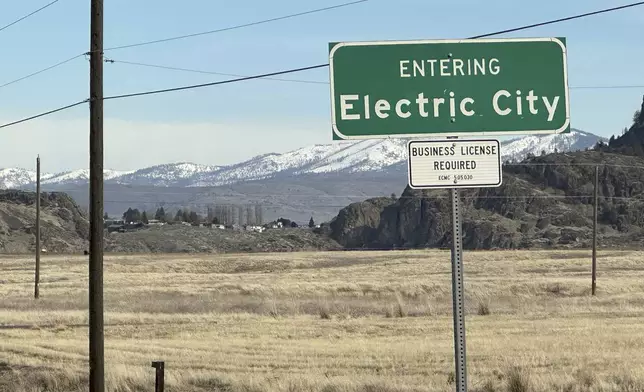
A road sign east of the Grand Coulee Dam, the largest hydropower generator in North America, welcomes travelers to Electric City, Washington, on Friday, Feb. 28, 2025. (AP Photo/Martha Bellisle)
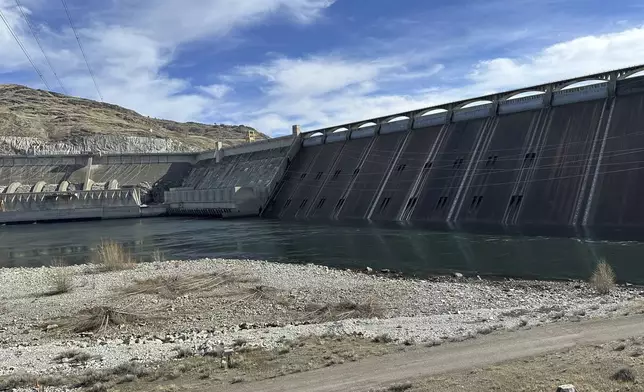
The Grad Coulee Dam, the largest hydropower generator in North America is located in Coulee Dam, Wash., is run by the Bureau of Reclamation, is shown near the Columbia River on Friday, Feb. 28, 2025. (AP Photo/Martha Bellisle)
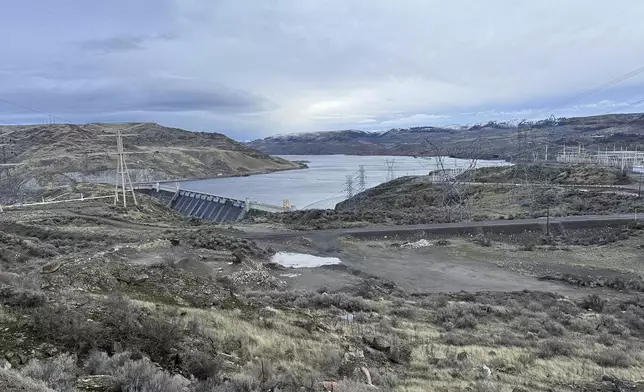
The Grand Coulee Dam, the largest hydropower generator in North America is located in Coulee Dam, Wash., is run by the Bureau of Reclamation, is shown near the Columbia River on Friday, Feb. 28, 2025. (AP Photo/Martha Bellisle)
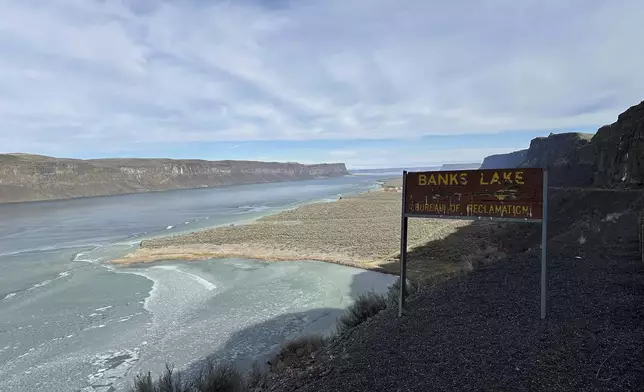
Banks Lake on Friday, Feb. 28, 2025, is a 27-mile-long reservoir created by water pump from the Grand Coulee Dam, run by the Department of Reclamation. (AP Photos/Martha Bellisle)
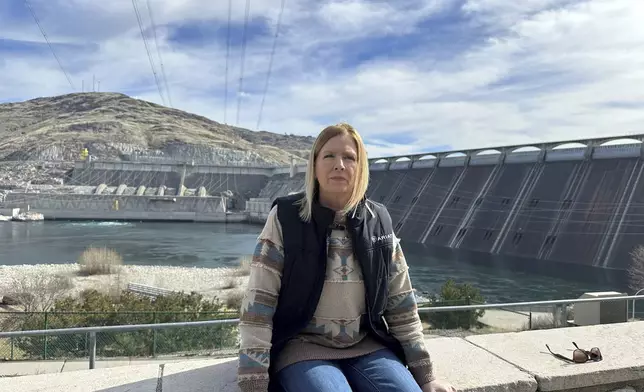
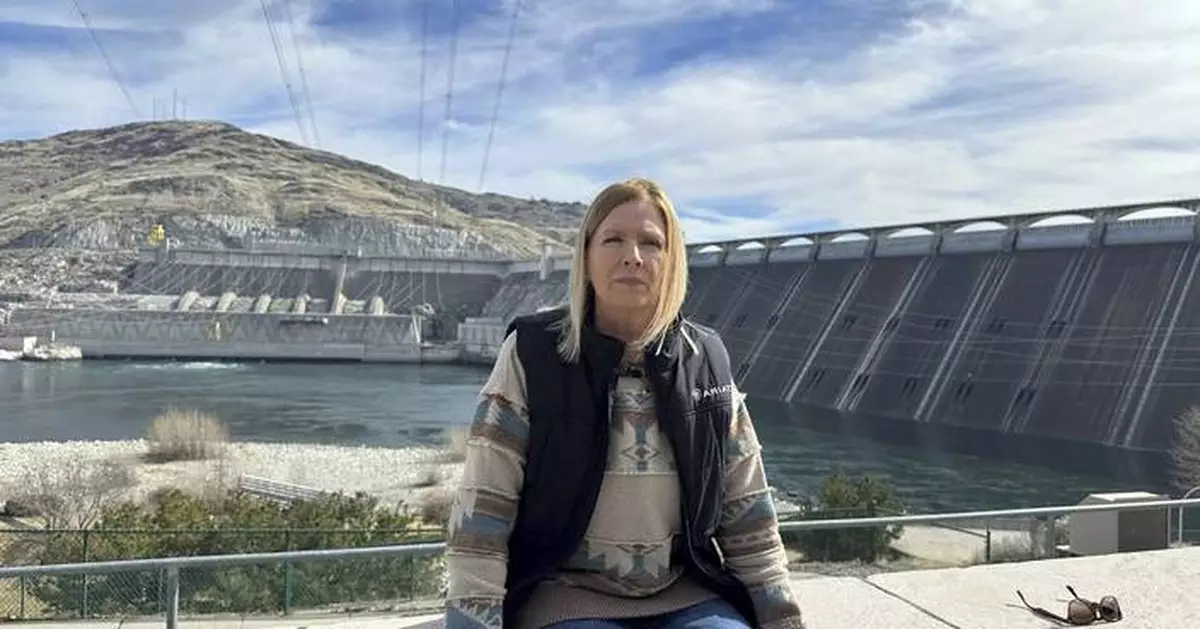
Former Grand Coulee Dam worker, Stephanie Duclos, sits in front of the Grand Coulee Dam on Friday, Feb. 28, 2025 in Coulee Dam, Wash., explaining how she was terminated from her job under the Trump administration’s federal workforce reduction plan. (AP Photo/Martha Bellisle)
“Reductions-in-force” memos have also been sent to current workers, and more layoffs are expected. The cuts included workers at the Grand Coulee Dam, the largest hydropower generator in North America, according to two fired staffers interviewed by The Associated Press.
“Without these dam operators, engineers, hydrologists, geologists, researchers, emergency managers and other experts, there is a serious potential for heightened risk to public safety and economic or environmental damage,” Lori Spragens, executive director of the Kentucky-based Association of Dam Safety Officials, told the AP.
White House spokesperson Anna Kelly said federal workforce reductions will ensure disaster responses are not bogged down by bureaucracy and bloat.
”A more efficient workforce means more timely access to resources for all Americans," she said by email.
But a bureau hydrologist said they need people on the job to ensure the dams are working properly.
“These are complex systems,” said the worker in the Midwest, who is still employed but spoke on condition of anonymity for fear of possible retaliation.
Workers keep dams safe by monitoring data, identifying weaknesses and doing site exams to check for cracks and seepage.
“As we scramble to get these screenings, as we lose institutional knowledge from people leaving or early retirement, we limit our ability to ensure public safety,” the worker added. “Having people available to respond to operational emergencies is critical. Cuts in staff threaten our ability to do this effectively.”
A federal judge on Thursday ordered the administration to rehire fired probationary workers, but a Trump spokesperson said they would fight back, leaving unclear whether any would return.
The heads of 14 California water and power agencies sent a letter to the Bureau of Reclamation and the Department of Interior last month warning that eliminating workers with “specialized knowledge” in operating and maintaining aging infrastructure "could negatively impact our water delivery system and threaten public health and safety.”
The U.S. Army Corps of Engineers also operates dams nationwide. Matt Rabe, a spokesman, declined to say how many workers left through early buyouts, but said the agency hasn't been told to reduce its workforce.
But Neil Maunu, executive director of the Pacific Northwest Waterways Association, said it learned more than 150 Army Corps workers in Portland, Oregon, were told they would be terminated and they expect to lose about 600 more in the Pacific Northwest.
The firings include “district chiefs down to operators on vessels" and people critical to safe river navigation, he said.
Their last day is not known. The Corps was told to provide a plan to the U.S. Office of Personnel Management by March 14, Maunu said.
Several other federal agencies that help ensure dams run safely also have faced layoffs and closures. The National Oceanic and Atmospheric Administration is laying off 10% of its workforce and the Federal Emergency Management Agency's National Dam Safety Review Board was disbanded in January.
The cuts come at a time when the nation's dams need expert attention.
An AP review of Army Corps data last year showed at least 4,000 dams are in poor or unsatisfactory condition and could kill people or harm the environment if they failed. They require inspections, maintenance and emergency repairs to avoid catastrophes, the AP found.
Heavy rain damaged the spillway at California’s Oroville Dam in 2017, forcing nearly 190,000 residents to evacuate, and Michigan's Edenville Dam breached in storms in 2020, the AP found.
Stephanie Duclos, a Bureau of Reclamation probationary worker fired at the Grand Coulee Dam, said she was among a dozen workers initially terminated. The dam across the Columbia River in central Washington state generates electricity for millions of homes and supplies water to a 27-mile-long (43-kilometer) reservoir that irrigates the Columbia Basin Project.
“This is a big infrastructure,” she said. “It’s going to take a lot of people to run it.”
Some fired employees had worked there for decades but were in a probation status due to a position switch. Duclos was an assistant for program managers who organized training and was a liaison with human resources. The only person doing that job, she fears how others will cover the work.
“You’re going to get employee burnout” in the workers left behind, she said.
Sen. Alex Padilla, a California Democrat who pushed a bipartisan effort to ensure the National Dam Safety Program was authorized through 2028, said, “the safety and efficacy of our dams is a national security priority.
“Americans deserve better, and I will work to make sure this administration is held accountable for their reckless actions,” Padilla said.
Associated Press White House reporter Chris Megerian contributed from Washington, D.C.
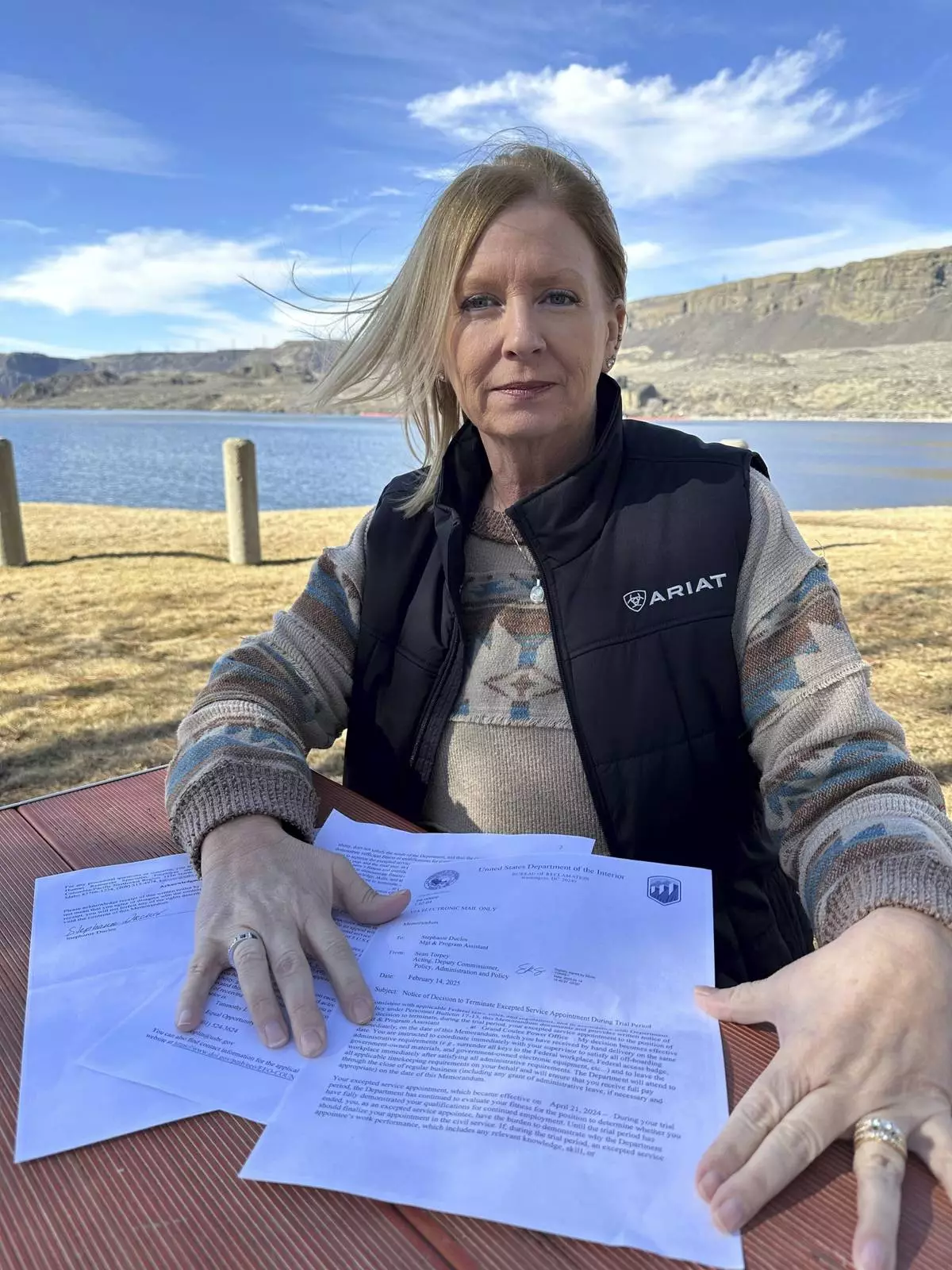
Former Grand Coulee Dam worker, Stephanie Duclos, sits at a picnic table in front of Banks Lake in Electric City, Wash., holding a letter from the Department of Interior, Bureau of Reclamation on Friday, Feb. 28, 2025, saying she has been terminated from her job. (AP Photo/Martha Bellisle)
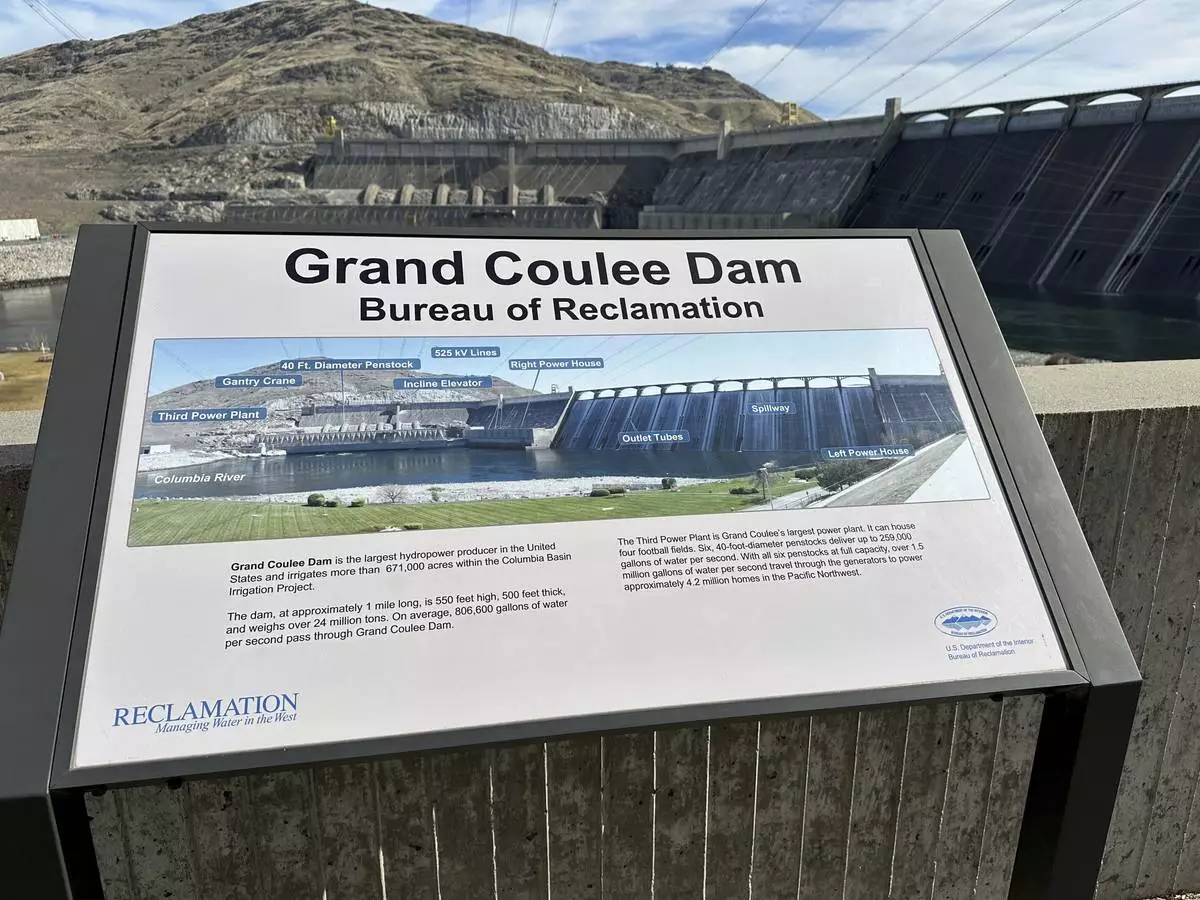
A sign outside the visitor’s center at the Grand Coulee Dam, the largest hydropower generator in North America, identifies the facility’s power plants and spillway on Friday, Feb. 28, 2025, in Coulee Dam, Wash. (AP Photo/Martha Bellisle)
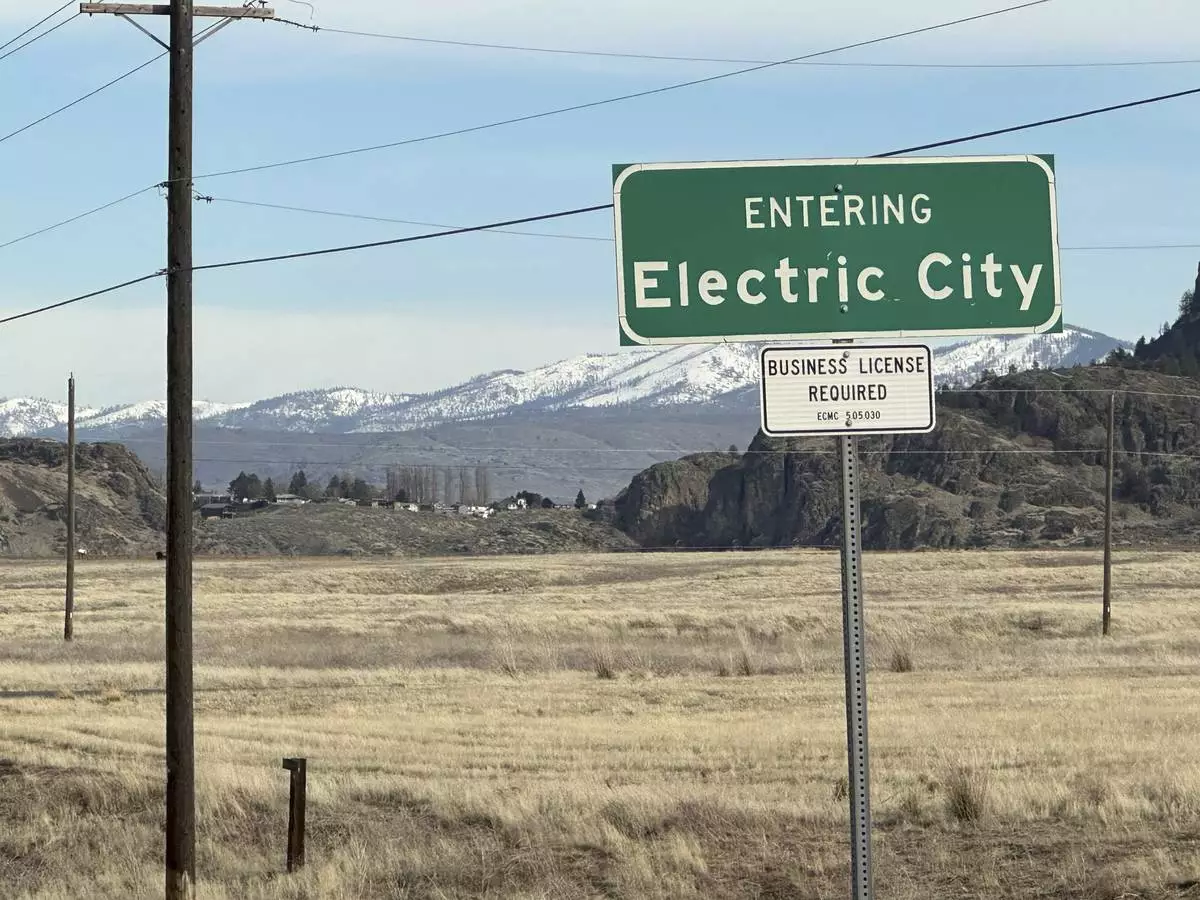
A road sign east of the Grand Coulee Dam, the largest hydropower generator in North America, welcomes travelers to Electric City, Washington, on Friday, Feb. 28, 2025. (AP Photo/Martha Bellisle)
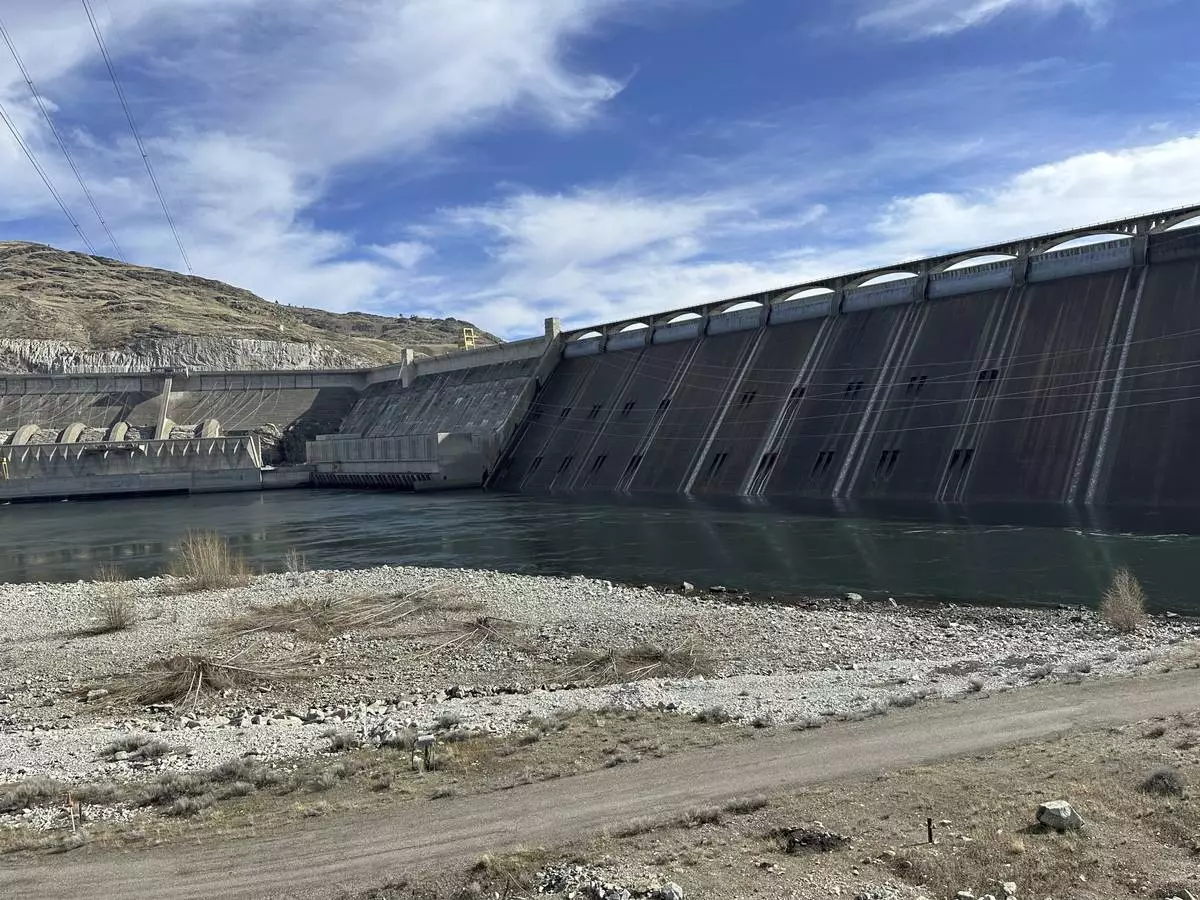
The Grad Coulee Dam, the largest hydropower generator in North America is located in Coulee Dam, Wash., is run by the Bureau of Reclamation, is shown near the Columbia River on Friday, Feb. 28, 2025. (AP Photo/Martha Bellisle)
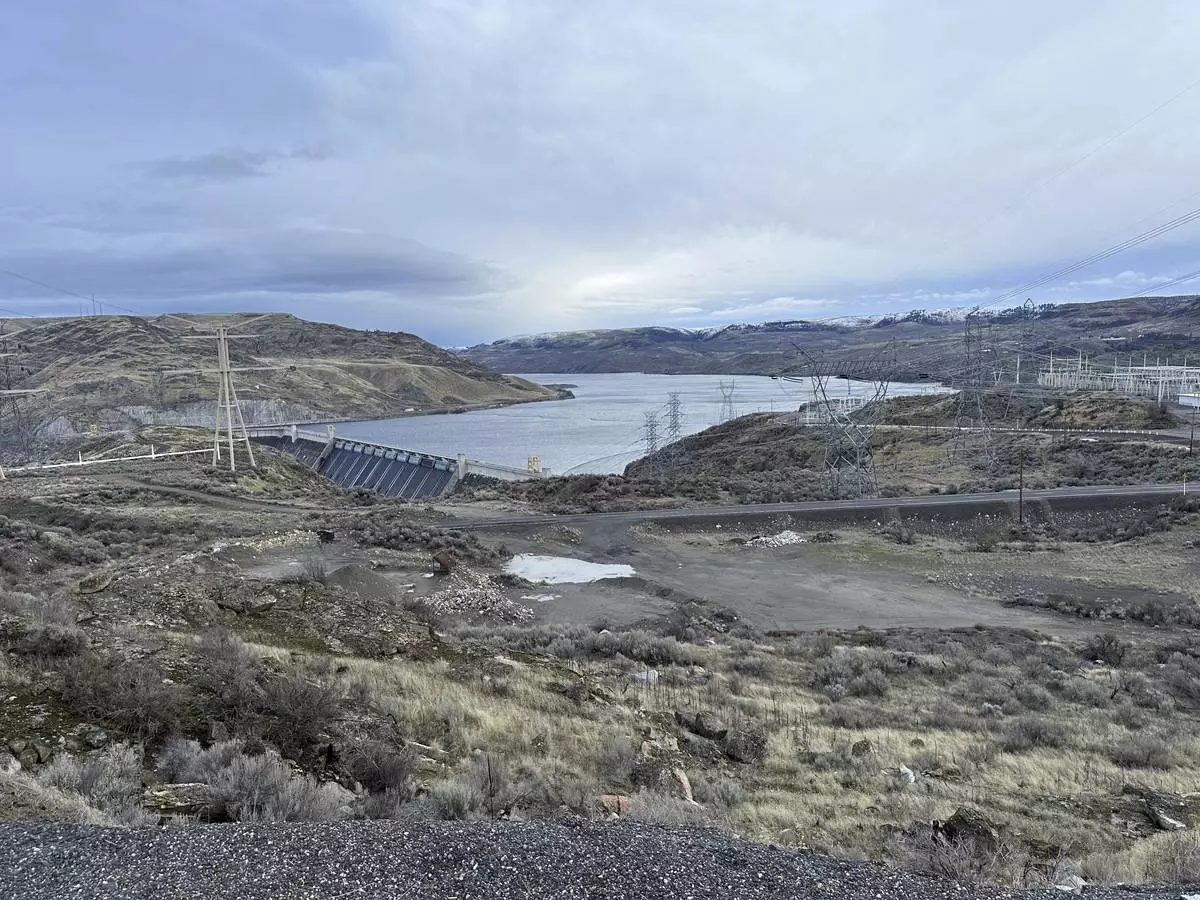
The Grand Coulee Dam, the largest hydropower generator in North America is located in Coulee Dam, Wash., is run by the Bureau of Reclamation, is shown near the Columbia River on Friday, Feb. 28, 2025. (AP Photo/Martha Bellisle)
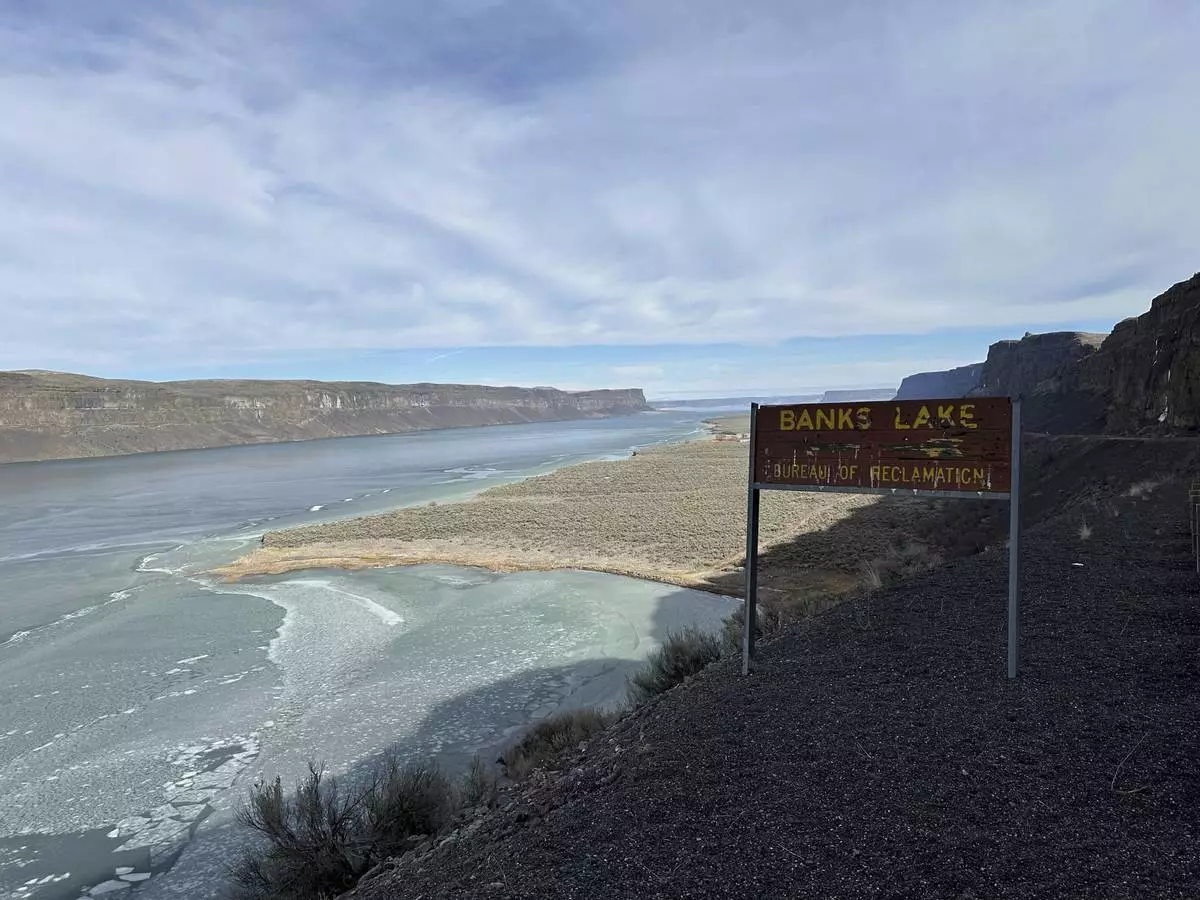
Banks Lake on Friday, Feb. 28, 2025, is a 27-mile-long reservoir created by water pump from the Grand Coulee Dam, run by the Department of Reclamation. (AP Photos/Martha Bellisle)
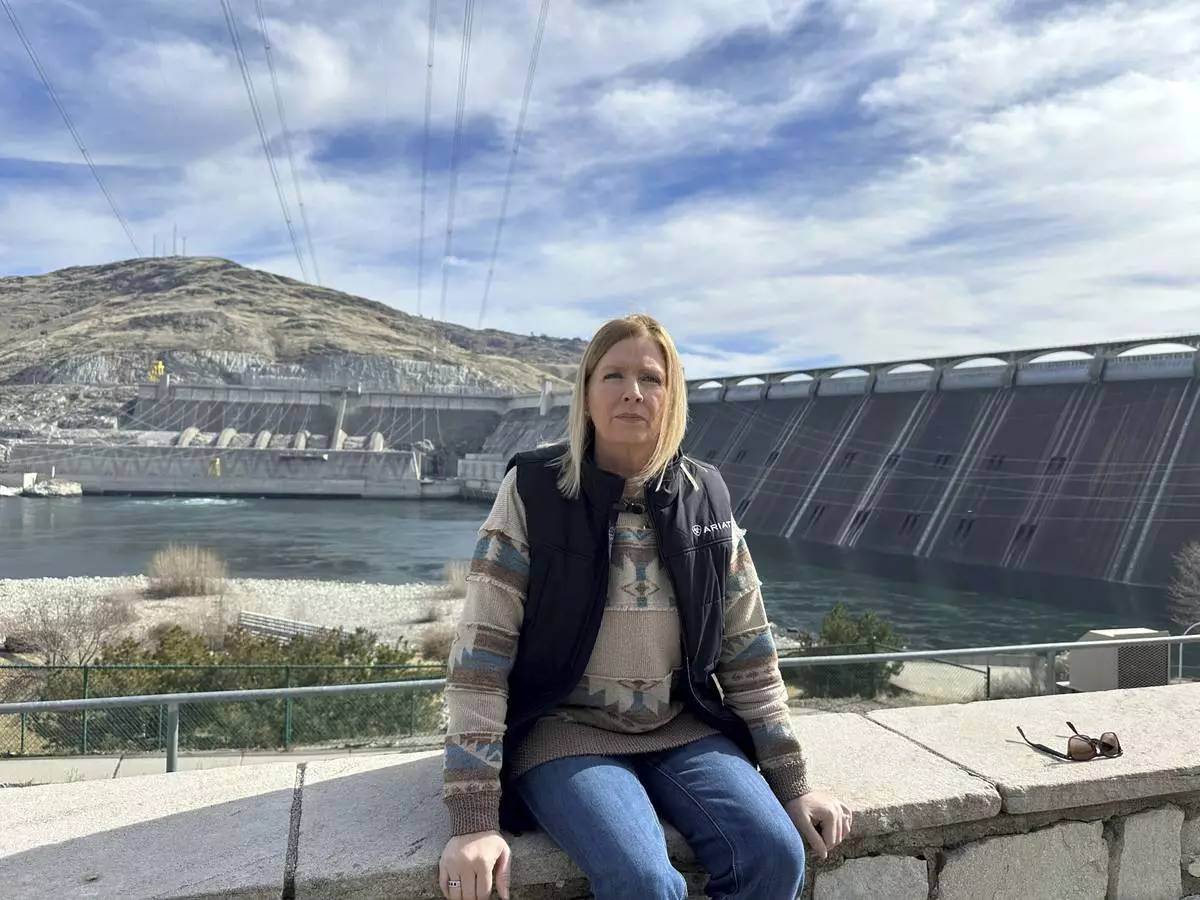
Former Grand Coulee Dam worker, Stephanie Duclos, sits in front of the Grand Coulee Dam on Friday, Feb. 28, 2025 in Coulee Dam, Wash., explaining how she was terminated from her job under the Trump administration’s federal workforce reduction plan. (AP Photo/Martha Bellisle)