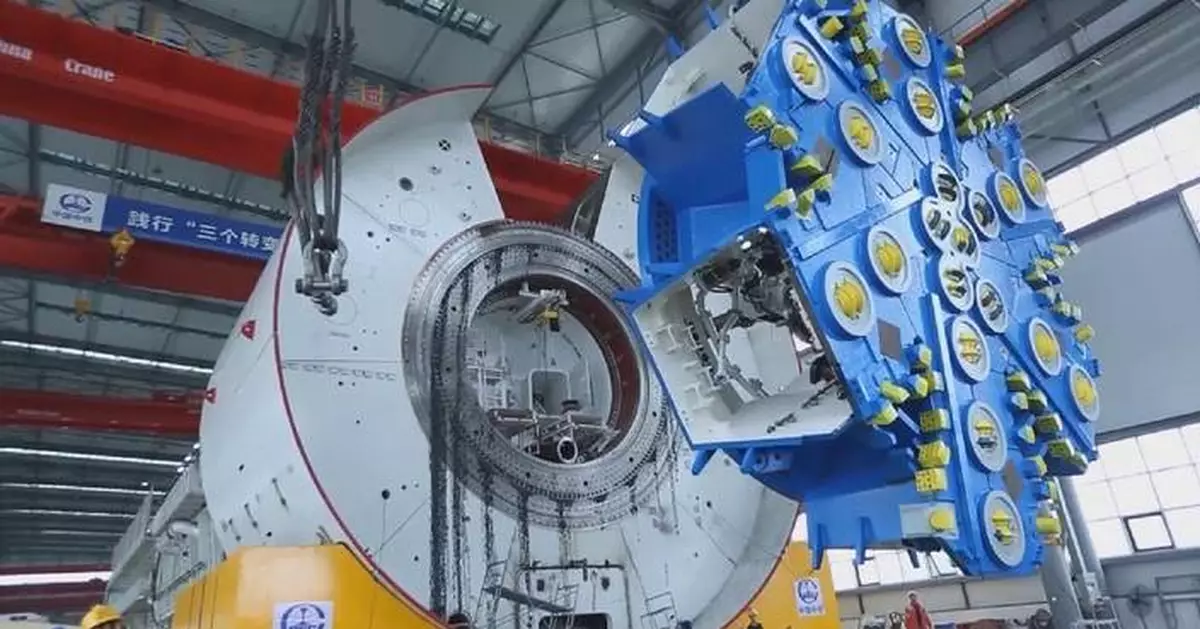
The rapid expansion of equipment manufacturing and high-tech manufacturing, coupled with the progress of new drivers for industrial development, has facilitated the steady and robust growth of China's overall industrial production, according to a spokesman for the National Bureau of Statistics (NBS).
Speaking at a press conference held in Beijing on Monday, Fu Linghui, the NBS spokesman, provided an overview of the country's industrial development across various sectors from multiple aspects including value added of industry, high-end manufacturing, new energy industry, and enterprise expectations.
Industrial production has continued to expand. Local governments across the country have intensified their efforts to support industrial production and enhance resource supply, thereby creating favorable conditions for sustained industrial growth, as noted by Fu.
"In the first two months [of 2025], the total value added of industrial enterprises above the designated size grew by 5.9 percent year on year, 0.1 percentage points higher than the previous year. The manufacturing sector rose by 6.9 percent, significantly outpacing the growth rate of the whole. Among them, the equipment manufacturing industry expanded by 10.6 percent, representing a 2.9-percentage-point increase over the previous year, providing substantial support for the steady and rapid growth of industrial production," said Fu.
Despite the relatively high growth rate of industrial output during the January-February period of 2024, China has achieved remarkable progress in the first two months of this year, underscoring the resilience of its industrial sector, according to Fu.
"The trend toward the industry' high-end and intelligent development is evident. In the context of accelerating integration of scientific and technological innovation and industrial innovation, cutting-edge technologies such as information technology and artificial intelligence (AI) are driving greater industrial transformation and increasingly serving as a new engine for industrial development. In the first two months, the value added of high-tech manufacturing increased by 9.1 percent year on year, which is 0.2 percentage points higher than last year," he said.
In breakdown, the output of industrial robots and integrated circuit chips rose by 27 percent and 19.6 percent, respectively, during the January-February period.
The large-scale application of domestic AI-based general-purpose large language models in key industrial sectors such as electronics and automobiles has accelerated, empowering industrial innovation and development. The growing demand for computing power has also fueled the rapid growth of related industries.
In the first two months, the value added of the digital product manufacturing industry increased by 9.1 percent year on year, while the output of servers surged by 73 percent, according to the spokesman.
Furthermore, the new energy industry is experiencing robust growth, with increasing utilization of green energy effectively promoting the green and low-carbon transformation of the economy, said Fu.
Additionally, breakthroughs in technologies such as AI, driven by positive and promising macroeconomic policies, have improved enterprise expectations as well.
"From January to February, the output of new energy vehicles and automotive lithium-ion power batteries increased by 47.7 percent and 37.5 percent, respectively, continuing to keep high growth rates. And both wind and solar power generation from industrial enterprises above the designated size have sustained double-digit growth. The purchasing managers' index (PMI) for the manufacturing sector reached 50.2 in February, up 1.1 percentage points from January, while new orders in the manufacturing sector stood at 51.1 percent in February, rising 1.9 percentage points from the previous month," said the spokesman.
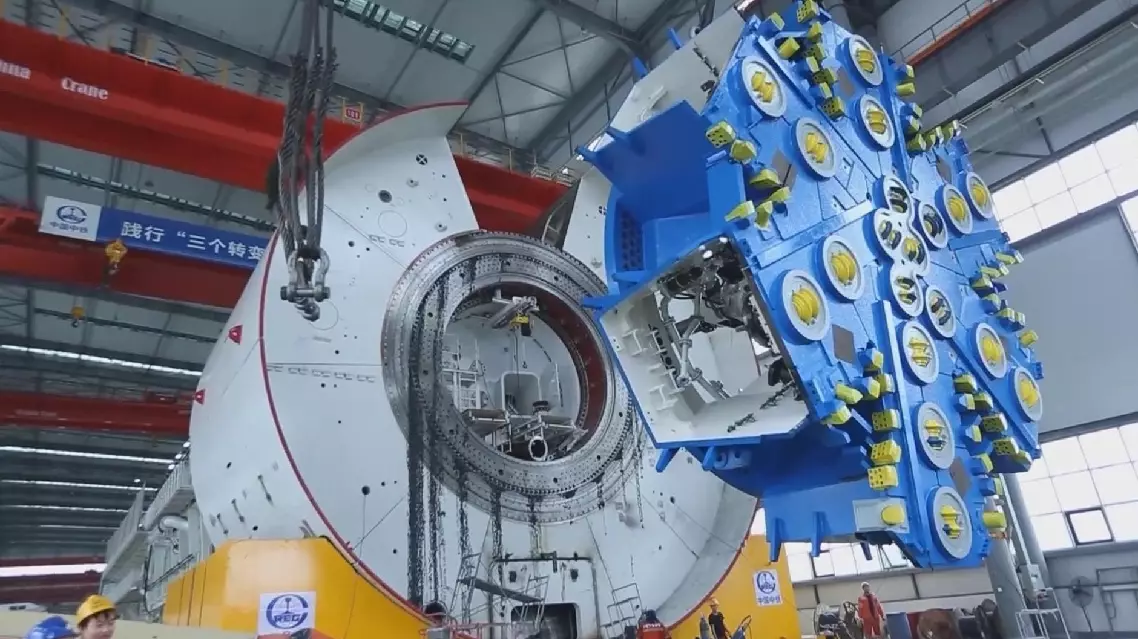
China's industrial production sees steady, robust growth in Jan, Feb: NBS spokesman