An official from the National Development and Reform Commission (NDRC), China's top economic planner, on Monday emphasized providing legal protection to workers' rights to rest and vacation, vowing to prohibit the unlawful extension of employees' working hours.
China on Sunday issued a plan on special initiatives to increase consumption, aiming to stimulate domestic demand across the board, and increase spending power by raising earnings and reducing financial burdens.
At a press briefing introducing the plan, Li Chunlin, deputy director of the NDRC, highlighted the supportive policies from various sectors to protect the legal rights of workers, strengthen consumer willingness to spend, and address prominent constraints on consumption.
"Boosting consumption requires coordinated policy efforts from various sectors. The plan mentions that the fiscal, financial, industrial, investment, and other economic and social policies should all reflect a consumption-oriented direction. This includes substantial financial investments including project investments, government funds, funding for trade union and subsidies for product purchases. Additionally, relevant supportive policies are also needed, such as evaluating the consistency of macro policy orientations, credit financing, reforming the statistics system, and ensuring the rights to rest and vacation," said Li.
"For example, in response to problems such as the widespread concerns over 'the overtime work culture,' the plan specifically proposes measures to protect workers' rights to rest and vacation. These measures include strictly implementing the paid annual leave system through supervision and making it clear to prohibit the unlawful extension of working hours. Meanwhile, the plan also encourages flexibility in arranging holidays, and the practice of offering spring and autumn breaks in primary and secondary schools in areas with the right conditions," said Li.
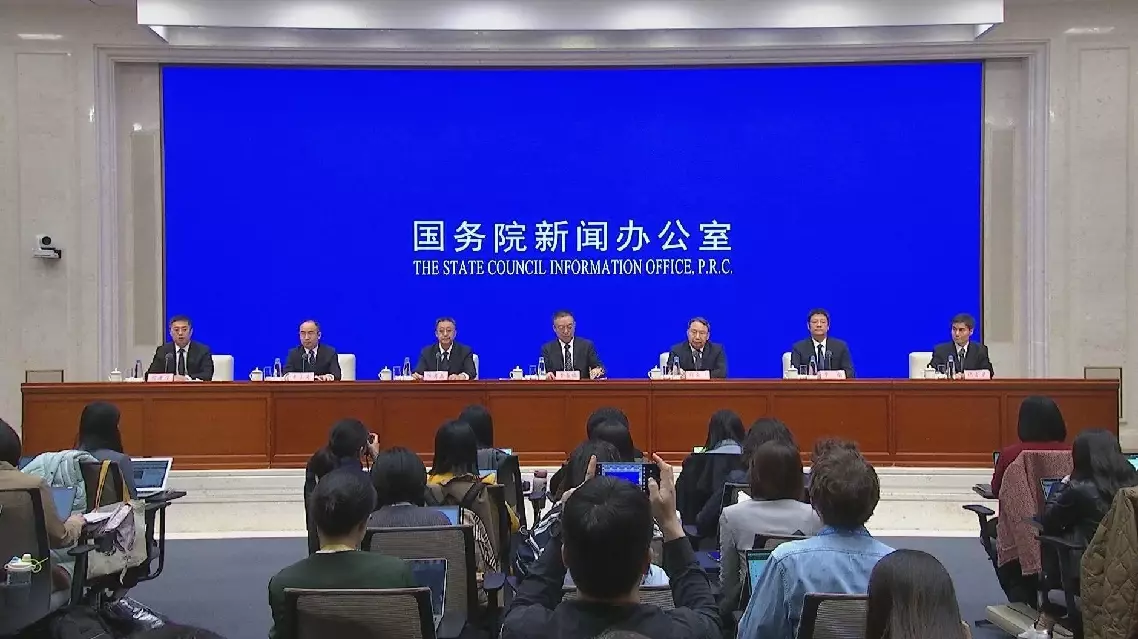
China to regulate 'overtime work culture': official
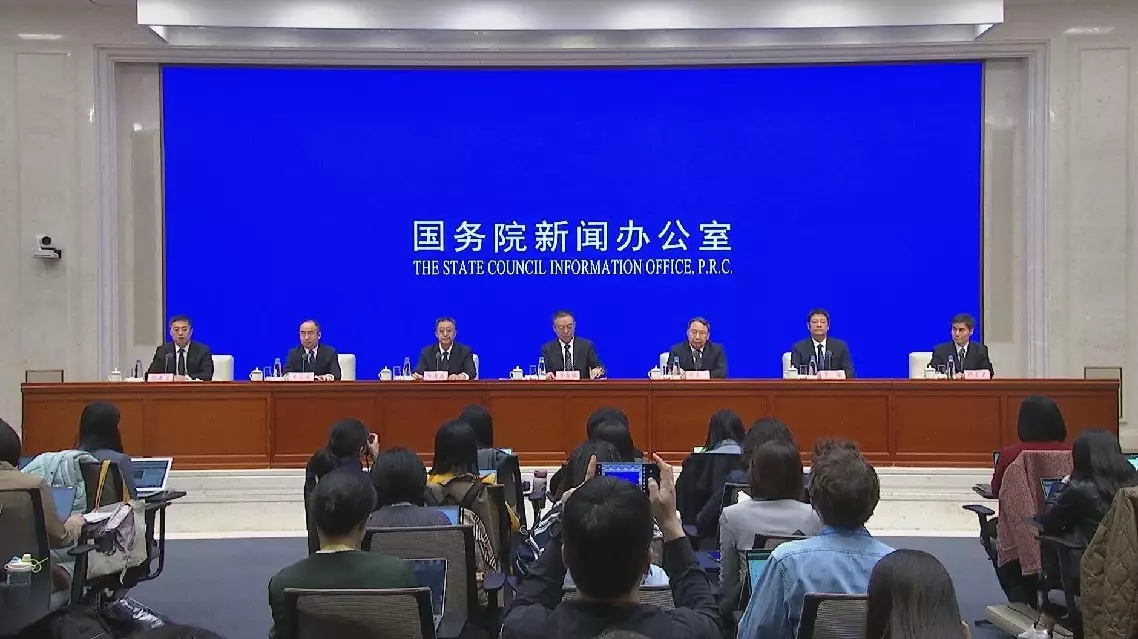
China to regulate overtime working culture: official
Japanese people gathered in Tokyo on Friday to protest against the government's recent decision to revise the "three principles on transfer of defense equipment and technology" which now allows the export of lethal weapons.
On Tuesday, the Japanese government, led by Prime Minister Sanae Takaichi, officially revised the "three principles on transfer of defense equipment and technology" and their implementation guidelines.
The revisions scrap the restrictions that had limited arms exports to five non-combat categories, allow, in principle, the export of lethal weapons, permit transfers to nations engaged in active conflict under specified circumstances, and sideline parliament from the decision-making process -- crossing a line that previous governments had at least nominally upheld.
Protesters assembled in Shinjuku district on Friday evening, voicing strong opposition to the dangerous shift away from Japan's postwar pacifist principles and expressing deep concerns over Japan's failure to fully reflect on its wartime past.
"It's unforgivable. Revising the 'three principles on transfer of defense equipment and technology' through a simple Cabinet decision is absolutely unacceptable," said a protester.
"We should have properly reflected on the war that happened over 80 years ago, but we haven't. Is it acceptable if people are killed by the weapons, missiles, or bombs we export? Absolutely not. Such a thing must never be allowed to happen. That is why I strongly oppose this policy," said another protester.
Also on Friday, over a thousand protesters gathered in front of the Liberal Democratic Party (LDP) headquarters, holding placards and chanting slogans demanding the resignation of Takaichi.
They expressed growing frustration with the current administration and condemned the export of lethal weapons.
"This has gone too far. Japan is becoming an outrageous country. From exporting weapons to revising the Constitution, everything is shifting. The LDP has long had this tendency, and under the Takaichi administration, the situation has become even worse. If we don't stop this now, Japan will turn into a truly frightening nation," said a protester.
"Manufacturing and selling weapons that may be used to kill people is something the Japanese public cannot tolerate. The government made this decision arbitrarily, and it is completely unacceptable," said another protester.
"I really hope the government stops exporting lethal weapons. My child even asked me, 'Is Japan going to sell weapons and start a war?' We must do everything we can to prevent this from happening," said a mother participating in the rally, expressing her worry for future generations.

Protesters gather in Tokyo, protest against Japan's move to allow lethal weapon exports