The United States military hit a civil factory in Yemen's Hodeidah city amid its fresh round of airstrikes on the Houthi-held Red Sea port city on Monday night.
The privately-owned iron and steel plant, located in the Salif district north of Hodeidah city, was targeted by 12 U.S. missiles.
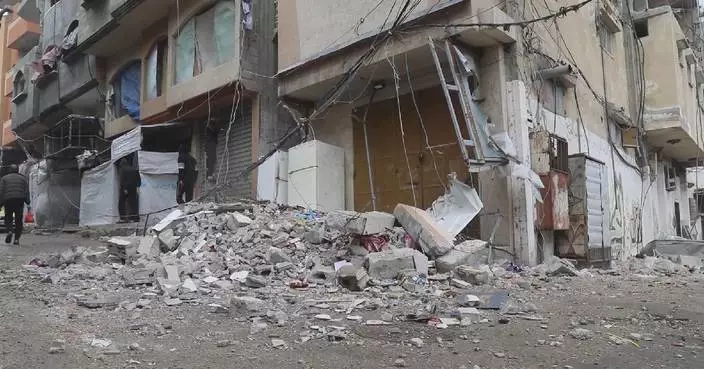
Footage recorded by a China Media Group (CMG) correspondent showed that the roof of the factory completely collapsed after the airstrike, and broken bricks and tiles, as well as shrapnel from artillery shells, could be seen everywhere.
The factory had to stop production due to the damage to the equipment.
"The attack on this plant will leave 250 to 300 workers unemployed, with material losses estimated between 13 million to 14 million U.S. dollars," said Saleh Atifa, Houthi-appointed head of Hodeidah's industrial department.
The U.S. military claimed that they were targeting military facilities, but the steel plant was completely an independent civilian plant, according to the Houthis.
"The brutal hostility of the U.S. military targets civilian facilities and other key facilities. Like the steel plant you see here, it belongs neither to the state nor to the military, nor to the security department or the Houthis. It is an independent civilian factory," said Hodeidah governor Abdullah Atifi.
Over the past two days, dozens of Houthi-controlled military sites, as well as dozens of residential houses, have been targeted and bombed by U.S. fighter jets across the Yemeni capital city of Sanaa, and several other northern and western provinces under Houthi control.
The tensions in the Red Sea are a visible manifestation of the spillover effects of the latest round of Palestinian-Israeli conflict centered on the Gaza Strip.
The renewed conflict in the Red Sea comes after Israel halted the entry of goods and supplies into Gaza Strip on March 2, coinciding with the end of the first phase of the ceasefire agreement.
On Tuesday, the Houthi group announced that it would resume launching attacks against any Israeli ship in the Red Sea, Arabian Sea, the Gulf of Aden, and the Bab al-Mandab Strait until the crossings of the Gaza Strip are reopened and aid is allowed in.
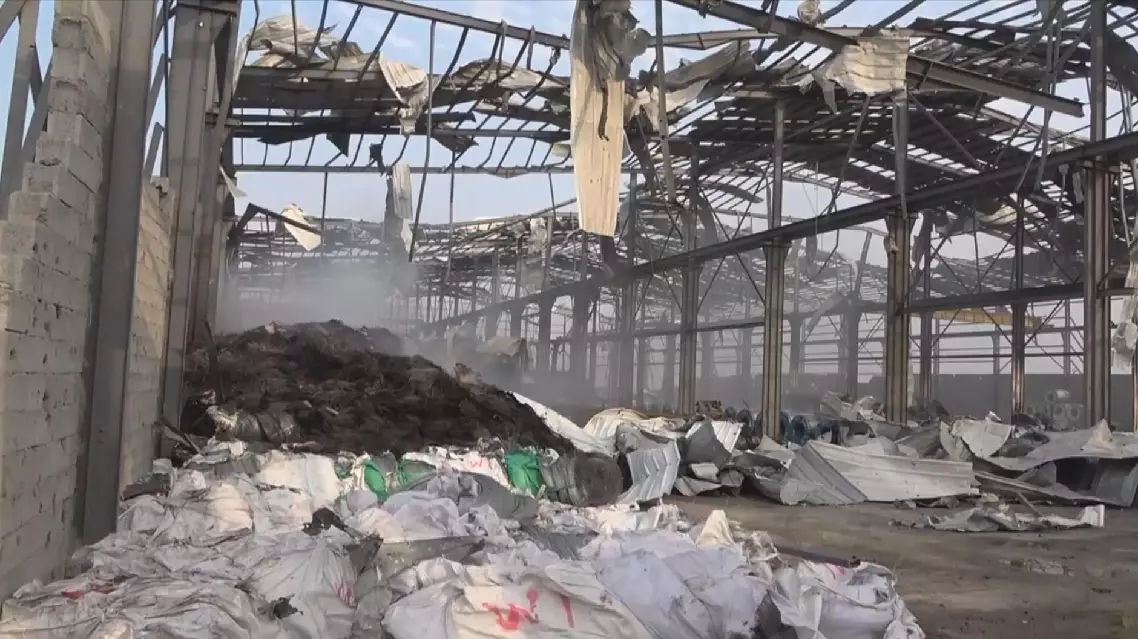
US military hits civil steel plant in Hodeidah, Yemen
The Iranian government is focusing on public concerns and maintaining stable supplies of essential goods amid recent protests, Iranian President Masoud Pezeshkian said in a televised interview on Sunday.
In the city of Karaj, northwest of the capital Tehran, daily life has largely continued as normal. A video filmed by a local resident on Sunday shows food stores open and grocery shelves fully stocked.
"This is the block near my home, and there are some food stores here. Daily life continues here. Last night we did not see many protests in Karaj. Right now the city is very safe. This is a grocery store close to my home. All the food is available; nothing is in shortage. Here are noodles and different types of beans. Here are dairy products, cheese, and yogurt. I also checked other grocery stores and didn't see any shortages. Everything is available," said local resident Ali Reza.
Iranian officials have described recent disturbances as acts orchestrated by the "enemy," including some carried out by well-trained and armed "terrorists." The incidents have caused casualties among security personnel and civilians, as well as property damage.
The Secretary of Iran's Supreme National Security Council Ali Larijani has directed authorities to severely punish the "terrorists."
Meanwhile, Iran's police chief Ahmad-Reza Radan said on Sunday that the police had raised alert levels and arrested several leaders of the troublemakers during the operations on Saturday.
President Pezeshkian noted in the interview that the normal demands of the Iranian people are reasonable and justified, but they must realize that triggering riots and carrying out terrorist acts are the enemy's attempts to undermine the country. He urged the public to remain vigilant.
Also on Sunday, Iranian Parliament Speaker Mohammad Baqer Qalibaf warned that Tehran would regard U.S. and Israeli bases and facilities in the Middle East as "legitimate targets" if Washington takes military action against Iran. His remarks followed media reports saying U.S. President Donald Trump is "seriously considering authorizing a strike" against Iran.
Iranian state media reported that at least 109 members of Iran's security forces have been killed in clashes since the protests began 14 days ago. Meanwhile, human rights groups based outside the country said the number of protesters killed has exceeded 200, though the figure could not be independently verified.
The protests initially erupted over a sharp depreciation of the rial and sweeping subsidy reforms. Iranian authorities have blamed the unrest on foreign-linked agents and sanctions imposed by the United States.
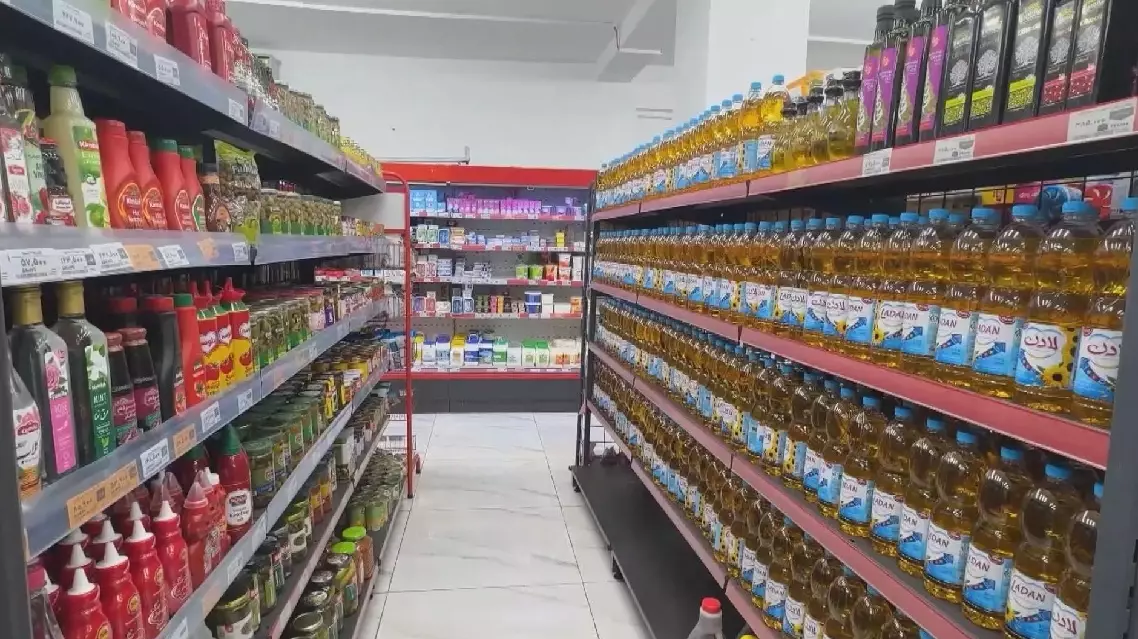
Iranian president says government focusing on ensuring supplies amid protests