The Palestinian death toll in the Gaza Strip has climbed to 49,617, with 112,950 others injured, as a result of more than 17 months of Israeli military operations, the Gaza health authorities said on Thursday.
Since the latest round of hostilities started on Oct 7, 2023, Israeli forces have conducted sustained military actions in Gaza, exacerbating the humanitarian crisis and inflicting heavy casualties.
Click to Gallery
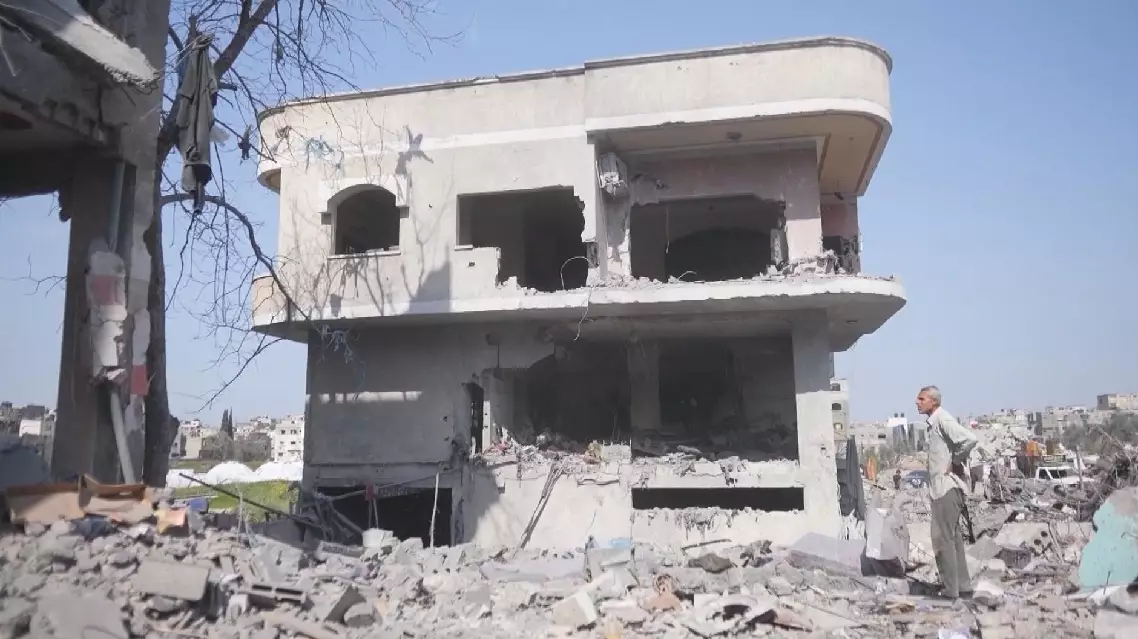
Palestinian death toll in Gaza rises to 49,617 as Israel renews strikes
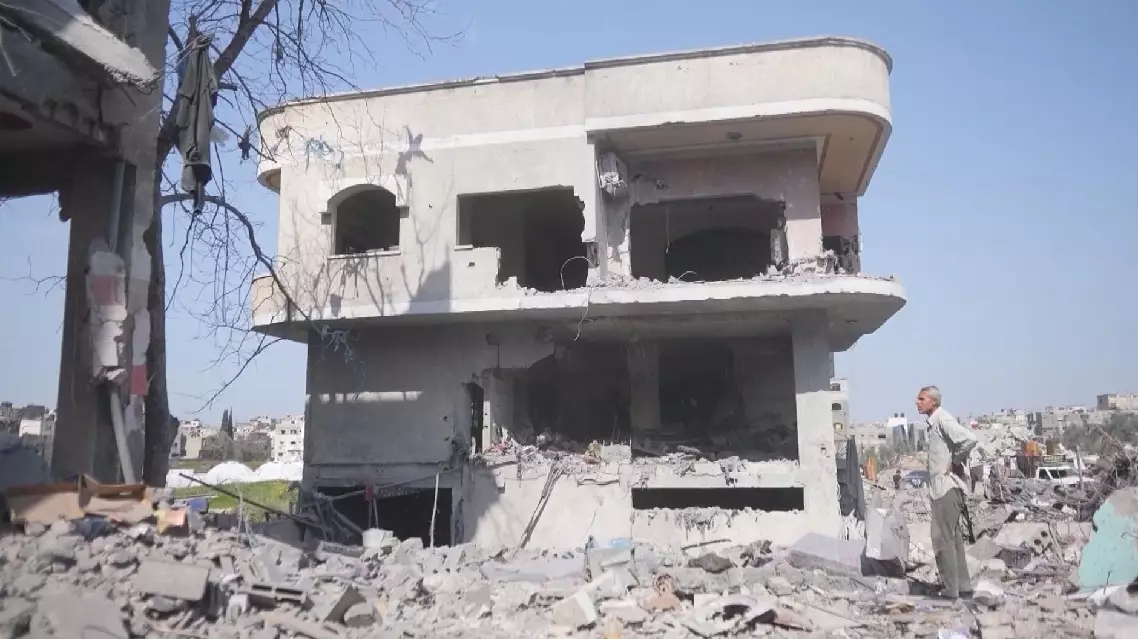
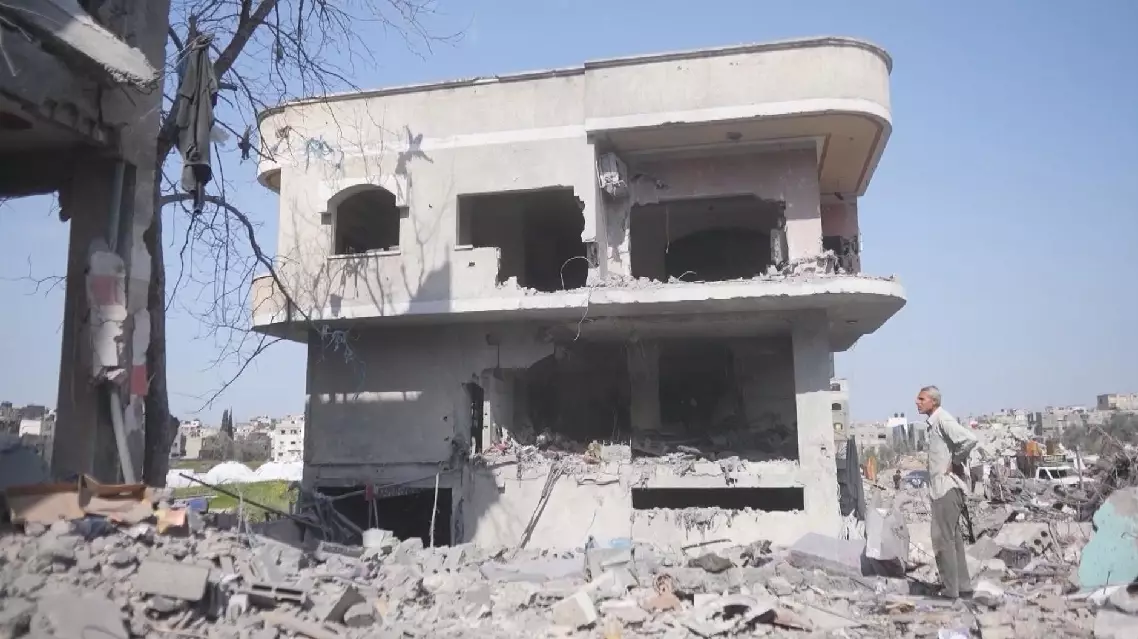
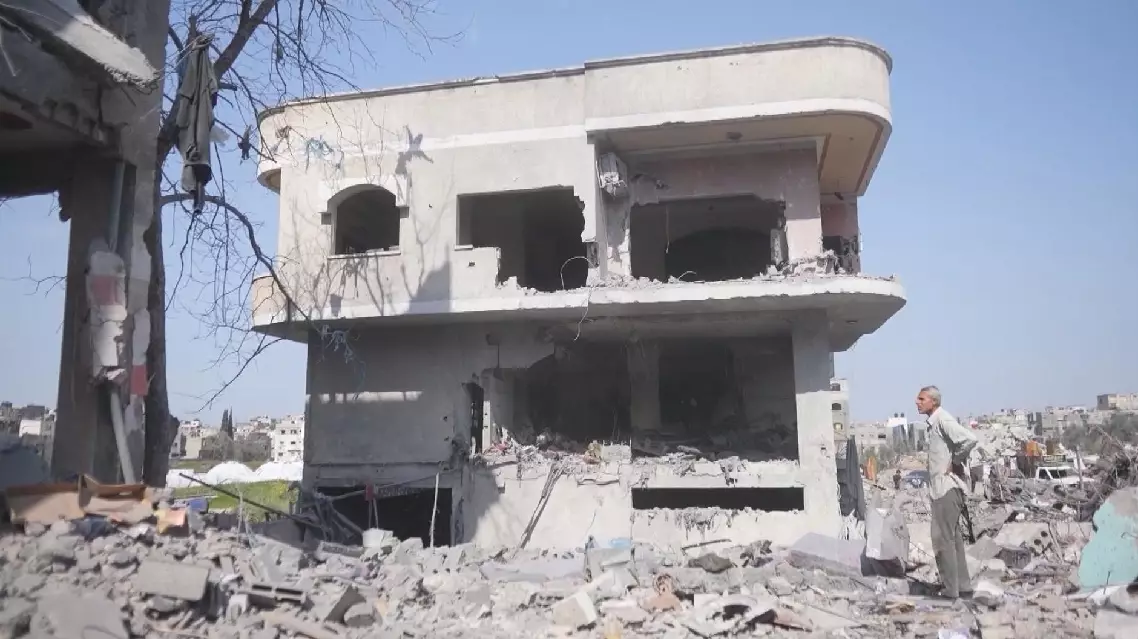

On Jan 19 this year, Israel and Hamas reached a ceasefire agreement in Gaza. As part of the first phase of the agreement, the Israeli military allowed residents of the Gaza Strip to cross the Netzarim Corridor at the end of January to return to their homes in northern Gaza.
Israel ended the two-month ceasefire and resumed Gaza bombardment on Tuesday.
In a statement released on Wednesday, the Israeli military said it had launched a "targeted ground operation" in central and southern Gaza, aiming to create a buffer zone between the northern and southern parts of the Palestinian enclave.
The latest Israeli attacks have killed at least 710 Palestinians and injured 900 others in Gaza since Tuesday, Khalil al-Daqran, a spokesman for Gaza health authorities, said on Thursday.
Palestinian death toll in Gaza rises to 49,617 as Israel renews strikes
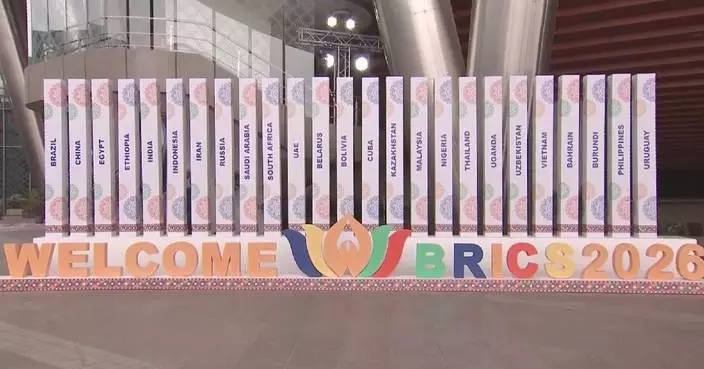


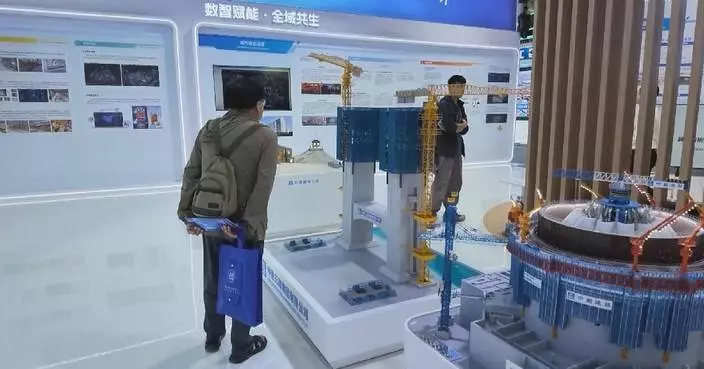
Foreign diplomats and scholars are looking closely at this year's "two sessions", saying China's 15th Five-Year Plan (2026-2030) will not only chart the nation's economic and technological priorities but also reshape global value chains.
The fourth session of the 14th National Committee of the Chinese People's Political Consultative Conference (CPPCC), the nation's top political advisory body, opened on Wednesday, followed by the annual session of the National People's Congress (NPC) on Thursday. Together known as the "two sessions," these meetings offer a comprehensive view into China's development priorities.
Global observers emphasized that the 15th Five-Year Plan, a blueprint guiding the nation's economic, social, and technological priorities over the next five years, marks a decisive shift toward high‑quality growth anchored in advanced technologies, with ripple effects across the world.
"The two sessions will discuss China's five-year plan, which is heavily oriented toward China's major technological development. I believe this is important because it represents the new blueprint for China's economy, which is now oriented toward the renowned high-quality development, and this will undoubtedly impact the entire world. I think it is worth studying. This is very important for Latin America. It will help us integrate more intelligently into global value chains and into all aspects of the major development that China is promoting in iconic industrial sectors, such as artificial intelligence, quantum computing, and space development, where Latin America also has much to contribute beyond just commercial growth," said Gustavo Sabino Vaca Narvaja, former Argentine Ambassador to China.
"The two sessions are a major political milestone in China, and this year's gathering carries even greater significance as this year marks the start of the 15th Five-Year Plan. This plan represents not only a blueprint for China, but also a guide for other countries. Instruments like the five-year plan effectively provide greater certainty and predictability for the rest of the world," said Chilean scholar of international relations Ignacio Araya Heredia.
"This is a particularly important date, especially due to the fact that the next Five-Year Plan shall be positioned and we're going to see what its main elements shall be. Serbia, which has a very high degree of steel friendship with the People's Republic of China, can expect further assistance in identifying the most prominent areas of Serbian economy and being helped by its great partner, such as it has been done in the previous period, from one part with establishing the main infrastructure projects, but also reshaping the industrial sector of Serbia, not just Serbia, but the region as a whole," said Veljko Mijuskovic, assistant professor of the Faculty of Economics of the University of Belgrade.
Beyond the policy framework, experts also pointed to China's achievements in green energy and technological innovation as models worth emulating.
Tomasz Bielinski, adjunct professor at the University of Gdansk's Faculty of Economics, said the robotics displays at the 2026 China Media Group (CMG) Spring Festival Gala reflected China's broader push in technological innovation.
"I was really impressed about the robotics. I'm very impressed with Chinese development in the technological field, we can still make great deals with Chinese businessmen and we can cooperate together to use this technology for both the good of China and the European Union. I'm aware of the innovation especially in autonomous drive on the on the Chinese side," he said.
"We hope for more of China's economic cooperation, especially in trade and also in investment. Also, and the other focus, if I talk about the focus of the development, don't forget about the green energy. We know that China is great in the electric vehicle field. So because China's electric vehicles in Indonesia nowadays, since couple of years ago, are very, very popular," said Al Busyra Basnur, president of the Indonesia-China Friendship Association.
Observers see China's new five-year plan driving high-quality development, global tech shifts