Skip to Content Facebook Feature Image

Sudan's military says it has retaken Khartoum's Republican Palace, seat of country's government

News

Sudan's military says it has retaken Khartoum's Republican Palace, seat of country's government
News

News

Sudan's military says it has retaken Khartoum's Republican Palace, seat of country's government

2025-03-22 00:08 Last Updated At:00:10

CAIRO (AP) — Sudan ’s military on Friday retook the Republican Palace in Khartoum, the last heavily guarded bastion of rival paramilitary forces in the capital, after nearly two years of fighting.

The seizure of the Republican Palace, surrounded by government ministries, was a major symbolic victory for Sudan's military against the paramilitary Rapid Support Forces — though it likely doesn't mean the end of the war as the RSF holds territory in Sudan's western Darfur region and elsewhere.

More Images
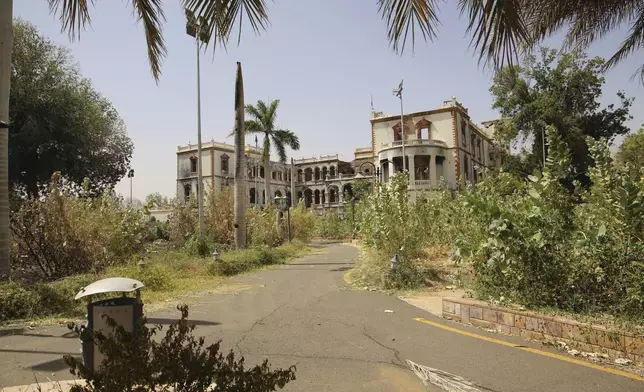
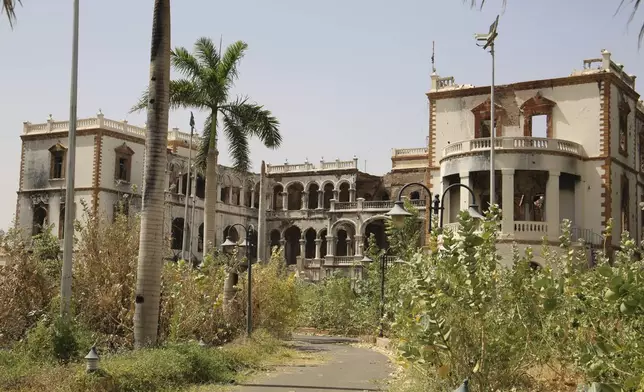
The Republican Palace in Khartoum, Sudan, is seen after it was taken over by Sudan's army Friday, March 21, 2025. (AP Photo)
The Republican Palace in Khartoum, Sudan, is seen after it was taken over by Sudan's army Friday, March 21, 2025. (AP Photo)
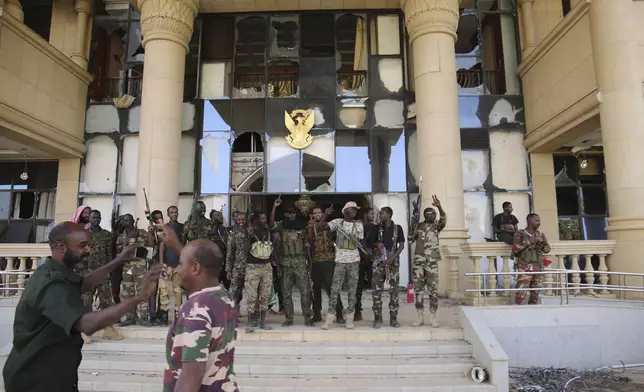
The Republican Palace in Khartoum, Sudan, is seen after it was taken over by Sudan's army Friday, March 21, 2025. (AP Photo)

The Republican Palace in Khartoum, Sudan, is seen after it was taken over by Sudan's army Friday, March 21, 2025. (AP Photo)

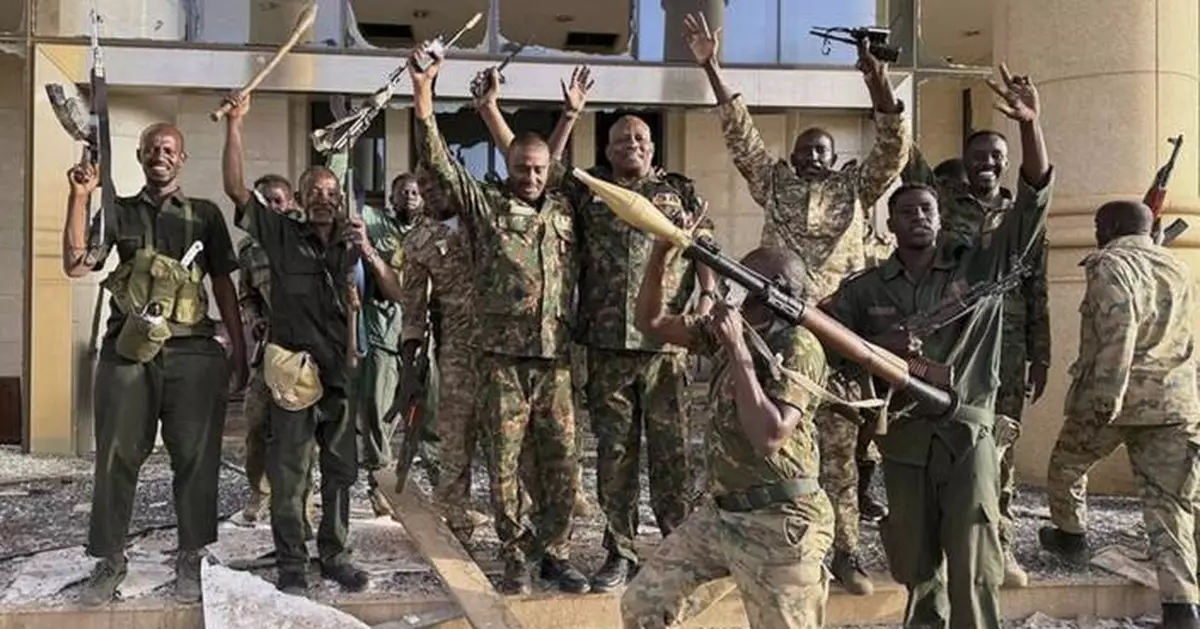
Sudan's army soldiers celebrate after they took the Republican Palace in Khartoum, Sudan, Friday, March 21, 2025. (AP Photo)
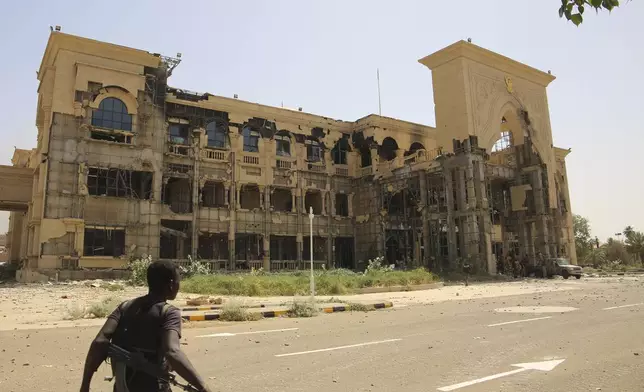
Sudan's army soldiers celebrate after they took the Republican Palace in Khartoum, Sudan, Friday, March 21, 2025. (AP Photo)

An army soldier walks in front of the Republican Palace in Khartoum, Sudan, after it was taken over by Sudan's army Friday, March 21, 2025. (AP Photo)
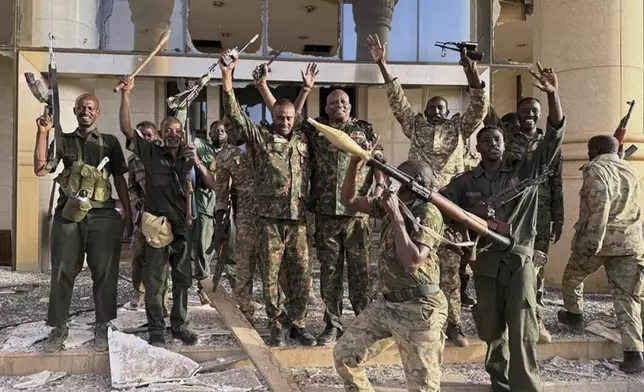
An army soldier walks in front of the Republican Palace in Khartoum, Sudan, after it was taken over by Sudan's army Friday, March 21, 2025. (AP Photo)

In this picture released by Sudanese Armed Forces (SAF) in social media, soldiers celebrate after taking over the Republican Palace in Khartoum, Sudan, Friday March 21, 2025. (SAF via AP )

In this picture released by Sudanese Armed Forces (SAF) in social media, soldiers celebrate after taking over the Republican Palace in Khartoum, Sudan, Friday March 21, 2025. (SAF via AP )

Social media videos showed Sudanese soldiers inside the palace, giving the date as the 21st day of Ramadan, the holy Muslim fasting month, which corresponds to Friday. A Sudanese military officer wearing a captain’s epaulettes made the announcement in the video and confirmed the troops were inside the compound.

The palace appeared to be in ruins, with soldiers’ stepping on broken tiles. Troops carrying assault rifles and rocket-propelled grenade launchers chanted: “God is the greatest!”

Khaled al-Aiser, Sudan’s information minister, said the military had retaken the palace in a post on the social platform X.

“Today the flag is raised, the palace is back and the journey continues until victory is complete,” he wrote.

Later, curious residents wandered through the palace. Walls stood pockmarked by rifle rounds. Smears of blood led to dead bodies, covered haphazardly with blankets.

The fall of the Republican Palace — a compound along the Nile River that was the seat of government before the war erupted and is immortalized on Sudanese banknotes and postage stamps — marks another battlefield gain for Sudan’s military, which has made steady advances in recent months under army chief Gen. Abdel-Fattah Burhan.

It also means that the rival RSF fighters, under Gen. Mohammed Hamdan Dagalo, have been mostly expelled from the capital, Khartoum. Sporadic gunfire could be heard throughout the capital Friday, though it wasn't clear if it involved fighting or was celebratory.

Brig. Gen. Nabil Abdullah, a spokesperson for the Sudanese military, said its troops are holding the palace, surrounding ministry buildings and the Arab Market to the south of the complex.

Khartoum International Airport, only some 2.5 kilometers (1.5 miles) southeast of the palace, has been held by the RSF since the start of the war in April 2023.

Suleiman Sandal, a politician associated with the RSF, acknowledged the military took the palace and called it part of “the ups and downs” of history.

The RSF later issued a statement claiming its forces “are still present of the vicinity of the area, fighting bravely.” A drone attack on the palace believed to have been launched by the RSF reportedly killed troops and journalists with Sudanese state television.

Late Thursday, the RSF claimed it seized control of the Sudanese city of al-Maliha, a strategic desert city in North Darfur near the borders with Chad and Libya. Sudan’s military has acknowledged fighting around al-Maliha, but has not said it lost the city.

Al-Maliha is around 200 kilometers (125 miles) north of the city of El Fasher, which remains held by the Sudanese military despite near-daily strikes by besieging RSF.

The head of the U.N. children’s agency has said that Sudan's conflict has created the world’s largest humanitarian crisis. UNICEF on Friday separately decried the looting of food aid meant to go to malnourished children at Al Bashir Hospital on Khartoum's outskirts.

“Commercial supplies and humanitarian aid have been blocked for more than three months due to ongoing conflict along key routes,” UNICEF warned. “The result is a severe shortage of food, medicine and other essentials, with thousands of civilians trapped in active fighting.”

The war has killed more than 28,000 people, forced millions to flee their homes and left some families eating grass in a desperate attempt to survive as famine sweeps parts of the country. Other estimates suggest a far higher death toll.

The Republican Palace became the seat of power during the British colonization of Sudan. It also saw some of the first flags of independent Sudan raised in 1956. The complex had also been the main office of Sudan’s president and other top officials.

The Sudanese military has long targeted the palace and its grounds, shelling and firing on the compound.

Sudan, a nation in northeastern Africa, has been unstable since a popular uprising forced the removal of longtime autocratic President Omar al-Bashir in 2019. A short-lived transition to democracy was derailed when Burhan and Dagalo led a military coup in 2021.

The RSF and Sudan’s military began fighting each other in 2023.

Since the start of the year, Burhan’s forces, including Sudan’s military and allied militias, have advanced against the RSF. They retook a key refinery north of Khartoum, pushed in on RSF positions around Khartoum itself. The fighting has led to an increase in civilian casualties.

Al-Bashir faces charges at the International Criminal Court over carrying out a genocidal campaign in the early 2000s in the western Darfur region with the Janjaweed militia, the RSF precursor. Rights groups and the U.N. accuse the RSF and allied Arab militias of again attacking ethnic African groups in this latest war.

Since the war began, both the Sudanese military and the RSF have faced allegations of human rights abuses. Before U.S. President Joe Biden left office, the State Department declared the RSF are committing genocide.

The military and the RSF have denied committing abuses.

Gambrell reported from Dubai, United Arab Emirates.
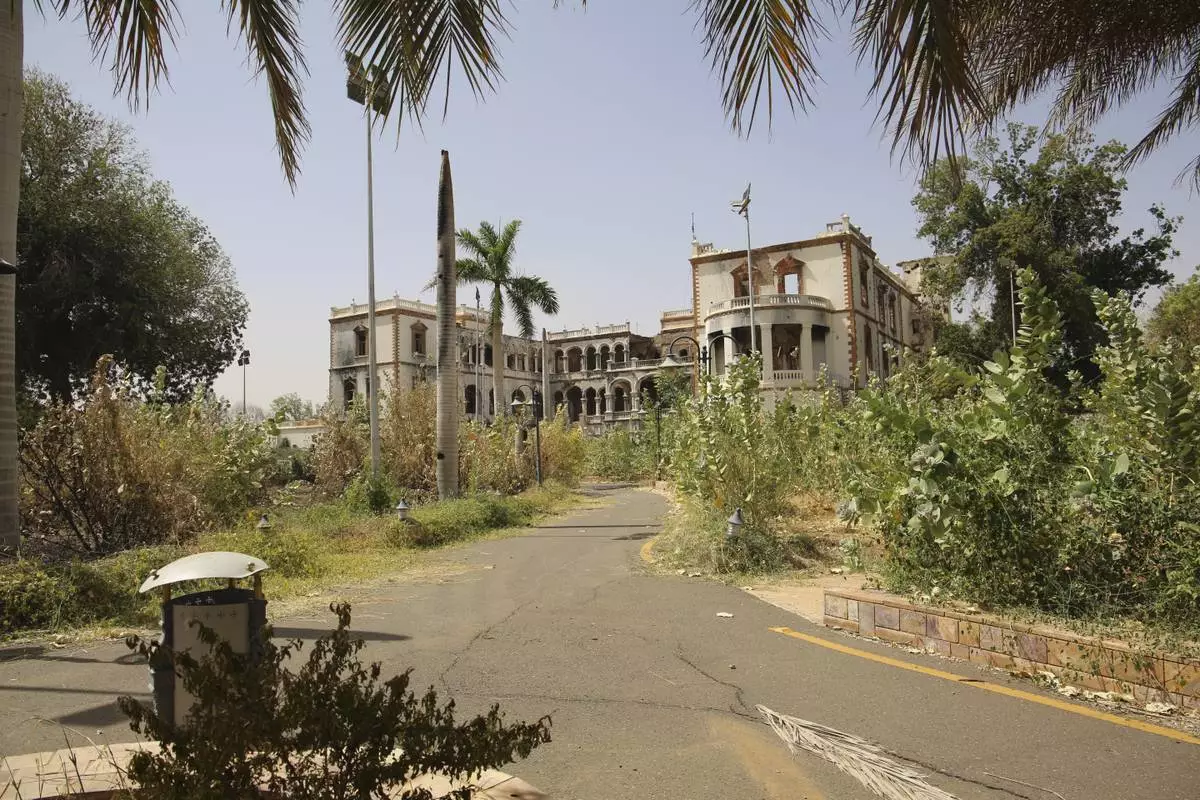
The Republican Palace in Khartoum, Sudan, is seen after it was taken over by Sudan's army Friday, March 21, 2025. (AP Photo)
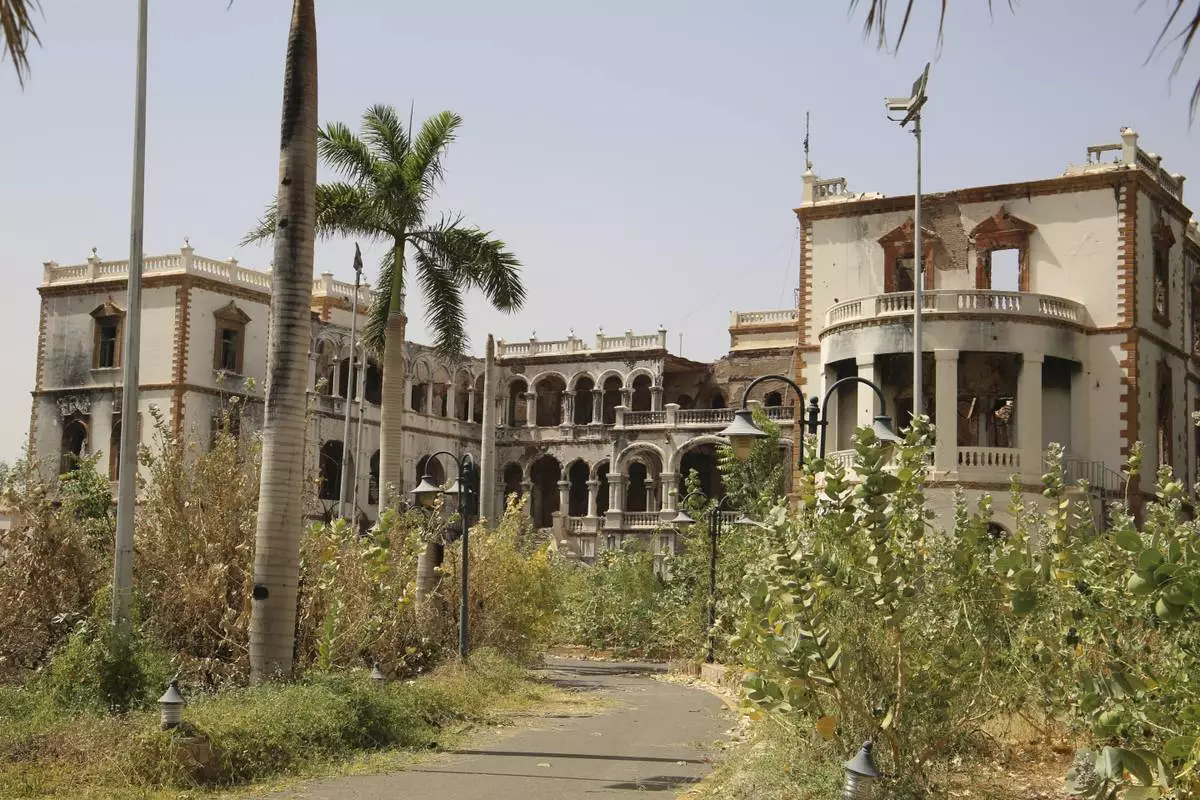
The Republican Palace in Khartoum, Sudan, is seen after it was taken over by Sudan's army Friday, March 21, 2025. (AP Photo)
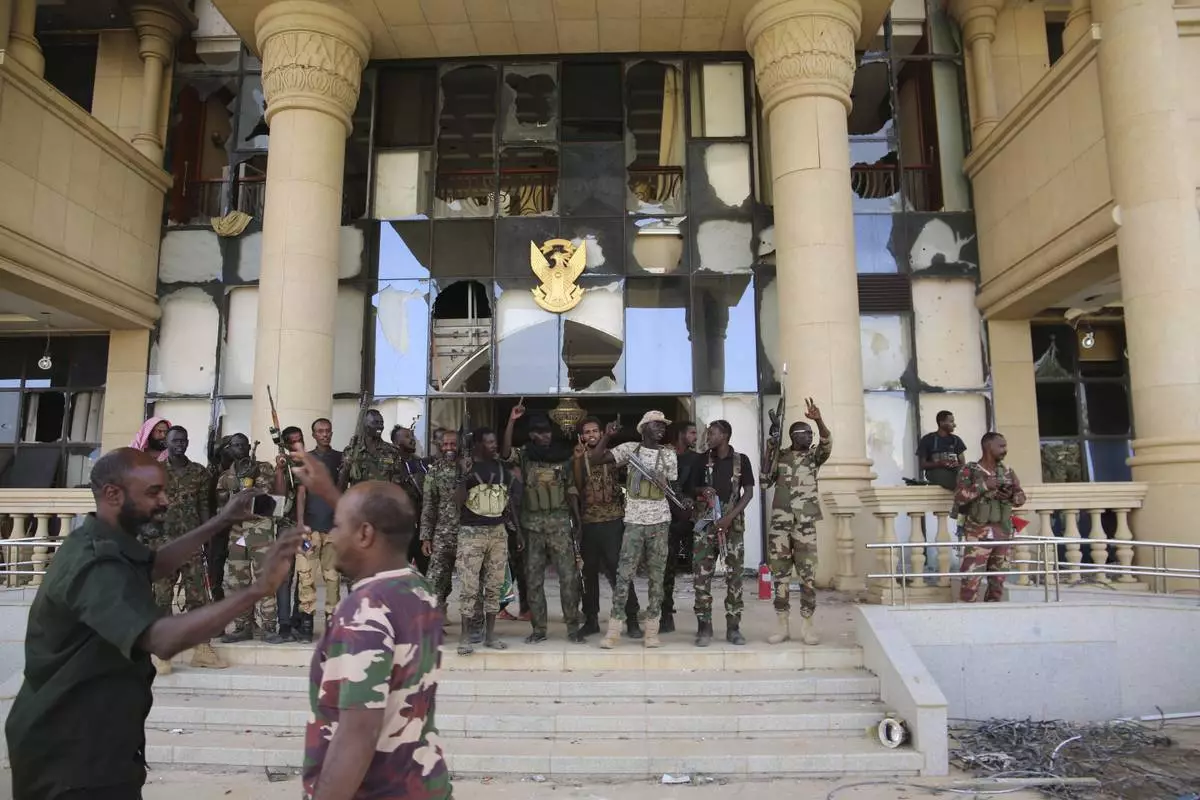
The Republican Palace in Khartoum, Sudan, is seen after it was taken over by Sudan's army Friday, March 21, 2025. (AP Photo)

The Republican Palace in Khartoum, Sudan, is seen after it was taken over by Sudan's army Friday, March 21, 2025. (AP Photo)

Sudan's army soldiers celebrate after they took the Republican Palace in Khartoum, Sudan, Friday, March 21, 2025. (AP Photo)
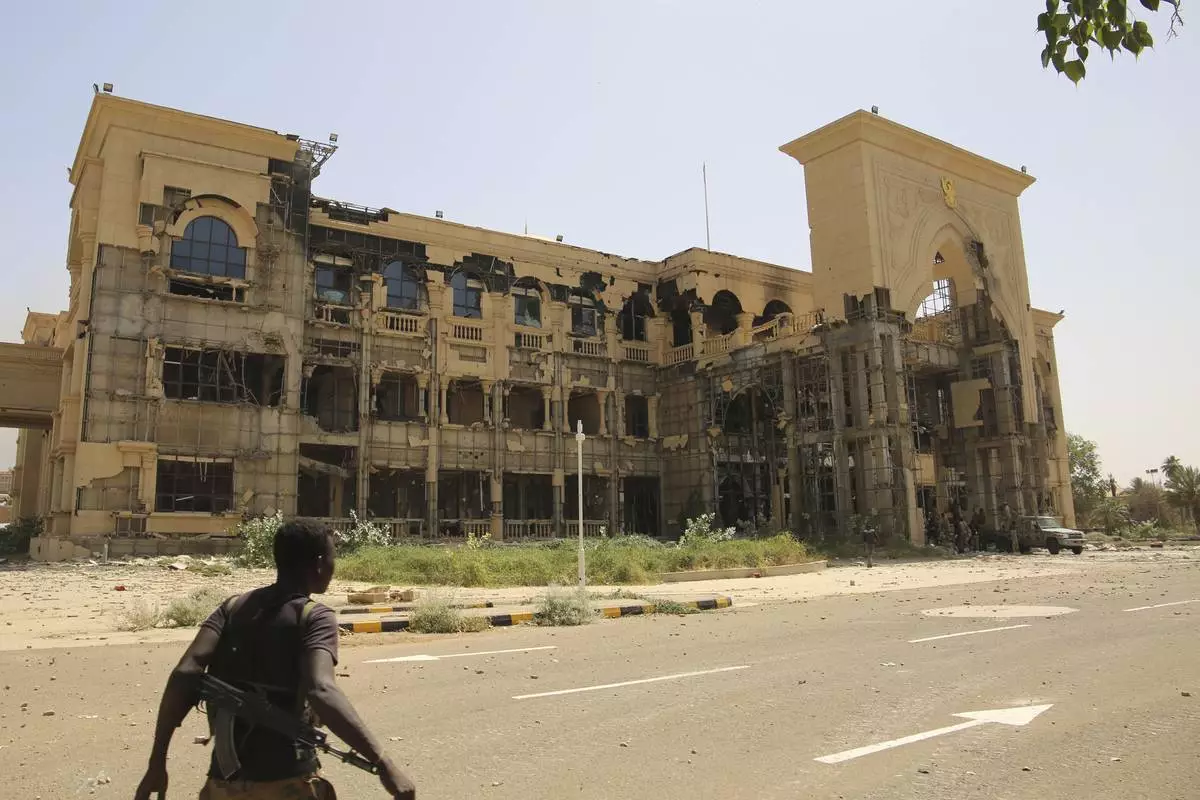
Sudan's army soldiers celebrate after they took the Republican Palace in Khartoum, Sudan, Friday, March 21, 2025. (AP Photo)

An army soldier walks in front of the Republican Palace in Khartoum, Sudan, after it was taken over by Sudan's army Friday, March 21, 2025. (AP Photo)
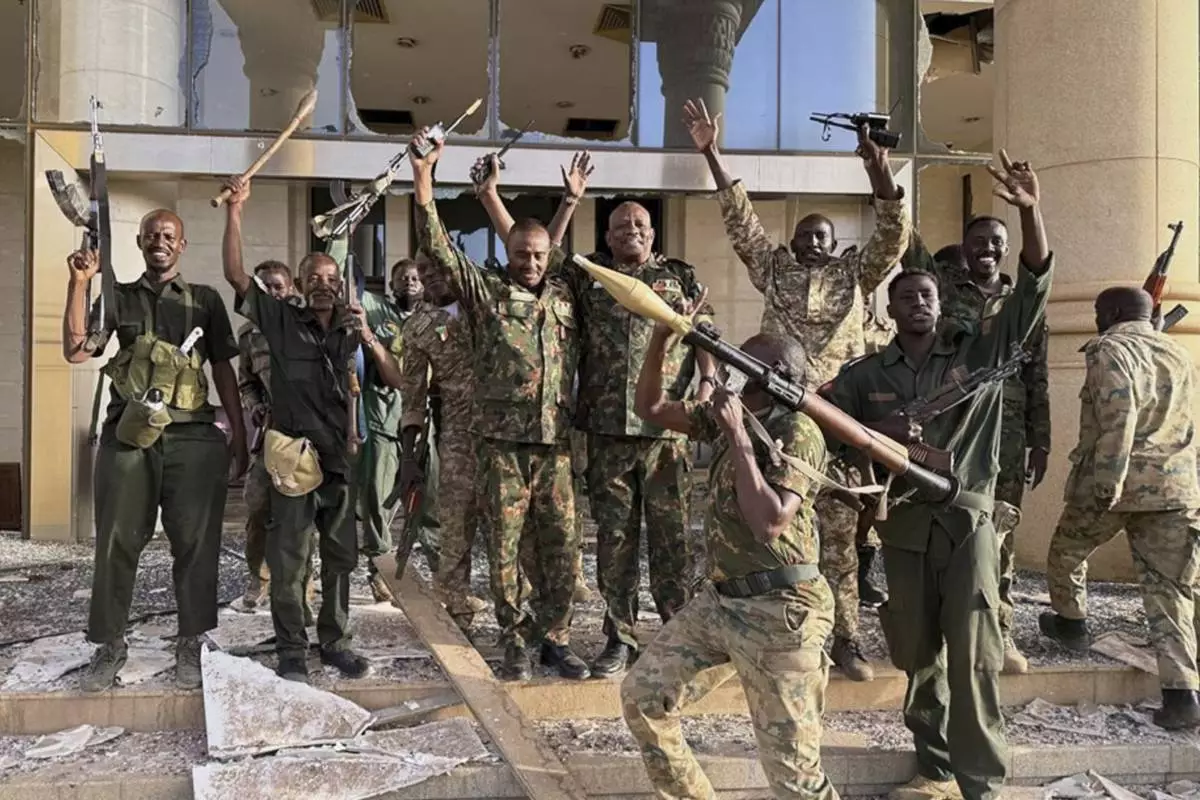
An army soldier walks in front of the Republican Palace in Khartoum, Sudan, after it was taken over by Sudan's army Friday, March 21, 2025. (AP Photo)

In this picture released by Sudanese Armed Forces (SAF) in social media, soldiers celebrate after taking over the Republican Palace in Khartoum, Sudan, Friday March 21, 2025. (SAF via AP )
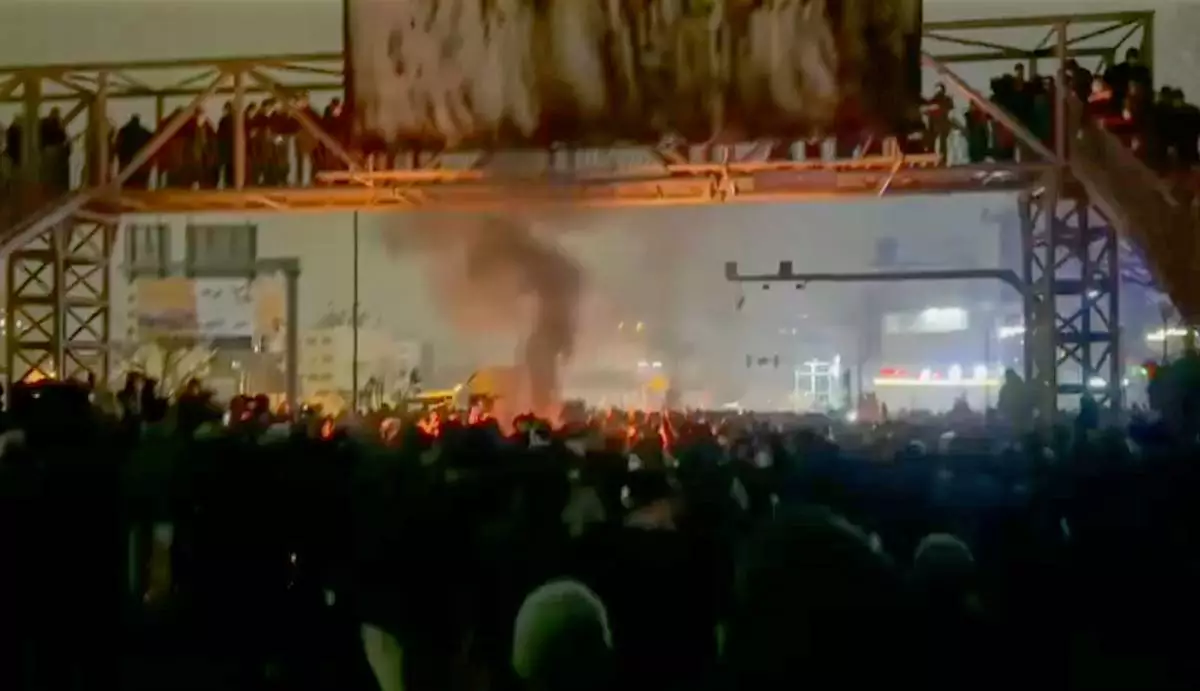
In this picture released by Sudanese Armed Forces (SAF) in social media, soldiers celebrate after taking over the Republican Palace in Khartoum, Sudan, Friday March 21, 2025. (SAF via AP )
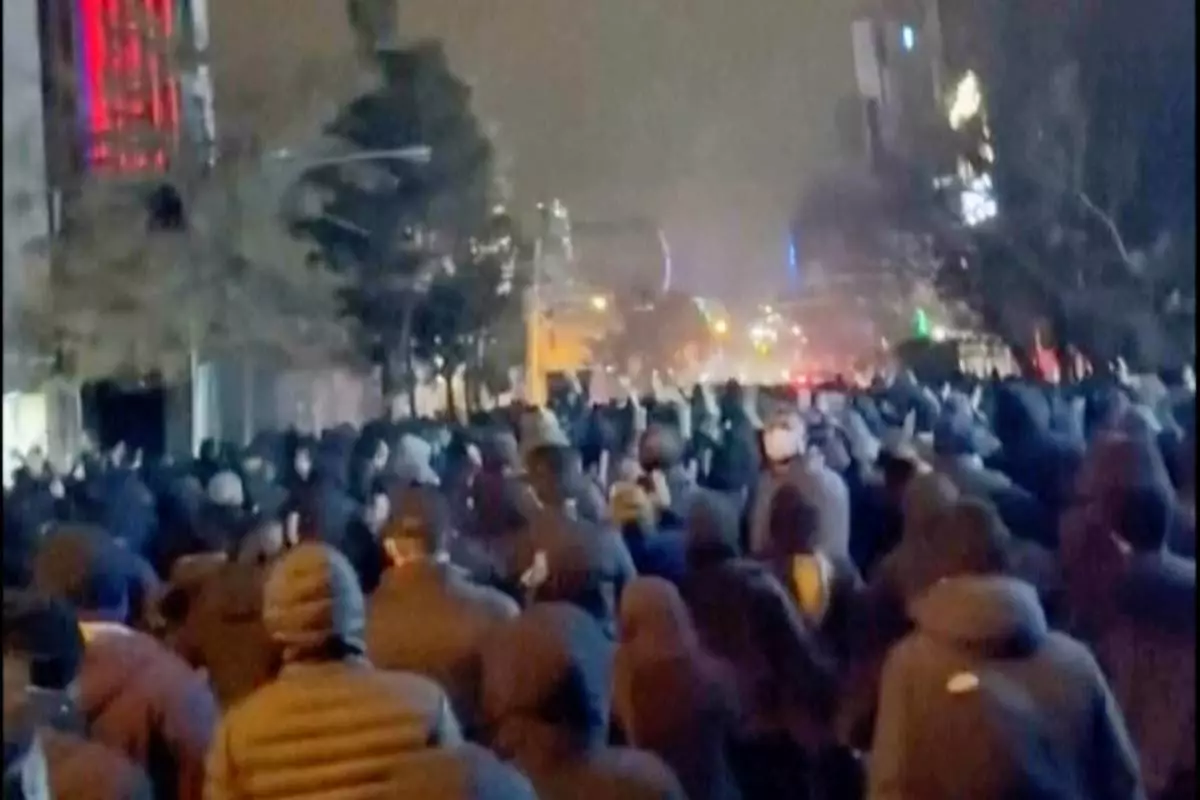
DUBAI, United Arab Emirates (AP) — U.S. President Donald Trump said Iran wants to negotiate with Washington after his threat to strike the Islamic Republic over its bloody crackdown on protesters, a move coming as activists said Monday the death toll in the nationwide demonstrations rose to at least 544.

Iran had no immediate reaction to the news, which came after the foreign minister of Oman — long an interlocutor between Washington and Tehran — traveled to Iran this weekend. It also remains unclear just what Iran could promise, particularly as Trump has set strict demands over its nuclear program and its ballistic missile arsenal, which Tehran insists is crucial for its national defense.

Meanwhile Monday, Iran called for pro-government demonstrators to head to the streets in support of the theocracy, a show of force after days of protests directly challenging the rule of 86-year-old Supreme Leader Ayatollah Ali Khamenei. Iranian state television aired chants from the crowd, who shouted “Death to America!” and “Death to Israel!”

Trump and his national security team have been weighing a range of potential responses against Iran including cyberattacks and direct strikes by the U.S. or Israel, according to two people familiar with internal White House discussions who were not authorized to comment publicly and spoke on condition of anonymity.

“The military is looking at it, and we’re looking at some very strong options,” Trump told reporters on Air Force One on Sunday night. Asked about Iran’s threats of retaliation, he said: “If they do that, we will hit them at levels that they’ve never been hit before.”

Trump said that his administration was in talks to set up a meeting with Tehran, but cautioned that he may have to act first as reports of the death toll in Iran mount and the government continues to arrest protesters.

“I think they’re tired of being beat up by the United States,” Trump said. “Iran wants to negotiate.”

He added: “The meeting is being set up, but we may have to act because of what’s happening before the meeting. But a meeting is being set up. Iran called, they want to negotiate.”

Iran through country's parliamentary speaker warned Sunday that the U.S. military and Israel would be “legitimate targets” if America uses force to protect demonstrators.

More than 10,600 people also have been detained over the two weeks of protests, said the U.S.-based Human Rights Activists News Agency, which has been accurate in previous unrest in recent years and gave the death toll. It relies on supporters in Iran crosschecking information. It said 496 of the dead were protesters and 48 were with security forces.

With the internet down in Iran and phone lines cut off, gauging the demonstrations from abroad has grown more difficult. The Associated Press has been unable to independently assess the toll. Iran’s government has not offered overall casualty figures.

Those abroad fear the information blackout is emboldening hard-liners within Iran’s security services to launch a bloody crackdown. Protesters flooded the streets in the country’s capital and its second-largest city on Saturday night into Sunday morning. Online videos purported to show more demonstrations Sunday night into Monday, with a Tehran official acknowledging them in state media.

In Tehran, a witness told the AP that the streets of the capital empty at the sunset call to prayers each night. By the Isha, or nighttime prayer, the streets are deserted.

Part of that stems from the fear of getting caught in the crackdown. Police sent the public a text message that warned: “Given the presence of terrorist groups and armed individuals in some gatherings last night and their plans to cause death, and the firm decision to not tolerate any appeasement and to deal decisively with the rioters, families are strongly advised to take care of their youth and teenagers.”

Another text, which claimed to come from the intelligence arm of the paramilitary Revolutionary Guard, also directly warned people not to take part in demonstrations.

“Dear parents, in view of the enemy’s plan to increase the level of naked violence and the decision to kill people, ... refrain from being on the streets and gathering in places involved in violence, and inform your children about the consequences of cooperating with terrorist mercenaries, which is an example of treason against the country,” the text warned.

The witness spoke to the AP on condition of anonymity due to the ongoing crackdown.

The demonstrations began Dec. 28 over the collapse of the Iranian rial currency, which trades at over 1.4 million to $1, as the country’s economy is squeezed by international sanctions in part levied over its nuclear program. The protests intensified and grew into calls directly challenging Iran’s theocracy.

Nikhinson reported from aboard Air Force One.

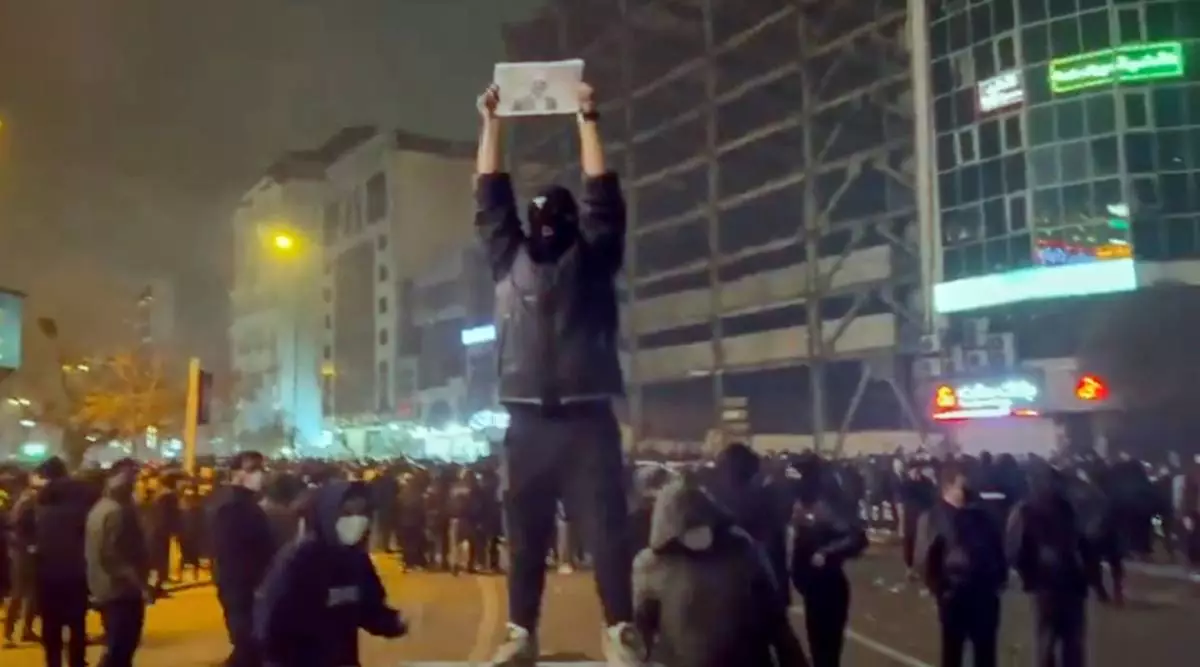
In this frame grab from video obtained by the AP outside Iran, a masked demonstrator holds a picture of Iran's Crown Prince Reza Pahlavi during a protest in Tehran, Iran, Friday, January. 9, 2026. (UGC via AP)

In this frame grab from video obtained by the AP outside Iran, a masked demonstrator holds a picture of Iran's Crown Prince Reza Pahlavi during a protest in Tehran, Iran, Friday, January. 9, 2026. (UGC via AP)

In this frame grab from footage circulating on social media from Iran shows protesters taking to the streets despite an intensifying crackdown as the Islamic Republic remains cut off from the rest of the world in Tehran, Iran, Friday, Jan. 9, 2026.(UGC via AP)

In this frame grab from footage circulating on social media from Iran shows protesters taking to the streets despite an intensifying crackdown as the Islamic Republic remains cut off from the rest of the world in Tehran, Iran, Friday, Jan. 9, 2026.(UGC via AP)

In this frame grab from footage circulating on social media from Iran showed protesters once again taking to the streets of Tehran despite an intensifying crackdown as the Islamic Republic remains cut off from the rest of the world in Tehran, Iran, Saturday Jan. 10, 2026. (UGC via AP)

In this frame grab from footage circulating on social media from Iran showed protesters once again taking to the streets of Tehran despite an intensifying crackdown as the Islamic Republic remains cut off from the rest of the world in Tehran, Iran, Saturday Jan. 10, 2026. (UGC via AP)

Recommended Articles