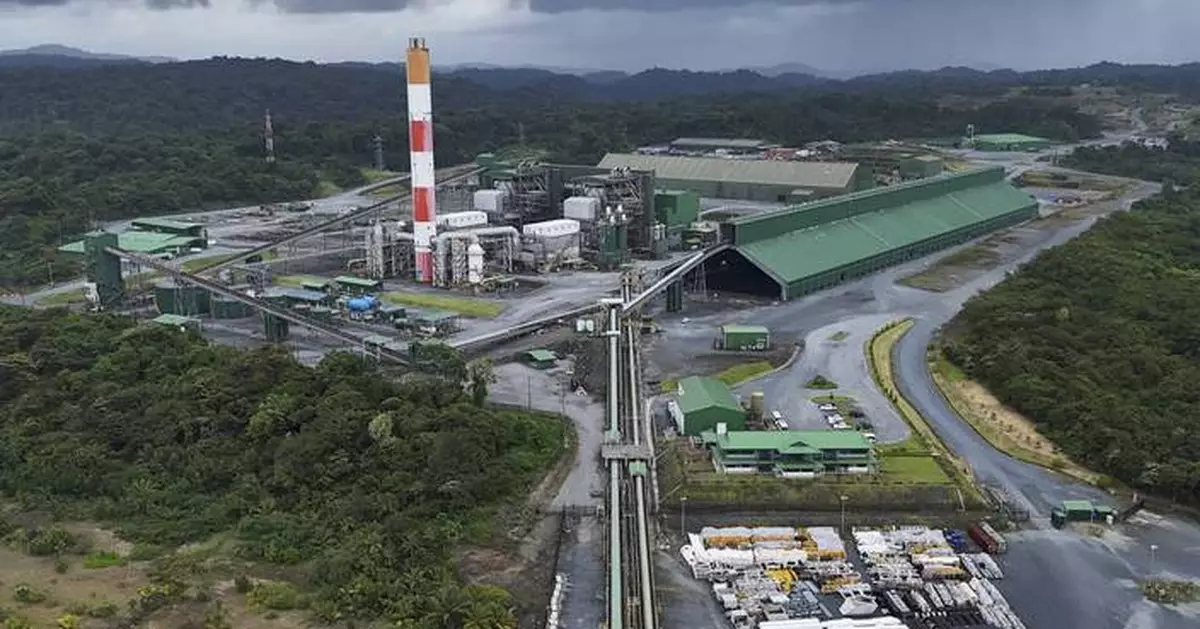
DONOSO, Panama (AP) — More than a year after Panama’s Supreme Court halted operations at a huge copper mine because its government concession was deemed unconstitutional, the country's new administration is signaling a potential restart.
Business groups are lobbying President José Raúl Mulino, who says he’ll start discussing the mine’s future with his team next week. The mine’s owner is conducting media tours and has said it will suspend arbitration, while the coalition of environmental and civic groups that snarled traffic for weeks in 2023 calling for the mine’s closure is preparing to hit the streets again.
Click to Gallery
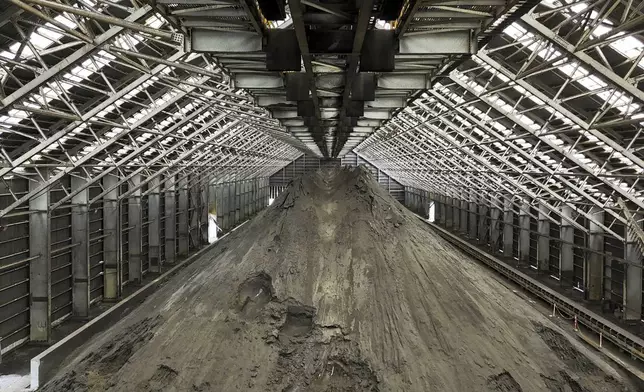
Copper ore piles up at the Cobre Panama copper mine, owned by Canada's First Quantum Minerals, during a media tour of the mine that was closed after Panama's Supreme Court ruled that the government concession was unconstitutional, in Donoso, Panama, Friday, March 21, 2025. (AP Photo/Matias Delacroix)
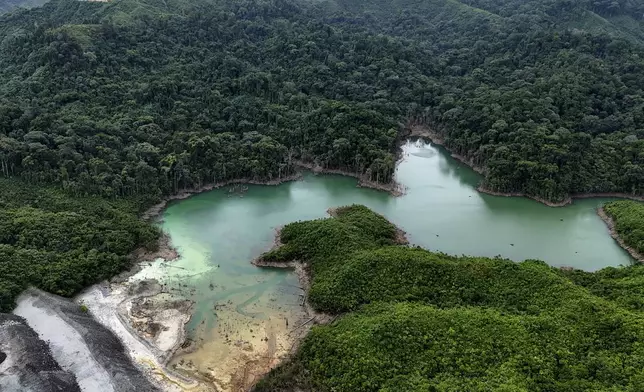
A tailing pond sits in the Cobre Panamá copper mine, owned by Canada's First Quantum Minerals, during a media tour of the mine that was closed after Panama's Supreme Court ruled that the government concession was unconstitutional, in Donoso, Panama, Friday, March 21, 2025. (AP Photo/Matias Delacroix)
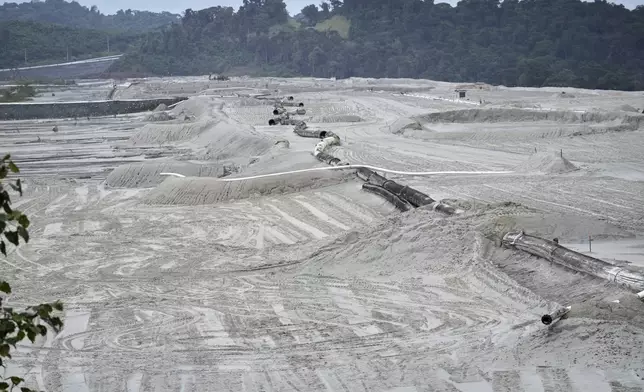
Deposits of waste rock lay at the Cobre Panamá copper mine, owned by Canada's First Quantum Minerals, which was closed after Panama's Supreme Court ruled that the government concession was unconstitutional in Donoso, Panama, Friday, March 21, 2025. (AP Photo/Matias Delacroix)
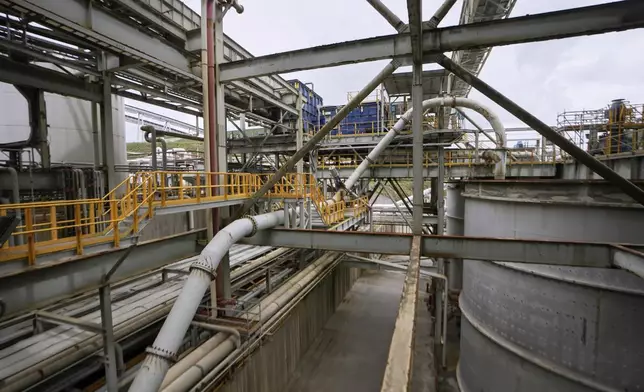
The Cobre Panamá copper mine, owned by Canada's First Quantum Minerals, in Donoso, Panama, Friday, March 21, 2025, during a press tour of the mine after it was closed by Panama's Supreme Court that ruled the government concession was unconstitutional. (AP Photo/Matias Delacroix)
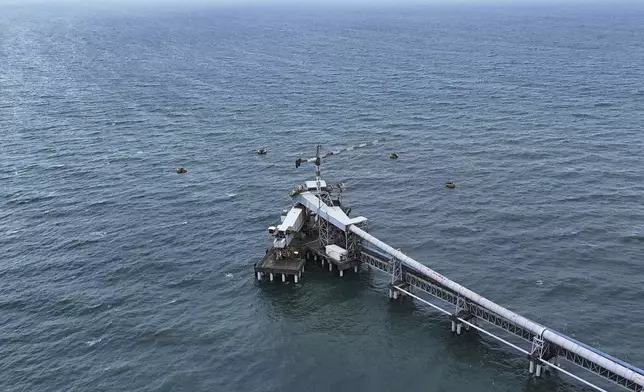
The loading terminal for the Cobre Panama copper mine, owned by Canada's First Quantum Minerals, in Donoso, Panama, Friday, March 21, 2025, during a media tour of the mine that was closed after Panama's Supreme Court ruled that the government concession was unconstitutional. (AP Photo/Matias Delacroix)
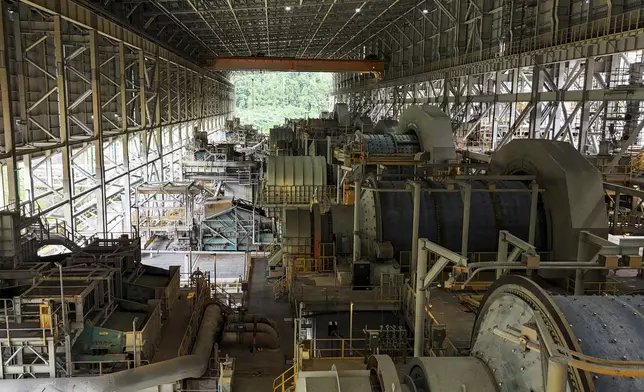
Mills at the Cobre Panamá copper mine, owned by Canada's First Quantum Minerals, sit idle during a press tour of the mine which was closed after Panama's Supreme Court ruled that the government concession was unconstitutional in Donoso, Panama, Friday, March 21, 2025. (AP Photo/Matias Delacroix)
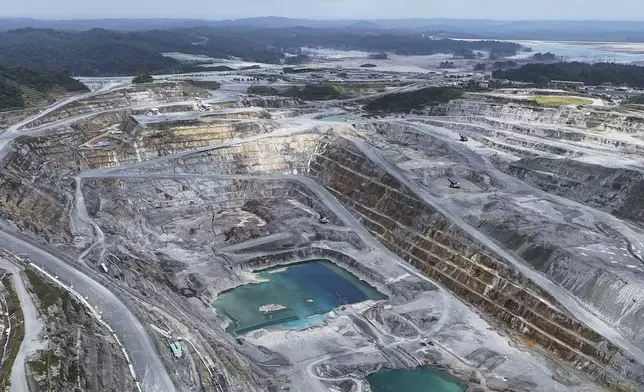
Tailing ponds are seen during a media tour of the Cobre Panamá copper mine, owned by Canada's First Quantum Minerals, which was closed after Panama's Supreme Court ruled that the government concession was unconstitutional in Donoso, Panama, Friday, March 21, 2025. (AP Photo/Matias Delacroix)
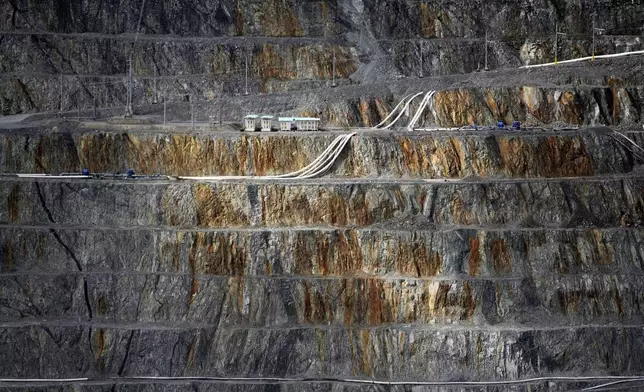
Benches line the Cobre Panamá copper mine during a press tour of the mine owned by Canada's First Quantum Minerals that was closed after Panama's Supreme Court ruled that the government concession was unconstitutional in Donoso, Panama, Friday, March 21, 2025. (AP Photo/Matias Delacroix)
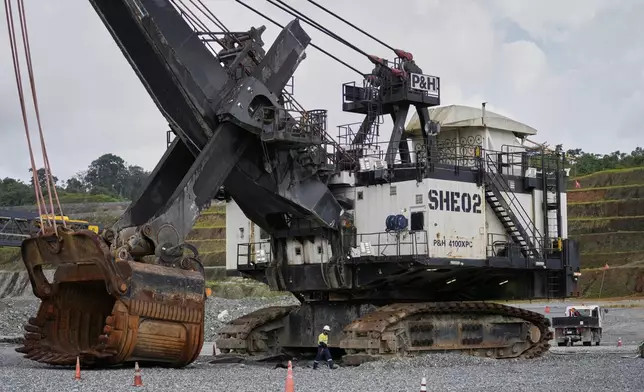
An excavator sits idle at the Cobre Panamá copper mine, owned by Canada's First Quantum Minerals, in Donoso, Panama, Friday, March 21, 2025, during a press tour of the mine that was closed after Panama's Supreme Court ruled that the government concession was unconstitutional. (AP Photo/Matias Delacroix)
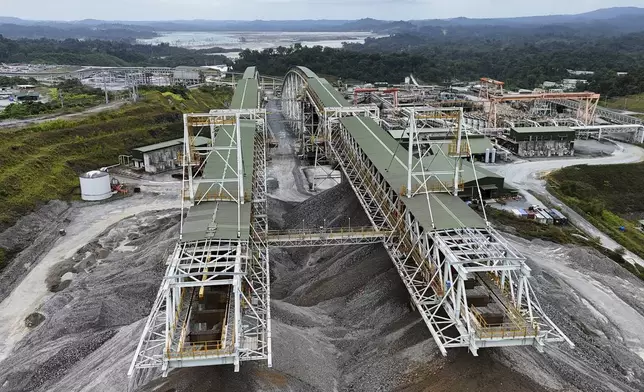
Facilities stand idle at the Cobre Panamá copper mine during a media tour of the mine owned by Canada's First Quantum Mineral that was closed after Panama's Supreme Court ruled that the government concession was unconstitutional, in Donoso, Panama, Friday, March 21, 2025. (AP Photo/Matias Delacroix)
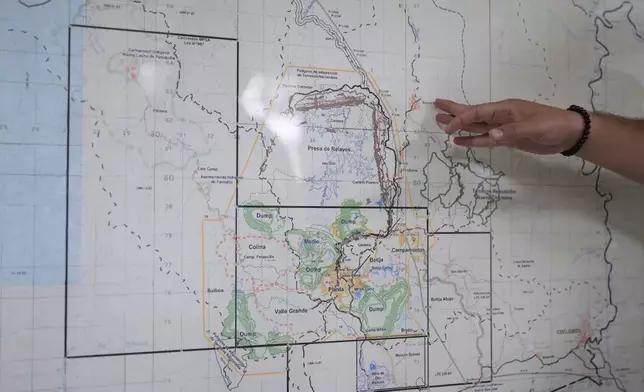
An engineer shows the location of the Cobre Panama copper mine, owned by Canada's First Quantum Minerals, during a press tour of the mine that was closed after Panama's Supreme Court ruled that the government concession was unconstitutional, in Donoso, Panama, Friday, March 21, 2025. (AP Photo/Matias Delacroix)
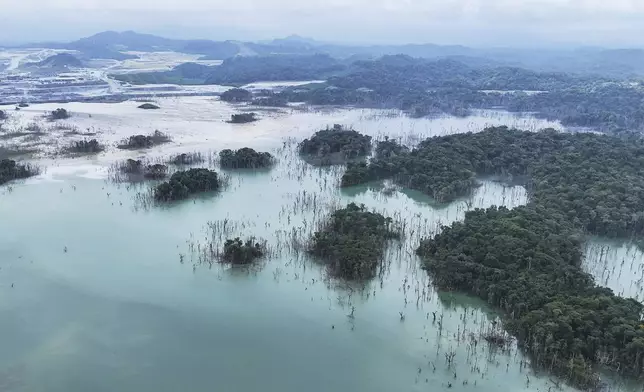
A view of the tailing management ponds in the Cobre Panama copper mine, owned by Canada's First Quantum Minerals, in Donoso, Panama, Friday, March 21, 2025, during a media tour of the mine that was closed after Panama's Supreme Court ruled that the government concession was unconstitutional. (AP Photo/Matias Delacroix)
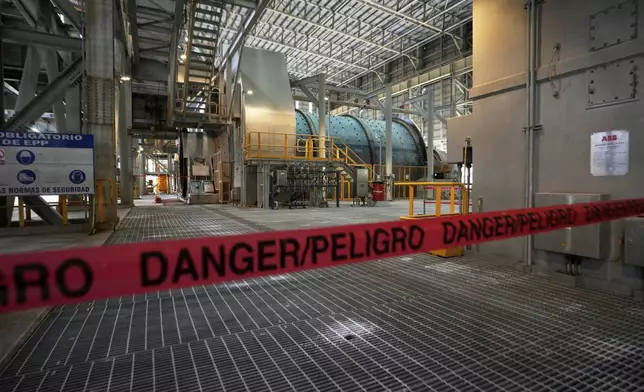
Tape blocks off an area of the Cobre Panamá copper mine, owned by Canada's First Quantum Minerals, in Donoso, Panama, Friday, March 21, 2025, during a press tour of the mine after it was closed by Panama's Supreme Court that ruled the government concession was unconstitutional. (AP Photo/Matias Delacroix)
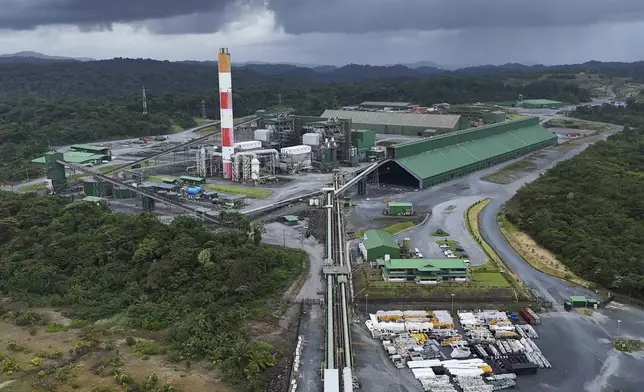
The thermoelectric plant of the Cobre Panama copper mine, owned by Canada's First Quantum Minerals, in Donoso, Panama, Friday, March 21, 2025, during a media tour of the mine that was closed after Panama's Supreme Court ruled that the government concession was unconstitutional. (AP Photo/Matias Delacroix)
Mulino has already ordered that the mine’s power plant be restarted and that some $250 million worth of copper concentrate sitting at the mine be sold. And on Thursday, he appeared to signal where he was leaning.
Noting the mine’s economic impact — it accounted for nearly 5% of Panama gross domestic product the last year it operated — Mulino said: “On what basis can I say, as president of the republic, ’good-bye, to the mine, there won’t be a mine because five people who don’t pay a payroll don’t want a mine?'”
In March 2023, Panama’s Congress reached an agreement with Canadian mining company First Quantum, allowing its local subsidiary Panama Copper to continue operating the mine for at least 20 more years. The open-pit mine was temporarily closed in 2022 when talks between the government and First Quantum broke down over payments the government wanted.
The contract, given final approval Oct. 20, 2023, allowed the subsidiary to continue operating the mine in a biodiverse jungle on the Atlantic coast west of the capital for the next 20 years, with the possibility of extending for a further 20 years if the site remained productive.
The deal faced opposition from those who believed Panama wasn’t getting as much as it should and from environmentalists and Indigenous groups who raised concerns about the mine’s impact.
The dispute led to some of Panama’s most widespread protests in recent years, including a blockade of the mine’s power plant. Protesters also blocked parts of the Pan American highway, including a stretch near the border with Costa Rica.
On Nov. 28, 2023, Panama’s Supreme Court ruled unanimously that the 20-year concession was unconstitutional and then-President Laurentino Cortizo announced the start of a process to close the mine.
Days before the court’s ruling, the Congress had also passed a moratorium on metal mining in Panama.
The road to Cobre Panamá now is peppered with signs calling for its reopening. At its peak, it had employed more than 7,000 people, of which only about 1,000 remain as the company tries to keep the surrounding jungle at bay and the equipment from rusting away.
Edgardo Díaz, who sold food to mine workers, said many vendors had to shutter their businesses when the mine stopped operating. He said he was one of five vendors who met with Mulino several weeks ago. “We asked that the mine be reopened.”
But not everyone agrees. Abelisario Rodríguez, a resident of Río Caimito near the mine, said that despite the mine’s presence and the money it generated, his community still lacked basic services like electricity, drinking water, a health center and school.
He said there had been a lot of promises made about the development the mine would bring, but he didn’t see it reflected in his community and he didn’t want to see it reopened.
“We don’t want mines in Panama because we’ve seen the experiences of countries like Chile, Peru, mining countries, communities that have been razed, that have been contaminated with sick populations,” Rodríguez said. “We don’t want that for our future generations.”
Manuel Aizpurua, head of Cobre Panamá, said they’ve started bringing people to the mine to show the condition of the equipment and the need to make a decision on the mine’s future.
“Nature is attacking these installations and this equipment, taking them to a degree of deterioration where it won’t be possible to restart the mine if we don’t do something urgently,” Aizpurua said.
“We understand that an operation like this must generate significant benefits for the country and the surrounding communities, not only for our shareholders and investors,” he said. “We’re prepared to sit down with the national government as soon as possible without preconditions to find a solution to achieve that objective.”
Shortly after Mulino made his comments about the mine Thursday, the 40-organization coalition Panama is Worth More without Mining gathered in the capital.
Lilian González Guevara, executive director of the nongovernmental Environmental Incident Center, pushed back against the economic argument for reopening the mine. She said that while many countries had struggled economically recently, Panama had grown even without the mine operating last year.
“We haven’t depended on mining, it’s a fallacy,” she said. The only dialogue the group was open to having was about permanently closing the mine.
The coalition has called for a public vigil Sunday to remind authorities of the public’s opposition to the mine.
Follow AP’s coverage of Latin America and the Caribbean at https://apnews.com/hub/latin-america
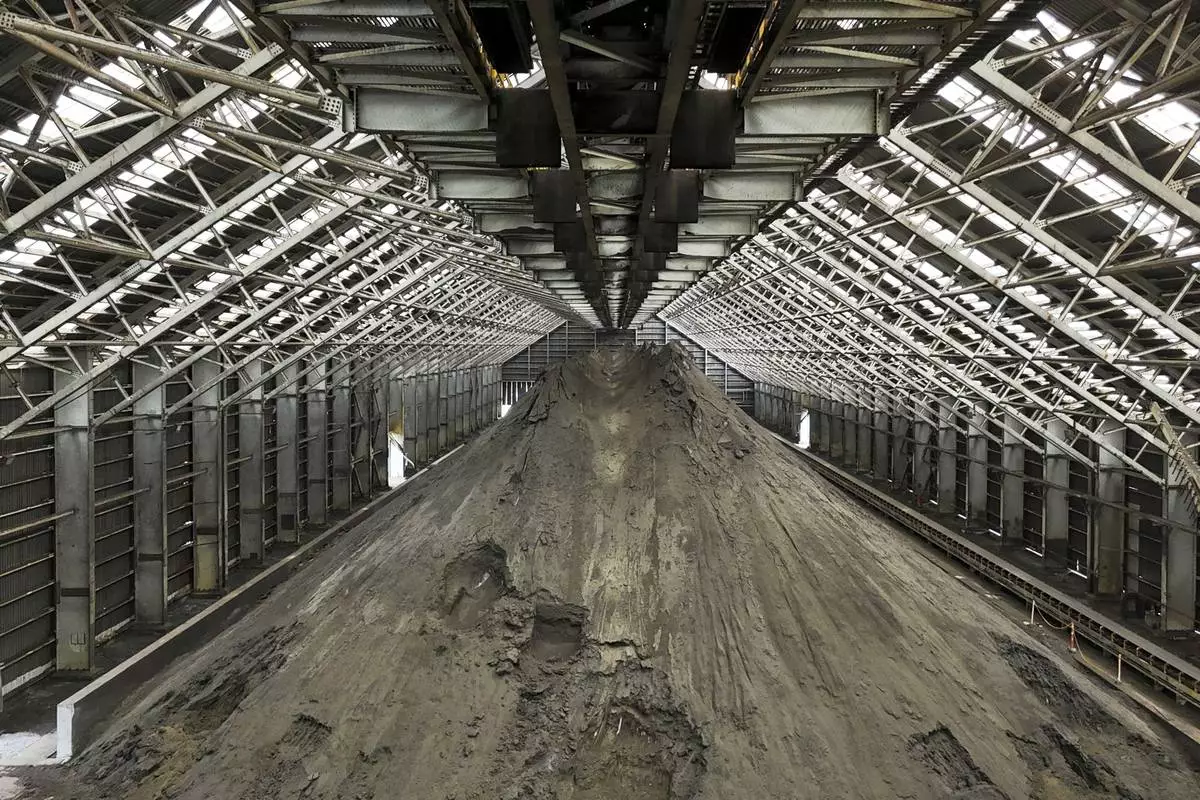
Copper ore piles up at the Cobre Panama copper mine, owned by Canada's First Quantum Minerals, during a media tour of the mine that was closed after Panama's Supreme Court ruled that the government concession was unconstitutional, in Donoso, Panama, Friday, March 21, 2025. (AP Photo/Matias Delacroix)
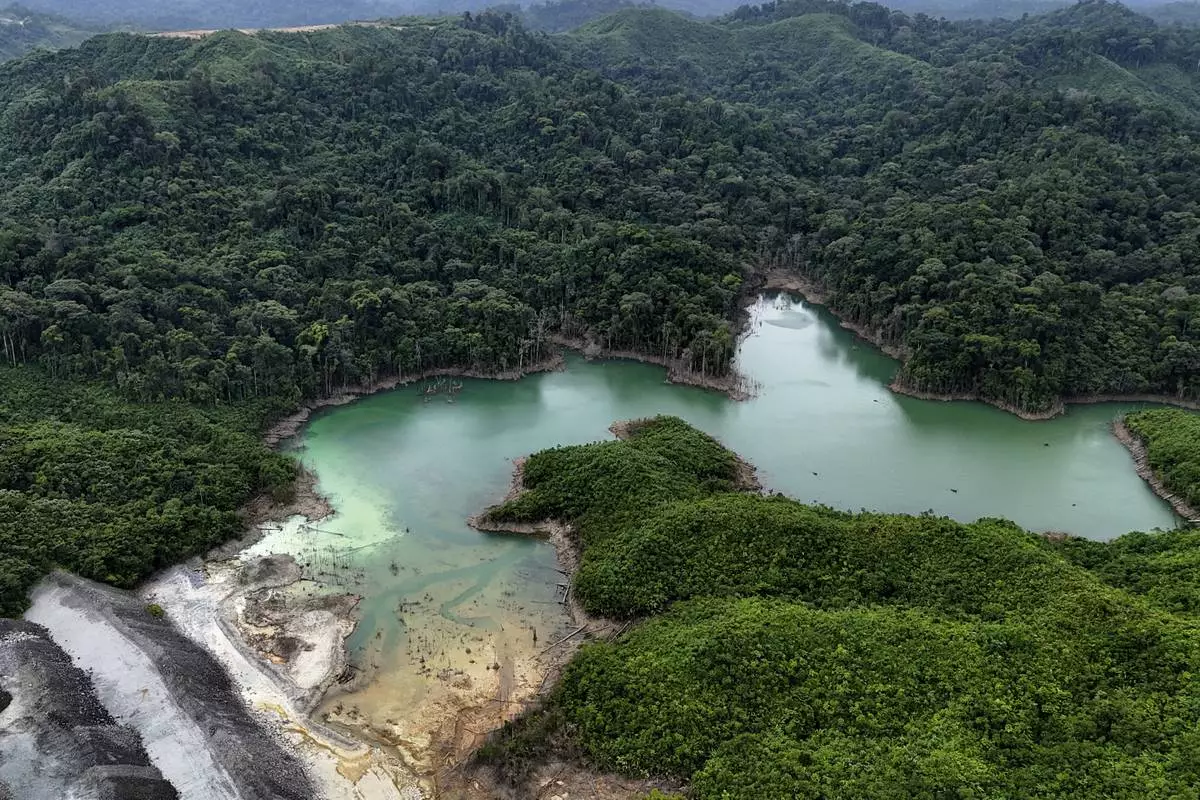
A tailing pond sits in the Cobre Panamá copper mine, owned by Canada's First Quantum Minerals, during a media tour of the mine that was closed after Panama's Supreme Court ruled that the government concession was unconstitutional, in Donoso, Panama, Friday, March 21, 2025. (AP Photo/Matias Delacroix)
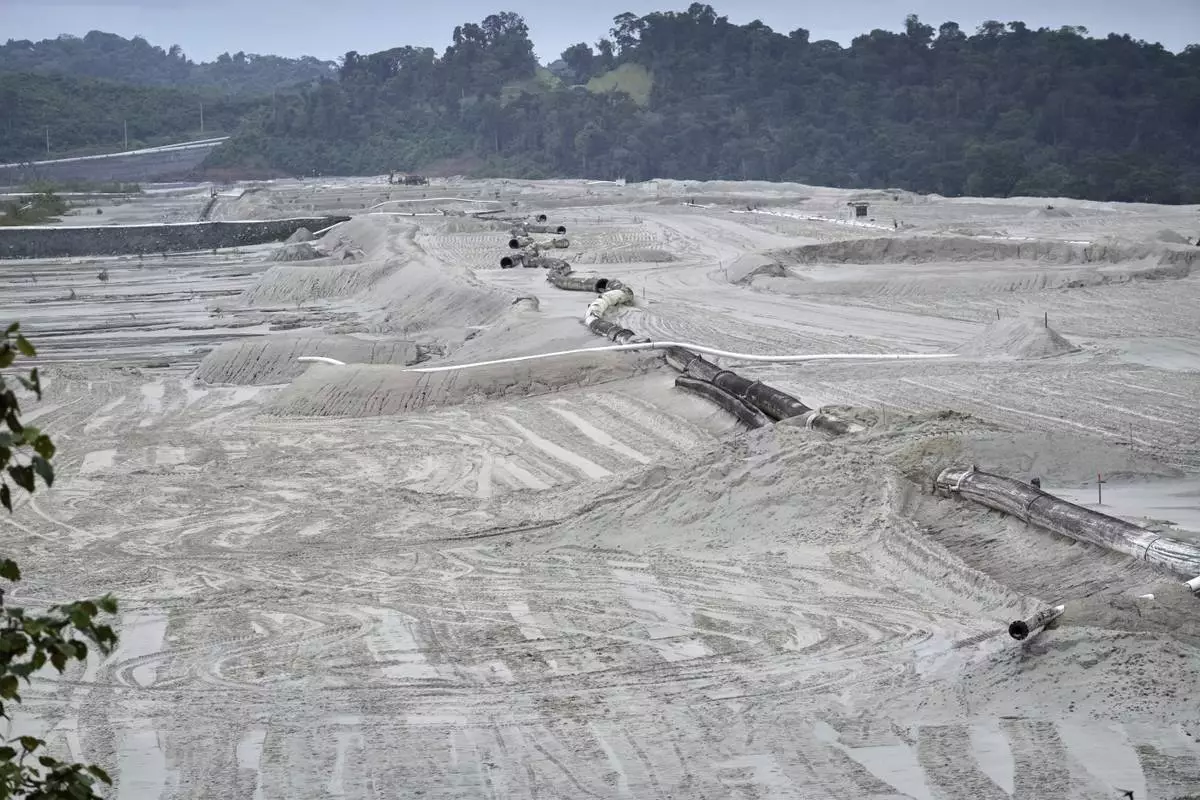
Deposits of waste rock lay at the Cobre Panamá copper mine, owned by Canada's First Quantum Minerals, which was closed after Panama's Supreme Court ruled that the government concession was unconstitutional in Donoso, Panama, Friday, March 21, 2025. (AP Photo/Matias Delacroix)
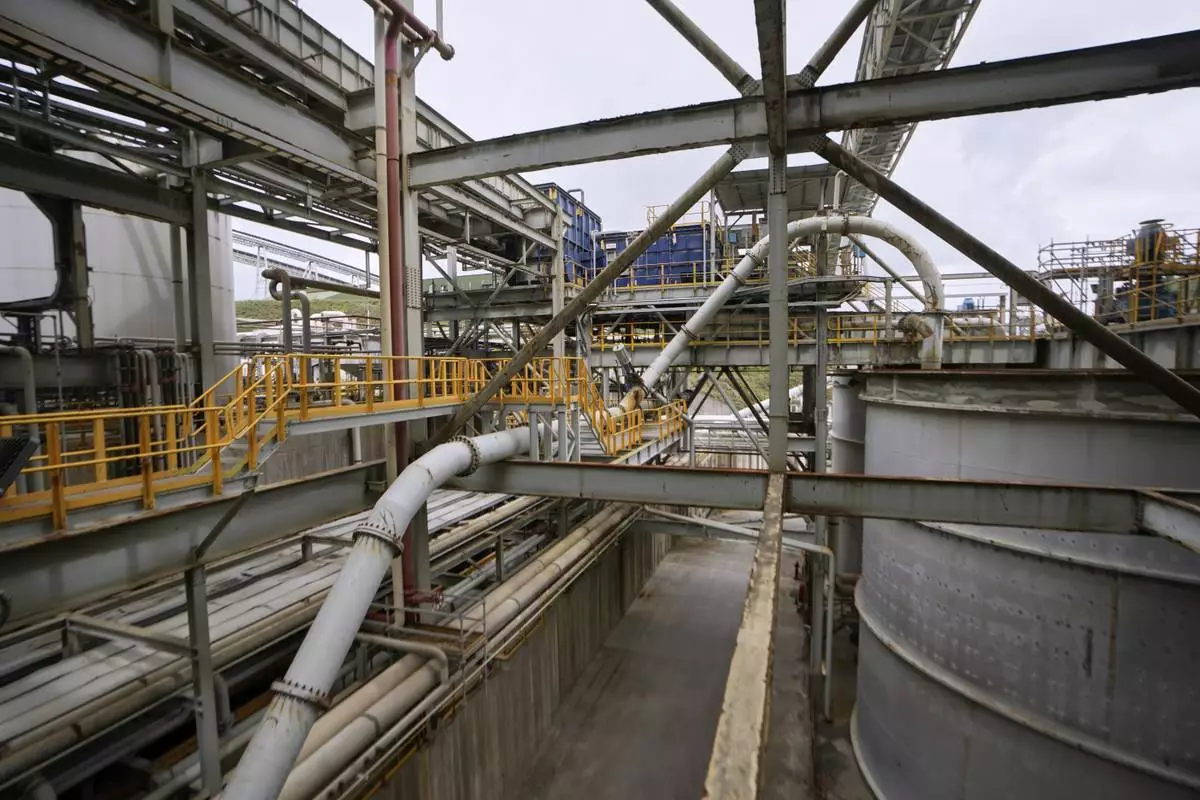
The Cobre Panamá copper mine, owned by Canada's First Quantum Minerals, in Donoso, Panama, Friday, March 21, 2025, during a press tour of the mine after it was closed by Panama's Supreme Court that ruled the government concession was unconstitutional. (AP Photo/Matias Delacroix)
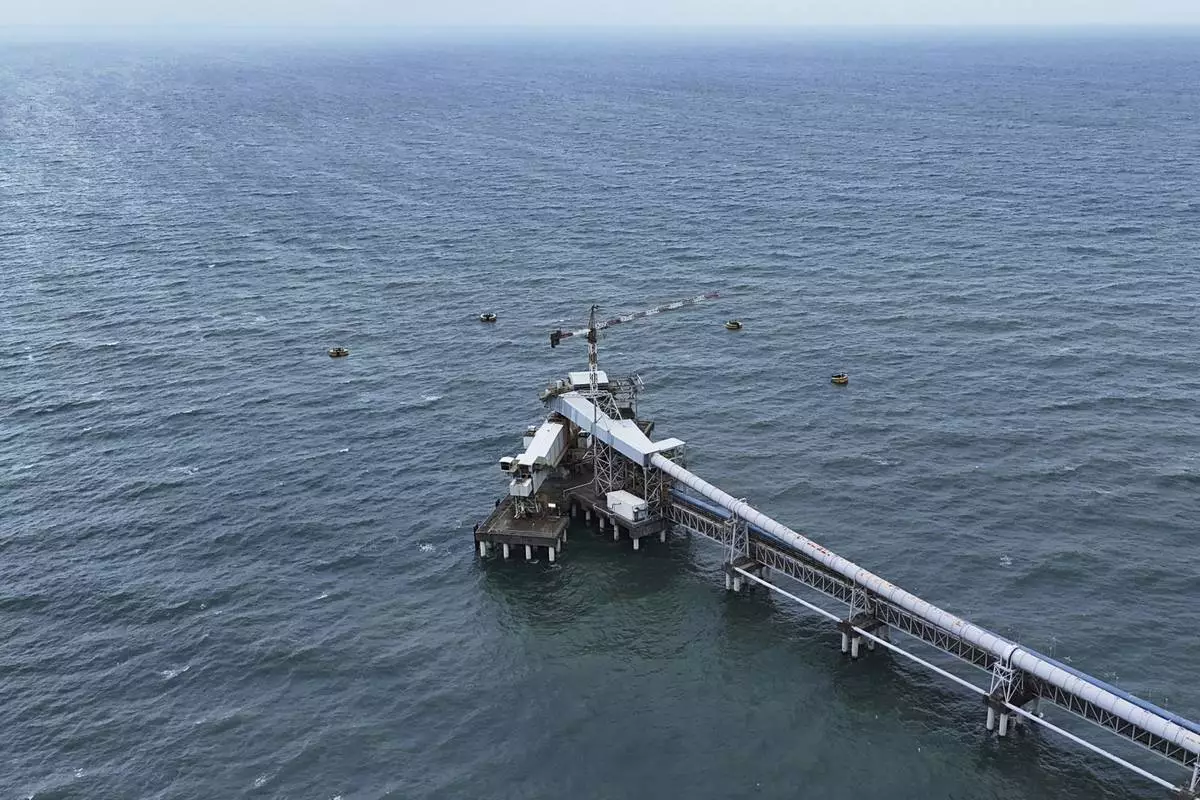
The loading terminal for the Cobre Panama copper mine, owned by Canada's First Quantum Minerals, in Donoso, Panama, Friday, March 21, 2025, during a media tour of the mine that was closed after Panama's Supreme Court ruled that the government concession was unconstitutional. (AP Photo/Matias Delacroix)
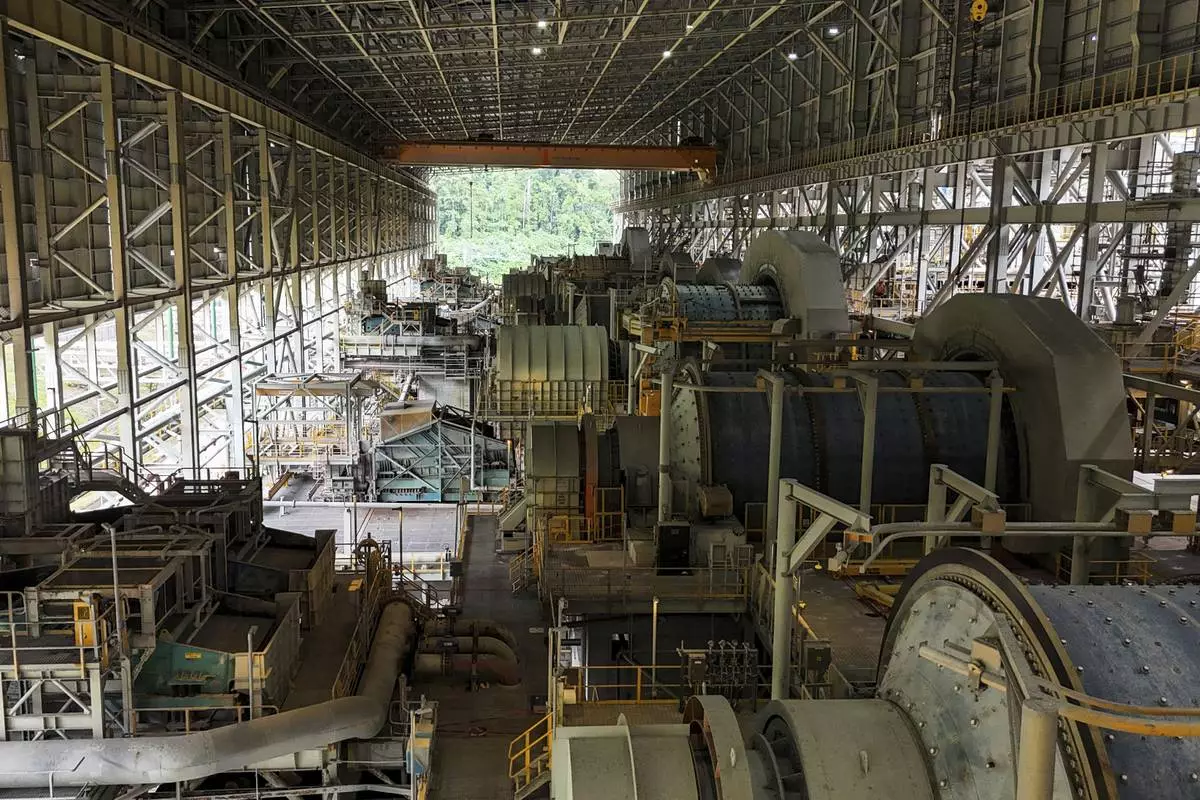
Mills at the Cobre Panamá copper mine, owned by Canada's First Quantum Minerals, sit idle during a press tour of the mine which was closed after Panama's Supreme Court ruled that the government concession was unconstitutional in Donoso, Panama, Friday, March 21, 2025. (AP Photo/Matias Delacroix)
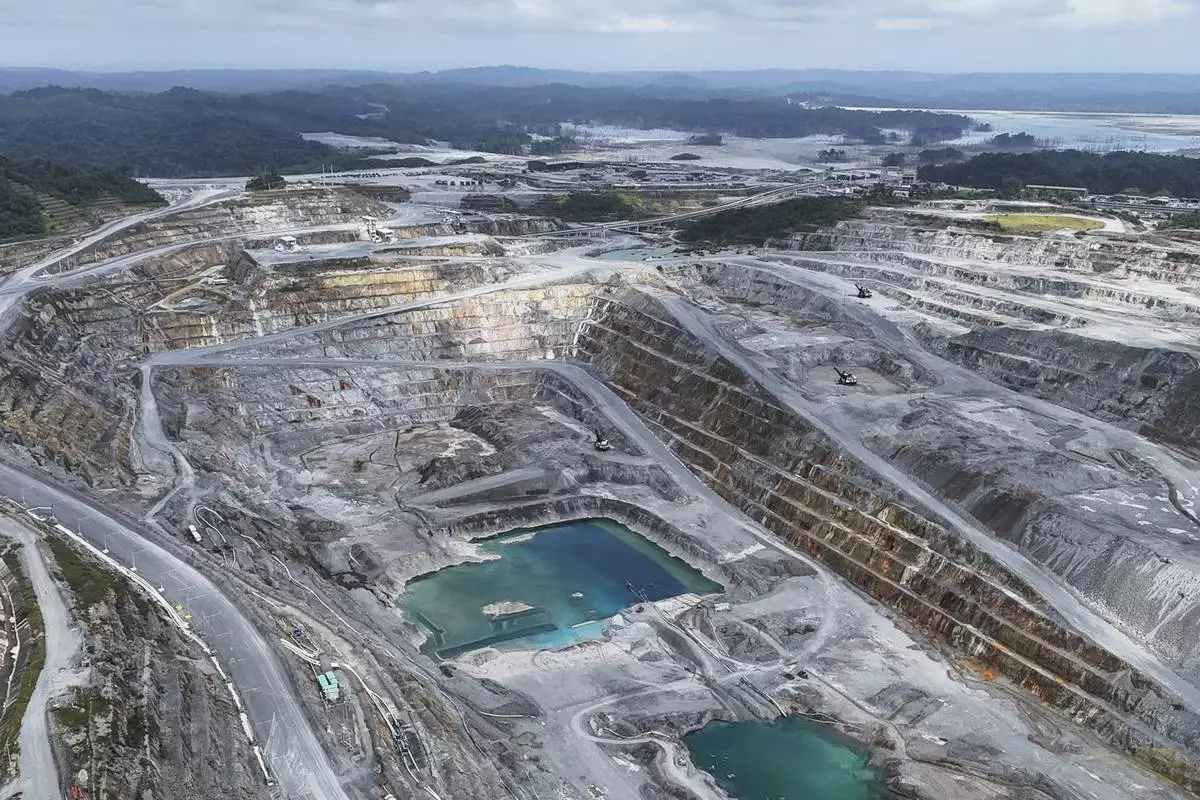
Tailing ponds are seen during a media tour of the Cobre Panamá copper mine, owned by Canada's First Quantum Minerals, which was closed after Panama's Supreme Court ruled that the government concession was unconstitutional in Donoso, Panama, Friday, March 21, 2025. (AP Photo/Matias Delacroix)
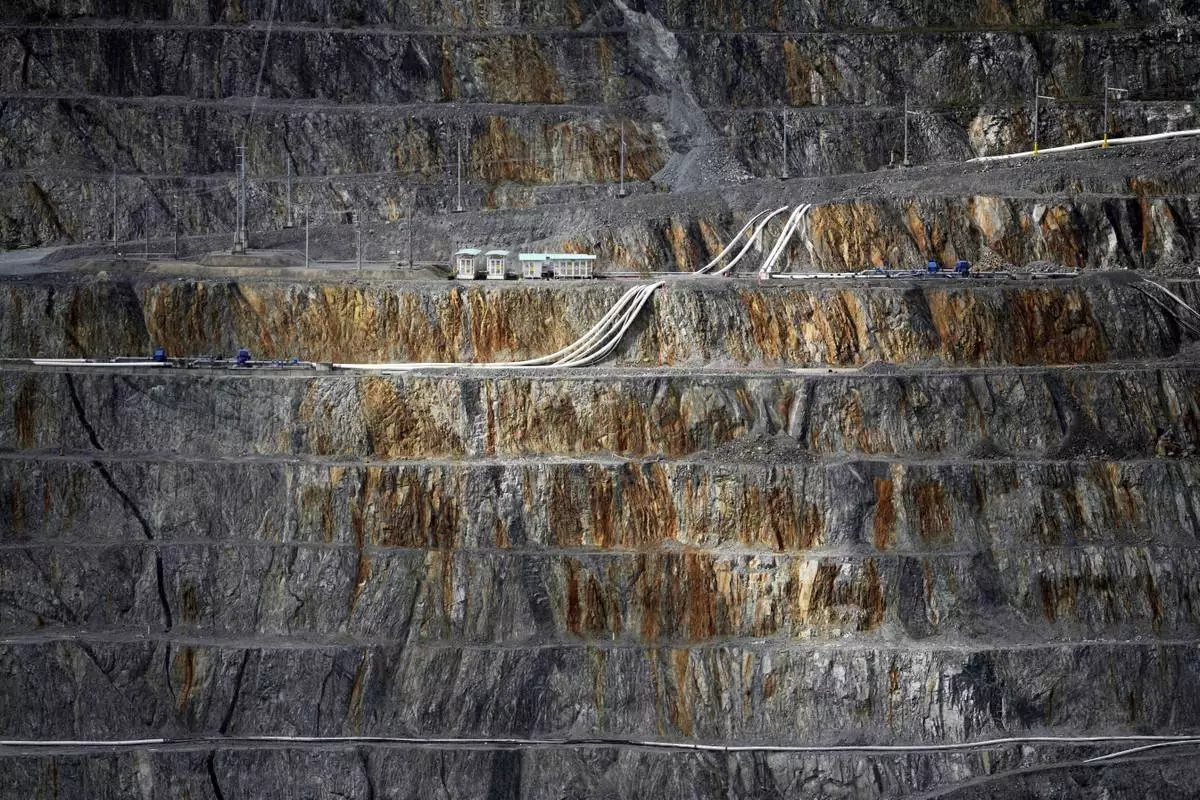
Benches line the Cobre Panamá copper mine during a press tour of the mine owned by Canada's First Quantum Minerals that was closed after Panama's Supreme Court ruled that the government concession was unconstitutional in Donoso, Panama, Friday, March 21, 2025. (AP Photo/Matias Delacroix)
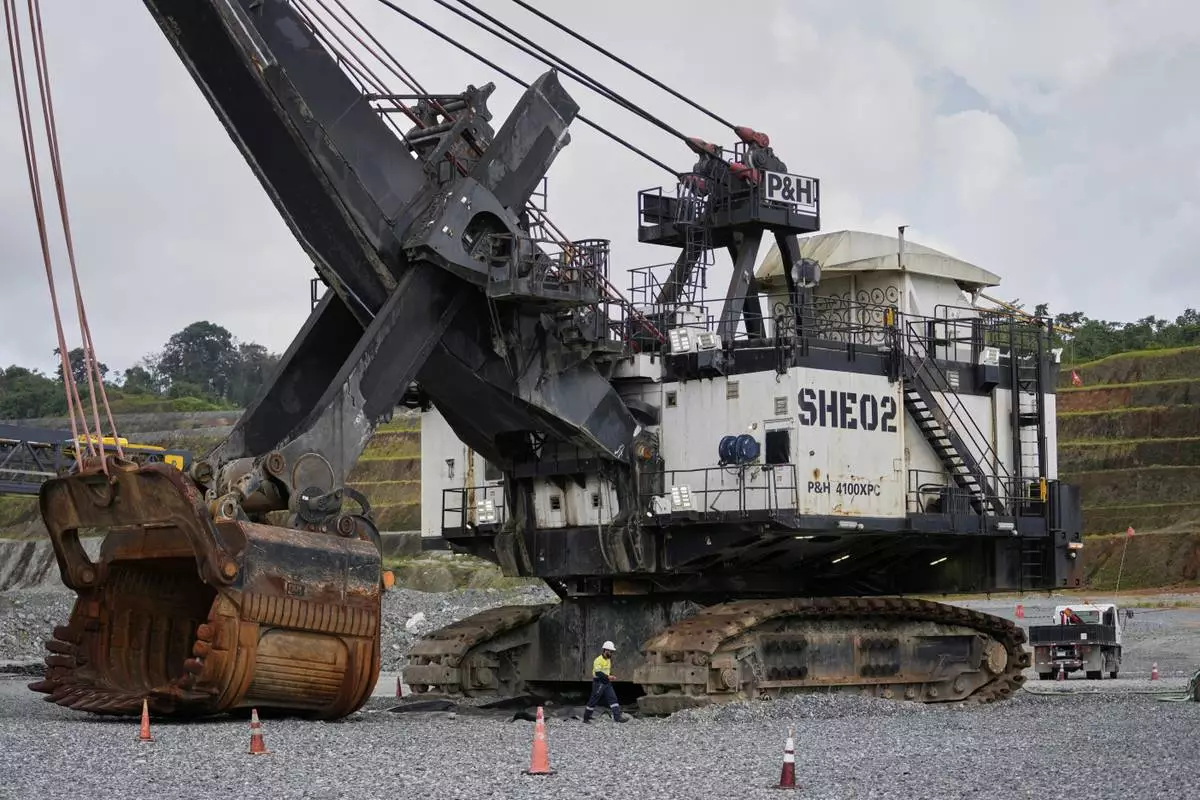
An excavator sits idle at the Cobre Panamá copper mine, owned by Canada's First Quantum Minerals, in Donoso, Panama, Friday, March 21, 2025, during a press tour of the mine that was closed after Panama's Supreme Court ruled that the government concession was unconstitutional. (AP Photo/Matias Delacroix)
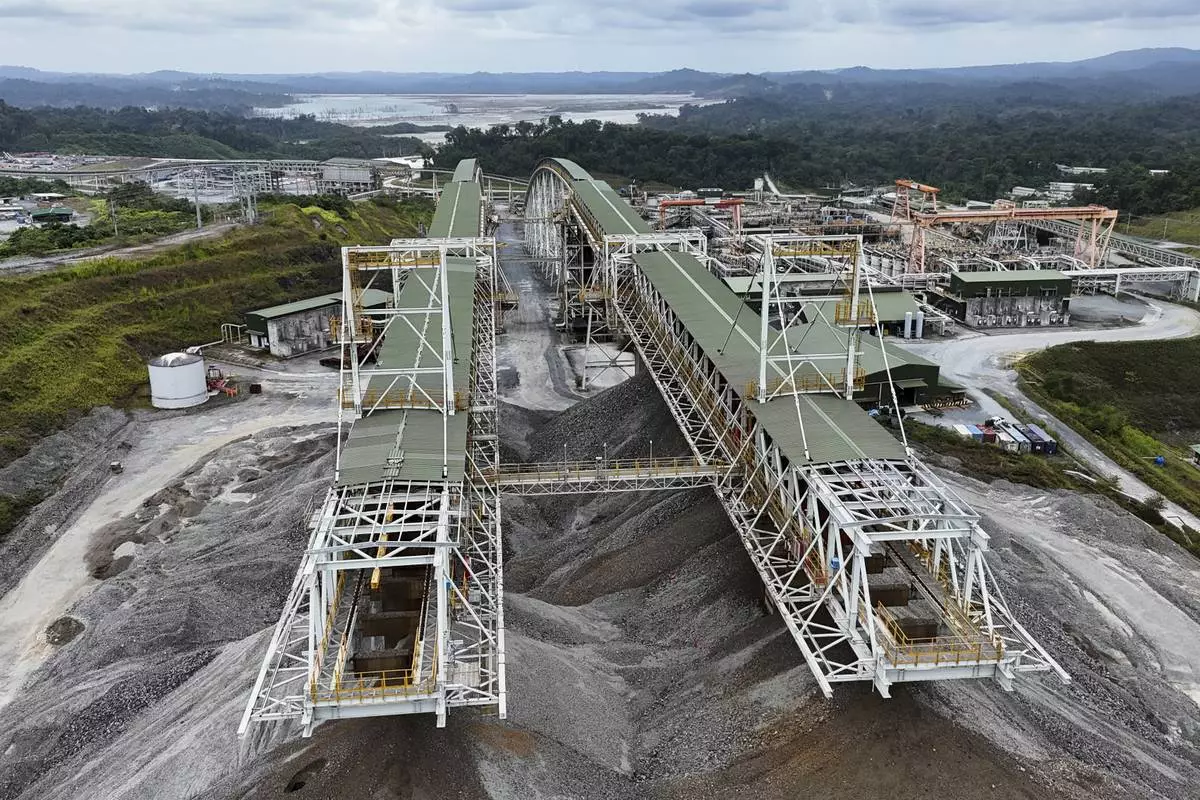
Facilities stand idle at the Cobre Panamá copper mine during a media tour of the mine owned by Canada's First Quantum Mineral that was closed after Panama's Supreme Court ruled that the government concession was unconstitutional, in Donoso, Panama, Friday, March 21, 2025. (AP Photo/Matias Delacroix)
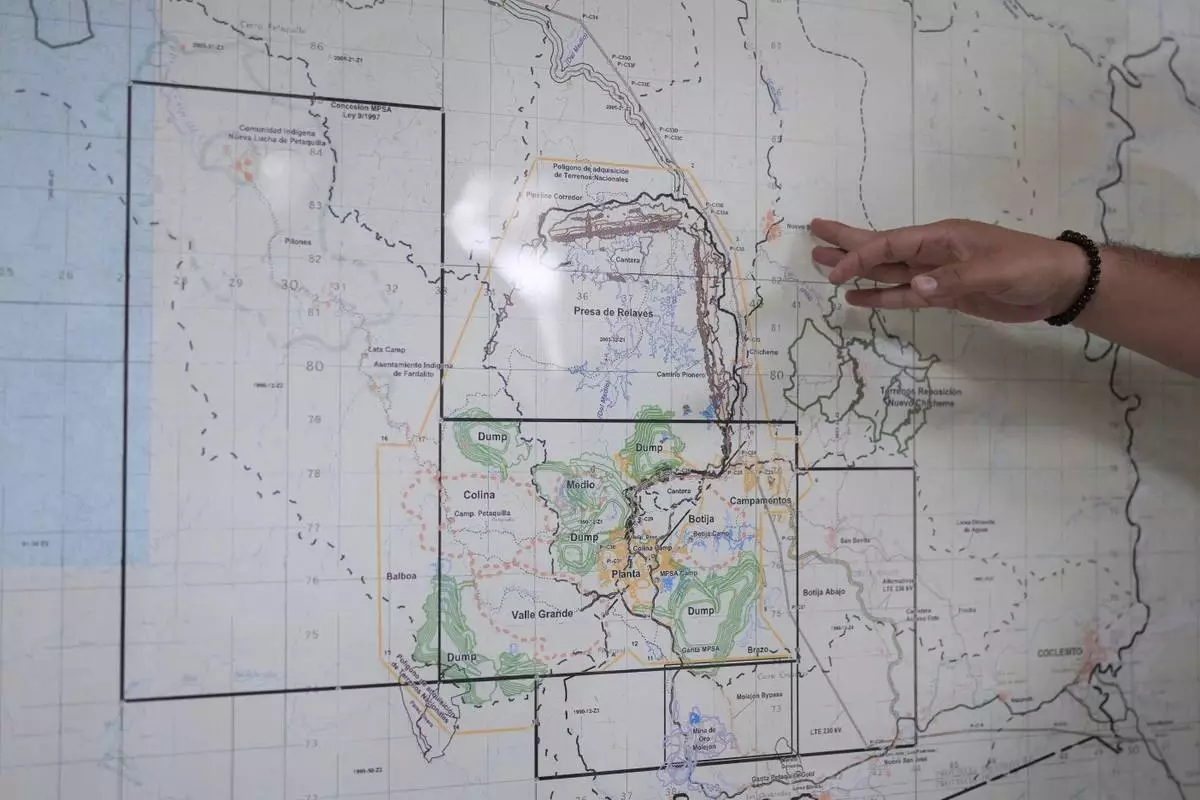
An engineer shows the location of the Cobre Panama copper mine, owned by Canada's First Quantum Minerals, during a press tour of the mine that was closed after Panama's Supreme Court ruled that the government concession was unconstitutional, in Donoso, Panama, Friday, March 21, 2025. (AP Photo/Matias Delacroix)
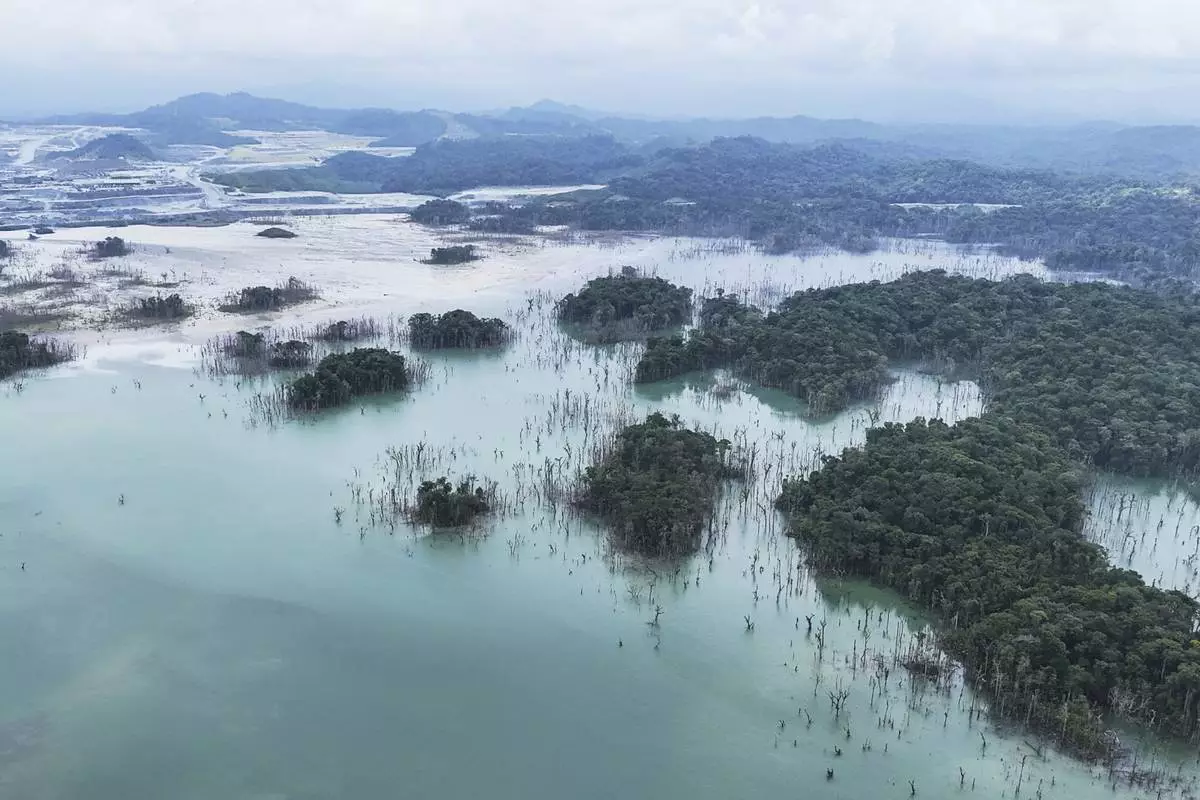
A view of the tailing management ponds in the Cobre Panama copper mine, owned by Canada's First Quantum Minerals, in Donoso, Panama, Friday, March 21, 2025, during a media tour of the mine that was closed after Panama's Supreme Court ruled that the government concession was unconstitutional. (AP Photo/Matias Delacroix)
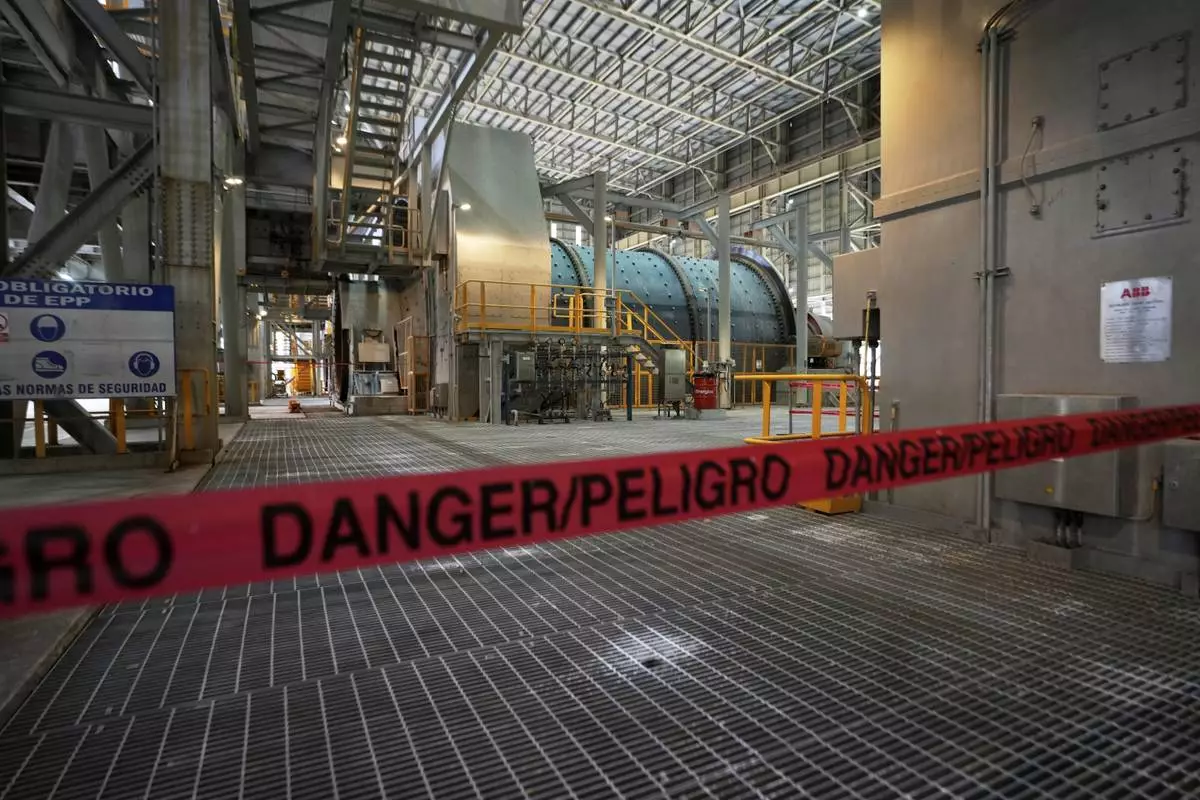
Tape blocks off an area of the Cobre Panamá copper mine, owned by Canada's First Quantum Minerals, in Donoso, Panama, Friday, March 21, 2025, during a press tour of the mine after it was closed by Panama's Supreme Court that ruled the government concession was unconstitutional. (AP Photo/Matias Delacroix)
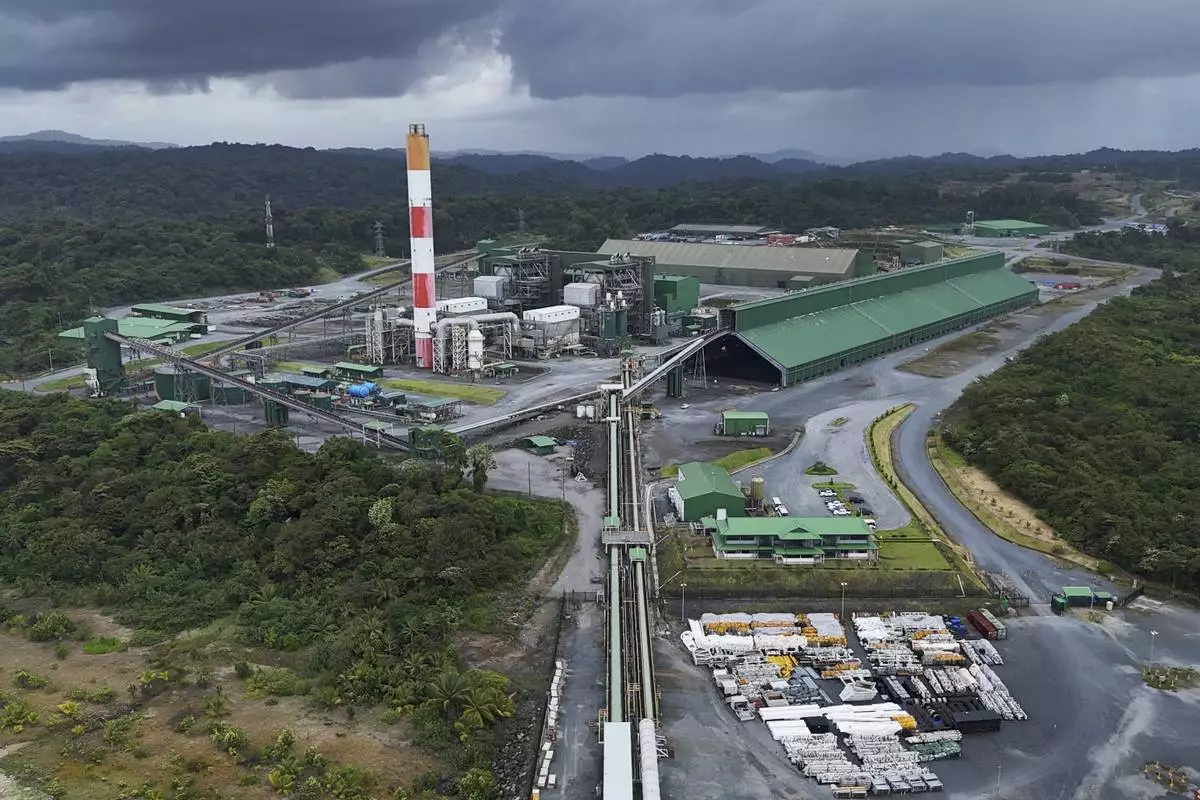
The thermoelectric plant of the Cobre Panama copper mine, owned by Canada's First Quantum Minerals, in Donoso, Panama, Friday, March 21, 2025, during a media tour of the mine that was closed after Panama's Supreme Court ruled that the government concession was unconstitutional. (AP Photo/Matias Delacroix)