Skip to Content Facebook Feature Image

As Israeli bombs fell, wounded children overwhelmed this Gaza hospital. Dozens died

News

As Israeli bombs fell, wounded children overwhelmed this Gaza hospital. Dozens died
News

News

As Israeli bombs fell, wounded children overwhelmed this Gaza hospital. Dozens died

2025-03-22 18:33 Last Updated At:18:41

CAIRO (AP) — When the first explosions in Gaza this week started around 1:30 a.m., a visiting British doctor went to the balcony of a hospital in Khan Younis and watched the streaks of missiles light up the night before pounding the city. A Palestinian surgeon next to him gasped, “Oh no. Oh no.”

After two months of ceasefire, the horror of Israeli bombardment was back. The veteran surgeon told the visiting doctor, Sakib Rokadiya, they’d better head to the emergency ward.

More Images
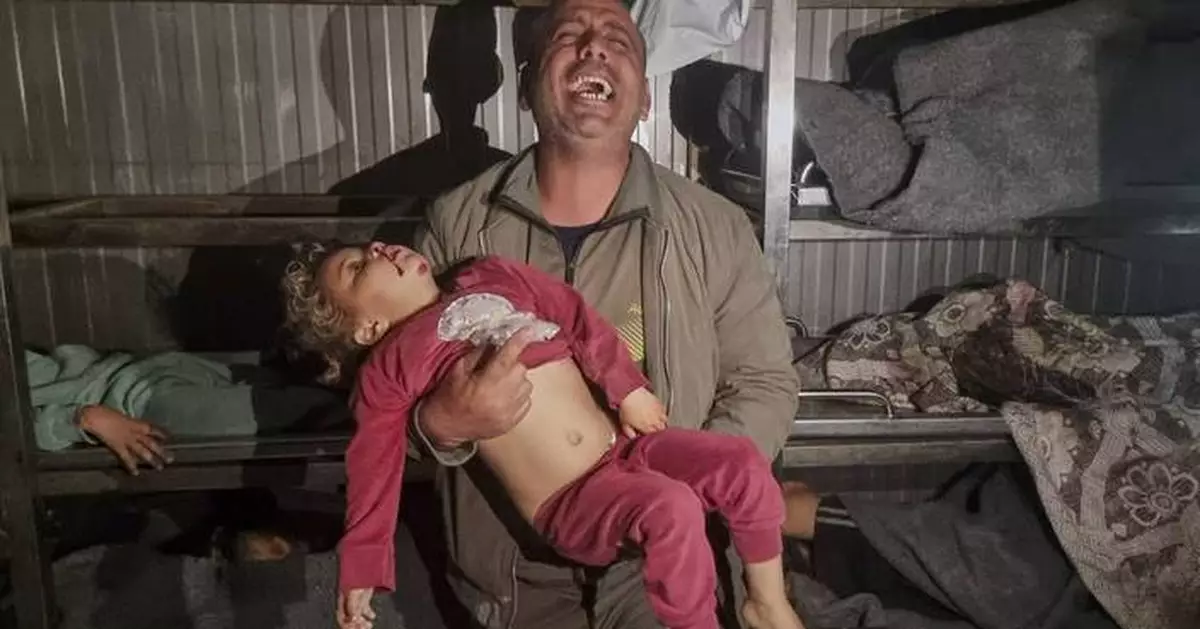
FILE - A man mourns over the body of a child in a hospital morgue following Israeli airstrikes in Khan Younis, southern Gaza Strip, Tuesday, March 18, 2025. (AP Photo/Mohammad Jahjouh, File)
FILE - A man mourns over the body of a child in a hospital morgue following Israeli airstrikes in Khan Younis, southern Gaza Strip, Tuesday, March 18, 2025. (AP Photo/Mohammad Jahjouh, File)
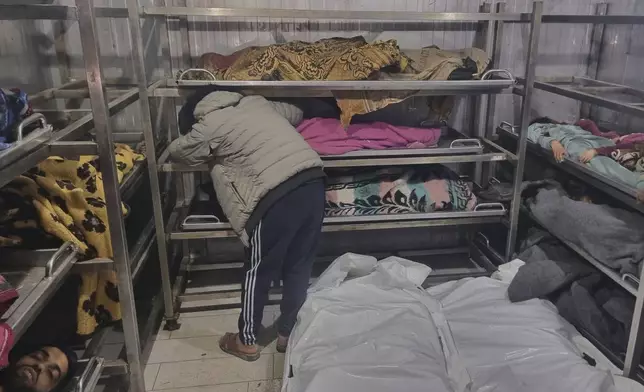
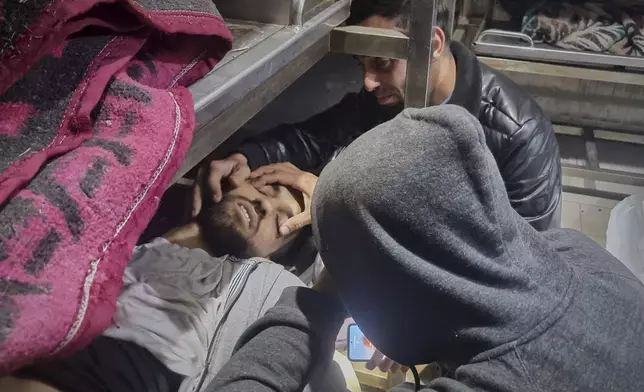
FILE - Two people mourn over the body of a man in a hospital morgue following Israeli airstrikes in Khan Younis, southern Gaza Strip, Tuesday, March 18, 2025. (AP Photo/Mohammad Jahjouh, File)
FILE - Two people mourn over the body of a man in a hospital morgue following Israeli airstrikes in Khan Younis, southern Gaza Strip, Tuesday, March 18, 2025. (AP Photo/Mohammad Jahjouh, File)
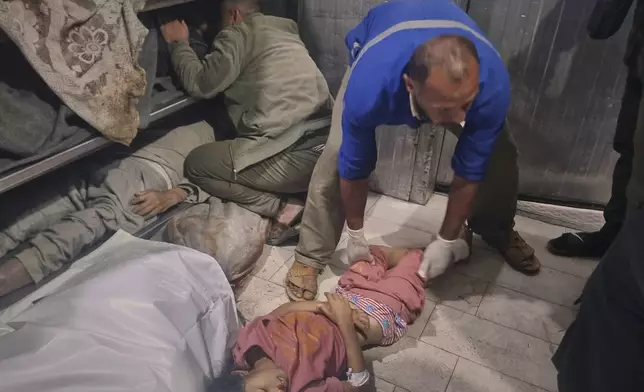
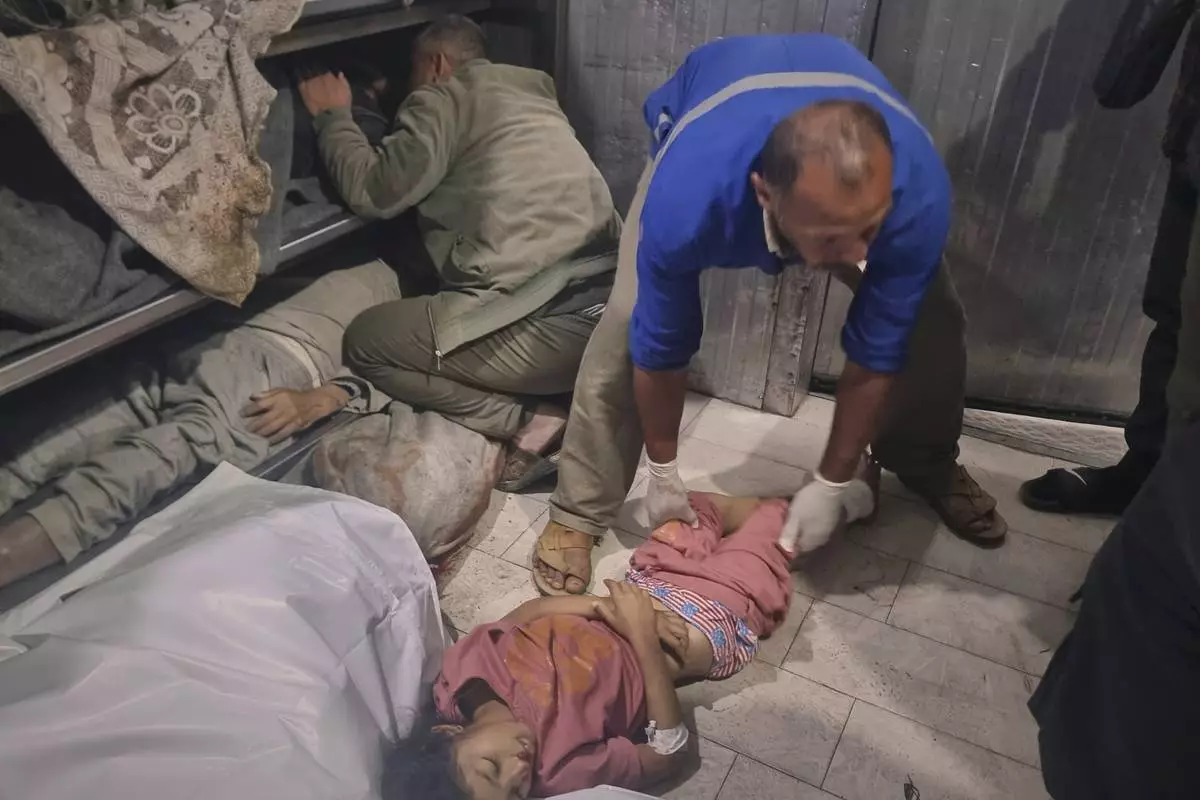
EDS NOTE: GRAPHIC CONTENT - FILE - The body of a child is placed on the floor in a hospital morgue following Israeli army airstrikes in Khan Younis, southern Gaza Strip, Tuesday, March 18, 2025. (AP Photo/Mohammad Jahjouh, File)

EDS NOTE: GRAPHIC CONTENT - FILE - The body of a child is placed on the floor in a hospital morgue following Israeli army airstrikes in Khan Younis, southern Gaza Strip, Tuesday, March 18, 2025. (AP Photo/Mohammad Jahjouh, File)

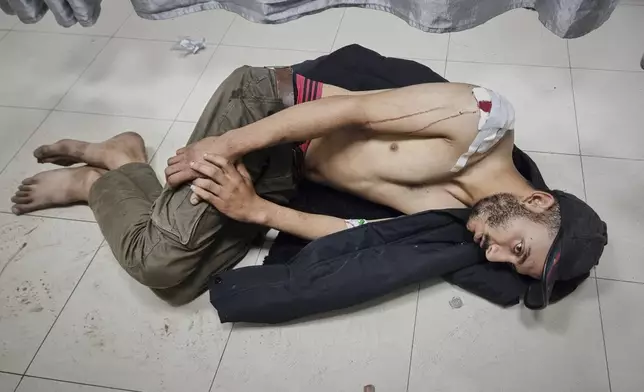
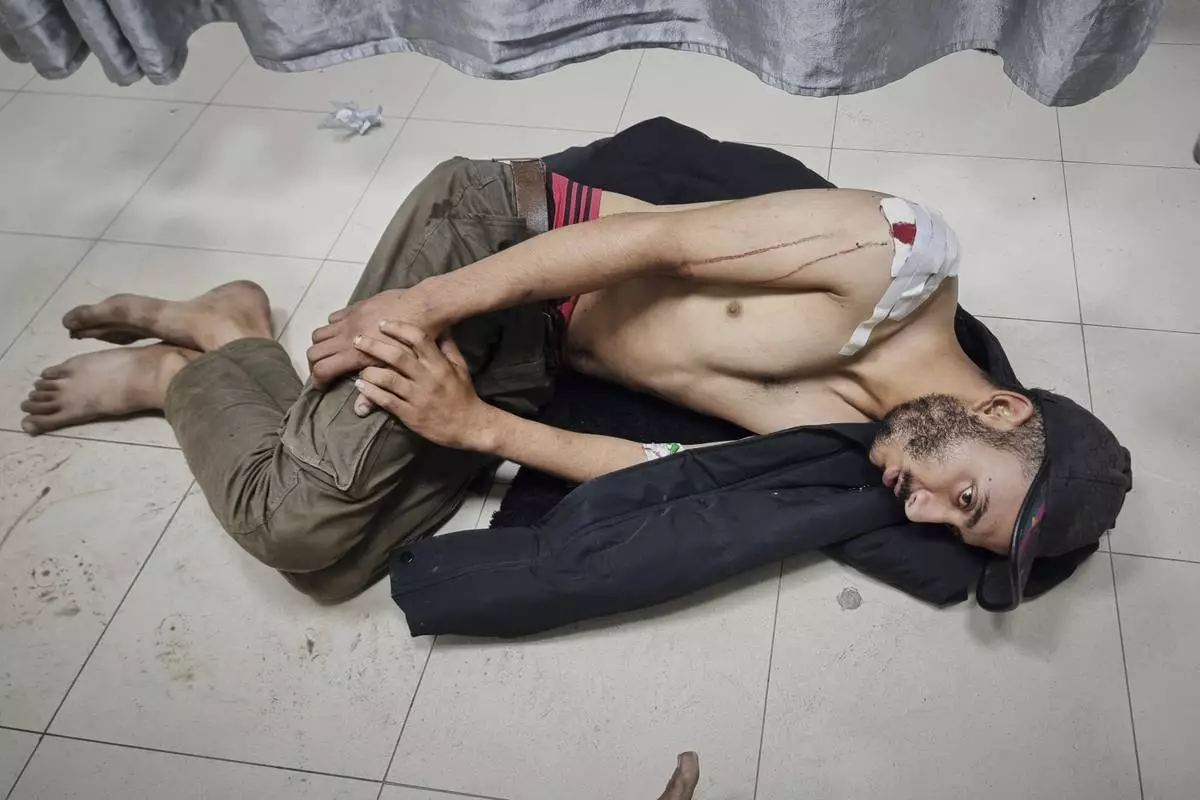
FILE - An injured man waits for treatment on the floor of a hospital following Israeli airstrikes in Khan Younis, southern Gaza Strip, Tuesday, March 18, 2025. (AP Photo/Mohammad Jahjouh, File)

FILE - An injured man waits for treatment on the floor of a hospital following Israeli airstrikes in Khan Younis, southern Gaza Strip, Tuesday, March 18, 2025. (AP Photo/Mohammad Jahjouh, File)

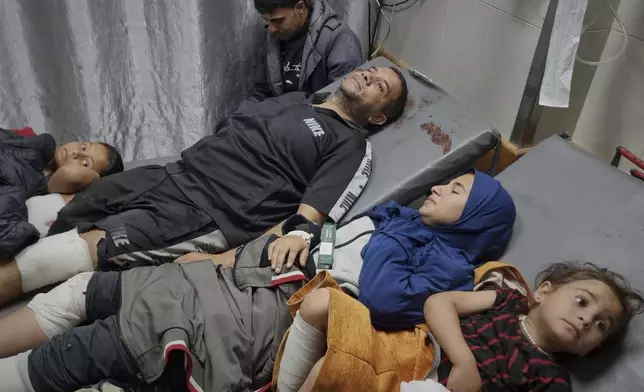
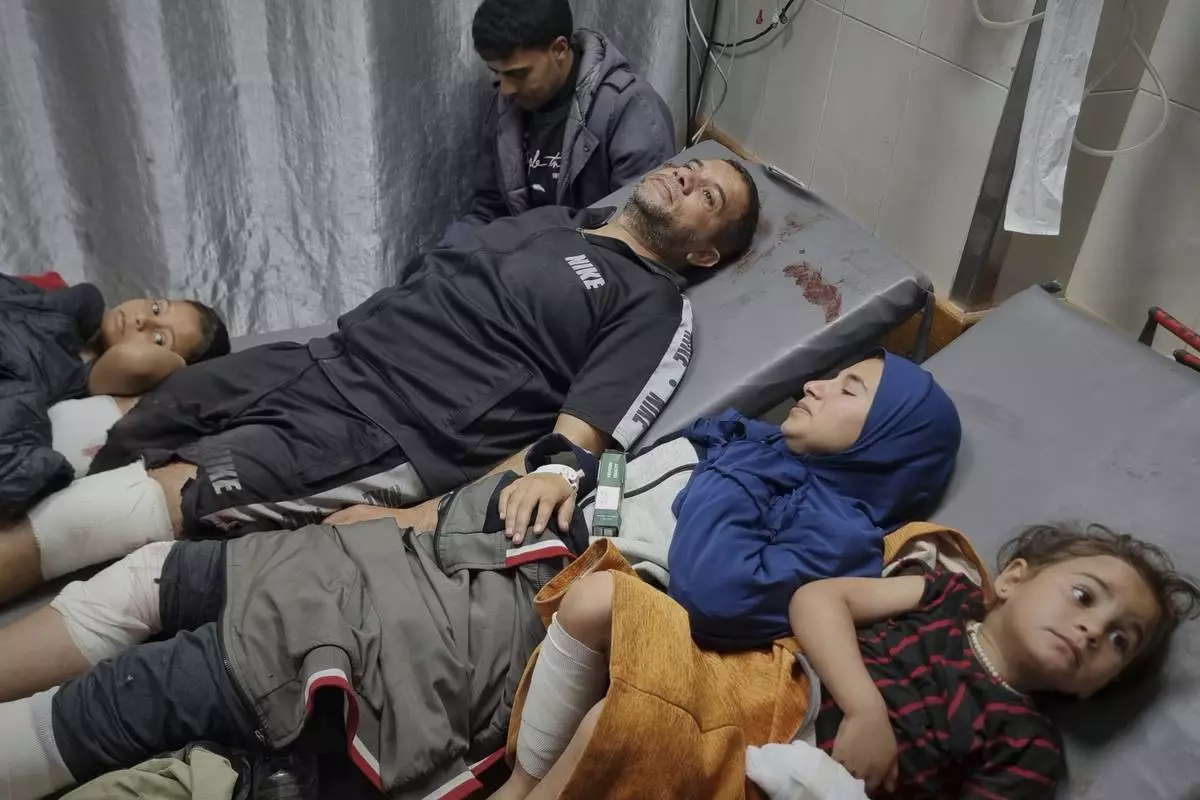
Injured Palestinians wait for treatment at the hospital following Israeli army airstrikes in Khan Younis, southern Gaza Strip, Tuesday, March 18, 2025. (AP Photo/Mohammad Jahjouh)
Injured Palestinians wait for treatment at the hospital following Israeli army airstrikes in Khan Younis, southern Gaza Strip, Tuesday, March 18, 2025. (AP Photo/Mohammad Jahjouh)

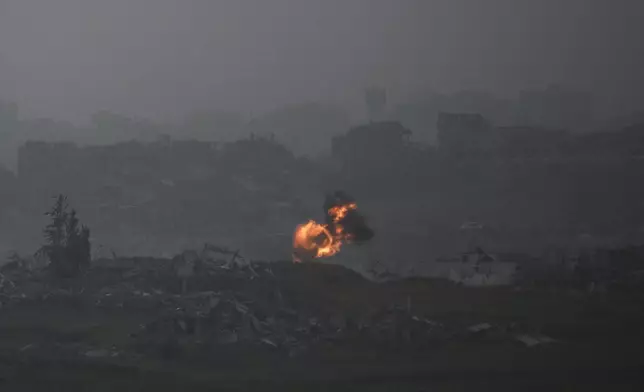
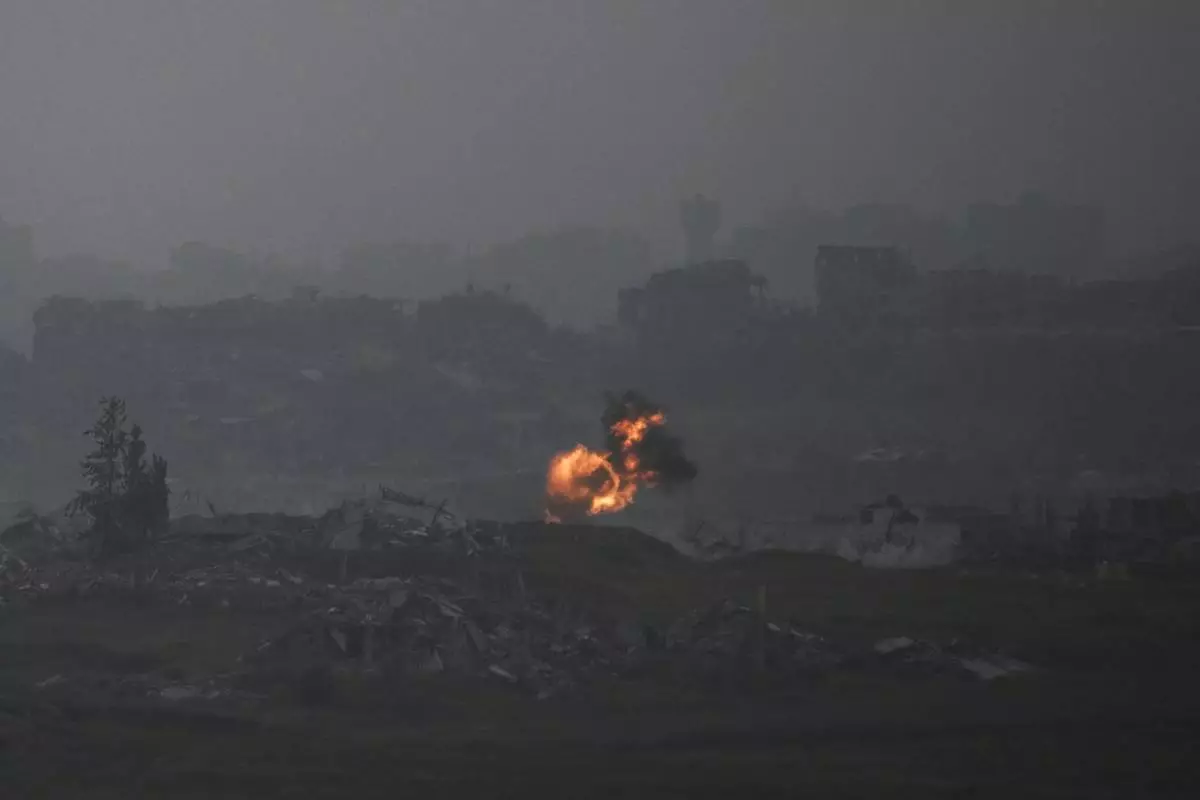
An explosion erupts in the northern Gaza Strip, as seen from southern Israel, on Tuesday, March 18, 2025. (AP Photo/Leo Correa)
An explosion erupts in the northern Gaza Strip, as seen from southern Israel, on Tuesday, March 18, 2025. (AP Photo/Leo Correa)

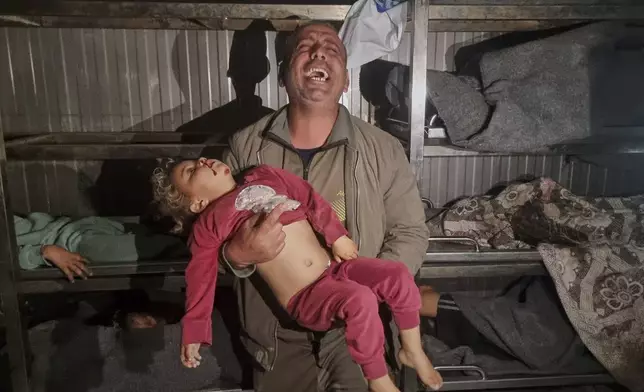
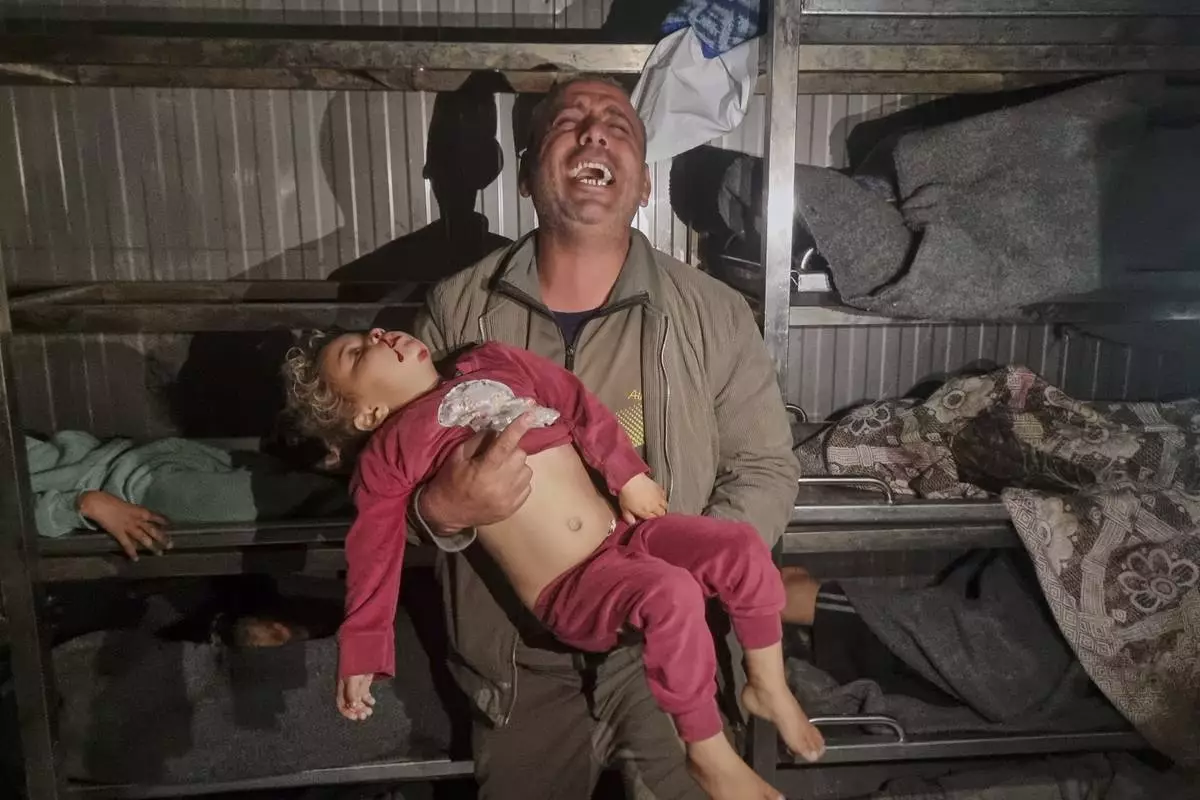
EDS NOTE: GRAPHIC CONTENT - FILE - Eyad Abu Jazar holds the body of a child he believes to be his nephew, who was killed in Israeli army airstrikes, at Nasser Hospital morgue in Khan Younis, southern Gaza Strip, March 18, 2025. (AP Photo/Mohammad Jahjouh, File)

EDS NOTE: GRAPHIC CONTENT - FILE - Eyad Abu Jazar holds the body of a child he believes to be his nephew, who was killed in Israeli army airstrikes, at Nasser Hospital morgue in Khan Younis, southern Gaza Strip, March 18, 2025. (AP Photo/Mohammad Jahjouh, File)

Torn bodies soon streamed in, carried by ambulances, donkey carts or in the arms of terrified relatives. What stunned doctors was the number of children.

“Just child after child, young patient after young patient,” Rokadiya said. “The vast, vast majority were women, children, the elderly.”

This was the start of a chaotic 24 hours at Nasser Hospital, the largest hospital in southern Gaza. Israel shattered the ceasefire in place since mid-January with a surprise barrage that began early Tuesday and was meant to pressure Hamas into releasing more hostages and accepting changes in the truce’s terms. It turned into one of the deadliest days in the 17-month war.

The aerial attacks killed 409 people across Gaza, including 173 children and 88 women, and hundreds more were wounded, according to the territory’s Health Ministry, whose count does not differentiate between militants and civilians.

More than 300 casualties flooded into Nasser Hospital. Like other medical facilities around Gaza, it had been damaged by Israeli raids and strikes throughout the war, leaving it without key equipment. It was also running short on antibiotics and other essentials. On March 2, when the first, six-week phase of the ceasefire technically expired, Israel blocked entry of medicine, food and other supplies to Gaza.

Nasser Hospital's emergency ward filled with wounded, in a scene described to The Associated Press by Rokadiya and Tanya Haj-Hassan, an American pediatrician — both volunteers with the charity Medical Aid for Palestinians. Wounded came from a tent camp sheltering displaced that missiles set ablaze and from homes struck in Khan Younis and Rafah, further south.

One nurse was trying to resuscitate a boy sprawled on the floor with shrapnel in his heart. A young man with most of his arm gone sat nearby, shivering. A barefoot boy carried in his younger brother, around 4 years old, whose foot had been blown off. Blood was everywhere on the floor, with bits of bone and tissue.

“I was overwhelmed, running from corner to corner, trying to find out who to prioritize, who to send to the operating room, who to declare a case that’s not salvageable,” said Haj-Hassan.

“It’s a very difficult decision, and we had to make it multiple times,” she said in a voice message.

Wounds could be easy to miss. One little girl seemed OK – it just hurt a bit when she breathed, she told Haj-Hassan -- but when they undressed her they determined she was bleeding into her lungs. Looking through the curly hair of another girl, Haj-Hassan discovered she had shrapnel in her brain.

Two or three wounded at a time were squeezed onto gurneys and sped off to surgery, Rokadiya said.

He scrawled notes on slips of paper or directly on the patient’s skin – this one to surgery, this one for a scan. He wrote names when he could, but many kids were brought in by strangers, their parents dead, wounded or lost in the mayhem. So he often wrote, “UNKNOWN.”

Dr. Feroze Sidhwa, an American trauma surgeon from California with the medical charity MedGlobal, rushed immediately to the area where the hospital put the worst-off patients still deemed possible to save.

But the very first little girl he saw -- 3 or 4 years old -- was too far gone. Her face was mangled by shrapnel. “She was technically still alive,” Sidhwa said, but with so many other casualties “there was nothing we could do.”

He told the girl’s father she was going to die. Sidhwa went on to do some 15 operations, one after another.

Khaled Alserr, a Palestinian surgeon, and an Irish volunteer surgeon were doing the same. There was a 29-year-old woman whose pelvis was smashed, the webbing of veins around the bones was bleeding heavily. They did what they could in surgery, but she died 10 hours later in the intensive care unit.

There was a 6-year-old boy with two holes in his heart, two in his colon and three more in his stomach, Sidhwa said. They repaired the holes and restarted his heart after he went into cardiac arrest.

He, too, died hours later.

“They died because the ICU simply does not have the capacity to care for them,” Sidhwa said.

Ahmed al-Farra, head of the pediatric and obstetrics department, said that was in part because the ICU lacks strong antibiotics.

Sidhwa recalled how he was at Boston Medical Center when the 2013 Boston Marathon bombing happened, killing three people and sending some 260 wounded to area hospitals.

Boston Medical “couldn’t handle this influx of cases” seen at Nasser Hospital, he said.

Rokadiya marveled at how the hospital staff took care of each other under duress. Workers circulated with water to give sips to doctors and nurses. Cleaners whisked away the bloody clothes, blankets, tissues and medical debris accumulating on the floors.

At the same time, some staff had their own family members killed in the strikes.

Alserr, the Palestinian surgeon, had to go to the morgue to identify the bodies of his wife’s father and brother.

“The only thing I saw was like a packet of meat and bones, melted and fractured,” he said in a voice message, without giving details on the circumstances their deaths.

Another staffer lost his wife and kids. An anesthesiologist -- whose mother and 21 other relatives were killed earlier in the war -- later learned his father, his brother and a cousin were killed, Haj-Hassan said.

Around 85 people died at Nasser Hospital on Tuesday, including around 40 children from ages 1 to 17, al-Farra said.

Strikes continued throughout the week, killing several dozen more people. At least six prominent Hamas figures were among those killed Tuesday.

Israel says it will keep targeting Hamas, demanding it release more hostages, even though Israel has ignored ceasefire requirements for it to first negotiate a long-term end to the war. Israel says it does not target civilians and blames Hamas for their deaths because it operates among the population.

With Tuesday’s bombardment, Prime Minister Benjamin Netanyahu also secured the return to his government of a right-wing party that had demanded a resumption of the war, solidifying his coalition ahead of a crucial budget vote that could have brought him down.

Haj-Hassan keeps checking in on children in Nasser's ICU. The girl with shrapnel in her brain still can’t move her right side. Her mother came to see her, limping from her own wounds, and told Haj-Hassan that the little girl’s sisters had been killed.

“I cannot process or comprehend the scale of mass killing and massacre of families in their sleep that we are seeing here,” Haj-Hassan said. “This can’t be the world we’re living in.”

Associated Press writers Julia Frankel in Jerusalem, Fatma Khaled in Cairo, and Sarah El Deeb in Beirut contributed to this report.
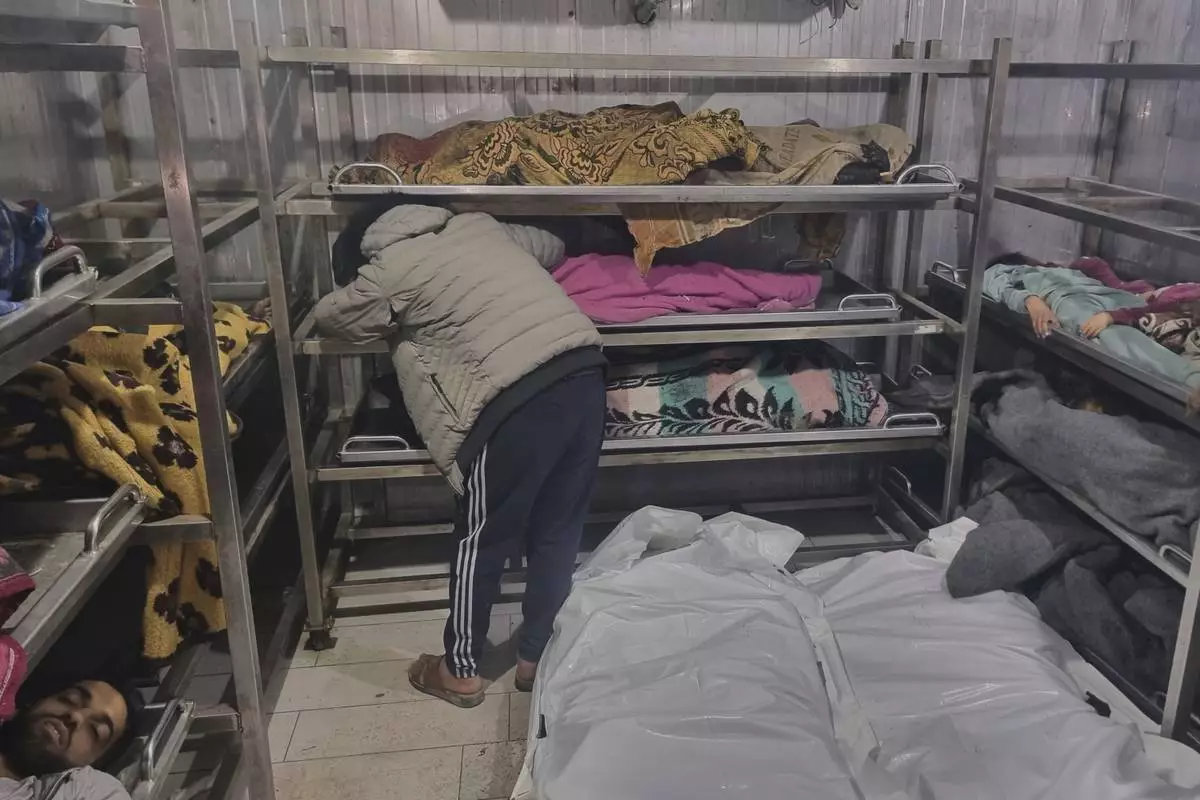
FILE - A man mourns over the body of a child in a hospital morgue following Israeli airstrikes in Khan Younis, southern Gaza Strip, Tuesday, March 18, 2025. (AP Photo/Mohammad Jahjouh, File)
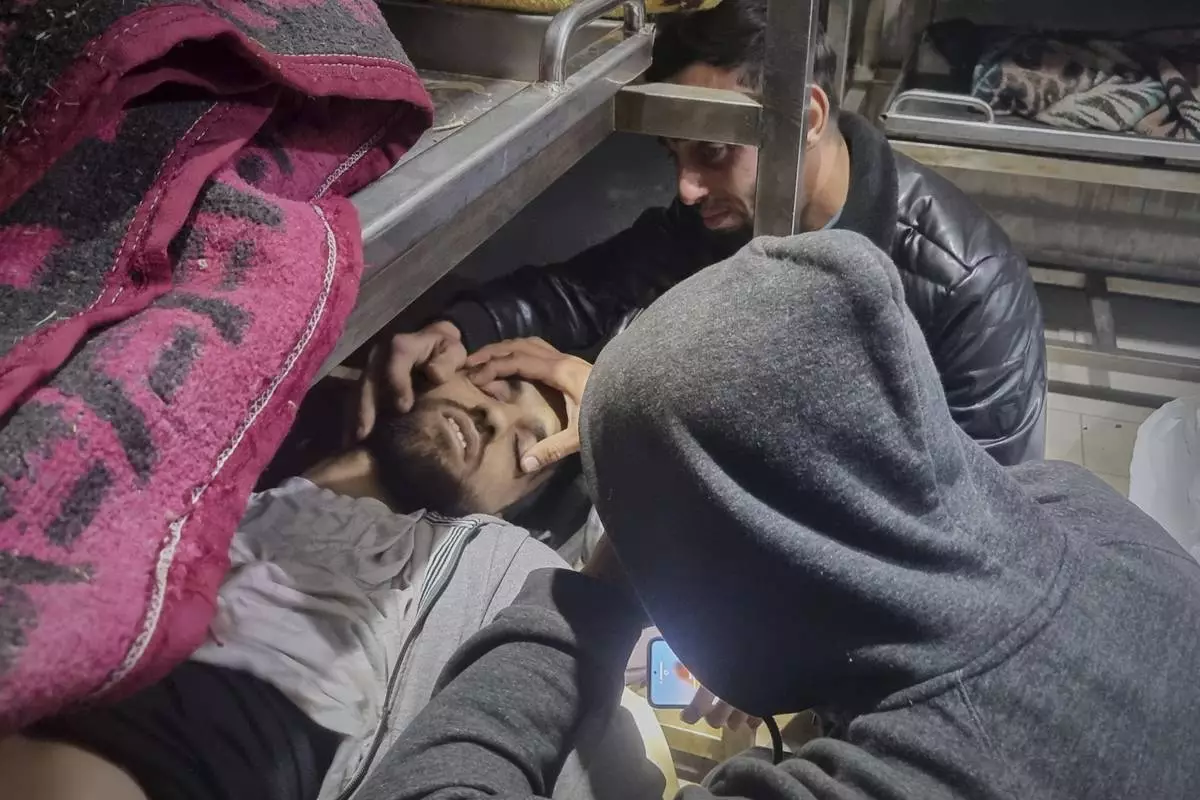
FILE - A man mourns over the body of a child in a hospital morgue following Israeli airstrikes in Khan Younis, southern Gaza Strip, Tuesday, March 18, 2025. (AP Photo/Mohammad Jahjouh, File)
FILE - Two people mourn over the body of a man in a hospital morgue following Israeli airstrikes in Khan Younis, southern Gaza Strip, Tuesday, March 18, 2025. (AP Photo/Mohammad Jahjouh, File)
FILE - Two people mourn over the body of a man in a hospital morgue following Israeli airstrikes in Khan Younis, southern Gaza Strip, Tuesday, March 18, 2025. (AP Photo/Mohammad Jahjouh, File)
EDS NOTE: GRAPHIC CONTENT - FILE - The body of a child is placed on the floor in a hospital morgue following Israeli army airstrikes in Khan Younis, southern Gaza Strip, Tuesday, March 18, 2025. (AP Photo/Mohammad Jahjouh, File)

EDS NOTE: GRAPHIC CONTENT - FILE - The body of a child is placed on the floor in a hospital morgue following Israeli army airstrikes in Khan Younis, southern Gaza Strip, Tuesday, March 18, 2025. (AP Photo/Mohammad Jahjouh, File)

FILE - An injured man waits for treatment on the floor of a hospital following Israeli airstrikes in Khan Younis, southern Gaza Strip, Tuesday, March 18, 2025. (AP Photo/Mohammad Jahjouh, File)

FILE - An injured man waits for treatment on the floor of a hospital following Israeli airstrikes in Khan Younis, southern Gaza Strip, Tuesday, March 18, 2025. (AP Photo/Mohammad Jahjouh, File)

Injured Palestinians wait for treatment at the hospital following Israeli army airstrikes in Khan Younis, southern Gaza Strip, Tuesday, March 18, 2025. (AP Photo/Mohammad Jahjouh)
Injured Palestinians wait for treatment at the hospital following Israeli army airstrikes in Khan Younis, southern Gaza Strip, Tuesday, March 18, 2025. (AP Photo/Mohammad Jahjouh)

An explosion erupts in the northern Gaza Strip, as seen from southern Israel, on Tuesday, March 18, 2025. (AP Photo/Leo Correa)
An explosion erupts in the northern Gaza Strip, as seen from southern Israel, on Tuesday, March 18, 2025. (AP Photo/Leo Correa)

EDS NOTE: GRAPHIC CONTENT - FILE - Eyad Abu Jazar holds the body of a child he believes to be his nephew, who was killed in Israeli army airstrikes, at Nasser Hospital morgue in Khan Younis, southern Gaza Strip, March 18, 2025. (AP Photo/Mohammad Jahjouh, File)
EDS NOTE: GRAPHIC CONTENT - FILE - Eyad Abu Jazar holds the body of a child he believes to be his nephew, who was killed in Israeli army airstrikes, at Nasser Hospital morgue in Khan Younis, southern Gaza Strip, March 18, 2025. (AP Photo/Mohammad Jahjouh, File)
U.S. President Donald Trump says Iran has proposed negotiations after his threat to strike the Islamic Republic as an ongoing crackdown on demonstrators has led to hundreds of deaths.

Trump said late Sunday that his administration was in talks to set up a meeting with Tehran, but cautioned that he may have to act first as reports mount of increasing deaths and the government continues to arrest protesters.

“The meeting is being set up, but we may have to act because of what’s happening before the meeting. But a meeting is being set up. Iran called, they want to negotiate,” Trump told reporters on Air Force One on Sunday night.

Iran did not acknowledge Trump’s comments immediately. It has previously warned the U.S. military and Israel would be “legitimate targets” if America uses force to protect demonstrators.

The U.S.-based Human Rights Activists News Agency, which has accurately reported on past unrest in Iran, gave the death toll. It relies on supporters in Iran cross checking information. It said at least 544 people have been killed so far, including 496 protesters and 48 people from the security forces. It said more than 10,600 people also have been detained over the two weeks of protests.

With the internet down in Iran and phone lines cut off, gauging the demonstrations from abroad has grown more difficult. Iran’s government has not offered overall casualty figures.

The Latest:

A witness told the AP that the streets of Tehran empty at the sunset call to prayers each night.

Part of that stems from the fear of getting caught in the crackdown. Police sent the public a text message that warned: “Given the presence of terrorist groups and armed individuals in some gatherings last night and their plans to cause death, and the firm decision to not tolerate any appeasement and to deal decisively with the rioters, families are strongly advised to take care of their youth and teenagers.”

Another text, addressed “Dear parents,” which claimed to come from the intelligence arm of the paramilitary Revolutionary Guard, also directly warned people not to take part in demonstrations.

The witness spoke to the AP on condition of anonymity due to the ongoing crackdown.

—- By Jon Gambrell in Dubai, United Arab Emirates

Iran drew tens of thousands of pro-government demonstrators to the streets Monday in a show of power after nationwide protests challenging the country’s theocracy.

Iranian state television showed images of demonstrators thronging Tehran toward Enghelab Square in the capital.

It called the demonstration an “Iranian uprising against American-Zionist terrorism,” without addressing the underlying anger in the country over the nation’s ailing economy. That sparked the protests over two weeks ago.

State television aired images of such demonstrations around the country, trying to signal it had overcome the protests, as claimed by Iranian Foreign Minister Abbas Araghchi earlier in the day.

China says it opposes the use of force in international relations and expressed hope the Iranian government and people are “able to overcome the current difficulties and maintain national stability.”

Chinese Foreign Ministry spokesperson Mao Ning said Monday that Beijing “always opposes interference in other countries’ internal affairs, maintains that the sovereignty and security of all countries should be fully protected under international law, and opposes the use or threat of use of force in international relations.”

German Chancellor Friedrich Merz condemned “in the strongest terms the violence that the leadership in Iran is directing against its own people.”

He said it was a sign of weakness rather than strength, adding that “this violence must end.”

Merz said during a visit to India that the demonstrators deserve “the greatest respect” for the courage with which “they are resisting the disproportional, brutal violence of Iranian security forces.”

He said: “I call on the Iranian leadership to protect its population rather than threatening it.”

Iran’s Foreign Ministry spokesman on Monday suggested that a channel remained open with the United States.

Esmail Baghaei made the comment during a news conference in Tehran.

“It is open and whenever needed, through that channel, the necessary messages are exchanged,” he said.

However, Baghaei said such talks needed to be “based on the acceptance of mutual interests and concerns, not a negotiation that is one-sided, unilateral and based on dictation.”

The semiofficial Fars news agency in Iran, which is close to the paramilitary Revolutionary Guard, on Monday began calling out Iranian celebrities and leaders on social media who have expressed support for the protests over the past two weeks, especially before the internet was shut down.

The threat comes as writers and other cultural leaders were targeted even before protests. The news agency highlighted specific celebrities who posted in solidarity with the protesters and scolded them for not condemning vandalism and destruction to public property or the deaths of security forces killed during clashes. The news agency accused those celebrities and leaders of inciting riots by expressing their support.

Canada said it “stands with the brave people of Iran” in a statement on social media that strongly condemned the killing of protesters during widespread protests that have rocked the country over the past two weeks.

“The Iranian regime must halt its horrific repression and intimidation and respect the human rights of its citizens,” Canada’s government said on Monday.

Iran’s foreign minister claimed Monday that “the situation has come under total control” after a bloody crackdown on nationwide protests in the country.

Abbas Araghchi offered no evidence for his claim.

Araghchi spoke to foreign diplomats in Tehran. The Qatar-funded Al Jazeera satellite news network, which has been allowed to work despite the internet being cut off in the country, carried his remarks.

Iran’s foreign minister alleged Monday that nationwide protests in his nation “turned violent and bloody to give an excuse” for U.S. President Donald Trump to intervene.

Abbas Araghchi offered no evidence for his claim, which comes after over 500 have been reported killed by activists -- the vast majority coming from demonstrators.

Araghchi spoke to foreign diplomats in Tehran. The Qatar-funded Al Jazeera satellite news network, which has been allowed to work despite the internet being cut off in the country, carried his remarks.

Iran has summoned the British ambassador over protesters twice taking down the Iranian flag at their embassy in London.

Iranian state television also said Monday that it complained about “certain terrorist organization that, under the guise of media, spread lies and promote violence and terrorism.” The United Kingdom is home to offices of the BBC’s Persian service and Iran International, both which long have been targeted by Iran.

A huge crowd of demonstrators, some waving the flag of Iran, gathered Sunday afternoon along Veteran Avenue in LA’s Westwood neighborhood to protest against the Iranian government. Police eventually issued a dispersal order, and by early evening only about a hundred protesters were still in the area, ABC7 reported.

Los Angeles is home to the largest Iranian community outside of Iran.

Los Angeles police responded Sunday after somebody drove a U-Haul box truck down a street crowded with the the demonstrators, causing protesters to scramble out of the way and then run after the speeding vehicle to try to attack the driver. A police statement said one person was hit by the truck but nobody was seriously hurt.

The driver, a man who was not identified, was detained “pending further investigation,” police said in a statement Sunday evening.

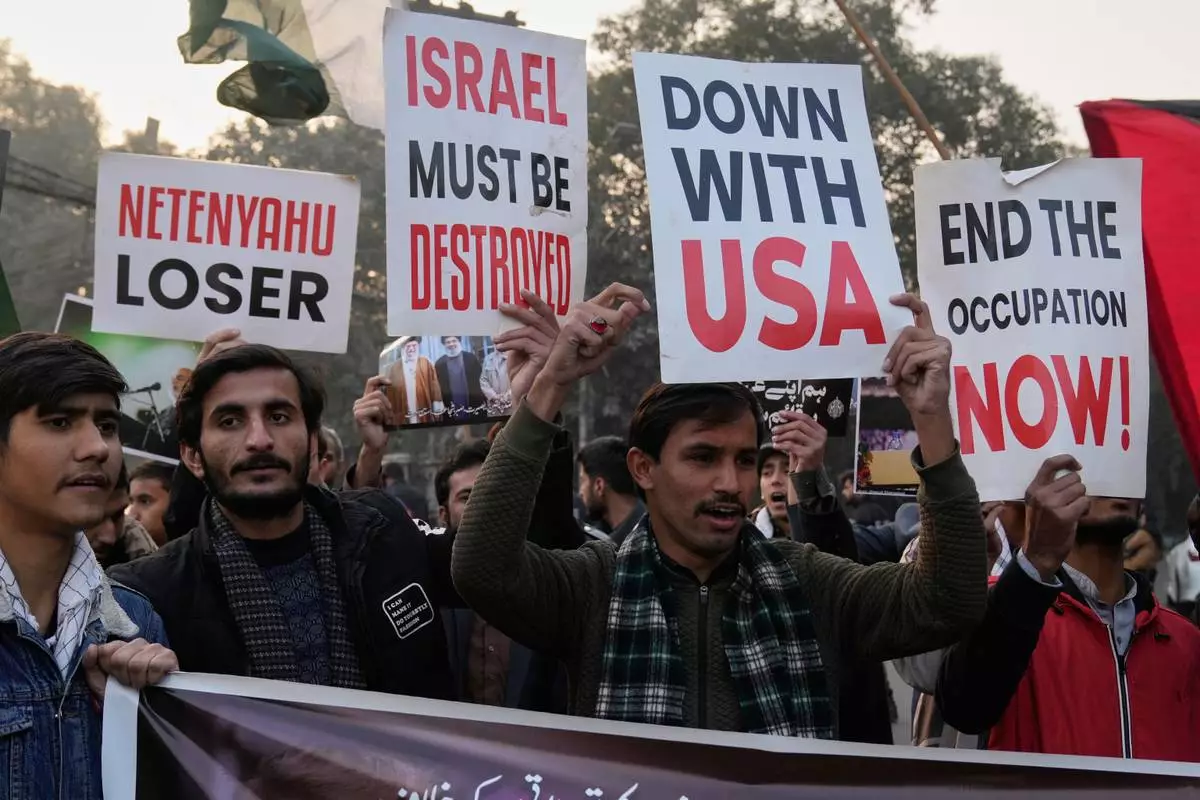
Shiite Muslims hold placards and chant slogans during a protest against the U.S. and show solidarity with Iran in Lahore, Pakistan, Sunday, Jan. 11, 2026. (AP Photo/K.M. Chaudary)

Shiite Muslims hold placards and chant slogans during a protest against the U.S. and show solidarity with Iran in Lahore, Pakistan, Sunday, Jan. 11, 2026. (AP Photo/K.M. Chaudary)

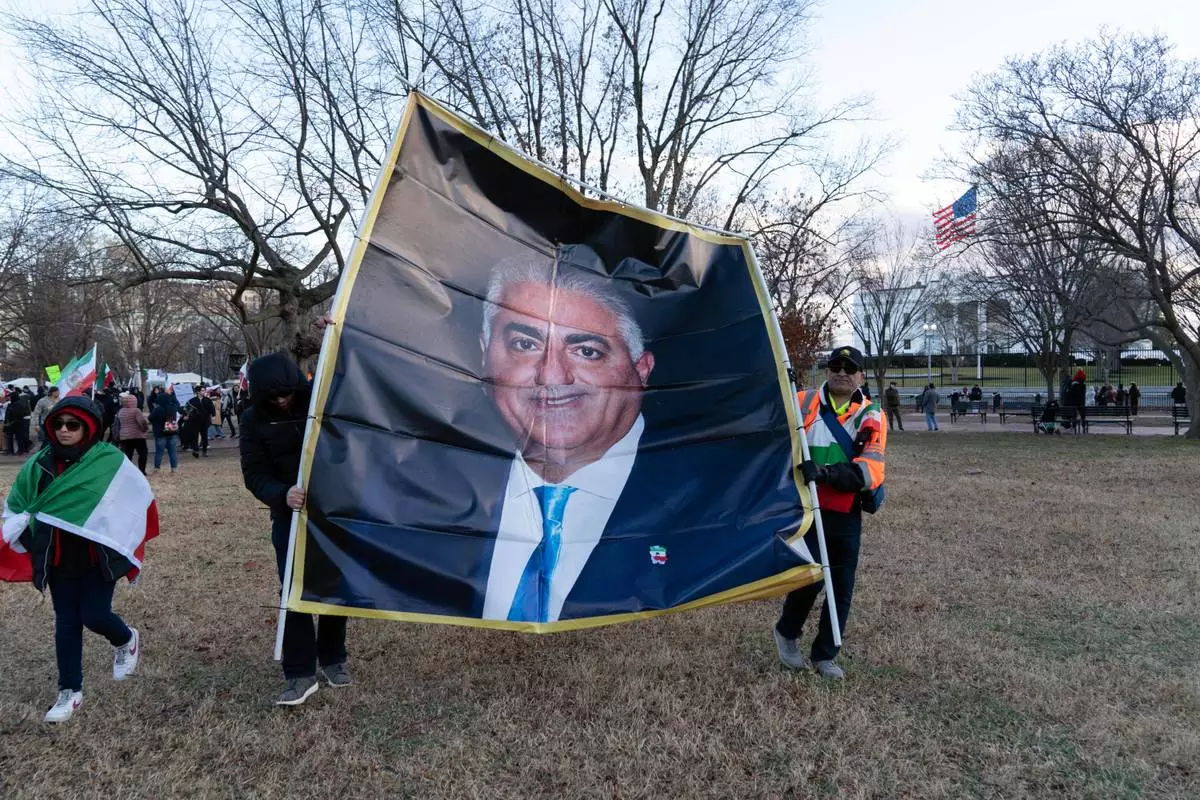
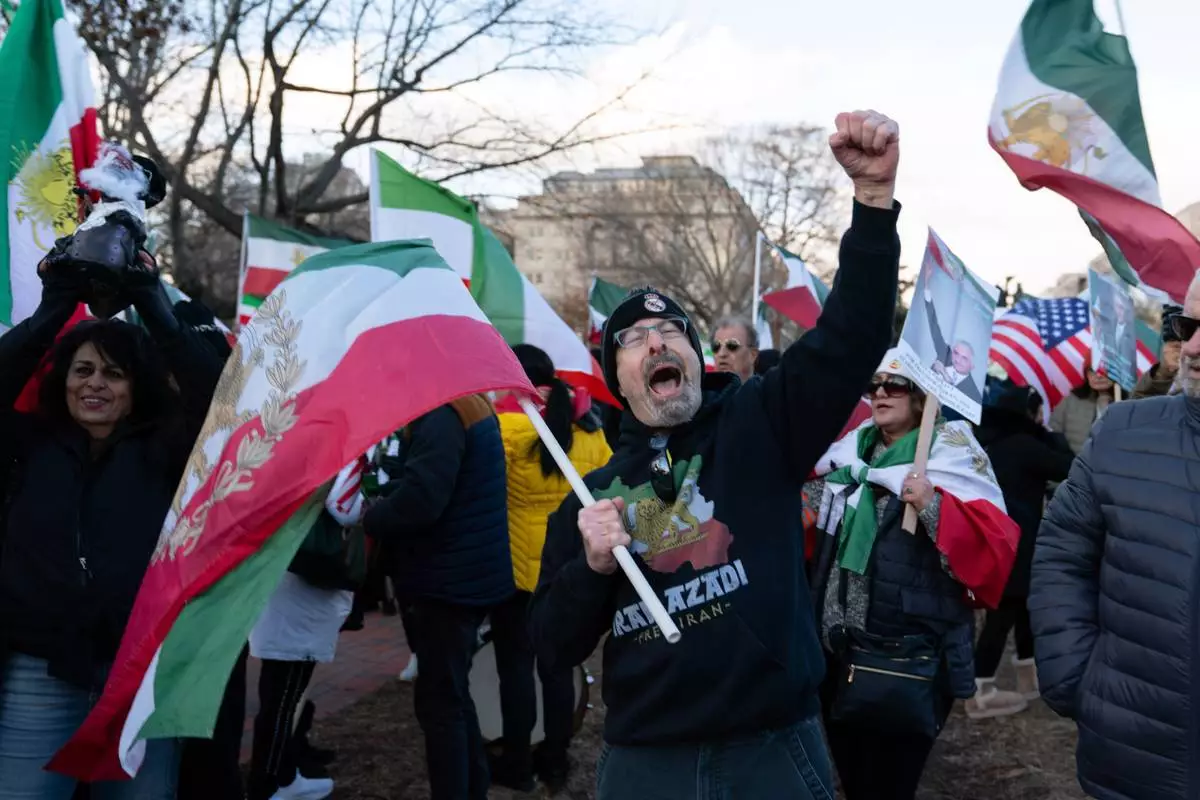
Activists carrying a photograph of Reza Pahlavi take part in a rally supporting protesters in Iran at Lafayette Park, across from the White House, in Washington, Sunday, Jan. 11, 2026. (AP Photo/Jose Luis Magana)

Activists carrying a photograph of Reza Pahlavi take part in a rally supporting protesters in Iran at Lafayette Park, across from the White House, in Washington, Sunday, Jan. 11, 2026. (AP Photo/Jose Luis Magana)

Activists take part in a rally supporting protesters in Iran at Lafayette Park, across from the White House in Washington, Sunday, Jan. 11, 2026. (AP Photo/Jose Luis Magana)

Activists take part in a rally supporting protesters in Iran at Lafayette Park, across from the White House in Washington, Sunday, Jan. 11, 2026. (AP Photo/Jose Luis Magana)

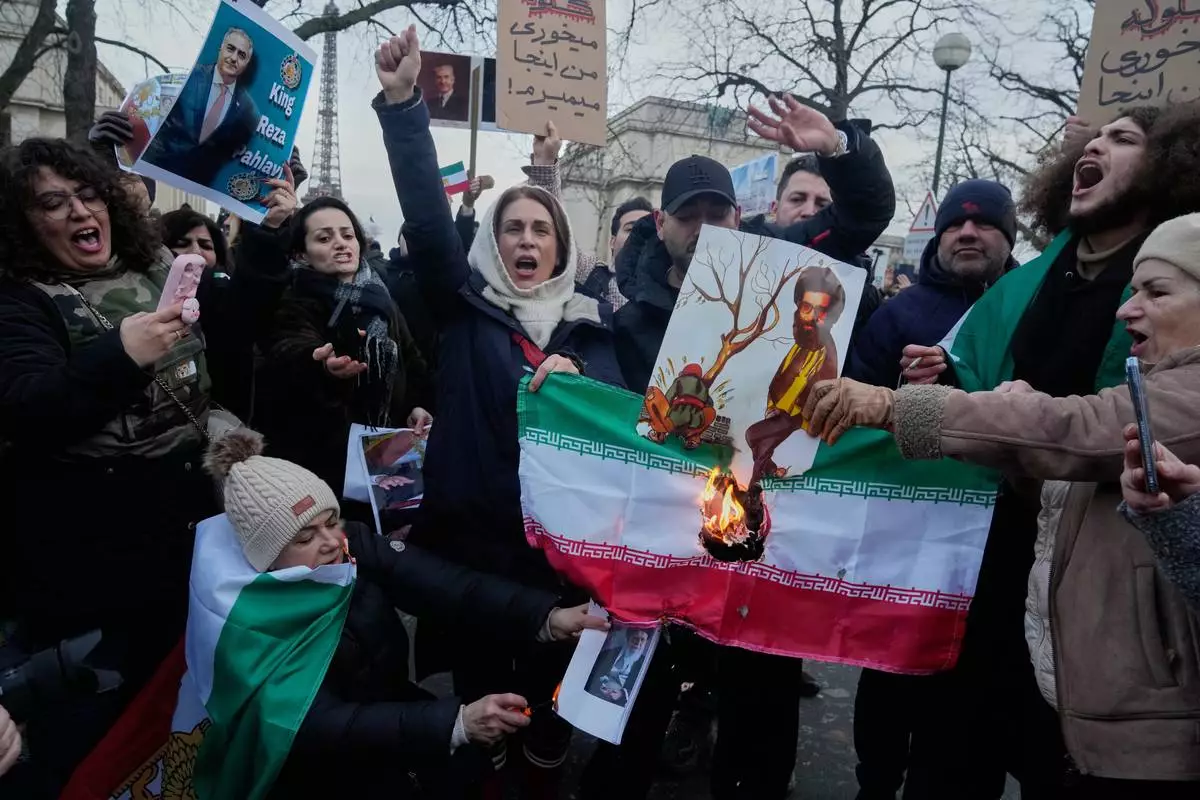
Protesters burn the Iranian national flag during a rally in support of the nationwide mass demonstrations in Iran against the government in Paris, Sunday, Jan. 11, 2026. (AP Photo/Michel Euler)

Protesters burn the Iranian national flag during a rally in support of the nationwide mass demonstrations in Iran against the government in Paris, Sunday, Jan. 11, 2026. (AP Photo/Michel Euler)

Recommended Articles