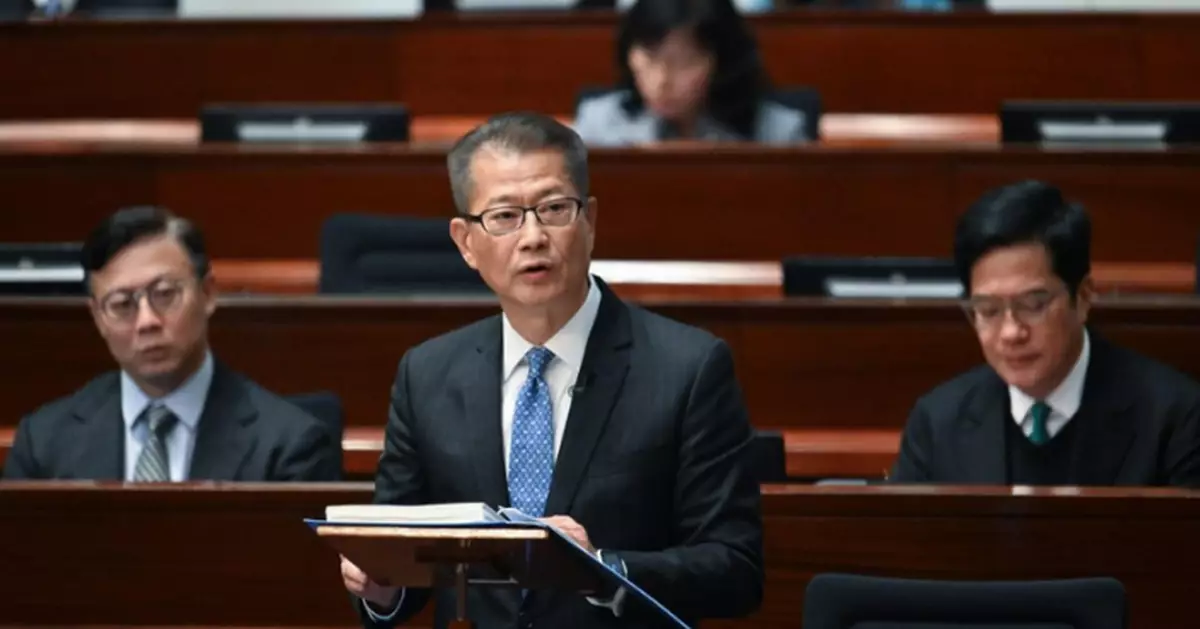
Speech by FS at Milken Institute Global Investors' Symposium Hong Kong (with video)
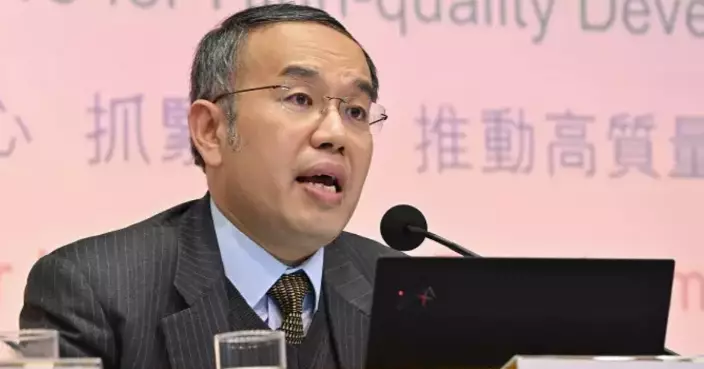
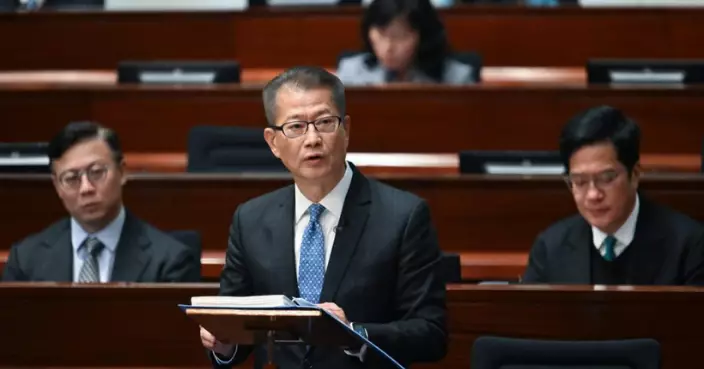
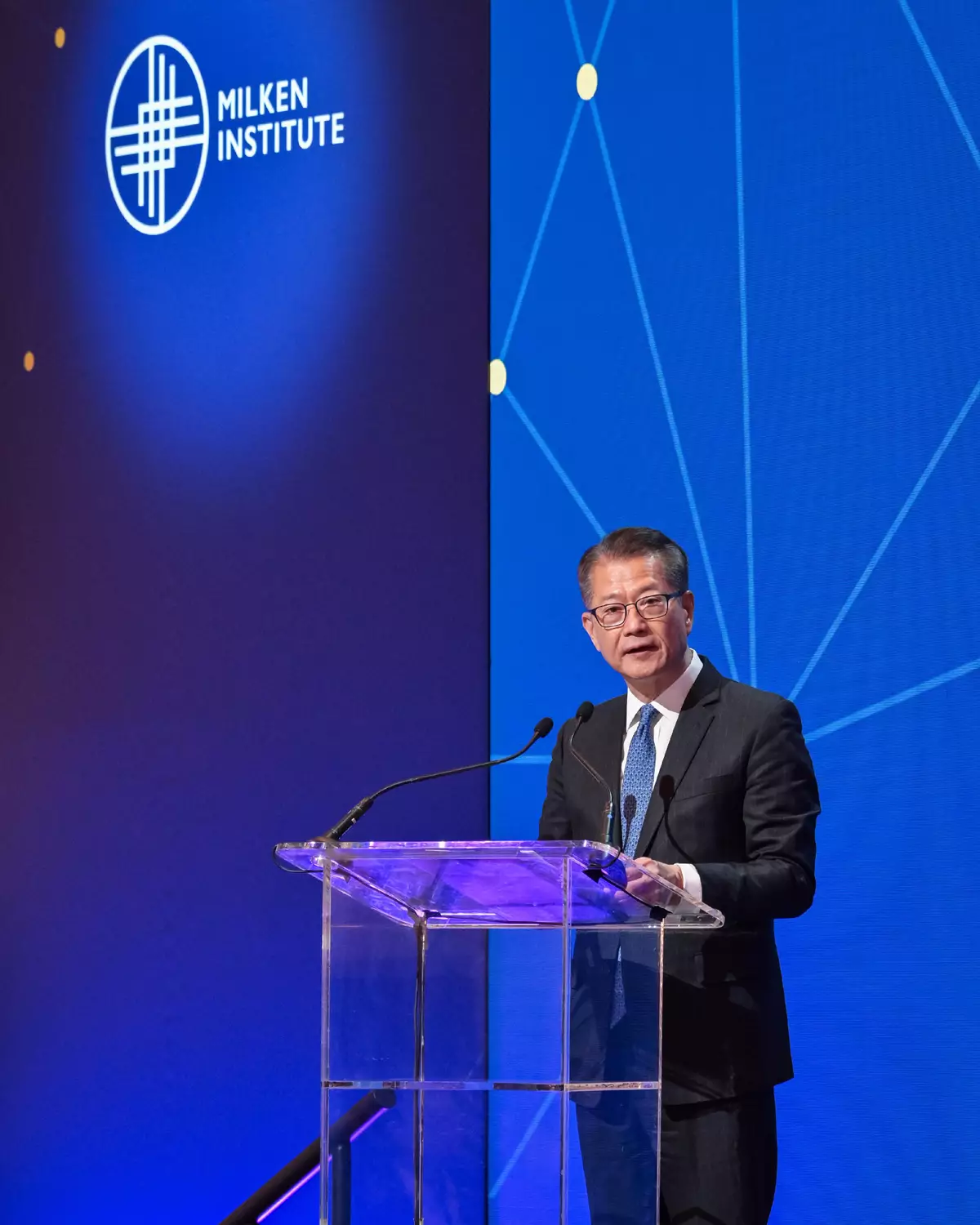
Following is the speech by the Financial Secretary, Mr Paul Chan, at the Milken Institute Global Investors' Symposium Hong Kong today (March 24):
Click to Gallery
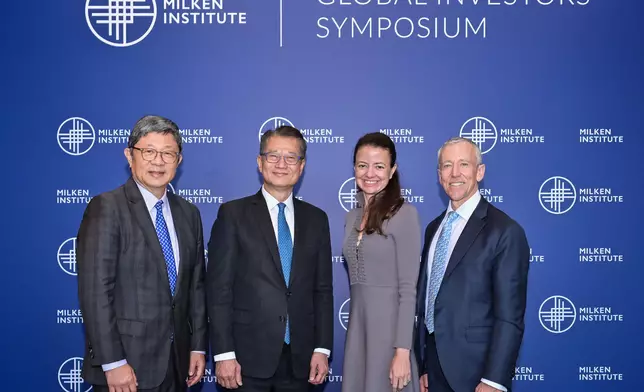
Speech by FS at Milken Institute Global Investors' Symposium Hong Kong (with video) Source: HKSAR Government Press Releases
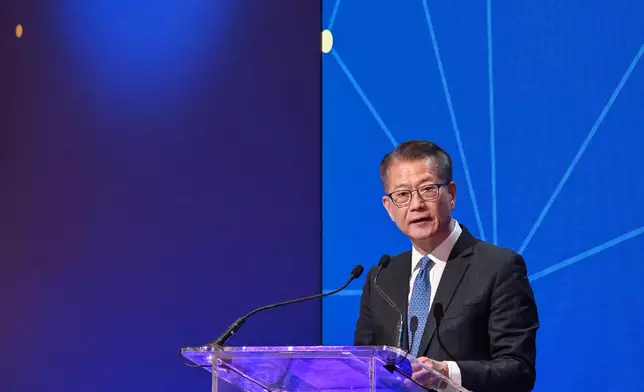
Speech by FS at Milken Institute Global Investors' Symposium Hong Kong (with video) Source: HKSAR Government Press Releases
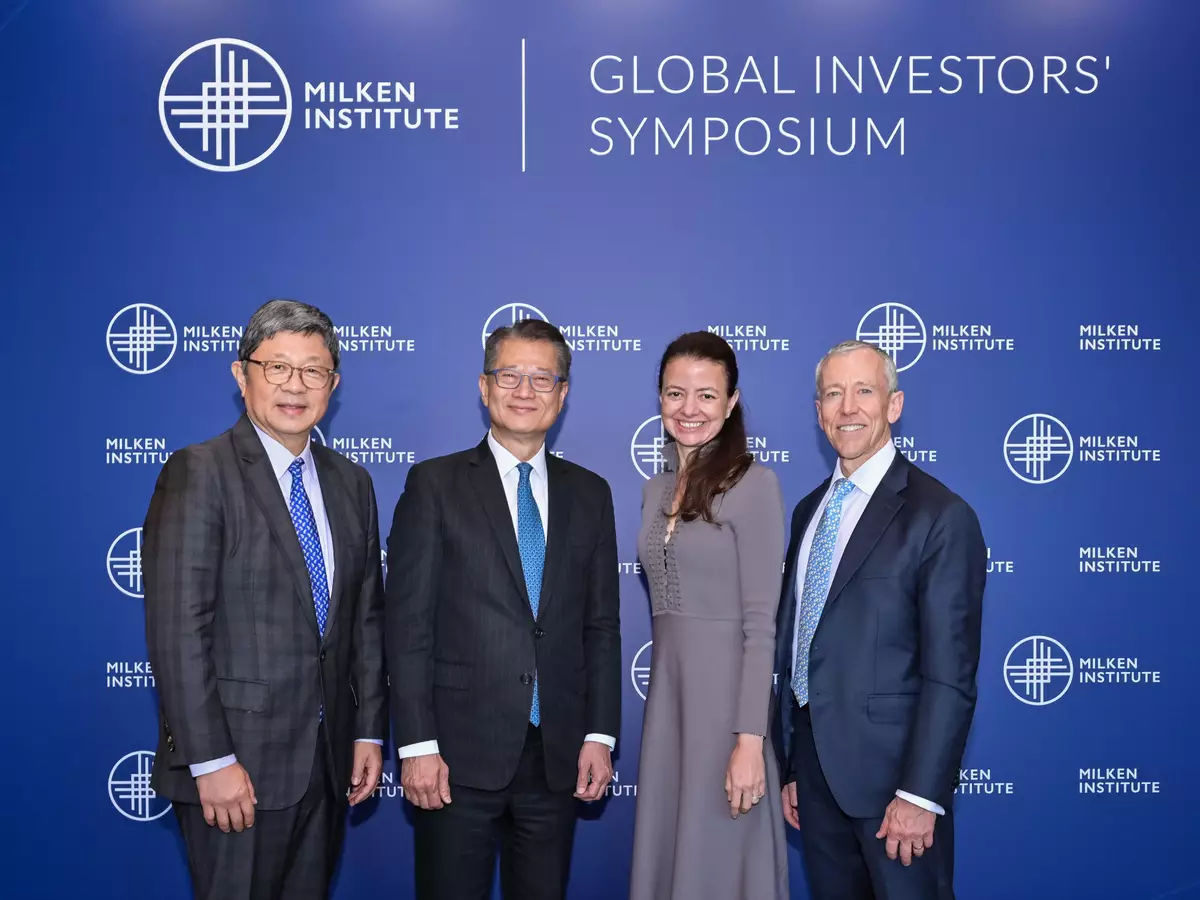
Laura (Executive Vice President of Milken Institute International, Ms Laura Deal Lacey), Robin (Chair of Asia, Milken Institute, Mr Robin Hu), distinguished guests, ladies and gentlemen,
Good afternoon. I am delighted to join you once again for the Milken Institute Global Investors' Symposium. Allow me first to express my sincere appreciation to the Milken Institute for bringing this exceptional platform back to Hong Kong for its second edition.
Today, we welcome over 400 senior executives from a diverse array of industries and markets worldwide. The theme for the Symposium this year, "Connecting Global Markets: Partnerships for Resilience", is particularly timely. In today's complex global landscape, brimming with challenges and uncertainties, it is clear that we can build resilience and achieve mutual growth only by strengthening connections, forming partnerships and enhancing collaboration. And Hong Kong, as an international financial centre, is uniquely positioned to catalyse this endeavour.
Hong Kong: a resilient city
To begin with, allow me to share with you the remarkable resilience of Hong Kong's economy and financial markets.
Over the past year, despite external headwinds, Hong Kong's economy continued to grow steadily, expanding by 2.5 per cent. Inflation remained low at 1.1 per cent. The latest unemployment rate is at 3.2 per cent.
International confidence in our financial markets has evidently strengthened. Last year, bank deposits in Hong Kong rose by 7 per cent, i.e. about US$140 billion. Driven by investments by institutional investors seeking to rebalance their investment portfolio, as well as market enthusiasm ignited by recent tech breakthroughs led by DeepSeek and others, the Hang Seng Index has surged some 20 per cent within a span of three months. This was on top of the increase of 18 per cent in 2024. The average daily turnover of our stock market rose to over US$28 billion in the first two months of this year, a remarkable 70per cent increase from that of last year.
Our IPO (initial public offerings) market also made a comeback, raising some US$11 billion last year and ranking fourth globally. Now, more than 100 companies are in the pipeline for listing. This year, we are expecting to raise some US$17 to $20 billion.
Just last week, Hong Kong again ranked third in the Global Financial Centres Index, with overall scores catching up to that of the champion New York. In particular, we ranked first globally in "investment management", "insurance" and "finance". In fintech, we leapt by five places to fourth in the world.
Besides, Hong Kong was once again ranked as the freest economy in the world, and the fifth most competitive economy. We stay firm as a free port, open to business, and committed to supporting the rules-based multilateral trading system.
Last year, the number of regional headquarters, regional offices and local offices operated by Mainland and overseas companies rose by nearly 10per cent, reaching an all-time high to around 10 000.
2024 was also a great year for inbound tourism, with visitor arrivals rebounded to 45 million, rising by 30per cent year-on-year. The surge of visitors highlighted Hong Kong's charm as a top-notch business and tourism destination.
Beyond numbers, Hong Kong remains an open, vibrant and diverse city. This month marks our "Super March" – with an impressive array of world-class events: from the artistic vibrancy of Art Basel and the spectacular LIV Golf, to the electrifying Hong Kong Sevens and the innovation-driven ComplexCon. Alongside these events, we have global business gatherings such as the Wealth for Good Summit and, of course, this Symposium. These events celebrate and showcase Hong Kong as an international meeting point for finance, culture, sports, creativity and fun! I hope you all can stay a bit longer – until this Sunday – to enjoy these happenings.
Overall, the Hong Kong economy is marching forward steadily with renewed momentum. Let me tell you why.
New Frontiers in Finance
First, we are implementing reforms to strengthen the vitality and competitiveness of our financial markets. Fund-raising is an important function of any IFC (international financial centre), and Hong Kong offers a full range of funding options, from angel investment to private equity to IPOs. We continue to review our listing regime, enhance product offerings and attract more quality issuers and new capital. The goal is clear: to create a more dynamic and attractive capital market that provides diversified opportunities for investors.
Another key area is asset and wealth management. Hong Kong remains one of the world's prime wealth management centres, managing approximately US$4 trillion in assets. The number of family offices in our city has gone beyond 2 700, with half of them managing assets exceeding US$50 million. By 2028, Hong Kong is anticipated to become the world's largest cross-boundary wealth management centre. This year, we seek to further enhance the tax concessions for funds and single family offices.
And insurance, too. Hong Kong has the highest insurance density in Asia. The gross premiums of insurers continue to grow, rising by 12per cent and reaching US$62 billion in the first three quarters last year. What's more, the Greater Bay Area offers tremendous business opportunities for insurers operating in Hong Kong.
New Markets and New Capital
Second, we are also opening up new markets and new capital channels. Many economies in the Global South have young populations, expanding middle classes and growing investment needs for ambitious infrastructure projects, digitalisation and green transition plans. While Hong Kong continues to treasure and reinforce the relationship with traditional partners in Europe and the Americas, we are forging closer partnerships with emerging economies.
For example, last October we listed two ETFs (exchange-traded funds) tracking Hong Kong stocks on the Saudi Arabia Stock Exchange. We are collaborating with stock exchanges across ASEAN (Association of Southeast Asian Nations) and the Gulf Region to encourage more quality companies to pursue dual primary or secondary listing in this city.
We believe there is also room to work with emerging economies on more cross-boundary, market connectivity arrangements akin to the Connect Schemes that we have established with the Mainland.
The collaboration between Hong Kong and new markets extends well beyond finance. The tech prowess of Hong Kong and the GBA (Guangdong-Hong Kong-Macao Greater Bay Area) as a whole as well as startups are highly valued around the world. We endeavour to connect them with partners in the emerging economies to foster industry partnership.
To support the matching of capital and projects, we will host the inaugural Hong Kong Global Financial and Industry Summit in June. The event will bring together hundreds of global enterprises, tech firms and funds to drive industrial collaboration through financial empowerment.
And we are strategically placed to help Mainland companies go global. Many Mainland enterprises are realigning their industrial and supply chains across the Global South. They need project and trade financing, corporate treasury services as well as professional consultancy. Hong Kong is ready to offer all that – from global capital and talent, world-class professional services to extensive international connections.
Tech innovation driven by AI (artificial intelligence)
The third of our new economic impetus is innovation and technology, driven by AI in particular.
The rapid development of AI is reshaping the global economic landscape. AI+, which emphasises the deep integration of AI across different industries, is transforming traditional production, businesses and consumption models, very much redefining the core competitiveness of economies worldwide.
In the Government's Budget delivered a few weeks ago, I outlined the vision for Hong Kong to establish AI as a core industry and to empower the transformation of traditional sectors. Hong Kong has all it takes to thrive on this front.
A unique advantage of Hong Kong is that we serve as a convergence point of both Mainland and international data and talent. Coupled with strong research capabilities of five of our world's leading universities, we have a strong foundation for cutting-edge AI research and applications. A case in point is the area of life science, where the integration of AI is particularly promising, as it enhances drug design, accelerates clinical trials, and improves patient outcomes through personalised medicine.
Hong Kong's ambitions for innovation and technology are more hopeful with our deepening collaboration with the sister's cities in the GBA, one of the world's leading innovation ecosystems. The Northern Metropolis, bordering Shenzhen, will serve as the bridgehead for this collaboration. Home to a 300-hectare I&T cluster, it covers the "Loop", or "Hetao", where we will experiment with innovative policies that facilitate the safe and orderly flow of people, capital, goods, data and even bio samples with Shenzhen.
To realise these ambitions, we are actively attracting strategic enterprises in four industries to set foot in Hong Kong. They are AI and data science, life and health technology, fintech, advanced manufacturing and new energy. So far we have attracted more than 80 such enterprises, and together they would invest some US$60 billion in our city, creating some 20 000 jobs.
We also recognise the importance of patient capital. That is why we have established the Hong Kong Investment Corporation (HKIC), which actively guides strategic investments into companies in key sectors at their nascent stage. The HKIC has already invested in more than 90 projects and formed a number of strategic partnerships. For every dollar it invested, it has mobilised four dollars of private capital. Riding on this positive momentum, we are optimistic that Hong Kong will be able to achieve more advancements in the realms of innovation and technology.
Concluding remarks
Ladies and gentlemen, Hong Kong remains one of the world's most open, dynamic and globally connected financial centres. Our strong fundamentals, resilient economy, unique role as a gateway to the Chinese Mainland and Asia, as well as our great stride to develop financial services and the tech sector, continue to provide unparalleled opportunities for global investors.
May I wish you all the best of business and health in the years to come. Thank you.
Speech by FS at Milken Institute Global Investors' Symposium Hong Kong (with video) Source: HKSAR Government Press Releases
Speech by FS at Milken Institute Global Investors' Symposium Hong Kong (with video) Source: HKSAR Government Press Releases