Skip to Content Facebook Feature Image

Experts warn of global trade fallout as U.S. proposes port fees on Chinese-linked ships

China

China

China

Experts warn of global trade fallout as U.S. proposes port fees on Chinese-linked ships

2025-03-25 15:24 Last Updated At:03-26 00:47

Proposed U.S. fees targeting Chinese-made ships are raising concerns among trade and logistics experts, who warn of potential disruptions to global supply chains and negative repercussions for the American economy.

This week, the Office of the United States Trade Representative (USTR) is holding public hearings for stakeholders to weigh in on the Trump administration's proposal which could impose fees of up to 1.5 million U.S. dollars on Chinese-linked vessels docking at U.S. ports.

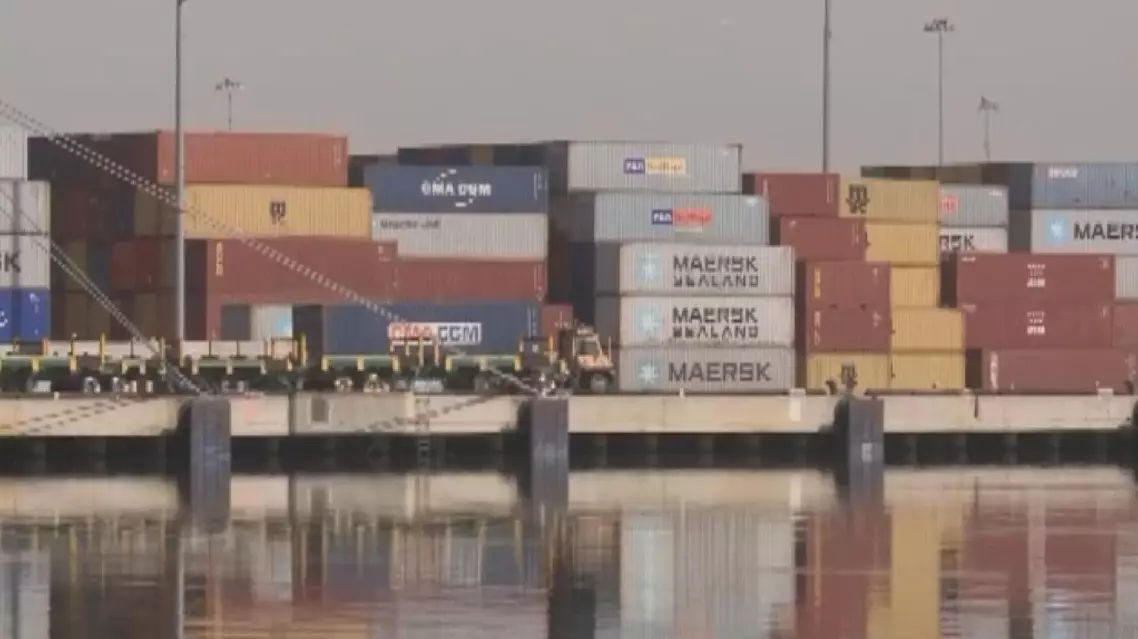
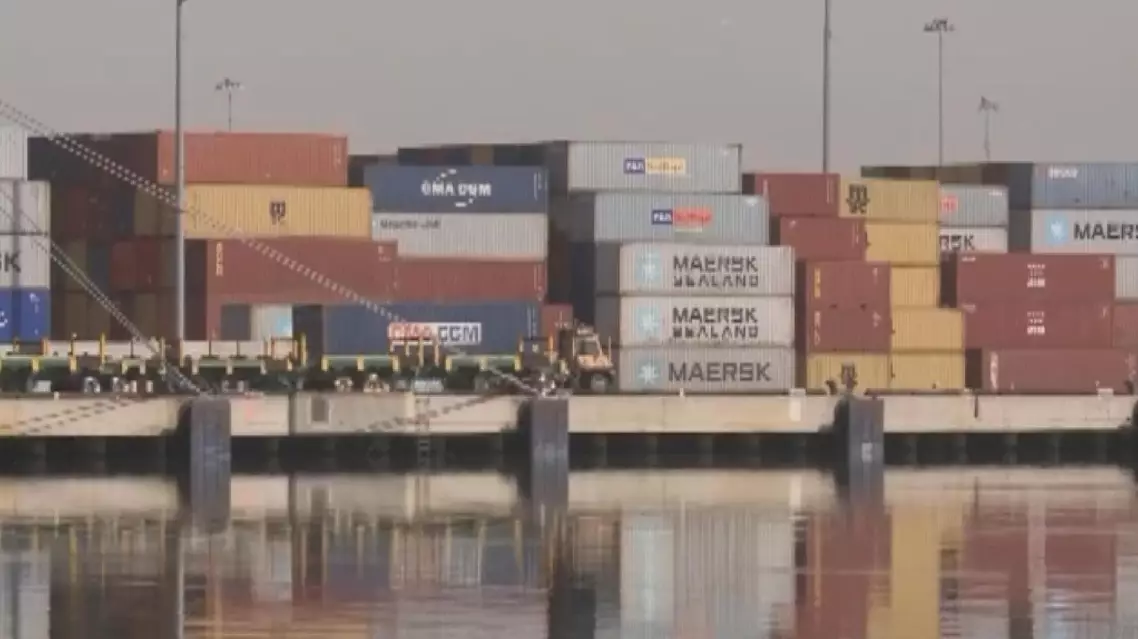
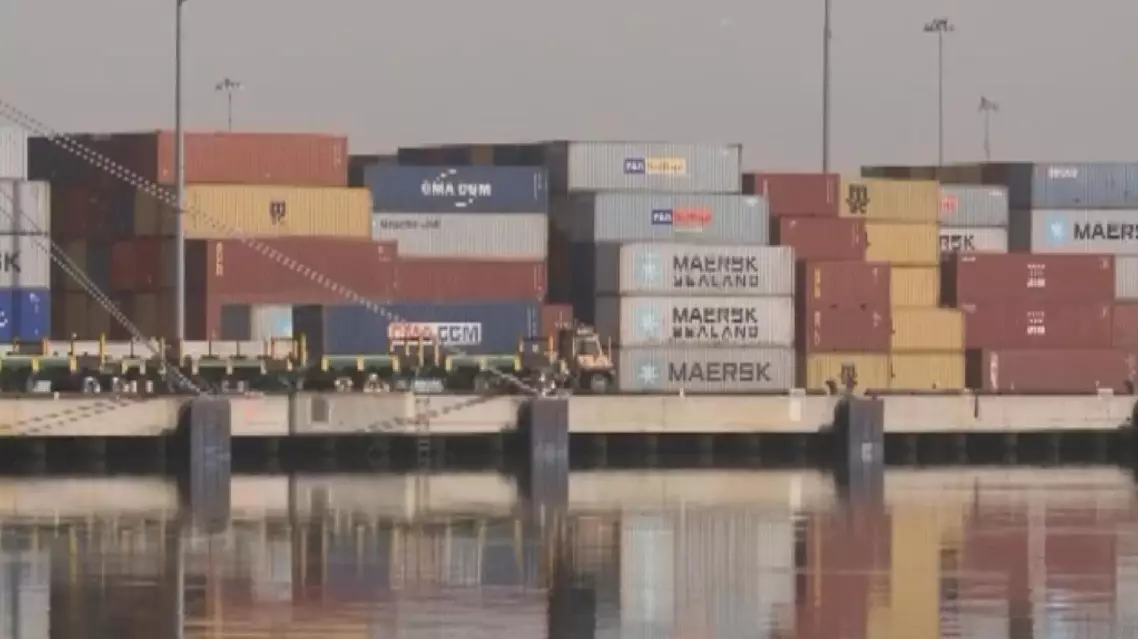
Approximately 90 percent of all U.S. imports come through seaports. A majority of the vessels are either constructed, owned, or operated by China.

Experts fear the added costs could force shipping companies to turn to cost-saving efforts by limiting their stops to major U.S. seaports, like Los Angeles.

That could have major consequences for exporters in rural areas.

"For a grower in the Central Valley to have to spend another 500 to 1,000 U.S. dollars to truck their cargo down to Los Angeles or Long Beach, get on a vessel and move out to Asia, maybe the price for that product, think of a walnut handler as an example, gets too high on a per unit basis and suddenly they're competing with other growing nations," said Gene Soroka, executive director of the Port of Los Angeles.

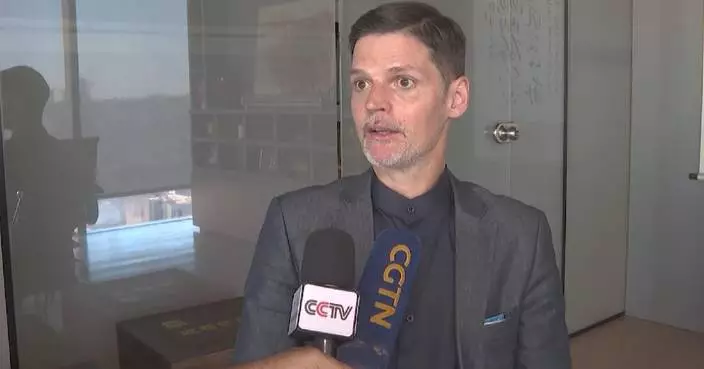
Weston Labar, chief strategy officer of Waterfront Logistics, stressed that efforts to rebuild the sort of large-scale production capabilities necessary to produce ships in the U.S. would rely on far more than proposed protections.

"I think there's a strong likelihood that something could come to fruition. My hope is that attached with it is a common sense time frame on how we have the right type of workforce and the right type of supporting industries like steel and others to support shipbuilding in the United States, as opposed to just saying, we're going to start charging fees on Chinese built ships because there's no alternative right now. As admirable as the end goal is, if it's not done the right way, it could have catastrophic impacts to our global supply chain and really to the American consumer base," said Labar.

Last month, the USTR office announced that it is seeking public comment on proposed actions in the Section 301 investigation into China's maritime, logistics and shipbuilding sectors, including the imposition of port fees.

The Chinese commerce ministry said the U.S. Section 301 investigation is a typical act of unilateralism and protectionism which seriously violates World Trade Organization rules and warned that the U.S. proposal to levy port fees on Chinese ships could backfire.
Experts warn of global trade fallout as U.S. proposes port fees on Chinese-linked ships
Experts warn of global trade fallout as U.S. proposes port fees on Chinese-linked ships
Experts warn of global trade fallout as U.S. proposes port fees on Chinese-linked ships
Experts warn of global trade fallout as U.S. proposes port fees on Chinese-linked ships
Experts warn of global trade fallout as U.S. proposes port fees on Chinese-linked ships

Experts warn of global trade fallout as U.S. proposes port fees on Chinese-linked ships
A veteran agricultural scientist and deputy to the National People's Congress (NPC), China's national legislature, shared his decades-long mission to reduce the country's reliance on food imports and safeguard its food security by developing high-yield, disease-resistant wheat varieties.

Gao Derong, a researcher from the Lixiahe Regional Institute of Agricultural Sciences in east China's Jiangsu Province, detailed his relentless pursuit of better wheat varieties while taking a question at a press conference on the sidelines of the ongoing "two sessions", a major event in China's political calendar.

He has dedicated more than 30 years to wheat breeding and succeeded in the fight against Fusarium head blight, a serious fungal disease of cereals, including wheat and other small-grain crops, by implanting "disease-resistant genes" inside seeds.

"After 30 years of countless and repeated trials, we finally developed our first Fusarium head blight resistant variety in 2021. It exhibits strong disease resistance and high yield, with a yield of up to 600 kg per mu (0.066 hectare) in a demonstration plot. This means farmers can use fewer pesticides, produce more wheats, and secure a more stable harvest," said Gao.

Addressing the tight rotation schedule in the rice-wheat rotation system in south China, his team developed time-smart varieties like "Yangmai 25," which can be sown as late as December and still achieve a yield of 6,00 kg per mu.

"We have also cultivated a high-quality weak-gluten wheat variety tailored for biscuits and pastries, reversing China's long-standing reliance on imports. These grain varieties, like elite guard teams, help us hold our rice bowl firmly and contribute to securing our food security," Gao said.

As an NPC deputy, Gao extends his research from the lab to the field, gathering farmers' concerns alongside experimental data.

"My duty as a deputy is also written in the fields. 'Can we construct high-standard farmland at an accelerated pace?' 'Can we have more targeted agricultural subsidies?' These are the voices I often heard in the fields, which I carefully recorded like experimental data and transformed into suggestions," he said. Gao said he will continue working to enable the land to yield more grain, help farmers increase their incomes, and contribute to ensuring national food security.

This year's "two sessions," the annual meetings of China's top political advisory body and national legislature, opened in Beijing Wednesday and Thursday, respectively. As the world's second-largest economy embarks on the inaugural year of its 15th Five-Year Plan (2026-2030) period, these gatherings will serve both as a review of past achievements, and as a strategic compass guiding the nation's future development.

NPC deputy vows to fortify China's food security through seed innovation

NPC deputy vows to fortify China's food security through seed innovation

Recommended Articles