WASHINGTON (AP) — Governors in several Republican-led states are pressing the Trump administration to cut strings attached to their federal education money, a goal conservatives have long dreamed of that now appears within reach as President Donald Trump moves to dismantle the Education Department.
Iowa put itself forward as a test case this month, asking the Education Department to consolidate its federal aid into a single grant — called a “block grant” — with few spending requirements. Oklahoma submitted a similar request Tuesday, asking for more flexibility to steer federal money toward areas including private school and religious education options.
The idea has failed to gain support in Congress in the past, but Iowa and Oklahoma are suggesting the Trump administration has the power to act alone.
Other Republican leaders have embraced the idea. Florida Gov. Ron DeSantis wrote an opinion piece last week pushing for block grants. Conservatives are calling it the natural next step in Trump’s promise to shut down the Education Department and give more power to states.
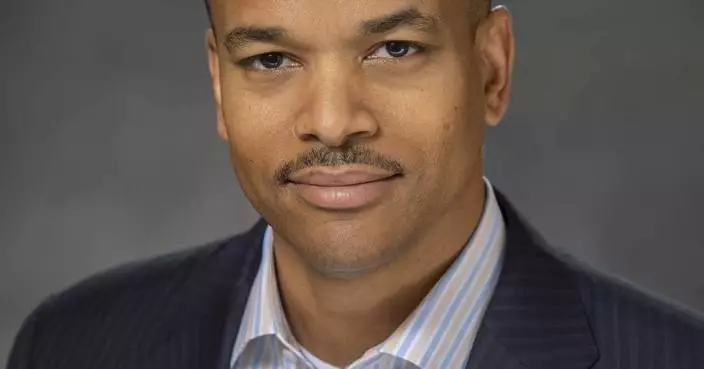
“All states would like more flexibility and freedom,” said Jim Blew, a former Education Department official from Trump's first term who has called for consolidating education aid. “This would be a full block grant, no strings attached.”
As many as a dozen other GOP-led states are planning to submit their own requests, said Blew, who now co-leads the Defense of Freedom Institute for Policy Studies.
The Education Department channels billions of dollars a year to America’s public schools, but it’s divided into dozens of grants with different purposes. The biggest pot of money is Title I, which uses a formula to direct more money to schools with high concentrations of poverty. Other programs focus on areas from teacher training to rural schools.
For years, Republicans have pushed block grants as a way to scale back federal involvement in education. They say it would save schools from onerous reporting requirements and allow them to steer federal money toward areas that need it most.
Opponents say block grants would allow states to redirect money away from the students who most need the federal aid, including low-income students and English learners, and toward Republican priorities.
“Congress created each of those individual grants for specific reasons to serve specific groups of students,” said Ivy Smith Morgan of EdTrust, a think tank that advocates for educational equity. “Over time, block grants reduce the connective thread between a source of funding and a particular student group.”
Education Secretary Linda McMahon has denounced “federal red tape” and said states should be empowered to take charge. When she was asked about block grants Sunday on CNN's “State of the Union,” she noted that model has been suggested. But she indicated she did not support lumping together aid for students with disabilities and low-income students.
“No, that’s separate money that would go, because they would clearly have that responsibility to make sure that money does get to those students,” McMahon said.
In its proposal on March 7, Iowa’s education agency asked the Education Department for permission to consolidate 10 sources of federal funding — including $100 million from Title I for low-income students — into a single grant, according to a summary provided by the Iowa Department of Education.
Iowa’s proposal pledges to uphold civil rights protections required by federal law, including support for English learners, homeless students and other groups. It would also continue to use state assessments to identify and address achievement gaps.
In an op-ed in The Hill, a political newspaper, Iowa Gov. Kim Reynolds said block grants would “give states the flexibility to stretch federal dollars further, rather than following the dictates of distant federal bureaucrats who don’t have the same visibility into our state’s needs.”
Oklahoma's request asks to consolidate its federal aid into a single grant, saying each of the state's schools would be “categorized into types based on need” to establish spending priorities.
With more flexibility, Oklahoma would offer a “marketplace of solutions” for families that includes, “where permissible, private school choice programs, enabling parents to select schools that align with their religious values, provided those schools meet state accreditation standards,” according to the memo from state Superintendent Ryan Walters.
The U.S. Education Department declined to comment on the state proposals.
Sending federal money to states in block grants would be illegal and "extremely dangerous," Rep. Bobby Scott, D-Va., the top Democrat on the House Committee on Education and the Workforce, told The Associated Press.
"Converting these funds will make it virtually impossible for the federal government to hold states accountable for providing all students with a high-quality education free from discrimination,” he said.
During Trump’s first term, former Education Secretary Betsy DeVos proposed a budget combining K-12 money into block grants, but it was rejected with bipartisan pushback. Project 2025, a conservative blueprint for Trump’s second term, calls for Title I money for low-income students to be converted into a block grant and then phased out over 10 years.
Instead of going through Congress, Iowa’s request asks the Education Department to waive some of the state’s requirements.
The law that governs federal funding for public schools — the Every Student Succeeds Act — gives the education secretary authority to waive certain provisions upon request from a state. The power was used during President Barack Obama's administration to allow states to deviate from the No Child Left Behind law, and many states received waivers allowing them to suspend academic testing during the COVID-19 pandemic.
A state teachers union in Iowa noted Tuesday that federal money is tied to certain goals to make sure schools get the money they need regardless of state politics.
“Block grants can lead to a lack of minimum standards, where funds can be shifted to other purposes or used to replace state funding, leaving students vulnerable to inequalities based on where they live and the availability of services,” said Joshua Brown, president of the Iowa State Education Association.
If Iowa's request is approved, it's almost certain to face a legal challenge.
“This is politically unfeasible — Congress is not going to move here,” said Morgan, of EdTrust.
Republican governors and lawmakers have been promoting the idea in other states, including Ohio and Kansas, where the Legislature has introduced a resolution urging the Trump administration to provide education aid as block grants.
Some conservative-led states said they have no plans to pursue the idea, including Idaho.
Blew argues the maneuver is legally sound, and he said there’s new political will to make it happen as the Trump administration looks to empower the states.
“The most common way to do that is to turn the money into a block grant,” Blew said, “and just give it to the states for them to deal with the money.”
This story has been corrected to reflect a block grant resolution was introduced in the Kansas Legislature, but not yet passed.
The Associated Press’ education coverage receives financial support from multiple private foundations. AP is solely responsible for all content. Find AP’s standards for working with philanthropies, a list of supporters and funded coverage areas at AP.org.
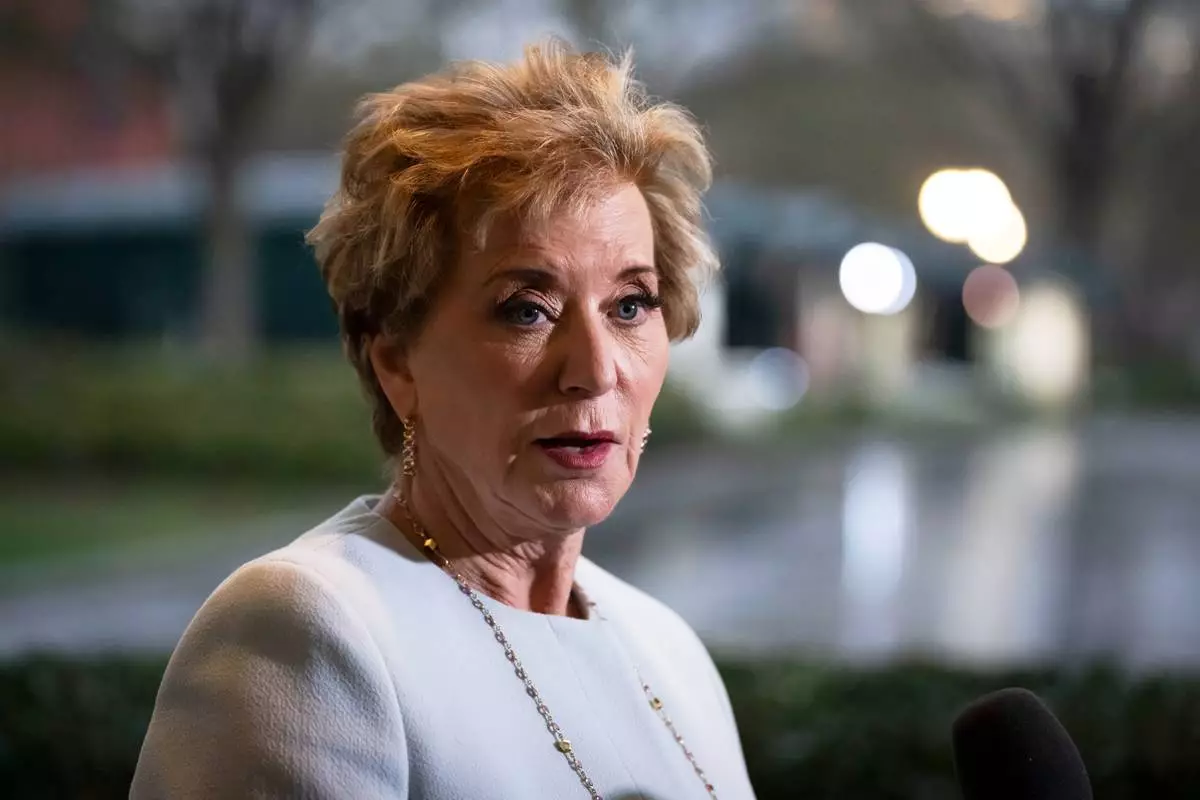
FILE - Secretary of Education Linda McMahon speaks to reporters at the White House in Washington, Thursday, March 20, 2025. (AP Photo/Ben Curtis, File)