PARIS (AP) — A woman accusing French actor Gérard Depardieu of sexual assault told a landmark trial in Paris on Wednesday that he groped her buttocks and her breasts several times on a film set. Three other accusers told the court they suffered similar gestures in separate incidents.
Depardieu, 76, is accused of groping a 54-year-old set dresser and a 34-year-old assistant during filming in 2021 of “Les Volets Verts” (“The Green Shutters”). He denies any sexual assault.
Click to Gallery
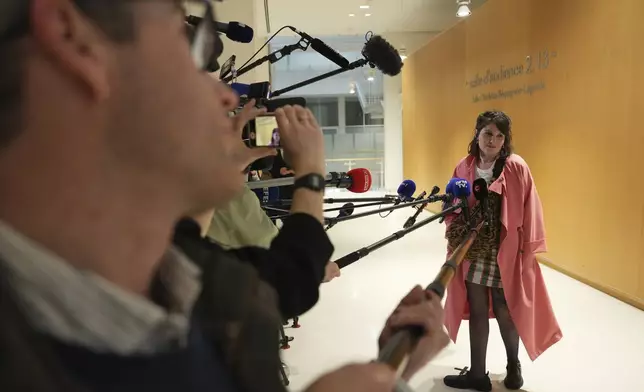
Claude Vincent, a plaintiff's lawyer, answers reporters as part of French actor Gerard Depardieu's trial for the alleged sexual assaults of two women on a film set in 2021, Wednesday, March 26, 2025 in Paris. (AP Photo/Aurelien Morissard)
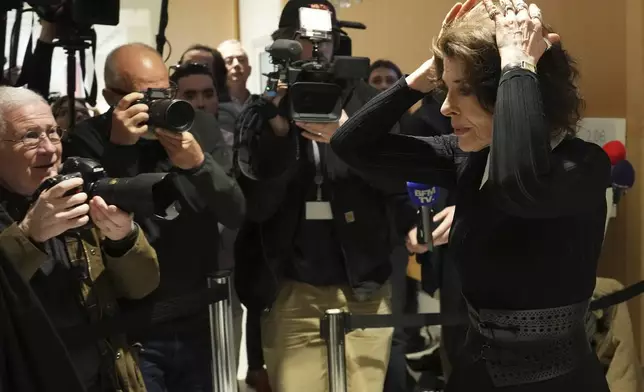
Actor Fanny Ardant arrives to testify as actor Gerard Depardieu goes on trial for the alleged sexual assaults of two women on a film set in 2021, Wednesday, March 26, 2025 in Paris. (AP Photo/Aurelien Morissard)
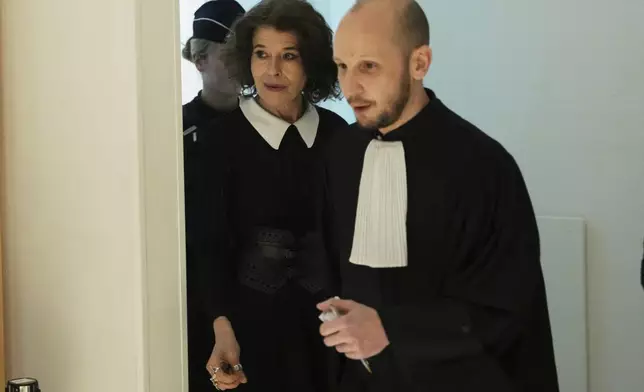
Actor Fanny Ardant, left, arrives to testify as actor Gerard Depardieu goes on trial for the alleged sexual assaults of two women on a film set in 2021, Wednesday, March 26, 2025 in Paris. (AP Photo/Aurelien Morissard)
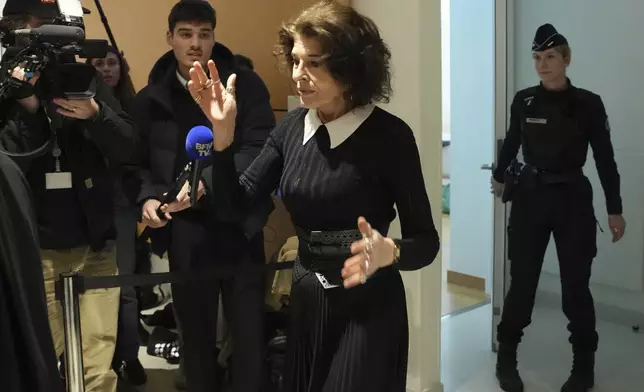
Actor Fanny Ardant arrives to testify as actor Gerard Depardieu goes on trial for the alleged sexual assaults of two women on a film set in 2021, Wednesday, March 26, 2025 in Paris. (AP Photo/Aurelien Morissard)
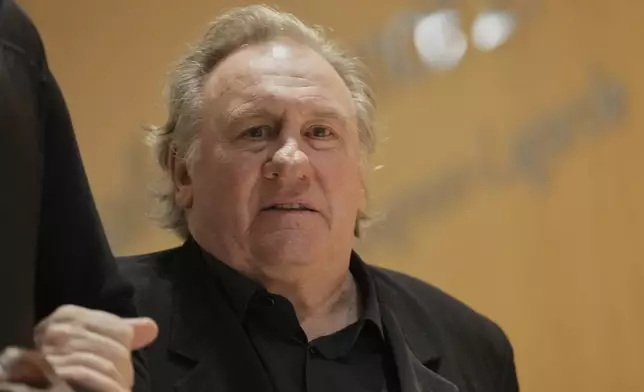
French actor Gerard Depardieu leaves for a break during his trial for the alleged sexual assaults of two women on a film set in 2021, Wednesday, March 26, 2025 in Paris. (AP Photo/Aurelien Morissard)
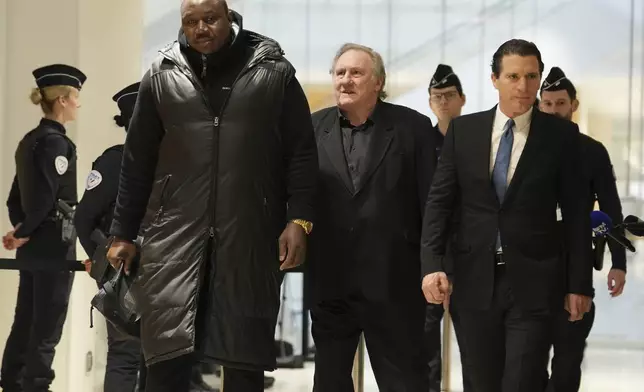
French actor Gerard Depardieu, center, arrives with his lawyer Jeremie Assous, right, at his trial for the alleged sexual assaults of two women on a film set in 2021, Wednesday, March 26, 2025 in Paris. (AP Photo/Aurelien Morissard)
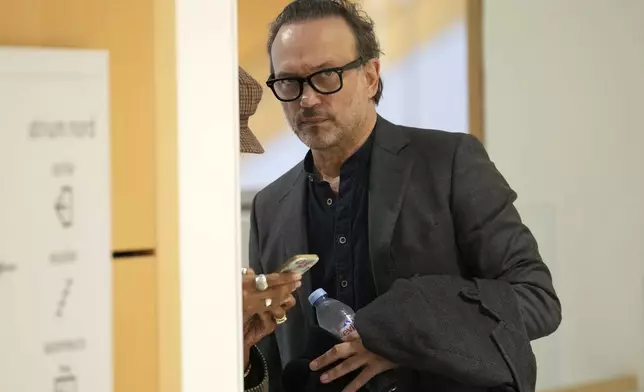
Actor Vincent Perez arrives at French actor Gerard Depardieu's trial for the alleged sexual assaults of two women on a film set in 2021, Wednesday, March 26, 2025 in Paris. (AP Photo/Aurelien Morissard)
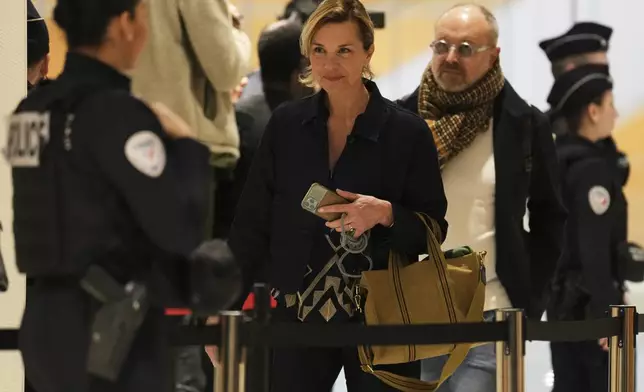
A plaintiff, center, arrives at French actor Gerard Depardieu's trial for the alleged sexual assaults of two women on a film set in 2021, Wednesday, March 26, 2025 in Paris. (AP Photo/Aurelien Morissard)
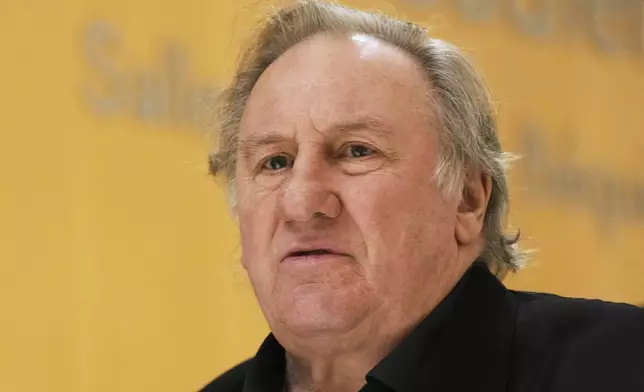
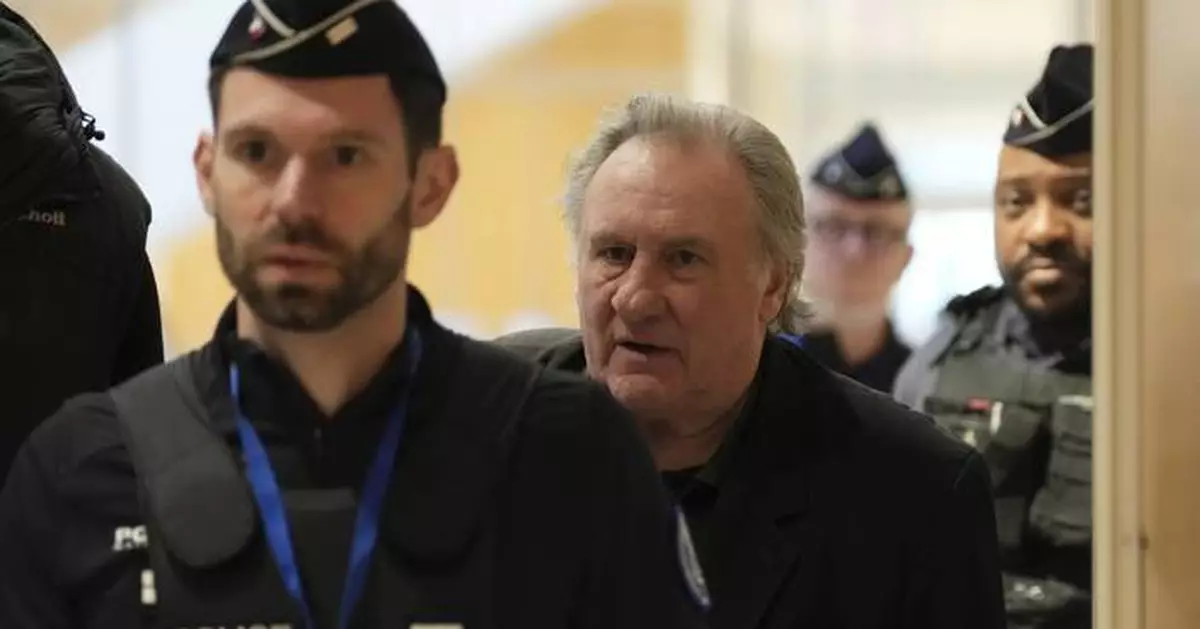
French actor Gerard Depardieu arrives at his trial for the alleged sexual assaults of two women on a film set in 2021, Wednesday, March 26, 2025 in Paris. (AP Photo/Aurelien Morissard)
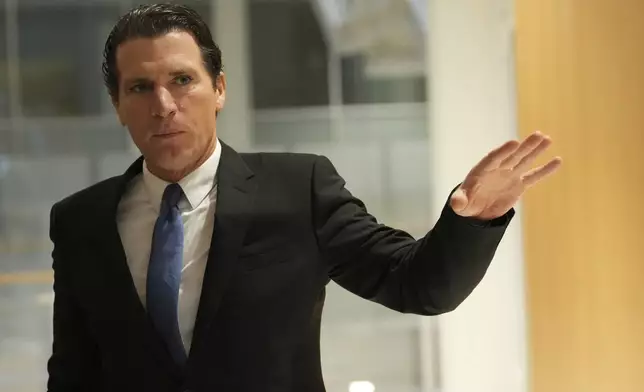
French actor Gerard Depardieu's lawyer Jeremie Assous gestures during a break as part of Depardieu's trial for the alleged sexual assaults of two women on a film set in 2021, Wednesday, March 26, 2025 in Paris. (AP Photo/Aurelien Morissard)
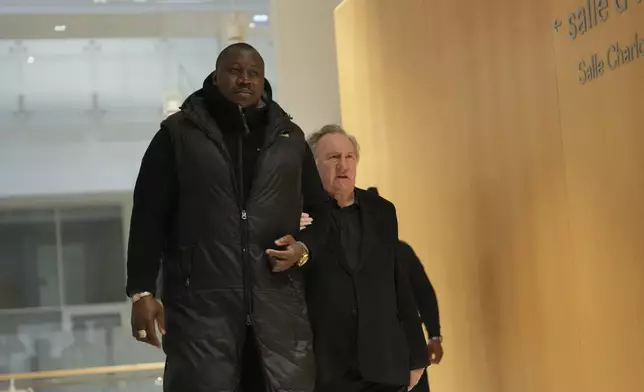
French actor Gerard Depardieu, right, leaves for a break during his trial for the alleged sexual assaults of two women on a film set in 2021, Wednesday, March 26, 2025 in Paris. (AP Photo/Aurelien Morissard)
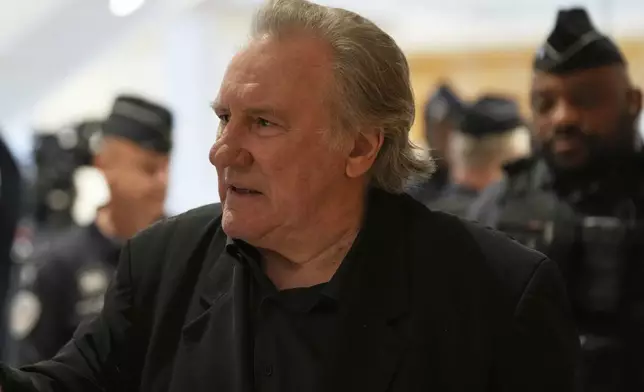
French actor Gerard Depardieu leaves for a break during his trial for the alleged sexual assaults of two women on a film set in 2021, Wednesday, March 26, 2025 in Paris. (AP Photo/Aurelien Morissard)
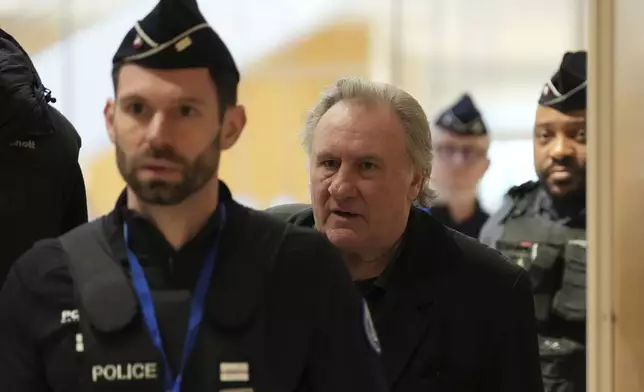
French actor Gerard Depardieu leaves for a break during his trial for the alleged sexual assaults of two women on a film set in 2021, Wednesday, March 26, 2025 in Paris. (AP Photo/Aurelien Morissard)
The third day of the trial focused on the testimony of the younger plaintiff, who detailed three separate incidents. She said Depardieu first groped her bottom when she was alone with him for a brief moment as they were heading towards the film set.
“Out of the blue, he put his hand on my butt,” she said, adding she said nothing because she was “under shock” and “petrified.”
In a second incident, she said Depardieu suddenly put both his hands on her breasts: “I said ‘No.’ I was scared." She also described telling Depardieu “no” during a third similar incident.
The plaintiff said she reported the issue to her direct manager, who then alerted others in charge of the film production, prompting anger from the actor.
She said she then “minimized” the issue because she wanted to continue to do her job, adding she aimed at "handling it on her own, be strong."
She later decided to file a formal complaint out of solidarity with the other plaintiff and because, she said, “I want people to hear the truth.”
Depardieu repeatedly denied the allegations on Wednesday in court, saying: “I’m not like that.”
“I think that maybe, I don’t know, she was wary because of my reputation of being vulgar, crude, rude," Depardieu said. "But I’m not only that. I still respect people.”
The actor also told the court that he is almost always accompanied by aides on the film set, including his body guard, and suggested that he would rarely find himself alone with a film worker.
The trial continues Thursday, with the verdict expected at a later date.
The actor faces up to five years in prison and a fine of 75,000 euros ($81,000) if convicted.
On Tuesday, Depardieu acknowledged that he had used vulgar and sexualized language with the set dresser who accused him of sexual assault. He said he grabbed her hips during an argument, but denied that his behavior was sexual.
A film worker said Wednesday she attended that scene, describing the set dresser as “stuck in-between the legs” of Depardieu.
“My brain bugged,” she said, "I thought: it’s not possible that I’m actually seeing this.”
She said she realized she attended “an aggression” and reported it to the film management. Days later, she asked the other plaintiff about Depardieu’s attitude, leading her to detail the other incidents.
The Associated Press doesn’t identify by name people who say they were sexually assaulted unless they consent to. Neither women has done so in this case.
Two women, a journalist and a former costume designer, testified that they were sexually assaulted by Depardieu in 2007 and 2014 -- but one didn’t file a police complaint and the other alleged assault was covered by the statute of limitations.
A third woman, comedian Sarah Brooks, alleged that Depardieu put his hand inside her shorts and inside her pants as they were posing for a photo ten years ago. She said she pushed back his hand and “he did it again.”
She did not file a formal complaint because she was 20 and felt she could not speak up against the world-famous actor. Brooks has in recent years publicly accused Depardieu of sexual assault.
This week's trial is the first time one of the more than 20 accusations of misconduct against Depardieu has reached court. Some cases were dropped because of a lack of evidence or the statute of limitations.
Some figures in the French cinema world have expressed their support towards Depardieu.
French actor Fanny Ardant, who described herself as a longtime friend of the actor, agreed his words may be rude and vulgar, yet said she never attended any gesture she found “shocking."
“What I want to say in this courtroom is that I know that the world has changed, that society has changed, that standards are no longer the same," Ardant said.
"There are things we’ve tolerated that are no longer tolerable.”
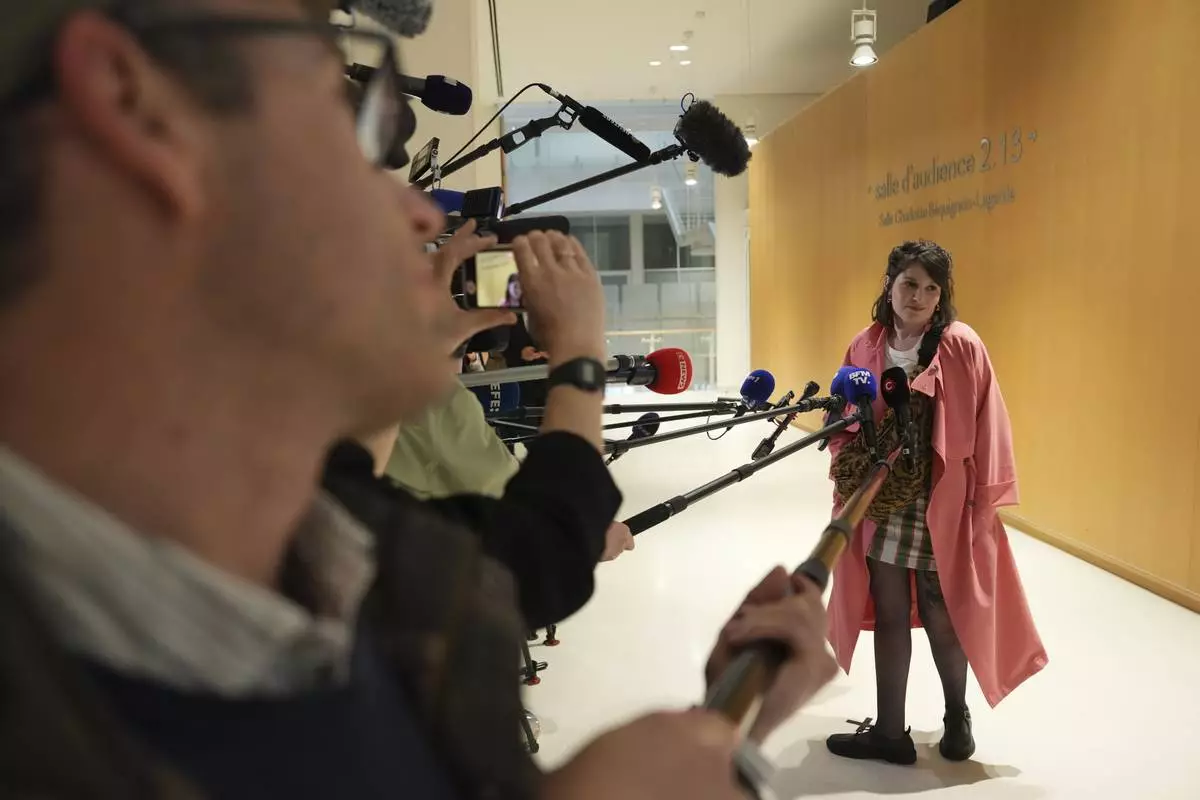
Claude Vincent, a plaintiff's lawyer, answers reporters as part of French actor Gerard Depardieu's trial for the alleged sexual assaults of two women on a film set in 2021, Wednesday, March 26, 2025 in Paris. (AP Photo/Aurelien Morissard)
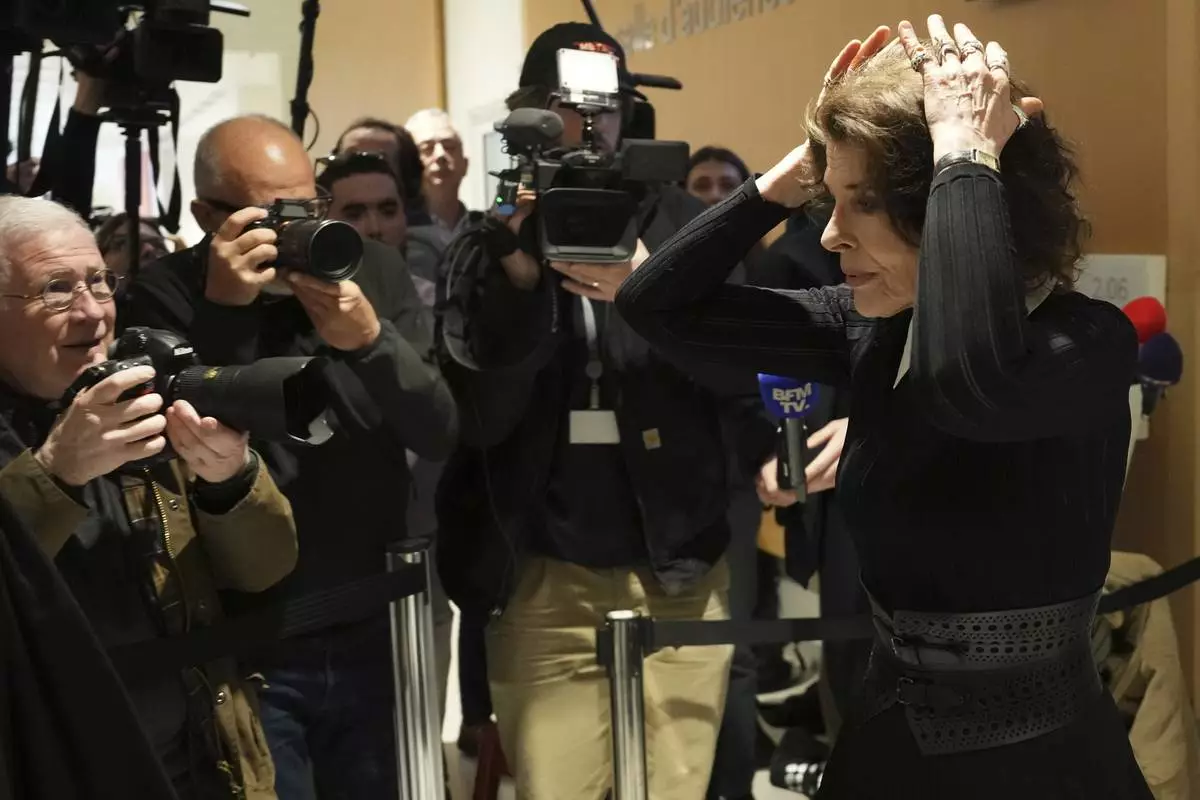
Actor Fanny Ardant arrives to testify as actor Gerard Depardieu goes on trial for the alleged sexual assaults of two women on a film set in 2021, Wednesday, March 26, 2025 in Paris. (AP Photo/Aurelien Morissard)
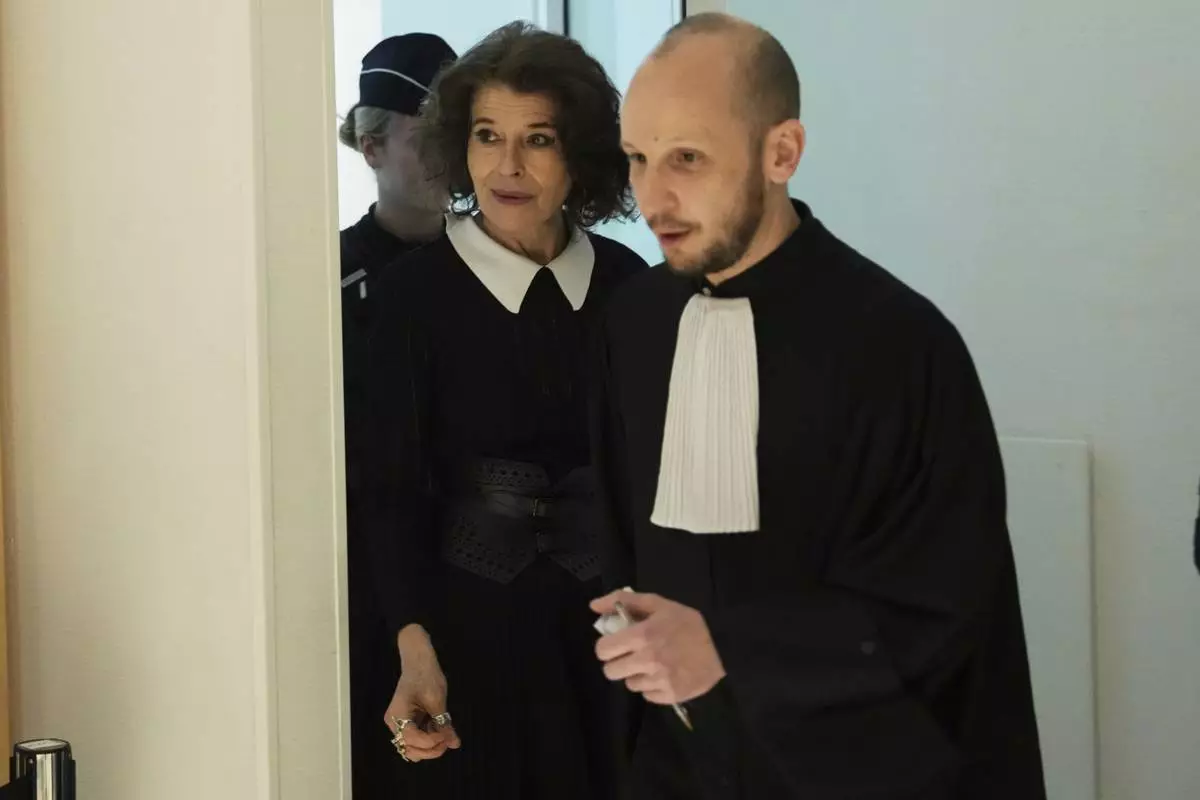
Actor Fanny Ardant, left, arrives to testify as actor Gerard Depardieu goes on trial for the alleged sexual assaults of two women on a film set in 2021, Wednesday, March 26, 2025 in Paris. (AP Photo/Aurelien Morissard)
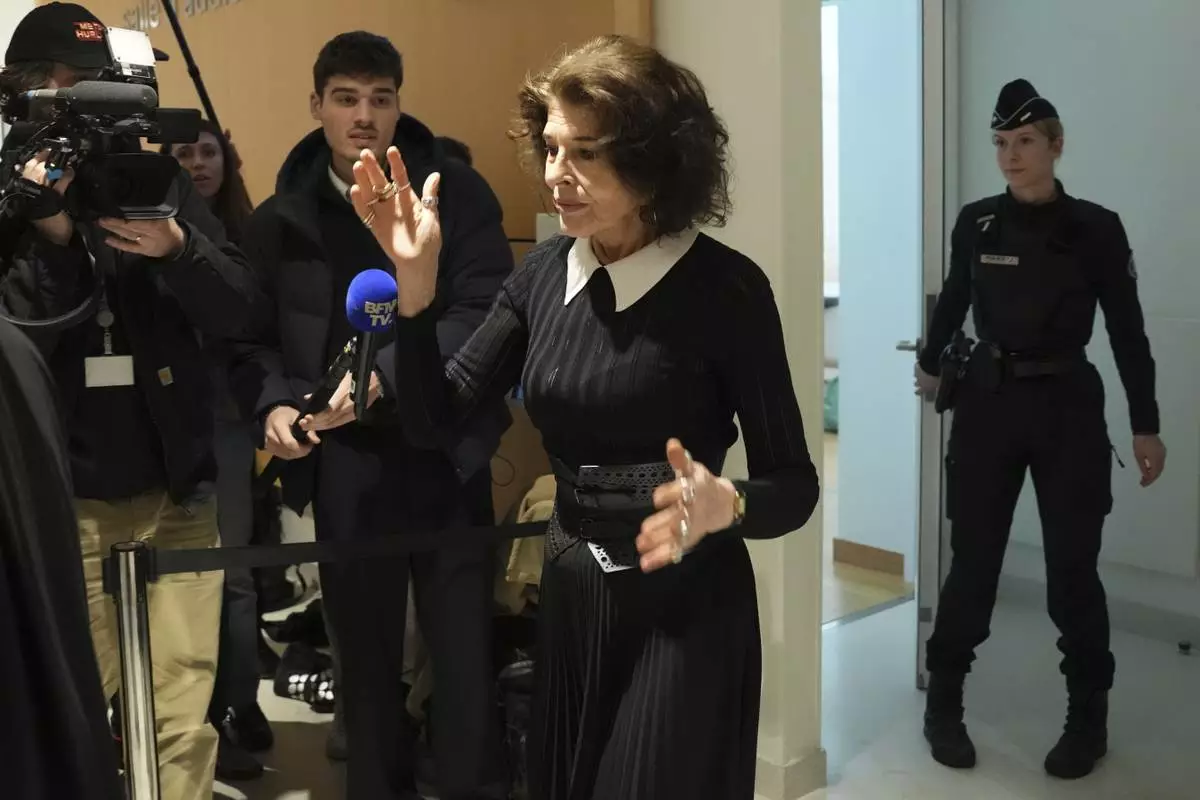
Actor Fanny Ardant arrives to testify as actor Gerard Depardieu goes on trial for the alleged sexual assaults of two women on a film set in 2021, Wednesday, March 26, 2025 in Paris. (AP Photo/Aurelien Morissard)
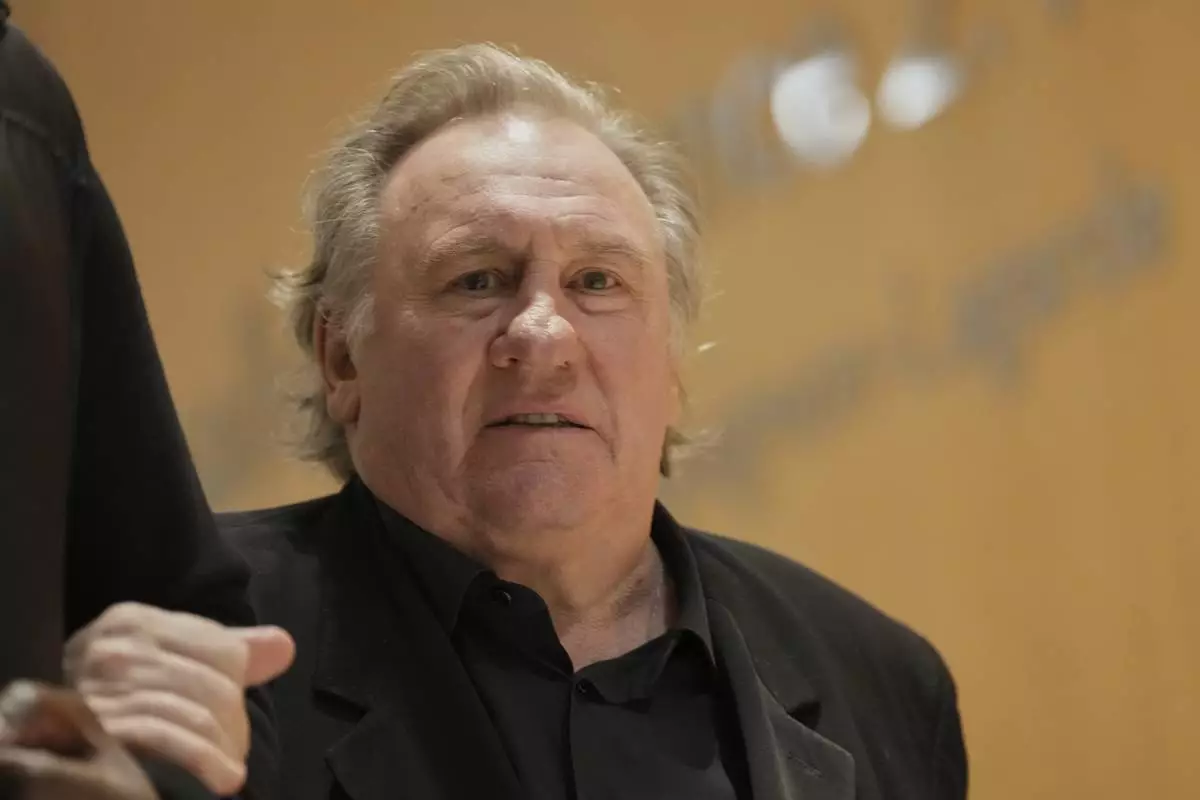
French actor Gerard Depardieu leaves for a break during his trial for the alleged sexual assaults of two women on a film set in 2021, Wednesday, March 26, 2025 in Paris. (AP Photo/Aurelien Morissard)
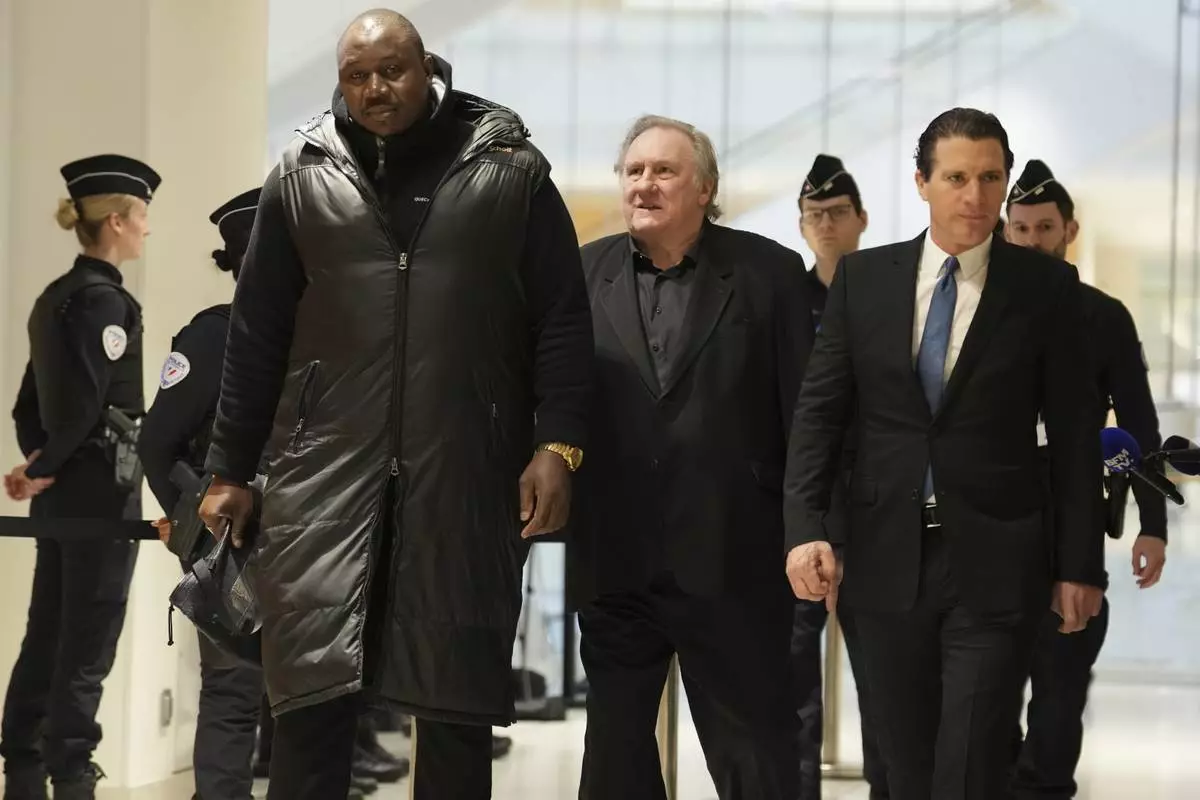
French actor Gerard Depardieu, center, arrives with his lawyer Jeremie Assous, right, at his trial for the alleged sexual assaults of two women on a film set in 2021, Wednesday, March 26, 2025 in Paris. (AP Photo/Aurelien Morissard)
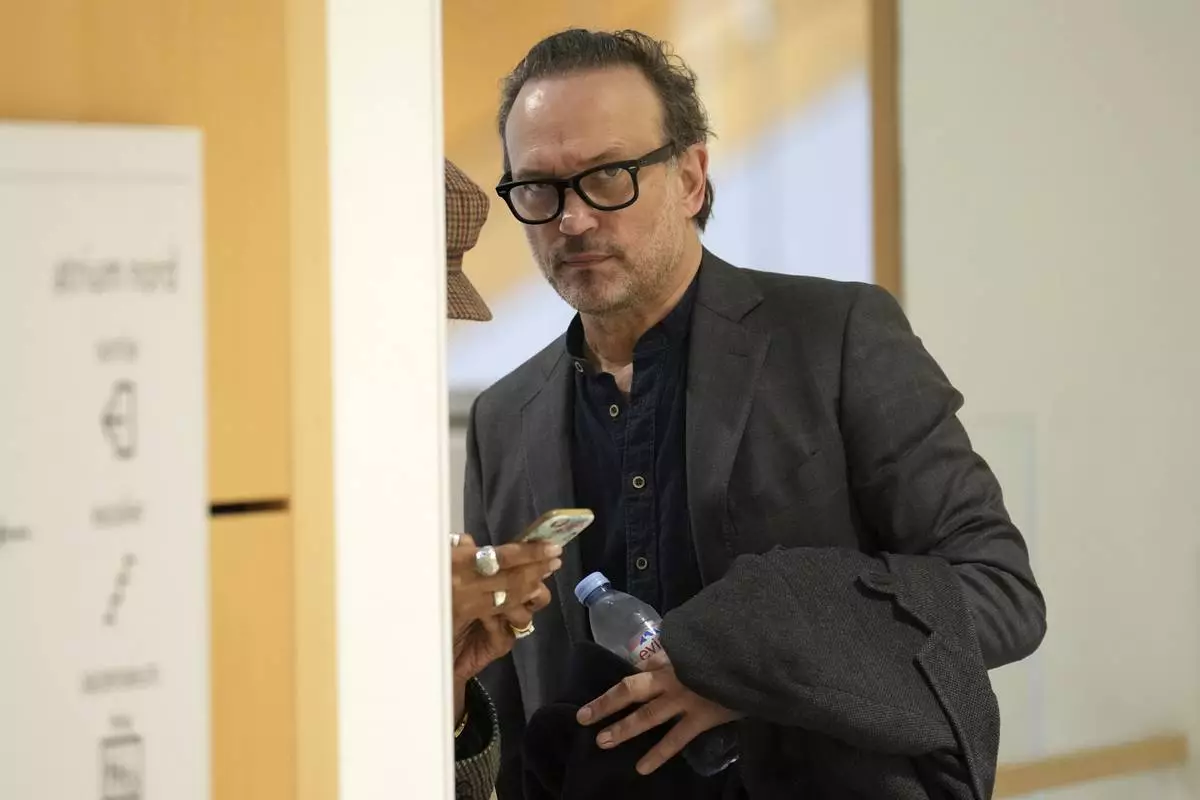
Actor Vincent Perez arrives at French actor Gerard Depardieu's trial for the alleged sexual assaults of two women on a film set in 2021, Wednesday, March 26, 2025 in Paris. (AP Photo/Aurelien Morissard)
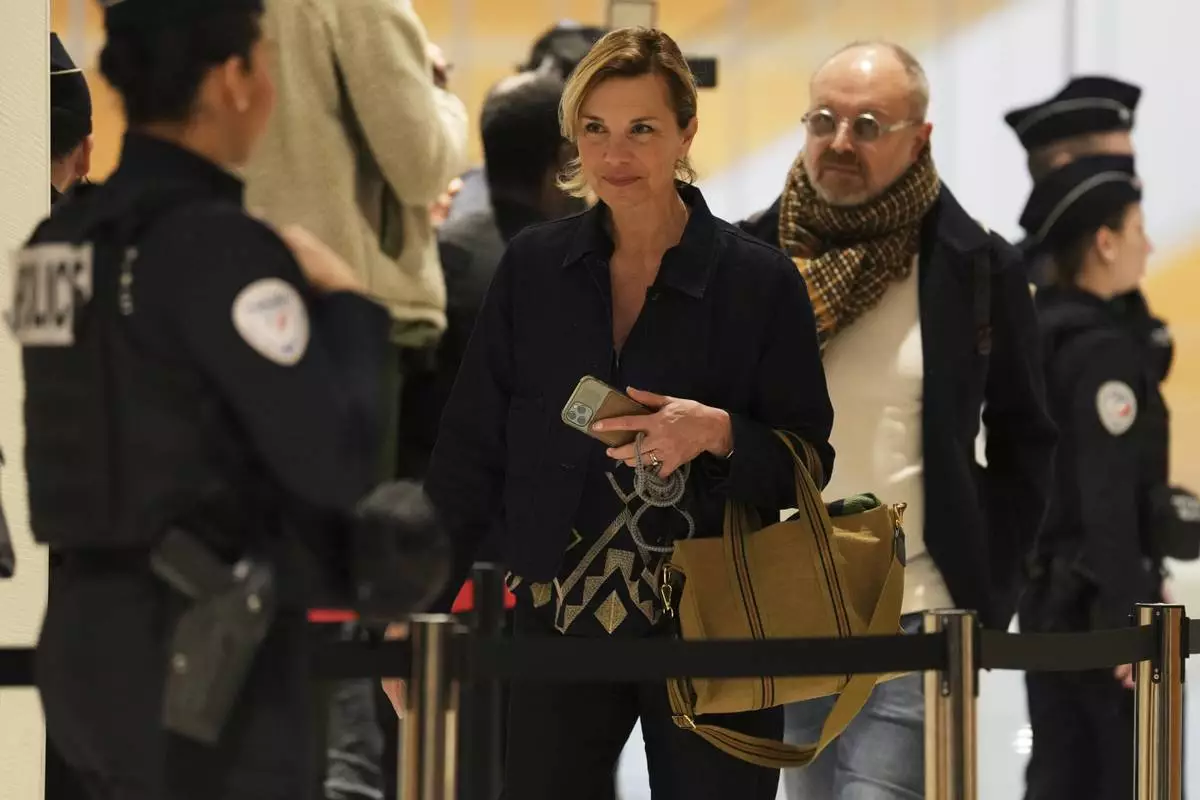
A plaintiff, center, arrives at French actor Gerard Depardieu's trial for the alleged sexual assaults of two women on a film set in 2021, Wednesday, March 26, 2025 in Paris. (AP Photo/Aurelien Morissard)
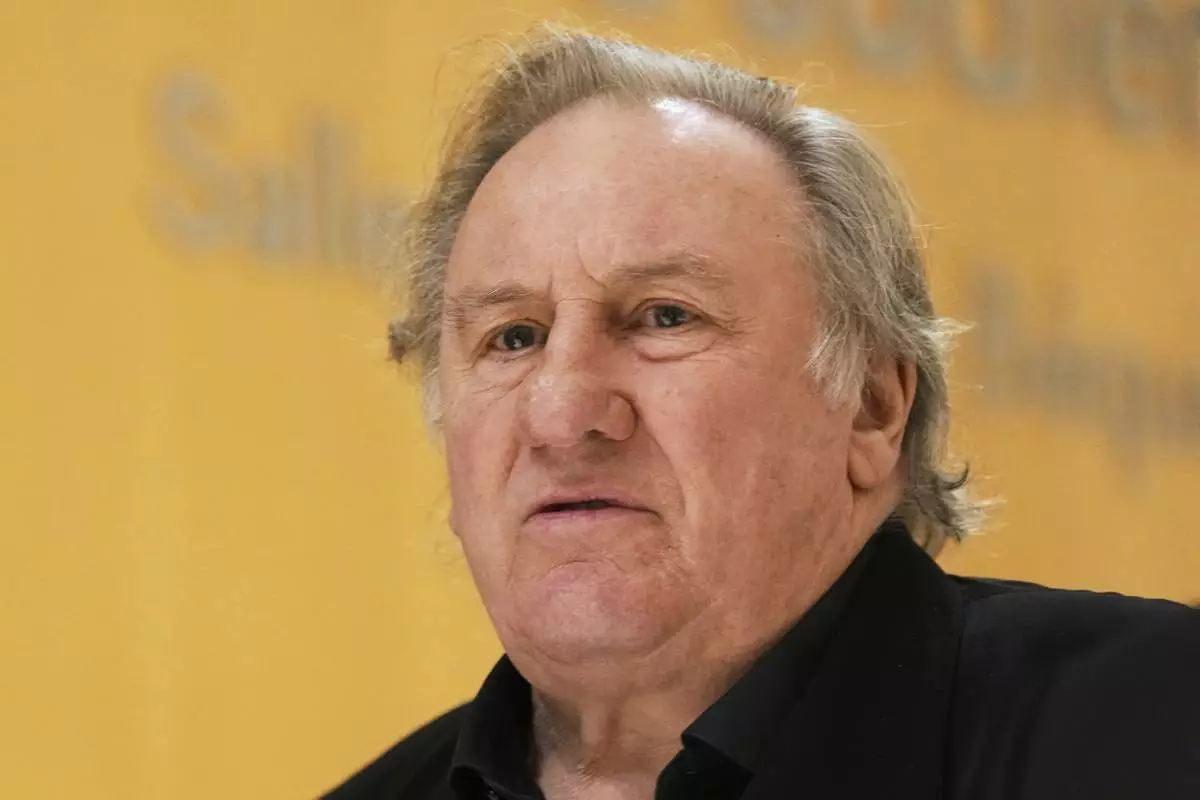
French actor Gerard Depardieu arrives at his trial for the alleged sexual assaults of two women on a film set in 2021, Wednesday, March 26, 2025 in Paris. (AP Photo/Aurelien Morissard)
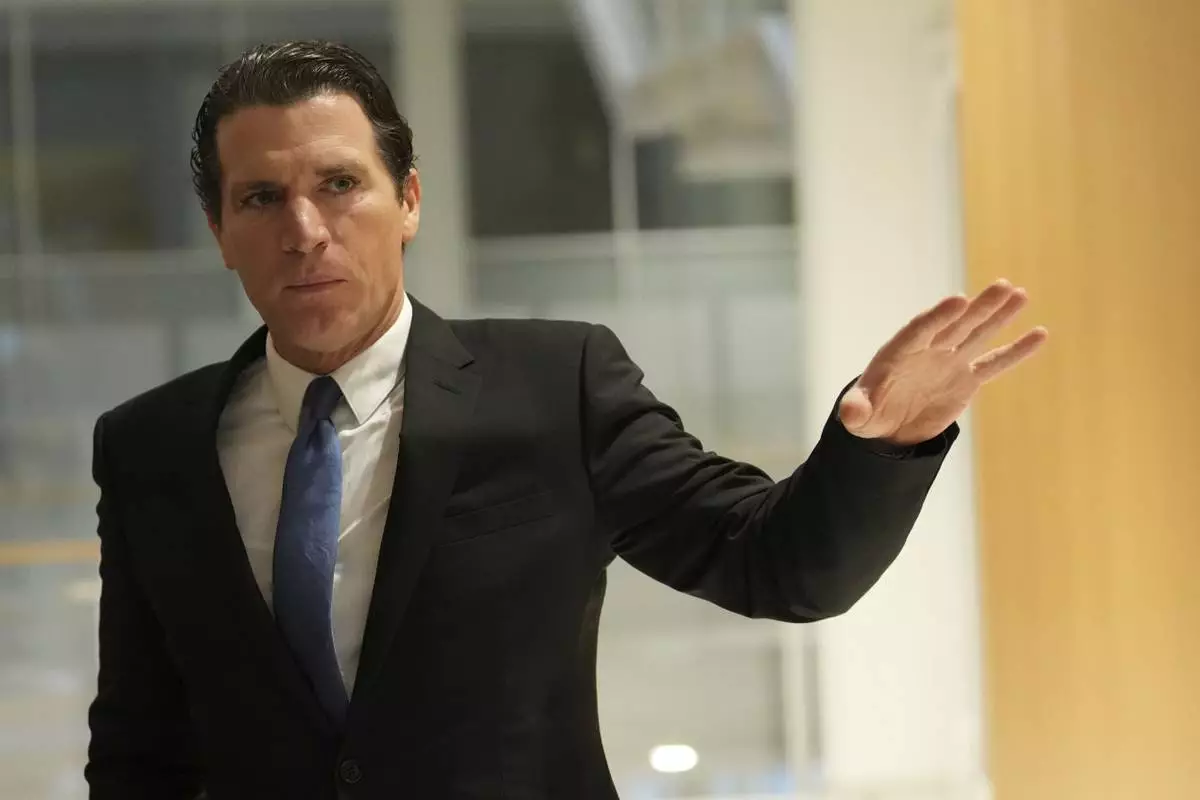
French actor Gerard Depardieu's lawyer Jeremie Assous gestures during a break as part of Depardieu's trial for the alleged sexual assaults of two women on a film set in 2021, Wednesday, March 26, 2025 in Paris. (AP Photo/Aurelien Morissard)
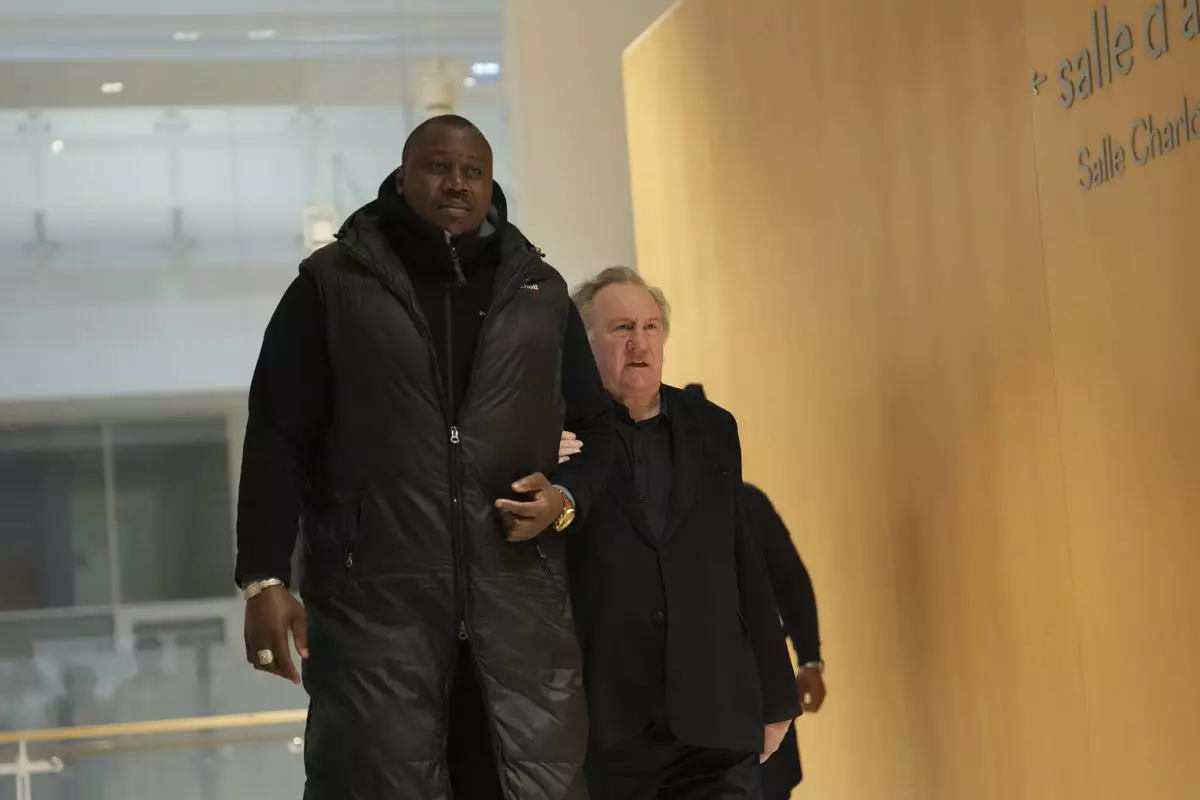
French actor Gerard Depardieu, right, leaves for a break during his trial for the alleged sexual assaults of two women on a film set in 2021, Wednesday, March 26, 2025 in Paris. (AP Photo/Aurelien Morissard)
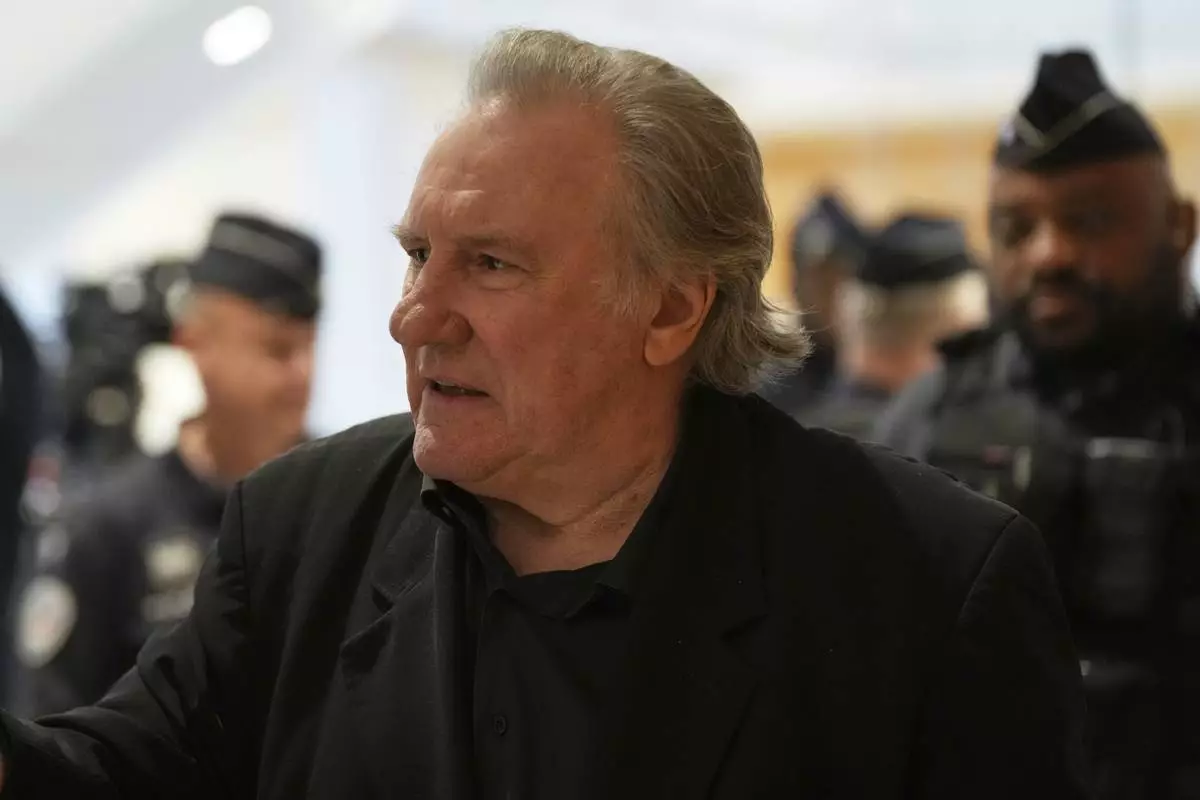
French actor Gerard Depardieu leaves for a break during his trial for the alleged sexual assaults of two women on a film set in 2021, Wednesday, March 26, 2025 in Paris. (AP Photo/Aurelien Morissard)
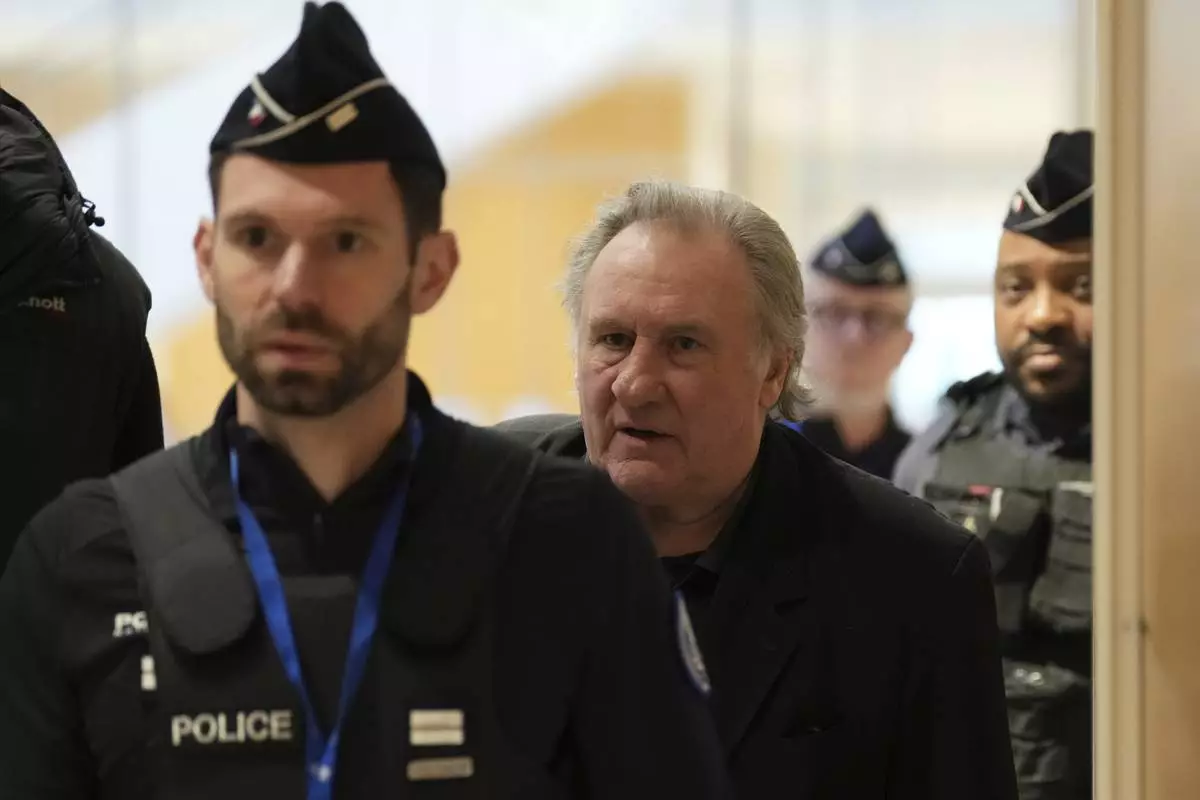
French actor Gerard Depardieu leaves for a break during his trial for the alleged sexual assaults of two women on a film set in 2021, Wednesday, March 26, 2025 in Paris. (AP Photo/Aurelien Morissard)