MEXICO CITY (AP) — Mexico celebrated Thursday having dodged the latest round of tariffs from the White House taking aim at dozens of U.S. trading partners around the world, but was also quickly reminded that in a global economy the effects of uncertainty can’t be entirely avoided.
President Claudia Sheinbaum said the free-trade agreement signed by Mexico, Canada and the U.S. during Trump’s first administration had shielded Mexico.
Click to Gallery
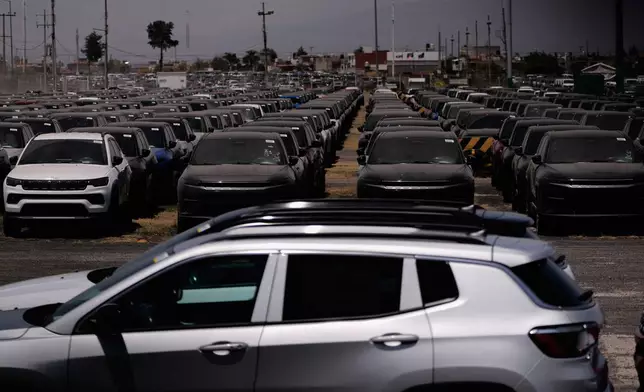
Cars are parked outside of the Stellantis car assembly plant in Mexico City, Thursday, April 3, 2025. (AP Photo/Marco Ugarte)
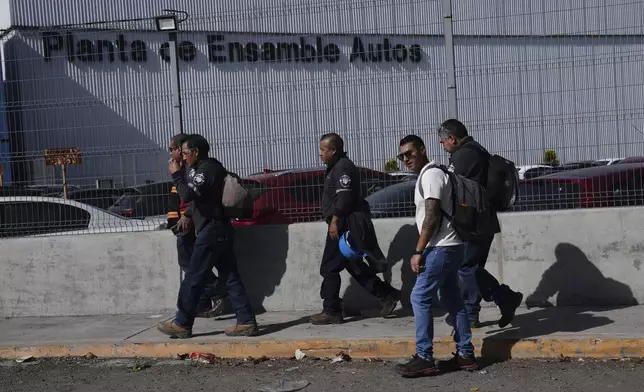
Workers arrive at the Stellantis car assembly plant in Toluca, Mexico, Thursday, April 3, 2025. (AP Photo/Marco Ugarte)
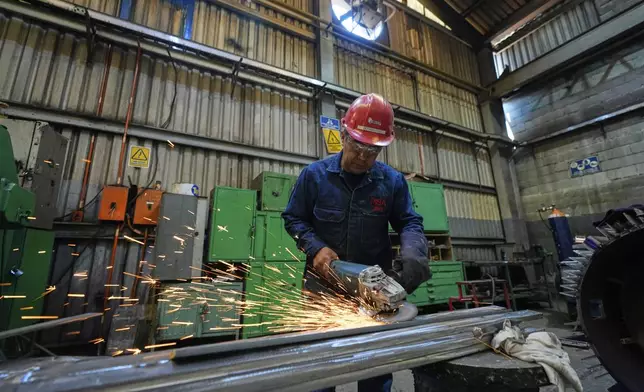
A worker sands metal at a plant that produces parts for large electric vehicles in Mexico City, Wednesday, April 2, 2025. (AP Photo/Fernando Llano)
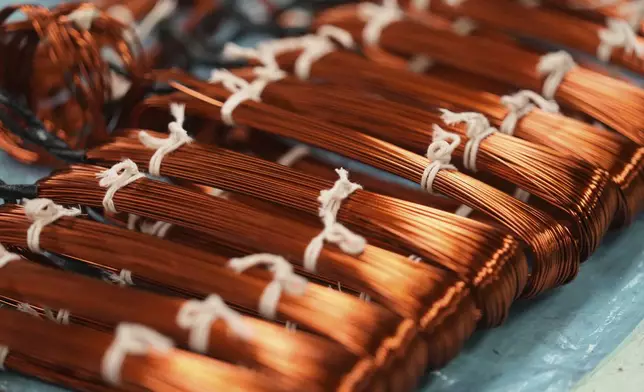
Bundles of copper cables sit at a plant that produces parts for large electric vehicles in Mexico City, Wednesday, April 2, 2025. (AP Photo/Fernando Llano)
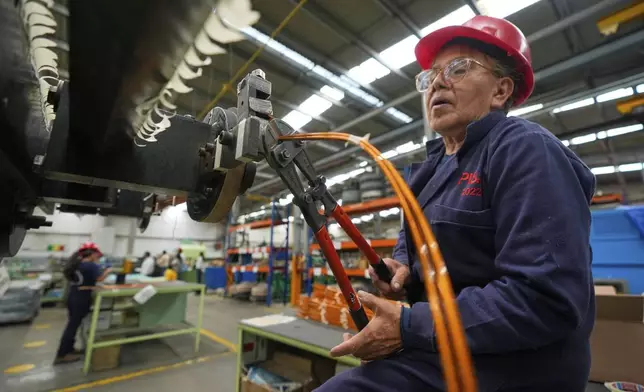
A worker cuts cables at a plant that produces parts for large electric vehicles in Mexico City, Wednesday, April 2, 2025. (AP Photo/Fernando Llano)
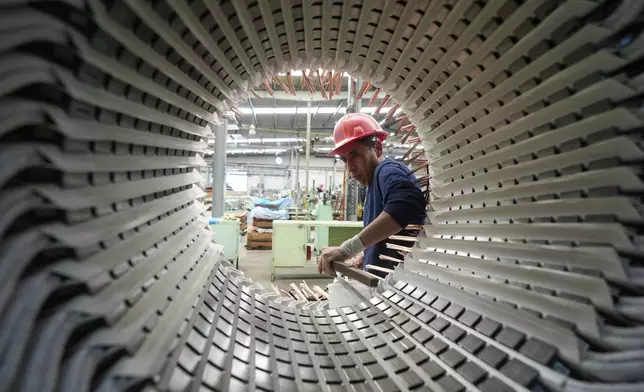
An employee works at a plant that produces parts for large electric vehicles in Mexico City, Wednesday, April 2, 2025. (AP Photo/Fernando Llano)
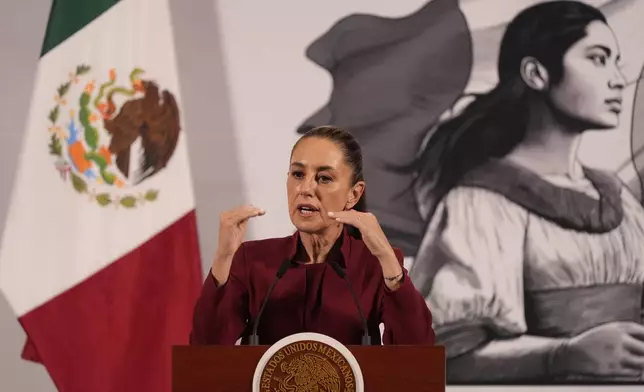
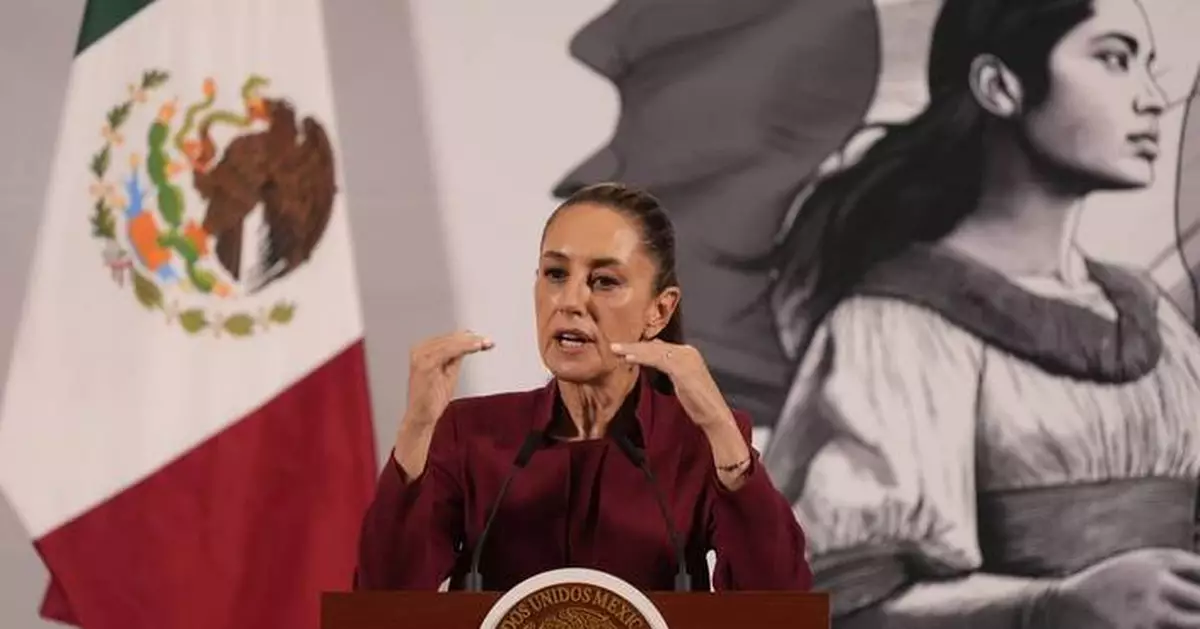
Mexican President Claudia Sheinbaum gives her morning press conference at the National Palace in Mexico City, Wednesday, April 2, 2025. (AP Photo/Marco Ugarte)
Now her government will focus on the existing 25% U.S. tariffs on imported autos, steel and aluminum, while accelerating domestic production to safeguard jobs and reduce imports.
“During my last call with President Trump, I said that, in the case of reciprocal tariffs, my understanding was that there wouldn’t be tariffs (on Mexico), because Mexico doesn’t place tariffs on the United States," Sheinbaum said.
Economy Secretary Marcelo Ebrard noted that despite having free-trade agreements with the U.S., many countries were targeted by the tariffs U.S. President Donald Trump announced Wednesday on what he dubbed “Liberation Day.” Trump framed the tariffs as a way to bring manufacturing jobs back to the U.S.
Noting that Mexico escaped the latest round of tariffs, Ebrard said swaths of Mexican exports including agricultural products like avocados, clothing and electronics will continue to enter the U.S. without import duties.
Ebrard said it wasn't a given that the free-trade agreement would be preserved, “because in a new commercial order based on tariffs it's very hard for a free-trade agreement to survive.” The fact that it did, puts Mexico at a competitive advantage, because “it's going to be cheaper to produce in Mexico than in any other part of the world.”
Oscar Ocampo, a specialist in foreign trade at the Mexican Institute for Competitiveness, a think tank, said “the United States is closing off to the rest of the world and in relative terms closing off less with Mexico and that is an opportunity.”
Sheinbaum is seeking to use that opportunity to encourage companies producing in Mexico who had not been exporting under the free-trade agreement for various reasons to take the necessary steps to qualify. She cited major German auto producers as an example.
Qualifying for the free-trade agreement could involve anything from doing paperwork to making adjustments to the sourcing of a product.
Despite Trump's latest tariffs not being imposed on Mexico, the uncertainty they created and the interconnectedness of the North American auto supply chains meant it didn’t take long for the effects to touch Mexico.
Stellantis, maker of auto brands including Dodge and Jeep, announced that it would pause production at its assembly plant in Toluca west of Mexico City for the month of April while it assesses the tariffs' impact on its operations. The company has more than 15,000 employees in Mexico. A similar temporary production halt was scheduled for an assembly plant in Canada and some 900 workers were to be temporarily laid off across several plants in the United States.
That uncertainty is part of the reasons why Sheinbaum is pushing Plan Mexico, an initiative to promote and cultivate more domestic production.
As an example, she cited a collaboration between her government, local universities and Mexican companies Megaflux and Dina to produce electric buses for public transportation.
Ebrard said recently that the buses represent not only a technological advance in Mexico, but also a “strategic decision” in favor of Mexico’s industrial sovereignty.
At a factory in Mexico City, the electric buses called Taruk — trail-runner in the Indigenous Yaqui language – are already in production. Megaflux Director General Roberto Gottfried said the company hopes to deliver some 200 by year's end.
He noted that some 70% of the Taruk's components are produced in Mexico, including its motor, but the lithium batteries that power them come from China.
In a country where one out of every three people use public transportation every day, developing this sector domestically is critical, Gottfried said.
Despite the global economic challenges presented by the uncertainty caused by tariffs, he said, Mexico’s large internal market gives the initiative a competitive advantage to develop and weather the storm.
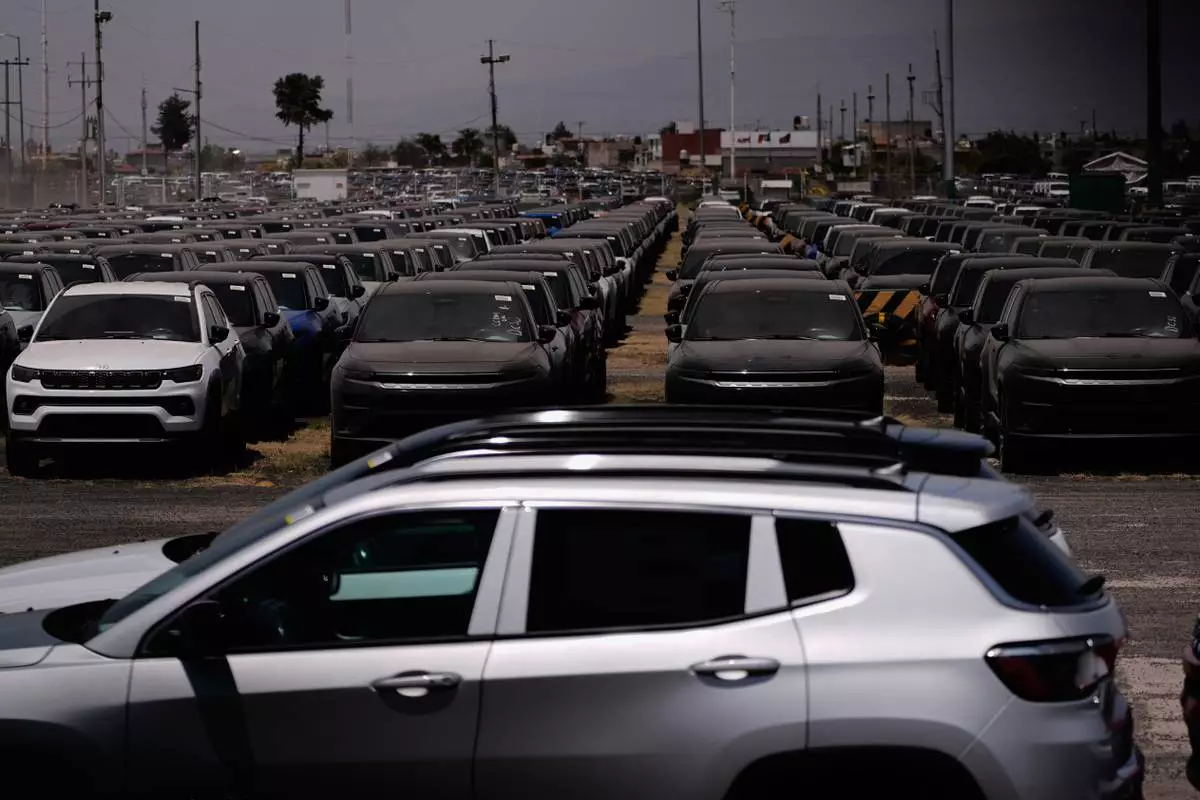
Cars are parked outside of the Stellantis car assembly plant in Mexico City, Thursday, April 3, 2025. (AP Photo/Marco Ugarte)
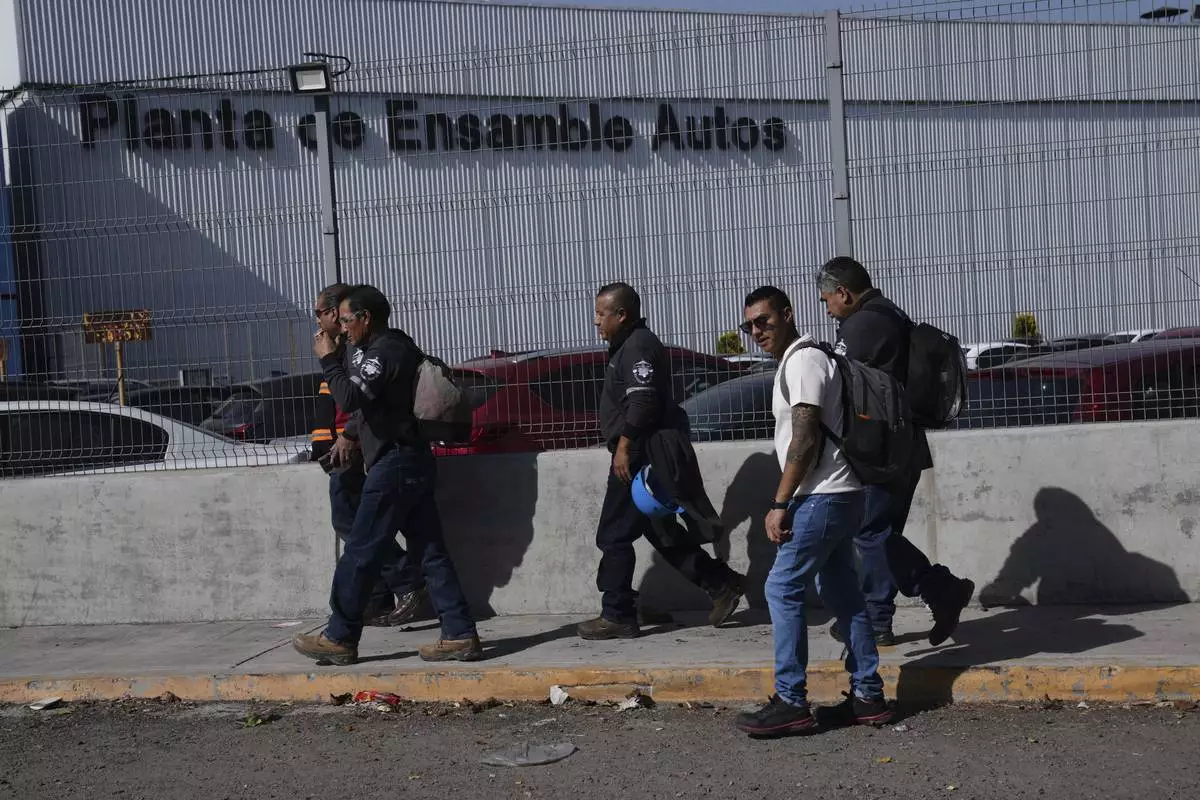
Workers arrive at the Stellantis car assembly plant in Toluca, Mexico, Thursday, April 3, 2025. (AP Photo/Marco Ugarte)
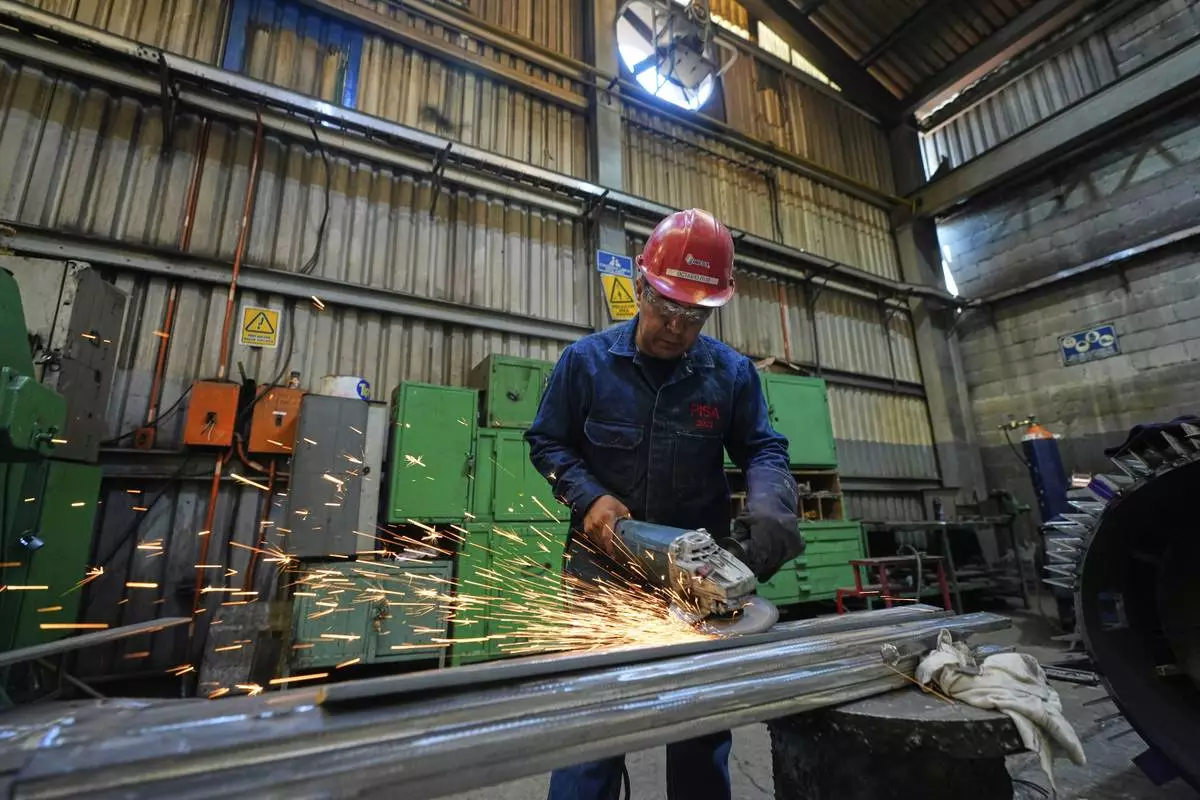
A worker sands metal at a plant that produces parts for large electric vehicles in Mexico City, Wednesday, April 2, 2025. (AP Photo/Fernando Llano)
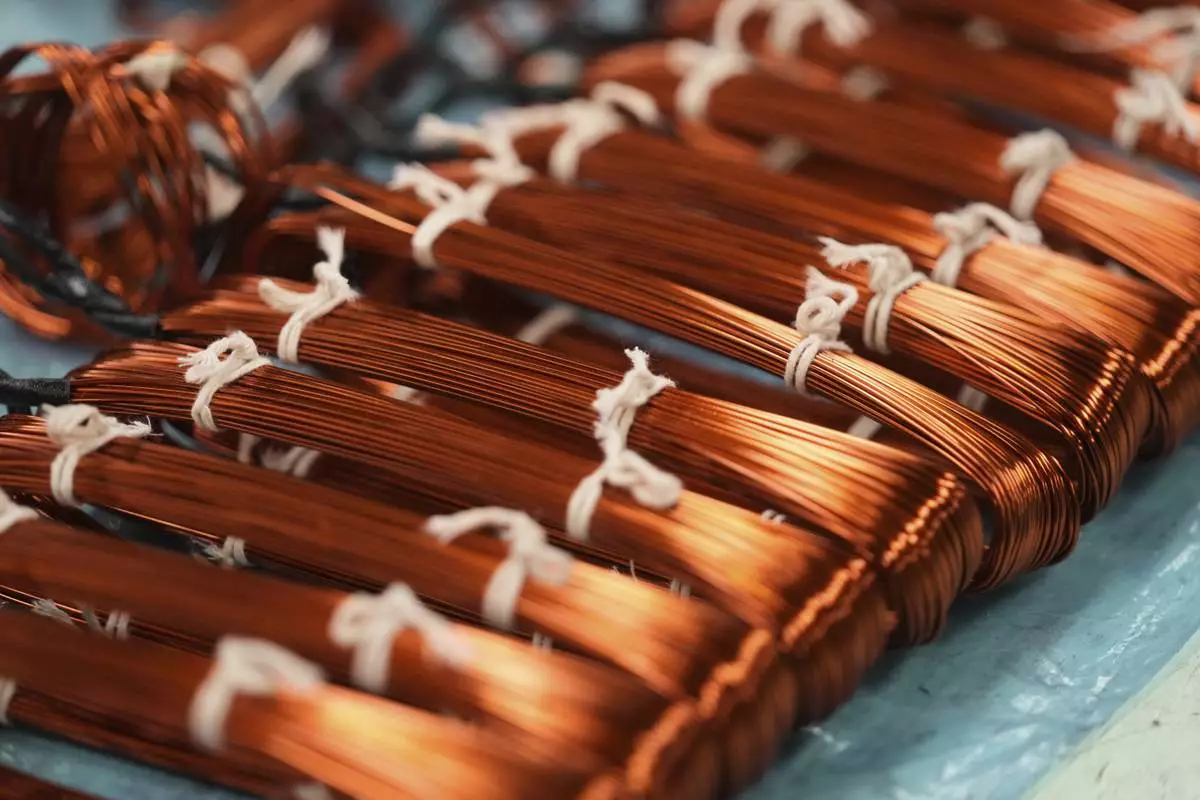
Bundles of copper cables sit at a plant that produces parts for large electric vehicles in Mexico City, Wednesday, April 2, 2025. (AP Photo/Fernando Llano)
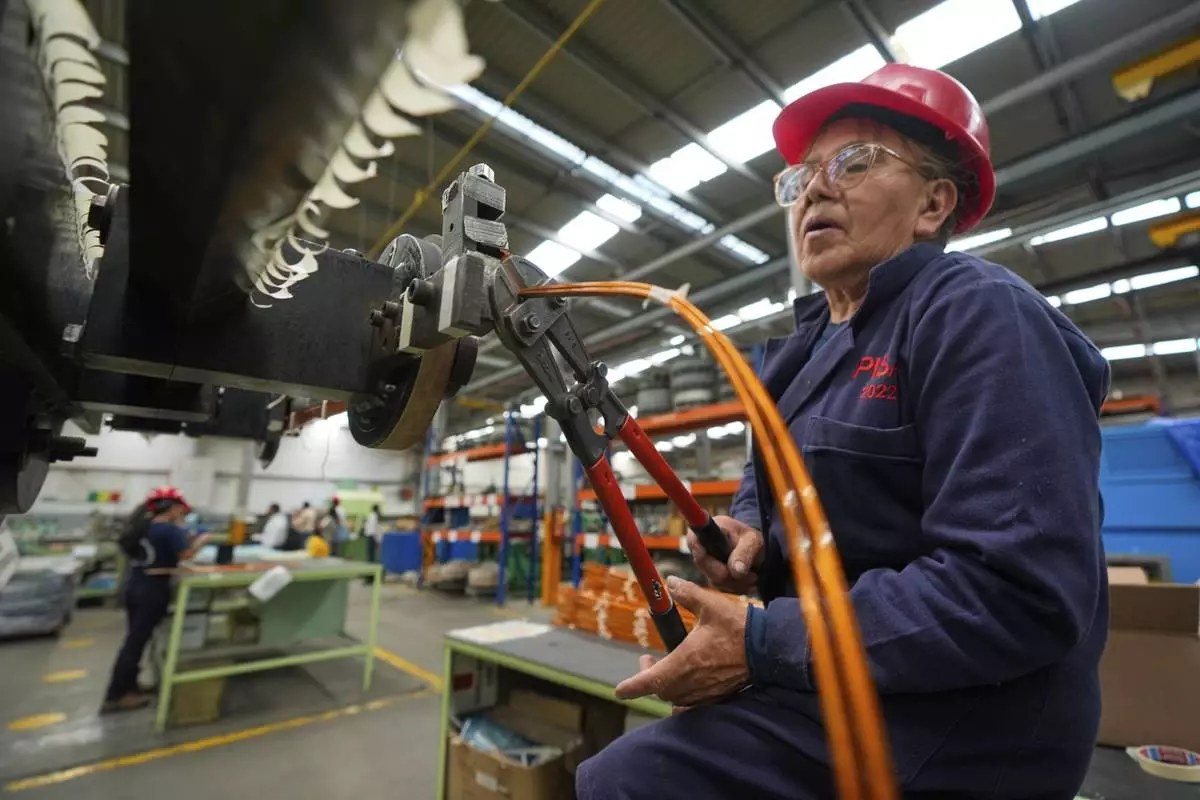
A worker cuts cables at a plant that produces parts for large electric vehicles in Mexico City, Wednesday, April 2, 2025. (AP Photo/Fernando Llano)
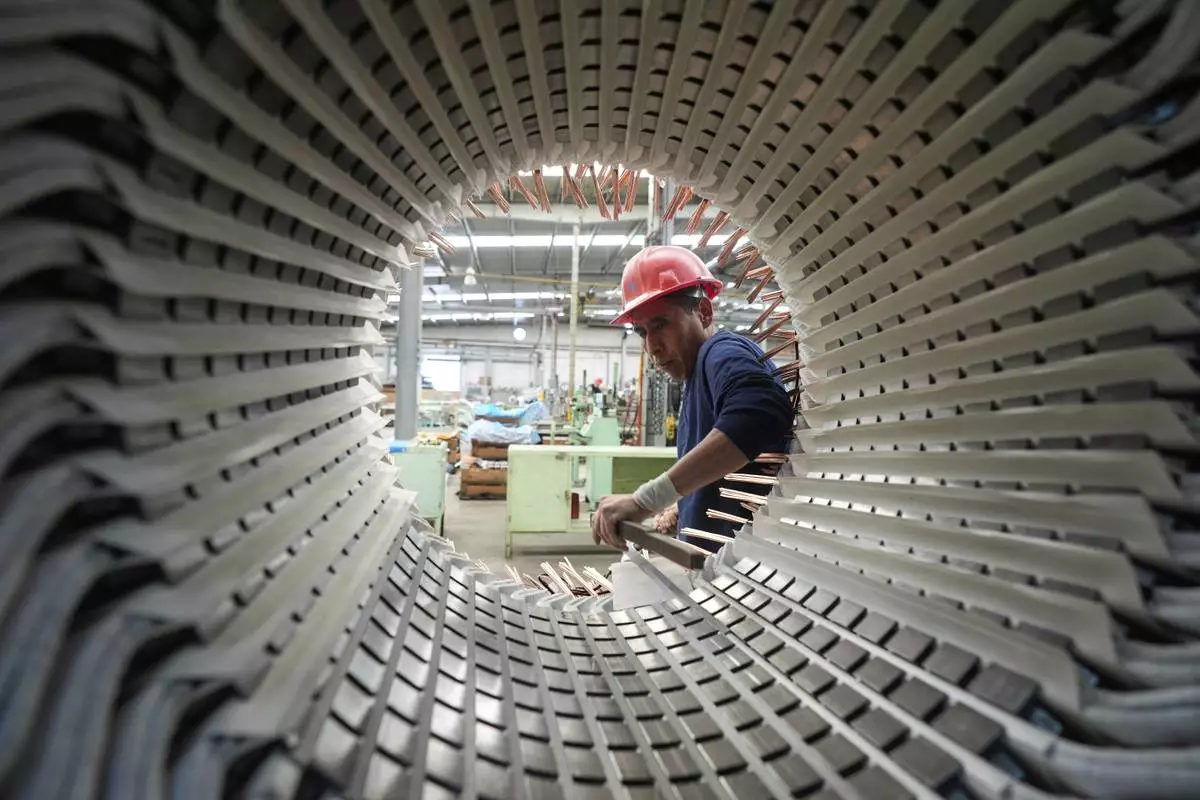
An employee works at a plant that produces parts for large electric vehicles in Mexico City, Wednesday, April 2, 2025. (AP Photo/Fernando Llano)
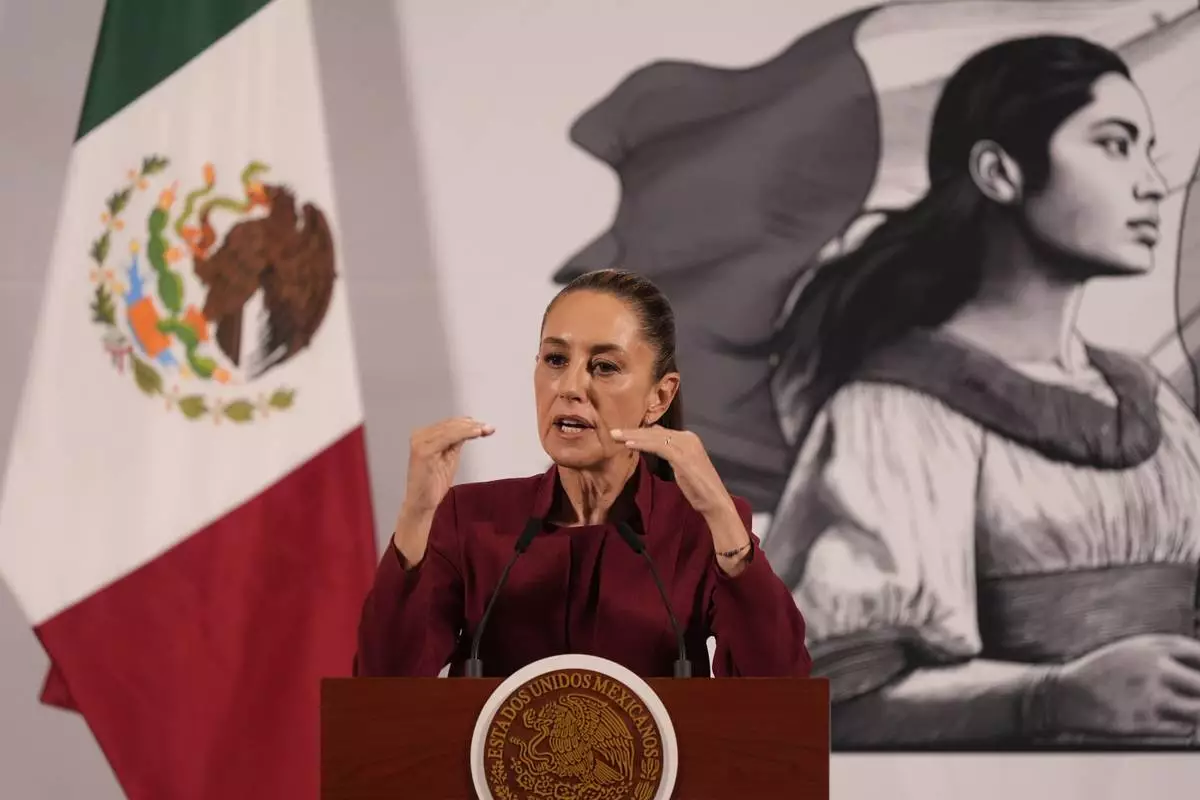
Mexican President Claudia Sheinbaum gives her morning press conference at the National Palace in Mexico City, Wednesday, April 2, 2025. (AP Photo/Marco Ugarte)