Skip to Content Facebook Feature Image

US reciprocal tariffs violate WTO rules, pile stress on global economy: expert

China

China

China

US reciprocal tariffs violate WTO rules, pile stress on global economy: expert

2025-04-04 14:04 Last Updated At:15:57

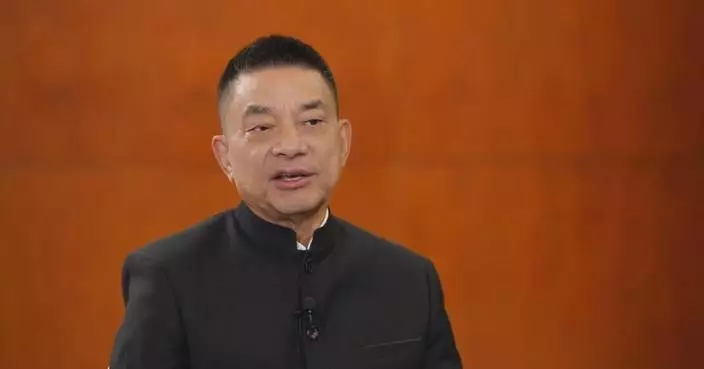
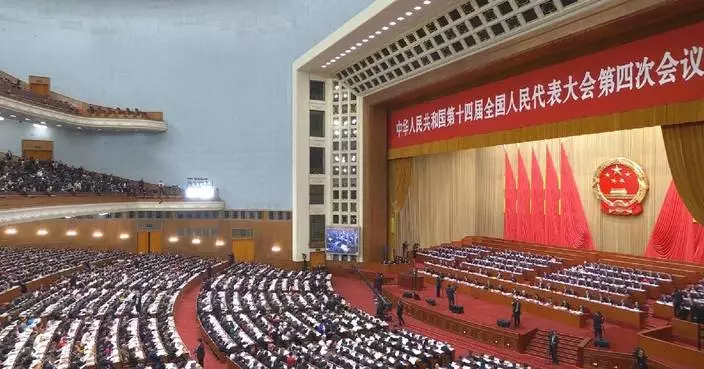
Reciprocal tariffs imposed by the United States violate World Trade Organization (WTO) rules and undermine both the country's domestic economy and the global economy at large, said Philippe Monnier, former executive director of the Greater Geneva Berne Area Economic Development Agency, during an interview Friday.

Amid widespread opposition, U.S. President Donald Trump on Wednesday signed an executive order on so-called reciprocal tariffs, imposing a 10-percent minimum baseline tariff and higher rates on certain trading partners.

Highlighting the principles of the WTO, Monnier emphasized the importance of adhering to established mechanisms for resolving trade disputes instead of resorting to unilateral actions.

"Based on the WTO rules, you have to follow the most-favored-nation principle and it is not the same as reciprocal tariffs. The other thing is that if you have some disagreement, you should not take some unilateral decision. There are some specific dispute mechanisms, and you have to use those mechanisms if you disagree," he said.

The economist warned of the far-reaching negative consequences of imposing high tariffs, citing historical examples and the potential disruptions to global trade and economic growth.

"You will find a lot of negative consequences. First, you will see there will be higher prices. Of course, there will be retaliation from most countries, and it will be the start of a trade war. And then the global chain will be disrupted. It will be very complicated to buy components including, for instance, components from Germany that you import to manufacture American cars. Eventually you we will have a very bad allocation of assets. In history, there are a lot of examples of countries which tried to protect themselves with very high tariffs. But eventually those countries had a very negative economic growth. And I think that this will not only impact the USA, it will impact every country. But probably even more the USA than other countries because they will have less competition and they will start to make things that other countries can do better than themselves, including of course China," he said.

Monnier stressed the potential global trade shifts that could arise from U.S. isolationism, predicting closer economic cooperation between Europe and China as countries seek alternative partnerships.

"If the USA starts to be more and more isolated, naturally, the trading partners will start to find new trading partners. And China and Europe will have an incentive to cooperate more. Maybe there will be a sort of free trade agreement between China and the European Union. We already have one between Switzerland and China, but it could be expanded to the European Union. So yes, definitely it will encourage new trading routes. Certainly, Europe cannot export as much as before to the USA. They will try to find other solutions and definitely China is one of them," he said.
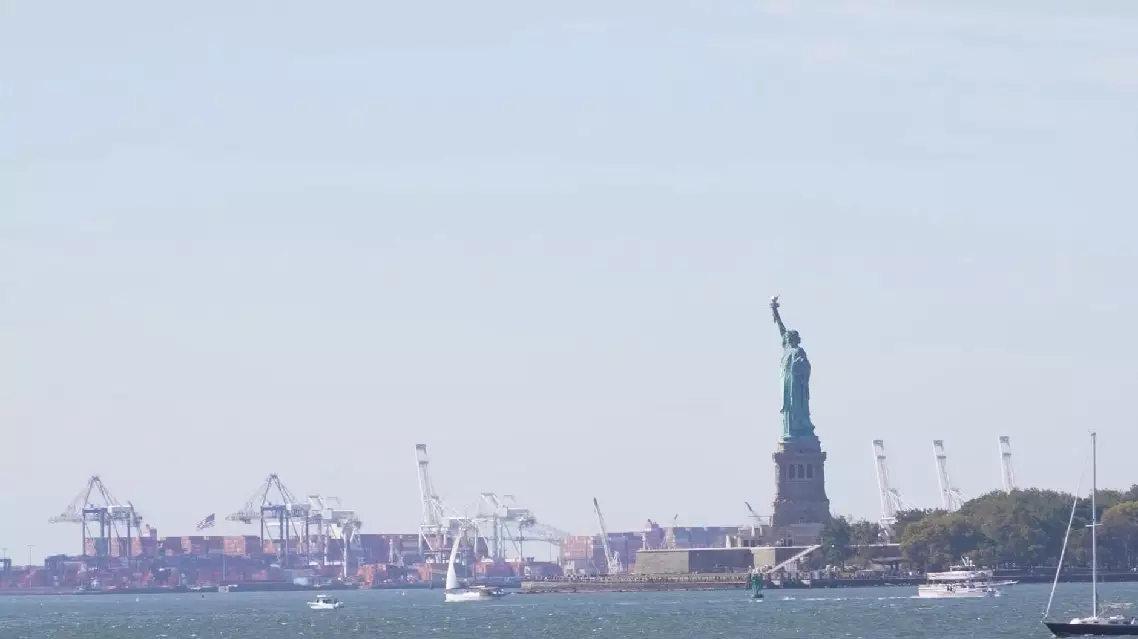
US reciprocal tariffs violate WTO rules, pile stress on global economy: expert
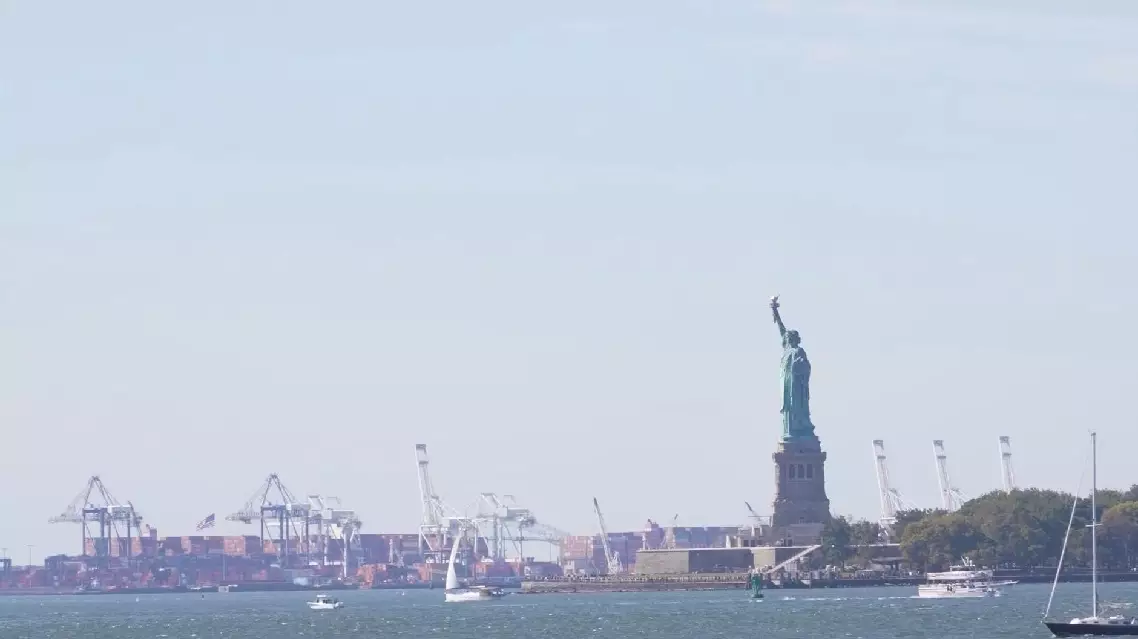
US reciprocal tariffs violate WTO rules, pile stress on global economy: expert

US reciprocal tariffs risk WTO rule violation, global economic fallout: expert
US reciprocal tariffs risk WTO rule violation, global economic fallout: expert
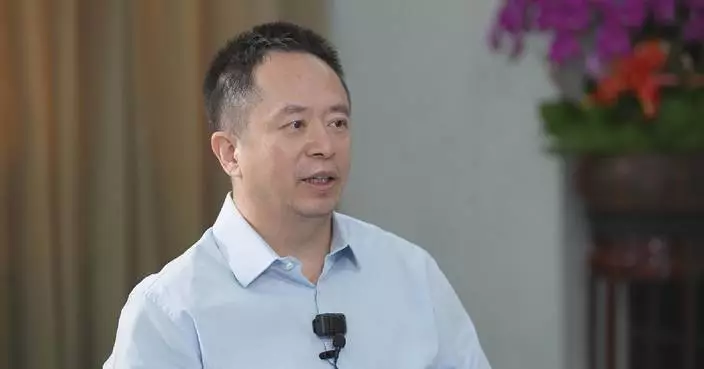
Hong Kong's representatives at this year's "two sessions" set out to submit a number of motions and put forward proposals aimed at benefiting the special administrative region and enhancing its synergy with the country’s development.

The "two sessions" are the annual meetings of China's top legislature, the National People's Congress (NPC), and the top political advisory body, the National Committee of the Chinese People's Political Consultative Conference (CPPCC). Both bodies serve a five-year term and hold a plenary session each year, generally in March.

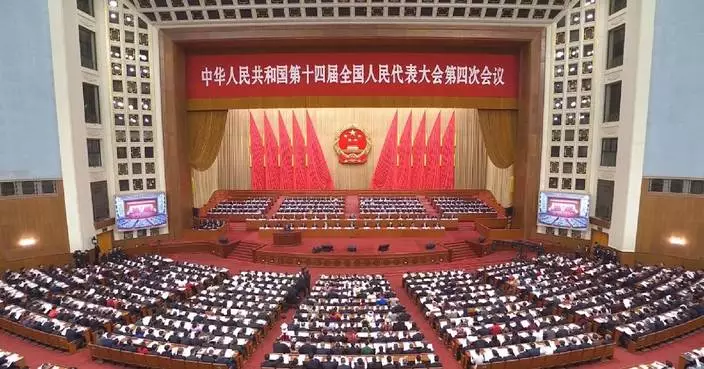
The fourth session of the 14th NPC kicked off on Thursday, while the fourth session of the 14th National Committee of the CPPCC convened on Wednesday.

Iris Wong Ping-fan, an NPC deputy from the Hong Kong Special Administrative Region, plans to submit a motion on the coordinated development of the Guangdong-Hong Kong-Macao Greater Bay Area and the new positioning of Hong Kong in the 15th Five-Year Plan (2026-2030).

"Hong Kong will also develop its own five-year plan, which will align with the broader development goals of our country and will actively achieve synergy with issues concerning Hong Kong in the development goals of our country. Therefore, in the future, it will become increasingly clear that Hong Kong's development is deeply intertwined with that of our country, forming a community of common destiny," said Wong.

Charles Ng Wang-Wai, a CPPCC National Committee member, will highlight the crucial role of artificial intelligence in talent development in his proposal.

"We all know that artificial intelligence is an unstoppable trend. To effectively develop AI, we must focus on education, especially the training of primary and secondary school teachers. That is to say, we need to consider how to improve the skills of these teachers so they can better educate the next generation," said Ng.

Other representatives are suggesting that Hong Kong capitalize on its unique advantages to achieve win-win outcomes with the mainland.

"Hong Kong boasts a high-level international management and service system for medical technology, which provides a solid foundation for developing medical tourism. Both Hong Kong and major mainland cities are well-equipped to offer medical services to patients from Belt and Road countries," said Dennis Lam Shun-chiu, an NPC deputy.

"During the 15th Five-Year Plan period, Hong Kong will leverage its inherent advantages. Many mainland enterprises are looking to Hong Kong as a platform to better expand overseas, and with Hong Kong's excellent professional services and a strong financial platform, we hope to assist these enterprises," said Judith Yu, a CPPCC National Committee member.

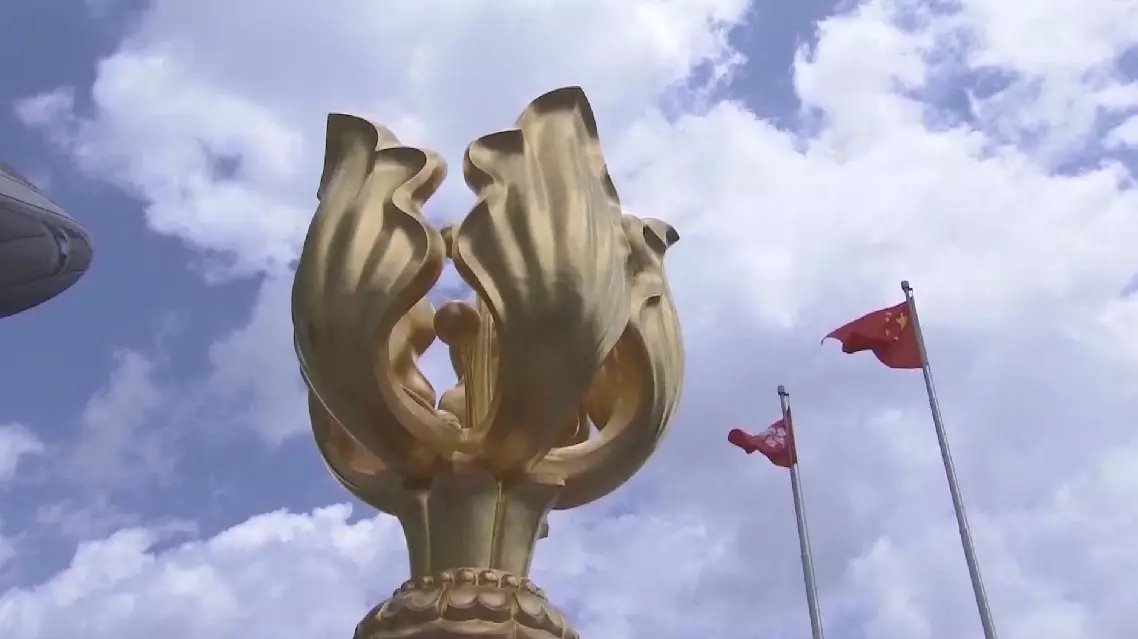
Hong Kong representatives on further cooperation with mainland at two sessions

Hong Kong representatives on further cooperation with mainland at two sessions

Recommended Articles