CINITY LED, a China-developed high-end cinema system, performed strong in the market in 2025, with a significant growth in audience numbers and new recognition from the global film industry.
A cinema in Sichuan Province's Chengdu is drawing moviegoers from out of town to make a trip to the city just to enjoy movies on China's first curved CINITY LED screen.
"The screen is enormous, with very clear images. The colors are incredibly vibrant, and every detail, compared with other cinemas, looks far more vivid," said Luo Yantong, a moviegoer.
"I came from Zigong City just to have an experience of this theater. The colors on the screen are very bright, plus it's a curved screen, so the viewing experience is absolutely fantastic," said Qiu Qihui, another viewer.
The CINITY LED system provides a viewing experience with smoother, clearer images and higher brightness compared with traditional systems. When watching a movie in CINITY LED theaters, many viewers say they noticed more details that were unseen on traditional screens.
"The LED viewing experience really brings out the true colors and details in the images, so all the details filmmakers want to show the audience can be authentically conveyed to them," said Bian Wei, general manager of CINITY.
CINITY theaters achieved remarkable box office results during this year's Spring Festival period, with multiple data hitting new highs. Between Chinese New Year's Eve and the seventh day of the New Year, ticket sales at CINITY theaters rose by 82.6 percent, with attendance up by 80.2 percent, and the average number of viewers per screening increasing by 73.3 percent. CINITY theaters now boost an average of 107 viewers per screening, more than doubling the attendance at regular theaters.
These impressive figures indicate that the Chinese audiences are recognizing and favoring the domestic film projection system, highlighting China's ongoing innovations in the film technology sector.
Traditional film projection systems typically offer 2K resolution and 24 frames per second, but with the widespread application of digital technology, audience expectations for higher-quality visuals have grown. CINITY's film system, launched in August 2019, combines seven cutting-edge film projection technologies: 4K, 3D, high brightness, high frame rates, high dynamic range (HDR), wide color gamut, and immersive sound.
In 2023, CINITY introduced the CINITY LED system, a groundbreaking 4K, 120-frame LED cinema projection system, the first of its kind in the world.
"LED technology is revolutionary compared with traditional projection systems. Traditional films rely on a beam of light projected onto a screen, whereas LED lights each individual pixel, significantly improving light efficiency. The uniformity is excellent, and the contrast ratio has hit a quite high level," Bian said.
During this year's Spring Festival, the CINITY LED CFL-10, featuring a 10-meter LED screen, earned the latest CTP1.4.1 certification from the Digital Cinema Initiative (DCI), becoming the world's first LED cinema projection system to receive this certification.
It is also the only high dynamic range LED projection system globally recognized by the organization, giving China a leading position in setting a new global standard for professional LED systems.
CINITY LED is also titled to its own film mastering process. The company opened its Los Angeles mastering center in January, making CINITY LED the only brand in the world that presents exclusive LED mastering version movies.
"Since its inception, cinema technology has adhered to a global standard, allowing films produced in one country to be shown on equipment in any other countries. However, in the course of technological development, special high-format versions of films have emerged. What is the significance here? First of all, you need to have the recognition of the film production side. Their approval of making this version of yours means they see it as something unique or better that offers the most authentic movie-watching experience. It is also more appealing to audiences and expands a film's influence and reach," Bian said.
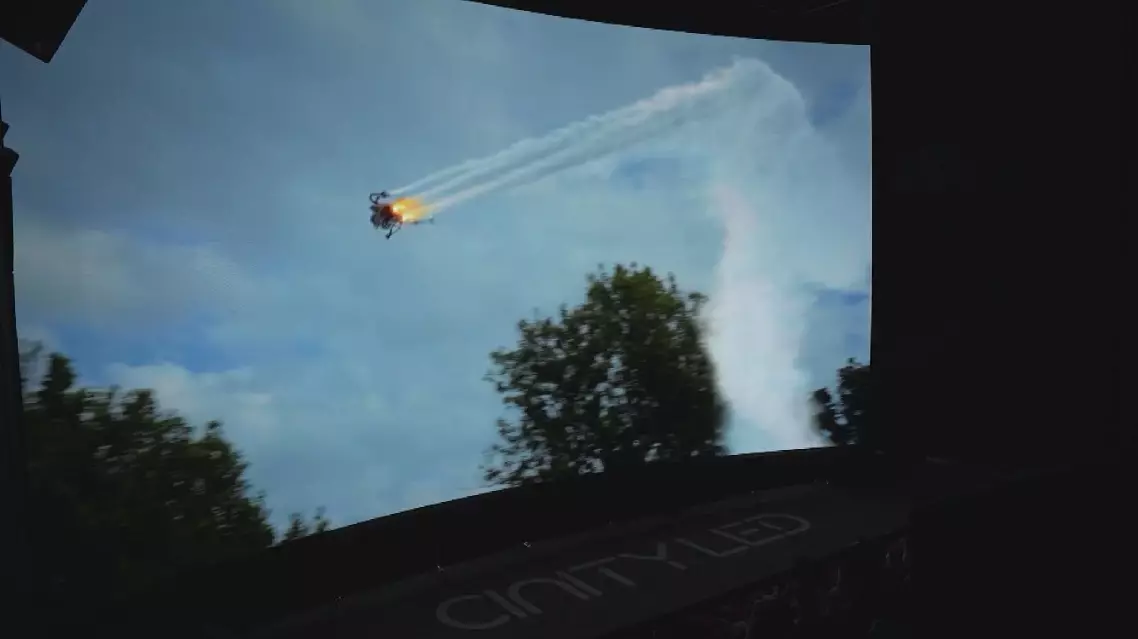
Chinese developed film projection system gains traction in cinema industry