European industrial leaders and exhibitors at the ongoing Bauma 2025 in Munich voiced mounting concerns over the latest U.S. tariff policies, warning that they could disrupt global supply chains and undermine strategic cooperation.
During the week-long world’s leading trade fair for construction machinery, many industrial insiders pointed out that the newly expanded tariffs encompass an extensive range of products and come with a sharp hike in rates, which are likely to disrupt market dynamics and supply chain resilience in the global engineering machinery industry.
Many analysts believe that the geopolitical considerations behind these policies have become increasingly prominent, further intensifying the strategic uncertainties that European enterprises face in the global market.
"I believe that these tariffs are not good for the market, because at the end it will be bad not only for Europe but also for the State in the long period. I believe that the market should be regulated by innovation, by a nice competition and with competition that is based on the technological race, not with an artificial thing that is coming in the market and is creating problem for all the Europe," said Claudio Ancetti, an Italian expert on construction machinery industry.
The United States market accounts for roughly 10 to 13 percent of Germany’s total exports in recent years, and is one of the largest single export markets for Germany's construction machinery industry. Therefore, the impact of changes in tariff policies on the entire industry is obvious.
Germany's mechanical engineering industry association VDMA has issued a warning, stating that the extensive punitive tariffs imposed by the Trump administration will cause serious damage on both sides of the Atlantic. Not only will they fail to solve the bilateral trade issues, but they will also trigger a spiral confrontation of mutual barriers.
Furthermore, the U.S. manufacturing industry, in several key technological fields, still highly relies on the supply of mechanical equipment from Europe, especially Germany. For decades, German and European machinery manufacturers have been important partners of the U.S. industrial system, but now, this cooperative chain is facing the risk of being artificially severed.
The damage will not only hit European exporters hard but also seriously impede the process of industrial transformation and upgrading in the United States itself.
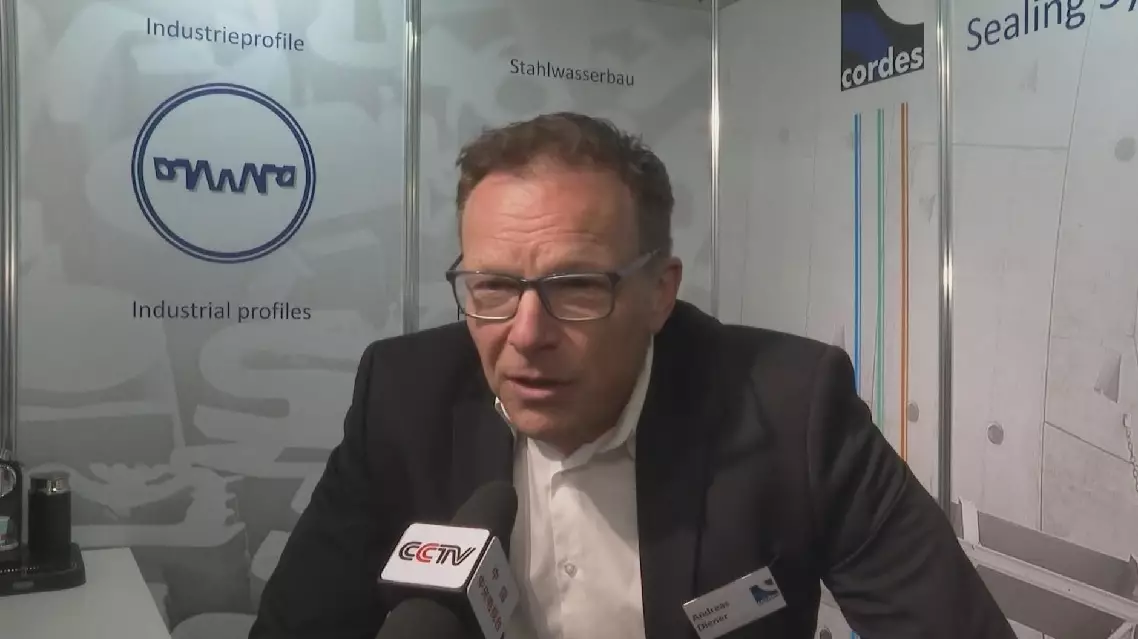
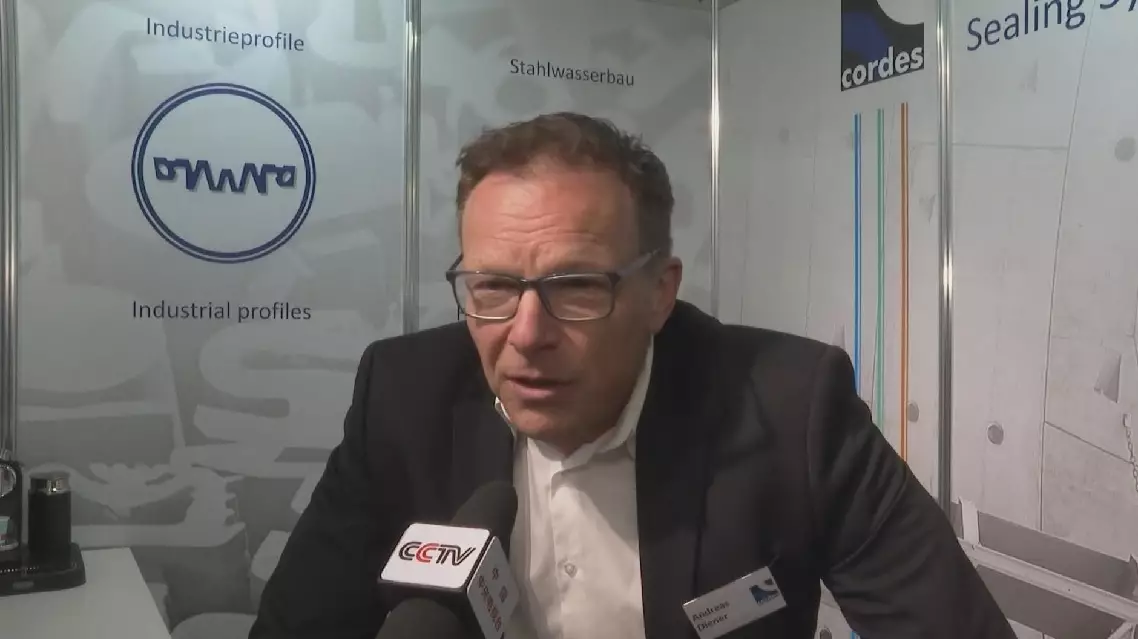
"The U.S. tariff policies will certainly cause many destructive impacts. It's not a good thing for people. But we are not directly affected. The victims are the U.S. customers. They have to pay these tariffs and additional fees," said Andreas Diener, a German construction machinery supplier.
Industry insiders also noted that tariffs have shifted from being just a basic trade instrument to becoming an important variable in shaping corporate strategy within today’s highly interconnected global industrial chain.
In addition to calling on major economies to return to rationality and enhance multilateral coordination, the companies are attempting to find stable development anchor points amid the uncertainties of the geo-economic situation by accelerating the adjustment of supply chain layout and deepening cross-regional cooperation.
US tariffs threaten transatlantic supply chains: European industry insiders
US tariffs threaten transatlantic supply chains: European industry insiders