Skip to Content Facebook Feature Image

Pioneering a Digital-First Approach, U.S. Army Contracts Digital Twin Simulation Company, Duality AI, for Development of AI-Based Anti-Drone System

News

Pioneering a Digital-First Approach, U.S. Army Contracts Digital Twin Simulation Company, Duality AI, for Development of AI-Based Anti-Drone System
News

News

Pioneering a Digital-First Approach, U.S. Army Contracts Digital Twin Simulation Company, Duality AI, for Development of AI-Based Anti-Drone System

2025-04-10 23:01 Last Updated At:23:11

SAN MATEO, Calif.--(BUSINESS WIRE)--Apr 10, 2025--

Duality AI, the company behind the Falcon digital twin simulation platform, announced today a contract award from the XM30 Program Office, the U.S. Army’s team building the next generation successor to the M2 Bradley infantry fighting vehicle. In response to the escalating threat of drone warfare, the XM30 Advanced Capabilities team is developing a robust counter-drone AI Target Detection and Recognition (AiTDR) system to reliably safeguard personnel and troops aboard the vehicle. To achieve this goal, the Army’s Project Linchpin team for AI and Machine Learning capabilities, in coordination with the Army Research Lab (ARL), will leverage synthetic data generated in simulation from virtual sensors in Falcon. Working with Duality in a digital-first approach will streamline the development and tuning of the critical AiTDR model well in advance of the physical system coming online.

This press release features multimedia. View the full release here: https://www.businesswire.com/news/home/20250410838504/en/

Employing digital twin simulation at the earliest stages of the AiTDR project will enable the XM30 team to preemptively address major development challenges, leading to shorter timelines and lower costs of field deployment. With Falcon, the team will generate vast varieties of high-quality training data, determine optimal sensor configurations, and test model performance in high-fidelity simulated scenarios. Awarding this contract to Duality AI continues the digital-first approach announced at the program’s outset, and builds on the successful strategy of opening the door for industry teams that are not traditional U.S. combat vehicle prime contractors.

“Accomplishing these critical early steps with digital twins is vital for a viable future of field-deployable AI systems,” said Michael Taylor, co-founder and Chief Product Officer of Duality AI. “Falcon’s complete control over simulation environments gives the Army ability to train and test the AiTDR model in complex conditions, explore varied drone detection scenarios, and validate potential solutions in simulation before the physical hardware is even ready for field testing.”

Entrusting mission-critical AI systems like the AiTDR with safeguarding soldiers’ lives demands consistent accuracy and reliability with little room for error. Delivering this level of performance requires high-quality training data in varieties and volumes that are simply not feasible to source in the physical world. Fortunately, Duality’s work across industry and government applications, including in the DARPA RACER challenge, is proving that digital twins are free of this limitation. Results from diverse customers are already showing that synthetic data from digital twin simulation is not only quicker and more cost-effective to generate but can also rival and improve the results obtained from real-world data.

With Falcon, the ARL team will be able to compose and simulate any scenarios they require — any drone, any environment, any visual conditions — and generate the needed data with any of Falcon’s virtual sensors. Using this data, the team will first deliver an AI model that functions while communicating with the Falcon simulator, and then continue to refine the performance of this first-generation algorithm by both improving the model and refining the simulation approach in collaboration with Duality’s AI engineering team. In the latter stages of the project, the team will assess broader applications of digital twin simulation in Falcon for addressing their expanding roster of AI/ML training data needs.

“We are thrilled to work with the Project Linchpin and ARL teams to push the possibilities of AI defense systems for the U.S. Army,” says Duality CEO and co-founder, Apurva Shah. “The XM30 digital-first approach to AI model deployment is farsighted and precisely the type of system development approach for which Falcon’s digital twin workflows have been designed. The XM30 program is transforming how tomorrow’s military technology is developed and we’re honored that Falcon is contributing to that future.”

To learn more about Duality AI and the full suite of Falcon products for digital twin simulation visit duality.ai, or sign up for FalconCloud today to directly experience the power of digital twin simulation from the web at falcon.duality.ai.

About Duality AI

Duality AI is a software company behind Falcon, the digital twin simulation platform. Organizations today are leveraging Falcon to help solve complex problems in AI and automation. By bringing high-fidelity digital twins of environments and robotic systems into Falcon, Duality’s customers generate accurate data and predictive behavior modeling that enables them to deploy automated systems robustly and at scale. Duality’s multidisciplinary team includes world-class engineers, simulation specialists, AI/ML experts and award-winning technical artists with over 70 patents across robotics, simulation, and visualization.
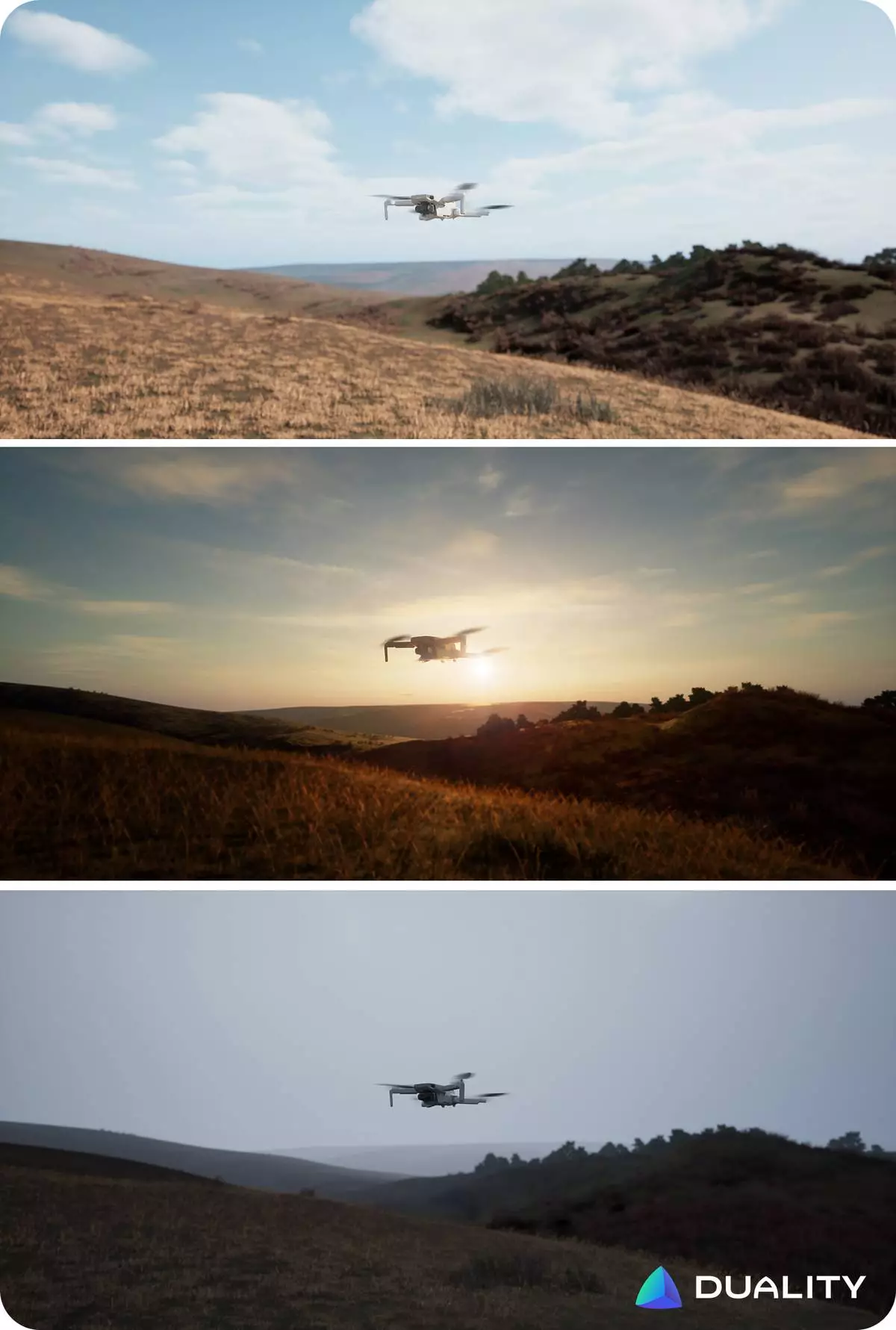
With Falcon, teams are able to generate vast varieties of high-quality synthetic training data that includes all types of operating conditions such as weather, lighting, and much more.

With Falcon, teams are able to generate vast varieties of high-quality synthetic training data that includes all types of operating conditions such as weather, lighting, and much more.

NUSEIRAT, Gaza Strip (AP) — Haneen al-Mabhouh, 34, sits in a wheelchair in her family home in Nuseirat, central Gaza, mourning the loss of her four daughters, including her 5-month-old baby, who were killed in an Israeli strike on her home last year. Al-Mabhouh also lost her leg in the attack and awaits permission to travel abroad for further treatment that could restore her mobility.

“I dream of walking again, of holding a new baby, of rebuilding my family,” she said, her voice heavy with grief. For now, she relies on her parents for basic daily care and cannot even hold a pen.

Nearby, 23-year-old Yassin Marouf lies in a tent, his left foot amputated and his right leg severely injured after being hit by Israeli shelling in May. His brother was killed in the same attack, and Marouf struggles with basic movements. Doctors say his right leg may also need amputation unless he receives treatment outside the Palestinian territory.

“If I want to go to the bathroom, I need two or three people to carry me,” he said.

In Gaza, thousands face similar challenges. Youssef al-Samri, 16, lost both legs while fetching water near his home after an Israeli airstrike in May. Displaced to a kindergarten in the al-Tuffah neighborhood of Gaza City, he navigates his world on his hands, relying on support to move through the classrooms where children play around him.

Twelve-year-old Fadi al-Balbisi is learning to walk again with a prosthetic after losing his right leg to shelling in April. At Hamad Hospital in Zawaida, he practices with a prosthetic limb under the guidance of specialists, each step a hard-earned milestone toward regaining independence.

The World Health Organization estimates that 5,000 to 6,000 people in Gaza have become amputees from the Israel-Hamas war, a quarter of them children. Many face long waits for prosthetics or medical evacuations abroad. Local centers, like the Artificial Limbs and Polio Center in Gaza City, are overwhelmed and have only limited supplies to provide artificial limbs.

While a recent shipment of essential prosthetic materials has arrived in Gaza, the need remains critical. Patients like al-Mabhouh and Marouf face months-long waits for treatments that could prevent further amputations or restore mobility. Even with ceasefires in place, medical evacuations have been slow, hampered by bureaucratic and logistical barriers.

In the midst of this crisis, the lives of those affected are frozen in uncertainty. For al-Mabhouh, Marouf, al-Samri, and al-Balbisi, each day is a struggle for movement, dignity, and hope, as they navigate the aftermath of war with resilience and the faint promise of medical help.

This is a photo gallery curated by AP photo editors.

Haneen al-Mabhouh, 34, who lost her leg in an Israeli strike on her home that also killed all four of her daughters, including her 5-month-old baby, looks at photos of her daughters on a cellphone while sitting in a wheelchair in her family home in Nuseirat, central Gaza Strip, Thursday, Nov. 6, 2025. (AP Photo/Abdel Kareem Hana)

Haneen al-Mabhouh, 34, who lost her leg in an Israeli strike on her home that also killed all four of her daughters, including her 5-month-old baby, looks at photos of her daughters on a cellphone while sitting in a wheelchair in her family home in Nuseirat, central Gaza Strip, Thursday, Nov. 6, 2025. (AP Photo/Abdel Kareem Hana)

Yassin Marouf, 23, who lost his left foot and suffered a severe injury to his right leg after being hit by Israeli shelling in May, lies in a tent in Zawaida, central Gaza, Thursday, Nov. 6, 2025. (AP Photo/Abdel Kareem Hana)

Yassin Marouf, 23, who lost his left foot and suffered a severe injury to his right leg after being hit by Israeli shelling in May, lies in a tent in Zawaida, central Gaza, Thursday, Nov. 6, 2025. (AP Photo/Abdel Kareem Hana)

A prosthetic leg made for Fadi al-Balbisi, 12, whose right leg was amputated after a shell fired by the Israeli army on April 28, sits before a training session at Hamad Hospital in Zawaida, central Gaza Strip, Thursday, Dec. 4, 2025. (AP Photo/Abdel Kareem Hana)

A prosthetic leg made for Fadi al-Balbisi, 12, whose right leg was amputated after a shell fired by the Israeli army on April 28, sits before a training session at Hamad Hospital in Zawaida, central Gaza Strip, Thursday, Dec. 4, 2025. (AP Photo/Abdel Kareem Hana)

Fadi al-Balbisi, 12, whose right leg was amputated after a shell fired by the Israeli army on April 28, receives rehabilitation training with a prosthetic leg at Hamad Hospital in Zawaida, central Gaza Strip, Thursday, Dec. 4, 2025. (AP Photo/Abdel Kareem Hana)

Fadi al-Balbisi, 12, whose right leg was amputated after a shell fired by the Israeli army on April 28, receives rehabilitation training with a prosthetic leg at Hamad Hospital in Zawaida, central Gaza Strip, Thursday, Dec. 4, 2025. (AP Photo/Abdel Kareem Hana)

Yassin Marouf, 23, who lost his left foot and suffered a severe injury to his right leg after being hit by Israeli shelling in May, lies in a tent surrounded by his family in Zawaida, central Gaza, Thursday, Nov. 6, 2025. (AP Photo/Abdel Kareem Hana)

Yassin Marouf, 23, who lost his left foot and suffered a severe injury to his right leg after being hit by Israeli shelling in May, lies in a tent surrounded by his family in Zawaida, central Gaza, Thursday, Nov. 6, 2025. (AP Photo/Abdel Kareem Hana)

Fadi al-Balbisi, 12, whose right leg was amputated after a shell fired by the Israeli army on April 28, walks on crutches back home after receiving rehabilitation training with a prosthetic leg at Hamad Hospital in Zawaida, central Gaza Strip, Thursday, Dec. 4, 2025. (AP Photo/Abdel Kareem Hana)

Fadi al-Balbisi, 12, whose right leg was amputated after a shell fired by the Israeli army on April 28, walks on crutches back home after receiving rehabilitation training with a prosthetic leg at Hamad Hospital in Zawaida, central Gaza Strip, Thursday, Dec. 4, 2025. (AP Photo/Abdel Kareem Hana)

Mohammed Al-Samri, 14, carries his older brother Youssef, 16, who lost his legs while fetching water near their home after an Israeli airstrike in May, in the kindergarten where he was displaced in the Al-Tuffah neighborhood, Gaza City, Monday, Nov. 24, 2025. (AP Photo/Abdel Kareem Hana)

Mohammed Al-Samri, 14, carries his older brother Youssef, 16, who lost his legs while fetching water near their home after an Israeli airstrike in May, in the kindergarten where he was displaced in the Al-Tuffah neighborhood, Gaza City, Monday, Nov. 24, 2025. (AP Photo/Abdel Kareem Hana)

Haneen al-Mabhouh, 34, who lost her leg in an Israeli strike on her home that also killed all four of her daughters, including her 5-month-old baby, shows a photo of one of her daughters on a cellphone while sitting in a wheelchair in her family home in Nuseirat, central Gaza Strip, Thursday, Nov. 6, 2025. (AP Photo/Abdel Kareem Hana)

Haneen al-Mabhouh, 34, who lost her leg in an Israeli strike on her home that also killed all four of her daughters, including her 5-month-old baby, shows a photo of one of her daughters on a cellphone while sitting in a wheelchair in her family home in Nuseirat, central Gaza Strip, Thursday, Nov. 6, 2025. (AP Photo/Abdel Kareem Hana)

Youssef al-Samri, 16, who lost his legs while fetching water near his home after an Israeli airstrike in May, walks on his hands in the kindergarten where he was displaced in the Al-Tuffah neighborhood, Gaza City, Monday, Nov. 24, 2025. (AP Photo/Abdel Kareem Hana)

Youssef al-Samri, 16, who lost his legs while fetching water near his home after an Israeli airstrike in May, walks on his hands in the kindergarten where he was displaced in the Al-Tuffah neighborhood, Gaza City, Monday, Nov. 24, 2025. (AP Photo/Abdel Kareem Hana)

Yassin Marouf, 23, second from right, who lost his left foot and suffered a severe injury to his right leg after Israeli shelling in May, sits on a mattress in a tent surrounded by family and neighbors in Zawaida, central Gaza, Thursday, Nov. 6, 2025. (AP Photo/Abdel Kareem Hana)

Yassin Marouf, 23, second from right, who lost his left foot and suffered a severe injury to his right leg after Israeli shelling in May, sits on a mattress in a tent surrounded by family and neighbors in Zawaida, central Gaza, Thursday, Nov. 6, 2025. (AP Photo/Abdel Kareem Hana)

Youssef al-Samri, 16, who lost his legs while fetching water near his home after an Israeli airstrike in May, lies on the floor of a classroom in the kindergarten where he was displaced in the Al-Tuffah neighborhood, Gaza City, Monday, Nov. 24, 2025. (AP Photo/Abdel Kareem Hana)

Youssef al-Samri, 16, who lost his legs while fetching water near his home after an Israeli airstrike in May, lies on the floor of a classroom in the kindergarten where he was displaced in the Al-Tuffah neighborhood, Gaza City, Monday, Nov. 24, 2025. (AP Photo/Abdel Kareem Hana)

Prosthetic limb technician Ahmed Al-Ashqar, 34, prepares a leg amputation splint in the first stage of building an artificial leg at Hamad Hospital in Zawaida, central Gaza Strip, Thursday, Nov. 27, 2025. (AP Photo/Abdel Kareem Hana)

Prosthetic limb technician Ahmed Al-Ashqar, 34, prepares a leg amputation splint in the first stage of building an artificial leg at Hamad Hospital in Zawaida, central Gaza Strip, Thursday, Nov. 27, 2025. (AP Photo/Abdel Kareem Hana)

Fadi al-Balbisi, 12, whose right leg was amputated after a shell fired by the Israeli army April 28, tries a prosthetic limb during rehabilitation training at Hamad Hospital in Zawaida, central Gaza Strip, Thursday, Dec. 4, 2025. (AP Photo/Abdel Kareem Hana)

Fadi al-Balbisi, 12, whose right leg was amputated after a shell fired by the Israeli army April 28, tries a prosthetic limb during rehabilitation training at Hamad Hospital in Zawaida, central Gaza Strip, Thursday, Dec. 4, 2025. (AP Photo/Abdel Kareem Hana)

Haneen al-Mabhouh, 34, who lost her leg in an Israeli strike on her home that also killed all four of her daughters, including her 5-month-old baby, sits in a wheelchair in her family home in Nuseirat, central Gaza Strip, Thursday, Nov. 6, 2025. (AP Photo/Abdel Kareem Hana)

Haneen al-Mabhouh, 34, who lost her leg in an Israeli strike on her home that also killed all four of her daughters, including her 5-month-old baby, sits in a wheelchair in her family home in Nuseirat, central Gaza Strip, Thursday, Nov. 6, 2025. (AP Photo/Abdel Kareem Hana)

Fadi al-Balbisi, 12, whose right leg was amputated after a shell fired by the Israeli army on April 28, receives rehabilitation training with a prosthetic leg at Hamad Hospital in Zawaida, central Gaza Strip, Thursday, Dec. 4, 2025. (AP Photo/Abdel Kareem Hana)

Fadi al-Balbisi, 12, whose right leg was amputated after a shell fired by the Israeli army on April 28, receives rehabilitation training with a prosthetic leg at Hamad Hospital in Zawaida, central Gaza Strip, Thursday, Dec. 4, 2025. (AP Photo/Abdel Kareem Hana)

Youssef al-Samri, 16, who lost his legs while fetching water near his home after an Israeli airstrike in May, sits in a wheelchair in the playground of the kindergarten where he was displaced in the Al-Tuffah neighborhood, Gaza City, Monday, Nov. 24, 2025. (AP Photo/Abdel Kareem Hana)

Youssef al-Samri, 16, who lost his legs while fetching water near his home after an Israeli airstrike in May, sits in a wheelchair in the playground of the kindergarten where he was displaced in the Al-Tuffah neighborhood, Gaza City, Monday, Nov. 24, 2025. (AP Photo/Abdel Kareem Hana)

Yassin Marouf, 23, who lost his left foot and suffered a severe injury to his right leg after being hit by Israeli shelling in May, lies in a tent surrounded by his family in Zawaida, central Gaza, Thursday, Nov. 6, 2025. (AP Photo/Abdel Kareem Hana)

Yassin Marouf, 23, who lost his left foot and suffered a severe injury to his right leg after being hit by Israeli shelling in May, lies in a tent surrounded by his family in Zawaida, central Gaza, Thursday, Nov. 6, 2025. (AP Photo/Abdel Kareem Hana)

Recommended Articles