PORTLAND, Maine (AP) — Maine officials said Friday the state will not comply with a ban on transgender athletes in high school sports in the wake of a Trump administration finding that the state violated antidiscrimination laws by allowing the students to participate.
The U.S. Education Department said in March that an investigation concluded the Maine Department of Education violated the federal Title IX law by allowing transgender girls to participate on girls’ teams. The investigation followed a public disagreement between Democratic Maine Gov. Janet Mills and President Donald Trump at a February meeting of governors.
Click to Gallery

FILE -State Rep. Laurel Libby, R-Auburn, speaks with a colleague, Feb. 14, 2023, at the State House in Augusta, Maine. (AP Photo/Robert F. Bukaty, file)
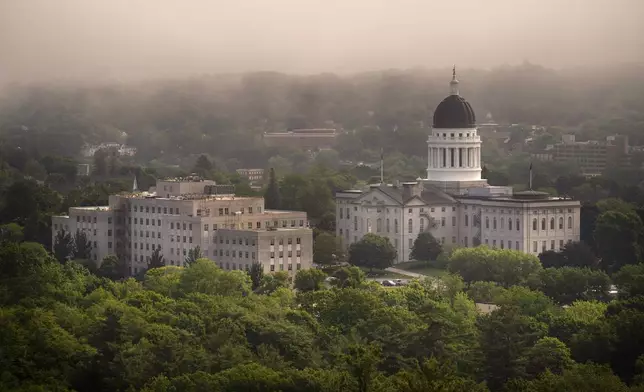
FILE-The morning fog lifts beyond the Burton M. Cross Building, left, and the State House, in this June 21, 2023, file photo, in Augusta, Maine. (AP Photo/Robert F. Bukaty, File)
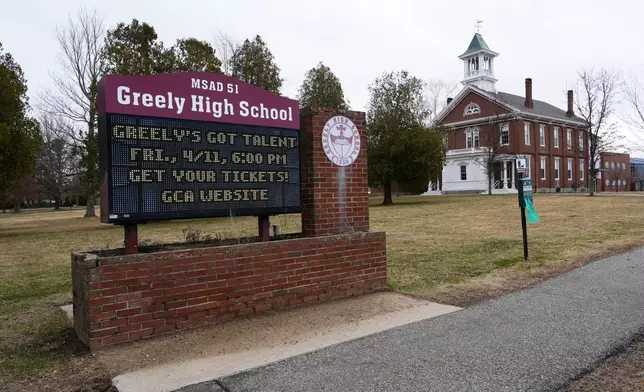
Greely High School, which was thrust into national spotlight after a state legislator posted about a transgender student-athlete, is seen Tuesday, April 8, 2025, in Cumberland, Maine.(AP Photo/Robert F. Bukaty)
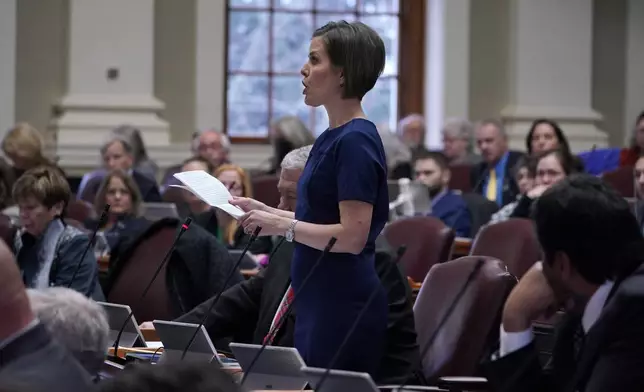
FILE-State Rep. Laurel Libby, R-Auburn, speaks in the House Chamber, in this Jan. 4, 2023, file photo, at the State House in Augusta, Maine. (AP Photo/Robert F. Bukaty, file)
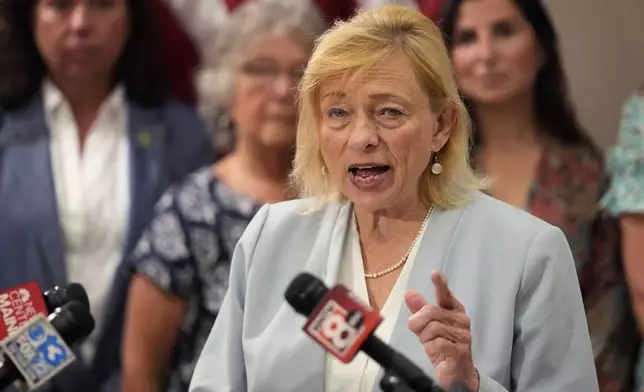
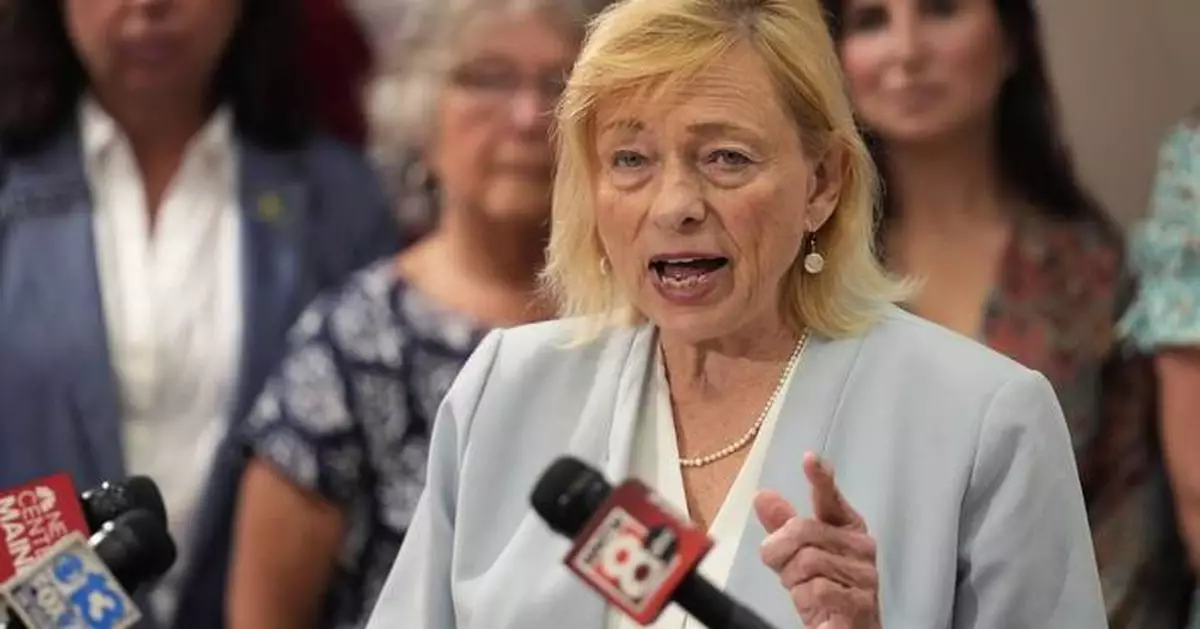
FILE-Maine Gov. Janet Mills speaks to the media in this July 19, 2023, file photo, at the State House in Augusta, Maine. (AP Photo/Robert F. Bukaty, file)
The U.S. Education Department’s Office for Civil Rights issued a final warning on March 31 telling the state it needed to comply with the law in 10 business days or face enforcement from the U.S. Justice Department. That deadline arrived Friday, and the Education Department said it referred its investigation to the Justice Department for further enforcement.
Maine and the federal government are at impasse, as the state will not sign a resolution proposed by the Trump administration to resolve the disagreement by banning the transgender athletes, said Maine assistant attorney general Sarah Forster in a letter to the Education Department.
“Nothing in Title IX or its implementing regulations prohibits schools from allowing transgender girls and women to participate on girls’ and women’s sports teams,” Forster's letter stated. “Your letters to date do not cite a single case that so holds.”
Trump has said the state risks losing federal funding if it does not come into compliance. Friday, the Education Department said it was also taking steps toward the termination of Maine's education funding.
“The Department has given Maine every opportunity to come into compliance with Title IX, but the state’s leaders have stubbornly refused to do so, choosing instead to prioritize an extremist ideological agenda over their students’ safety, privacy, and dignity,” said Craig Trainor, acting assistant secretary for the Education Department’s Office for Civil Rights. “The Maine Department of Education will now have to defend its discriminatory practices before a Department administrative law judge and in a federal court against the Justice Department.”
Federal funding is critical to Maine schools. Maine got $358 million in federal funding for K-12 schools in 2021-22, or 10% of its budget, according to data from the Census. About 13% of that money went to Title I, 14% to special education and 20% to child nutrition programs such as school lunches. Title I provides supplemental financial assistance to school districts for children from low-income families.
Almost half of federal funds were simply marked as “other,” which likely points to the substantial COVID-19 relief funds schools got that year. Prior to the pandemic, Maine got 6% of its funding from federal sources, almost $185 million in 2018-19.
The issue of school funding and transgender participation in sports in Maine began to bubble up when Mills and Trump sparred over the subject during the February meeting at the White House. During the meeting, Trump threatened to pull federal funding from Maine if the state did not comply with his executive order barring transgender athletes from sports.
Mills responded: “We’ll see you in court.”
Soon after, the Education Department and the U.S. Department of Health and Human Services launched investigations into the state.
Health and Human Services officials said in March that the Maine Department of Education, Maine Principals’ Association and a high school are each in violation of Title IX because of the participation of transgender athletes. The Health Department has already referred the issue to the Justice Department for enforcement in court.
The principals’ association and school district both said they would not comply with a proposed agreement to ban the athletes.
Maine Republicans, who are in the minority in both houses of the Legislature, have put pressure on state Democrats to resolve the investigations. House Republican Leader Billy Bob Faulkingham, speaking during a news conference, said Mills has created a “hostage situation” that jeopardizes federal funding.
“The governor, and her administration, is holding Maine schools and Maine education under hostage,” Faulkingham said. “This standoff is not going to end well for the state of Maine and its education funding.”
LGBTQ+ rights groups in Maine have defended the state’s approach. “We’re not giving in, and we’re not giving up on our trans community,” EqualityMaine said in a social media post.
Federal authorities have also said they are investigating Maine due to claims school districts in the state violate federal law by withholding information about students’ gender transitioning from parents.
Associated Press writer Sharon Lurye in New Orleans contributed to this report.

FILE -State Rep. Laurel Libby, R-Auburn, speaks with a colleague, Feb. 14, 2023, at the State House in Augusta, Maine. (AP Photo/Robert F. Bukaty, file)
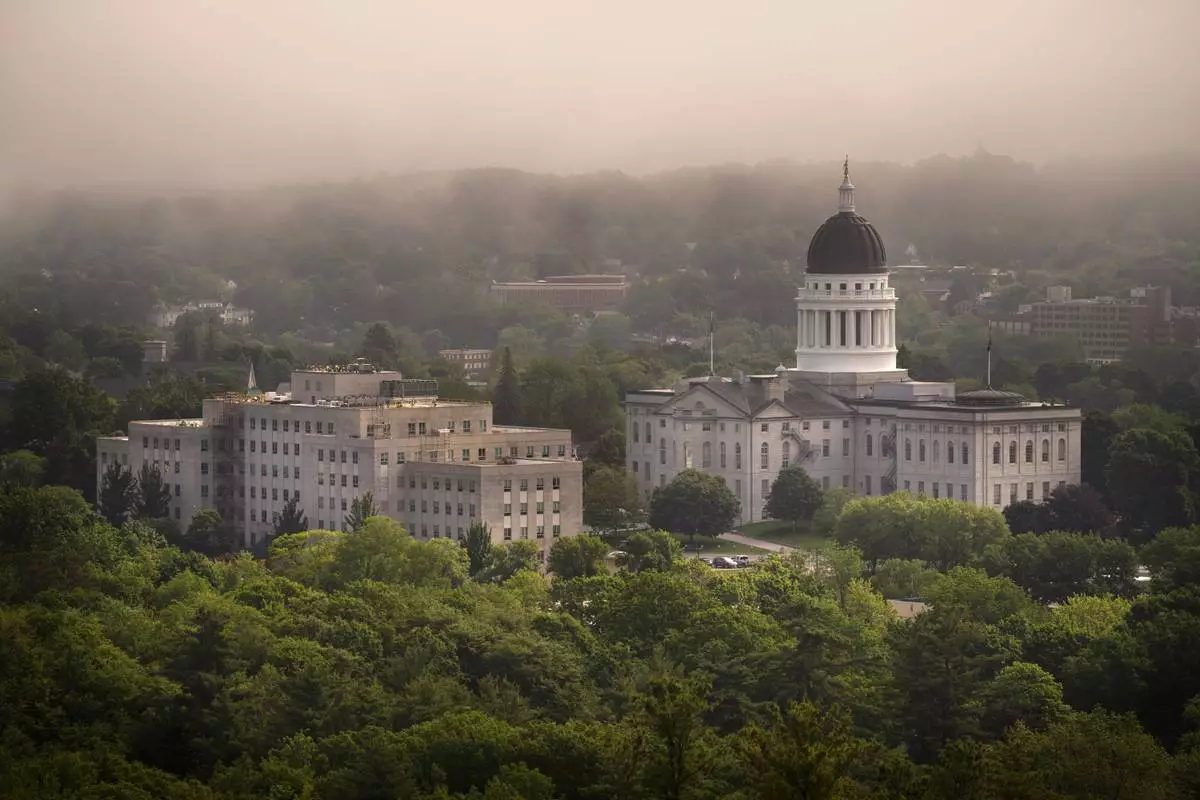
FILE-The morning fog lifts beyond the Burton M. Cross Building, left, and the State House, in this June 21, 2023, file photo, in Augusta, Maine. (AP Photo/Robert F. Bukaty, File)
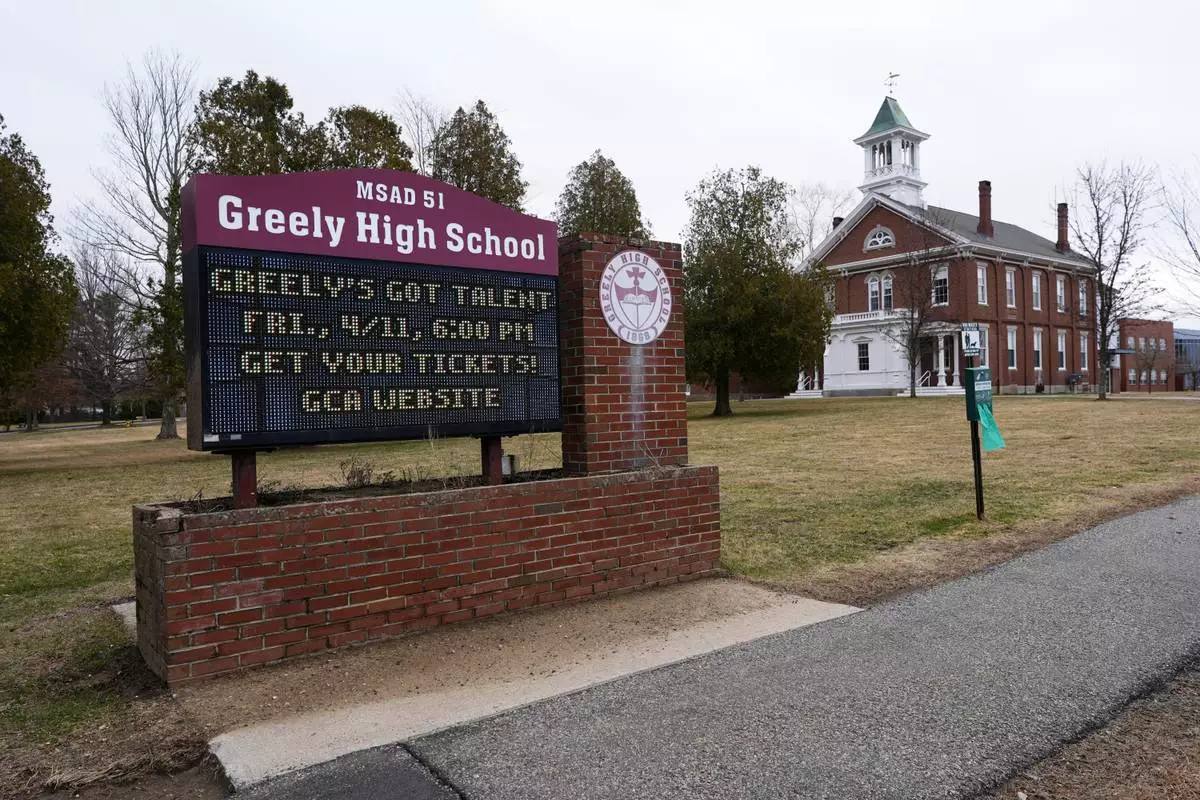
Greely High School, which was thrust into national spotlight after a state legislator posted about a transgender student-athlete, is seen Tuesday, April 8, 2025, in Cumberland, Maine.(AP Photo/Robert F. Bukaty)
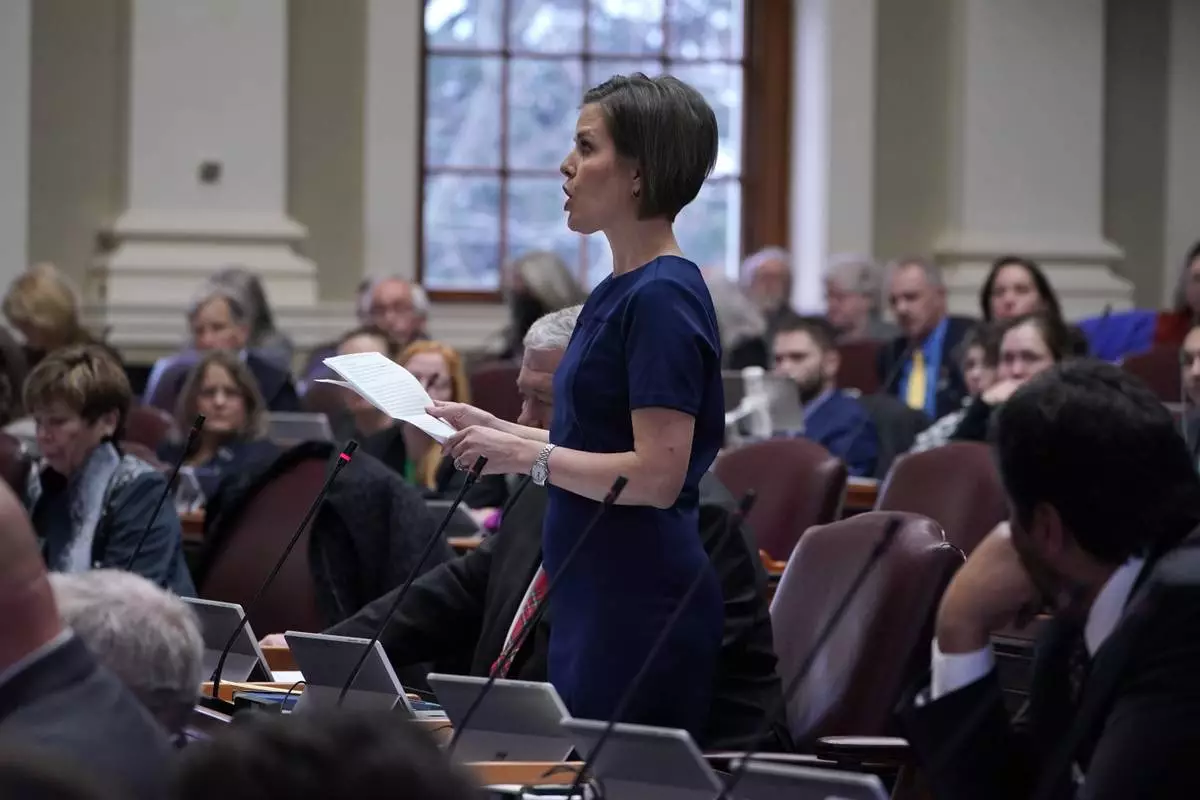
FILE-State Rep. Laurel Libby, R-Auburn, speaks in the House Chamber, in this Jan. 4, 2023, file photo, at the State House in Augusta, Maine. (AP Photo/Robert F. Bukaty, file)
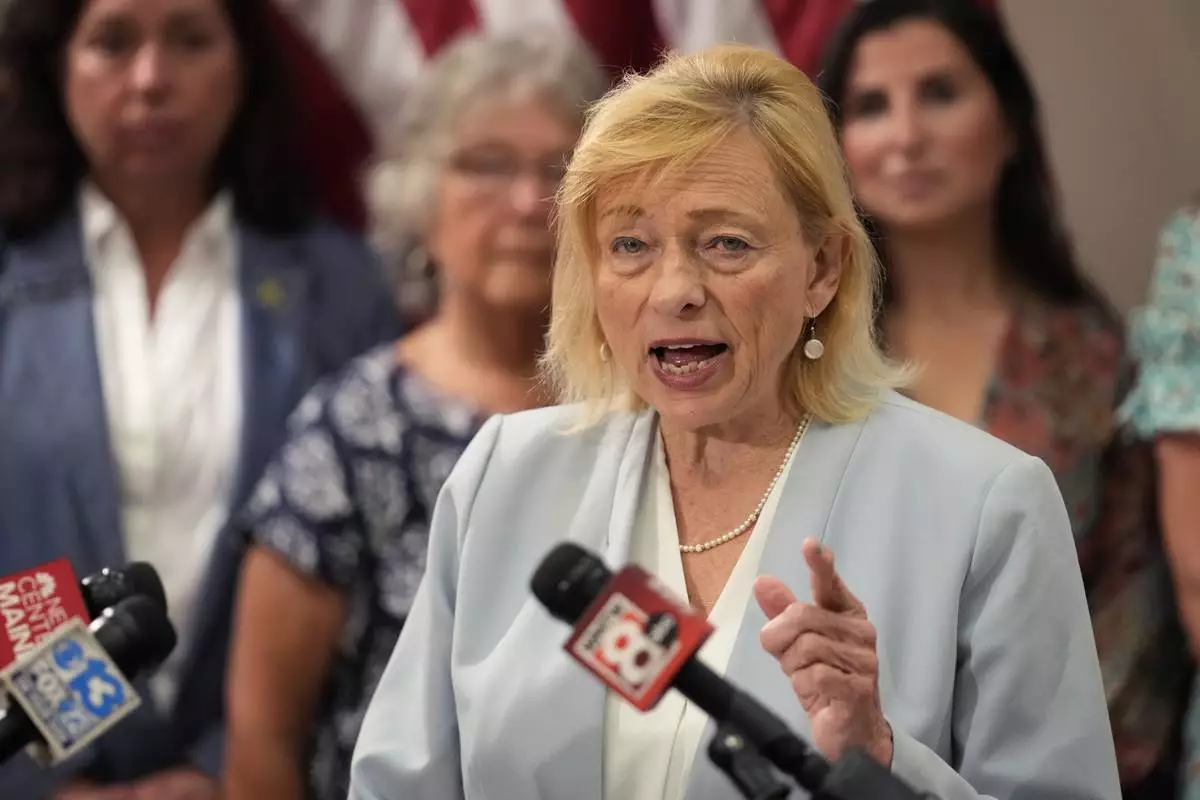
FILE-Maine Gov. Janet Mills speaks to the media in this July 19, 2023, file photo, at the State House in Augusta, Maine. (AP Photo/Robert F. Bukaty, file)