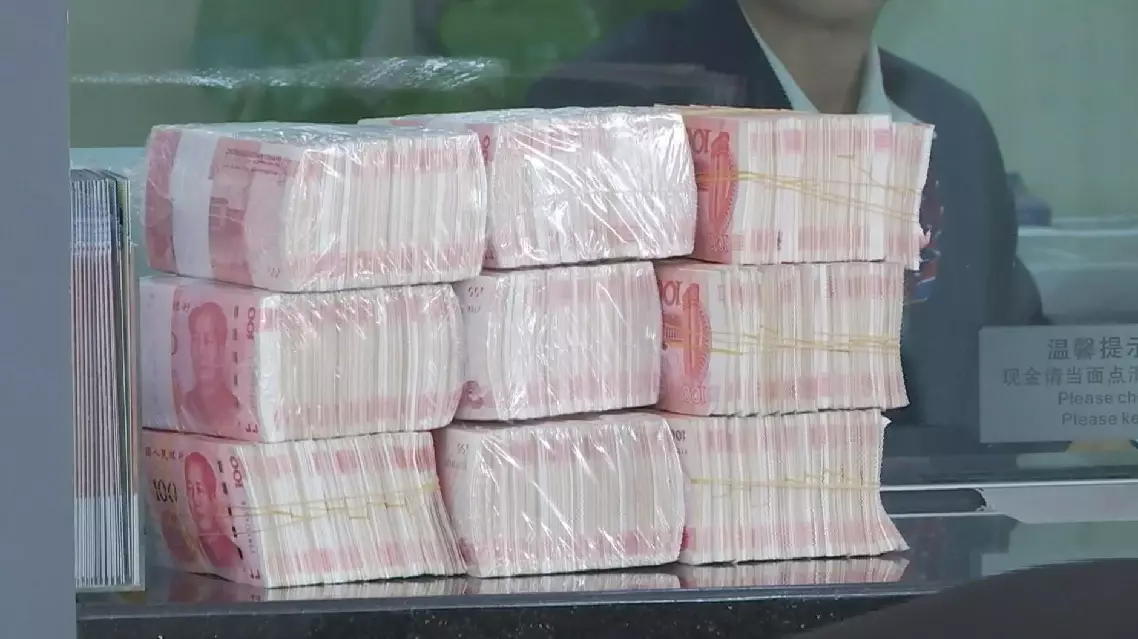
Several foreign financial institutions have released reports and research papers in recent weeks expressing strong optimism about the future of the Chinese market.
HSBC's Emerging Markets Sentiment Survey for March found that 45 percent of investors now see China's recovery as the biggest upside factor in the emerging market outlook, a significant jump from just 29 percent in December.
Goldman Sachs' recent report highlighted that both the MSCI China Index and the CSI 300 Index still have room for upward movement over the next 12 months.
Morgan Stanley's report this week recommends that investors increase their allocation to China's A-share market in their global portfolios.
"China's policies aimed at stabilizing growth and boosting consumption have further activated domestic demand. The country's monetary and fiscal policies and various financial tools can respond flexibly to market fluctuations and continuously adjust and optimize depending on the situation. These all help stabilize economic growth and reduce asset volatility. In emerging strategic sectors such as technology and innovation, green energy, and artificial intelligence, China is showing strong competitiveness and growth potential," said Guo Peng, deputy general manager of J.P. Morgan Asset Management China.
Foreign financial institutions optimistic about China's market outlook
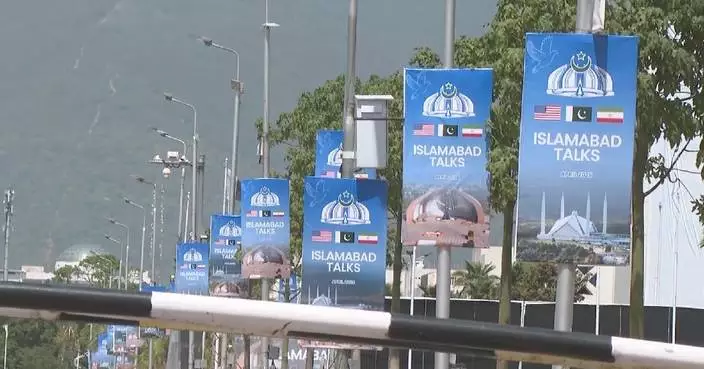
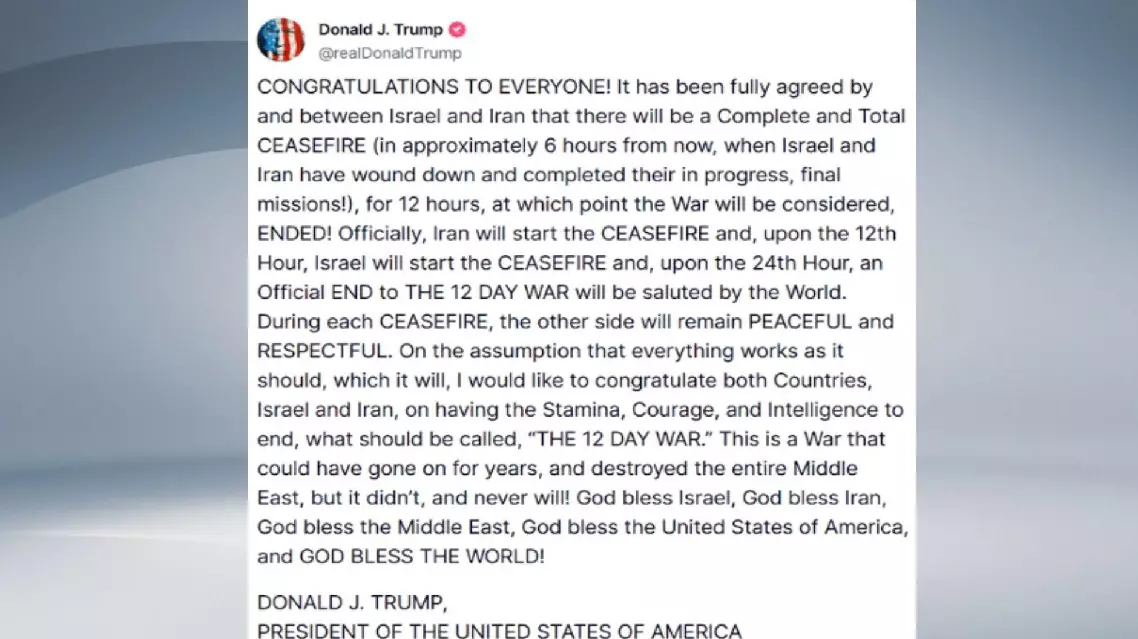
U.S. President Donald Trump said Tuesday he will extend the two-week ceasefire with Iran that was set to expire on Wednesday night (midnight GMT Tuesday).
"Based on the fact that the Government of Iran is seriously fractured, not unexpectedly so and, upon the request of Field Marshal Asim Munir, and Prime Minister Shehbaz Sharif, of Pakistan, we have been asked to hold our Attack on the Country of Iran until such time as their leaders and representatives can come up with a unified proposal," Trump wrote on Truth Social.
The U.S. president said he will "extend the ceasefire until such time as their proposal is submitted, and discussions are concluded, one way or the other."
The U.S. military will continue the blockade against Iran and "remain ready and able," according to Trump.
Iranian Foreign Minister Seyed Abbas Araghchi said in a post on X Tuesday that the U.S. blockade of Iranian ports is "an act of war and thus a violation of the ceasefire" and attacking Iranian merchant ships and detaining their crew members were even more serious violations.
"Iran knows how to neutralize restrictions, how to defend its interests, and how to resist bullying," Araghchi wrote in his post.
Mehdi Mohammadi, an advisor to Iran's parliament speaker Mohammad Bagher Ghalibaf, also said the U.S. blockade must be met with a military response, dismissing Trump's ceasefire extension announcement as "meaningless".
"Extending the ceasefire by Trump has no meaning. The losing side cannot dictate terms. Continuing the blockade is no different from bombing and must be met with a military response. Moreover, any extension of the ceasefire by Trump is certainly a way to buy time for a surprise attack. Now is the time for Iran to take the initiative," Mohammadi posted on X.
Trump extends ceasefire; Iran vows military response to naval blockade