CRANBERRY TOWNSHIP, Pa.--(BUSINESS WIRE)--Apr 11, 2025--
In an industry first, Westinghouse Electric Company announced the insertion of Lead Test Assemblies with Low Enriched Uranium (LEU+) fuel at Unit 2 of Alvin W. Vogtle Electric Generating Plant in Waynesboro, Georgia. This milestone represents the first commercialization of LEU+ fuel in the U.S. and was accomplished with the support of the U.S. Department of Energy (DOE) Accident Tolerant Fuel (ATF) Program and Southern Company subsidiary Southern Nuclear, the operator of Plant Vogtle.
This press release features multimedia. View the full release here: https://www.businesswire.com/news/home/20250410564751/en/
LEU+ fuel, enriched above 5%, supports extended fuel cycles, power uprates, and lowers the costs of nuclear power plant operations by reducing the number of outages needed for refueling. This advanced fuel will be instrumental in ensuring the industry meets its goals to supply safe, efficient, reliable and affordable clean energy for its customers.
Westinghouse provided its EnCore ® ATF Lead Test Assemblies with greater than 5 wt.% LEU+ ADOPT ® fuel, chromium coated cladding and AXIOM ® cladding. These fuel assemblies were manufactured for Vogtle Unit 2 at Westinghouse’s Columbia Fuel Fabrication Facility in Hopkins, South Carolina.
“We are proud to have achieved this milestone alongside the U.S Department of Energy and Southern Nuclear,” said Tarik Choho, Westinghouse Nuclear Fuel President. “Our priority is to provide safe, reliable and high-performing fuel to support our customers in their long-term operational needs. LEU+ fuel is a perfect example of how we can help reduce the number of outages in nuclear power plants."
Westinghouse is a leading supplier of nuclear fuel, providing a uniquely diversified portfolio in the industry across nuclear reactor types, including PWR, BWR, AGR and VVER. Through our world-class manufacturing facilities in the United States, Sweden, and the United Kingdom, we focus on delivering innovative fuel technologies to meet our customer needs for lower fuel cycle costs, increased operational flexibility and efficiency, diversity of supply and accident-tolerant products.
Learn more about our advanced fuel capabilities and how they relate to different reactors around the world: Westinghouse Nuclear > Nuclear Fuel
Westinghouse Electric Company is shaping the future of carbon-free energy by providing safe, innovative nuclear and other clean power technologies and services globally. Westinghouse supplied the world’s first commercial pressurized water reactor in 1957 and the company’s technology is the basis for nearly one-half of the world's operating nuclear plants. Over 135 years of innovation make Westinghouse the preferred partner for advanced technologies covering the complete nuclear energy life cycle. For more information, visit www.westinghousenuclear.com and follow us on Facebook, LinkedIn, and X.
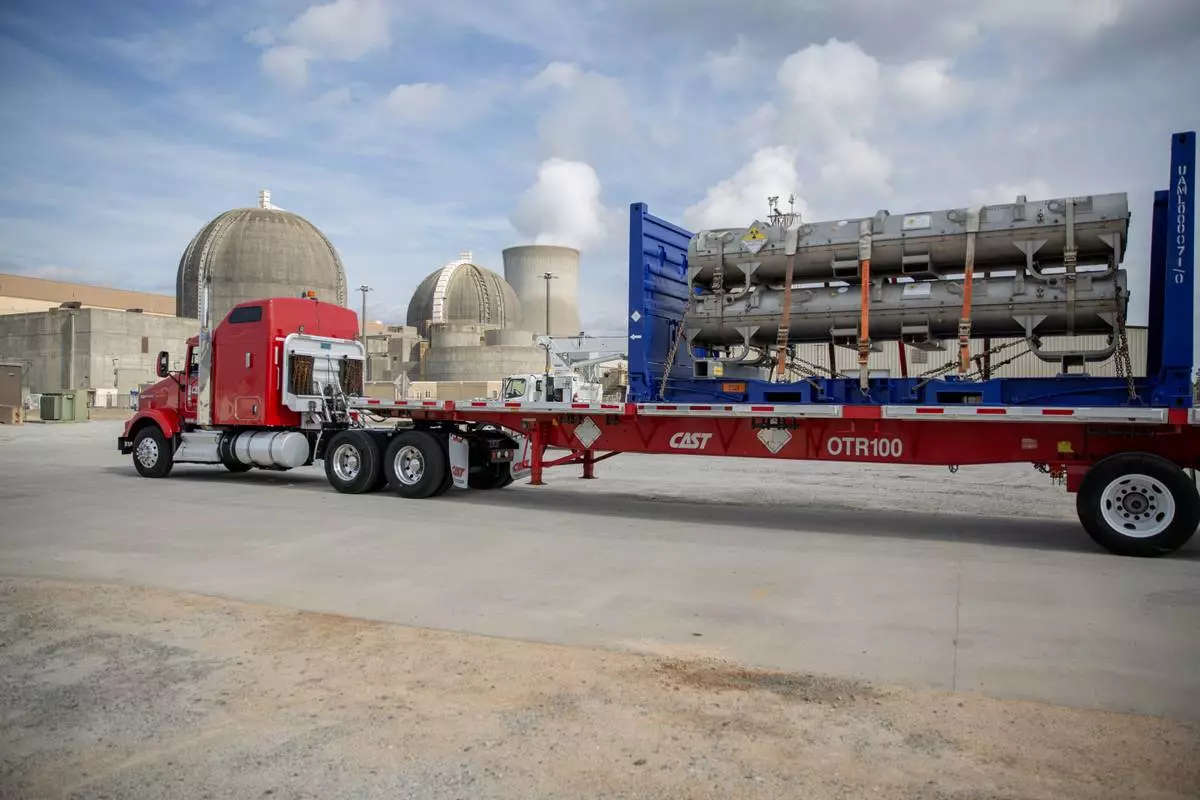
The delivery of LEU+ fuel to Plant Vogtle in the U.S. state of Georgia. Courtesy of Southern Nuclear.
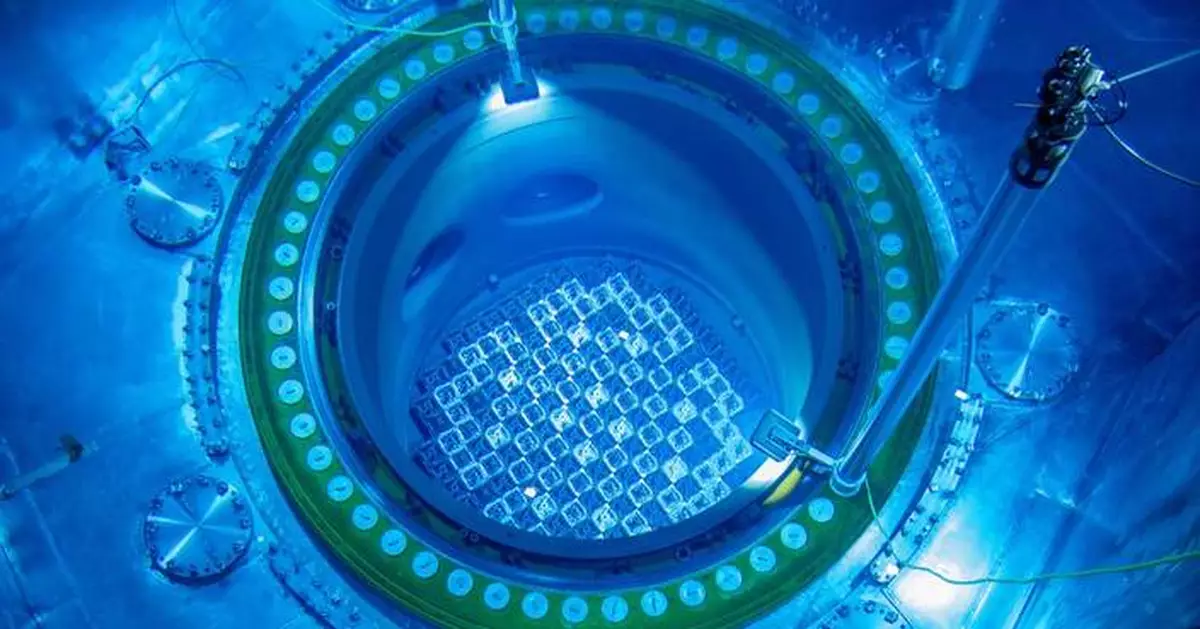
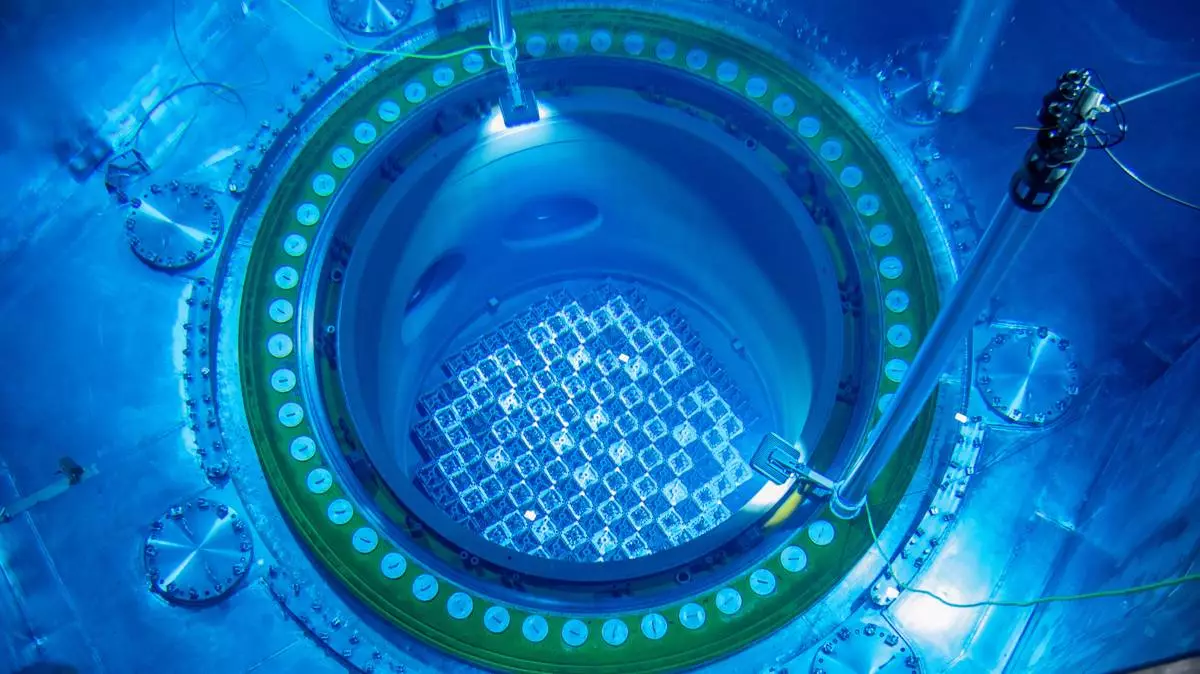
A view inside the nuclear reactor vessel of Plant Vogtle Unit 2. Courtesy of Southern Nuclear.
VATICAN CITY (AP) — In his most substantial critique of U.S., Russian and other military incursions in sovereign countries, Pope Leo XIV on Friday denounced how nations were using force to assert their dominion worldwide, “completely undermining” peace and the post-World War II international legal order.
“War is back in vogue and a zeal for war is spreading,” Leo told ambassadors from around the world who represent their countries’ interests at the Holy See.
Leo didn’t name individual countries that have resorted to force in his lengthy speech, the bulk of which he delivered in English in a break from the Vatican’s traditional diplomatic protocol of Italian and French. But his speech came amid the backdrop of the recent U.S. military operation in Venezuela to remove Nicolás Maduro from power, Russia's ongoing war in Ukraine and other conflicts.
The occasion was the pope’s annual audience with the Vatican diplomatic corps, which traditionally amounts to his yearly foreign policy address.
In his first such encounter, history’s first U.S.-born pope delivered much more than the traditional roundup of global hotspots. In a speech that touched on threats to religious freedom and the Catholic Church’s opposition to abortion and surrogacy, Leo lamented how the United Nations and multilateralism as a whole were increasingly under threat.
“A diplomacy that promotes dialogue and seeks consensus among all parties is being replaced by a diplomacy based on force, by either individuals or groups of allies,” he said. “The principle established after the Second World War, which prohibited nations from using force to violate the borders of others, has been completely undermined.”
“Instead, peace is sought through weapons as a condition for asserting one’s own dominion. This gravely threatens the rule of law, which is the foundation of all peaceful civil coexistence,” he said.
Leo did refer explicitly to tensions in Venezuela, calling for a peaceful political solution that keeps in mind the “common good of the peoples and not the defense of partisan interests.”
The U.S. military seized Maduro, the Venezuelan leader, in a surprise nighttime raid. The Trump administration is now seeking to control Venezuela’s oil resources and its government. The U.S. government has insisted Maduro's capture was legal, saying drug cartels operating from Venezuela amounted to unlawful combatants and that the U.S. is now in an “armed conflict” with them.
Analysts and some world leaders have condemned the Venezuela mission, warning that Maduro’s ouster could pave the way for more military interventions and a further erosion of the global legal order.
On Ukraine, Leo repeated his appeal for an immediate ceasefire and urgently called for the international community “not to waver in its commitment to pursuing just and lasting solutions that will protect the most vulnerable and restore hope to the afflicted peoples.”
On Gaza, Leo repeated the Holy See’s call for a two-state solution to the Israeli-Palestinian conflict and insisted on the Palestinians’ right to live in Gaza and the West Bank “in their own land.”
In other comments, Leo said the persecution of Christians around the world was “one of the most widespread human rights crises today,” affecting one in seven Christians globally. He cited religiously motivated violence in Bangladesh, Nigeria, the Sahel, Mozambique and Syria but said religious discrimination was also present in Europe and the Americas.
There, Christians “are sometimes restricted in their ability to proclaim the truths of the Gospel for political or ideological reasons, especially when they defend the dignity of the weakest, the unborn, refugees and migrants, or promote the family.”
Leo repeated the church’s opposition to abortion and euthanasia and expressed “deep concern” about projects to provide cross-border access to mothers seeking abortion.
He also described surrogacy as a threat to life and dignity. “By transforming gestation into a negotiable service, this violates the dignity both of the child, who is reduced to a product, and of the mother, exploiting her body and the generative process, and distorting the original relational calling of the family,” he said.
Associated Press religion coverage receives support through the AP’s collaboration with The Conversation US, with funding from Lilly Endowment Inc. The AP is solely responsible for this content.
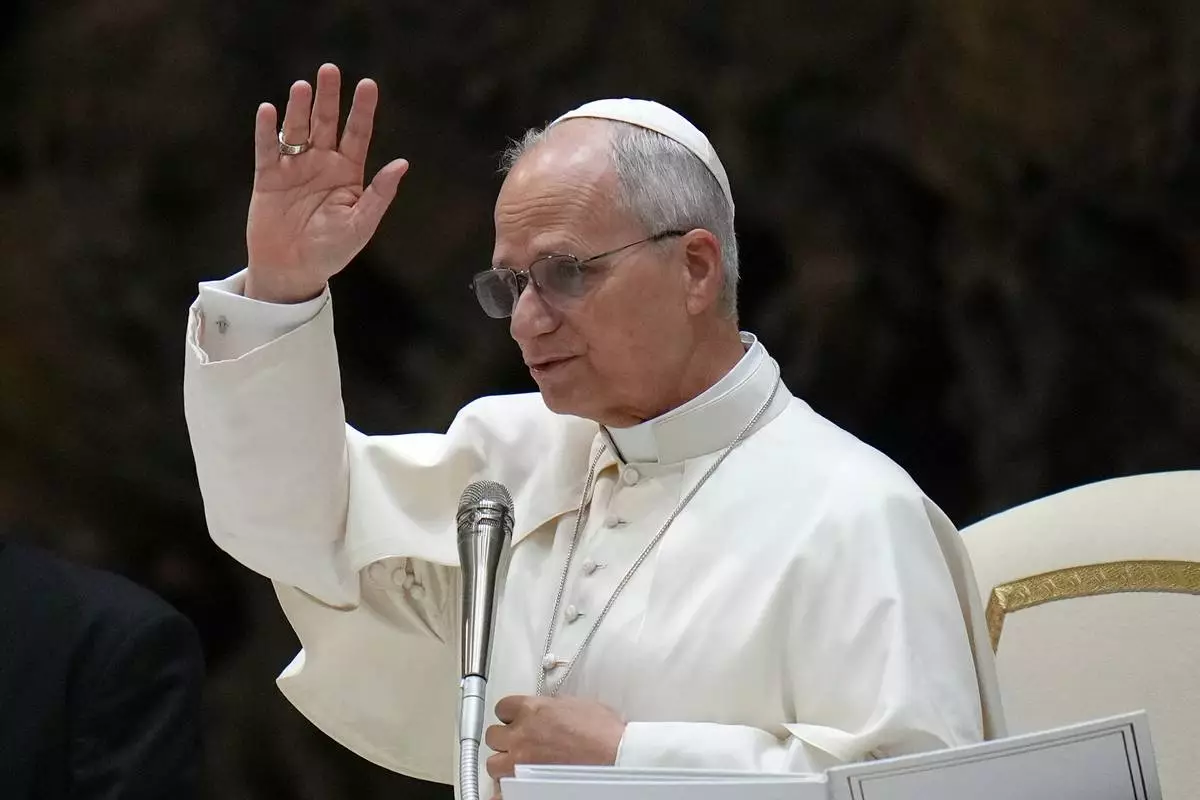
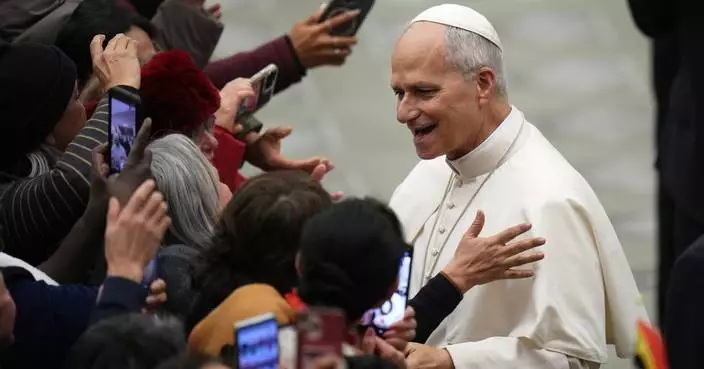
Pope Leo XIV holds his weekly general audience in the Paul VI Hall at the Vatican, Wednesday, Jan. 7, 2026. (AP Photo/Alessandra Tarantino)
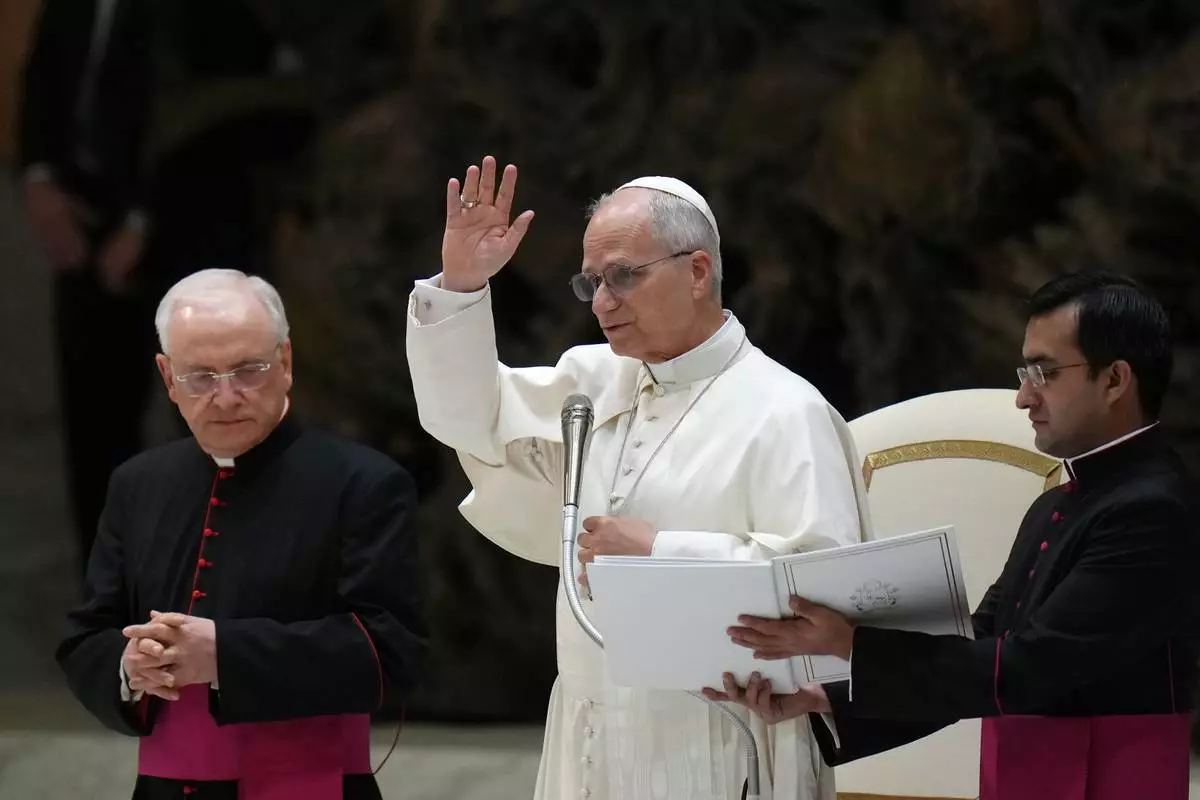
Pope Leo XIV holds his weekly general audience in the Paul VI Hall at the Vatican, Wednesday, Jan. 7, 2026. (AP Photo/Alessandra Tarantino)
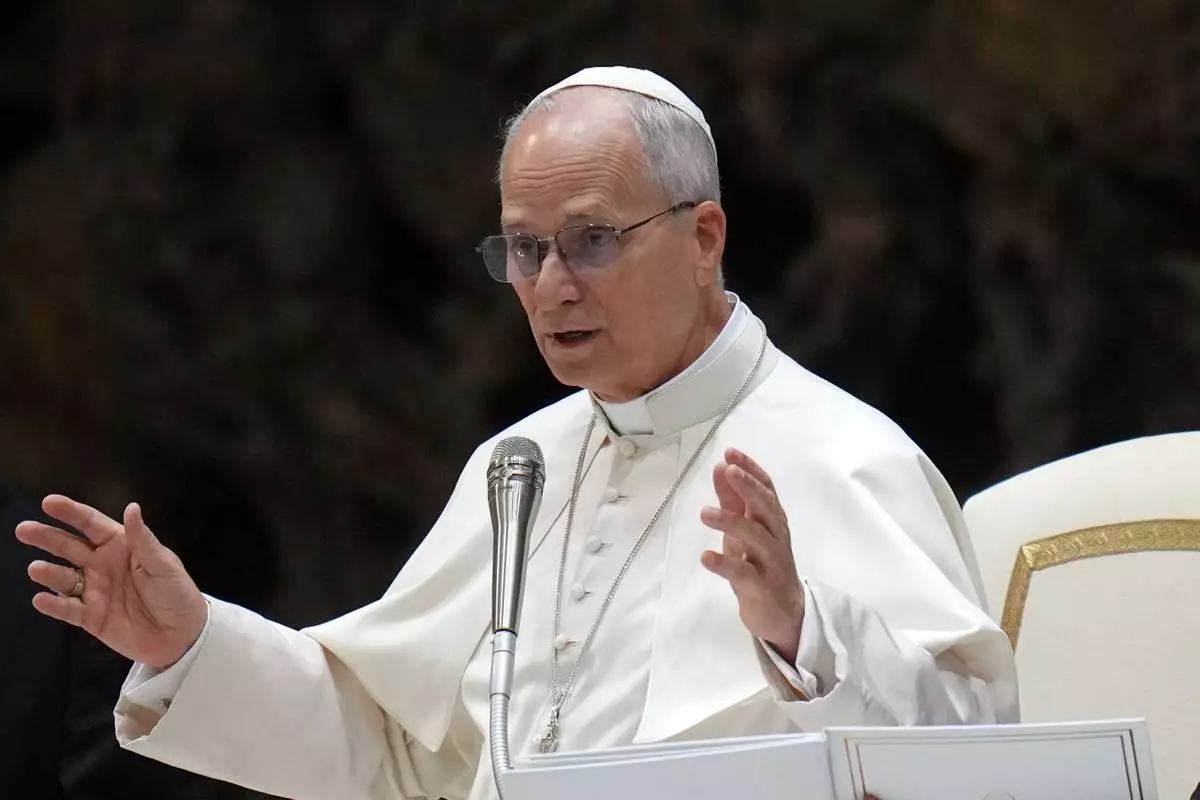
Pope Leo XIV holds his weekly general audience in the Paul VI Hall at the Vatican, Wednesday, Jan. 7, 2026. (AP Photo/Alessandra Tarantino)