MEKELE, Ethiopia (AP) — Chandera Weldesenbet is worried about dying before he receives the help he needs.
The 41-year-old veteran of the recent war in Ethiopia's Tigray region has metal shrapnel in his body that is yet to be removed, more than two years after the fighting ended.
Click to Gallery
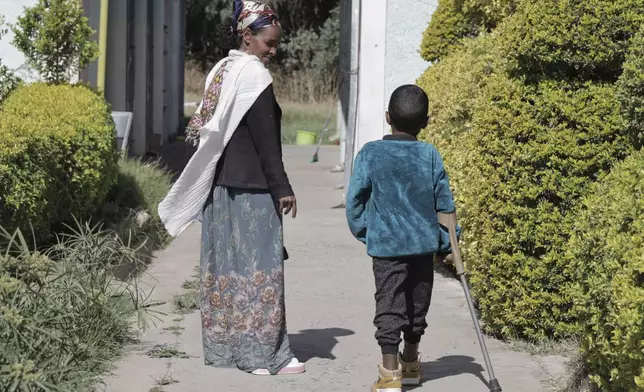
A young boy who lost his leg during the recent war walks with his mother during a visit at Ortho-Physiotherapy Centre in Mekele, Tigray region of northern Ethiopia Friday, Feb. 14, 2025. (AP Photo/Amanuel Birhane)
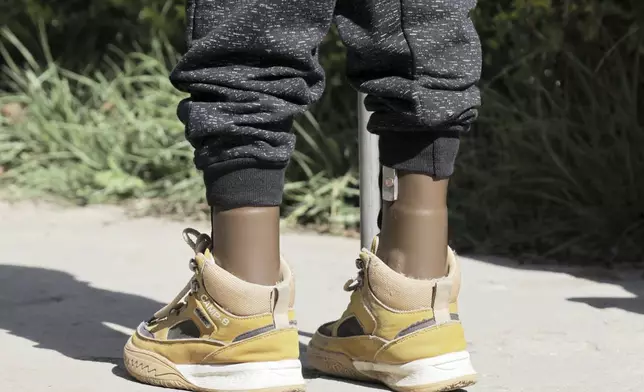
A young boy who lost his leg during the recent war walks with his mother during a visit at Ortho-Physiotherapy Centre in Mekele, Tigray region of northern Ethiopia Friday, Feb. 14, 2025. (AP Photo/Amanuel Birhane)
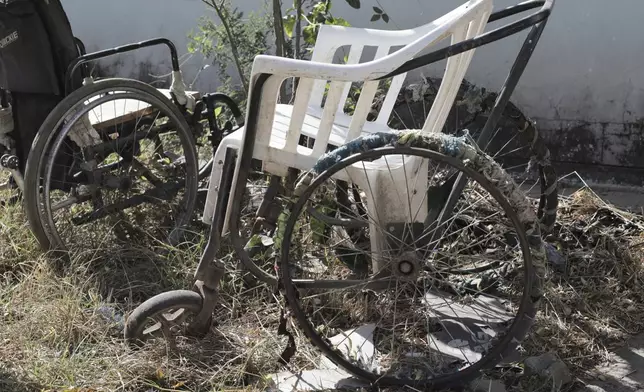
Abandoned wheelchairs lie at Ortho-Physiotherapy Centre in Mekele, Tigray region of northern Ethiopia Friday, Feb. 14, 2025. (AP Photo/Amanuel Birhane)
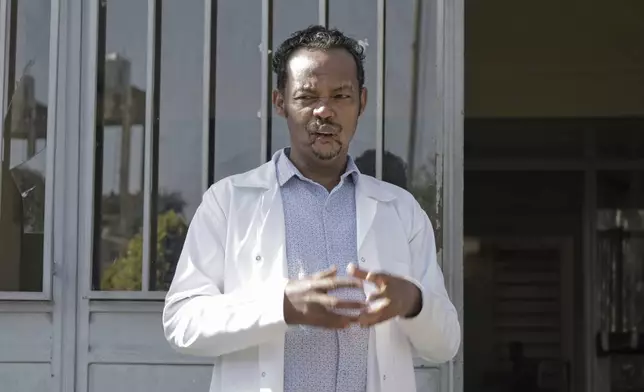
Birhane Teame, the manager of Ortho-Physiotherapy Centre, speaks during an interview with Associated Press in Mekele, Tigray region of northern Ethiopia Friday, Feb. 14, 2025. (AP Photo/Amanuel Birhane)
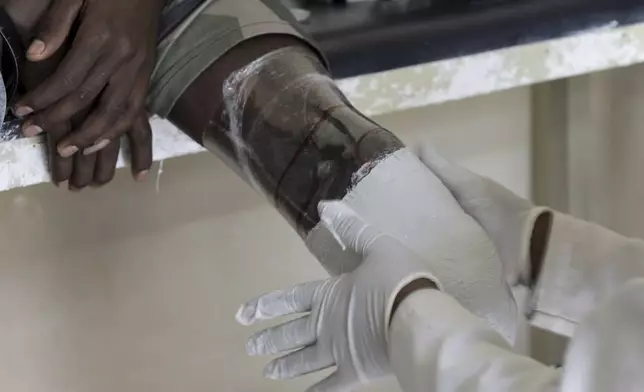
A doctor examines a man with a prosthetic leg at Ortho-Physiotherapy Centre in Mekele, Tigray region of northern Ethiopia Friday, Feb. 14, 2025. (AP Photo/Amanuel Birhane)
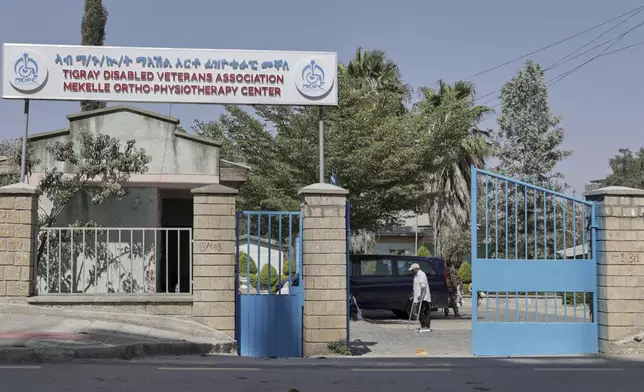
A man walks past a signpost in front of Ortho-Physiotherapy Centre at Mekele in Tigray region of northern Ethiopia Friday, Feb. 14, 2025. (AP Photo/Amanuel Birhane)
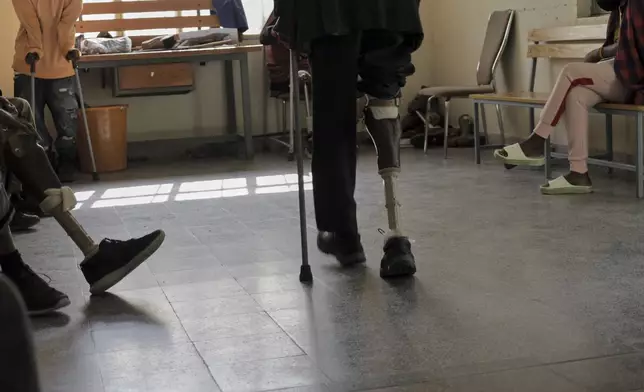
Wounded Tigrayan former combatant learn to walk on a prosthesis during a visit at Ortho-Physiotherapy Centre at Mekele in Tigray region of northern Ethiopia Friday, Feb. 14, 2025. (AP Photo/Amanuel Birhane)
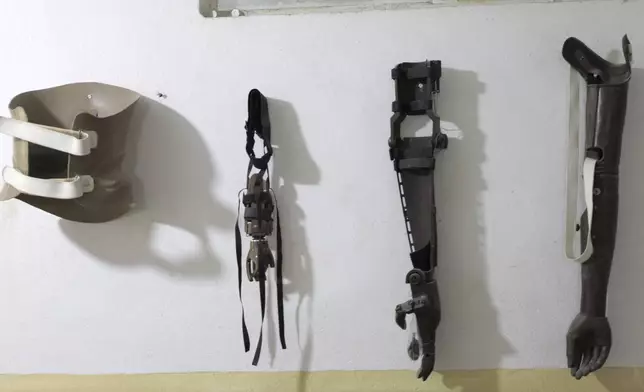
Prosthetic which have been serviced for clients, rest on a wall at Ortho-Physiotherapy Centre in Mekele, Tigray region of northern Ethiopia Friday, Feb. 14, 2025. (AP Photo/Amanuel Birhane)
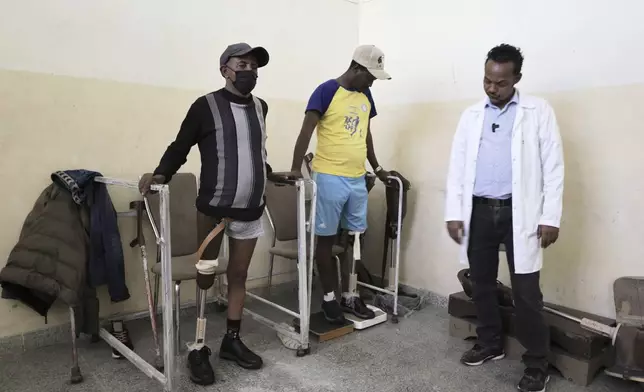
Wounded Tigrayan former combatant's of the recent war practice how to use prosthetic legs at Ortho-Physiotherapy Centre at Mekele in Tigray region of northern Ethiopia Friday, Feb. 14, 2025. (AP Photo/Amanuel Birhane)
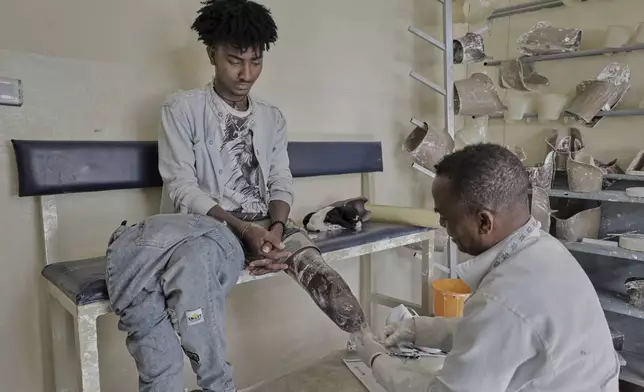
Hiluf Haile, 24-year-old, Tigrayan former combatant of the recent war being examined by a doctor at Ortho-Physiotherapy Centre in Mekele, Tigray region of northern Ethiopia Friday, Feb. 14, 2025. (AP Photo/Amanuel Birhane)
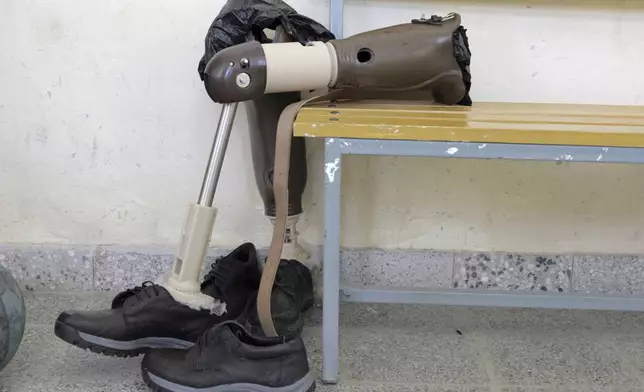
A prosthetic leg backdropped by wounded Tigrayan former combatant is seen at Ortho-Physiotherapy Centre at Mekele in Tigray region of northern Ethiopia Friday, Feb. 14, 2025. (AP Photo/Amanuel Birhane)
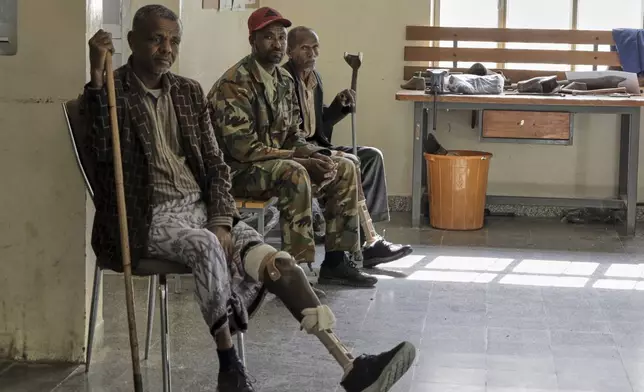
Wounded Tigrayan former combatant's of the recent war, wait to be attended at Ortho-Physiotherapy Centre at Mekele in Tigray region of northern Ethiopia Friday, Feb. 14, 2025. (AP Photo/Amanuel Birhane)
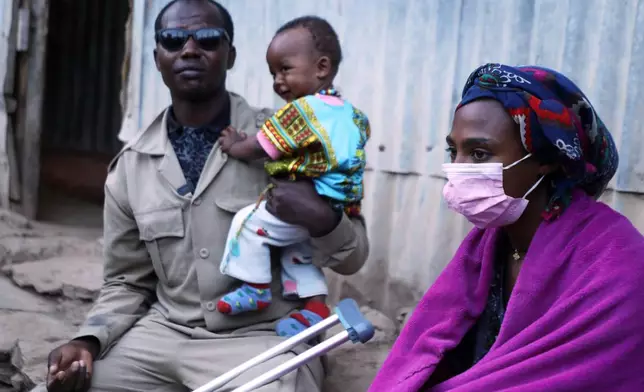
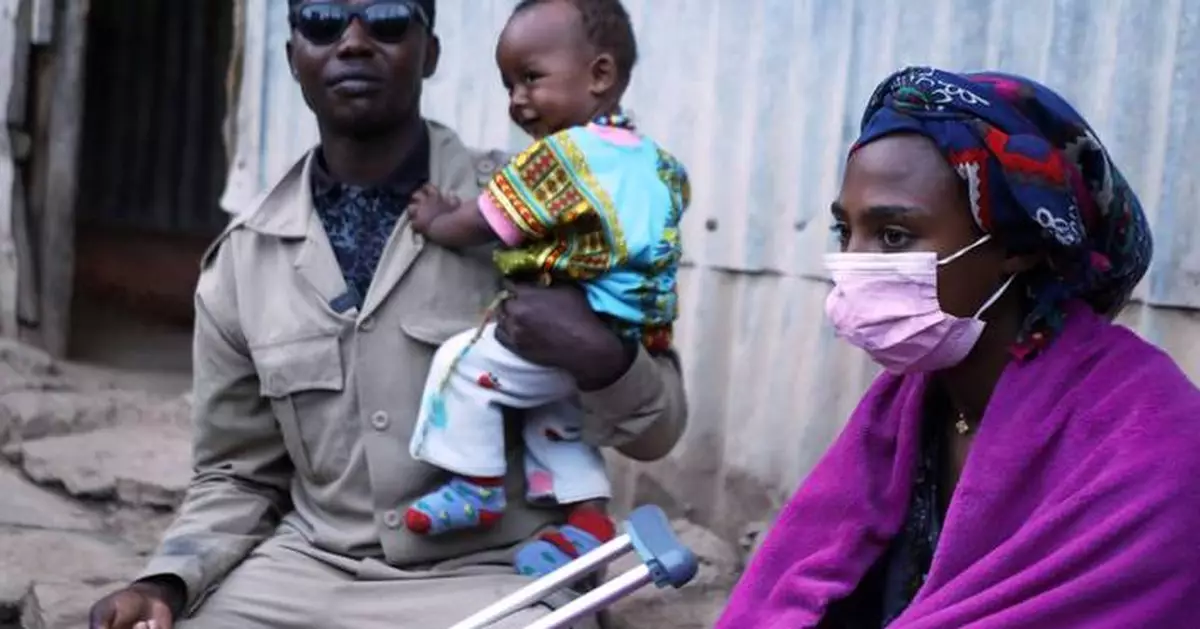
Chandera Weldesenbet, 41-year-old, left, a wounded former combatant of the recent war, sits outside his home carrying his one-and-a-half-year-old child and his wife Rahel Gebrekidan, right, in Quiha, Tigray region of northern Ethiopia Friday, Feb. 14, 2025. (AP Photo/Amanuel Birhane)
Unable to get specialized medical care, Chandera is bedridden most of the time because of the pain. He is one of many casualties whose untreated or poorly treated injuries are a reminder of the war's toll.
“When I think about my future prospect and my ability to raise a child in such hardship and circumstances, I feel hopeless," he said, with a toddler at home.
Chandera, a former hotel worker in the town of Shire, found that health facilities across the region had been largely destroyed in the fighting.
The head of the Ethiopian National Rehabilitation Commission, Temesgen Tilahun, told The Associated Press there are more than 43,000 Tigrayan former combatants.
Thousands of people were killed in the war that pitted local fighters against federal troops who were allied with fighters from other regions, and ended in 2022. No one knows how many were wounded.
Some former combatants in Tigray returned to their homes to find there was no way to receive medical support for permanent disabilities.
Hiluf Haile managed to receive therapy in the Tigray capital, Mekele, to adjust to a new prosthetic leg at the only center in Tigray that offers such treatment. But he has witnessed the chronic shortage of support for other disabled ex-combatants.
Many who had serious injuries have limited access to orthopedic therapy and must navigate damaged communities that have little or no infrastructure to accommodate them.
They “survive by begging, laying bare the scar of the war,” Haile said.
Tesfaye Kiros, another veteran, lost a leg and has been unable to find employment. He regularly begs at a busy bus station in Mekele, Tigray’s capital.
He dreams of returning to his hometown of Zalambessa, near the border with Eritrea. That remains elusive as new tensions rise between Ethiopia and Eritrea, its former ally in the war.
The 31-year-old had been elated when a diaspora-led initiative, Rescue & Oasis Actions for the Disabled of War, chose him to receive a three-wheel electric bike to help him be mobile. But, still unable to find work, he sold it to feed his children.
“The bike would have helped me a great deal," he said.
With limited resources as Tigray recovers from the war, the regional government has appealed to the federal government in Addis Ababa, the capital, for more support — and for international donors to come to the rescue.
The government has offered veterans reintegration into the armed forces.
“Tigray has too many individuals with disabilities who need support, especially medicine, and the situation is extremely dire," said Gebrehiwot Gebrezgiabher, commissioner for the Tigray Disaster Risk Management Commission. “We are too overwhelmed to support them without more financial support.”
The Mekelle Ortho-Physiotherapy Center, which has operated in Tigray for nearly three decades with support from the International Committee of the Red Cross, is trying to fill the gap.
The group has treated disabled combatants, providing prosthetic limbs and mobility aid such as crutches. But it is unable to help everyone who needs support without more funding.
“Over the years, we have delivered a total of 180,000 services. However, this number pales in comparison to the 65,000 we have provided in just the last three years,” manager Birhane Teame said.
Teame urged international organizations to assist his group “in alleviating the burden" in Tigray.
For more on Africa and development: https://apnews.com/hub/africa-pulse
The Associated Press receives financial support for global health and development coverage in Africa from the Gates Foundation. The AP is solely responsible for all content. Find AP’s standards for working with philanthropies, a list of supporters and funded coverage areas at AP.org.
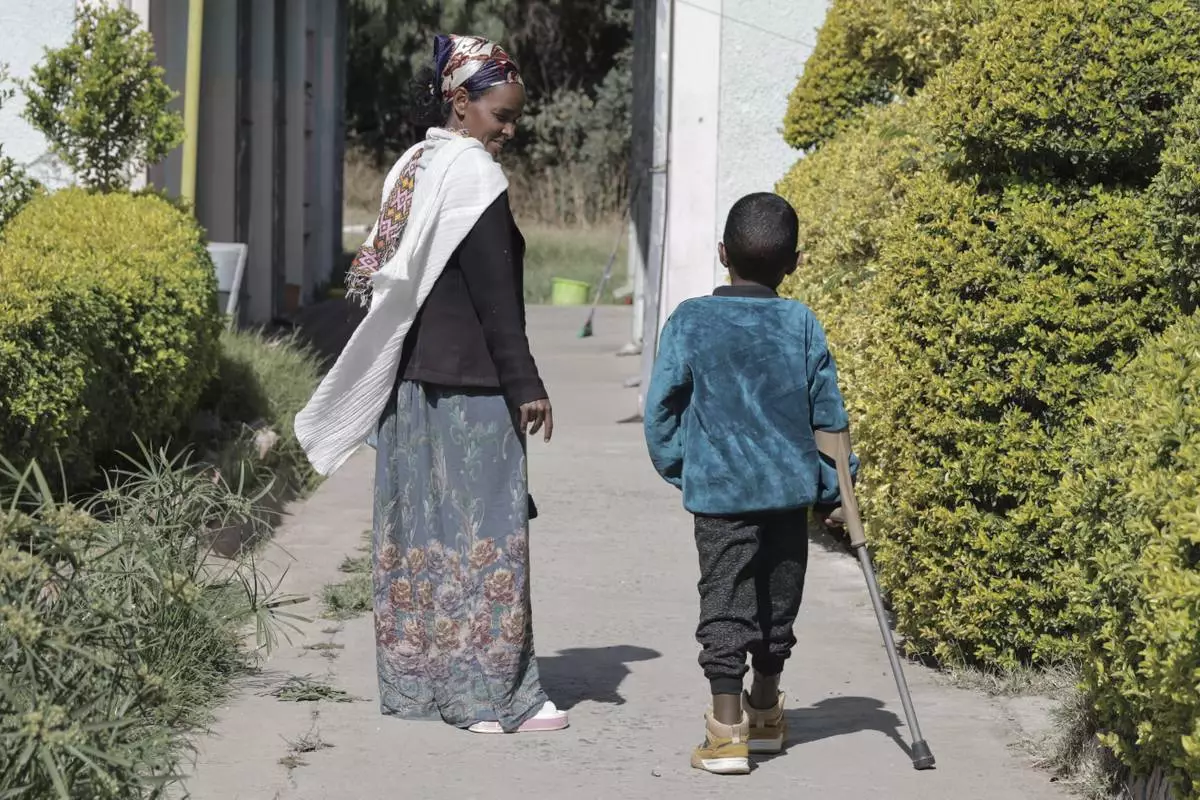
A young boy who lost his leg during the recent war walks with his mother during a visit at Ortho-Physiotherapy Centre in Mekele, Tigray region of northern Ethiopia Friday, Feb. 14, 2025. (AP Photo/Amanuel Birhane)
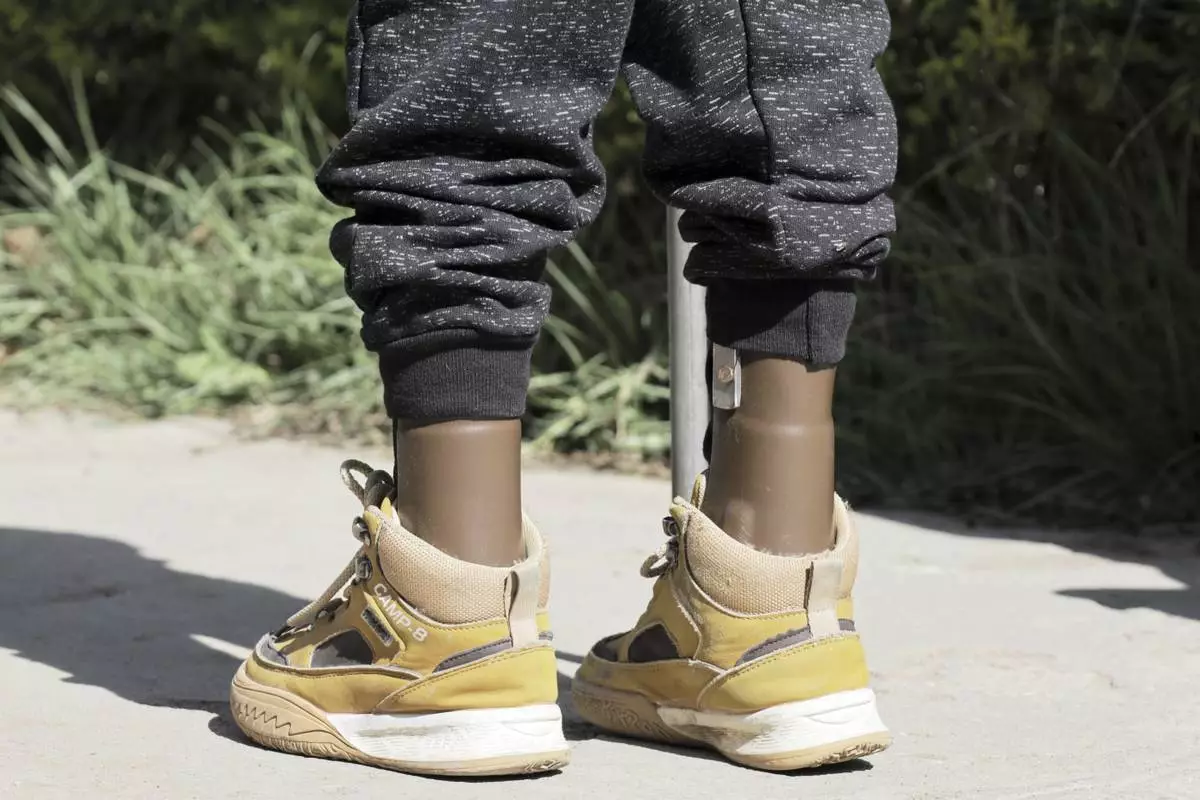
A young boy who lost his leg during the recent war walks with his mother during a visit at Ortho-Physiotherapy Centre in Mekele, Tigray region of northern Ethiopia Friday, Feb. 14, 2025. (AP Photo/Amanuel Birhane)
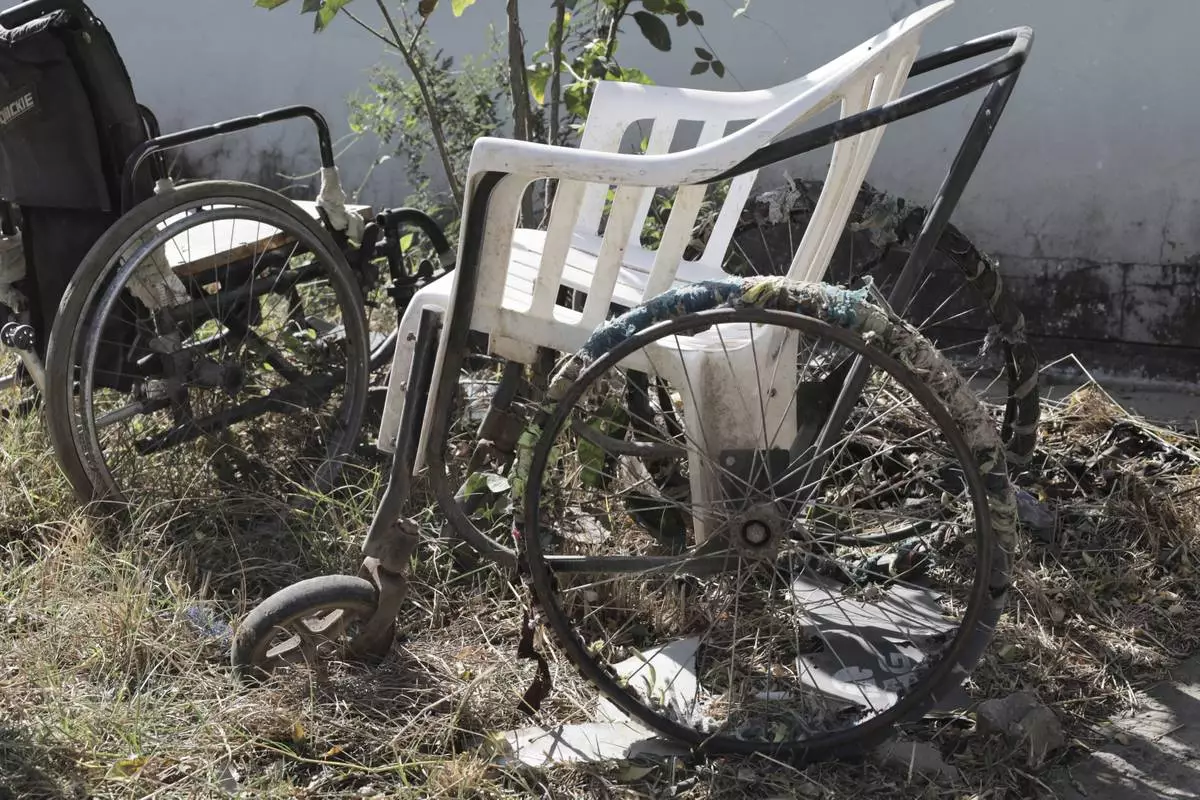
Abandoned wheelchairs lie at Ortho-Physiotherapy Centre in Mekele, Tigray region of northern Ethiopia Friday, Feb. 14, 2025. (AP Photo/Amanuel Birhane)
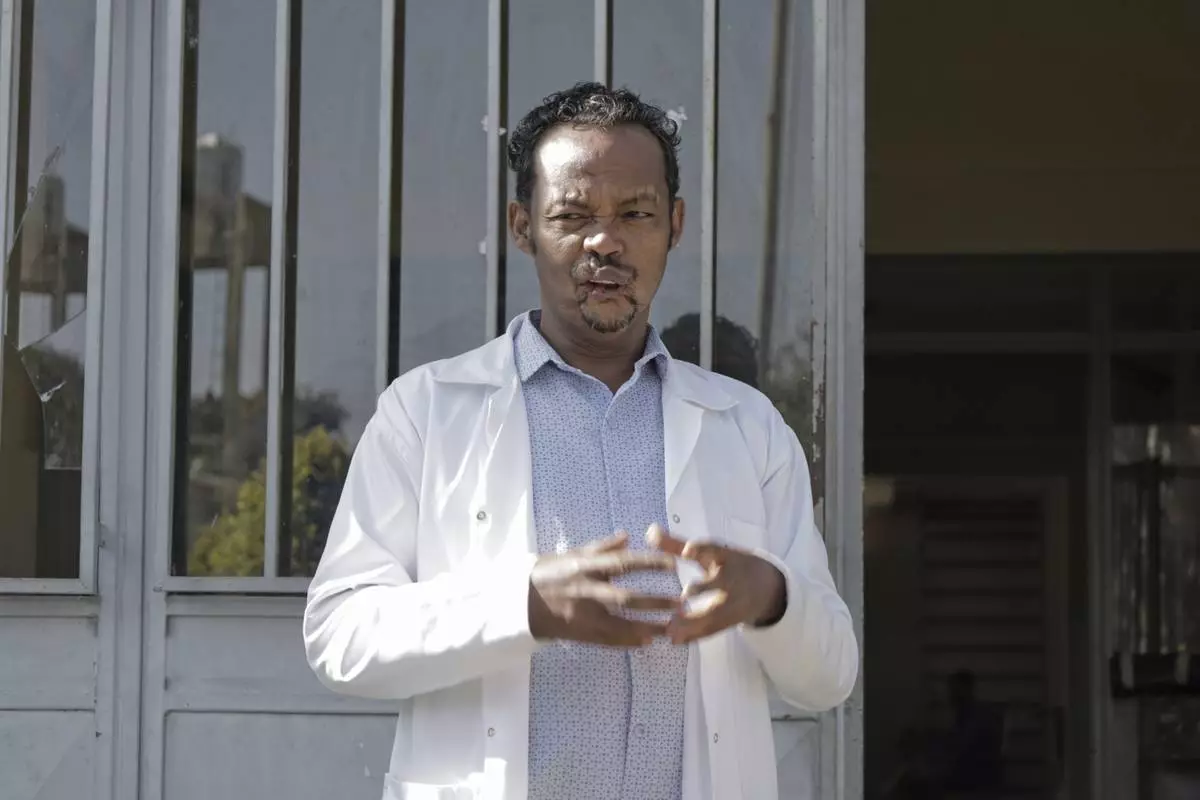
Birhane Teame, the manager of Ortho-Physiotherapy Centre, speaks during an interview with Associated Press in Mekele, Tigray region of northern Ethiopia Friday, Feb. 14, 2025. (AP Photo/Amanuel Birhane)
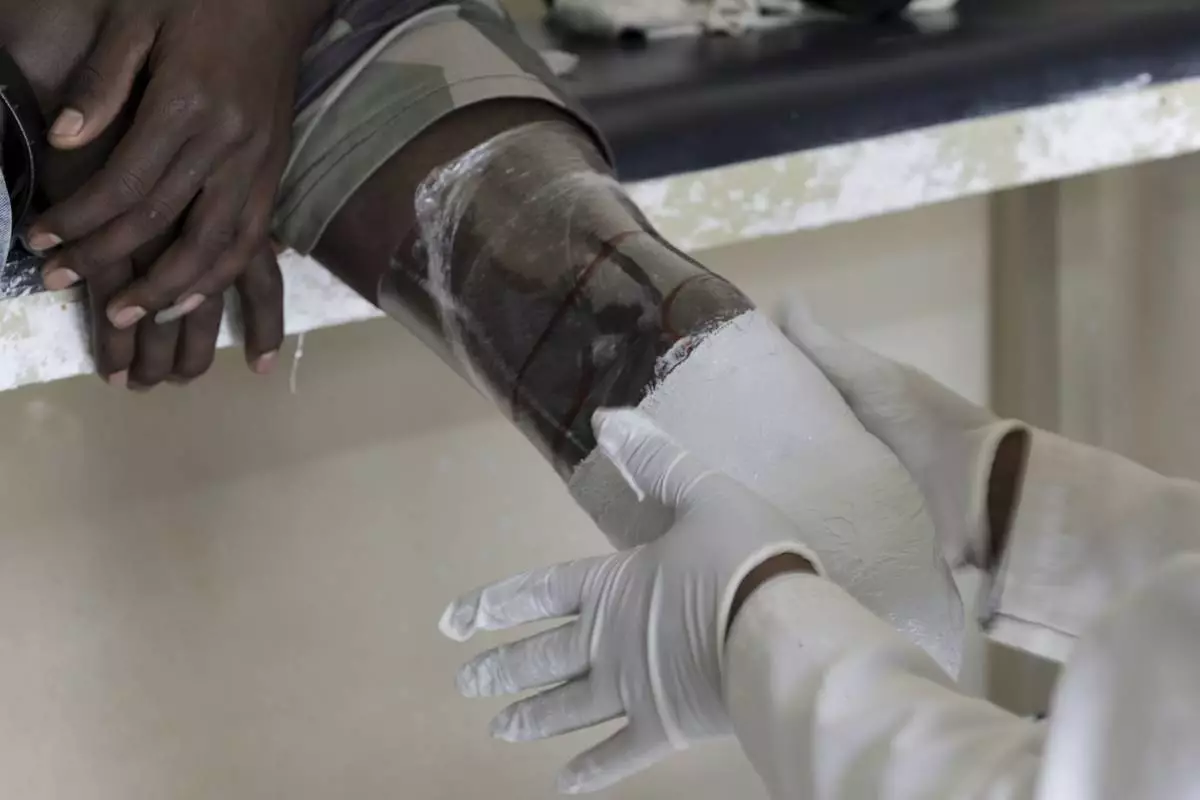
A doctor examines a man with a prosthetic leg at Ortho-Physiotherapy Centre in Mekele, Tigray region of northern Ethiopia Friday, Feb. 14, 2025. (AP Photo/Amanuel Birhane)
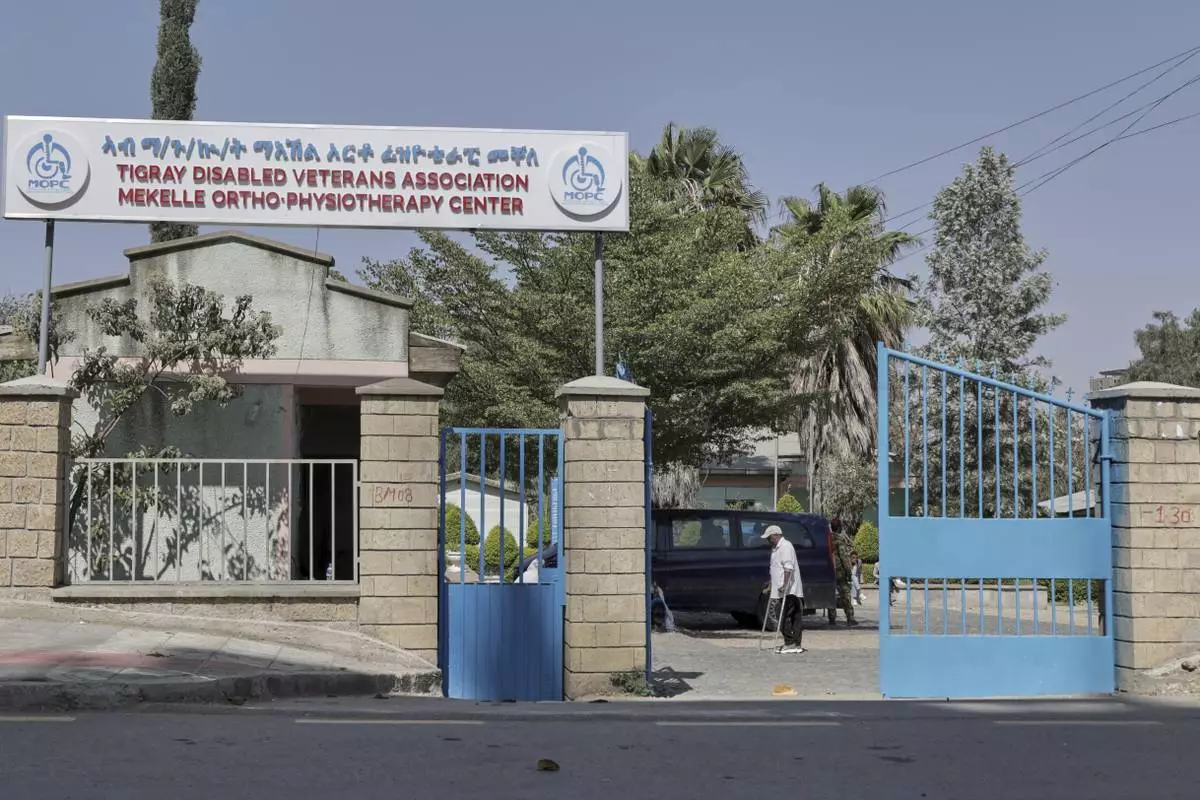
A man walks past a signpost in front of Ortho-Physiotherapy Centre at Mekele in Tigray region of northern Ethiopia Friday, Feb. 14, 2025. (AP Photo/Amanuel Birhane)
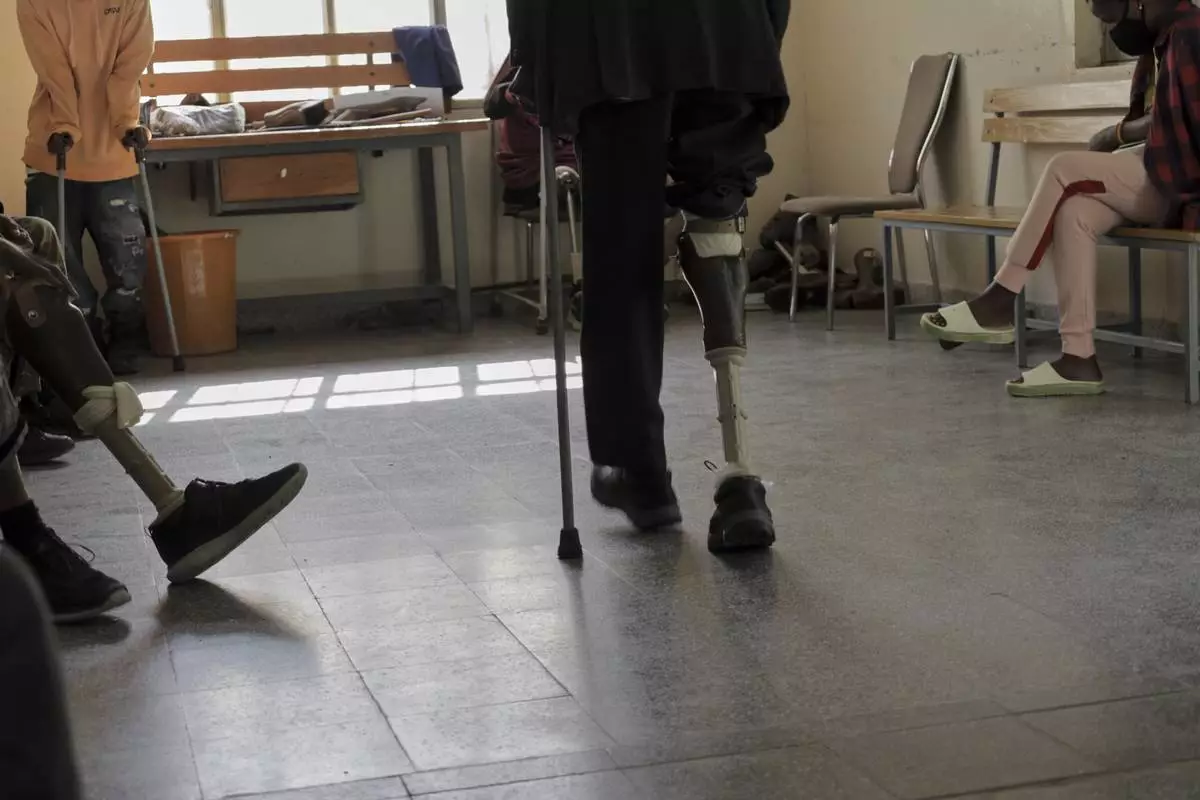
Wounded Tigrayan former combatant learn to walk on a prosthesis during a visit at Ortho-Physiotherapy Centre at Mekele in Tigray region of northern Ethiopia Friday, Feb. 14, 2025. (AP Photo/Amanuel Birhane)
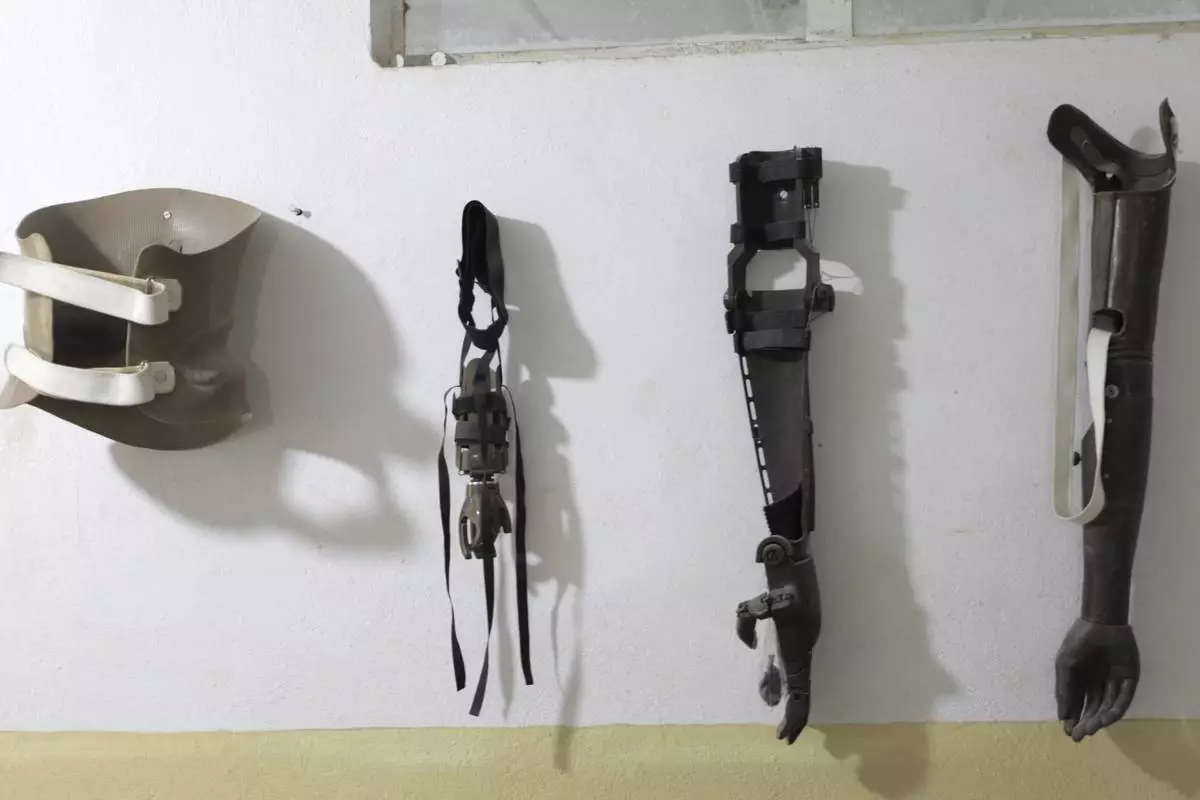
Prosthetic which have been serviced for clients, rest on a wall at Ortho-Physiotherapy Centre in Mekele, Tigray region of northern Ethiopia Friday, Feb. 14, 2025. (AP Photo/Amanuel Birhane)
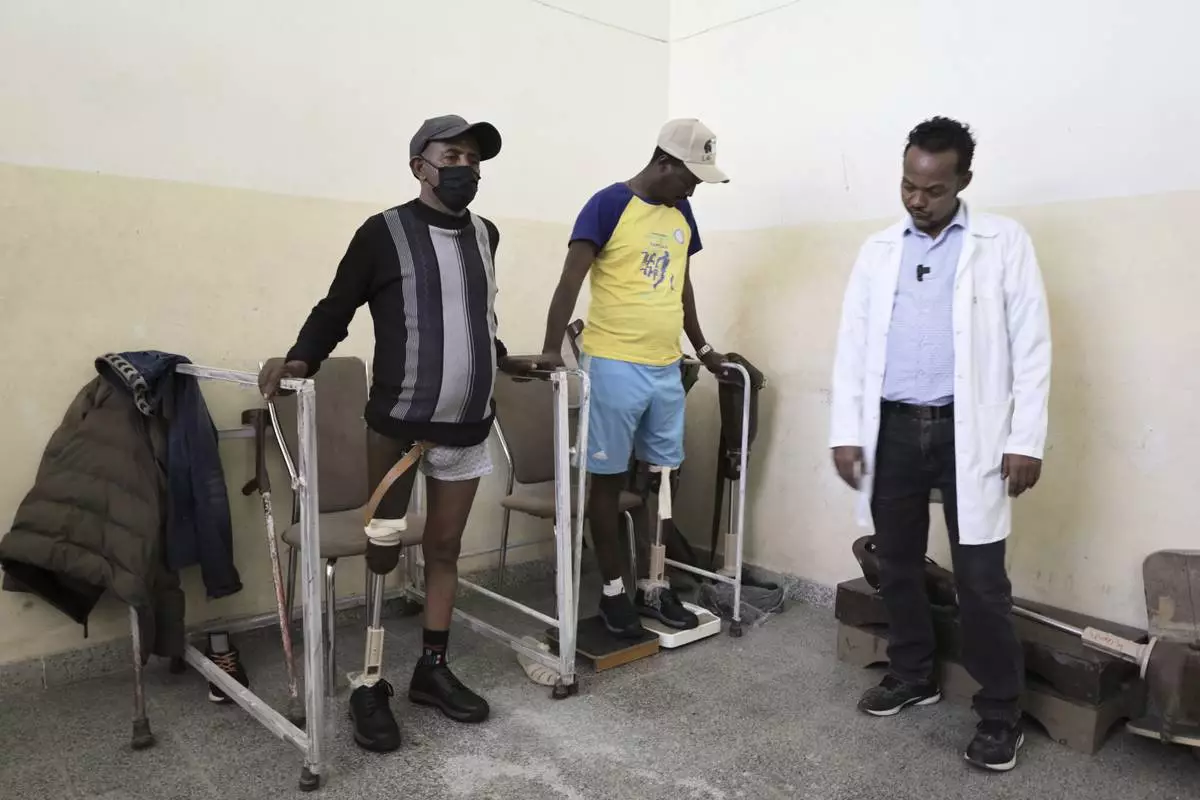
Wounded Tigrayan former combatant's of the recent war practice how to use prosthetic legs at Ortho-Physiotherapy Centre at Mekele in Tigray region of northern Ethiopia Friday, Feb. 14, 2025. (AP Photo/Amanuel Birhane)
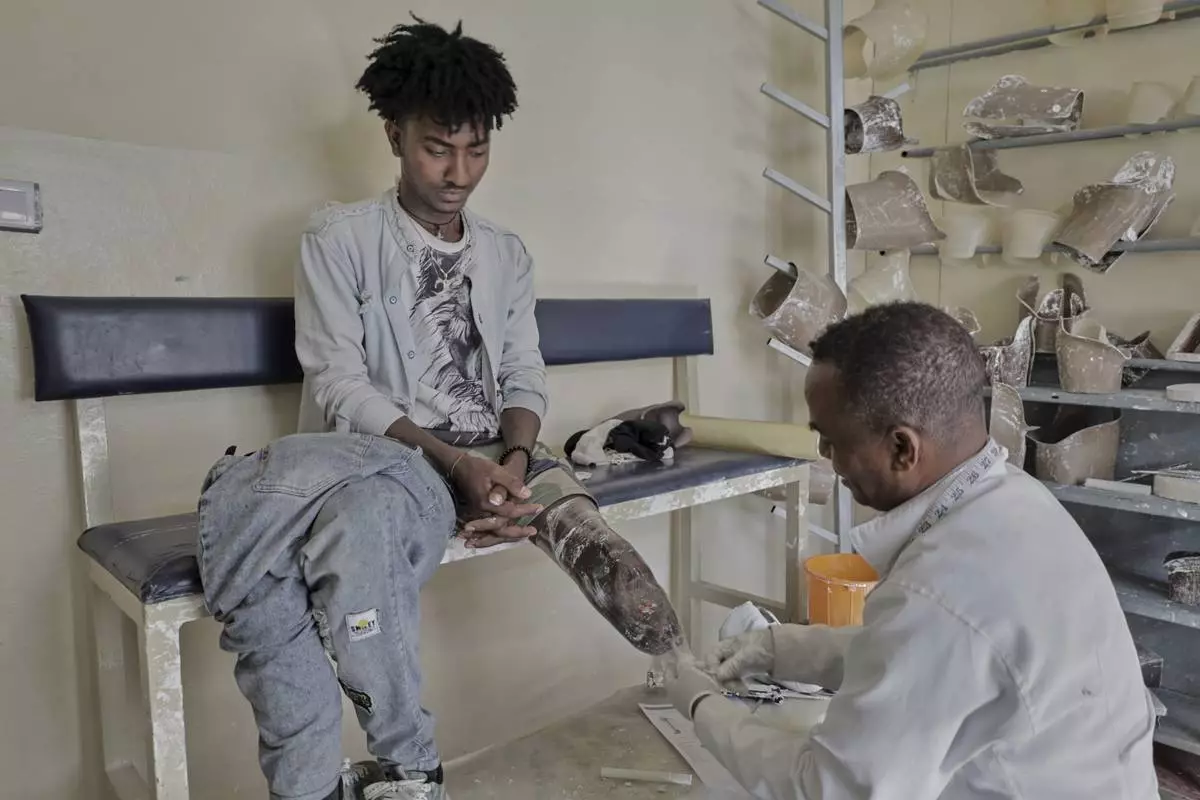
Hiluf Haile, 24-year-old, Tigrayan former combatant of the recent war being examined by a doctor at Ortho-Physiotherapy Centre in Mekele, Tigray region of northern Ethiopia Friday, Feb. 14, 2025. (AP Photo/Amanuel Birhane)
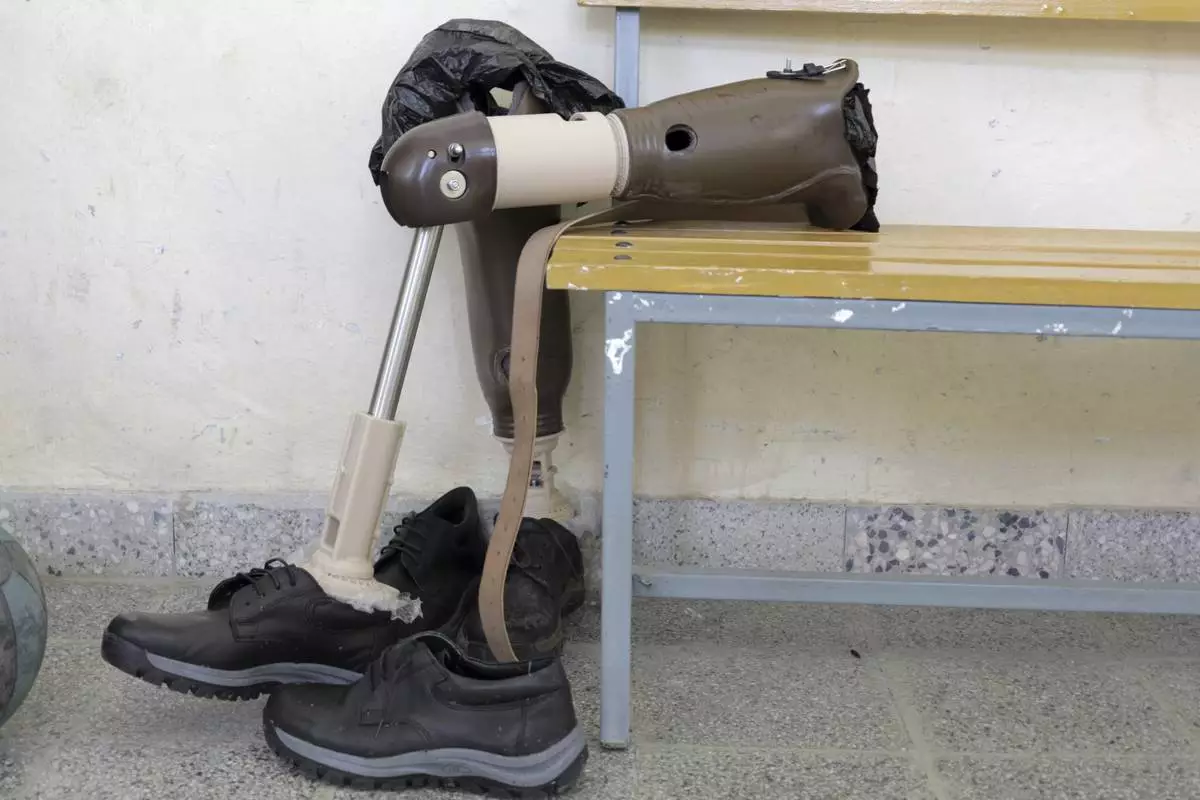
A prosthetic leg backdropped by wounded Tigrayan former combatant is seen at Ortho-Physiotherapy Centre at Mekele in Tigray region of northern Ethiopia Friday, Feb. 14, 2025. (AP Photo/Amanuel Birhane)
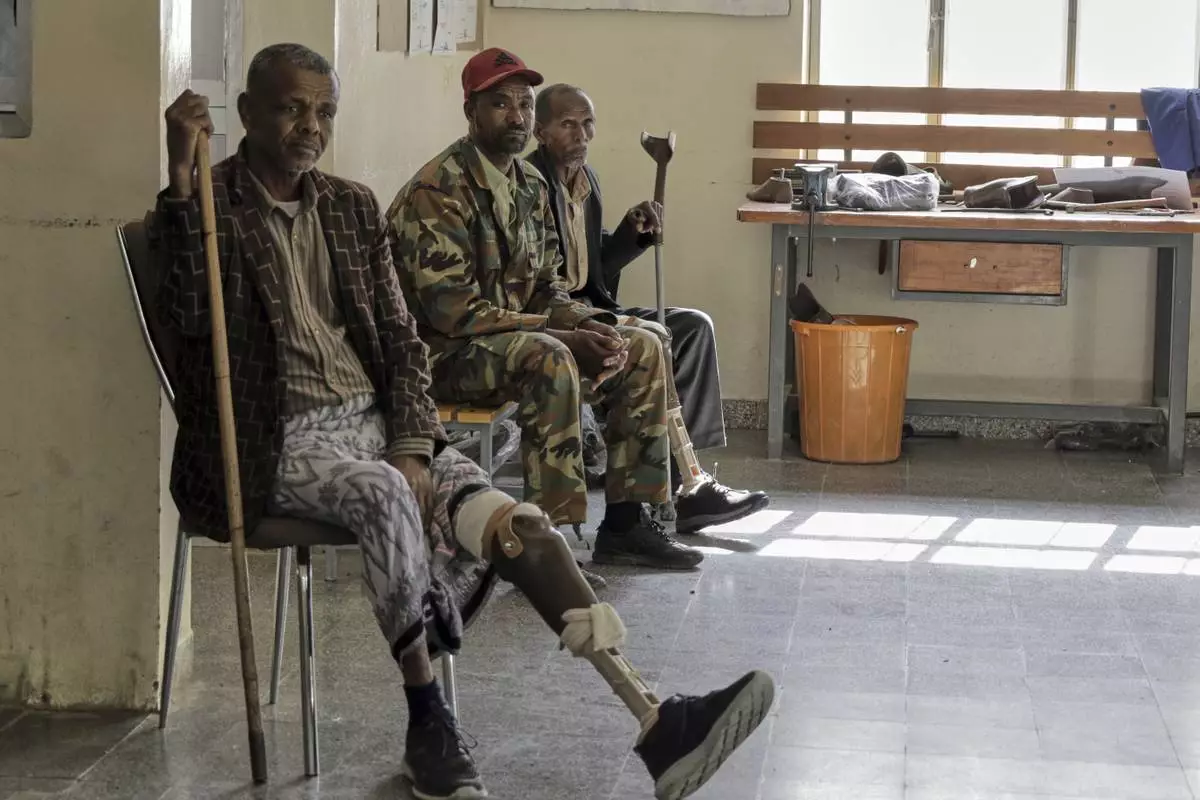
Wounded Tigrayan former combatant's of the recent war, wait to be attended at Ortho-Physiotherapy Centre at Mekele in Tigray region of northern Ethiopia Friday, Feb. 14, 2025. (AP Photo/Amanuel Birhane)
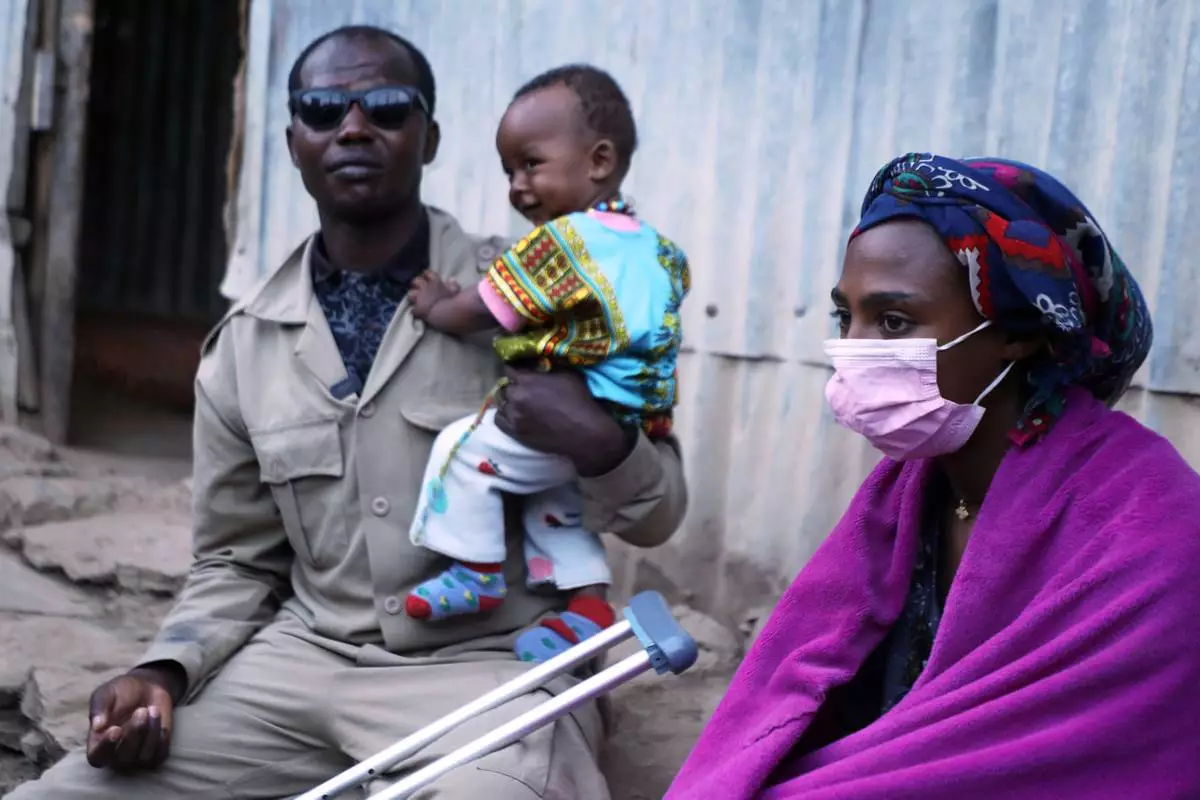
Chandera Weldesenbet, 41-year-old, left, a wounded former combatant of the recent war, sits outside his home carrying his one-and-a-half-year-old child and his wife Rahel Gebrekidan, right, in Quiha, Tigray region of northern Ethiopia Friday, Feb. 14, 2025. (AP Photo/Amanuel Birhane)