Heavy snow has gripped many parts of northeast China, prompting local authorities to take emergency response measures to ensure public safety.
An unexpected snow battered the Changbai Mountain Protection and Development Zone, a world-class tourism destination with rich natural resources, in northeast China's Jilin Province on Sunday.
The Changbai Mountain Scenic Area was closed and guided tourists to neighboring sites not hit by the snow.
Local authorities already issued warnings and carried out inspections to identify and eliminate potential hazards in advance.
Personnel and vehicles were swiftly dispatched to clear snow on the roads to restore the normal traffic. All passenger transport operations that should be halted were suspended as part of emergency response measures.
Local traffic police made up plans to ease congestion and ensure smooth traffic on road sections prone to accidents, striving to rescue stranded individuals and vehicles.
Meanwhile, many places in Liaoning Province also experienced snow from Friday to Sunday, with average precipitation exceeding 30 millimeters, according to the local meteorological department.
In Shenyang, the provincial capital, the melted snow made roads wet and caused water logging in some areas.
In response, the local authorities have taken measures to minimize the impacts of snow. The meteorological department said it would continue to monitor changes of weather and warned the public to take precautions when traveling.
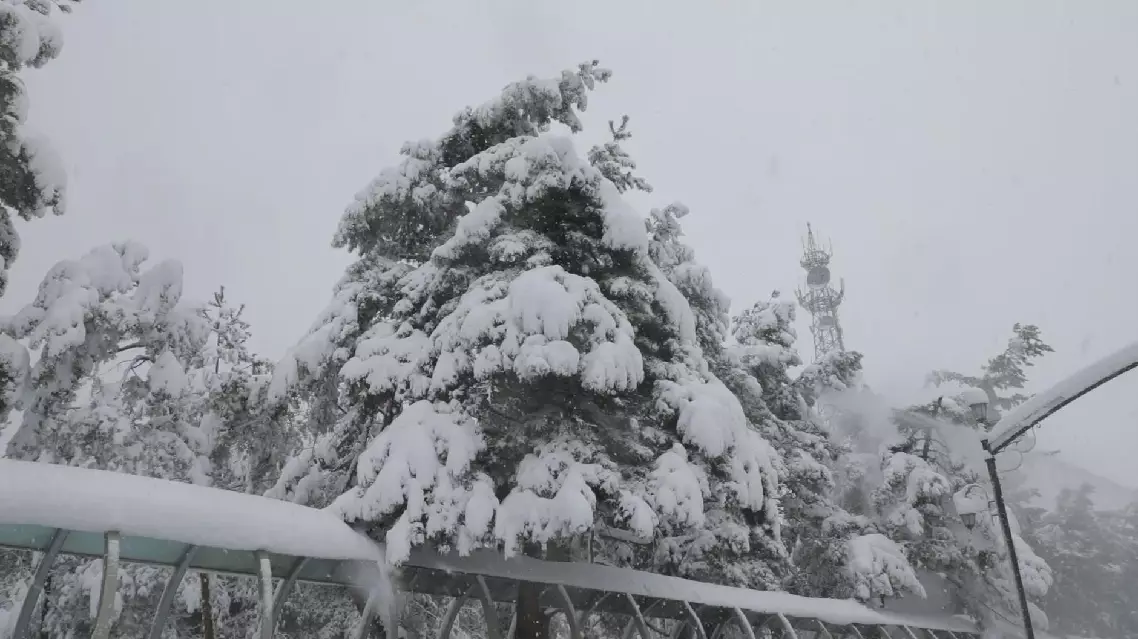
Heavy snow hits Jilin, Liaoning
The heads of the International Energy Agency, International Monetary Fund, World Bank and World Trade Organization warned on Friday that the conflict in the Middle East is putting pressure on global oil supplies and creating growing challenges for markets and the broader economy.
The leaders of the four institutions met on Thursday as part of a high-level coordination group established in April to maximize their response to the energy, trade and economic impacts of the war in the Middle East.
In a joint statement issued a day later, they said global oil stockpiles were shrinking at an unprecedented rate in response to a major disruption to supplies through the Strait of Hormuz.
They warned that unless maritime traffic returns to normal, inventories could continue to fall ahead of the Northern Hemisphere's peak summer oil demand season, heightening concerns over fuel security, market conditions and economic resilience.
The institutions also said the conflict continues to have substantial and highly uneven effects on energy supplies, food security and economic activity across the world.
Although the global economy has remained resilient, they said the burden of the crisis is falling disproportionately on the most vulnerable countries.
On Feb 28, Israel and the United States launched joint attacks on Tehran and several other Iranian cities, killing Iran's Supreme Leader Ali Khamenei, along with senior military commanders and civilians. Iran responded by launching waves of missile and drone strikes targeting Israel and U.S. assets in the Middle East, and exercising control over traffic through the Strait of Hormuz.
Iran, the United States and Israel reached a ceasefire on April 8 after 40 days of fighting. Over the past few weeks, the two sides have exchanged proposals via Pakistani mediation. In recent days, they have been working to finalize a memorandum of understanding to halt the war.
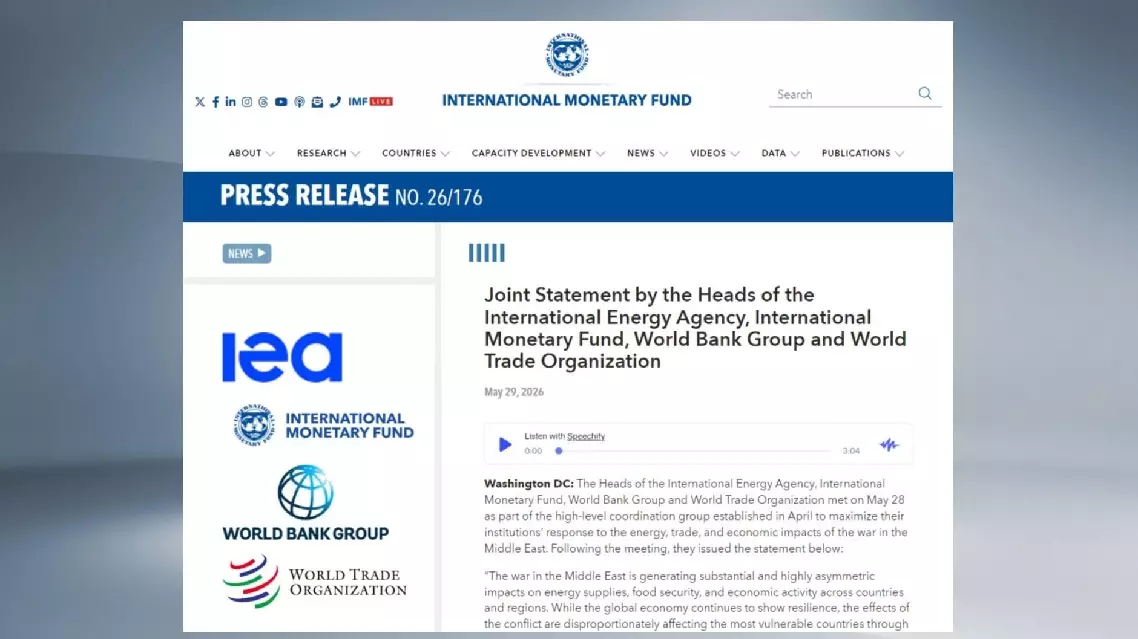
Global economic bodies warn Middle East conflict is straining oil supplies, markets