SAN FRANCISCO--(BUSINESS WIRE)--Apr 15, 2025--
Deepgram, the leading voice AI platform for enterprise use cases, today announced Aura-2, its next-generation text-to-speech (TTS) model purpose-built for real-time voice applications in mission-critical business environments. Engineered for clarity, consistency, and low-latency performance, and deployable via cloud or on-premises APIs, Aura-2 enables developers to build scalable, human-like voice experiences for automated interactions across the enterprise, including customer support, virtual agents, and AI-powered assistants. Aura-2 is built on Deepgram Enterprise Runtime—the same infrastructure that powers the company’s industry-leading speech-to-text (STT) and speech-to-speech (STS) capabilities—providing enterprises with the control, adaptability, and performance required to deploy and scale production-grade voice AI. With Aura-2, Deepgram extends its leadership in enterprise speech technology to TTS, enabling businesses to deliver natural, responsive, and contextually accurate conversations at scale. Today, more than 200,000 developers and 1,200 companies, including Fortune 500 enterprises and voice AI startups like Jack in the Box, Vapi, and OneReach.ai, build on Deepgram.
Click to Gallery
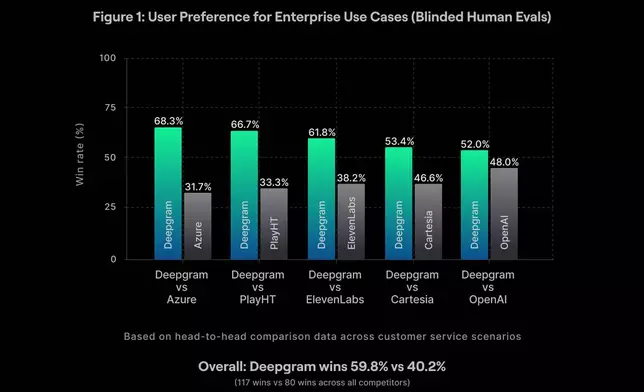
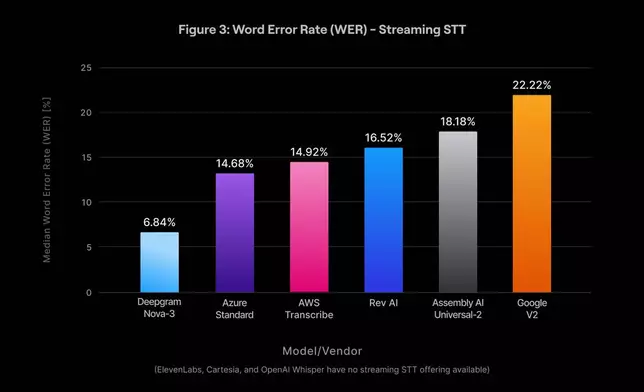
Figure 3: Word Error Rate (WER) – Streaming STT
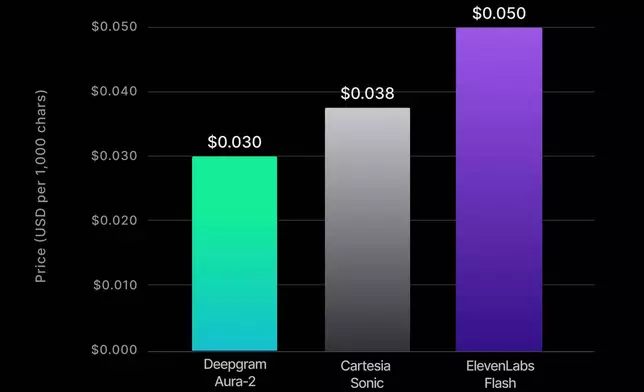
Figure 2: TTS Pricing Comparison – Aura-2 Advantage
Figure 1: User Preference for Enterprise Use Cases (Blinded Human Evals)
This press release features multimedia. View the full release here: https://www.businesswire.com/news/home/20250415446781/en/
"We’ve relied on Deepgram’s speech recognition to power real-time voice interactions at scale, so the opportunity to deploy TTS within the same enterprise-grade infrastructure is incredibly compelling," said Nikhil Gupta, CTO of Vapi. "Having both STT and TTS from a single provider significantly reduces integration complexity and latency, enabling smoother experiences for teams building conversational AI at scale."
"Aura-2’s remarkable clarity and naturalness significantly enhance our conversational AI solutions, making customer interactions smoother and more engaging,” said Thys Waanders, SVP of AI Transformation, Cognigy. “Deepgram’s ability to deliver real-time, domain-specific pronunciation at scale ensures we meet the complex needs of enterprise contact centers while maintaining efficiency and reducing costs."
Closing the Gap: Enterprise-Optimized Voice AI
In today’s TTS landscape, a significant gap exists between entertainment-focused models and the operational demands of enterprise-grade voice systems. While entertainment-focused TTS platforms are trained on and optimized for storytelling, character voices, and emotionally expressive delivery, they fall short when applied to enterprise use cases. Enterprise applications require more than natural-sounding voices—they demand domain-specific pronunciation, a professional tone, consistent contextual handling, and the ability to perform reliably, cost-effectively, and securely—often in environments that require full deployment control.
Aura-2 bridges this divide, delivering high-quality, context-aware speech designed for the scale, precision, and resilience that business-critical environments demand. Unlike entertainment-focused systems optimized for creative expression, Aura-2 reflects the priorities of enterprise voice AI, delivering benefits across key dimensions:
Domain-Specific Pronunciation Excellence – Aura-2 ensures precise handling of industry terminology, accurately pronouncing healthcare terms, financial jargon, product names, and complex numerals without special tagging. This built-in accuracy eliminates the need for extensive pronunciation dictionaries or manual intervention, ensuring clear communication in specialized fields where precision matters most.
Professional Voice Quality & Naturalness – With 40+ distinct voices spanning U.S. English and localized accents, Aura-2 delivers authentic, business-appropriate speech that avoids the overly theatrical tones common in entertainment-focused TTS. Organizations can select consistent voice personas—from "empathetic and charismatic" to "calm and professional"—that align with their brand identity across all customer touchpoints. Support for additional languages is already in development to further expand global reach.
Context-Aware Delivery – Aura-2 intelligently adjusts pacing, pauses, tone, and expression based on context—whether delivering a phone number, handling a support escalation, or navigating a transactional interaction. The result is smooth, coherent speech with uniform volume and crisp articulation throughout.
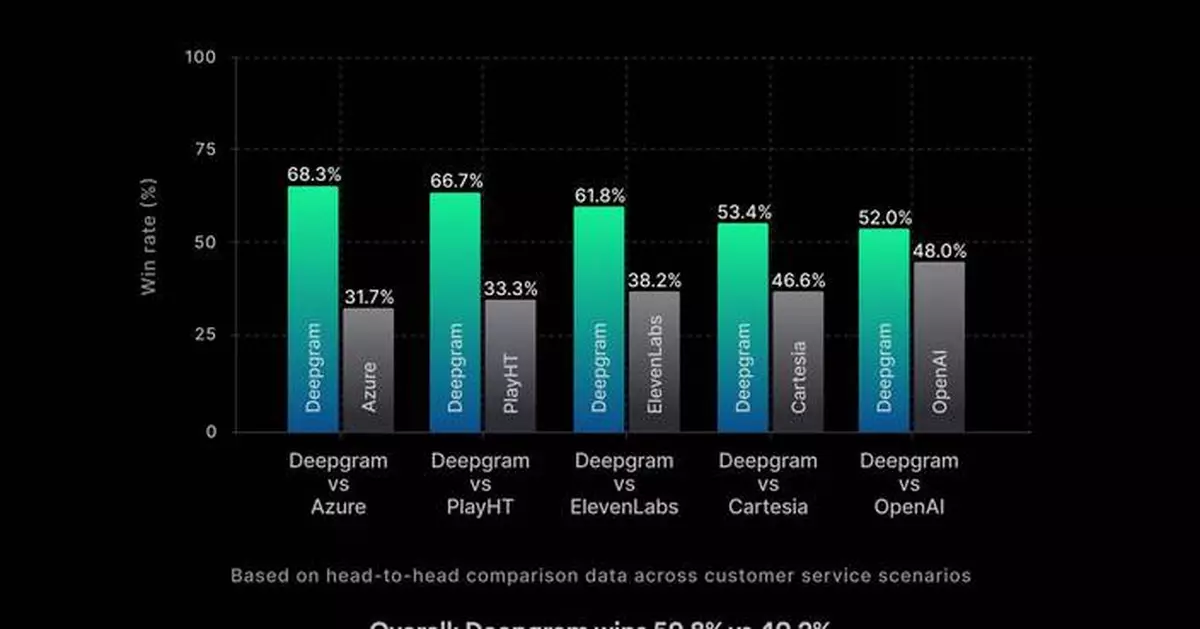
These voice and delivery advantages translate into real user preference. In head-to-head comparisons across enterprise scenarios, Deepgram came out on top nearly 60% of the time.
Real-Time Performance at Scale – Aura-2 is optimized for real-world enterprise workloads, delivering sub-200ms time-to-first-byte (TTFB) for ultra-responsive interactions. It efficiently supports thousands of concurrent requests while maintaining consistently low latency and high-quality speech output across high-volume deployments—from call centers to virtual assistants. For teams with strict security or data residency requirements, deploying Aura-2 on-premises or in a VPC not only ensures full control—it can also reduce latency by eliminating round trips to the cloud.
Cost-Effectiveness at Scale – Aura-2 delivers enterprise-grade speech with transparent pricing optimized for volume. At $0.030 per 1,000 characters, it offers substantial savings compared to alternatives like ElevenLabs Turbo ($0.050) and Cartesia Sonic ($0.038). Deepgram's usage-based model includes all 40+ voices at a single rate with no hidden fees and offers tiered enterprise pricing to significantly reduce costs for high-volume implementations. This approach eliminates quality/cost tradeoffs, enabling consistent voice experiences across all touchpoints without sacrificing performance to control costs.
“Our customers need more than just voices that sound good—they need voices that communicate precisely and reliably in professional contexts,” said Scott Stephenson, CEO of Deepgram. “Aura-2 delivers the perfect balance of natural speech and enterprise-grade accuracy, enabling organizations to create voice experiences that truly enhance customer engagement while maintaining operational efficiency.”
"Aura-2 sets a new bar for enterprise-grade TTS. The clarity, consistency, and low latency it delivers have been game changers for our AI agent experiences," said Bernardo Aceituno, Co-Founder at Stack AI. "With Deepgram's voice synthesis, we're able to build workflows that not only sound more human but also perform with the reliability enterprises demand."
"We chose Deepgram because it delivers both STT and TTS with the speed, cost-efficiency, and accuracy we need to support real-time interactions at scale," said Caesar Gui, CEO, LockedIn AI. "Aura-2’s responsiveness and quality let us create AI agents that feel natural in conversation—and having one provider across the voice stack means faster iteration and fewer integration headaches.”
Enterprise-Grade Architecture for Real-Time Applications
Aura-2 is powered by Deepgram Enterprise Runtime (DER)—a custom-built infrastructure layer that runs all of Deepgram’s speech models. Designed specifically for enterprise-grade performance, DER orchestrates voice AI in real time with the speed, reliability, and adaptability required for production-scale deployments. Key capabilities include:
By running on DER, Aura-2 inherits an enterprise-grade foundation built for mission-critical performance. This architectural advantage means organizations can deploy advanced TTS capabilities while maintaining the same operational standards for security, reliability, and scalability that define Deepgram's trusted platform. Unlike providers limited to cloud-only deployments, Deepgram offers true deployment flexibility—with symmetric performance across cloud, VPC, and on-premises environments—so enterprises can meet security and infrastructure requirements without tradeoffs. Rather than managing separate systems with different operational characteristics, enterprises gain a cohesive voice AI infrastructure designed for production environments.
Deepgram's STT Leadership Strengthens TTS Capabilities
Deepgram's proven leadership in STT gives Aura-2 a distinct advantage in delivering accurate, production-ready TTS. By running on the same enterprise runtime that powers Nova-3 for speech recognition and the Voice Agent API for conversational AI, Aura-2 benefits from shared learning, unified deployment, and a seamless developer experience. This deep integration across Deepgram's voice AI stack eliminates the operational complexity and debugging challenges that typically arise from stitching together tools from multiple vendors.
"Our years developing Nova-3 and other STT models gave us deep insight into real-world speech patterns," said Natalie Rutgers, VP of Product at Deepgram. "With the Enterprise Runtime, Aura-2 directly leverages our acoustic models and pronunciation datasets to deliver precise, industry-specific speech synthesis in real time."
This unified architecture enables continuous cross-model learning, where improvements in speech recognition automatically enhance speech synthesis through the shared runtime. As the platform learns and adapts to your specific industry terminology and user interactions, it transforms isolated voice components into a cohesive voice AI platform that strengthens with every interaction. The result for enterprises is measurably better performance: consistent pronunciation across systems, reduced end-to-end latency, and real-time model customization—all with the same platform reliability that has made Deepgram the gold standard in voice AI infrastructure.
See Aura-2 in Action
Start building with enterprise-grade TTS today. Experience Aura-2 instantly through our interactive playground or explore in-depth product capabilities at deepgram.com. New users receive $200 in free credits—enough to generate over 13 million characters (~220 hours of speech). Take the first step toward transforming your voice applications with Deepgram's industry-leading technology.
Additional Resources:
About Deepgram
Deepgram is the leading voice AI platform for enterprise use cases, offering speech-to-text (STT), text-to-speech (TTS), and full speech-to-speech (STS) capabilities–all powered by our enterprise-grade runtime. 200,000+ developers build with Deepgram’s voice-native foundational models – accessed through cloud APIs or as self-hosted / on-premises APIs – due to our unmatched accuracy, low latency, and pricing. Customers include technology ISVs building voice products or platforms, co-sell partners working with large enterprises, and enterprises solving internal use cases. Having processed over 50,000 years of audio and transcribed over 1 trillion words, there is no organization in the world that understands voice better than Deepgram. To learn more, visit www.deepgram.com, read our developer docs, or follow @DeepgramAI on X and LinkedIn.
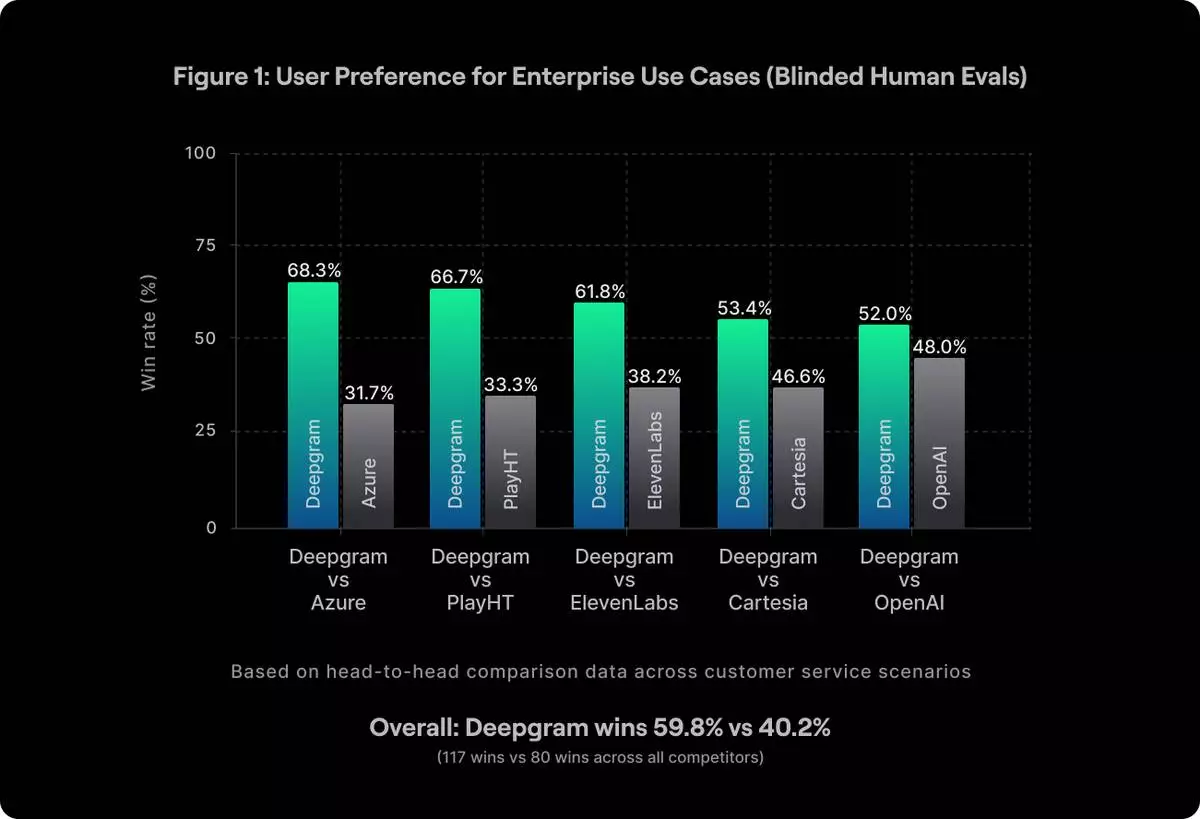

Figure 3: Word Error Rate (WER) – Streaming STT
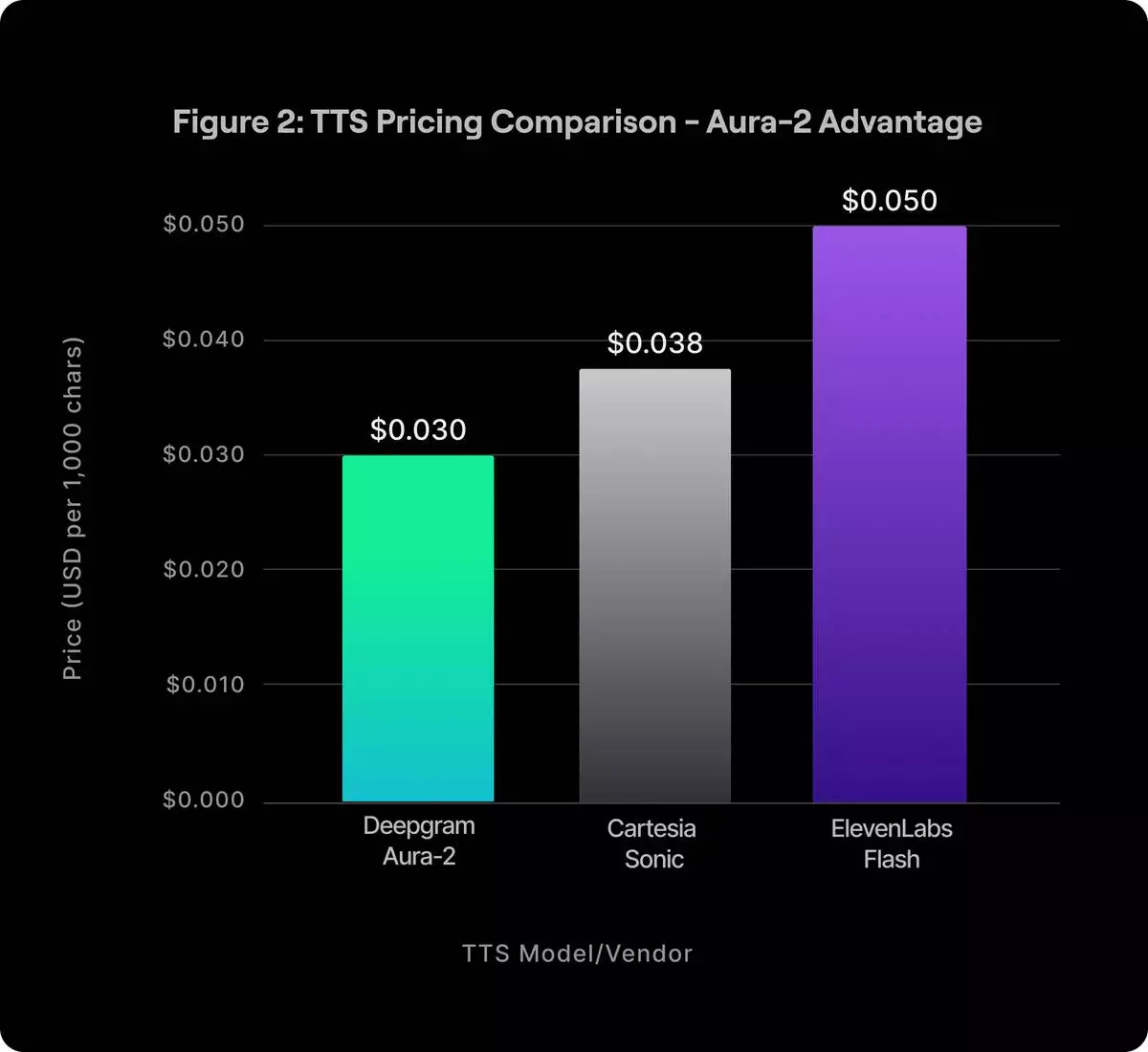
Figure 2: TTS Pricing Comparison – Aura-2 Advantage
Figure 1: User Preference for Enterprise Use Cases (Blinded Human Evals)