An official from the Malaysia-China Chamber of Commerce has emphasized the growing level of economic cooperation between Malaysia and China, underscoring the long-term benefits of their partnership amid the current global trade challenges.
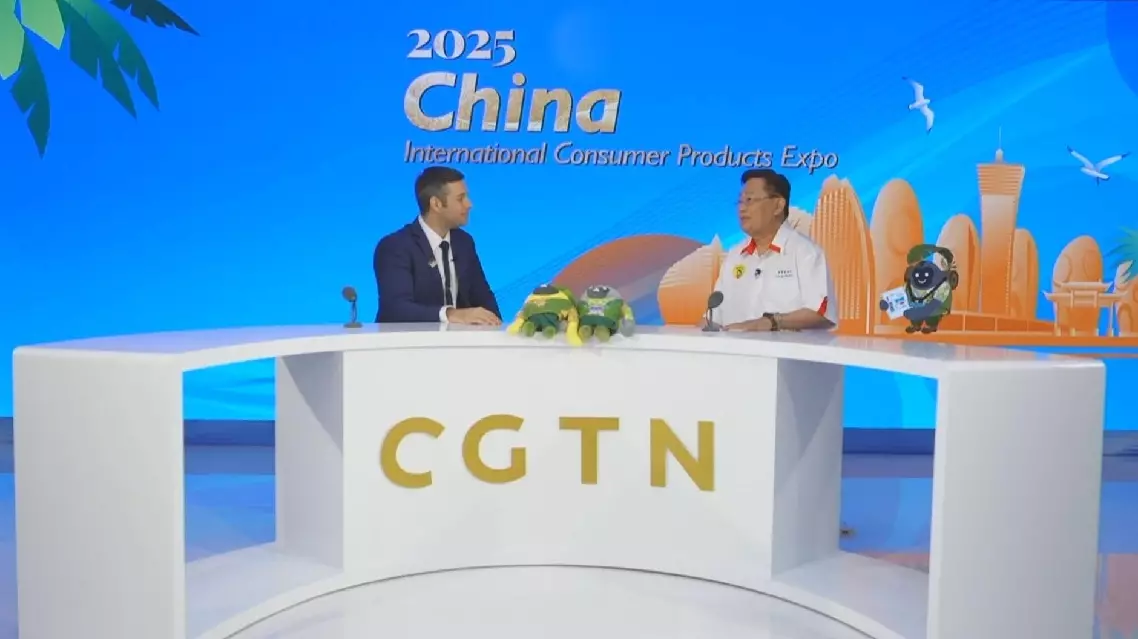
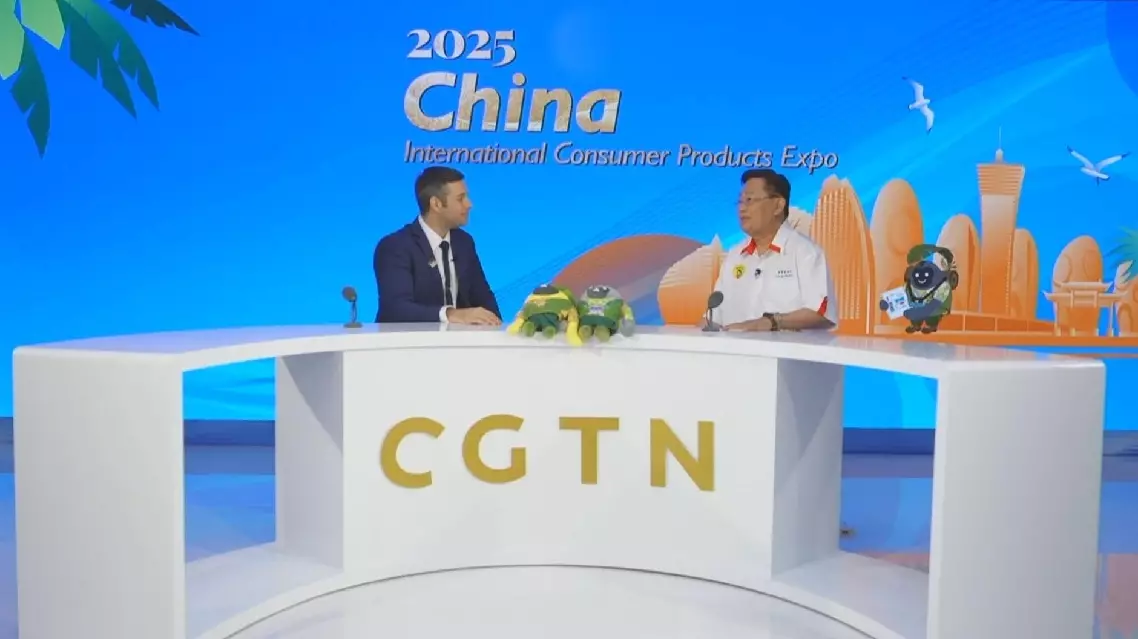
Jeffrey Ng Chin Heng, the chamber's vice president, is currently in Haikou, capital of south China's Hainan Province, where he is attending the ongoing fifth China International Consumer Products Expo (CICPE), which has drawn more than 4,000 global brands from over 70 countries and regions.
In an interview with the China Global Television Network (CGTN) on Monday, one day before Chinese President Xi Jinping arrived to begin a state visit to Malaysia, Ng gave his assessment of China-Malaysia relations, highlighting Malaysia's commitment to fair trade, its expanding role in digital infrastructure, and the deep cultural ties fostering long-term collaboration with China.
When asked how Malaysia and China are evolving their relationship to navigate rising trade protectionism and U.S. tariffs, Ng stressed the importance of maintaining an open trade environment without resorting to trade wars.
"As my government was trying to say, we do not want to be involved in trade wars. We want to have a so-called fair trade together with all parties, even the U.S., even China. We want to be [part] of international trade with everybody. So there [should be] no trade war -- the word 'trade wars' -- in our countries. We want to make friends," said Ng.
Looking ahead, Ng pointed to Malaysia's competitive advantages, particularly its low land costs, which make it an attractive destination for investment. He also noted Malaysia’s increasing role in the global tech manufacturing industry, particularly as its relationship with China has deepened over the years.
"Malaysia is giving an opportunity to supply semiconductors in the world. 5G, a lot of this AI -- a lot of this infrastructure is set up in Malaysia. So the next current 10 years and 20 years, I see a lot of this collaboration between Malaysia and China. And China's productions are moving from China to Malaysia, [they are opening] factories to set up and expand their base to produce for the world market," he said.
Ng also pointed to the deep cultural and historical ties between Malaysia and China, which he says serve as a solid foundation for deeper cooperation in the future.
"There are a lot of people from Hainan in Malaysia. So the bilateral trade is actually coming from the root. And I'm sure a lot of Chinese from China find that when they arrive in Malaysia, [it feels] like a home base. They speak their own dialect, they have their own culture, they have their own, maybe, food and relations. So this makes them very closely tied. And I'm sure [when] they are coming to Malaysia, they have a benefit of language, they have a benefit of trade in terms of RMB and Malaysian ringgit. The last ten years, especially the last two years, I find that more and more Chinese conglomerates or businessmen are moving [and] coming to Malaysia," said Ng.
The six-day expo in Haikou will run until Friday.
Malaysia, China set to deepen collaboration in coming decade: official
Malaysia, China set to deepen collaboration in coming decade: official