OpenAI has named labor leader Dolores Huerta and three others to a temporary advisory board that will help guide the artificial intelligence company's philanthropy as it attempts to shift itself into a for-profit business.
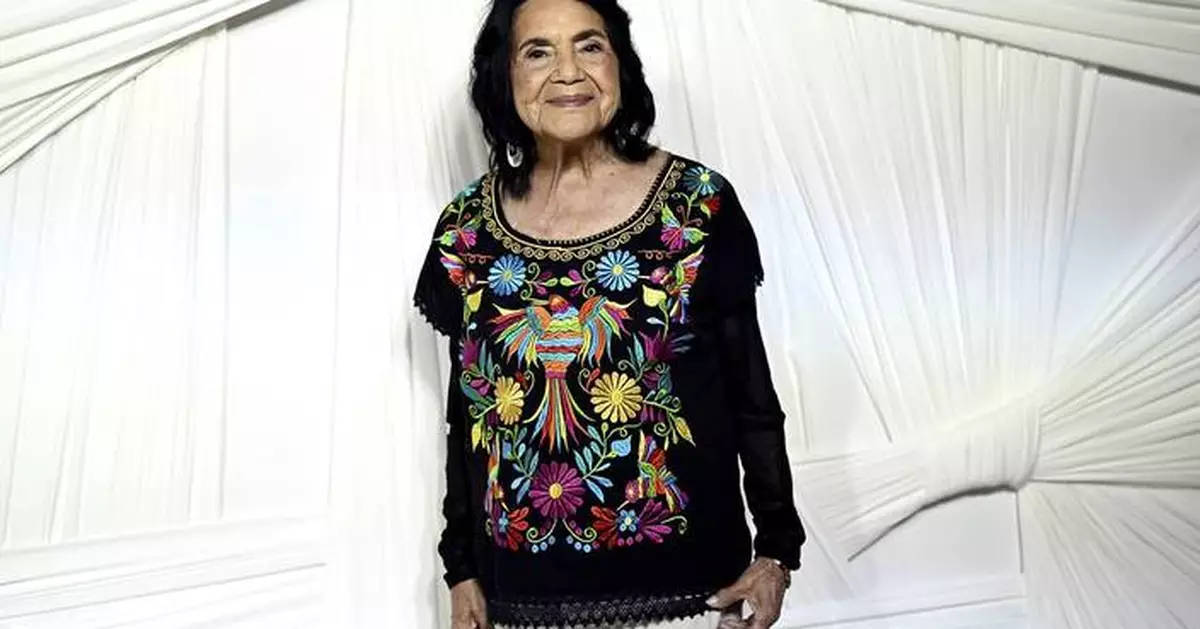
Huerta, who turned 95 last week, formed the first farmworkers union with Cesar Chavez in the early 1960s and will now voice her ideas on the direction of philanthropic initiatives that OpenAI says will consider “both the promise and risks of AI.”
The group will have just 90 days to make their suggestions.
“She recognizes the significance of AI in today’s world and anybody who’s been paying attention for the last 50 years knows she will be a force in this conversation,” said Daniel Zingale, the convener of OpenAI's new nonprofit commission and a former adviser to three California governors.
Huerta’s advice won’t be binding but the presence of a social activist icon could be influential as OpenAI CEO Sam Altman attempts a costly restructuring of the San Francisco company's corporate governance, which requires the approval of California's attorney general and others.
Another coalition of labor leaders and nonprofits recently petitioned state Attorney General Rob Bonta, a Democrat, to investigate OpenAI, halt the proposed conversion and “protect billions of dollars that are under threat as profit-driven hunger for power yields conflicts of interest.”
OpenAI, the maker of ChatGPT, started out in 2015 as a nonprofit research laboratory dedicated to safely building better-than-human AI that benefits humanity.
It later formed a for-profit arm and shifted most of its staff there, but is still controlled by a nonprofit board of directors. It is now trying to convert itself more fully into a for-profit corporation but faces a number of hurdles, including getting the approval of California and Delaware attorneys general, potentially buying out the nonprofit's pricy assets and fighting a lawsuit from co-founder and early investor Elon Musk.
Backed by Japanese tech giant SoftBank, OpenAI last month said it’s working to raise $40 billion in funding, putting its value at $300 billion.
Huerta will be joined on the new advisory commission by former Spanish-language media executive Monica Lozano; Robert Ross, the recently retired president of The California Endowment; and Jack Oliver, an attorney and longtime Republican campaign fundraiser. Zingale, the group's convener, is a former aide to California governors including Democrat Gavin Newsom and Republican Arnold Schwarzenegger.
“We’re interested in how you put the power of AI in the hands of everyday people and the community organizations that serve them,” Zingale said in an interview Wednesday. “Because, if AI is going to bring a renaissance, or a dark age, these are the people you want to tip the scale in favor of humanity.”
The group is now tasked with gathering community feedback for the problems OpenAI's philanthropy could work to address. But for California nonprofit leaders pushing for legal action from the state attorney general, it doesn't alter what they view as the state's duty to pause the restructuring, assess the value of OpenAI's charitable assets and make sure they are used in the public's interest.
“As impressive as the individual members of OpenAI’s advisory commission are, the commission itself appears to be a calculated distraction from the core problem: OpenAI misappropriating its nonprofit assets for private gain," said Orson Aguilar, the CEO and founding president of LatinoProsperity, in a written statement.
——————————-
The Associated Press and OpenAI have a licensing and technology agreement that allows OpenAI access to part of AP’s text archives.
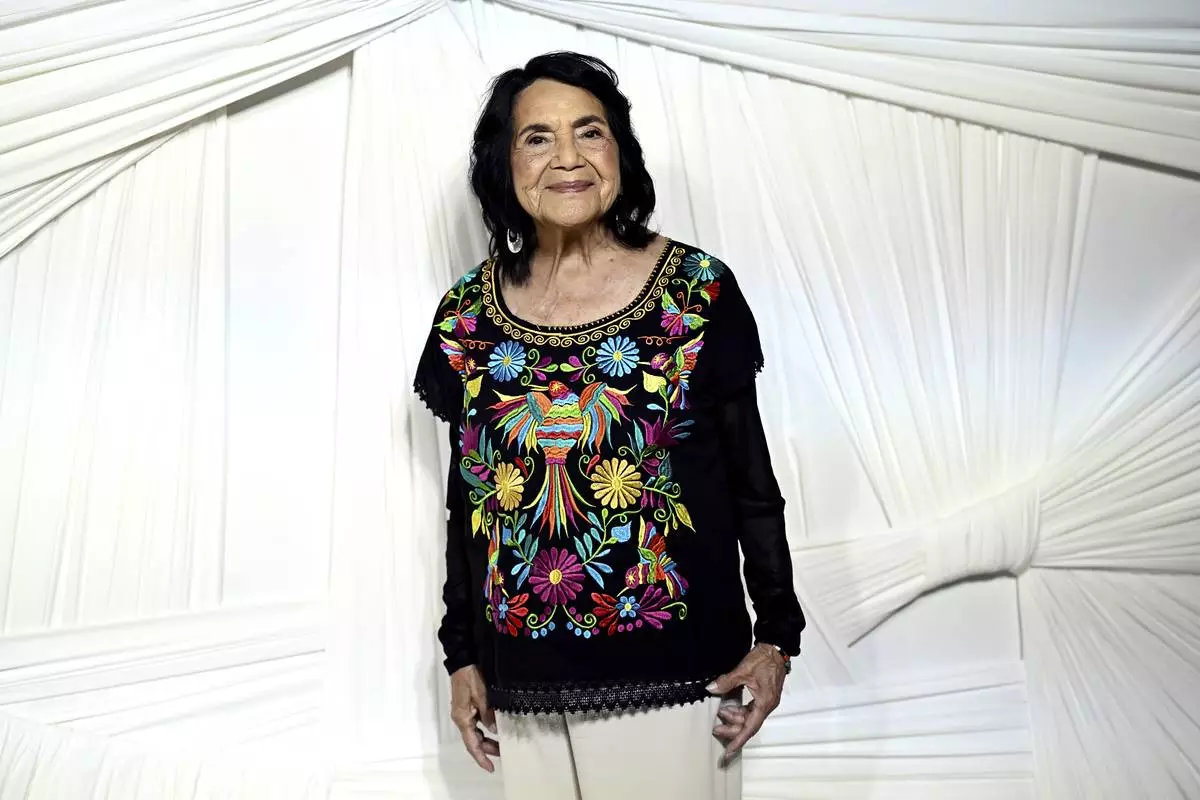
FILE - Honoree Dolores Huerta attends The Albies hosted by the Clooney Foundation for Justice at the New York Public Library on Thursday, Sept. 26, 2024, in New York. (Photo by Evan Agostini/Invision/AP, file)
NEW YORK (AP) — Thousands of nurses in three hospital systems in New York City went on strike Monday after negotiations through the weekend failed to yield breakthroughs in their contract disputes.
The strike was taking place at The Mount Sinai Hospital and two of its satellite campuses, with picket lines forming. The other affected hospitals are NewYork-Presbyterian and Montefiore Medical Center in the Bronx.
About 15,000 nurses are involved in the strike, according to New York State Nurses Association.
“After months of bargaining, management refused to make meaningful progress on core issues that nurses have been fighting for: safe staffing for patients, healthcare benefits for nurses, and workplace violence protections,” the union said in a statement issued Monday. “Management at the richest hospitals in New York City are threatening to discontinue or radically cut nurses’ health benefits.”
The strike, which comes during a severe flu season, could potentially force the hospitals to transfer patients, cancel procedures or divert ambulances. It could also put a strain on city hospitals not involved in the contract dispute, as patients avoid the medical centers hit by the strike.
The hospitals involved have been hiring temporary nurses to try and fill the labor gap during the walkout, and said in a statement during negotiations that they would “do whatever is necessary to minimize disruptions.” Montefiore posted a message assuring patients that appointments would be kept.
“NYSNA’s leaders continue to double down on their $3.6 billion in reckless demands, including nearly 40% wage increases, and their troubling proposals like demanding that a nurse not be terminated if found to be compromised by drugs or alcohol while on the job," Montefiore spokesperson Joe Solmonese said Monday after the strike had started. "We remain resolute in our commitment to providing safe and seamless care, regardless of how long the strike may last.”
New York-Presbyterian accused the union of staging a strike to “create disruption,” but said in a statement that it has taken steps to ensure patients receive the care they need.
"We’re ready to keep negotiating a fair and reasonable contract that reflects our respect for our nurses and the critical role they play, and also recognizes the challenging realities of today’s healthcare environment,” the statement said.
The work stoppage is occurring at multiple hospitals simultaneously, but each medical center is negotiating with the union independently. Several other hospitals across the city and in its suburbs reached deals in recent days to avert a possible strike.
The nurses’ demands vary by hospital, but the major issues include staffing levels and workplace safety. The union says hospitals have given nurses unmanageable workloads.
Nurses also want better security measures in the workplace, citing incidents like a an incident last week, when a man with a sharp object barricaded himself in a Brooklyn hospital room and was then killed by police.
The union also wants limitations on hospitals’ use of artificial intelligence.
The nonprofit hospitals involved in the negotiations say they’ve been working to improve staffing levels, but say the union’s demands overall are too costly.
Nurses voted to authorize the strike last month.
Both New York Gov. Kathy Hochul and Mayor Zohran Mamdani had expressed concern about the possibility of the strike. As the strike deadline neared, Mamdani urged both sides to keep negotiating and reach a deal that “both honors our nurses and keeps our hospitals open.”
“Our nurses kept this city alive through its hardest moments. Their value is not negotiable,” Mamdani said.
State Attorney General Letitia James voiced similar support, saying "nurses put their lives on the line every day to keep New Yorkers healthy. They should never be forced to choose between their own safety, their patients’ well-being, and a fair contract.”
The last major nursing strike in the city was only three years ago, in 2023. That work stoppage, at Mount Sinai and Montefiore, was short, lasting three days. It resulted in a deal raising pay 19% over three years at those hospitals.
It also led to promised staffing improvements, though the union and hospitals now disagree about how much progress has been made, or whether the hospitals are retreating from staffing guarantees.
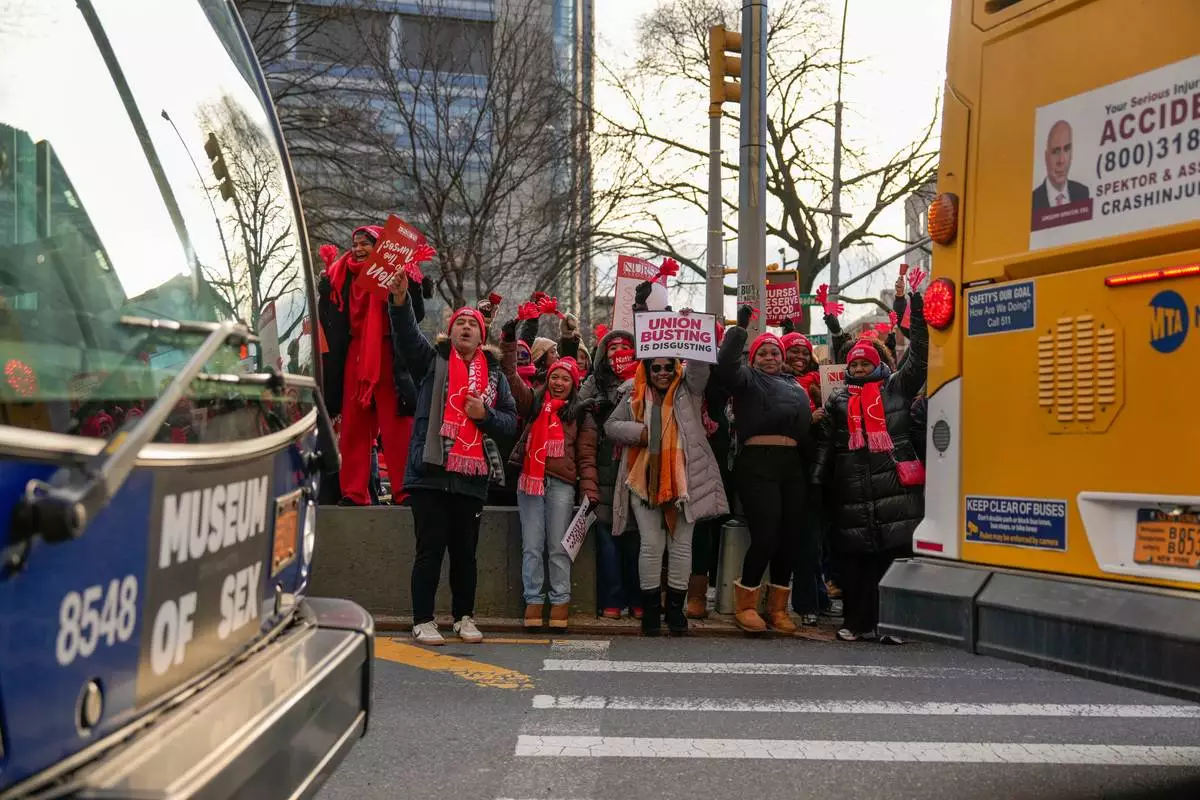
Nurses strike outside New York-Presbyterian Hospital, Monday, Jan. 12, 2026, in New York. (AP Photo/Yuki Iwamura)
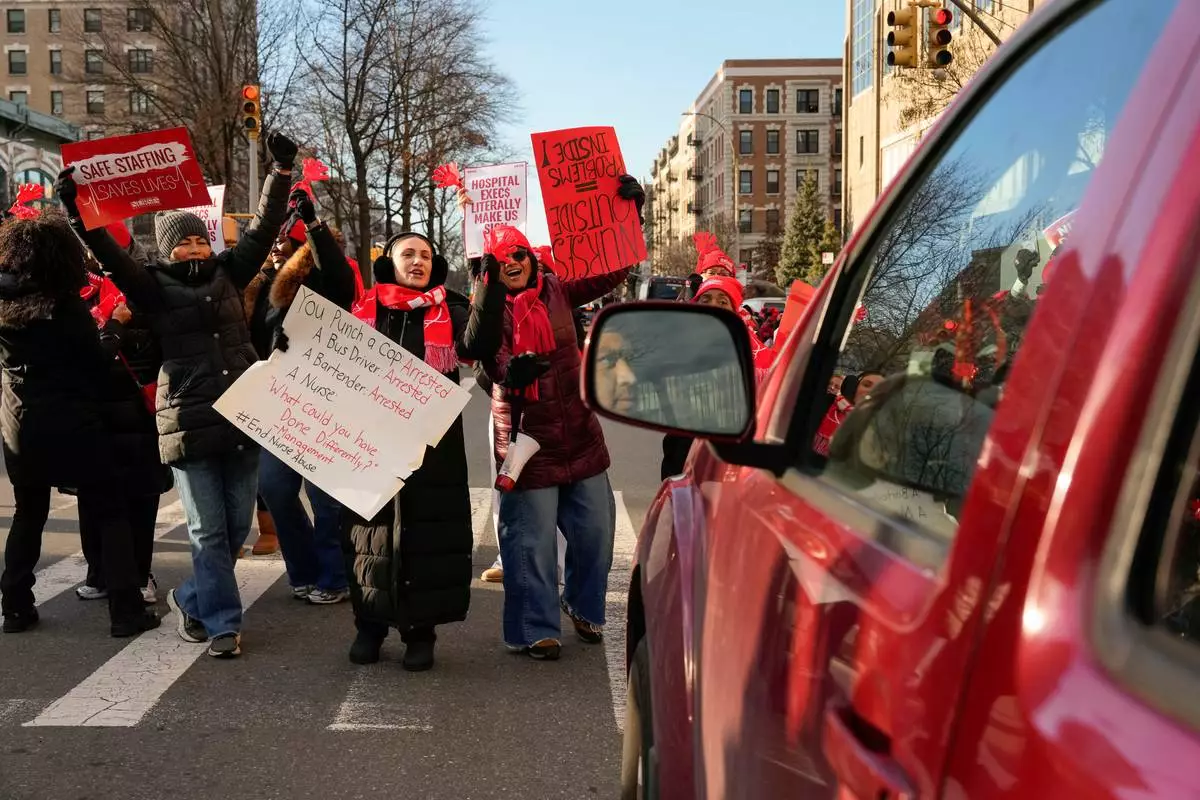
Nurses strike outside New York-Presbyterian Hospital, Monday, Jan. 12, 2026, in New York. (AP Photo/Yuki Iwamura)
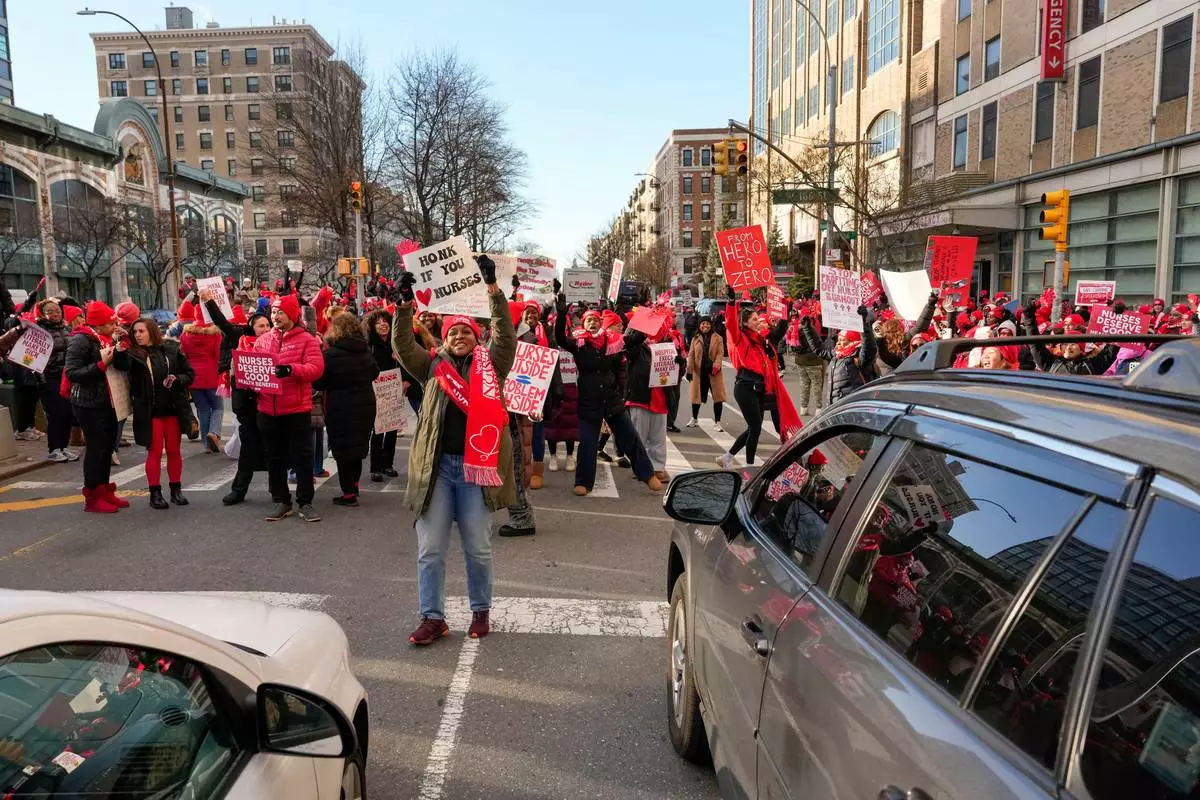
Nurses strike outside New York-Presbyterian Hospital, Monday, Jan. 12, 2026, in New York. (AP Photo/Yuki Iwamura)
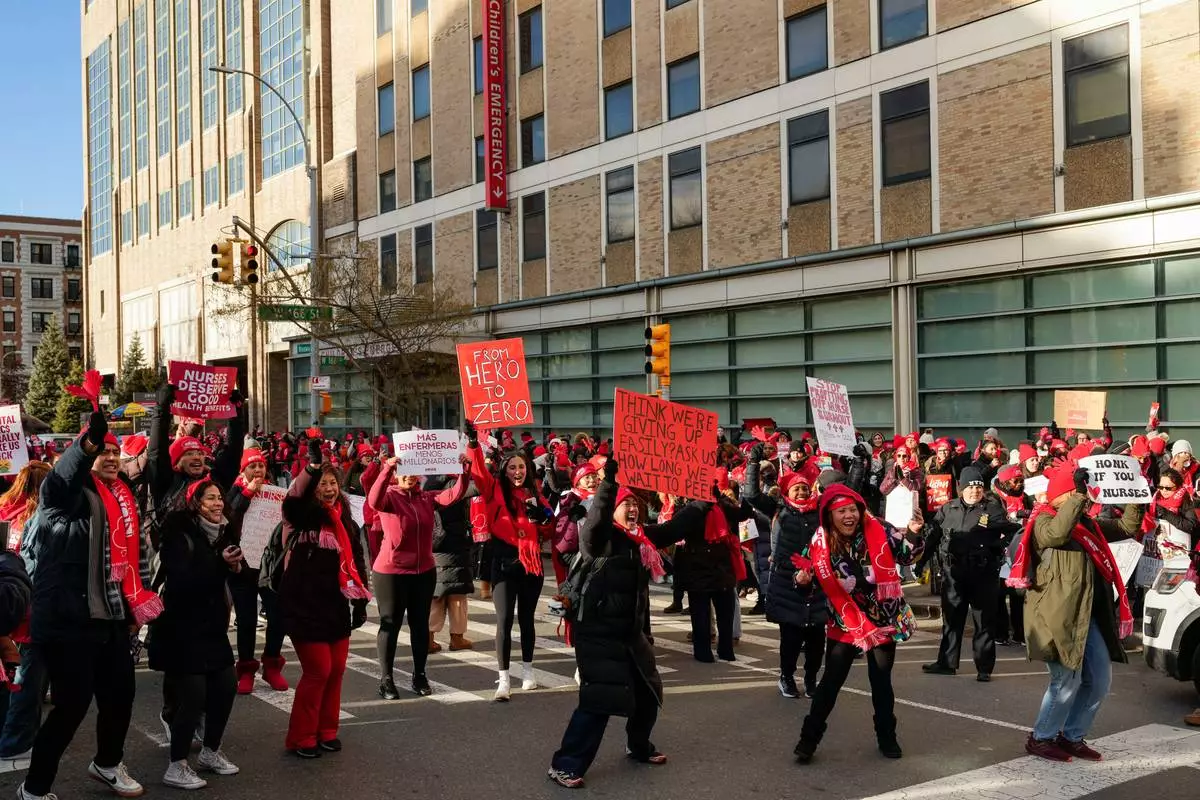
Nurses strike outside New York-Presbyterian Hospital, Monday, Jan. 12, 2026, in New York. (AP Photo/Yuki Iwamura)
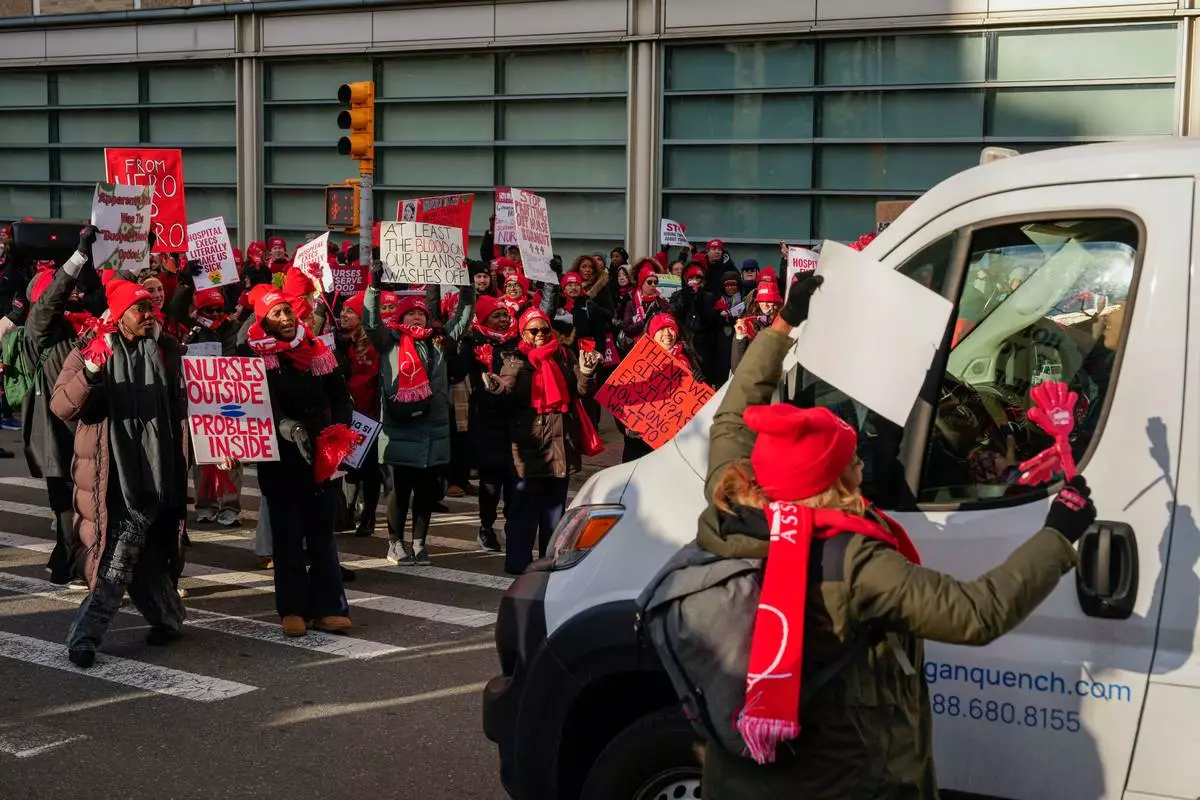
Nurses strike outside New York-Presbyterian Hospital, Monday, Jan. 12, 2026, in New York. (AP Photo/Yuki Iwamura)
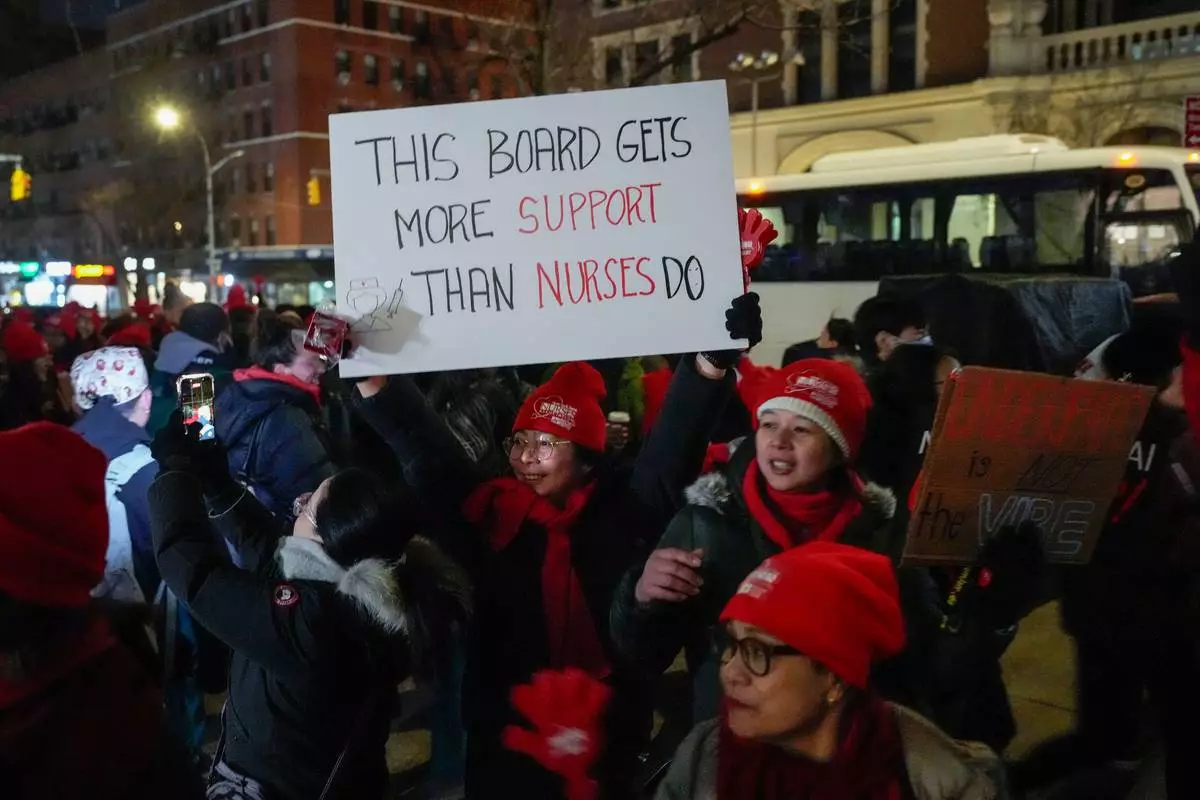
Nurses strike outside Mount Sinai West Hospital, Monday, Jan. 12, 2026, in New York. (AP Photo/Yuki Iwamura)
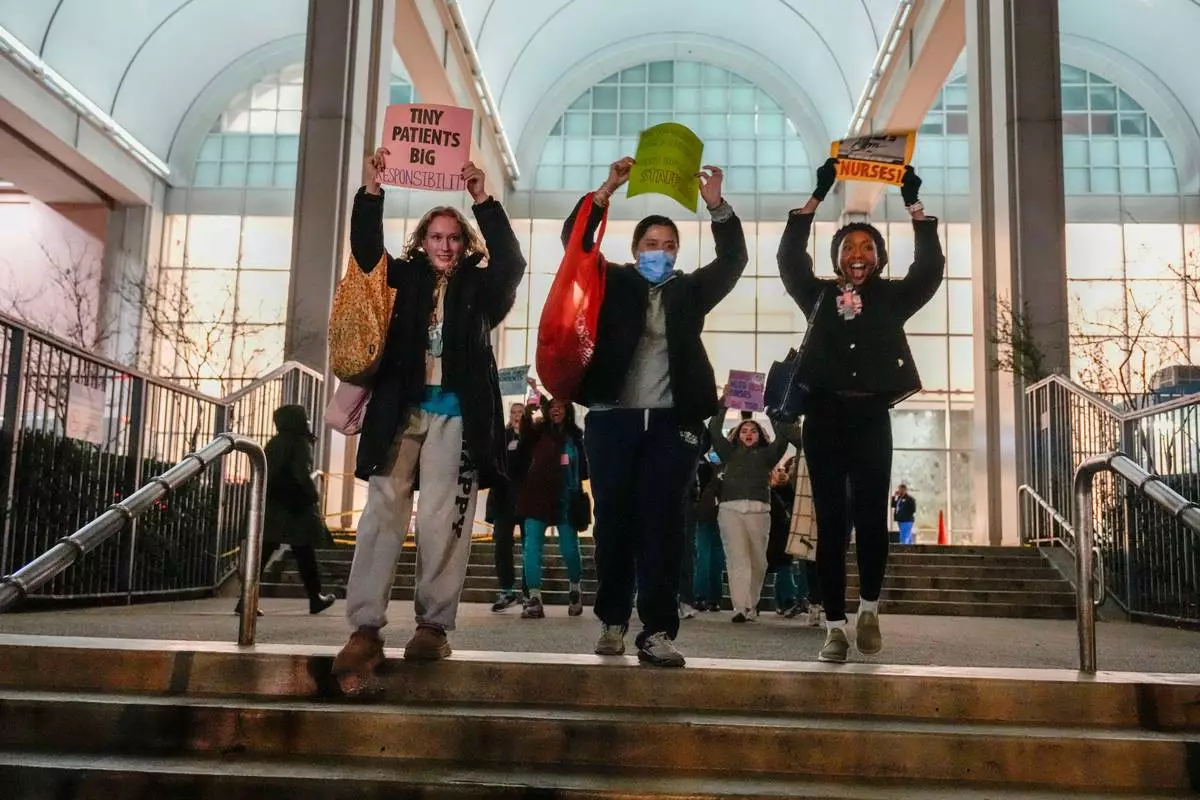
Nurses strike outside Mount Sinai West Hospital, Monday, Jan. 12, 2026, in New York. (AP Photo/Yuki Iwamura)
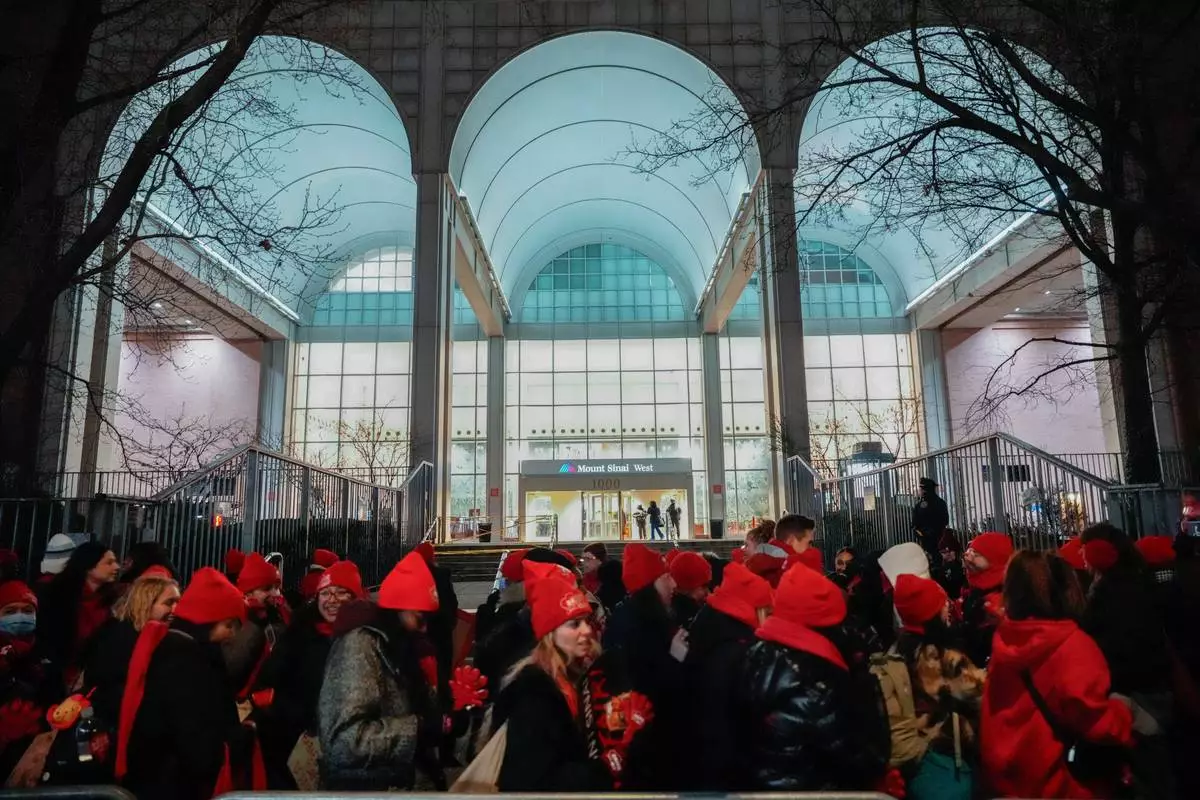
Nurses strike outside Mount Sinai West Hospital, Monday, Jan. 12, 2026, in New York. (AP Photo/Yuki Iwamura)
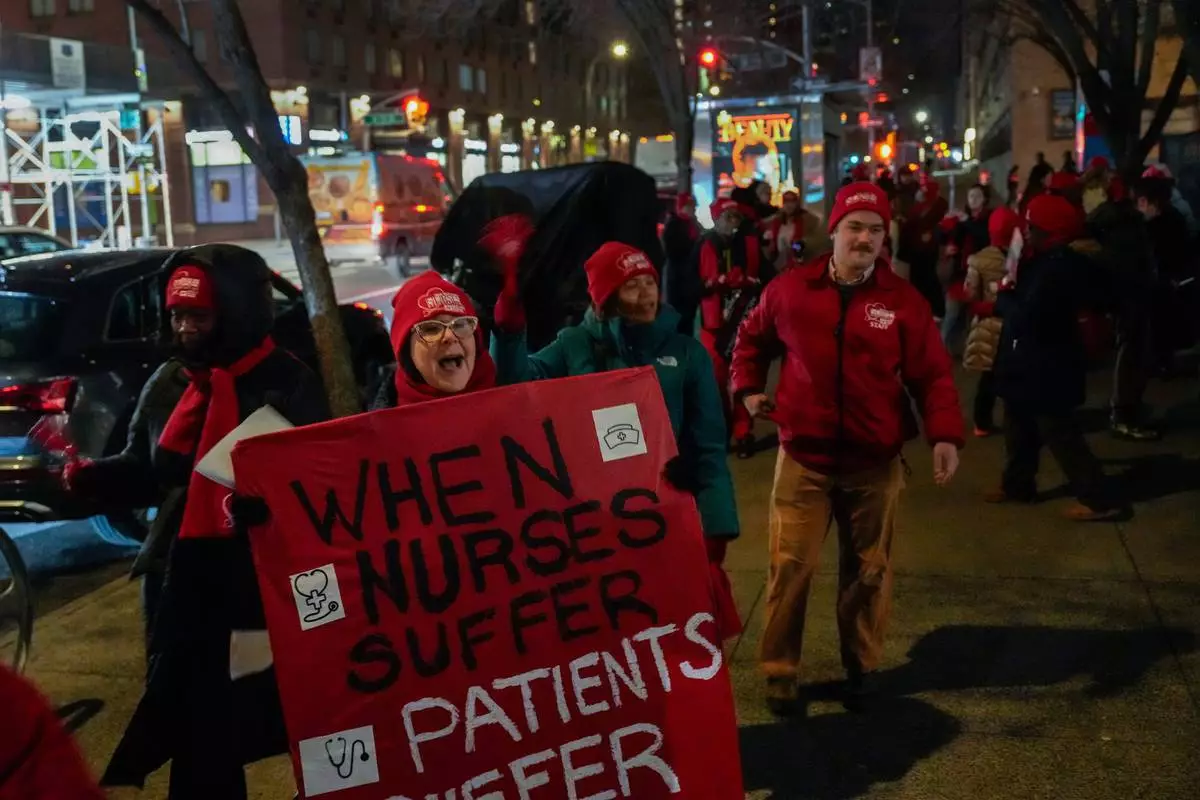
Nurses strike outside Mount Sinai West Hospital, Monday, Jan. 12, 2026, in New York. (AP Photo/Yuki Iwamura)

FILE - A medical worker transports a patient at Mount Sinai Hospital, April 1, 2020, in New York. (AP Photo/Mary Altaffer, File)