Skip to Content Facebook Feature Image

Law firms, universities and now civil society groups are in Trump's sights for punitive action

News

Law firms, universities and now civil society groups are in Trump's sights for punitive action
News

News

Law firms, universities and now civil society groups are in Trump's sights for punitive action

2025-04-18 12:04 Last Updated At:12:21

WASHINGTON (AP) — First the nation’s top law firms. Then its premier universities. Now, President Donald Trump is leaning on the advocacy groups that underpin U.S. civil society.

Trump said Thursday that the administration is looking at the tax-exempt status not just of Harvard, but environmental groups and specifically the ethics watchdog organization Citizens for Responsibility and Ethics in Washington, or CREW. It could be a devastating financial blow to the nonprofit organizations — and his perceived political foes.

The president’s remarks, during an event at the White House, began to confirm what advocacy groups have been quietly warning: Trump’s campaign of retribution is coming next for them.

“It’s supposed to be a charitable organization,” Trump said about CREW, in particular. “The only charity they had is going after Donald Trump. So we’re looking at that. We’re looking at a lot of things.”

Trump and his team have been working their way through the nation’s institutions, threatening to chisel away at the independence and autonomy of the law firms, college campuses and now advocacy groups — or putting them at risk of losing their federal funds or professional livelihood.

It's all coming quickly, not yet 100 days into the new administration, and in ways historically unheard of in this country for their speed and scope. And it's sending shock waves reverberating throughout the American system.

“It’s a sad day in this country when organizations that provide critical services to their communities are under attack from their government,” said Cole Leiter, executive director of the advocacy group Americans Against Government Censorship. “No administration, Republican or Democratic, should be able to weaponize the weight of the government against their political enemies."

On their own, Trump's actions are an almost daily list of executive pronouncements from the White House. The Trump administration has issued orders against the law firms that had cases or attorneys perceived to be against him, and it has made demands of the universities over their rules around campus activism.

Thursday brought potentially more to the stack: Trump singled out CREW, the watchdog group whose founder, Norm Eisen, played a pivotal role in Trump’s first impeachment, and the environmental groups that largely stand at odds with his “drill baby drill” agenda.

“Tax exempt status — I mean, it’s a privilege. It’s really a privilege, and it’s been abused by a lot more than Harvard,” Trump said. “We’ll be making some statements. It’s a big deal.”

But taken together, the executive orders and actions and memos are making one thing clear: The Trump administration is eager to test new ways to flex executive power, and dare the courts and Congress to intervene. And there’s more expected to come.

Environmental, immigration and civil society advocacy groups have been bracing for potential threats to their tax-exempt status, according to a person familiar with the situation and granted anonymity to discuss it. The person said some expect Trump might start taking action against the environmental groups on Earth Day, which is Tuesday.

These are the largely nonprofit organizations and groups, many based in Washington, advocating for various communities, constituencies and causes.

Kieran Suckling, executive director of the Center for Biological Diversity, said environmental groups have heard that the Trump administration is preparing executive orders targeting the tax status of environmental groups that work on climate change, as well as that of any foundations that fund their work.

“Trump is marshaling all the power of government to punish his perceived enemies," Suckling said. "We’ve got a crack legal team and will have him in court within 24 hours. We’re ready and waiting for him to come at us.”

CREW has been a leading ethics group in Washington, with Trump long the subject of its probes.

Ahead of the 2024 election, the group was part of the legal effort to disqualify Trump from regaining the White House under the 14th Amendment, in the aftermath of the Jan. 6, 2021, insurrection at the Capitol. More recently, CREW sued over the firing of federal workers by Trump and the Department of Government Efficiency.

“For more than 20 years, CREW has exposed government corruption from politicians of both parties who violate the public trust and has worked to promote an ethical, transparent government," said Jordan Libowitz, the organization's vice president.

Trump’s attacks on civil society have created a climate that is potentially chilling for the organizations in question — but they have had mixed results.

Five of the major law firms and Trump reached a deal in which they agreed to provide a combined hundreds of millions of dollars in pro bono counsel to causes the administration says it supports. The firms are trying to avoid various sanctions, including terminated federal contracts, federal employment investigations over diversity hiring and others.

While Columbia University agreed to the Trump administration’s demands to overhaul its rules for public protests rather than risk billions of dollars in lost federal funds, Harvard rebuffed the administration and now faces a $2 billion federal funding freeze and the threat to its tax-exempt status.

The tax-exempt status allows nonprofit organizations to receive donations that are crucial to their financial bottom line. Changing that could, in some situations, lead to calamity.

“Good governance groups are the heart of a healthy democracy," Libowitz said. "We will continue to do our work to ensure Americans have an ethical and accountable government.”

Associated Press writers Matthew Daly and Tammy Webber in Fenton, Michigan, contributed to this report.
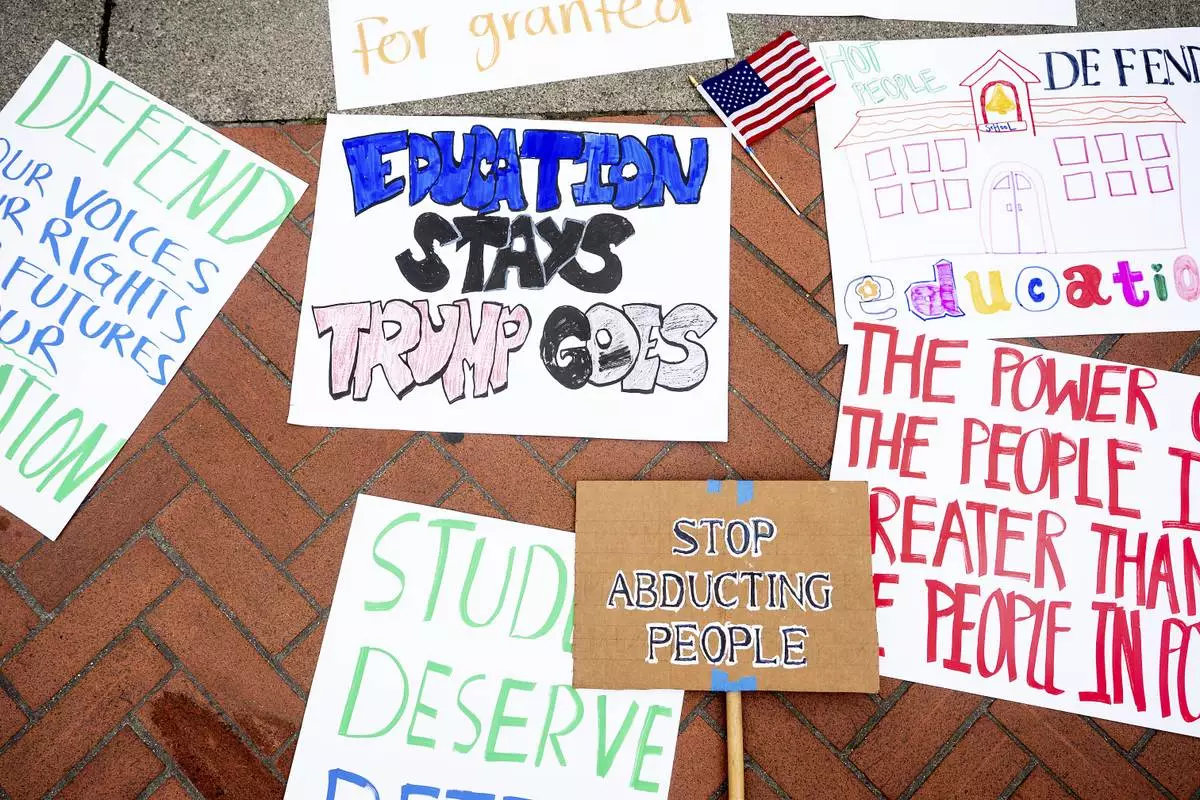
Signs rest on the ground at the University of California, Berkeley during a Day of Action for Higher Education protest against the Trump administration on Thursday, April 17, 2025, in Berkeley, Calif. (AP Photo/Noah Berger)
Signs rest on the ground at the University of California, Berkeley during a Day of Action for Higher Education protest against the Trump administration on Thursday, April 17, 2025, in Berkeley, Calif. (AP Photo/Noah Berger)

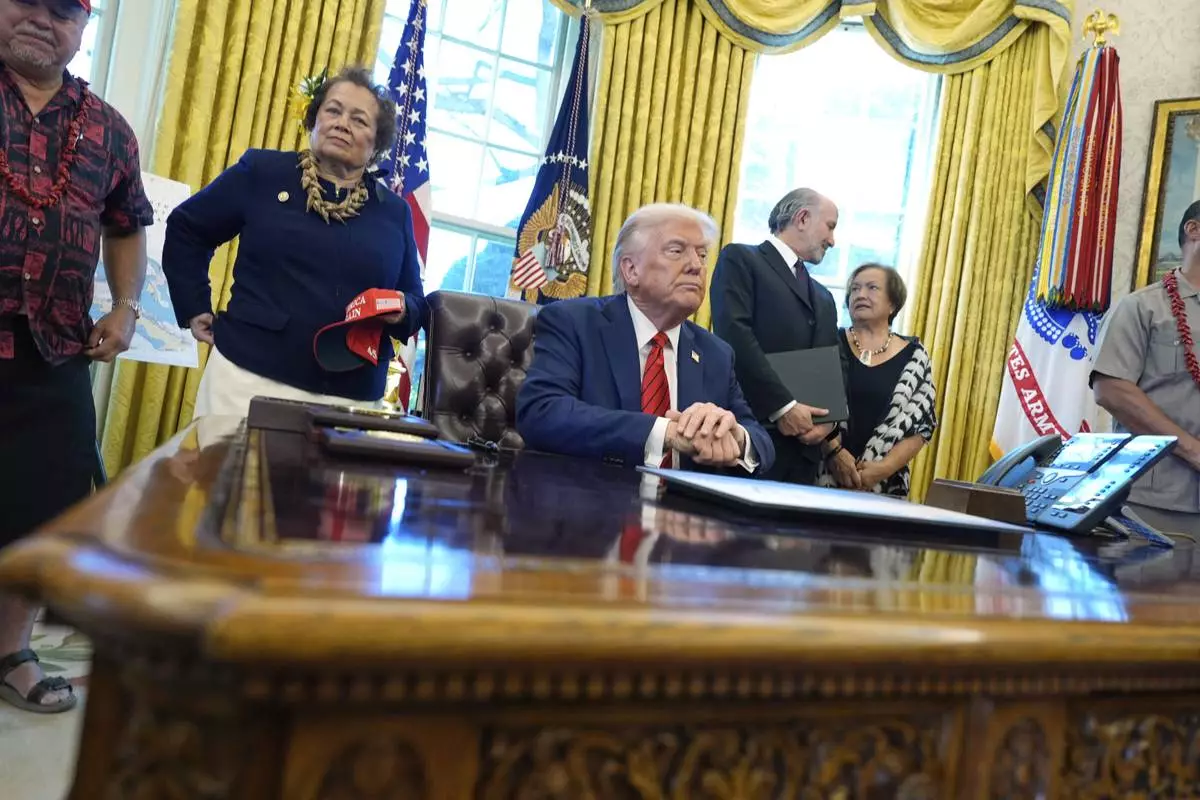
President Donald Trump waits as members of the press are escorted out of the Oval Office after he signed executive orders in the Oval Office of the White House, Thursday, April 17, 2025, in Washington. (AP Photo/Alex Brandon)
President Donald Trump waits as members of the press are escorted out of the Oval Office after he signed executive orders in the Oval Office of the White House, Thursday, April 17, 2025, in Washington. (AP Photo/Alex Brandon)

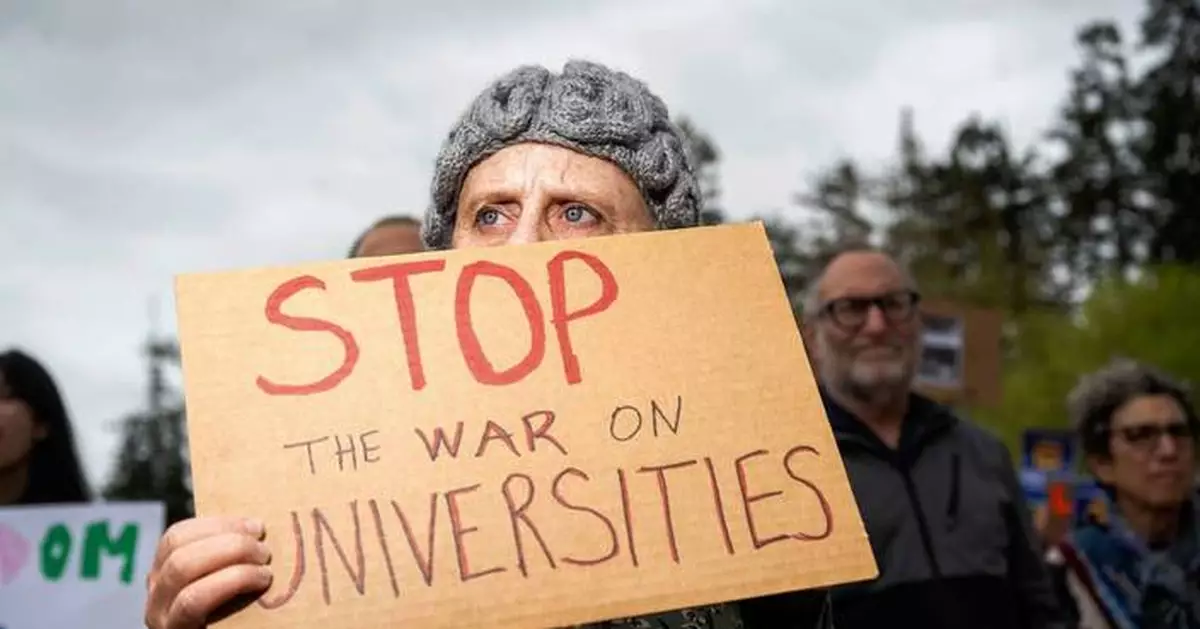
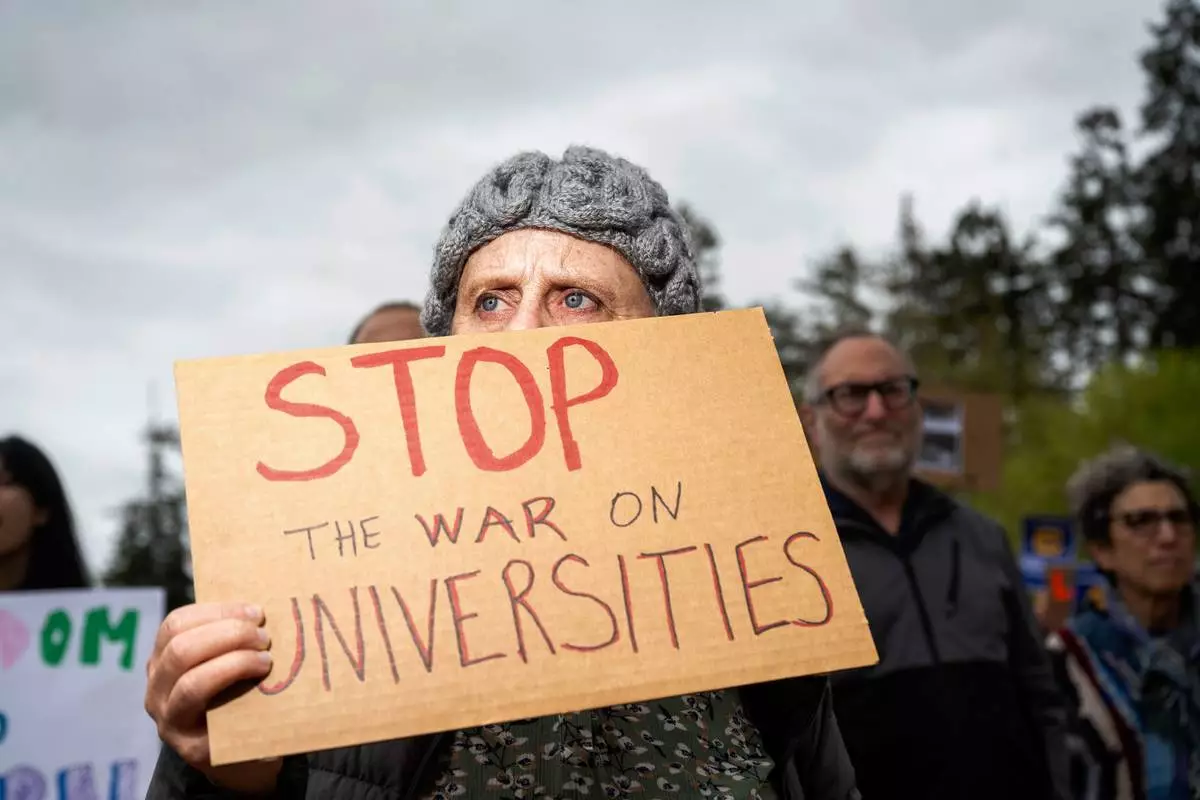
University of California, Berkeley alumna Bethany Schoenfeld demonstrates against the Trump administration at her alma mater as part of a Day of Action for Higher Ed on Thursday, April 17, 2025, in Berkeley, Calif. (AP Photo/Noah Berger)
University of California, Berkeley alumna Bethany Schoenfeld demonstrates against the Trump administration at her alma mater as part of a Day of Action for Higher Ed on Thursday, April 17, 2025, in Berkeley, Calif. (AP Photo/Noah Berger)
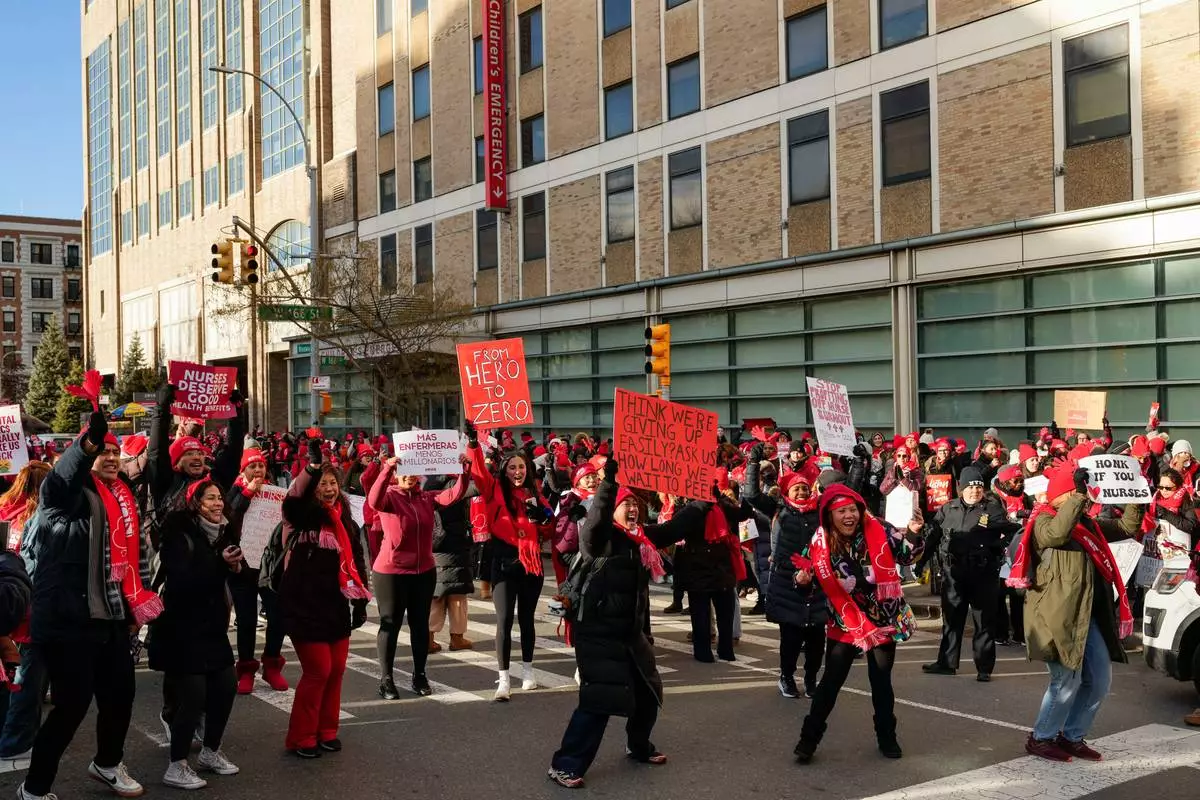
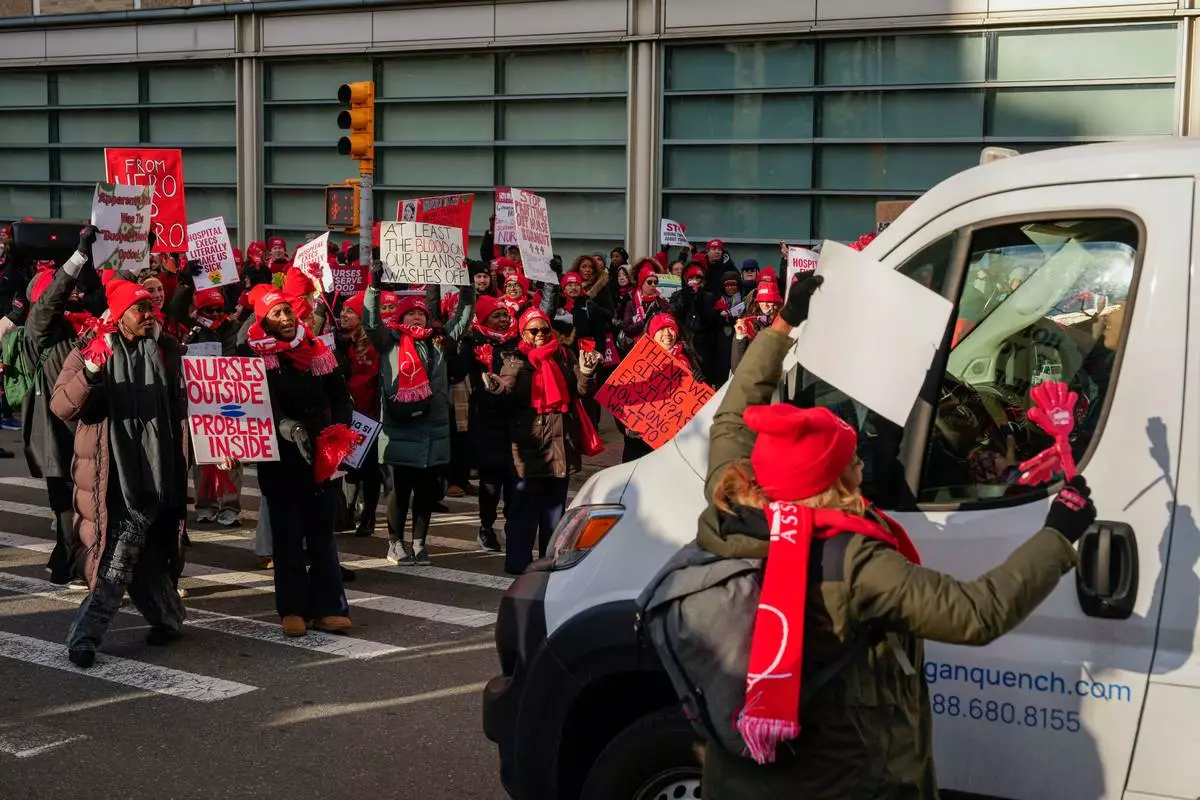
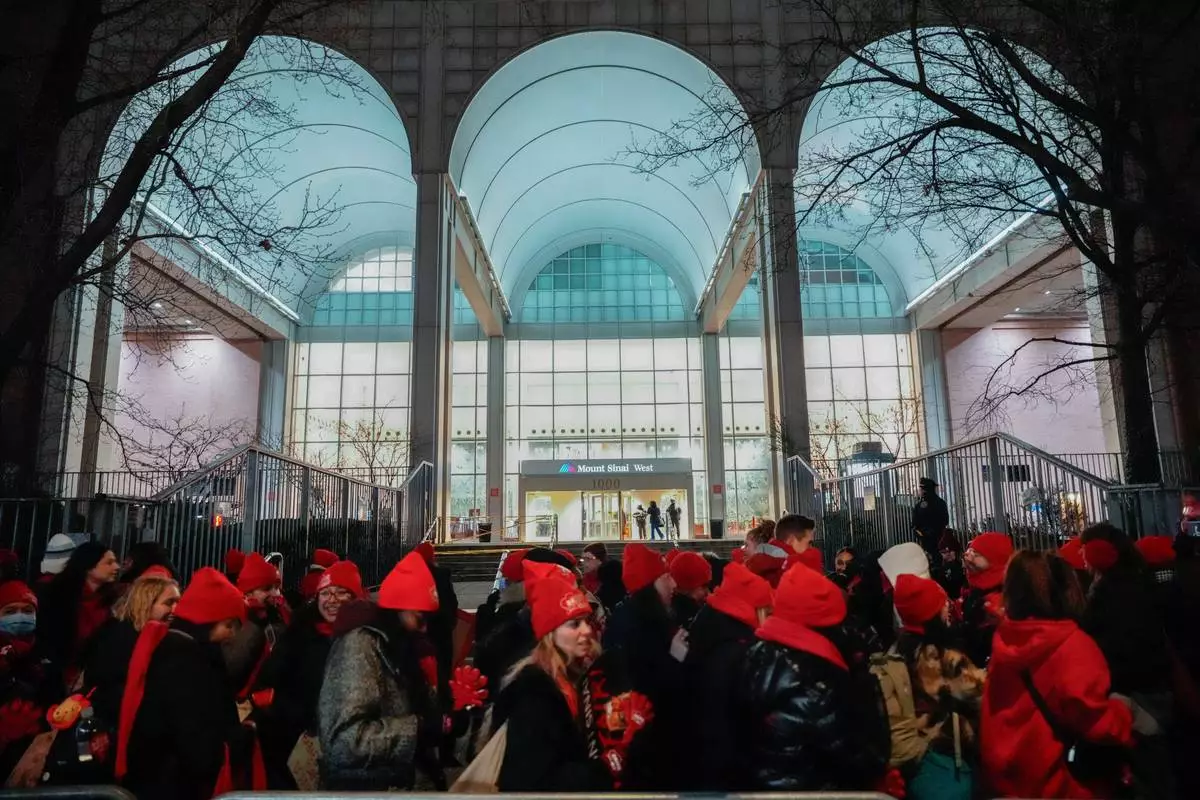
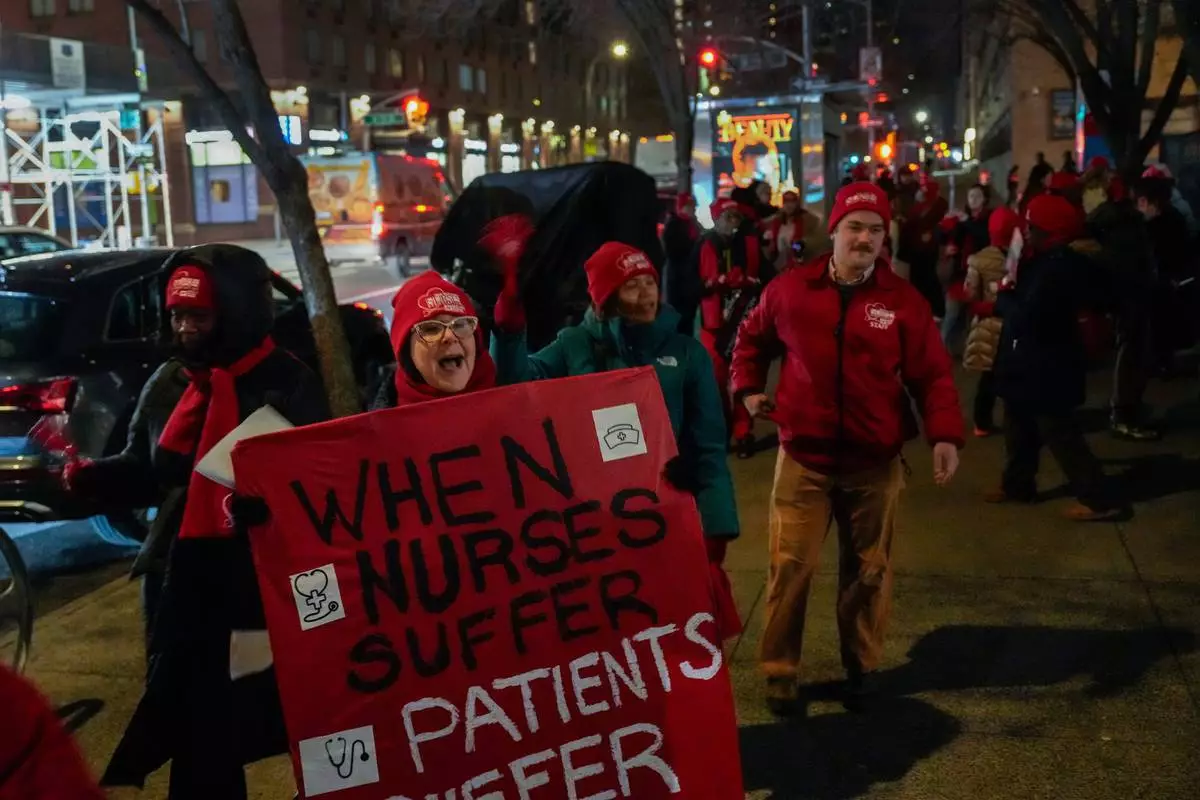
NEW YORK (AP) — Thousands of nurses in three hospital systems in New York City went on strike Monday after negotiations through the weekend failed to yield breakthroughs in their contract disputes.

The strike was taking place at The Mount Sinai Hospital and two of its satellite campuses, with picket lines forming. The other affected hospitals are NewYork-Presbyterian and Montefiore Medical Center in the Bronx.

About 15,000 nurses are involved in the strike, according to New York State Nurses Association.

“After months of bargaining, management refused to make meaningful progress on core issues that nurses have been fighting for: safe staffing for patients, healthcare benefits for nurses, and workplace violence protections,” the union said in a statement issued Monday. “Management at the richest hospitals in New York City are threatening to discontinue or radically cut nurses’ health benefits.”

The strike, which comes during a severe flu season, could potentially force the hospitals to transfer patients, cancel procedures or divert ambulances. It could also put a strain on city hospitals not involved in the contract dispute, as patients avoid the medical centers hit by the strike.

The hospitals involved have been hiring temporary nurses to try and fill the labor gap during the walkout, and said in a statement during negotiations that they would “do whatever is necessary to minimize disruptions.” Montefiore posted a message assuring patients that appointments would be kept.

“NYSNA’s leaders continue to double down on their $3.6 billion in reckless demands, including nearly 40% wage increases, and their troubling proposals like demanding that a nurse not be terminated if found to be compromised by drugs or alcohol while on the job," Montefiore spokesperson Joe Solmonese said Monday after the strike had started. "We remain resolute in our commitment to providing safe and seamless care, regardless of how long the strike may last.”

New York-Presbyterian accused the union of staging a strike to “create disruption,” but said in a statement that it has taken steps to ensure patients receive the care they need.

"We’re ready to keep negotiating a fair and reasonable contract that reflects our respect for our nurses and the critical role they play, and also recognizes the challenging realities of today’s healthcare environment,” the statement said.

The work stoppage is occurring at multiple hospitals simultaneously, but each medical center is negotiating with the union independently. Several other hospitals across the city and in its suburbs reached deals in recent days to avert a possible strike.

The nurses’ demands vary by hospital, but the major issues include staffing levels and workplace safety. The union says hospitals have given nurses unmanageable workloads.

Nurses also want better security measures in the workplace, citing incidents like a an incident last week, when a man with a sharp object barricaded himself in a Brooklyn hospital room and was then killed by police.

The union also wants limitations on hospitals’ use of artificial intelligence.

The nonprofit hospitals involved in the negotiations say they’ve been working to improve staffing levels, but say the union’s demands overall are too costly.

Nurses voted to authorize the strike last month.

Both New York Gov. Kathy Hochul and Mayor Zohran Mamdani had expressed concern about the possibility of the strike. As the strike deadline neared, Mamdani urged both sides to keep negotiating and reach a deal that “both honors our nurses and keeps our hospitals open.”

“Our nurses kept this city alive through its hardest moments. Their value is not negotiable,” Mamdani said.

State Attorney General Letitia James voiced similar support, saying "nurses put their lives on the line every day to keep New Yorkers healthy. They should never be forced to choose between their own safety, their patients’ well-being, and a fair contract.”

The last major nursing strike in the city was only three years ago, in 2023. That work stoppage, at Mount Sinai and Montefiore, was short, lasting three days. It resulted in a deal raising pay 19% over three years at those hospitals.

It also led to promised staffing improvements, though the union and hospitals now disagree about how much progress has been made, or whether the hospitals are retreating from staffing guarantees.

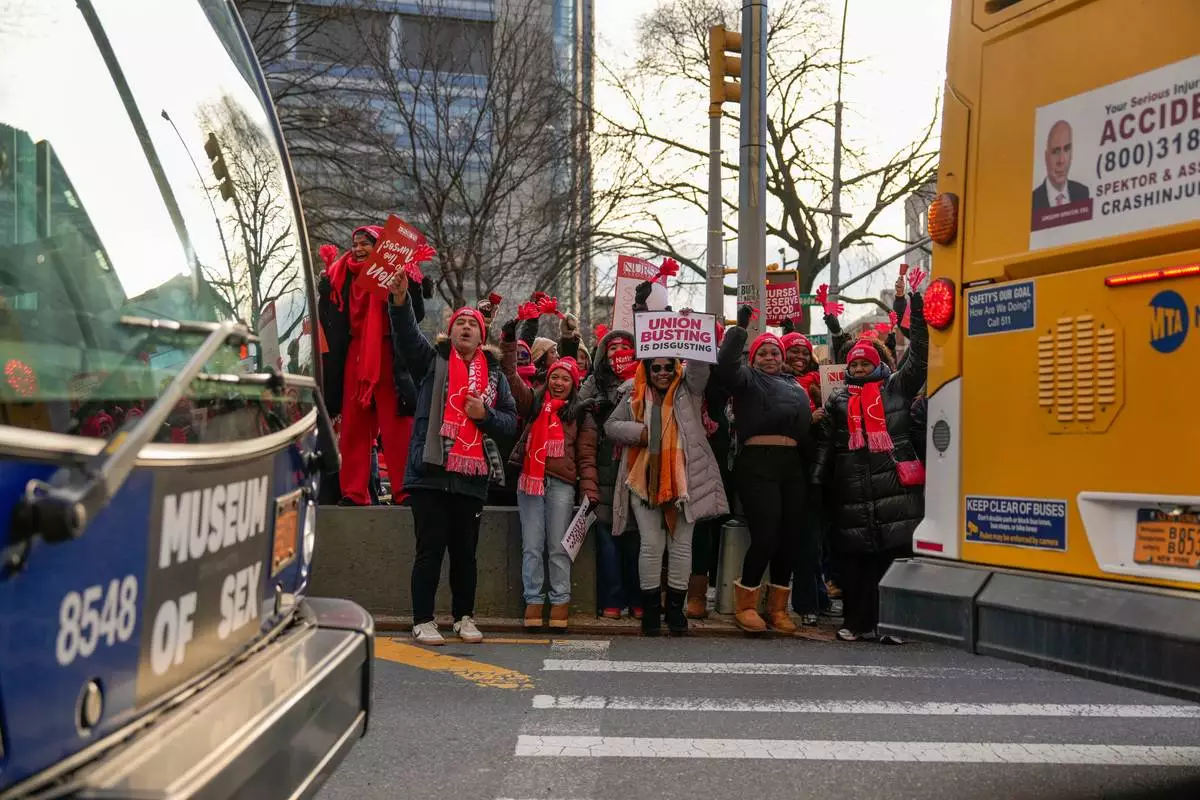
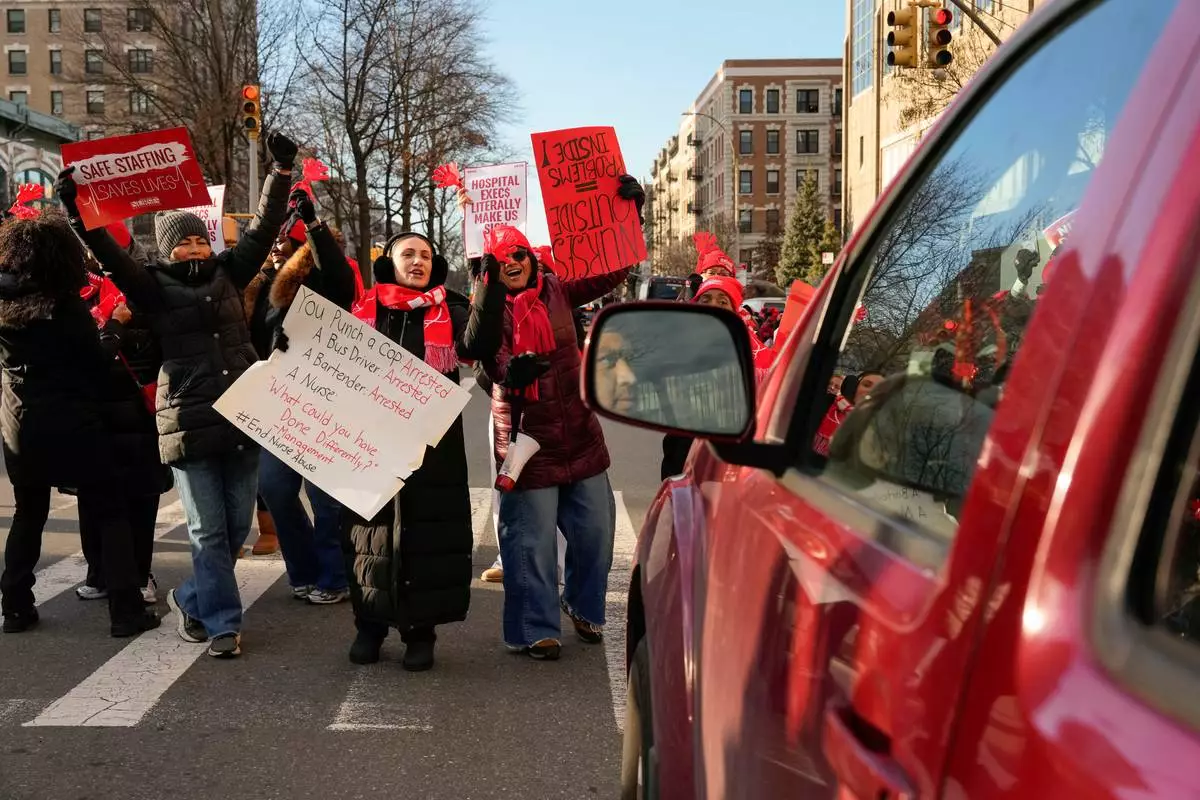
Nurses strike outside New York-Presbyterian Hospital, Monday, Jan. 12, 2026, in New York. (AP Photo/Yuki Iwamura)

Nurses strike outside New York-Presbyterian Hospital, Monday, Jan. 12, 2026, in New York. (AP Photo/Yuki Iwamura)

Nurses strike outside New York-Presbyterian Hospital, Monday, Jan. 12, 2026, in New York. (AP Photo/Yuki Iwamura)

Nurses strike outside New York-Presbyterian Hospital, Monday, Jan. 12, 2026, in New York. (AP Photo/Yuki Iwamura)

Nurses strike outside New York-Presbyterian Hospital, Monday, Jan. 12, 2026, in New York. (AP Photo/Yuki Iwamura)

Nurses strike outside New York-Presbyterian Hospital, Monday, Jan. 12, 2026, in New York. (AP Photo/Yuki Iwamura)

Nurses strike outside New York-Presbyterian Hospital, Monday, Jan. 12, 2026, in New York. (AP Photo/Yuki Iwamura)

Nurses strike outside New York-Presbyterian Hospital, Monday, Jan. 12, 2026, in New York. (AP Photo/Yuki Iwamura)

Nurses strike outside New York-Presbyterian Hospital, Monday, Jan. 12, 2026, in New York. (AP Photo/Yuki Iwamura)

Nurses strike outside New York-Presbyterian Hospital, Monday, Jan. 12, 2026, in New York. (AP Photo/Yuki Iwamura)

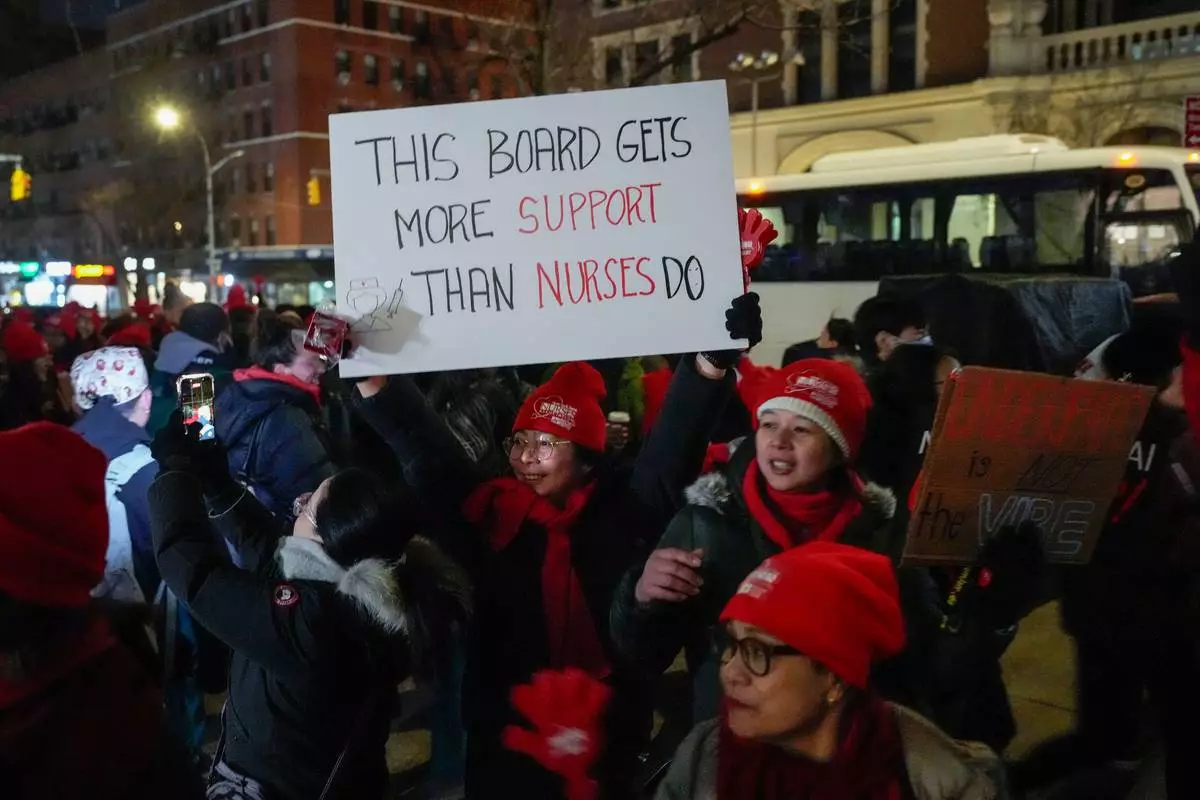
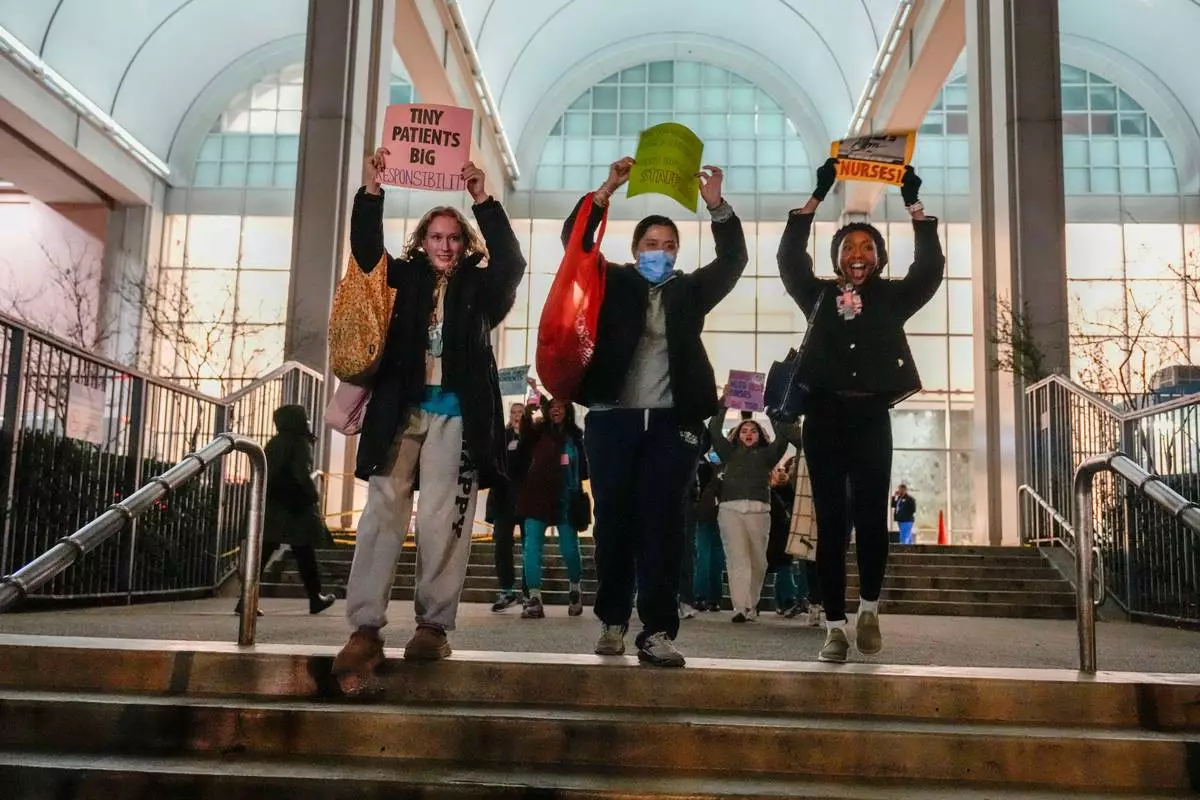
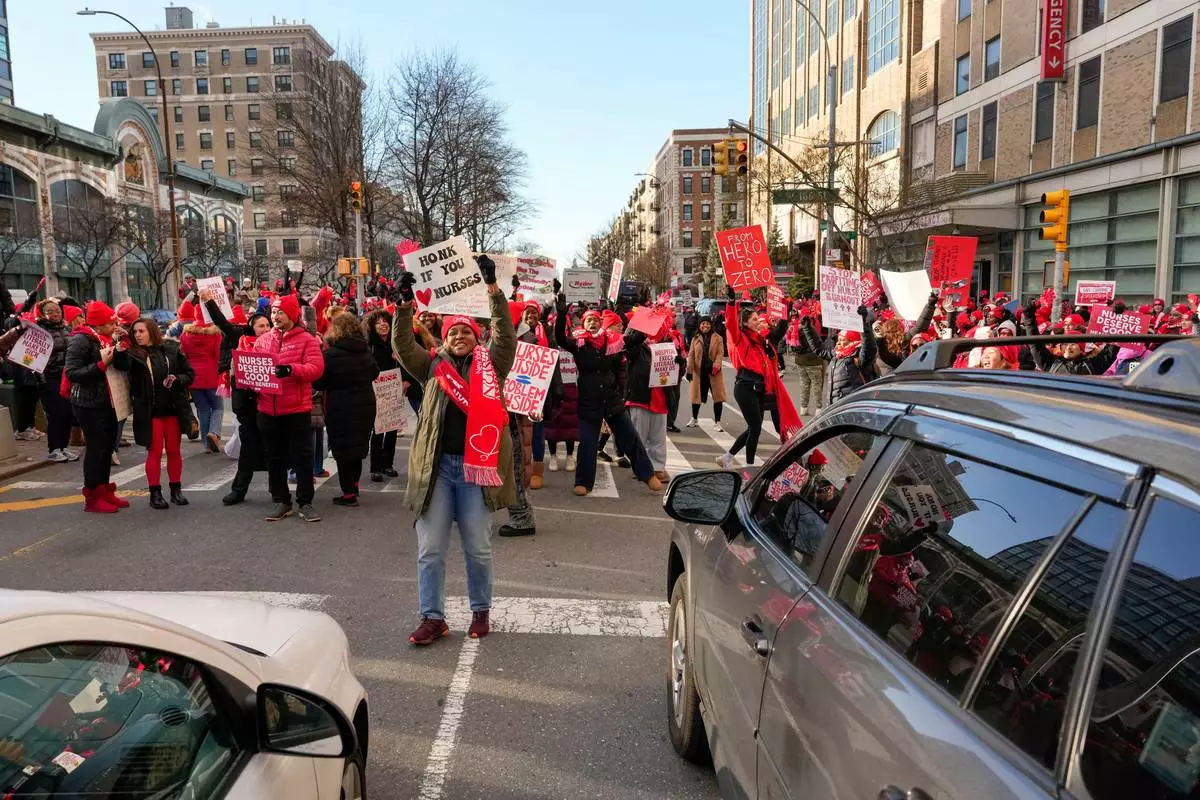
Nurses strike outside Mount Sinai West Hospital, Monday, Jan. 12, 2026, in New York. (AP Photo/Yuki Iwamura)

Nurses strike outside Mount Sinai West Hospital, Monday, Jan. 12, 2026, in New York. (AP Photo/Yuki Iwamura)

Nurses strike outside Mount Sinai West Hospital, Monday, Jan. 12, 2026, in New York. (AP Photo/Yuki Iwamura)

Nurses strike outside Mount Sinai West Hospital, Monday, Jan. 12, 2026, in New York. (AP Photo/Yuki Iwamura)

Nurses strike outside Mount Sinai West Hospital, Monday, Jan. 12, 2026, in New York. (AP Photo/Yuki Iwamura)

Nurses strike outside Mount Sinai West Hospital, Monday, Jan. 12, 2026, in New York. (AP Photo/Yuki Iwamura)

Nurses strike outside Mount Sinai West Hospital, Monday, Jan. 12, 2026, in New York. (AP Photo/Yuki Iwamura)

Nurses strike outside Mount Sinai West Hospital, Monday, Jan. 12, 2026, in New York. (AP Photo/Yuki Iwamura)

FILE - A medical worker transports a patient at Mount Sinai Hospital, April 1, 2020, in New York. (AP Photo/Mary Altaffer, File)

FILE - A medical worker transports a patient at Mount Sinai Hospital, April 1, 2020, in New York. (AP Photo/Mary Altaffer, File)

Recommended Articles