Skip to Content Facebook Feature Image

Trump's attacks on Powell threaten the Fed's independence. Here's why it matters

News

Trump's attacks on Powell threaten the Fed's independence. Here's why it matters
News

News

Trump's attacks on Powell threaten the Fed's independence. Here's why it matters

2025-04-18 15:00 Last Updated At:15:11

WASHINGTON (AP) — Donald Trump has stepped up his attacks on Federal Reserve Chair Jerome Powell at the same time that the Supreme Court is considering a case that could make it easier for the president to fire him.

The developments are occurring against a backdrop of wider turmoil in the economy and financial markets, brought on by Trump's sweeping taxes on imports. Most economists worry that an assault on the Fed's longstanding independence from politics would further disrupt markets and add to the uncertainty enveloping the economy.

In comments at the White House Thursday, Trump suggested he has the power to remove Powell and criticized him for not aggressively cutting interest rates.

“If I want him out, he’ll be out of there real fast, believe me,” Trump said. “I’m not happy with him.”

All the scrutiny threatens the Fed’s venerated independence, which has long been supported by most economists and Wall Street investors. Here are some questions and answers about the Fed.

The Fed wields extensive power over the U.S. economy. By cutting the short-term interest rate it controls — which it typically does when the economy falters — the Fed can make borrowing cheaper and encourage more spending, accelerating growth and hiring. When it raises the rate — which it does to cool the economy and combat inflation — it can weaken the economy and cause job losses.

Economists have long preferred independent central banks because they can more easily take unpopular steps to fight inflation, such as raise interest rates, which makes borrowing to buy a home, car, or appliance more expensive.

The importance of an independent Fed was cemented for most economists after the extended inflation spike of the 1970s and early 1980s. Former Fed Chair Arthur Burns has been widely blamed for allowing the painful inflation of that era to accelerate by succumbing to pressure from President Richard Nixon to keep rates low heading into the 1972 election. Nixon feared higher rates would cost him the election, which he won in a landslide.

Paul Volcker was eventually appointed chair of the Fed in 1979 by President Jimmy Carter, and he pushed the Fed's short-term rate to the stunningly high level of nearly 20%. (It is currently 4.3%). The eye-popping rates triggered a sharp recession, pushed unemployment to nearly 11%, and spurred widespread protests.

Yet Volcker didn't flinch. By the mid-1980s, inflation had fallen back into the low single digits. Volcker's willingness to inflict pain on the economy to throttle inflation is seen by most economists as a key example of the value of an independent Fed.

An effort to fire Powell would almost certainly cause stock prices to fall and bond yields to spike higher, pushing up interest rates on government debt and raising borrowing costs for mortgages, auto loans, and credit card debt.

Most investors prefer an independent Fed, partly because it typically manages inflation better without being influenced by politics but also because its decisions are more predictable. Fed officials often publicly discuss how they would alter interest rate policies if economic conditions changed.

If the Fed was more swayed by politics, it would be harder for financial markets to anticipate — or understand — its decisions.

Well, no. Fed chairs like Powell are appointed by the president to serve four-year terms, and have to be confirmed by the Senate. The president also appoints the six other members of the Fed's governing board, who can serve staggered terms of up to 14 years, though most governors leave before the end of their terms.

Those appointments can allow a president over time to significantly alter the Fed's policies. Former president Joe Biden appointed five of the current seven members: Powell, Lisa Cook, Philip Jefferson, Adriana Kugler, and Michael Barr. As a result, Trump will have fewer opportunities to make appointments. He will be able to replace Kugler, who filled an unexpired term ending Jan. 31, 2026.

Congress, meanwhile, can set the Fed's goals through legislation. In 1977, for example, Congress gave the Fed a “dual mandate” to keep prices stable and seek maximum employment. The Fed defines stable prices as inflation at 2%.

The 1977 law also requires the Fed chair to testify before the House and Senate twice every year about the economy and interest rate policy.

Powell says the law establishing the Fed does not allow a president to fire a chair except for cause. There is some complication in that Powell was separately appointed as a member of the Fed's board of governors, and then elevated to the position of chair — by Trump, in 2017.

Most legal scholars agree that Trump can't fire Powell from the Fed's board of governors, but there is less agreement over whether a president can remove him as chair. In January, Michael Barr, who was vice chair for supervision, stepped down from that post but remained on the board to avoid a potential legal clash over whether Trump could fire him.

Should Trump try to fire Powell anyway, the ensuing fight would almost certainly end up at the Supreme Court.

We may get an early sign of how the Supreme Court would decide it this summer. There is already a case before the court on the issue of whether the president can fire top officials at independent agencies.

The case stems from Trump’s firings of two officials, one from the National Labor Relations Board and the other from an agency that protects workers from political interference. The Supreme Court last week let the firings stand while it considers the case. It could rule this summer that the president, as the head of the executive branch, could fire officials at any federal agency even if Congress had intended it to be independent.

The case would overturn a 90-year old precedent known as Humphrey's Executor, in which the court ruled that the president couldn't fire such officials.

Powell said Wednesday he is watching the case closely, adding that it might not apply to the Fed. Lawyers for the Trump administration, seeking to narrow the focus of the case, have argued that it doesn’t involve the Fed.

Both the Trump administration and the Supreme Court justices have carved out exemptions for the Fed before. In February, the White House issued an executive order that placed several financial regulatory agencies, including the Fed and the Securities and Exchange Commission, more directly under the president's control. Yet the order specifically exempted the Fed's ability to set interest rates from that order.

And in a case in 2023, Justice Samuel Alito said in a footnote that the Fed is a “unique institution with a unique historical background” that made it different than other independent bodies. If the court does give presidents more power over the heads of independent agencies, it could potentially exempt the Fed.
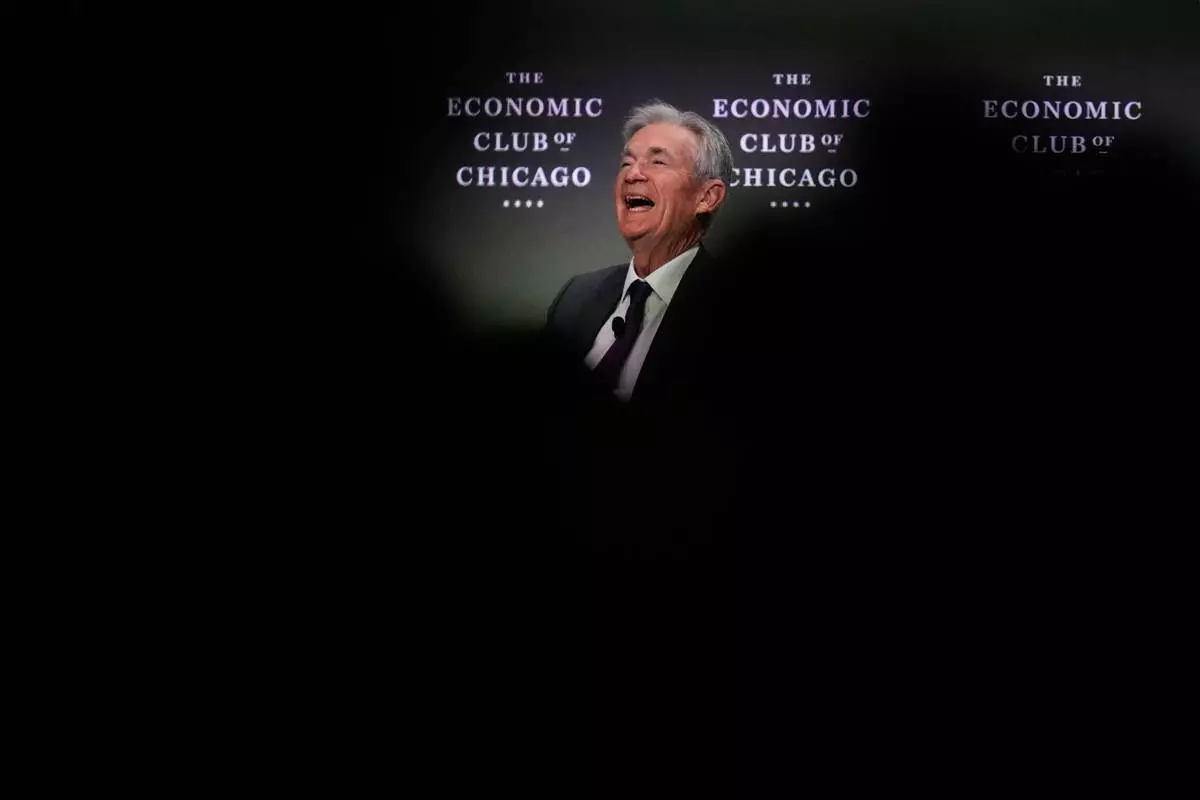
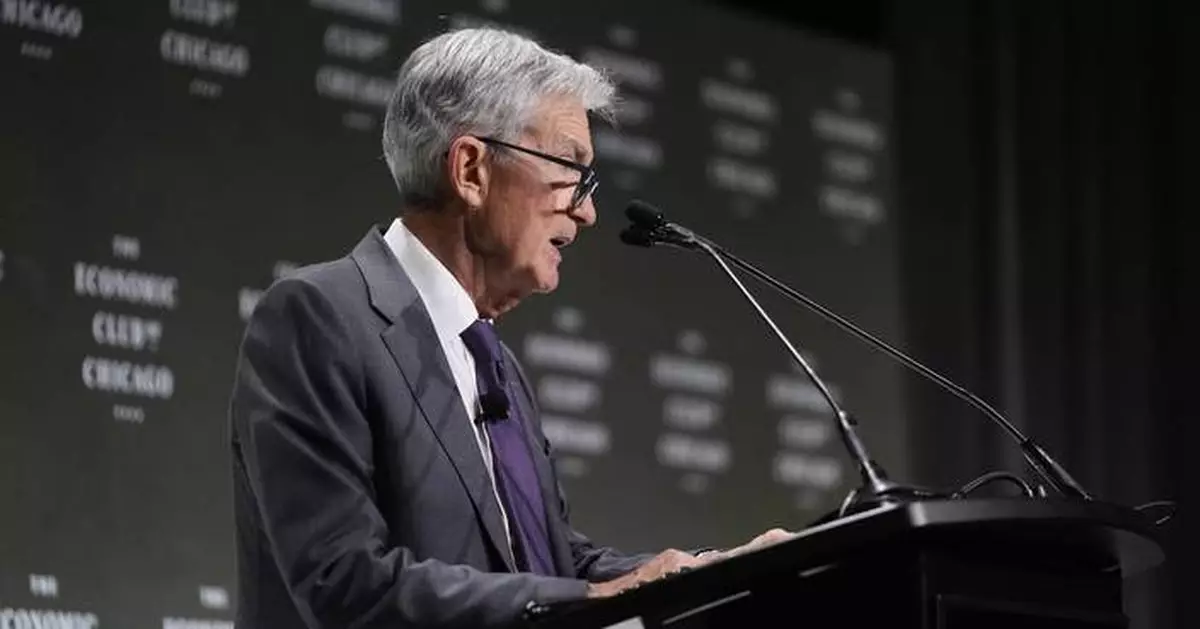
Chair of the Board of Governors of the Federal Reserve System Jerome Powell speaks during an event hosted by the Economic Club of Chicago, Wednesday, April 16, 2025, in Chicago. (AP Photo/Erin Hooley)
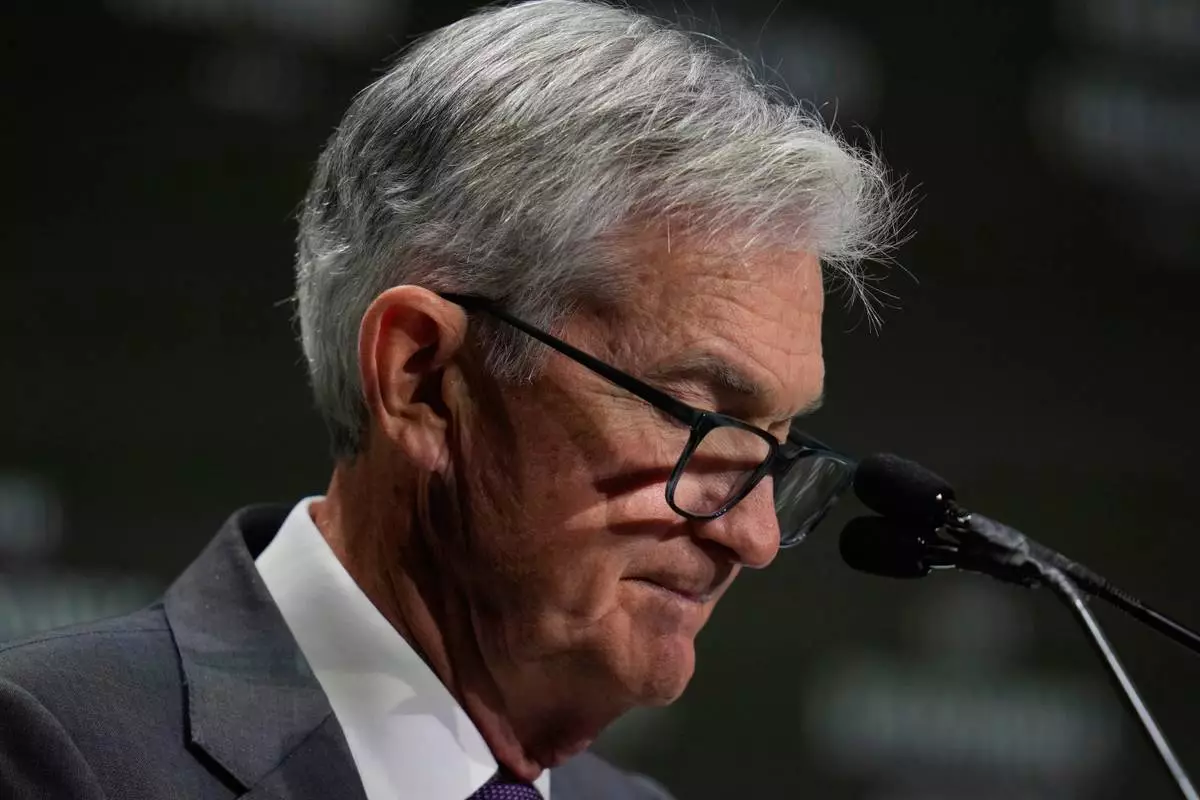
Chair of the Board of Governors of the Federal Reserve System Jerome Powell speaks during an event hosted by the Economic Club of Chicago, Wednesday, April 16, 2025, in Chicago. (AP Photo/Erin Hooley)
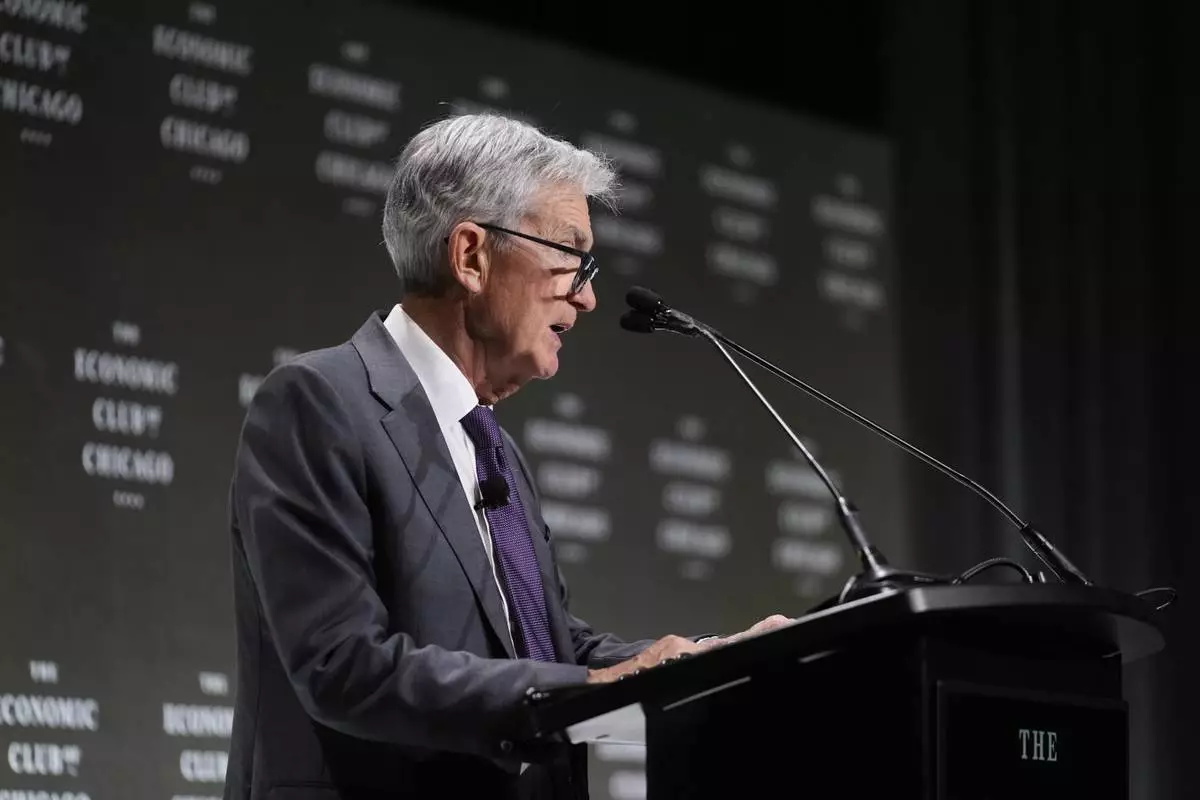
Chair of the Board of Governors of the Federal Reserve System Jerome Powell speaks during an event hosted by the Economic Club of Chicago, Wednesday, April 16, 2025, in Chicago. (AP Photo/Erin Hooley)
Chair of the Board of Governors of the Federal Reserve System Jerome Powell speaks during an event hosted by the Economic Club of Chicago, Wednesday, April 16, 2025, in Chicago. (AP Photo/Erin Hooley)
Chair of the Board of Governors of the Federal Reserve System Jerome Powell speaks during an event hosted by the Economic Club of Chicago, Wednesday, April 16, 2025, in Chicago. (AP Photo/Erin Hooley)
Chair of the Board of Governors of the Federal Reserve System Jerome Powell speaks during an event hosted by the Economic Club of Chicago, Wednesday, April 16, 2025, in Chicago. (AP Photo/Erin Hooley)
JACKSONVILLE, Fla. (AP) — Josh Allen took a pounding, doled out punishment and delivered Buffalo its first road playoff victory in more than three decades, 27-24 over Jacksonville in the AFC's wild-card opener Sunday.

With linebacker Devin Lloyd bearing down on him, Allen found Brandin Cooks for 36 yards just before the two-minute warning and then capped the go-ahead drive with a 1-yard touchdown run in which Jacksonville let him score.

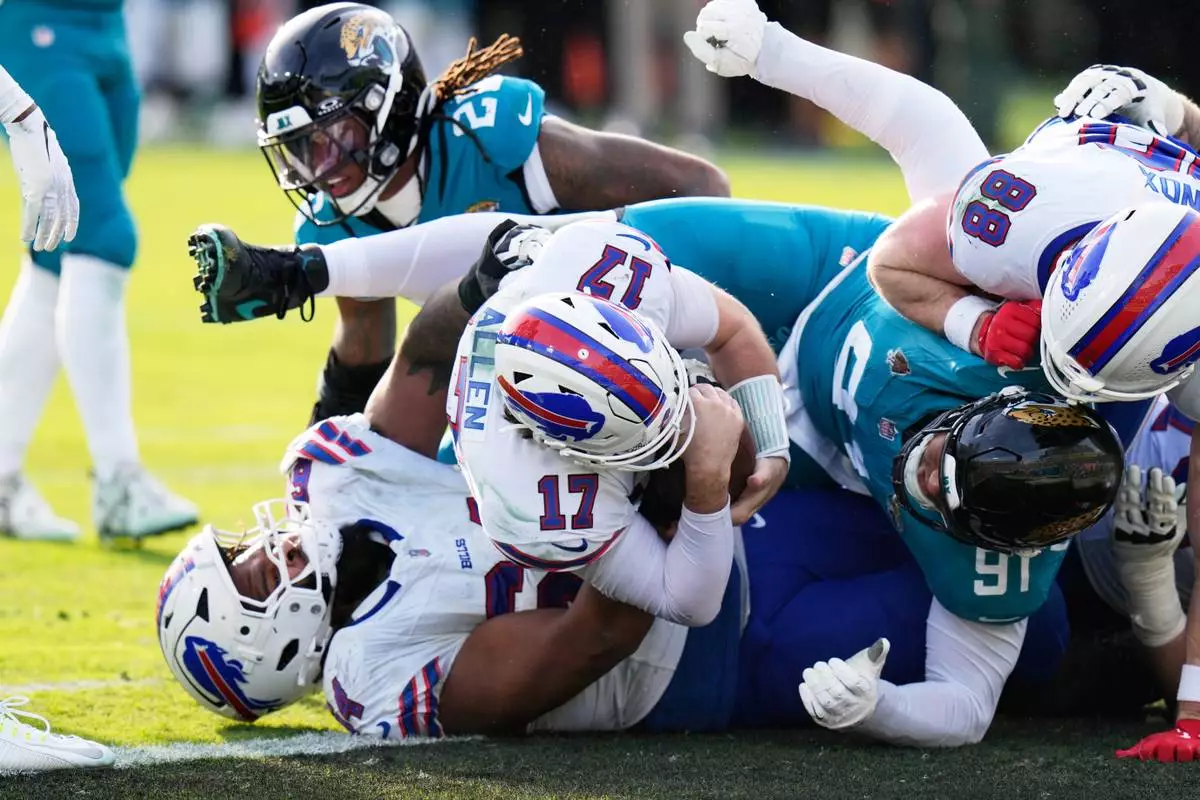
On the play before his score, Allen gained 10 yards on a sneak, refusing to go down while being pushed and pulled to the goal line.

“Just trusting everybody on the field,” Allen said. "Great win, great team win. All we’ve got to do is play our game, find a way to win a football game. We’re on to the next.”

Buffalo will play at Denver or New England next week, a chance to build a road winning streak after a decades-long skid.

“We got to go do it again. We got to go do it again," Allen said.

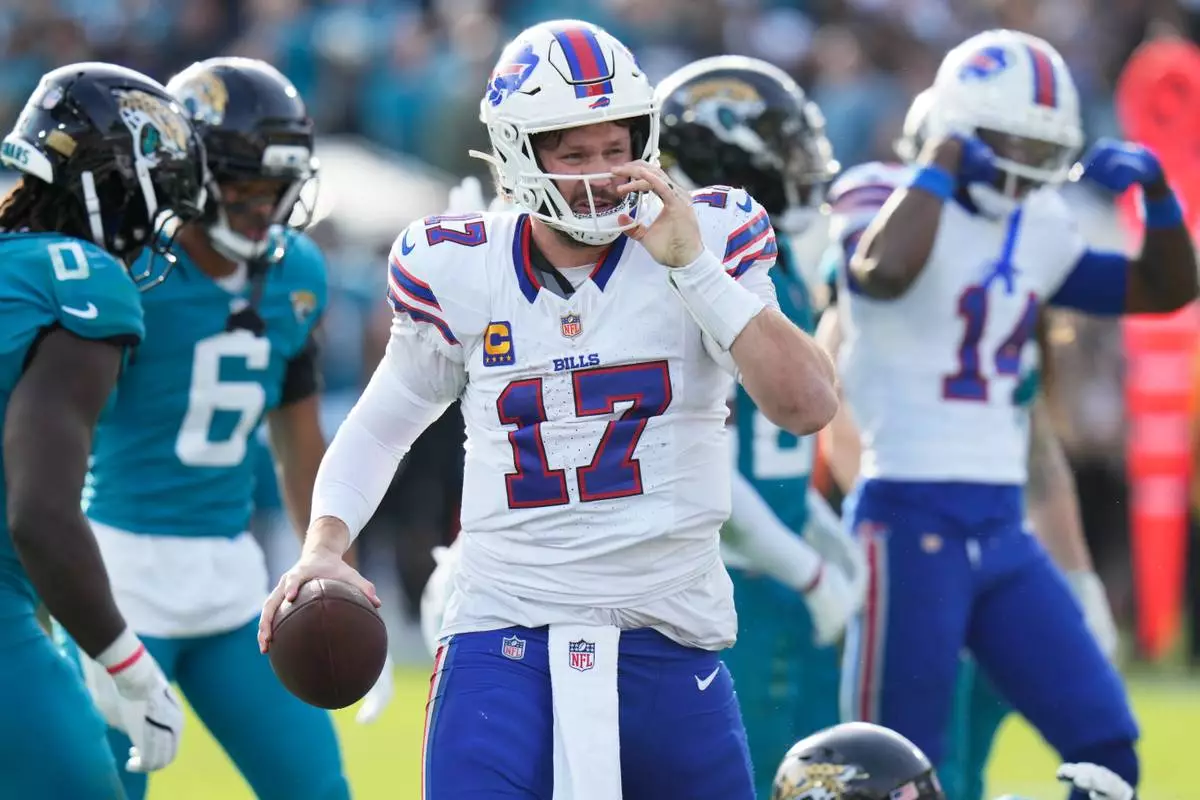
Focused on getting rid of the ball quickly and negating Jacksonville’s pass rush most of the game, Allen completed 28 of 35 passes for 273 yards and a touchdown. He ran for two scores, was sacked just once and played turnover-free football. Khalil Shakir caught 12 passes for 82 yards for the Bills.

It was necessary considering NFL rushing leader James Cook was mostly bottled up, finishing with 46 yards on 15 carries.

“You know, we’re going to play for each other, we’re gonna fight to the very last second, and you saw that here today,” Allen said.

Buffalo (13-5) intercepted a deflected pass on Jacksonville’s final drive to seal the victory.

The Bills had been 0-5 on the road in the playoffs under coach Sean McDermott, starting with a 10-3 loss at Jacksonville in the 2017 wild-card round. The Bills had dropped eight consecutive postseason games on the road since winning at Miami in the 1992 AFC championship game. It had been the NFL’s second-longest, active road playoff skid.

The Jaguars (13-5) took the lead with 4:03 to play on Trevor Lawrence’s third TD pass of the game, but they couldn’t hold it against the NFL’s reigning MVP.

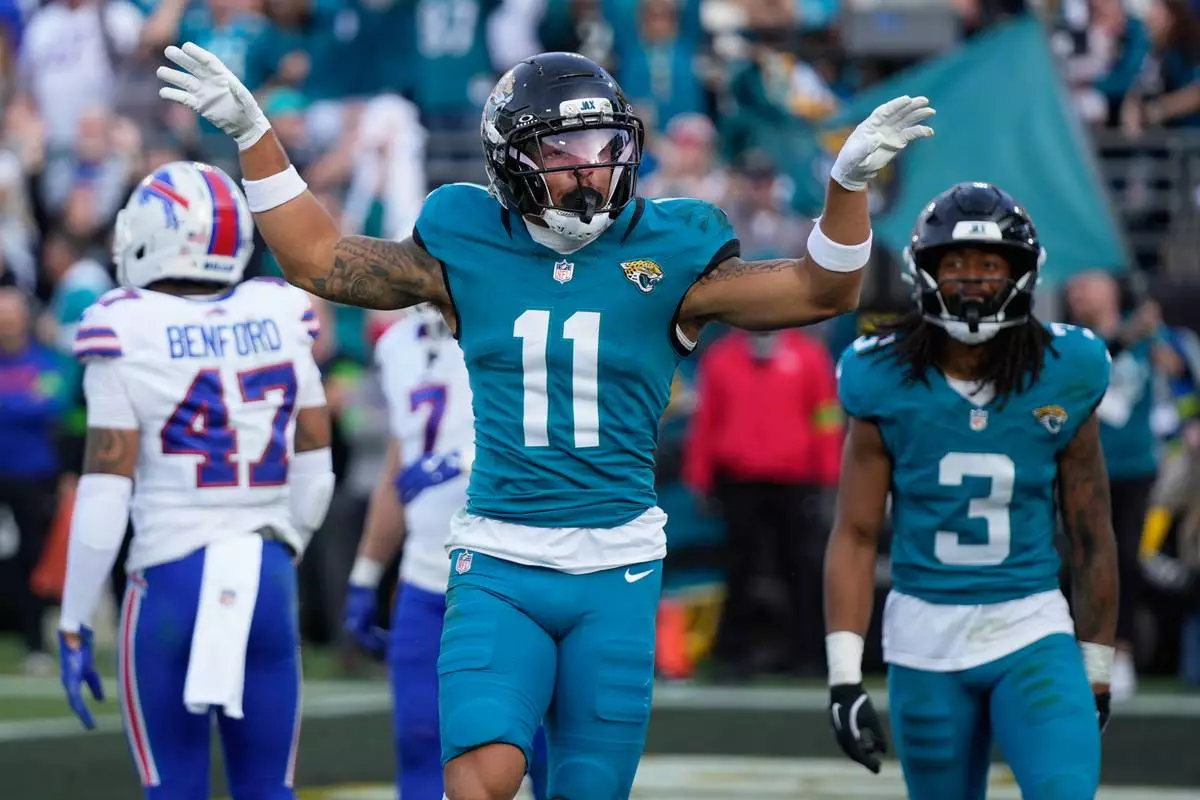
Lawrence completed 18 of 30 passes for 207 yards, with TD throws to Brian Thomas Jr., Parker Washington and Travis Etienne. Washington finished with seven catches for 107 yards.

Coach Liam Coen surely will get questioned for not running the ball more against one of the league’s most porous run defenses.

Etienne and rookie Bhayshul Tuten combined for 118 yards on just 14 carries.

Allen, meanwhile, showed his toughness. He twice ended up in the medical tent in the first half but didn’t miss a snap. He got hammered in the head twice during one play, with Josh Hines-Allen landing on the side of his helmet right after teammate Travon Walker tackled him to the ground. His left ear appeared to be bleeding, but he got checked out and returned.

Allen later slammed his right hand into the helmet of right guard O’Cyrus Torrence after releasing the ball. And he completed the injury trifecta when his left leg got bent awkwardly on his 2-yard TD run.

Allen stayed on the ground following that last hit from Hines-Allen and gingerly walked to the sideline and back into the tent. But, as usual, the 6-foot-5, 237-pounder powered through and was back on the field making plays.

The Jaguars had a chance to tie the game at the end of the first half, but Cam Little was wide left on a 54-yarder. The miss ended a streak of 20 consecutive field goals made for the second-year pro from Arkansas.

Little kicked the two longest field goals in NFL history this season — a 68-yarder at Las Vegas and a 67-yarder last week against Tennessee.

He got a chance after the Bills were flagged for being offside following a 34-yard completion that got Little into range.

Bills S Jordan Poyer (hamstring) was ruled out to start the third quarter, a huge loss for an already banged-up secondary. It left the Bills to play with rookie Jordan Hancock and second-year Cole Bishop. WR Gabe Davis, who played for Jacksonville last season, injured his left knee in the fourth and was carted to the locker room and ruled out. WR Tyrell Shavers injured his left knee during a punt return but returned in the second half.

Jaguars RG Patrick Mekari (back) left in the third. LG Ezra Cleveland also was banged up and alternating plays with rookie Wyatt Milum. WR Parker Washington was evaluated for a concussion in the first half and cleared to return.

The Bills will play at Denver or New England next weekend.

The Jaguars will turn their attention toward improving a roster that lacked enough difference-makers on both sides of the ball.

AP NFL: https://apnews.com/hub/nfl

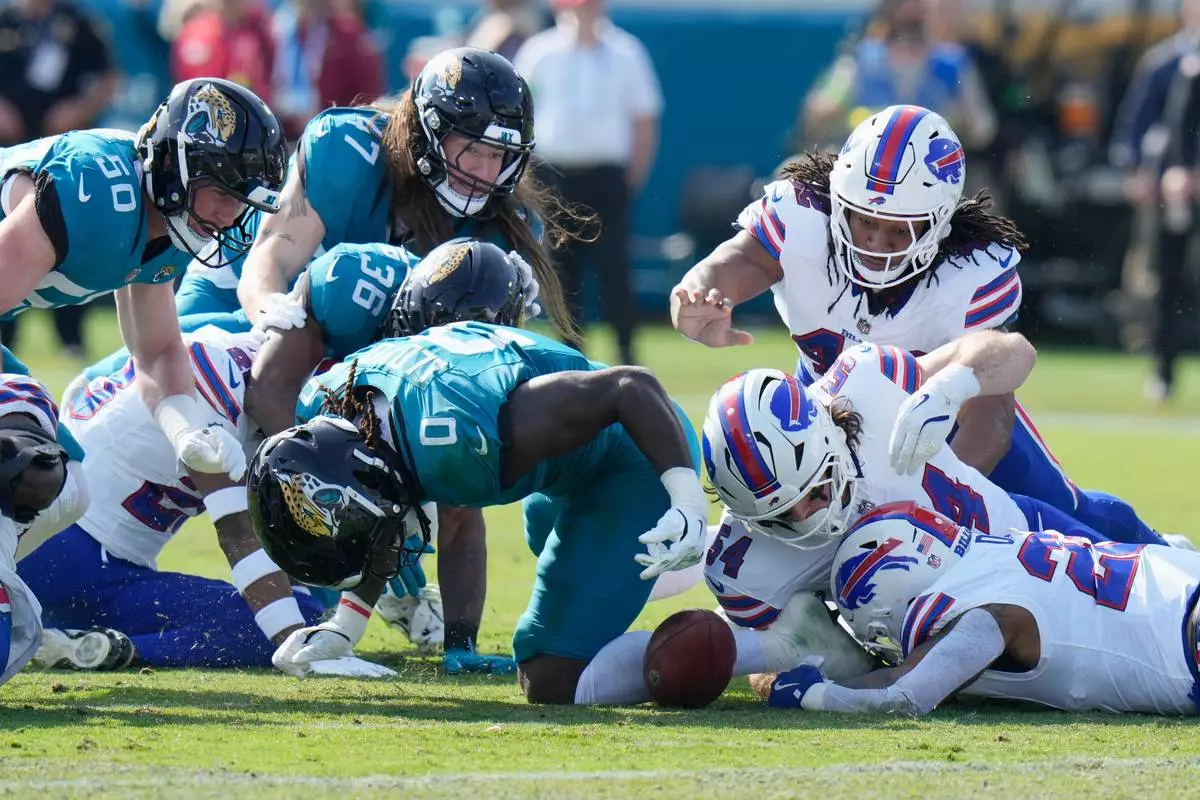
Buffalo Bills' Ray Davis, bottom right, fumbles a kickoff return from the Jacksonville Jaguars as teammate Baylon Spector (54) and Jacksonville Jaguars' Devin Lloyd (0) try to recover the ball during the first half of an NFL wild-card playoff football game Sunday, Jan. 11, 2026, in Jacksonville, Fla. (AP Photo/Chris O'Meara)

Buffalo Bills' Ray Davis, bottom right, fumbles a kickoff return from the Jacksonville Jaguars as teammate Baylon Spector (54) and Jacksonville Jaguars' Devin Lloyd (0) try to recover the ball during the first half of an NFL wild-card playoff football game Sunday, Jan. 11, 2026, in Jacksonville, Fla. (AP Photo/Chris O'Meara)

Buffalo Bills quarterback Josh Allen (17) is tackled by Jacksonville Jaguars defensive end Josh Hines-Allen (41) during the second half of an NFL wild-card playoff football game Sunday, Jan. 11, 2026, in Jacksonville, Fla. (AP Photo/Chris O'Meara)

Buffalo Bills quarterback Josh Allen (17) is tackled by Jacksonville Jaguars defensive end Josh Hines-Allen (41) during the second half of an NFL wild-card playoff football game Sunday, Jan. 11, 2026, in Jacksonville, Fla. (AP Photo/Chris O'Meara)

Jacksonville Jaguars wide receiver Parker Washington (11) celebrates after scoring a touchdown against the Buffalo Bills during the second half of an NFL wild-card playoff football game Sunday, Jan. 11, 2026, in Jacksonville, Fla. (AP Photo/John Raoux)

Jacksonville Jaguars wide receiver Parker Washington (11) celebrates after scoring a touchdown against the Buffalo Bills during the second half of an NFL wild-card playoff football game Sunday, Jan. 11, 2026, in Jacksonville, Fla. (AP Photo/John Raoux)

Buffalo Bills quarterback Josh Allen gets up after collecting a first down near the Jacksonville Jaguars end zone later in the second half of an NFL wild-card playoff football game Sunday, Jan. 11, 2026, in Jacksonville, Fla. (AP Photo/Chris O'Meara)

Buffalo Bills quarterback Josh Allen gets up after collecting a first down near the Jacksonville Jaguars end zone later in the second half of an NFL wild-card playoff football game Sunday, Jan. 11, 2026, in Jacksonville, Fla. (AP Photo/Chris O'Meara)

Buffalo Bills quarterback Josh Allen (17) pushes in for a first down as Jacksonville Jaguars defensive tackle Arik Armstead (91) tries to stop him during the second half of an NFL wild-card playoff football game Sunday, Jan. 11, 2026, in Jacksonville, Fla. (AP Photo/Chris O'Meara)

Buffalo Bills quarterback Josh Allen (17) pushes in for a first down as Jacksonville Jaguars defensive tackle Arik Armstead (91) tries to stop him during the second half of an NFL wild-card playoff football game Sunday, Jan. 11, 2026, in Jacksonville, Fla. (AP Photo/Chris O'Meara)

Recommended Articles