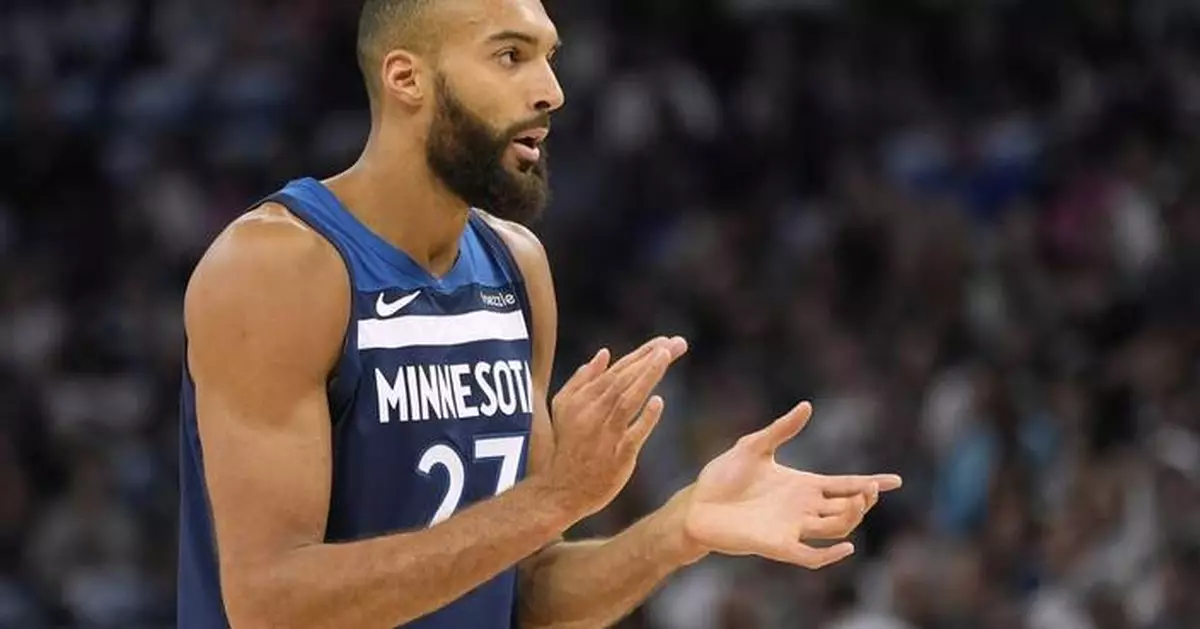
MINNEAPOLIS (AP) — Even with confidence and patience in the potential of their team adjusting after a surprise trade right before the beginning of training camp, the Minnesota Timberwolves were in rough shape at the All-Star break.
Rudy Gobert was at the top of the list, with a lower back injury that had just popped up and some lackluster performances over the first four months of the season. The four-time NBA Defensive Player of the Year, who'd been so vital to Minnesota's run to the 2024 Western Conference finals, simply looked out of sync on many nights after making so much progress from his first season with the Wolves to his second.
That unexpectedly extended break — he went 25 days between games — provided the reset that Gobert needed.
Since his return in early March, the 32-year-old has made a much more consistent impact on both ends of the floor while helping the Wolves finish strong with 17 wins in their last 21 games.
“He told us coming into and out of the All-Star break that he knew what he had to do to return to his best form. He’s done that,” coach Chris Finch said. "Early in the season, I think there were some normal frustrations and growing pains. It might’ve been fatigue coming out of the Olympics. There were two straight summers with a lot of basketball, and I think he maybe kind of purposely was in a lower gear, maybe saving himself, but the Rudy we see now is the Rudy we’ve seen all last year and the Rudy that we need to be the best team we can be.”
There's no time like the present, with the Wolves facing the Los Angeles Lakers in the first round of the playoffs. Game 1 is Saturday.
“Rudy’s going to have to be huge. I think he knows that. I think he’s prepared himself for this for the last couple months,” point guard Mike Conley said. “He’s really worked himself into great shape. He looked really good the last few weeks of the season, and we know we’re going to have to utilize him a lot.”
Gobert had 15 or more points and 15-plus rebounds in five of the last 10 games. His field goal percentage (70.7) and scoring (15.4) and rebounding (12.5) averages were markedly better in the 17 games he played after his injury than in 55 games prior to the All-Star break.
“I don't think my game changed. I just think I got in a little groove by trying to be more aggressive, trying to really set the tone for this team,” Gobert said. “And obviously the importance of the moment and importance of every single game down the stretch, I think, probably subconsciously allowed me to play at an even higher level.”
The only true center in the rotation for the Lakers is 7-footer Jaxson Hayes, who averaged 6.8 points, 4.8 rebounds and 19.5 minutes per game. They prefer to play smaller and faster, with of course the entire operation revolving around Luka Doncic and LeBron James. Doncic's arrival in the stunning trade with Dallas that sent center Anthony Davis to the Mavericks changed a whole lot in the Western Conference.
In the season-opening victory by the Lakers over Minnesota in Los Angeles, Davis dominated with 36 points and 16 rebounds while making Gobert’s defense moot. Minnesota won the next two matchups at home with better containment of Davis inside. The only time the Timberwolves faced the Lakers after the Doncic trade, a win in Los Angeles by the home team, Gobert was out.
In the Western Conference finals last season, when Dallas downed Minnesota in five games, Doncic averaged 32.4 points, 9.6 rebounds, 8.2 assists and 2.2 steals while hitting 23 3-pointers. Gobert was largely ineffective, with a minus-16 rating for the series. The center tandem of the high-leaping Dereck Lively and the bruising Daniel Gafford made the paint difficult for Gobert, even if that step-back 3-pointer by Doncic off a crossover dribble in Gobert's face to win Game 2 in Minnesota was the viral video clip from that matchup.
“My whole career, I'm very likely to be crossed over,” Gobert said this week. “Very likely people are going to hit some tough shots over me, and then I might get dunked on. All this stuff might happen, but let's see what happens over the course of hundreds and hundreds of possessions.”
Doncic will be eager to try to exploit the big man if he gets that matchup again on a crucial possession. As for the Wolves, well, they've got plenty of faith in Gobert despite the skepticism that surrounds him throughout the league regarding his effectiveness when the other team plays small ball.
“Some of these narratives are cheap. They’re easy. They grab a hold of them and just spin them all the time," Finch said. "But if you study what’s really going on, what the numbers might say, or being true to yourself in a lot of ways and trusting in why that’s been good to you, then I think there’s a lot of value in that. I don’t expect the average fan to dig into all of those things. But that’s our job.”
AP NBA: https://apnews.com/hub/NBA
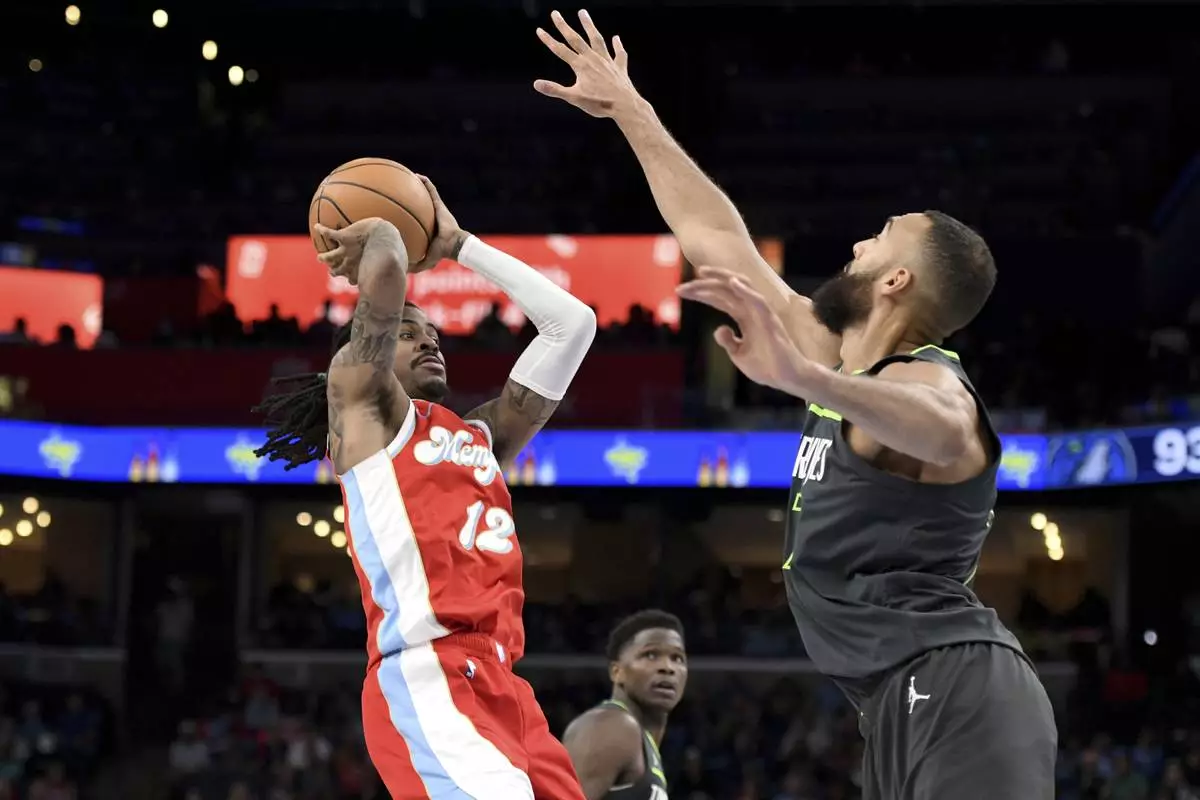
Memphis Grizzlies guard Ja Morant (12) handles the ball against Minnesota Timberwolves center Rudy Gobert, right, in the second half of an NBA basketball game Thursday, April 10, 2025, in Memphis, Tenn. (AP Photo/Brandon Dill)
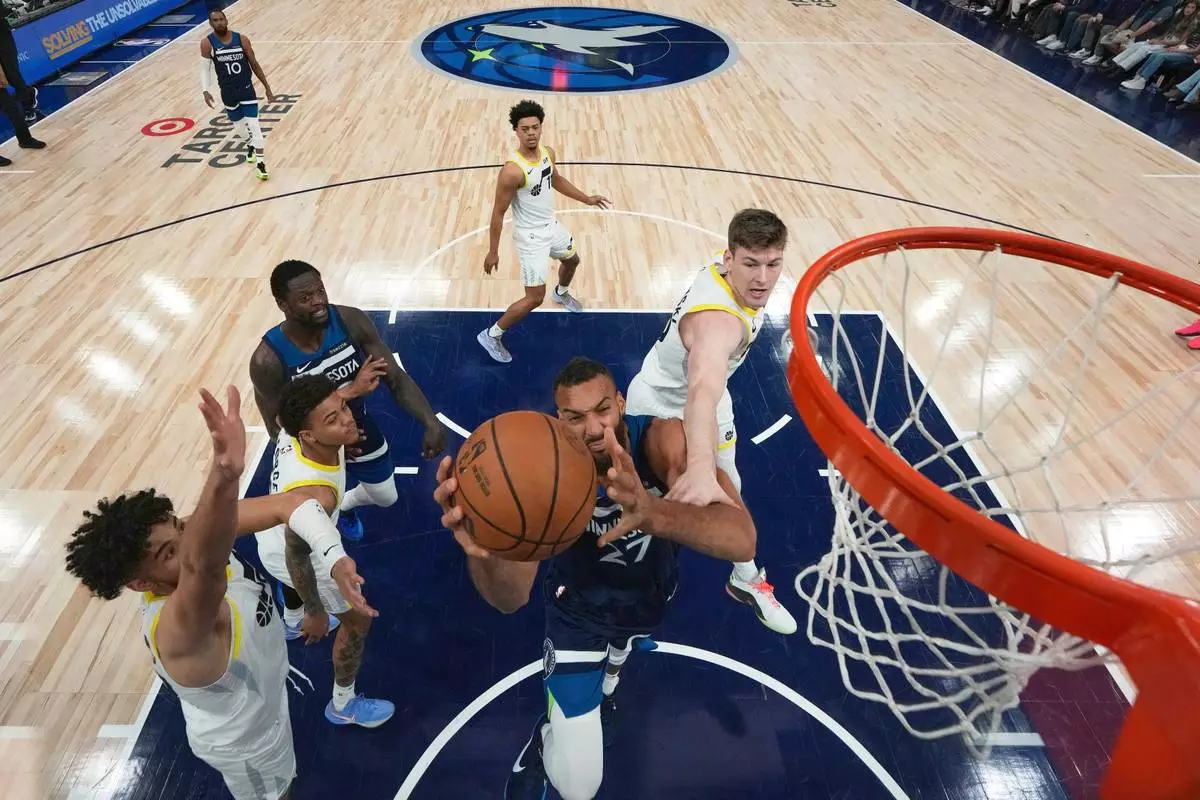
Minnesota Timberwolves center Rudy Gobert (27) goes up for a shot as Utah Jazz forward Kyle Filipowski, right, defends during the first half of an NBA basketball game, Sunday, April 13, 2025, in Minneapolis. (AP Photo/Abbie Parr)
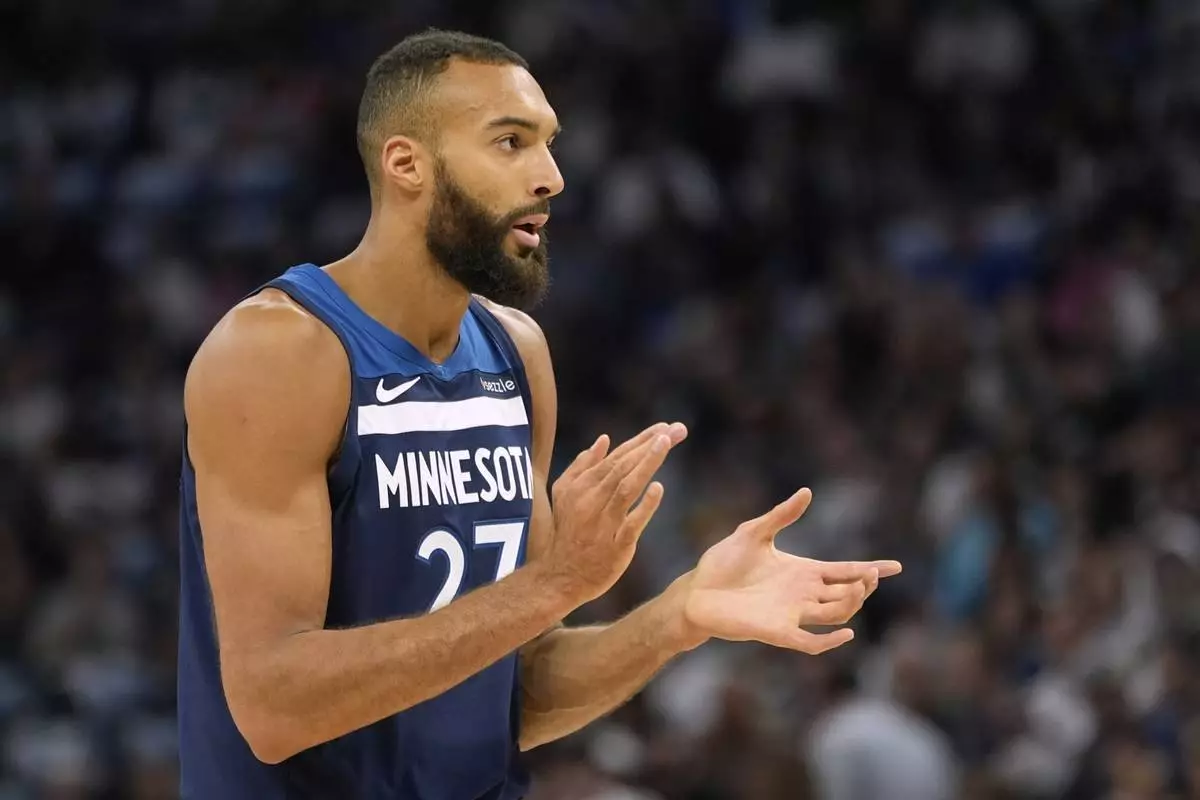
Minnesota Timberwolves center Rudy Gobert (27) claps during the first half of an NBA basketball game against the Utah Jazz, Sunday, April 13, 2025, in Minneapolis. (AP Photo/Abbie Parr)
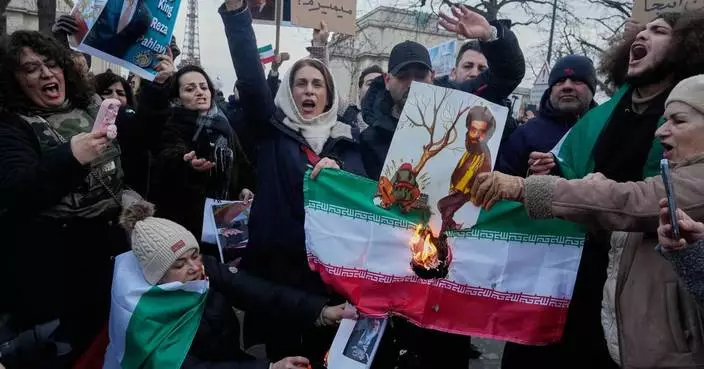
DUBAI, United Arab Emirates (AP) — U.S. President Donald Trump said Iran wants to negotiate with Washington after his threat to strike the Islamic Republic over its bloody crackdown on protesters, a move coming as activists said Monday the death toll in the nationwide demonstrations rose to at least 544.
Iran had no immediate reaction to the news, which came after the foreign minister of Oman — long an interlocutor between Washington and Tehran — traveled to Iran this weekend. It also remains unclear just what Iran could promise, particularly as Trump has set strict demands over its nuclear program and its ballistic missile arsenal, which Tehran insists is crucial for its national defense.
Meanwhile Monday, Iran called for pro-government demonstrators to head to the streets in support of the theocracy, a show of force after days of protests directly challenging the rule of 86-year-old Supreme Leader Ayatollah Ali Khamenei. Iranian state television aired chants from the crowd, who shouted “Death to America!” and “Death to Israel!”
Trump and his national security team have been weighing a range of potential responses against Iran including cyberattacks and direct strikes by the U.S. or Israel, according to two people familiar with internal White House discussions who were not authorized to comment publicly and spoke on condition of anonymity.
“The military is looking at it, and we’re looking at some very strong options,” Trump told reporters on Air Force One on Sunday night. Asked about Iran’s threats of retaliation, he said: “If they do that, we will hit them at levels that they’ve never been hit before.”
Trump said that his administration was in talks to set up a meeting with Tehran, but cautioned that he may have to act first as reports of the death toll in Iran mount and the government continues to arrest protesters.
“I think they’re tired of being beat up by the United States,” Trump said. “Iran wants to negotiate.”
He added: “The meeting is being set up, but we may have to act because of what’s happening before the meeting. But a meeting is being set up. Iran called, they want to negotiate.”
Iran through country's parliamentary speaker warned Sunday that the U.S. military and Israel would be “legitimate targets” if America uses force to protect demonstrators.
More than 10,600 people also have been detained over the two weeks of protests, said the U.S.-based Human Rights Activists News Agency, which has been accurate in previous unrest in recent years and gave the death toll. It relies on supporters in Iran crosschecking information. It said 496 of the dead were protesters and 48 were with security forces.
With the internet down in Iran and phone lines cut off, gauging the demonstrations from abroad has grown more difficult. The Associated Press has been unable to independently assess the toll. Iran’s government has not offered overall casualty figures.
Those abroad fear the information blackout is emboldening hard-liners within Iran’s security services to launch a bloody crackdown. Protesters flooded the streets in the country’s capital and its second-largest city on Saturday night into Sunday morning. Online videos purported to show more demonstrations Sunday night into Monday, with a Tehran official acknowledging them in state media.
In Tehran, a witness told the AP that the streets of the capital empty at the sunset call to prayers each night. By the Isha, or nighttime prayer, the streets are deserted.
Part of that stems from the fear of getting caught in the crackdown. Police sent the public a text message that warned: “Given the presence of terrorist groups and armed individuals in some gatherings last night and their plans to cause death, and the firm decision to not tolerate any appeasement and to deal decisively with the rioters, families are strongly advised to take care of their youth and teenagers.”
Another text, which claimed to come from the intelligence arm of the paramilitary Revolutionary Guard, also directly warned people not to take part in demonstrations.
“Dear parents, in view of the enemy’s plan to increase the level of naked violence and the decision to kill people, ... refrain from being on the streets and gathering in places involved in violence, and inform your children about the consequences of cooperating with terrorist mercenaries, which is an example of treason against the country,” the text warned.
The witness spoke to the AP on condition of anonymity due to the ongoing crackdown.
The demonstrations began Dec. 28 over the collapse of the Iranian rial currency, which trades at over 1.4 million to $1, as the country’s economy is squeezed by international sanctions in part levied over its nuclear program. The protests intensified and grew into calls directly challenging Iran’s theocracy.
Nikhinson reported from aboard Air Force One.
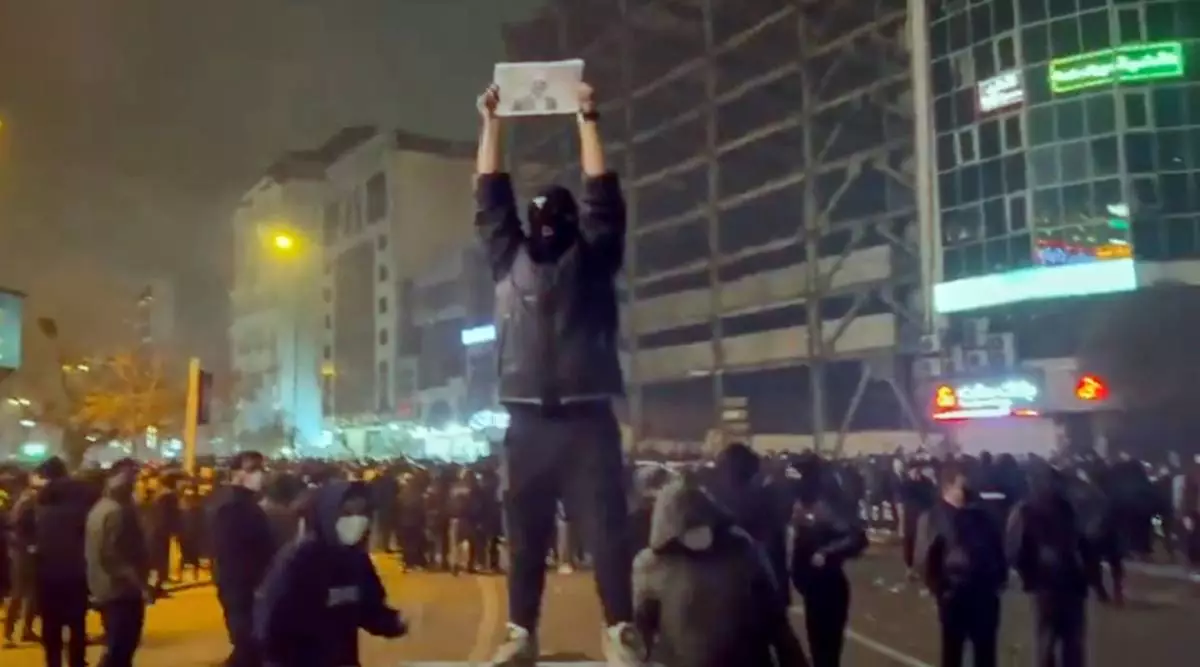
In this frame grab from video obtained by the AP outside Iran, a masked demonstrator holds a picture of Iran's Crown Prince Reza Pahlavi during a protest in Tehran, Iran, Friday, January. 9, 2026. (UGC via AP)
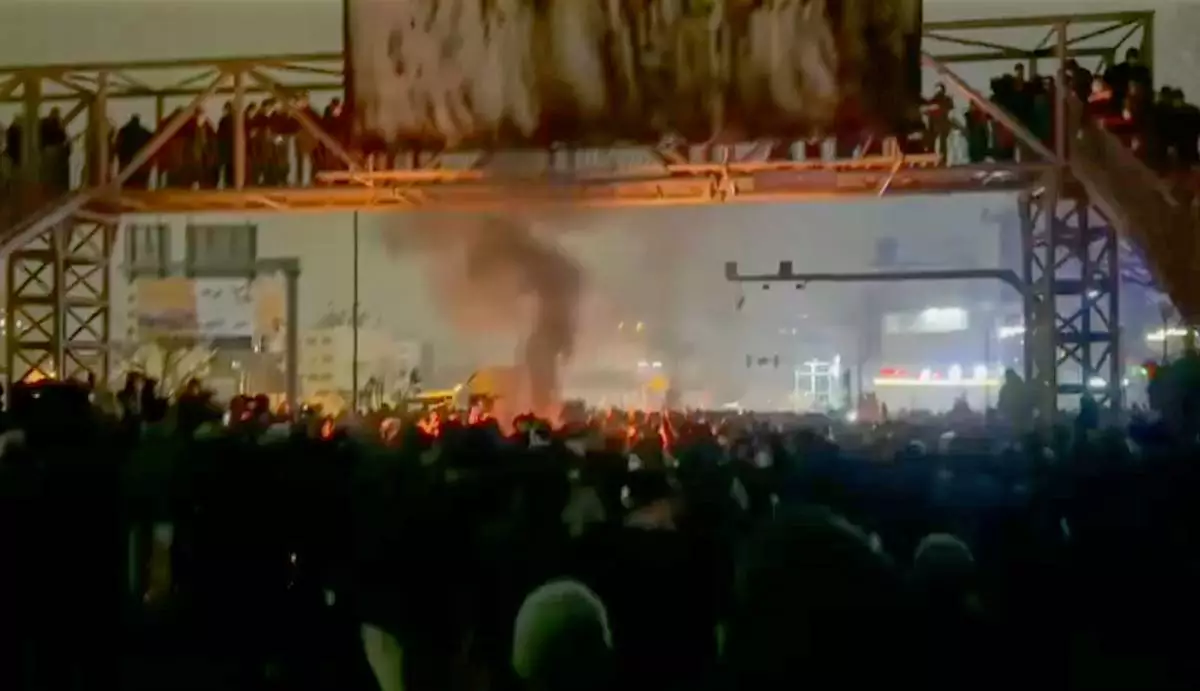
In this frame grab from footage circulating on social media from Iran shows protesters taking to the streets despite an intensifying crackdown as the Islamic Republic remains cut off from the rest of the world in Tehran, Iran, Friday, Jan. 9, 2026.(UGC via AP)
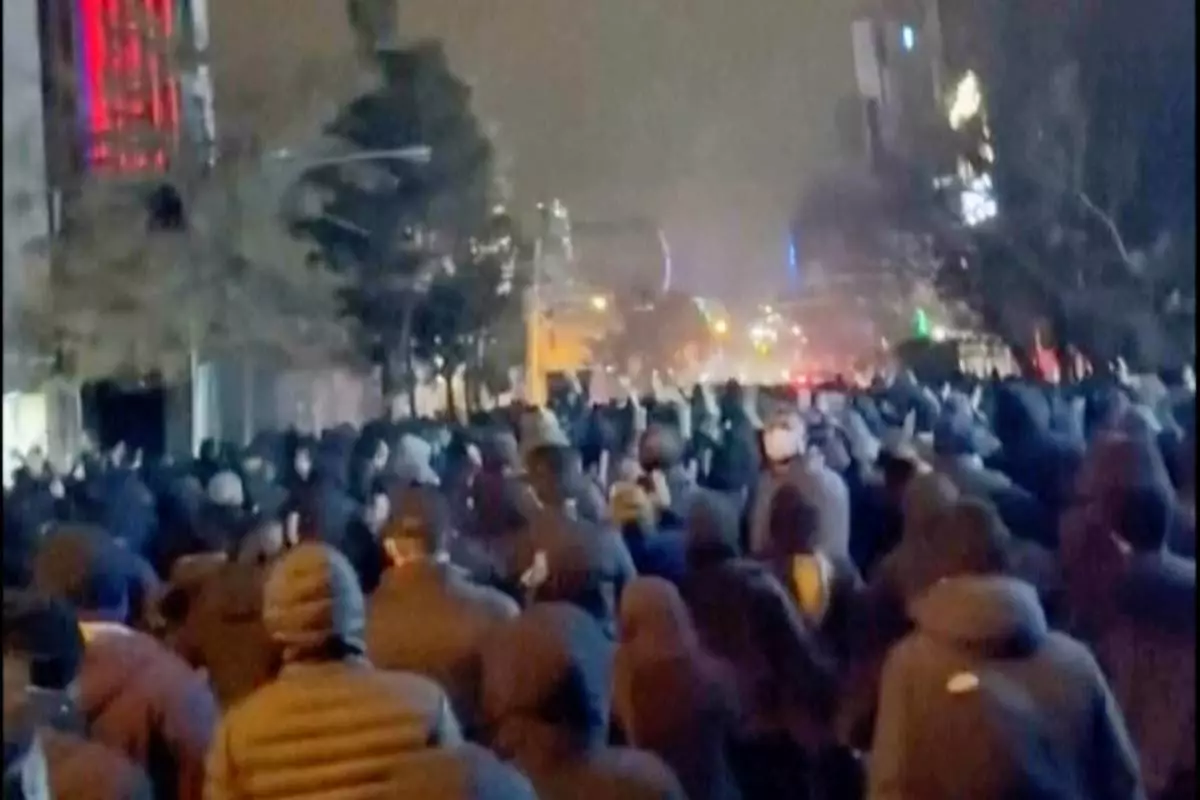
In this frame grab from footage circulating on social media from Iran showed protesters once again taking to the streets of Tehran despite an intensifying crackdown as the Islamic Republic remains cut off from the rest of the world in Tehran, Iran, Saturday Jan. 10, 2026. (UGC via AP)