Chinese President Xi Jinping's just-concluded Southeast Asia visit, his first overseas trip this year, highlighted China's dedication to deepening traditional ties, expanding practical cooperation and advancing its vision of building a community with a shared future with its neighbors.
The tour, which took him to Vietnam, Malaysia and Cambodia from Monday to Friday, also signaled China's renewed push to reinforce regional stability and prosperity, and its determined support for regional economic integration as global protectionism and unilateralism continue to mount. Throughout his tour, Xi reaffirmed China's commitment to fostering friendship and partnership with neighboring nations. He also underscored the importance of building a community with a shared future grounded in mutual respect, win-win cooperation and shared development.
In a signed article published ahead of his state visit to Vietnam, he stressed that China will ensure continuity and stability of its neighborhood diplomacy, which is guided by the principle of amity, sincerity, mutual benefit and inclusiveness.
In Vietnam, Xi said that building the China-Vietnam community with a shared future carries great global significance, noting that as the two countries jointly pursue peaceful development, their combined population of over 1.5 billion is jointly advancing toward modernization, which will contribute to regional and global peace and stability while promoting common development.
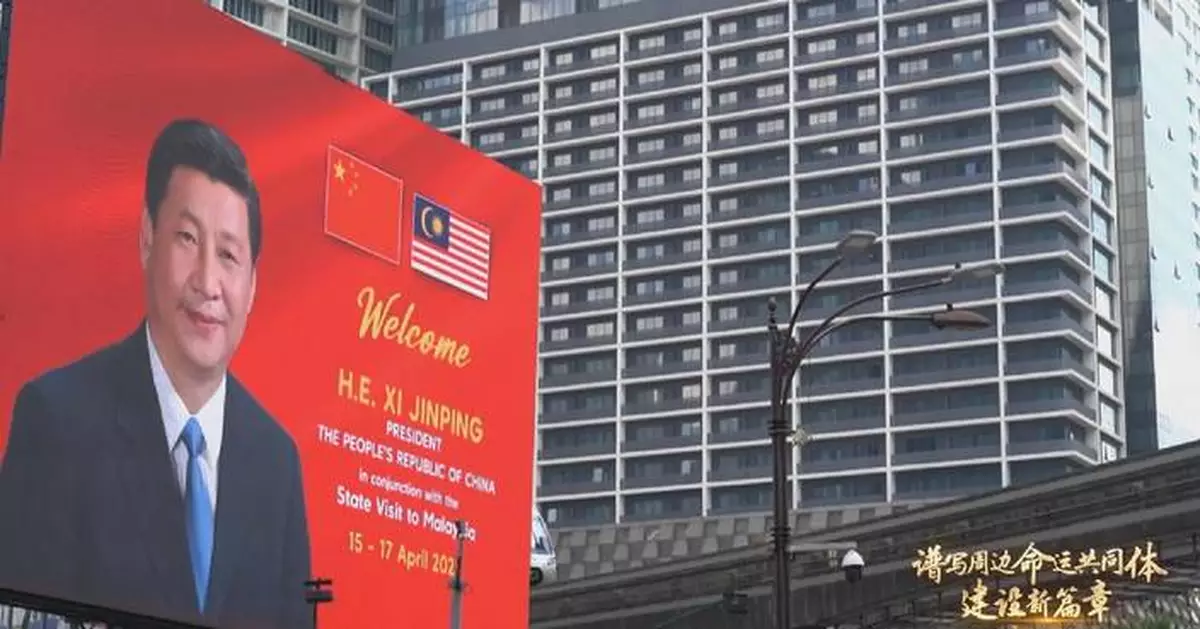
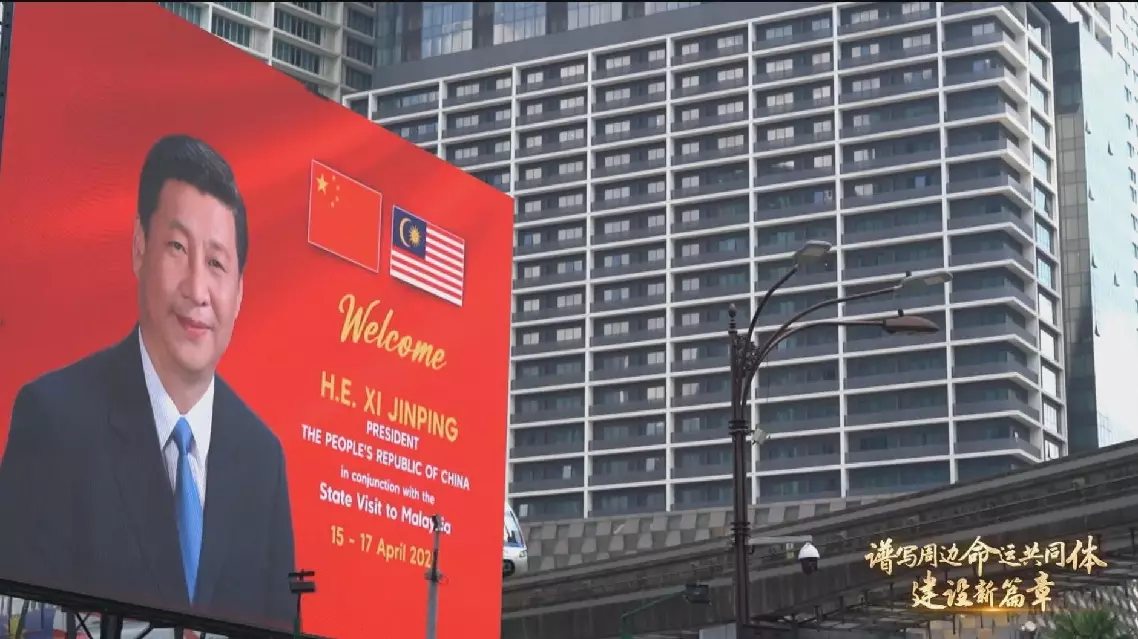
In Malaysia, Xi said that China is ready to work with the Malaysian side to build a high-level strategic China-Malaysia community with a shared future, so as to usher in a new "Golden 50 Years" for bilateral ties.
In Cambodia, Xi and Cambodian Prime Minister Hun Manet agreed to build an all-weather China-Cambodia community with a shared future in the new era, and designated 2025 the China-Cambodia Year of Tourism.
A focal point of the tour was high-quality Belt and Road cooperation with the aim of enhancing regional connectivity and creating development opportunities through projects spanning a wide range of fields, from infrastructure to digital and green economy.
In Vietnam, Xi and General Secretary of the Communist Party of Vietnam Central Committee To Lam witnessed the launching ceremony of the China-Vietnam railway cooperation mechanism, which is expected to assist Vietnam in aligning its railway gauge with China's standardized gauge, thereby boosting economic connectivity and development.
In Malaysia, Xi and Malaysian Prime Minister Anwar Ibrahim witnessed the exchange of more than 30 bilateral cooperation documents, covering a wide range of projects, which are taking root in Malaysia and making a difference for local people.
The two sides agreed to promote the implementation of the Belt and Road Initiative (BRI) Cooperation Plan signed in 2024 and further synergize development strategies. They also agreed to enhance cooperation on infrastructure connectivity, jointly implement key projects such as the East Coast Rail Link, promote rail-sea transportation and improve regional connectivity.
During his visit to Cambodia, Xi said the two sides should deepen practical cooperation across various fields, advance the construction of Cambodia's Industrial and Technological Corridor and Fish and Rice Corridor, and strengthen collaboration in energy, transportation and other key sectors, enabling Cambodia to share more in China's development opportunities.
Over the years, key BRI projects in Cambodia have yielded tangible benefits for local people. The Sihanoukville Special Economic Zone has become a thriving industrial hub, attracting more than 200 international enterprises and institutions while creating 32,000 jobs.
The Phnom Penh-Sihanoukville Expressway, Cambodia's first expressway, has cut travel time between the two cities from over five hours to under two, significantly enhancing connectivity. Meanwhile, the Siem Reap Angkor International Airport has given a strong boost to the tourism sector, operating 17 routes by the end of last year.
The tour sent a strong signal that China firmly defends multilateralism and international trade rules, Chinese Foreign Minister Wang Yi said on Friday during a press briefing.
Wang said that during Xi's Southeast Asia tour, the Chinese president pointed out that economic globalization benefits all countries and no country can retreat into isolation.
Trade wars will undermine the international trading system, the stability of the global economic order and the legitimate interests of all countries in the world, especially developing countries, Xi noted.
As key members of the Global South, China and neighboring countries should strengthen coordination and cooperation, stand together to combat the undercurrent of camp-based confrontation, jointly oppose unilateralism and counter the law of the jungle where the strong prey on the weak with the Asian values of peace, cooperation, openness and inclusiveness, so as to safeguard the bright prospects of our Asian family, Xi said.
Xi underscored that despite the headwind of mounting protectionism, China will pursue high-quality development, expand high-standard opening up and share development opportunities with neighboring countries.
China's mega market is always open to neighboring countries, and China welcomes more high-quality products from ASEAN members, he added.
Xi's Southeast Asia visit deepens shared commitment to neighborhood amity, cooperation
Xi's Southeast Asia visit deepens shared commitment to neighborhood amity, cooperation