Skip to Content Facebook Feature Image

Trump's tariff measures wreak havoc on economy: expert

China

China

China

Trump's tariff measures wreak havoc on economy: expert

2025-04-21 20:10 Last Updated At:23:17

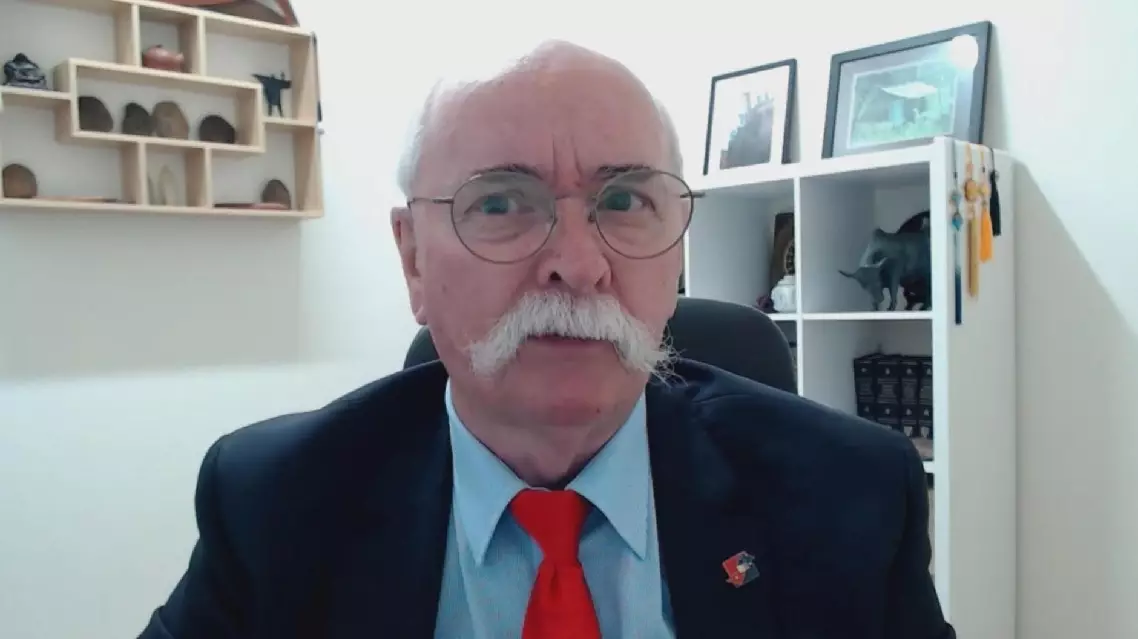
U.S. tariff policies are posing risks to domestic consumption and financial markets, fueling inflation, disrupting business operations, and eroding global confidence in the U.S. dollar, said Daryl Guppy, an international financial analyst and CEO of Guppy Traders.

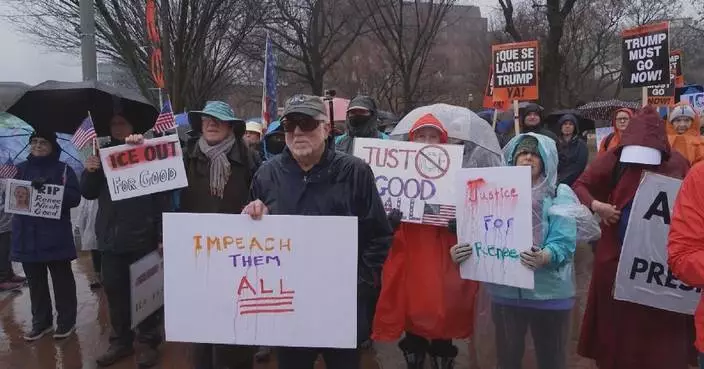
This comes as tariff measures introduced by Donald Trump administration are straining the domestic economy and deepening uncertainty nationwide, according to various media reports. CNN reports that the government's "chaotic trade wars" have left small businesses struggling, with soaring costs, disrupted supply chains, and stifled growth and expansion plans.

Meanwhile, three former U.S. presidents - Bill Clinton, Barack Obama, and Joe Biden - have warned against the Trump administration's policies in their recent remarks, breaking the tradition of former presidents refraining from publicly criticizing the sitting president, as noted by the Washington Post.

In a recent interview with China Global Television Network (CGTN), Guppy discussed the significant negative impacts of U.S. tariff measures, particularly their toll on the domestic economy.

"There are three domestic risks. The first is the inevitable increase in inflation. It's U.S. consumers that carry the burden of tariffs. The second is the financial markets. They are just beginning to fully appreciate the destructive impact tariffs are having on their business model. That’s why we are seeing some changes or delays in selected tariff categories. The third is the bond market, because this erratic tariff policy makes the world lose trust in the U.S. dollar and the security of U.S. treasuries," he said.

Guppy criticized the so-called "strategies" employed by Trump to boost government revenue during economic strain, highlighting that the president is manipulating markets to benefit his allies, disregarding the long-term consequences for the global trade system.

"The United States is bankrupt, and Trump is skilled at handling bankruptcy. First, you cut costs, that's DOGE, that's Elon Musk. Second, you generate income any way you can, that’s tariffs. Third, you reduce the cost of refinancing loans, that’s crushing the market and the Dow. Fourth, you try to defer loan repayments and that may involve converting debt into 50 or 100-year bonds or using a synthetic default on the payment of treasuries to stop payments to selected countries that hold U.S. treasuries," he said.

"Trump doesn't care what the global trade system will look like, as long as he is able to stave off bankruptcy and manipulate the market to make money for his friends," the financial expert added.
Trump's tariff measures wreak havoc on economy: expert
Trump's tariff measures wreak havoc on economy: expert
Trump's tariff measures wreak havoc on economy: expert

Trump's tariff measures wreak havoc on economy: expert
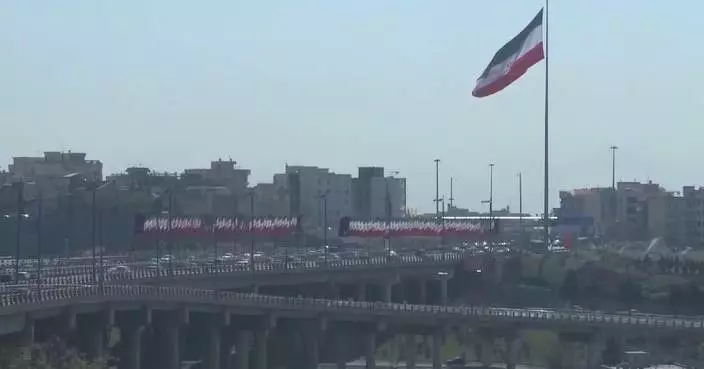
The Iranian government is focusing on public concerns and maintaining stable supplies of essential goods amid recent protests, Iranian President Masoud Pezeshkian said in a televised interview on Sunday.

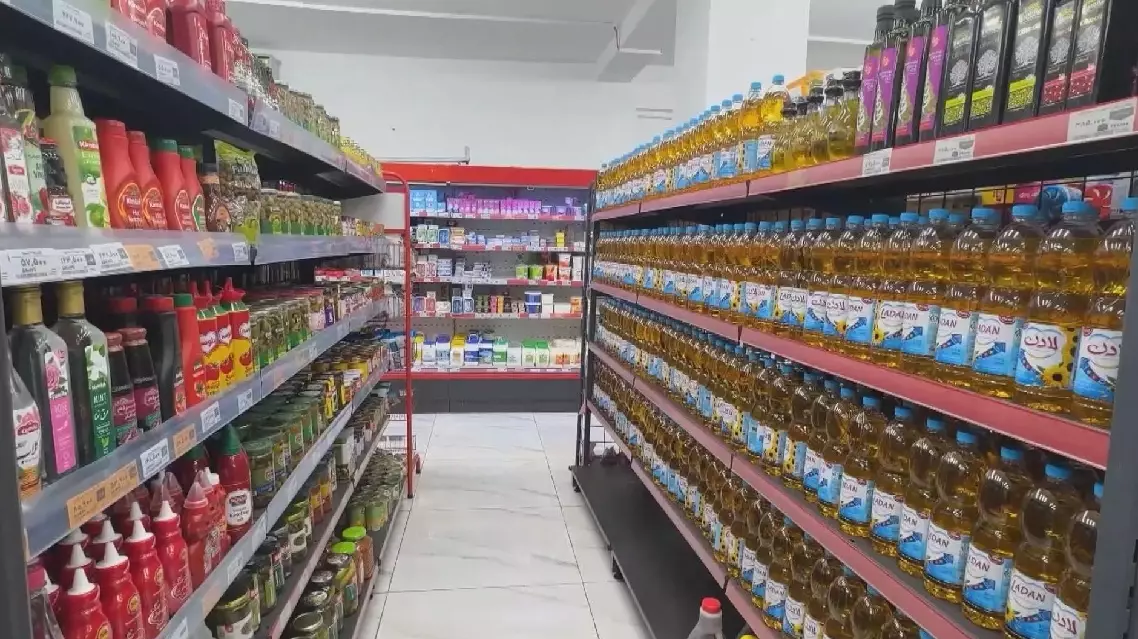
In the city of Karaj, northwest of the capital Tehran, daily life has largely continued as normal. A video filmed by a local resident on Sunday shows food stores open and grocery shelves fully stocked.

"This is the block near my home, and there are some food stores here. Daily life continues here. Last night we did not see many protests in Karaj. Right now the city is very safe. This is a grocery store close to my home. All the food is available; nothing is in shortage. Here are noodles and different types of beans. Here are dairy products, cheese, and yogurt. I also checked other grocery stores and didn't see any shortages. Everything is available," said local resident Ali Reza.

Iranian officials have described recent disturbances as acts orchestrated by the "enemy," including some carried out by well-trained and armed "terrorists." The incidents have caused casualties among security personnel and civilians, as well as property damage.

The Secretary of Iran's Supreme National Security Council Ali Larijani has directed authorities to severely punish the "terrorists."

Meanwhile, Iran's police chief Ahmad-Reza Radan said on Sunday that the police had raised alert levels and arrested several leaders of the troublemakers during the operations on Saturday.

President Pezeshkian noted in the interview that the normal demands of the Iranian people are reasonable and justified, but they must realize that triggering riots and carrying out terrorist acts are the enemy's attempts to undermine the country. He urged the public to remain vigilant.

Also on Sunday, Iranian Parliament Speaker Mohammad Baqer Qalibaf warned that Tehran would regard U.S. and Israeli bases and facilities in the Middle East as "legitimate targets" if Washington takes military action against Iran. His remarks followed media reports saying U.S. President Donald Trump is "seriously considering authorizing a strike" against Iran.

Iranian state media reported that at least 109 members of Iran's security forces have been killed in clashes since the protests began 14 days ago. Meanwhile, human rights groups based outside the country said the number of protesters killed has exceeded 200, though the figure could not be independently verified.

The protests initially erupted over a sharp depreciation of the rial and sweeping subsidy reforms. Iranian authorities have blamed the unrest on foreign-linked agents and sanctions imposed by the United States.

Iranian president says government focusing on ensuring supplies amid protests

Iranian president says government focusing on ensuring supplies amid protests

Recommended Articles